Neoclinus stephensae
A tiny tube-dwelling fish rarely spotted outside Baja California, Mexico, in cool 14-19°C water. Here's how to find and ID one.
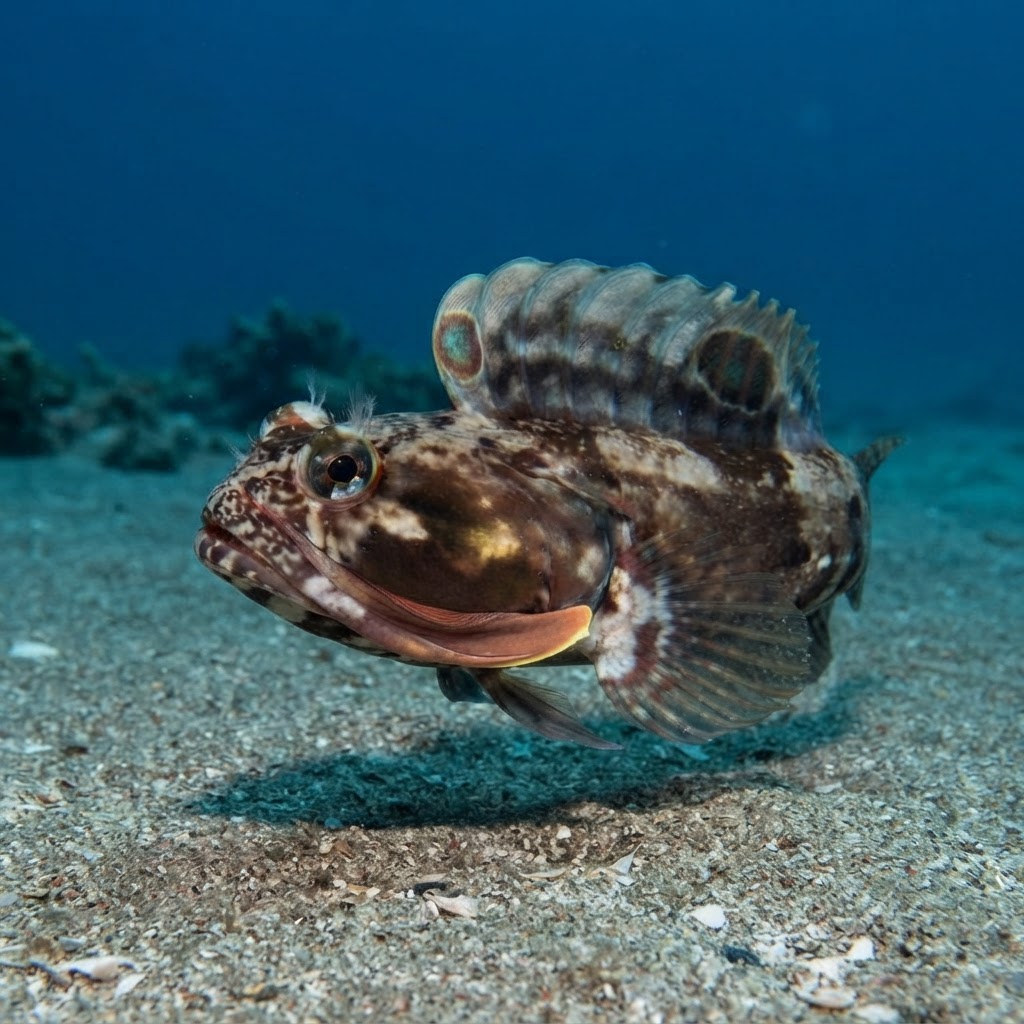
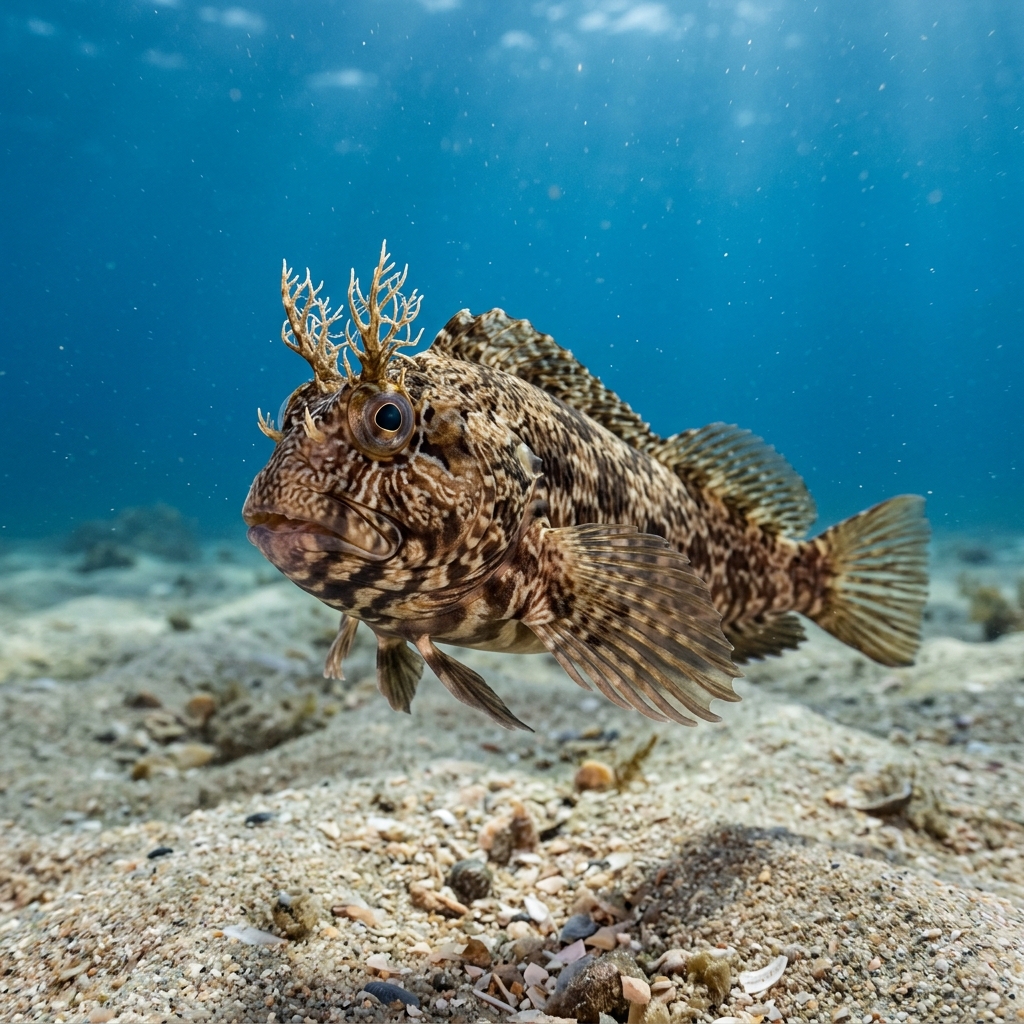
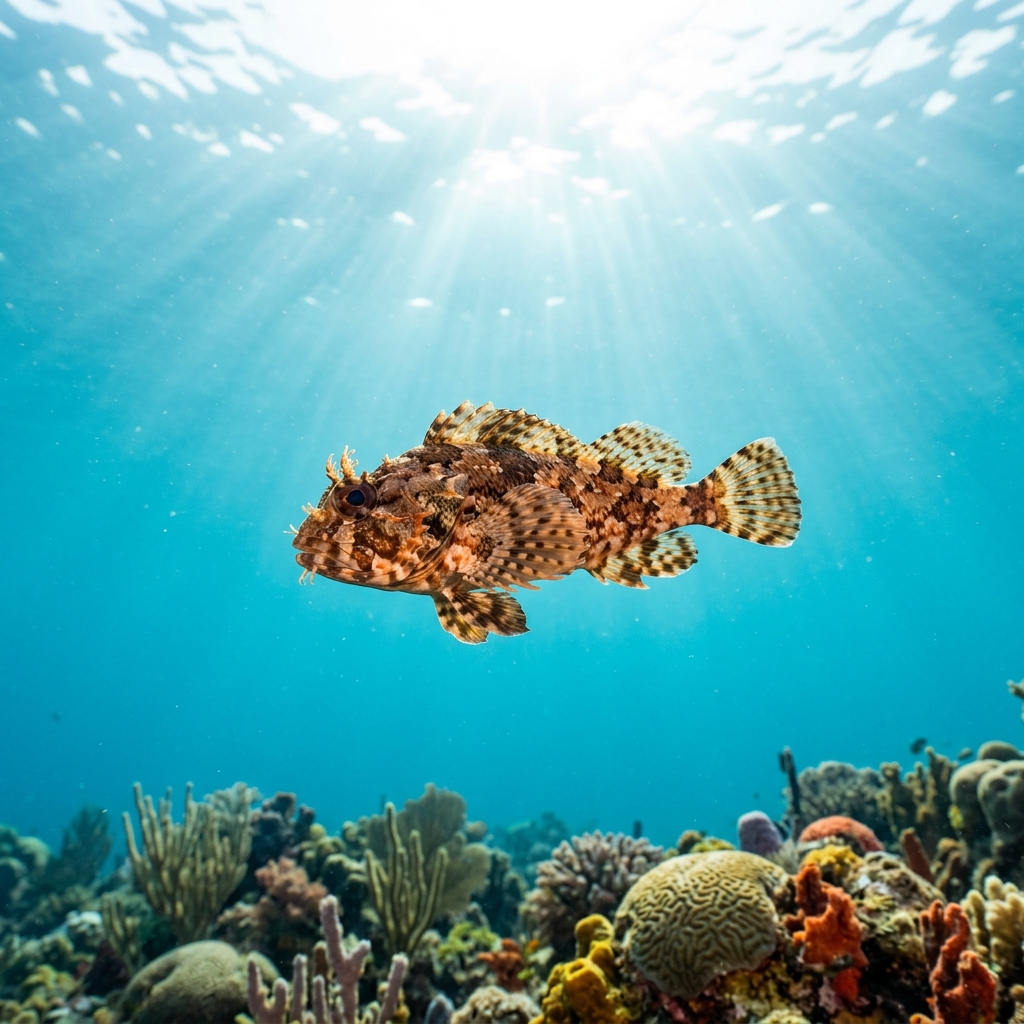
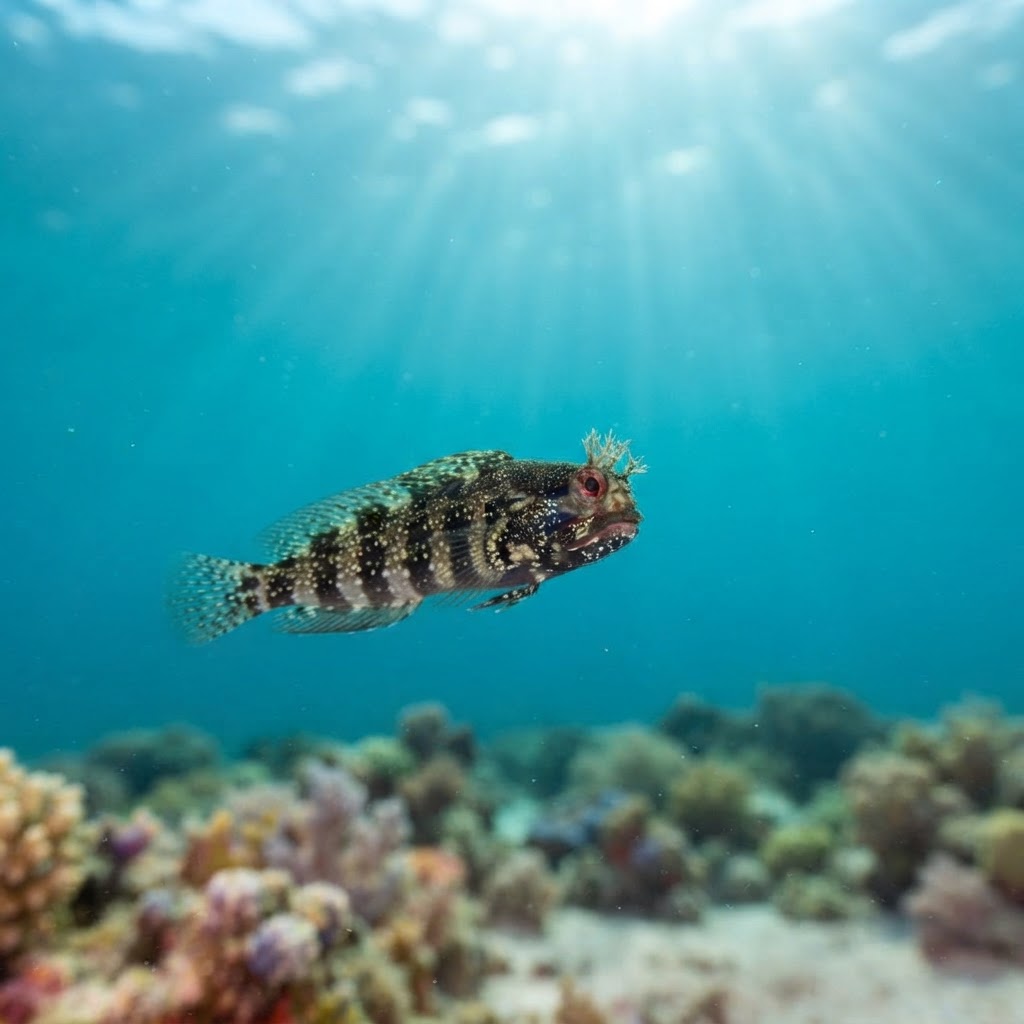
Barely bigger than a finger at around 7cm, this fish spends most of its life with just its head poking out of a burrow, tube worm casing, or empty shell. Look for a blunt, slightly bulbous head, large eyes set high, and yellow-tinged fins that give it its name. Its body colour blends into mottled rock and rubble, so the giveaway is the head sitting stationary in a small dark hole rather than any bright pattern.
Spend the dive scanning rubble, rock crevices, and abandoned worm tubes or shells rather than open reef, since this fish rarely leaves its burrow. It sits with just its head exposed, watching passing divers with little reaction, and will often retreat slightly deeper into its hole if you get too close or shine a light directly on it. Logged as uncommon at every site where it has been recorded, so finding one usually takes a slow, deliberate search rather than a lucky swim-by.
Like other fringeheads, it almost certainly holds its burrow year-round and relies on camouflage and a quick retreat rather than open swimming to avoid predators, which is why so few divers ever see the whole fish.
Sightings don't show a clear seasonal pattern, so treat it as a year-round possibility wherever water sits in its observed 14 to 19.2C range. Baja's cooler, nutrient-rich water along the Pacific side keeps conditions suitable for most of the year.
Reef neighbours a diver could mistake it for. Use the identification notes above to tell them apart.
Nearly all logged sightings come from Baja California, Mexico, making it the place to look for this species, with a single site recorded across the border in California, United States. If you are diving the Baja peninsula and checking rocky reef and rubble patches for small burrow-dwellers, this is the region that delivers.
Mapping where Yellowfin Fringehead is logged…
Almost every logged sighting is from Baja California, Mexico, with a single record from California, United States. Baja is by far the more reliable region to search.
There's no detected season in the data, so it's best treated as a year-round sighting in water between 14 and 19.2C. Plan around Baja's typically cool coastal conditions rather than a specific month.
Look for a small, roughly 7cm fish with just its head protruding from a burrow, worm tube, or empty shell on rocky rubble. Its fins carry a yellow tinge, and the body colour otherwise blends into the surrounding rock.
They stay small, reaching around 7cm, which is one reason they're easy to miss even when you know where to look.
It spends nearly all its time tucked into a burrow or abandoned shell, showing only its head, and relies on that hiding spot rather than swimming away to avoid trouble.
Site and sighting data is aggregated from diver logs, iNaturalist and GBIF. For taxonomy and conservation status:
Rusty Blenny
2,605 sites