Anampses twistii
Small, quick-moving wrasse logged year-round across Marsa Alam and South Sinai at 25-29 C, easy to miss if you don't look close to the reef floor.
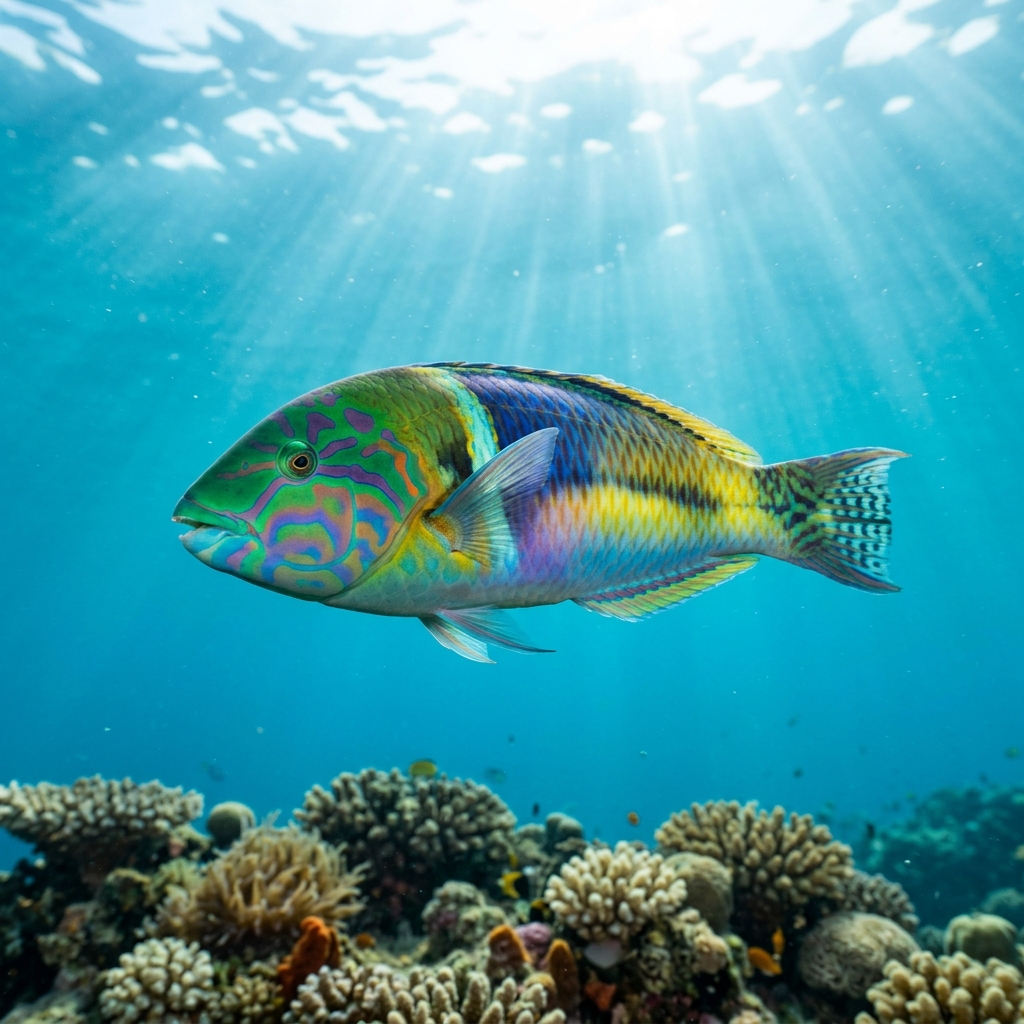
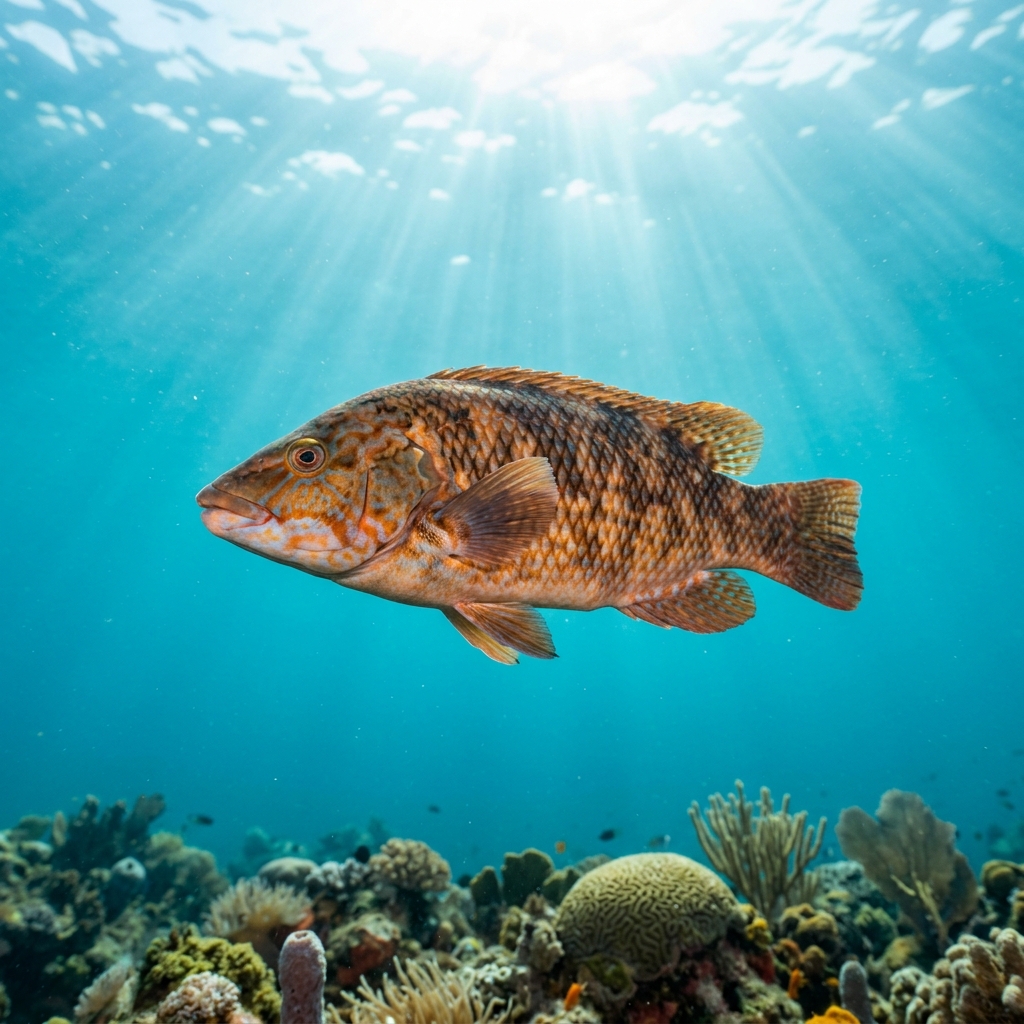
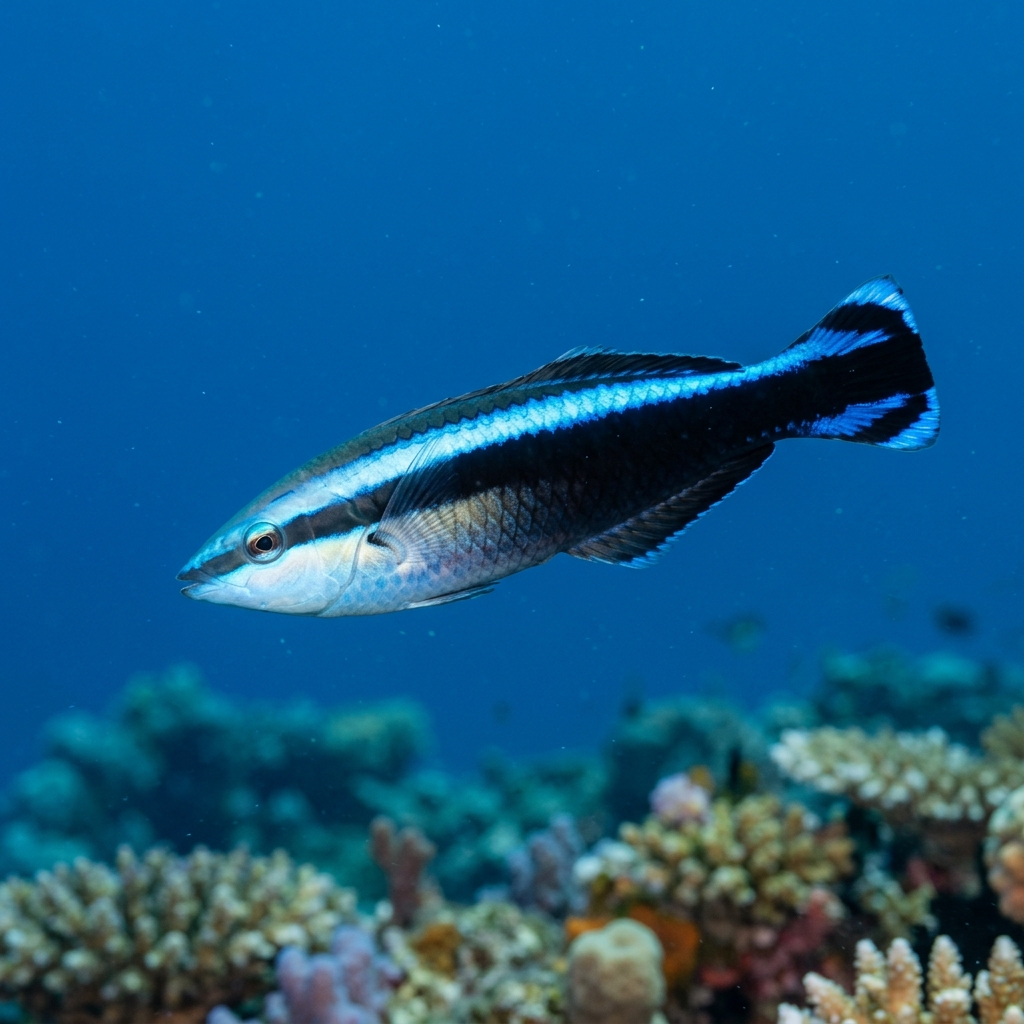
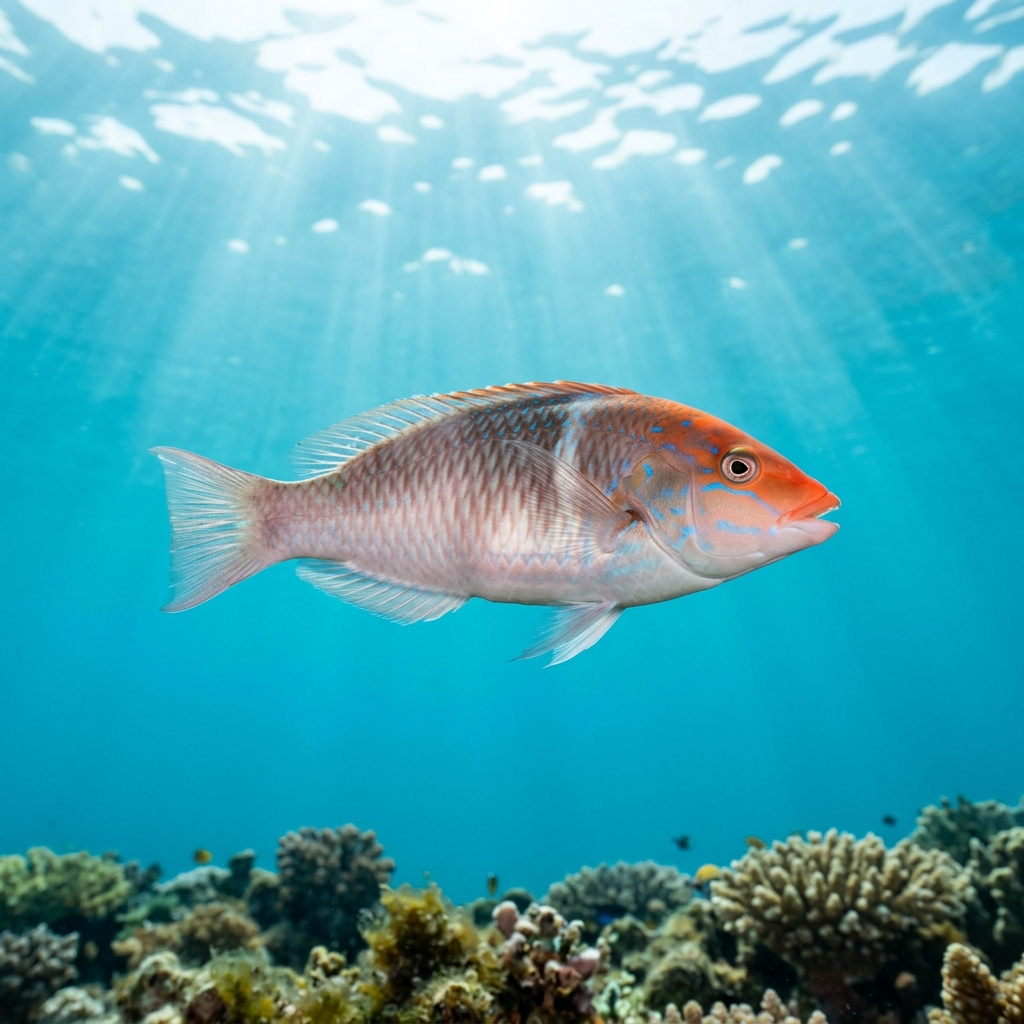
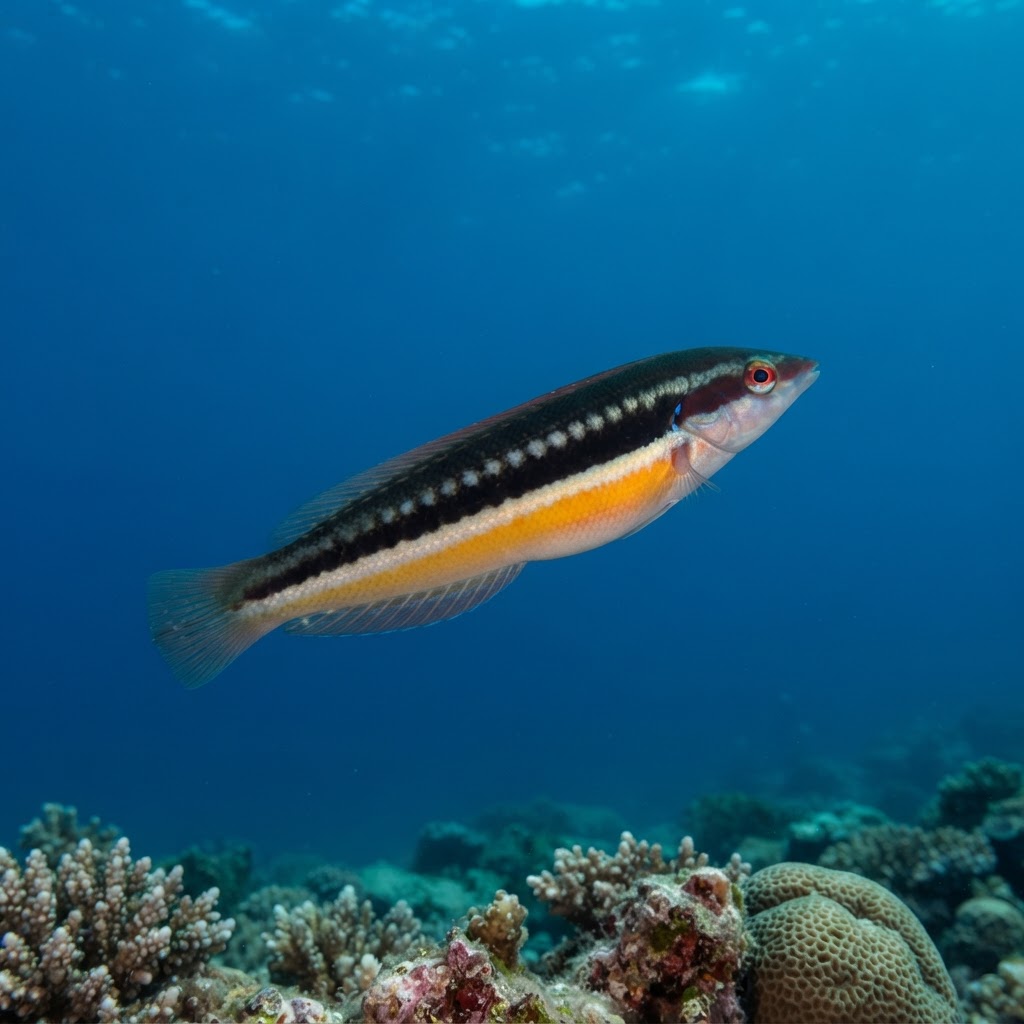
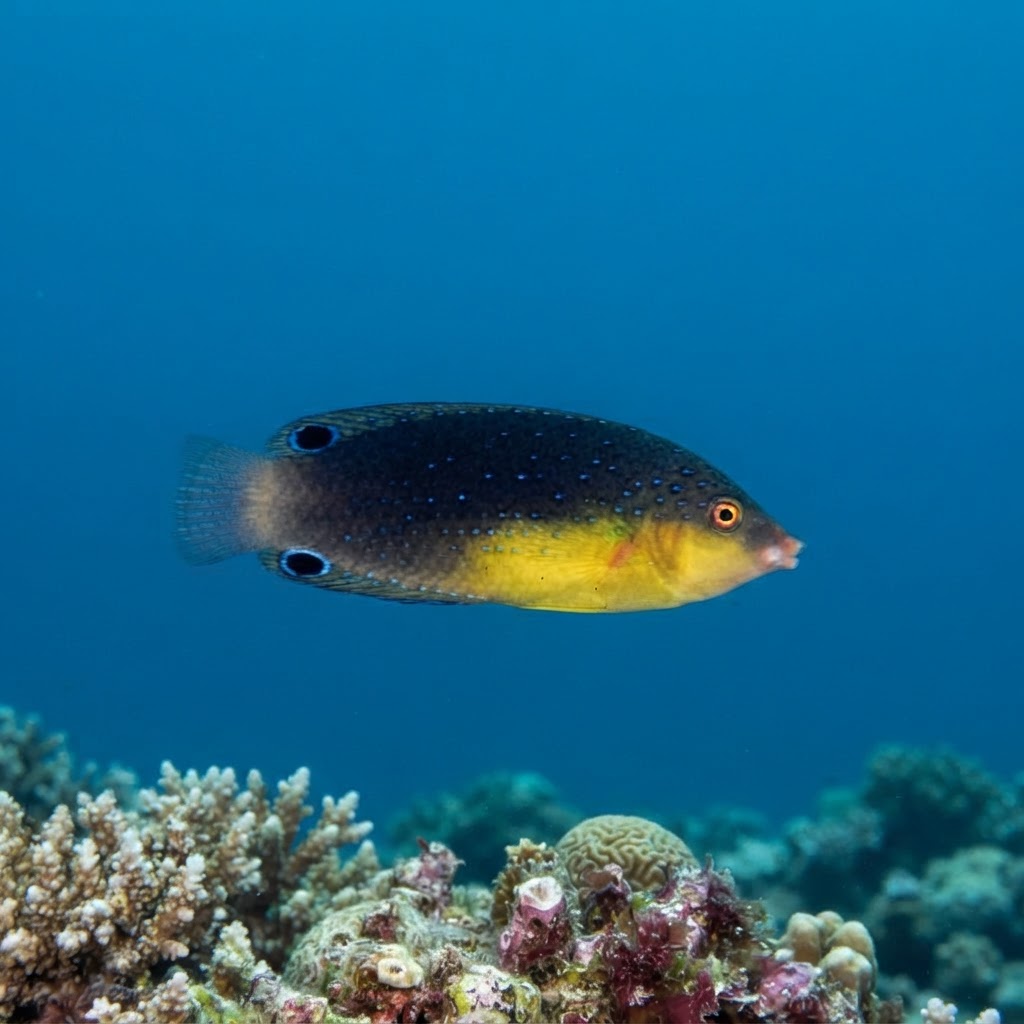
A small, torpedo-shaped wrasse around 12 cm, usually pale grey to olive with a scatter of fine spots and a darker saddle-like patch toward the tail. The chest and lower head carry the yellow wash that gives it its name, most visible when it turns broadside in good light. It swims in short, darting bursts low over rubble and coral rather than cruising in the open water column.
Look for it picking around rubble patches and the base of coral heads, foraging for small invertebrates rather than holding station in open water. It tends to stay low and close to cover, darting for shelter the moment a diver gets too close rather than lingering to be photographed. Most sightings happen during the day on shallower reef flats and slopes within its 5 to 30 m range.
Wrasses in this genus are known to bury themselves in sand at night or when startled, a useful escape trick for a fish this size on an open reef.
No clear seasonal pattern shows up in the data, and its comfort range of roughly 25 to 29 C matches tropical and Red Sea reef temperatures for most of the year, so it's a fair year-round sighting wherever it's found.
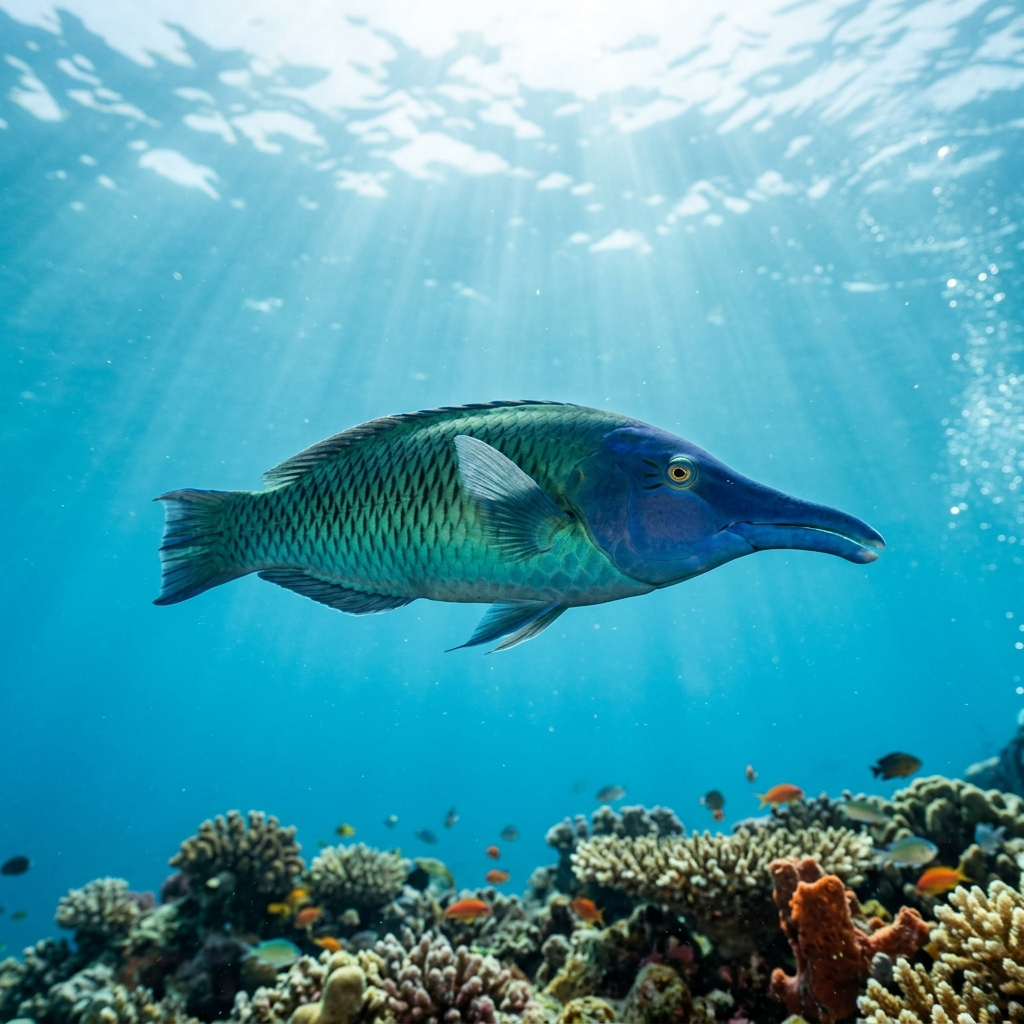
Reef neighbours a diver could mistake it for. Use the identification notes above to tell them apart.
Most reliably found in Egypt, especially the Red Sea Riviera and Marsa Alam & the Deep South, with South Sinai also a solid bet. Outside the Red Sea it turns up in Palau's Rock Islands, around Apra Harbor in Guam, and in French Polynesia's Society and Tuamotu Islands, though sightings there are scarcer.
Mapping where Yellowbreasted Wrasse is logged…
Egypt is the strongest bet, particularly the Red Sea Riviera, Marsa Alam & the Deep South, and South Sinai. Smaller but real populations are logged in Palau's Rock Islands, Guam's Apra Harbor, and French Polynesia.
There's no strong seasonal signal in the sighting data, and the species tolerates a warm 25 to 29 C range typical of tropical reefs year-round, so any time of year works.
Look for a small, roughly 12 cm wrasse with a pale grey-olive body, a dark blotch near the tail, and a yellowish tint on the chest. It moves in short darting bursts close to rubble and coral rather than swimming in open water.
They stay small, topping out at around 12 cm, which makes them easy to overlook against busier reef backgrounds.
No. They're harmless to divers and tend to avoid close contact, darting for cover rather than approaching.
Like several relatives in its genus, it's thought to bury itself in sand when startled or at night, a quick defence trick for a fish this size on open reef.
Site and sighting data is aggregated from diver logs, iNaturalist and GBIF. For taxonomy and conservation status:
Bird Wrasse
3,632 sites