Lutjanus argentiventris
Yellow Snapper turns up most reliably in Baja California and the Galápagos. Here's how to spot it and when to go.
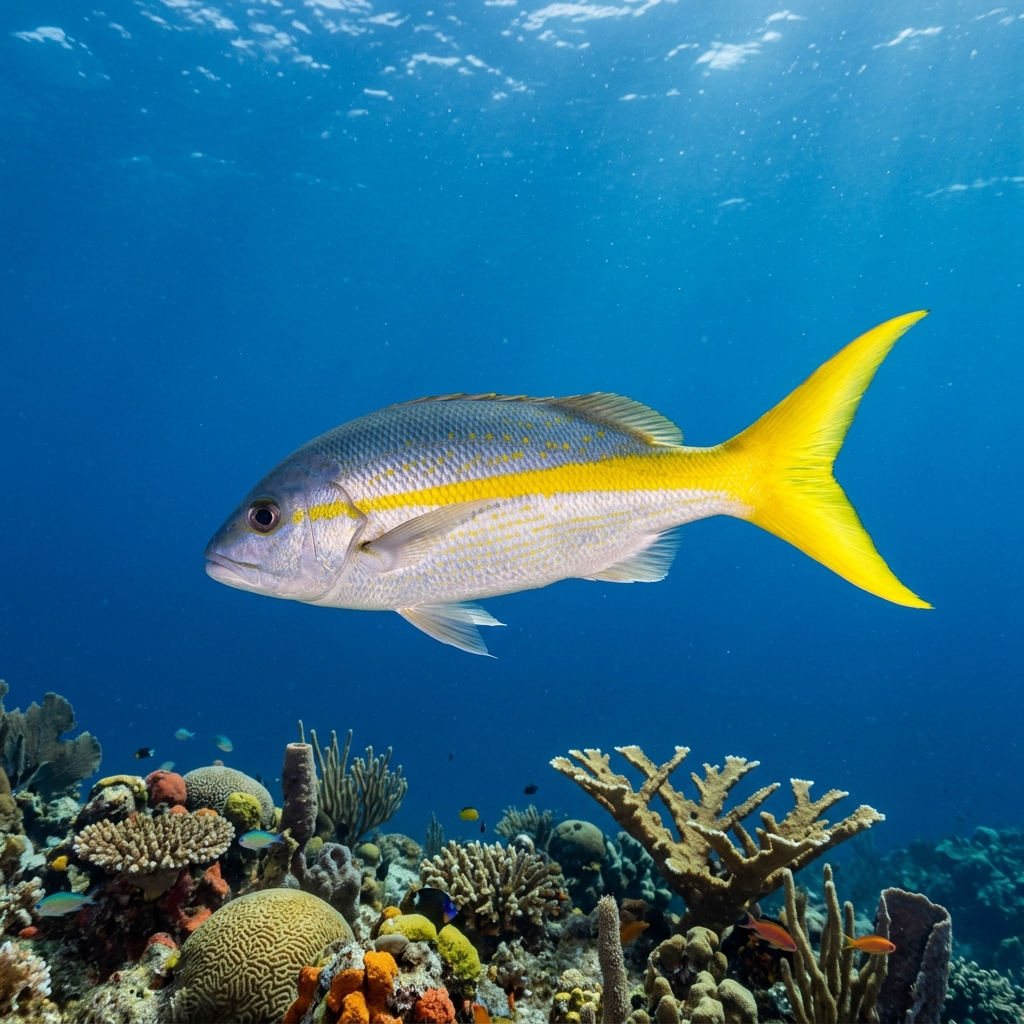
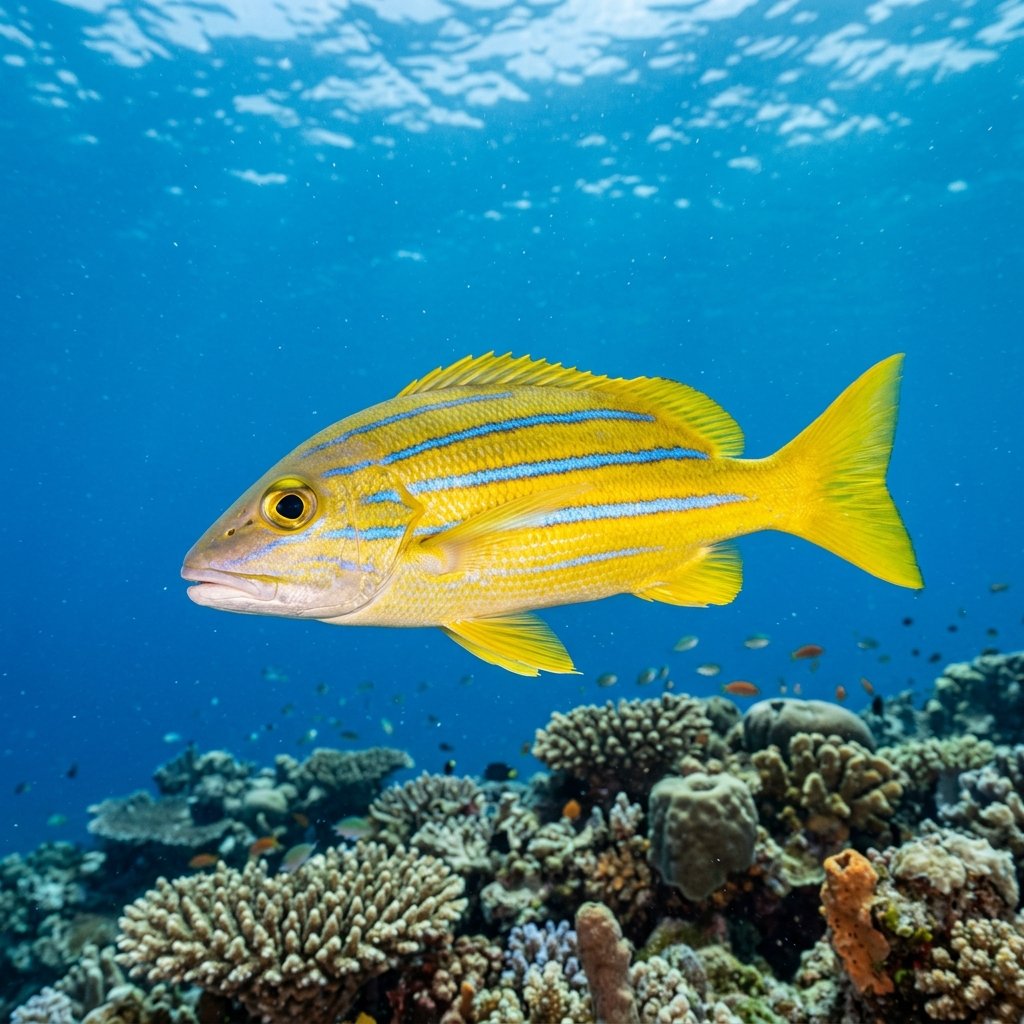
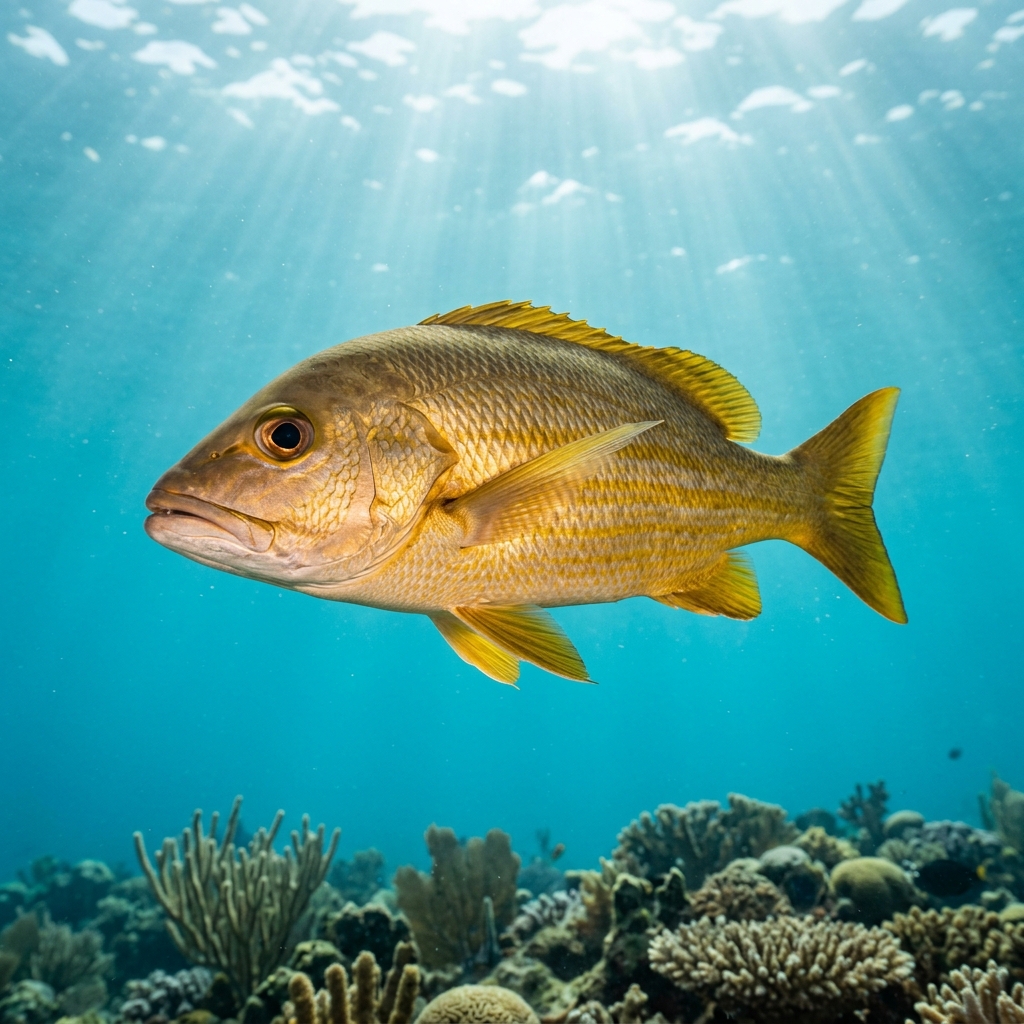
A medium-sized snapper around 50 cm, it carries a vivid yellow body that fades to a clean silvery-white on the belly, the contrast is the single most useful field mark underwater. The fins are uniformly yellow, and the tail has a slight fork. Look for a moderately deep body and a relatively pointed snout compared to chunkier reef snappers.
Yellow snapper tend to hover in small, loose groups close to rocky or coral reef structure, often in mid-water just above the bottom. They are not particularly skittish and will usually allow a calm diver to approach at close range before drifting away. Like most snappers, they are more active hunters at dawn and dusk, but you can find them resting near the reef throughout the day.
This is primarily an eastern Pacific species that also pushes into Caribbean waters, an unusual biogeographic range that makes it a signature fish of the tropical eastern Pacific, including the Galápagos, where cool, nutrient-rich upwellings mix with warmer surface water.
In Northern Hemisphere sites, sightings concentrate between January and April. In the Southern Hemisphere, notably the Galápagos, the peak falls between December and March. The species tolerates water temperatures from around 20 to 29 °C, so the cooler end of that range during upwelling seasons in the eastern Pacific often coincides with peak sightings.
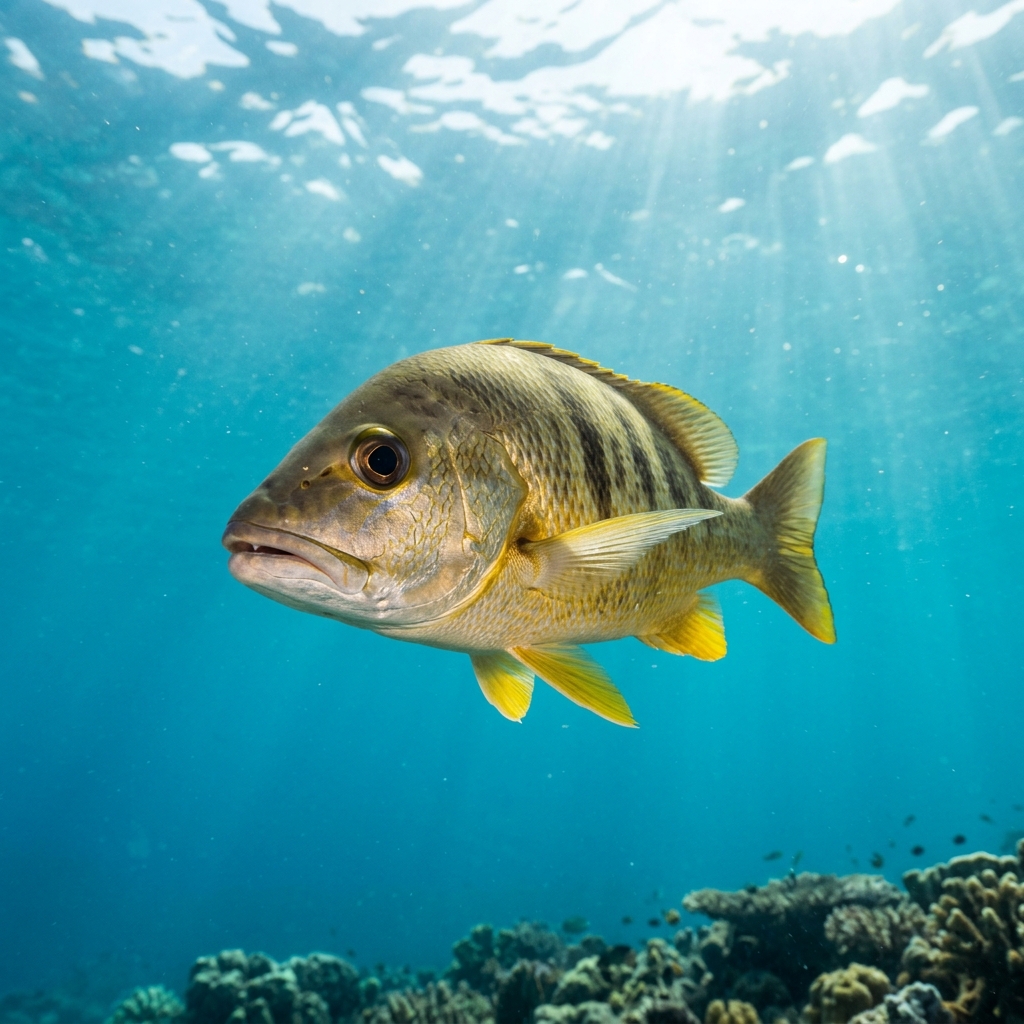
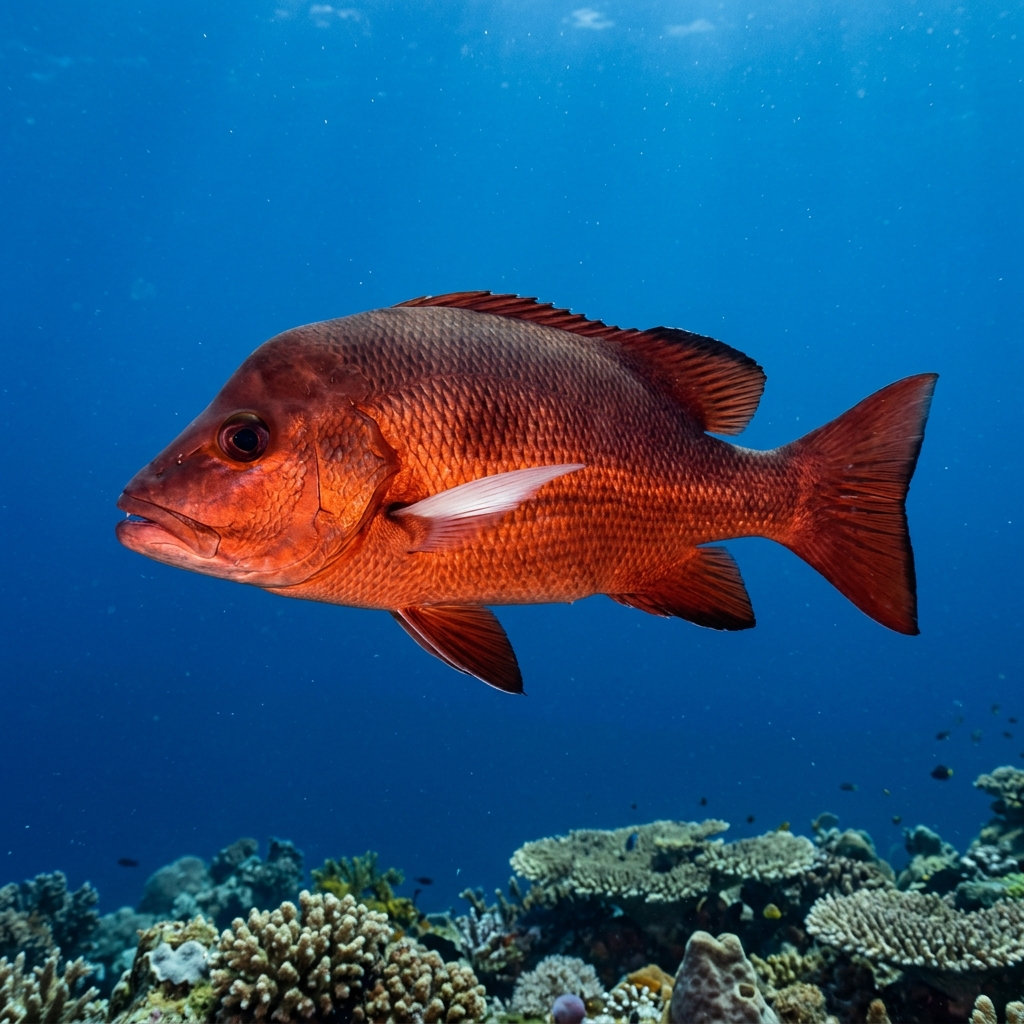
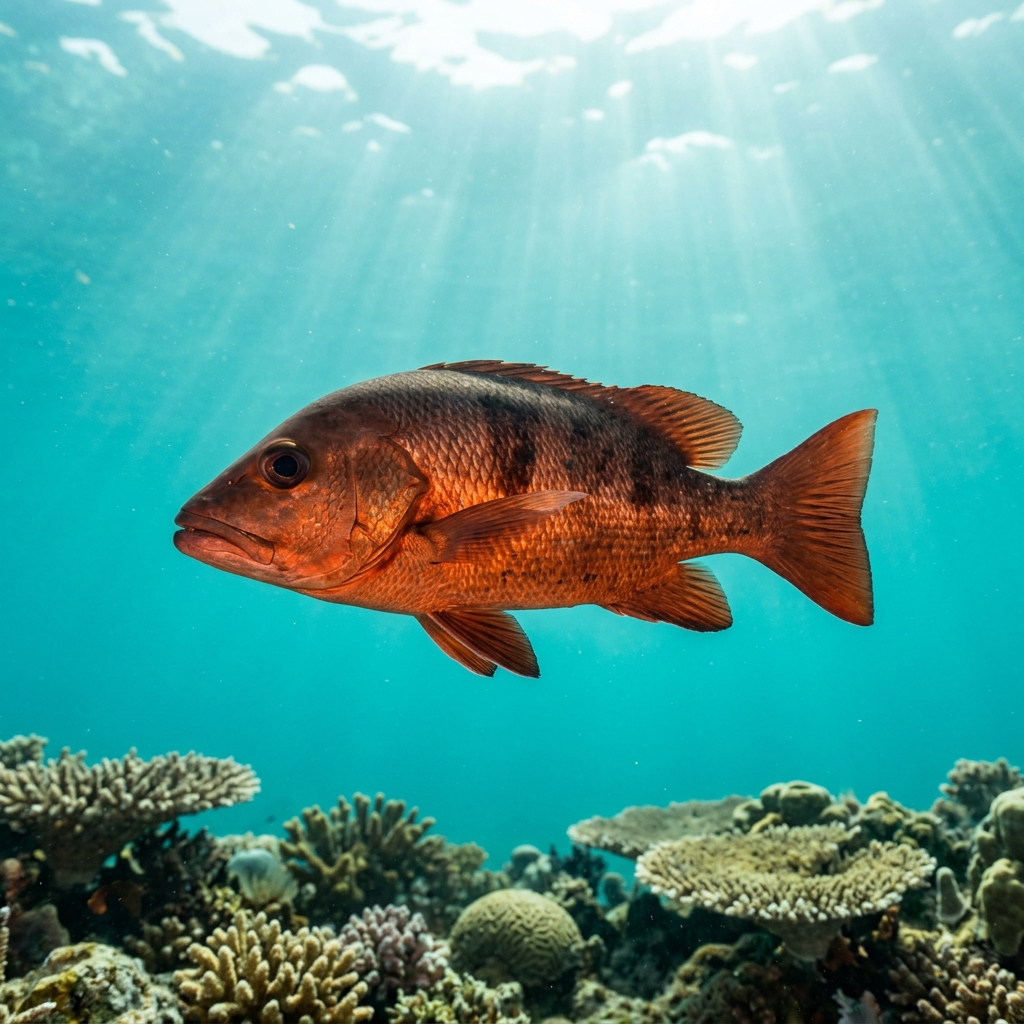
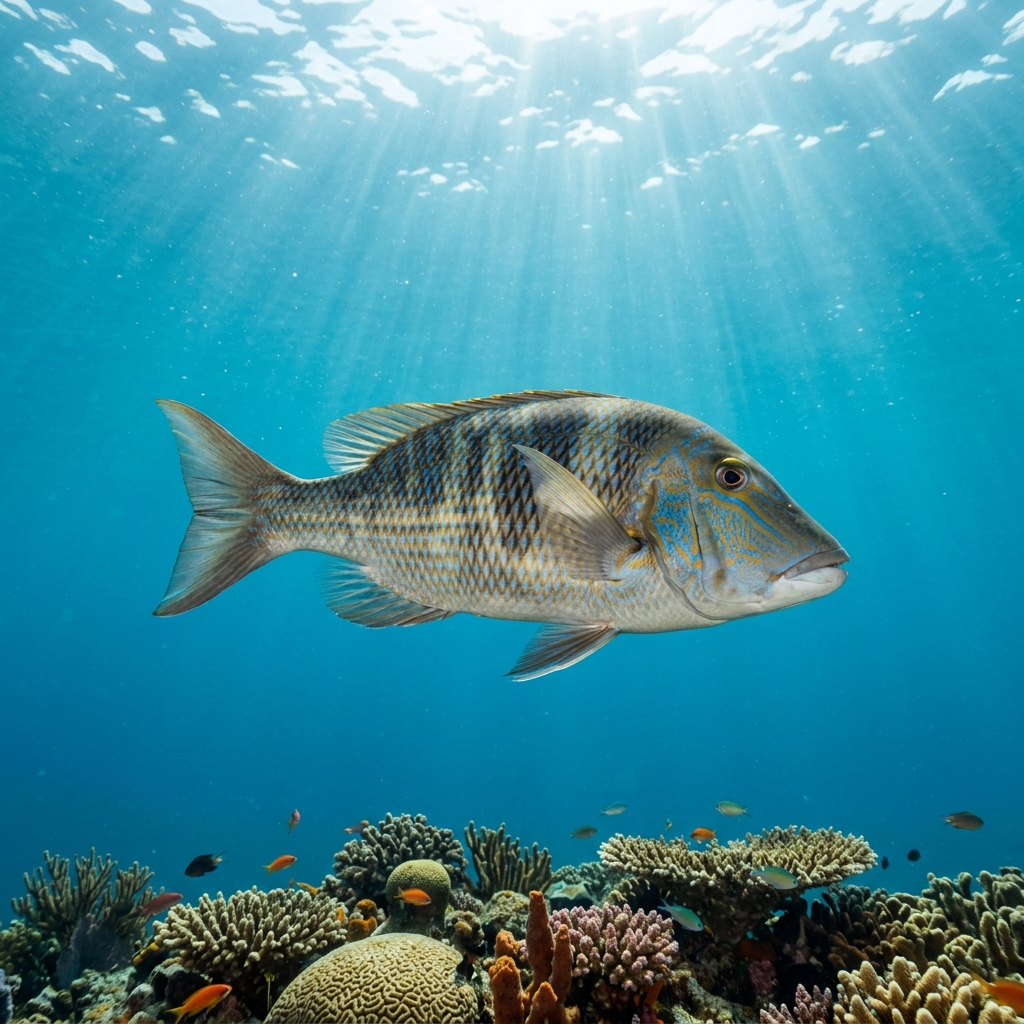
Reef neighbours a diver could mistake it for. Use the identification notes above to tell them apart.
Most reliably logged along Mexico's Pacific coast, particularly in Baja California, and in the Galápagos Islands in Ecuador. Strong records also exist across Colombia's Caribbean coast, Costa Rica, Panama's Coiba National Park, and Cuba's Jardines del Rey. The species spans both Pacific and Caribbean waters from the United States south to Ecuador.
Mapping where Yellow Snapper is logged…
The best-documented sites are along Mexico's Baja California coast and the Galápagos Islands in Ecuador. You can also encounter them in Costa Rica, Colombia's Caribbean coast, Panama's Coiba National Park, Cuba, and across the broader Gulf of Mexico. They span both Pacific and Caribbean reef systems from Mexico south to Ecuador.
In Mexican and other Northern Hemisphere sites, sightings peak from January through April. In the Galápagos and other Southern Hemisphere locations, December to March is the prime window. Outside those windows sightings drop off, so timing your trip accordingly gives the best chance of an encounter.
The clearest marker is the sharp contrast between the bright yellow upper body and the silvery-white belly. All fins are yellow, the tail is slightly forked, and the body profile is moderately deep with a pointed snout. At around 50 cm it sits in a recognisable mid-size range for reef snappers.
A typical adult reaches around 49 cm in length. That puts it firmly in the mid-size range for reef snappers, noticeably larger than a schoolmaster snapper but smaller than the biggest mutton snappers you might see on the same reef.
At most sites where it is recorded, it comes up as uncommon, you might see it on a dive, but you should not count on it. A smaller number of sites rate it as common or rare, and only a handful report it as very common. Patient, repeated dives at peak-season sites in Baja California or the Galápagos give the best odds.
Site and sighting data is aggregated from diver logs, iNaturalist and GBIF. For taxonomy and conservation status:
Bluestriped Snapper
2,054 sites