Pseudocoris yamashiroi
Slender reef wrasse logged around Sulawesi and Taveuni in warm 25-29 C water, seen year-round but only in ones and twos.
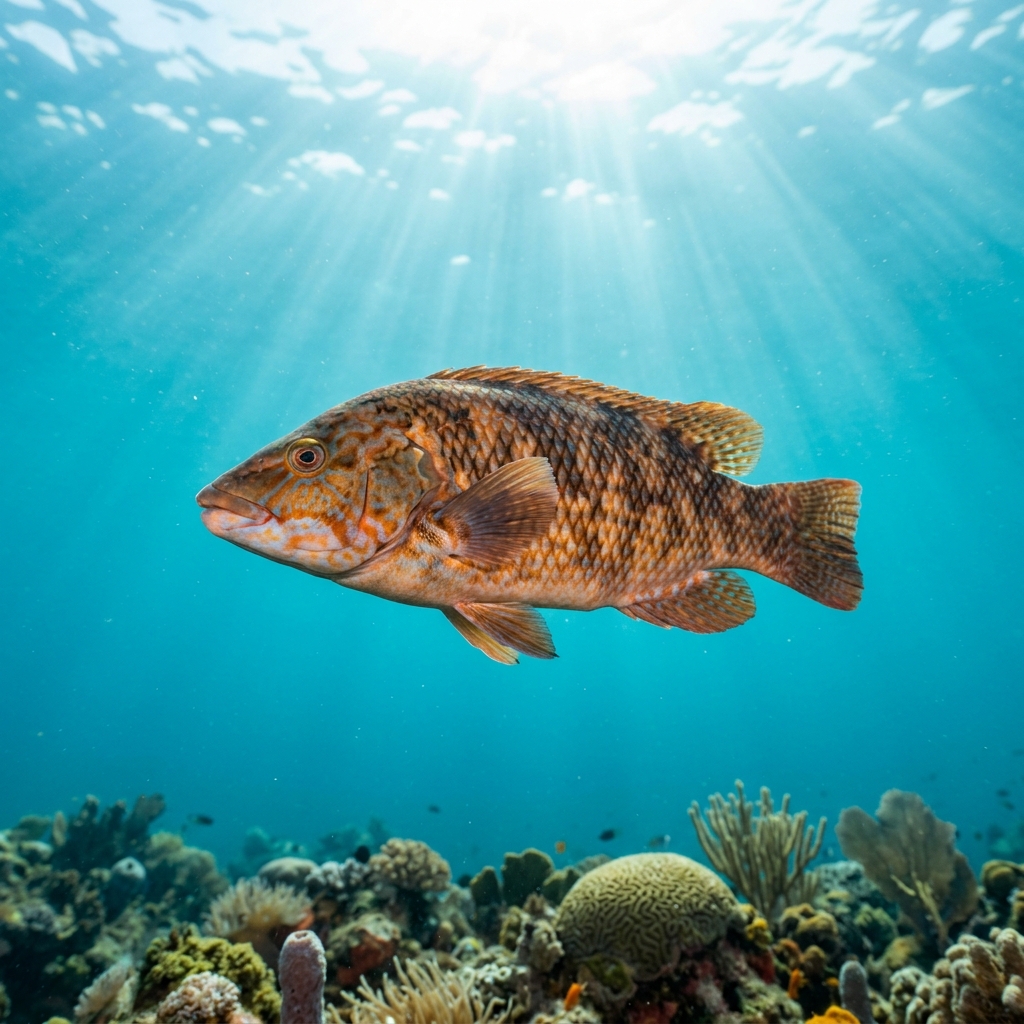
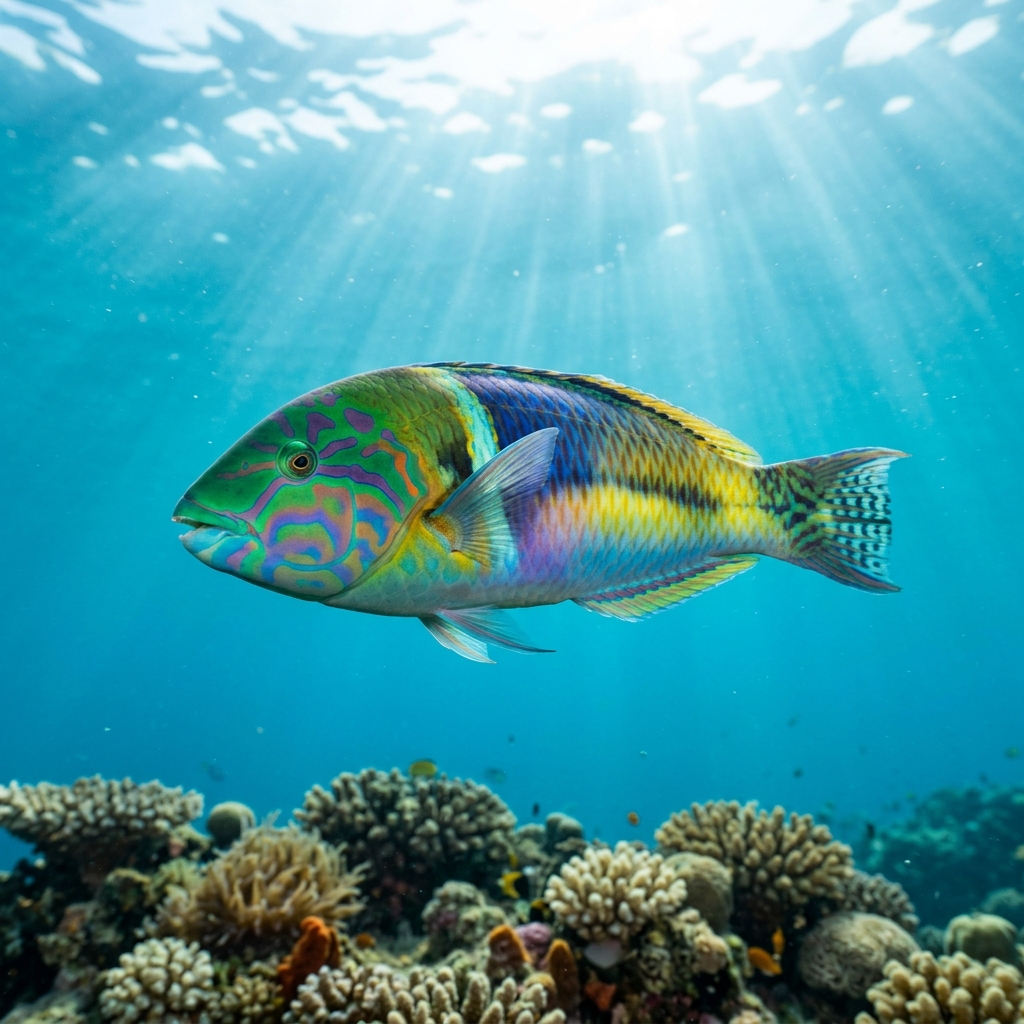
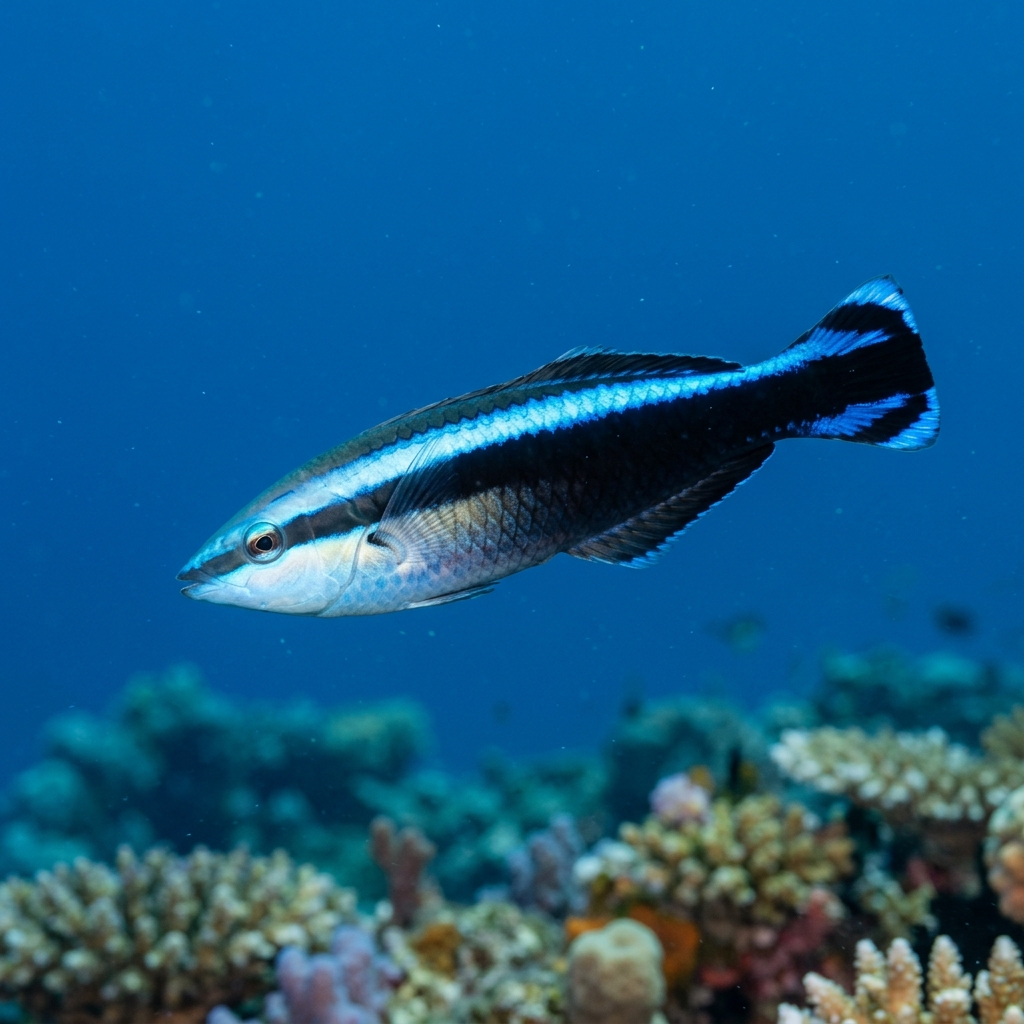
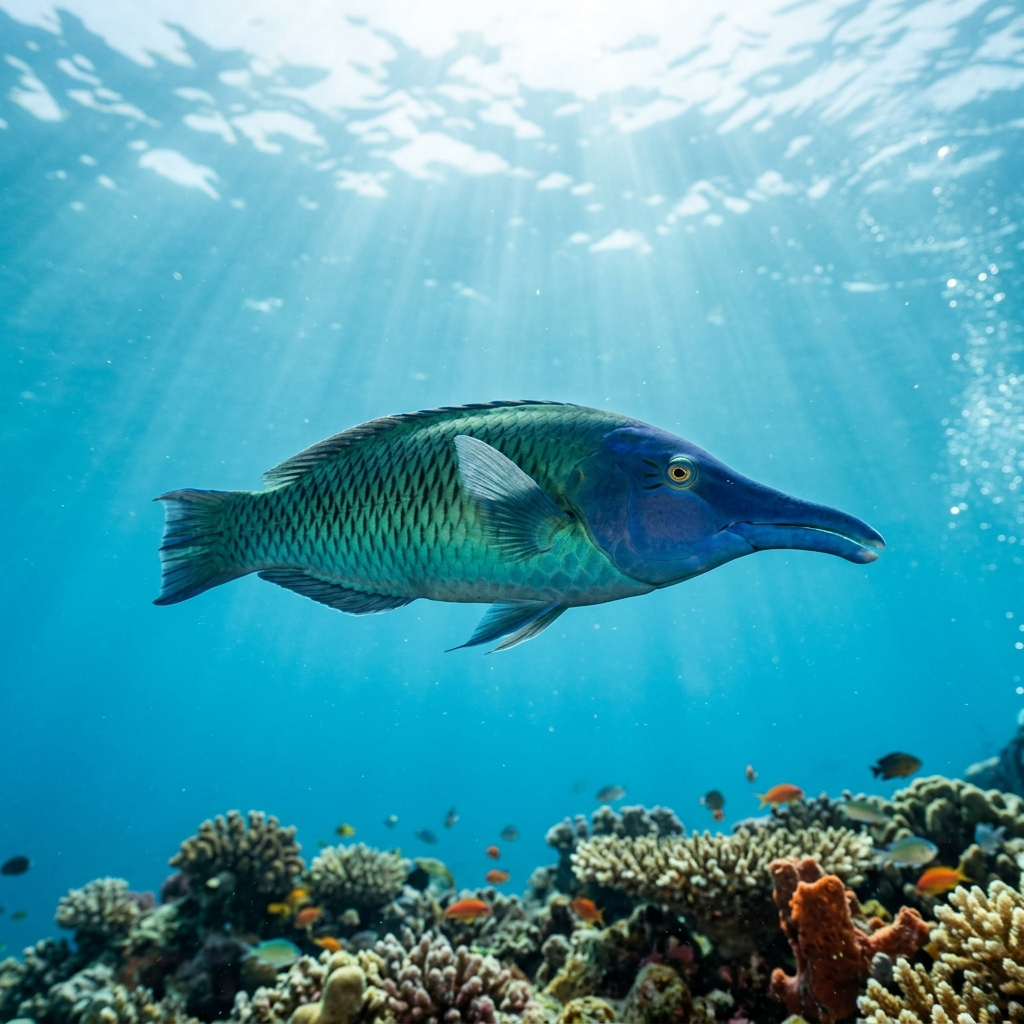
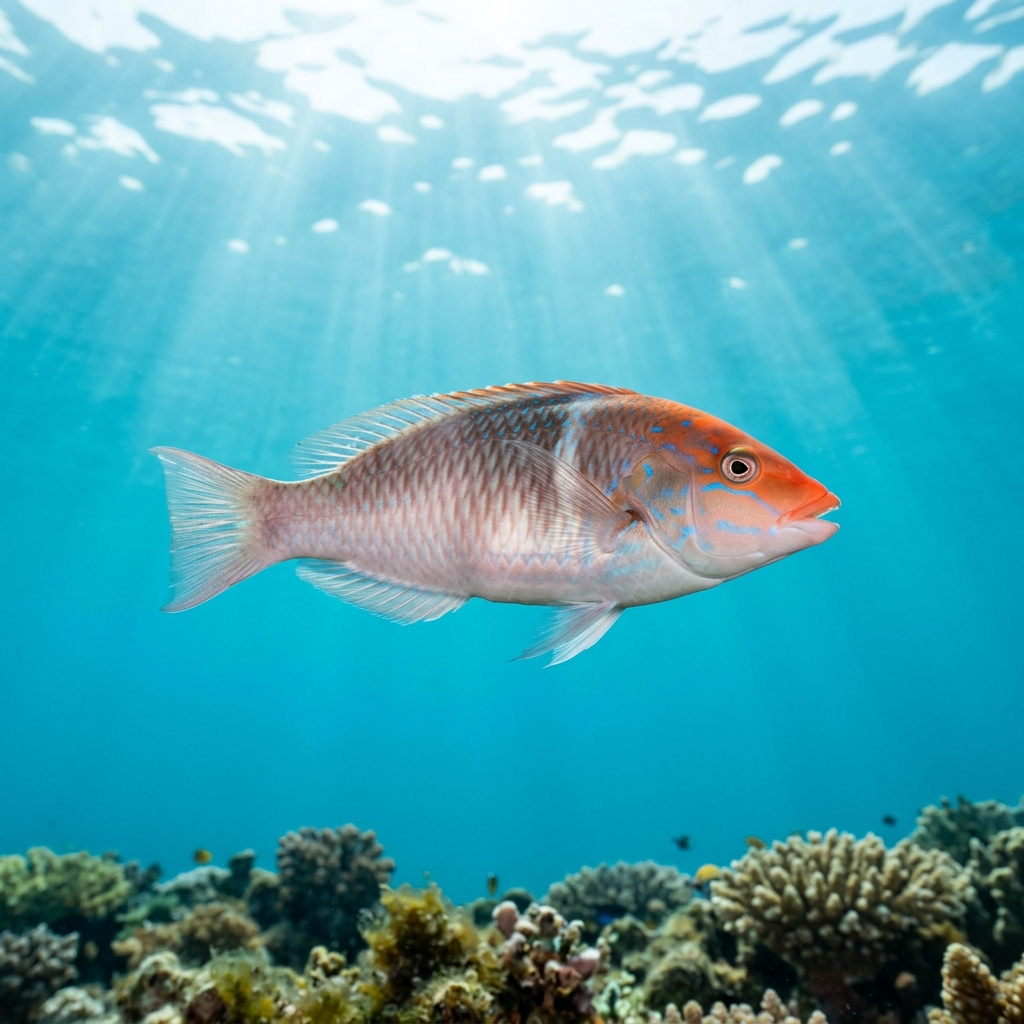
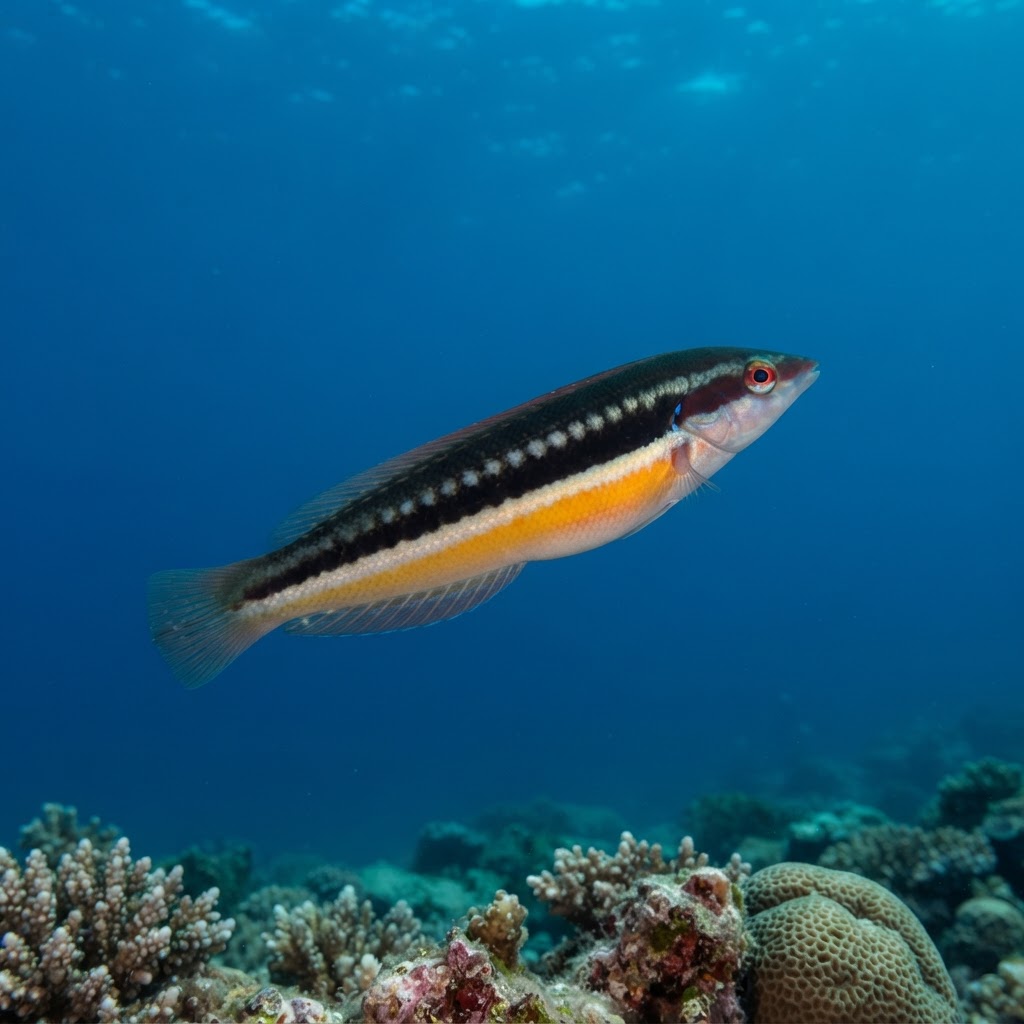
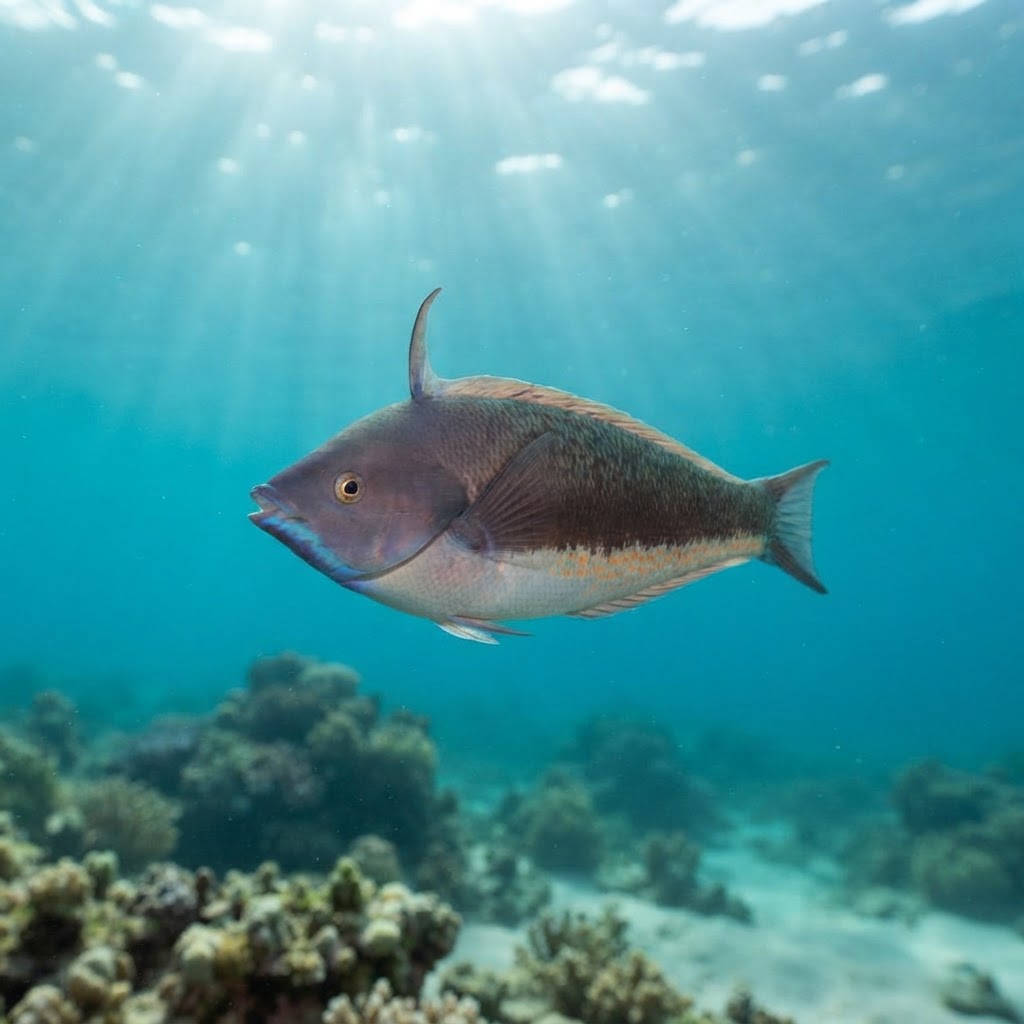
A slim, torpedo-shaped wrasse around 11 cm long, built more like a small jack than a typical chunky wrasse. Look for a pale to silvery body with subtle darker striping along the flanks and a pointed snout, usually seen hovering just off the reef rather than hugging it. It lacks any bold single blotch or eyespot, which along with its slender profile helps separate it from the bulkier reef wrasses divers often expect.
Divers typically spot it swimming in open water a short distance above the reef rather than picking at coral or rubble, often alone or in loose pairs. It keeps a fairly steady, unhurried pace and does not dart for cover the way many small wrasses do when a diver approaches, but it also is not one to linger for a photo. Most sightings are on mid-depth reef slopes rather than shallow flats or deep walls.
Its slim, fast-swimming build sets it apart from most reef wrasses, which tend to be deeper-bodied bottom feeders; this species instead patrols open water above the reef more like a small planktivore.
No clear season shows up in the sightings, and with a comfortable range of roughly 24.6 to 29.3 C it likely sits on these reefs year-round. Plan around the destination's general dive season rather than a particular month for this fish.
Most reliably logged around Sulawesi in Indonesia and Taveuni in Fiji, with a smaller scattering of sightings in Lomaiviti, Fiji. Across both countries it turns up on reef sites rather than muck or wreck dives, but it stays an uncommon find even where it is known to occur.
Mapping where Yamashiro's Wrasse is logged…
The most consistent sightings come from Sulawesi in Indonesia and Taveuni in Fiji, with a few additional records from Lomaiviti in Fiji. It is an uncommon find even at these sites, so treat any sighting as a bonus rather than a guarantee.
There is no detected season, and it has been observed across a warm range of about 24.6 to 29.3 C, suggesting it is present year-round on tropical reefs. Time your trip around the destination's general dive conditions rather than a specific month.
Look for a slender, elongated wrasse around 11 cm with a pale silvery body and faint striping, swimming just above the reef rather than foraging on it. Its streamlined, almost jack-like shape is the biggest clue compared to the deeper-bodied wrasses divers usually see.
They are small, typically reaching around 11 cm in length, making them one of the more modestly sized wrasses divers encounter on Indo-Pacific reefs.
No, they pose no danger to divers. They are small, non-aggressive reef fish that simply carry on swimming past without any interest in a diver's presence.
Site and sighting data is aggregated from diver logs, iNaturalist and GBIF. For taxonomy and conservation status:
Bird Wrasse
3,632 sites