Ostracion whitleyi
Small boxy fish with pale flanks logged mostly in Hawaii and French Polynesia's Society Islands, uncommon but findable year-round in warm reef water.
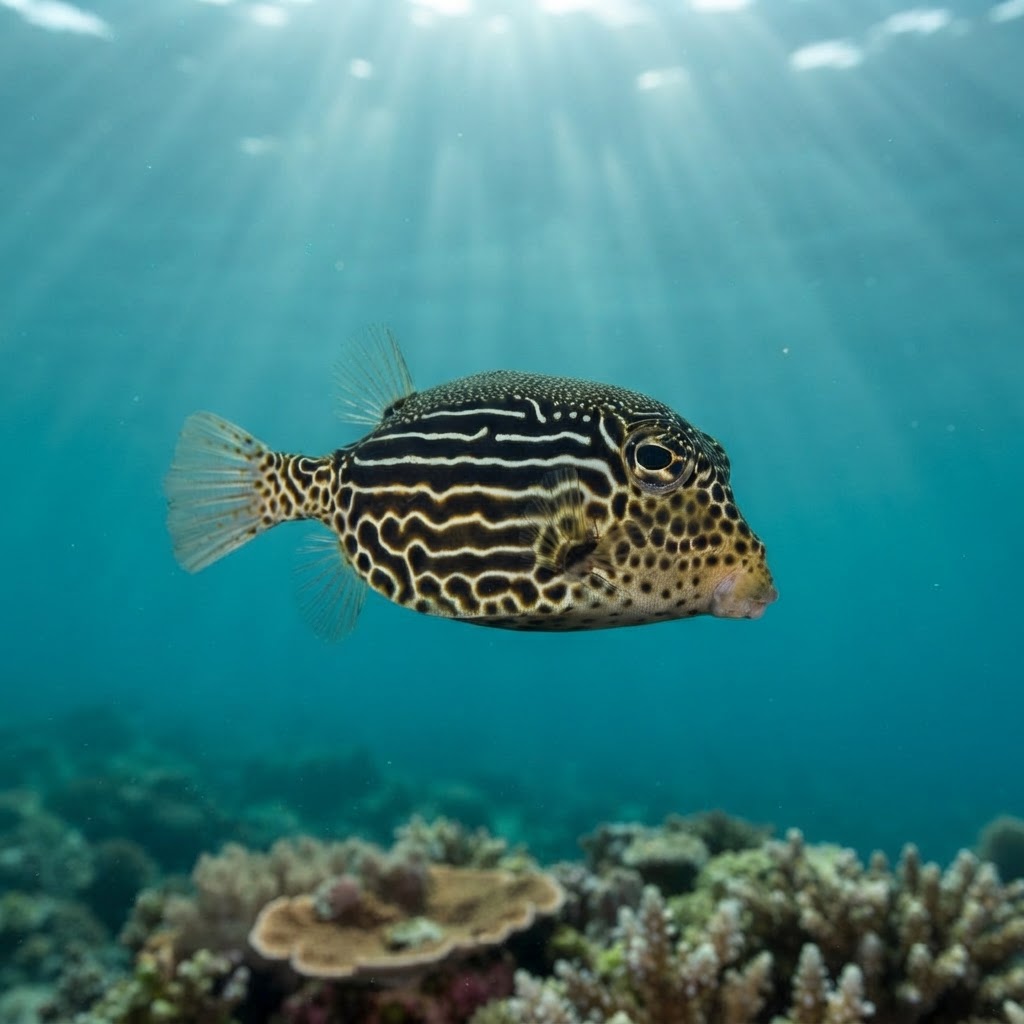
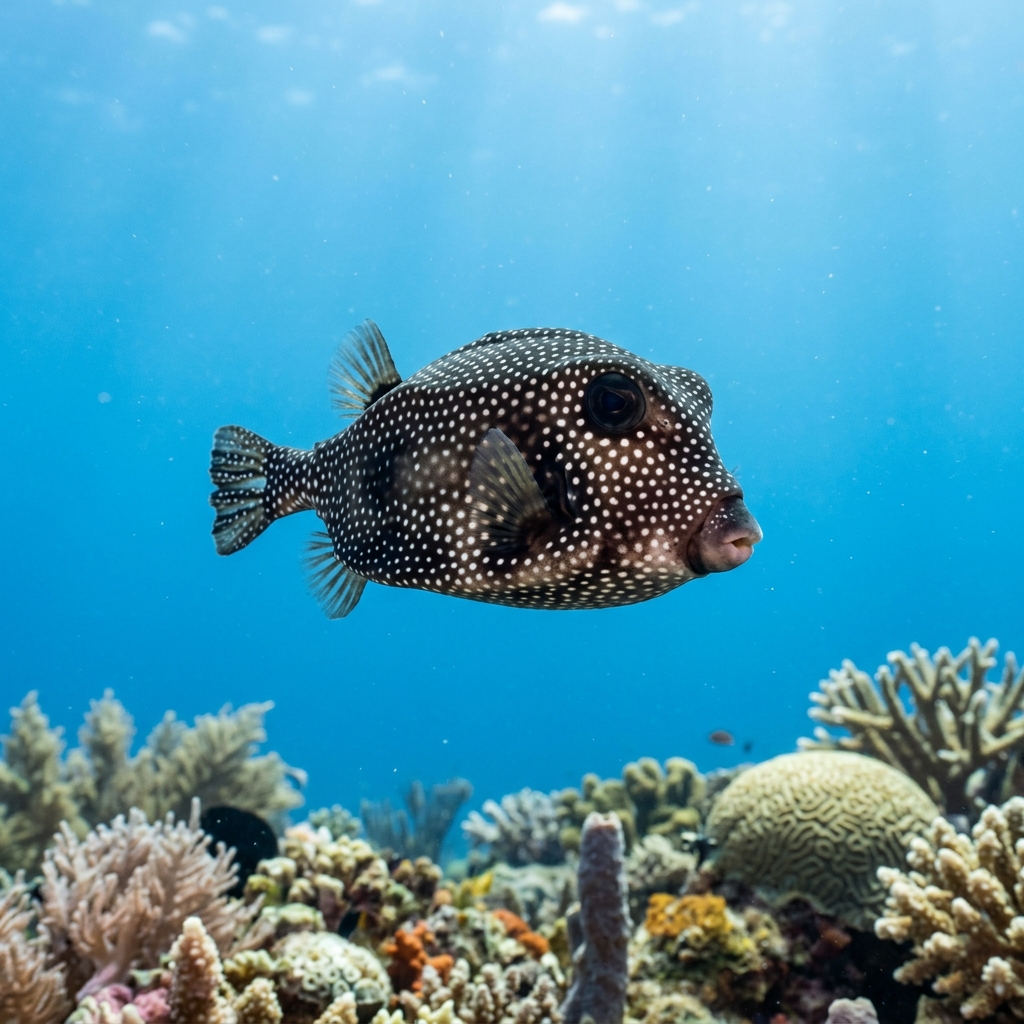
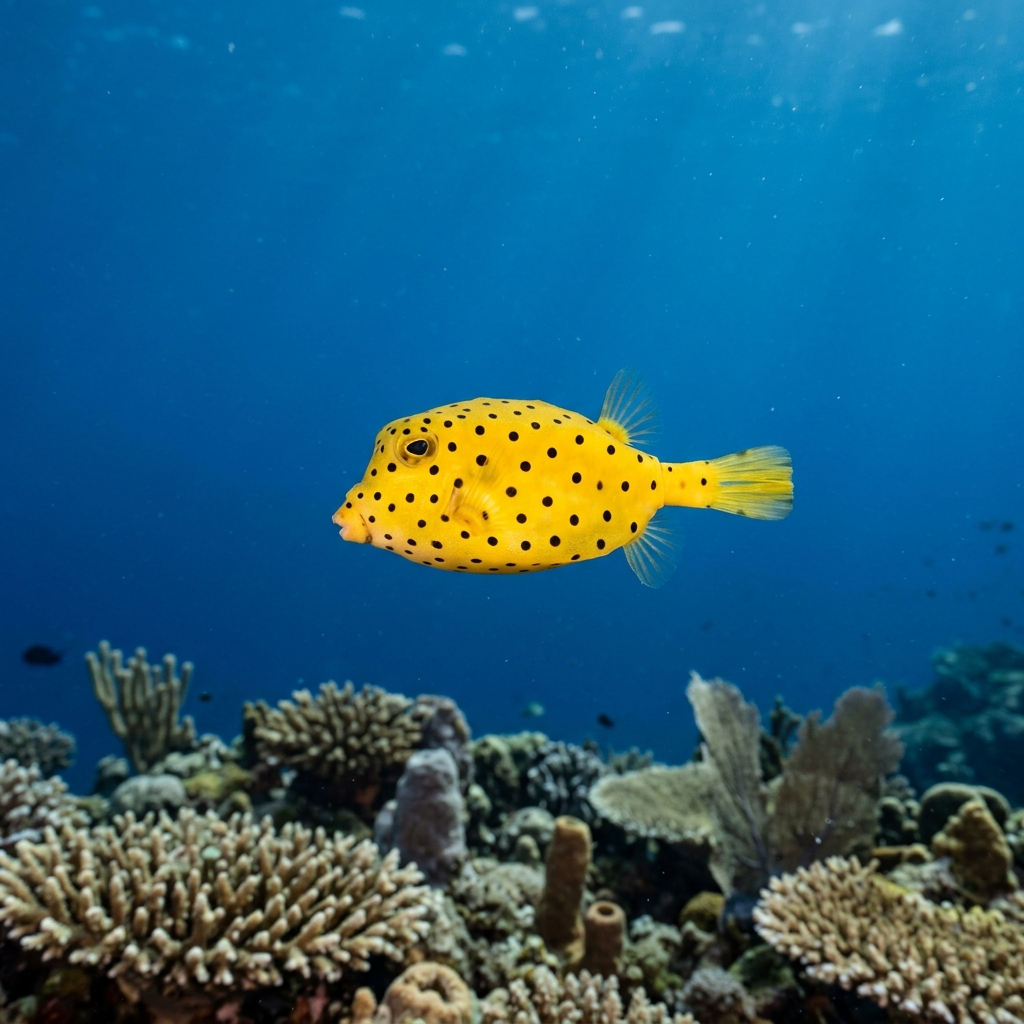
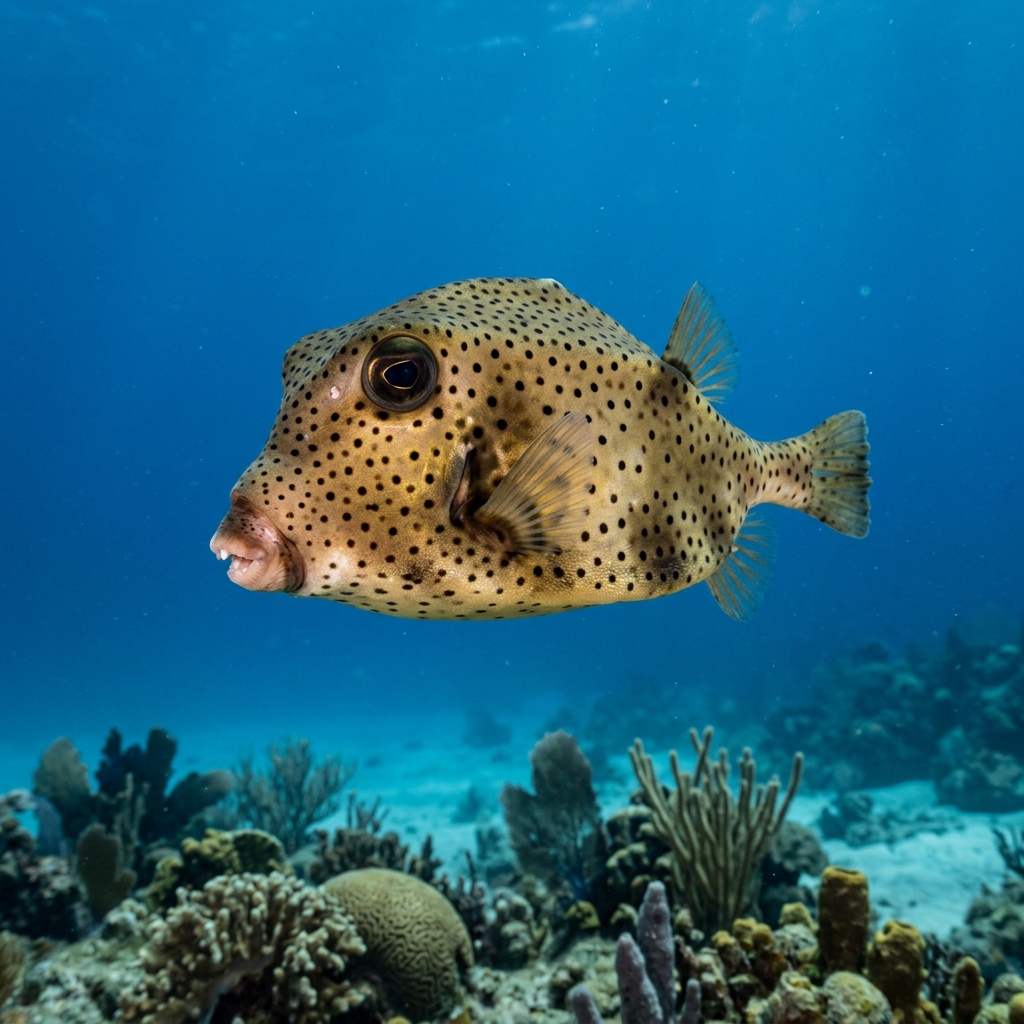
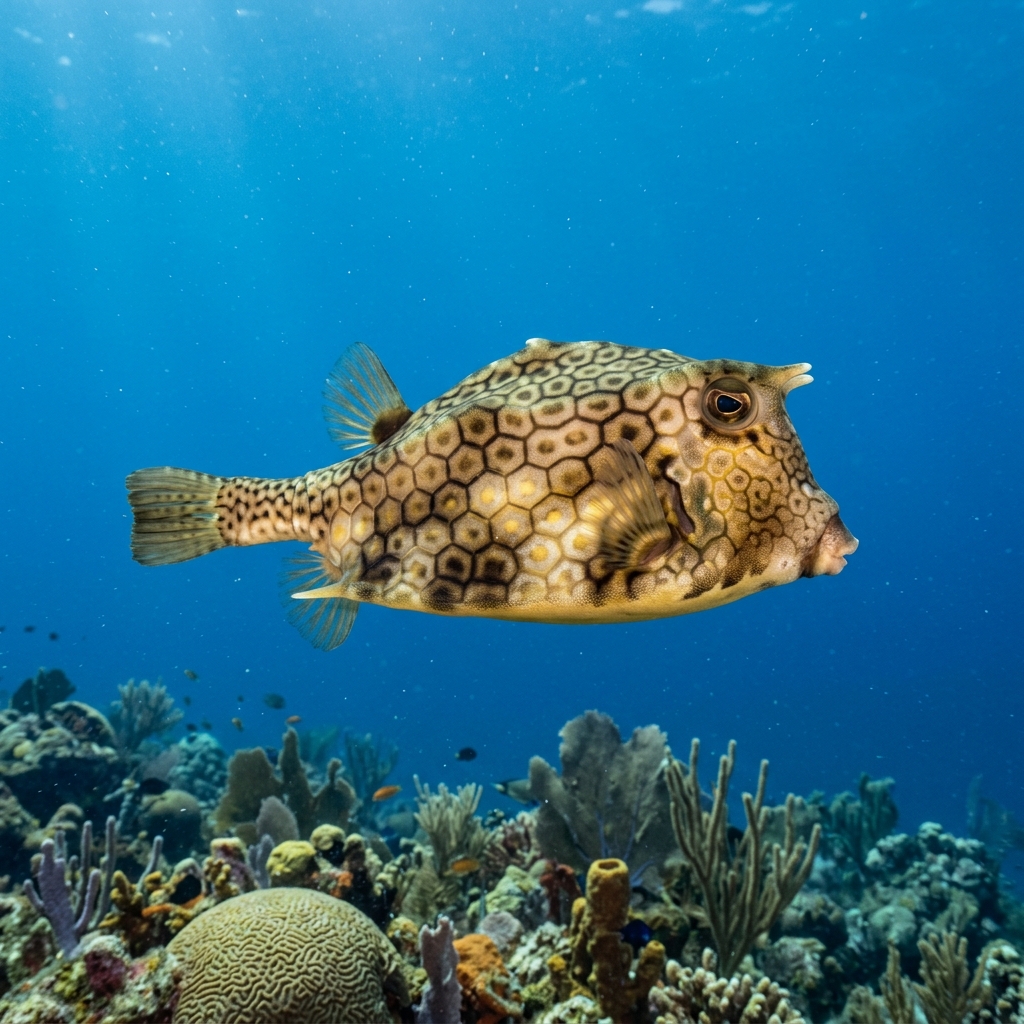
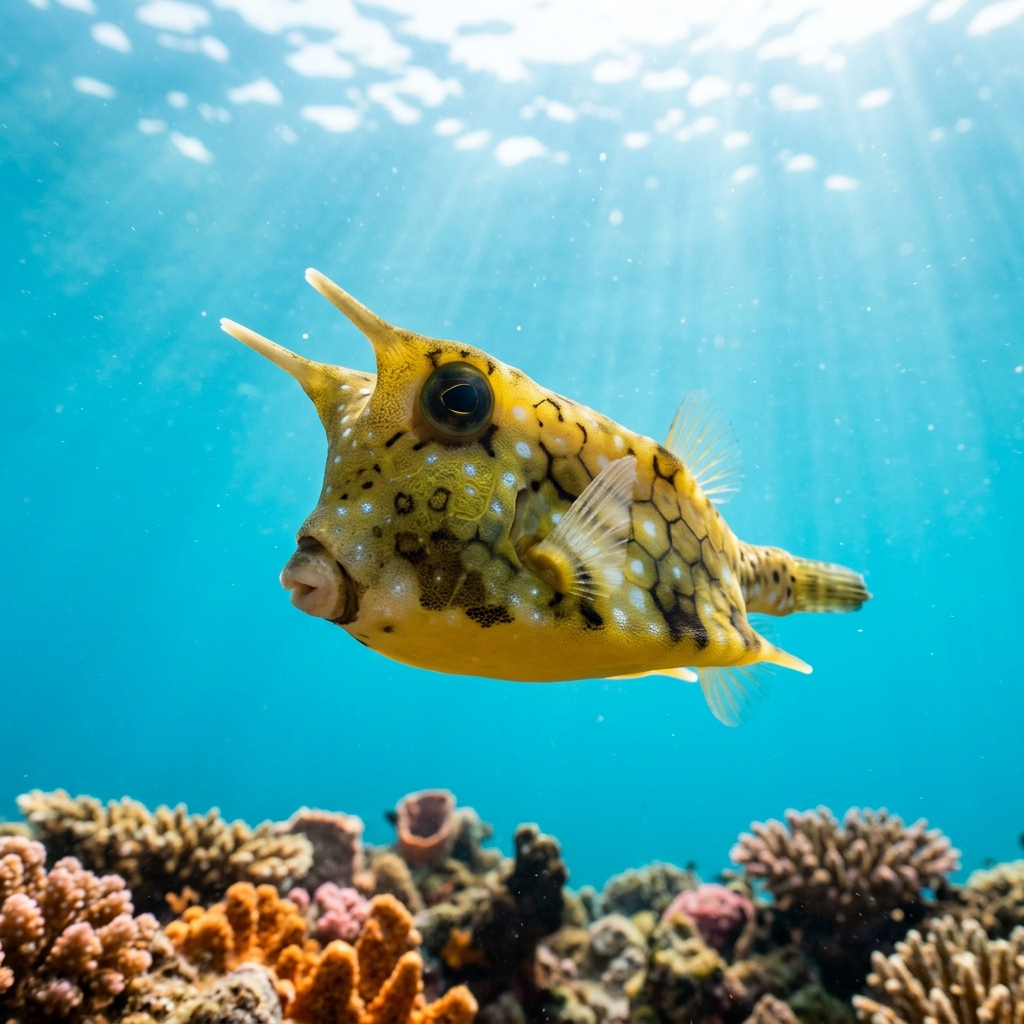
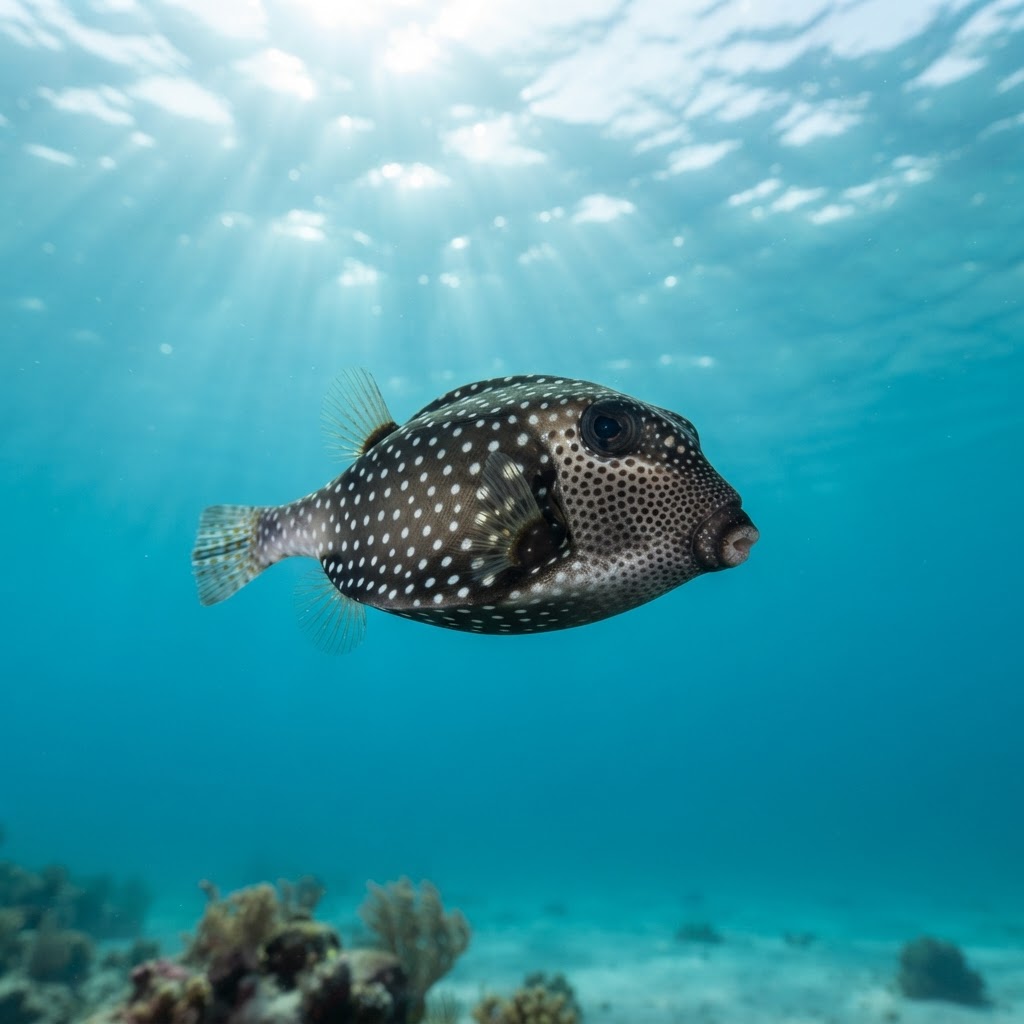
A small, boxy fish barely bigger than a fist, with a rigid, angular body that looks almost carved rather than swum. The flanks are pale, often whitish or light grey, set against darker upper and lower body panels, giving it a two-toned look distinct from the more heavily patterned boxfish. It moves with the stiff, hovering paddle-stroke typical of the family rather than a normal fish's swim.
Divers typically find it hovering low over reef rubble and crevices, using slow, hovering fin-strokes rather than darting about. It tends to sit tight to structure and is not shy exactly, just unhurried, so a calm approach usually gets you a good look before it eases off into a crack in the reef.
Like other boxfish, its rigid armoured body is fused into a bony box, which is why it cannot flex or dart like an ordinary fish and instead relies on that stiff, hovering swim style.
No clear season shows up in the sightings, and with a comfort range of roughly 24.5 to 29 degrees C it stays on warm reefs year-round, so any month diving Hawaii or the Society Islands works.
Reef neighbours a diver could mistake it for. Use the identification notes above to tell them apart.
Most reliably logged in Hawaii, where it turns up across a wide spread of sites, and it also has a solid presence in French Polynesia's Society Islands. Outside these two regions it has not been logged in the data, so Hawaii and Tahiti-area reefs are the places to plan around.
Mapping where Whitesided Boxfish is logged…
Hawaii is the strongest area for sightings, with a good scatter of sites across the islands. French Polynesia's Society Islands is the other reliable region, though sightings there are less frequent.
There is no strong seasonal pattern in the sightings, and the water temperature it favours, roughly 24.5 to 29 degrees C, is available year-round on Hawaiian and Tahitian reefs, so any month is fine.
Look for a small, boxy body under 15 cm with pale, light-coloured flanks contrasting against darker top and bottom panels. It swims stiffly, hovering rather than gliding, which is a giveaway for the whole boxfish family.
They stay small, typically around 11 cm as adults, making them easy to overlook against reef rubble unless you are looking closely.
No, they pose no threat to divers. Like other boxfish they rely on a tough, boxy body and, if truly threatened, toxic skin secretions rather than any aggressive behaviour.
Its body is encased in fused bony plates, essentially a rigid box, which forces it to swim with a slow, hovering paddle motion instead of the usual side-to-side fish swim.
Site and sighting data is aggregated from diver logs, iNaturalist and GBIF. For taxonomy and conservation status:
Honeycomb Cowfish
1,691 sites