Doriopsilla fulva
Spot White-speckled Dorid on the US Pacific Coast, mainly Apr, Aug, in cool 11-20 °C waters. Tips on ID, best sites, and what to look for.
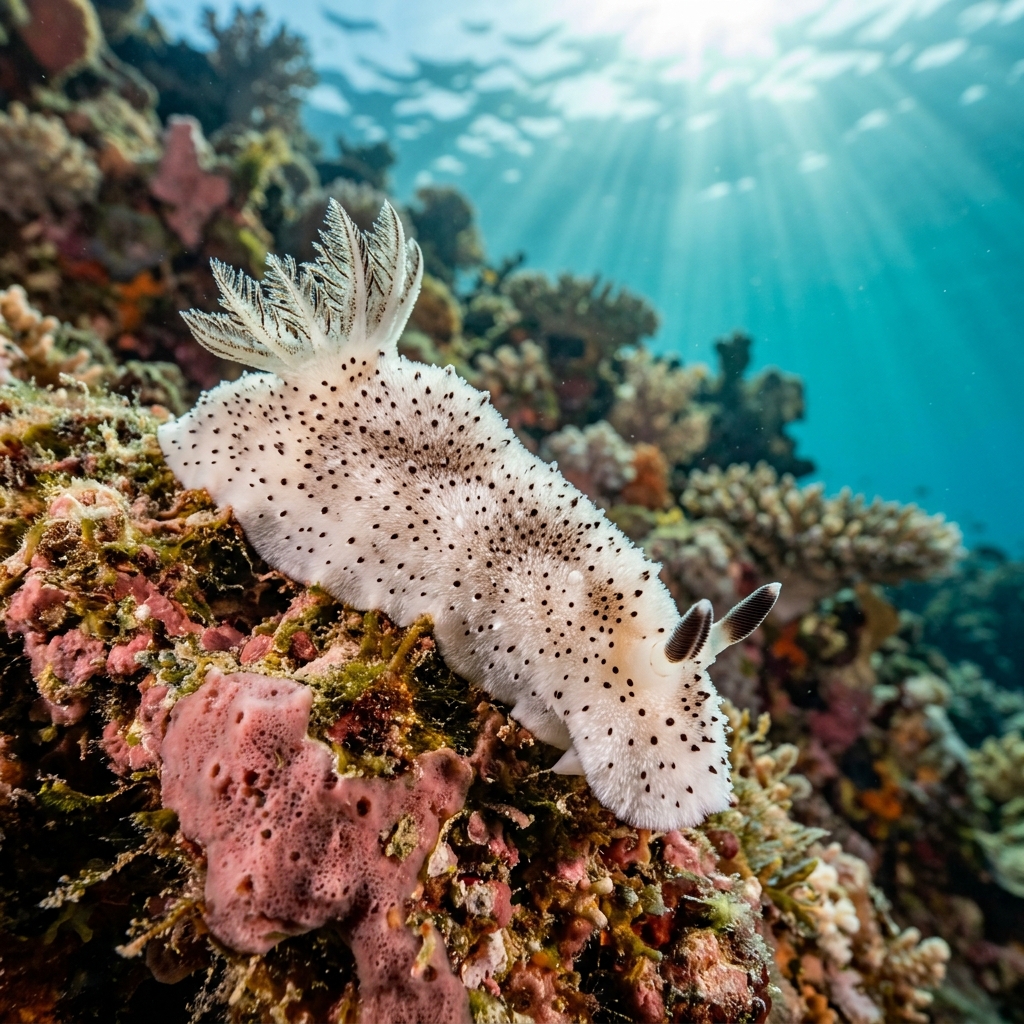
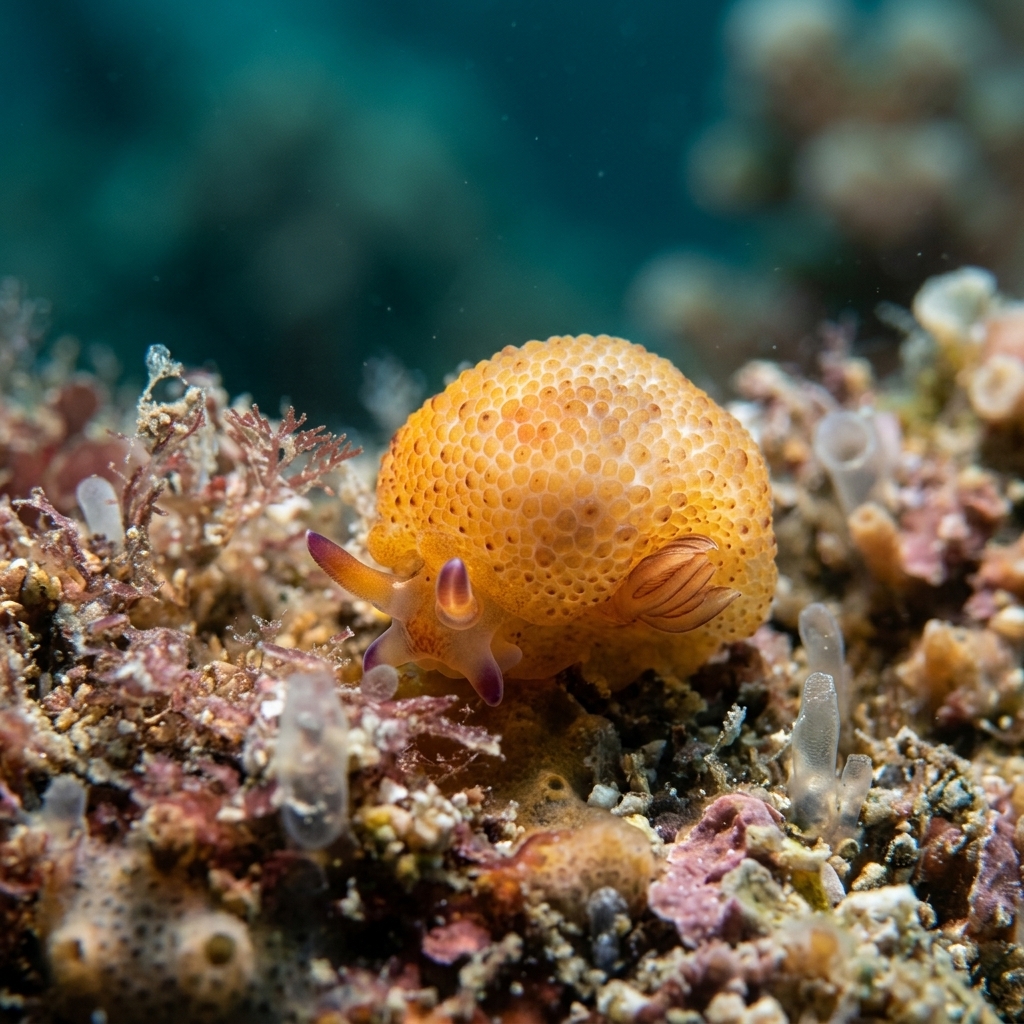
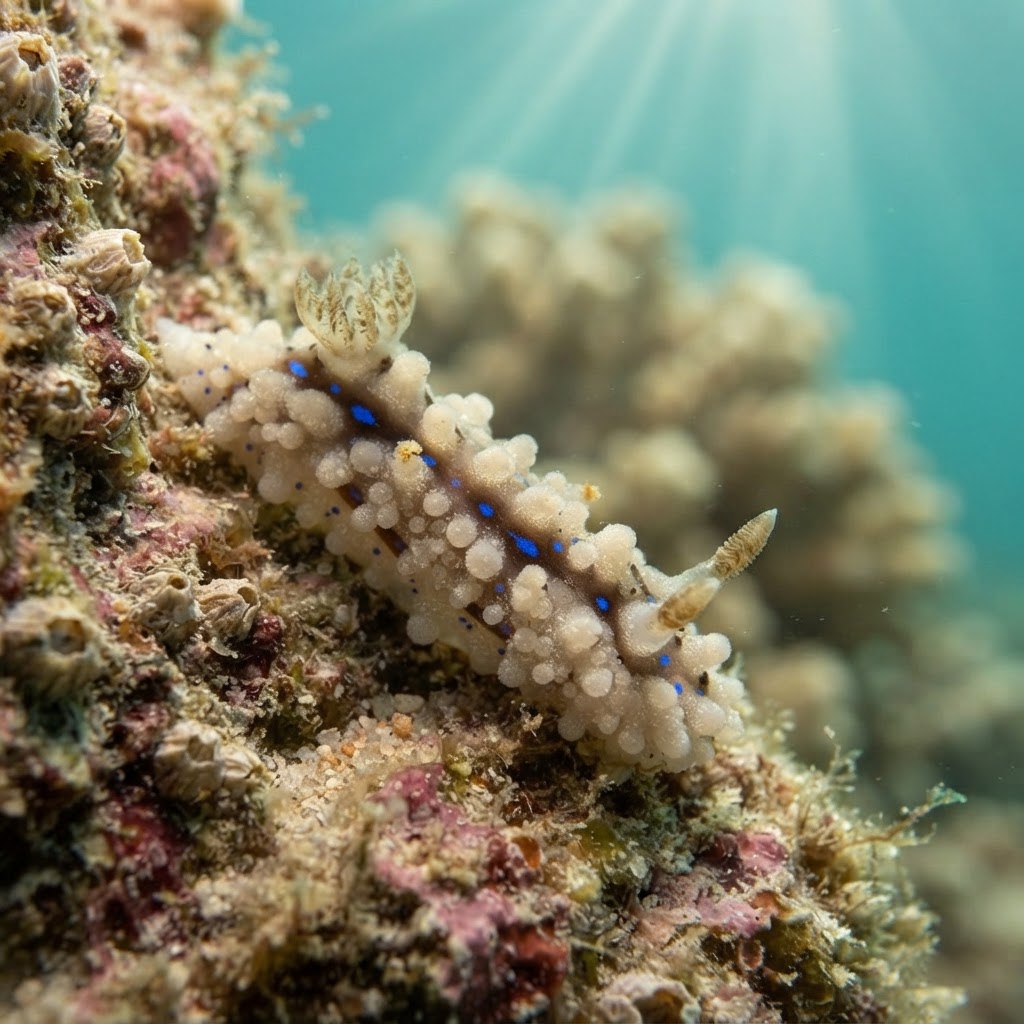
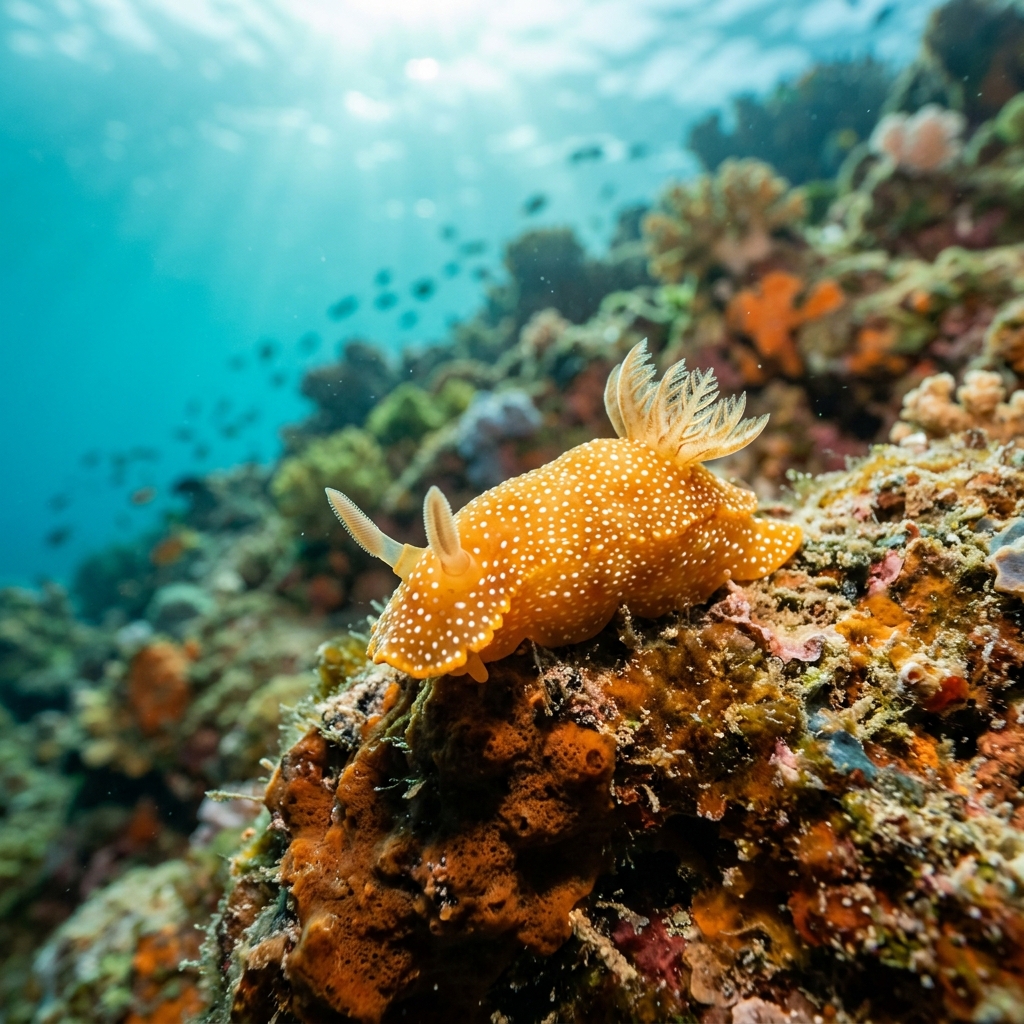
A compact, fleshy nudibranch with a warm golden-orange to tawny body liberally dusted with small white speckles, those pale dots are the key mark to fix on underwater. The body is soft and somewhat flattened, typical of the dorid family, with gill plumes and rhinophores (sensory horns on the head) that share the same speckled colouring. Size information is limited, so expect the small scale common to most dorids and look close to the substrate. The white speckling against an orange base is distinctive enough to stand out against dark rocky reef.
Like most dorids, this nudibranch moves slowly across rocky substrate, grazing as it goes and paying little attention to divers hovering nearby. You are most likely to find it during daylight hours on the reef face or rubble bottom, often tucked close to the surface it is feeding on. Approach slowly and look carefully, its small size and the textured reef background mean it rewards patient, close searching.
Doriopsilla nudibranchs lack the rasping feeding structure (radula) found in most other nudibranchs, instead using suction to feed on sponges directly, an unusual evolutionary path that sets this group apart from the majority of their relatives.
Sightings concentrate between April and August, aligning with the period when divers are most active in the cool northeastern Pacific. Water temperatures at observed sites run roughly 11 to 20 °C, so winter cold does not stop the species but spring and summer produce the most records.
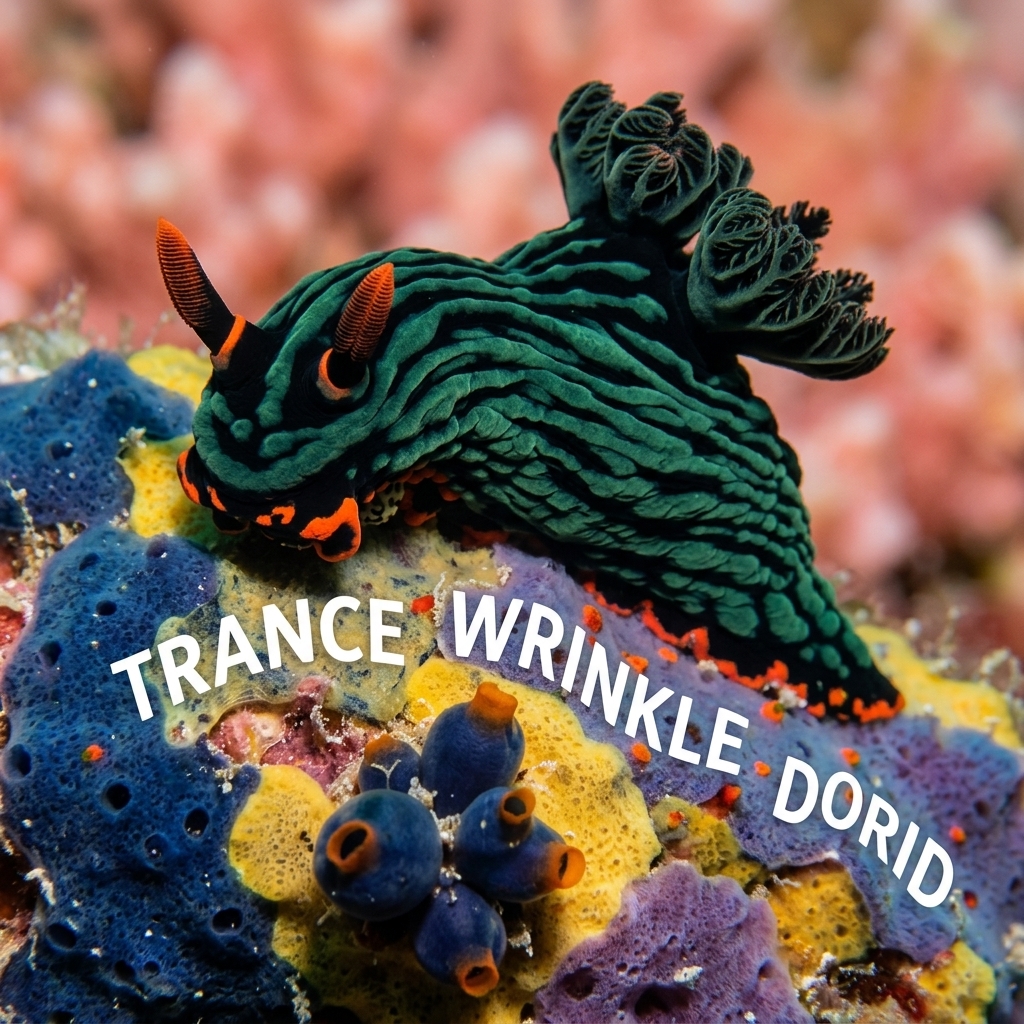
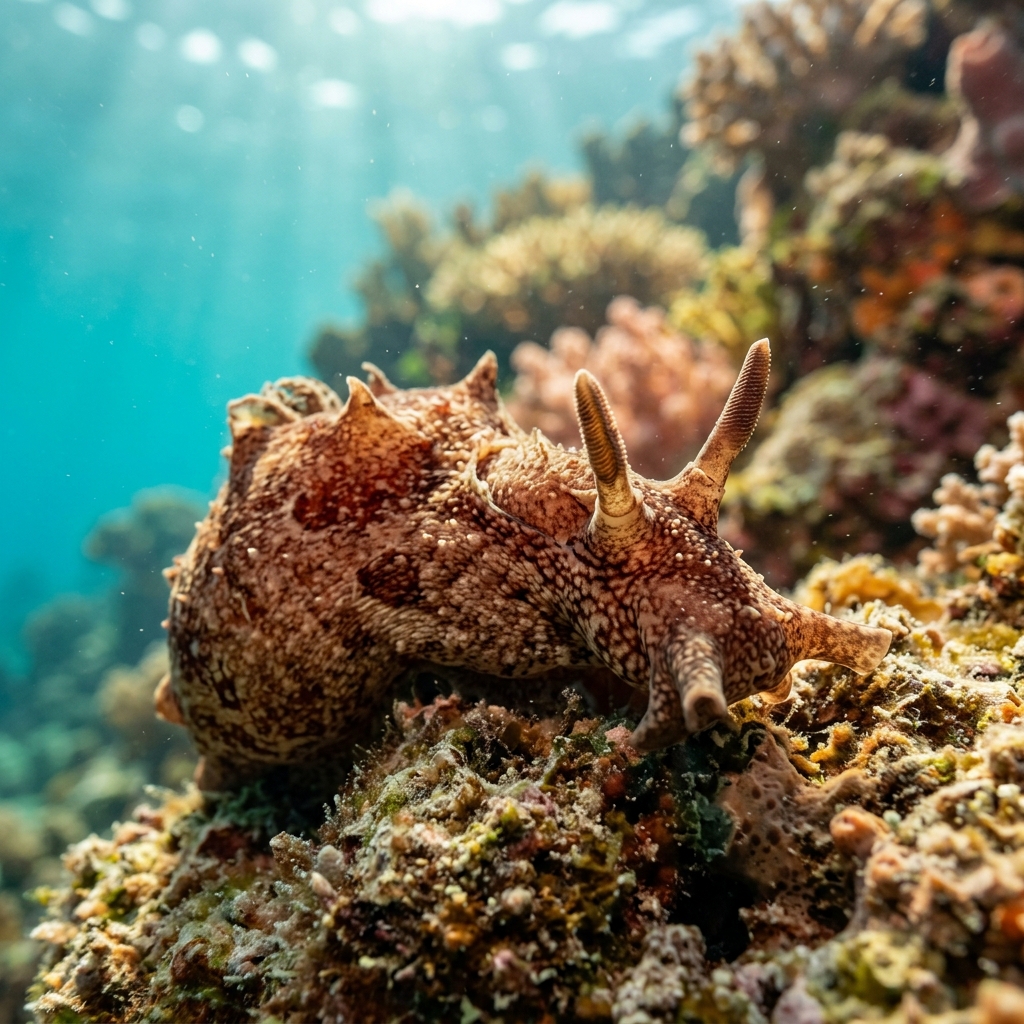
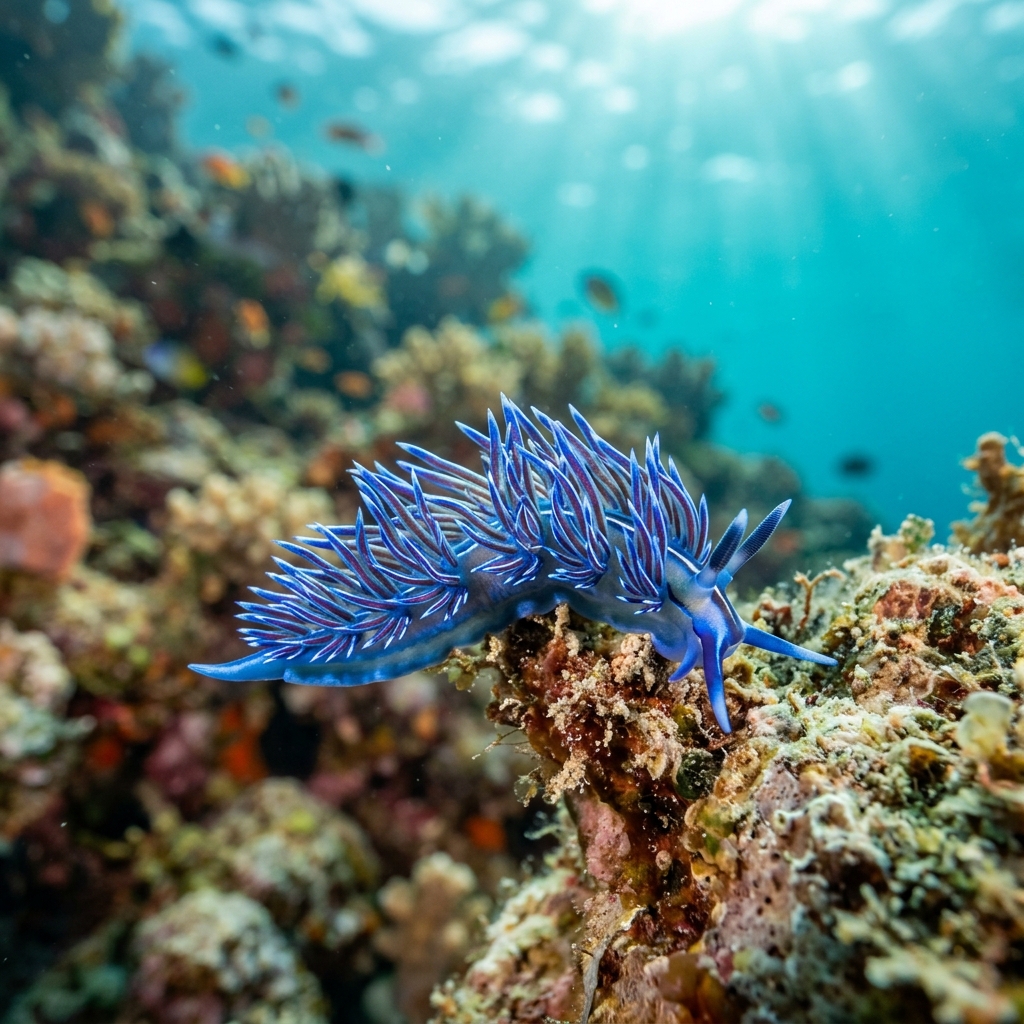
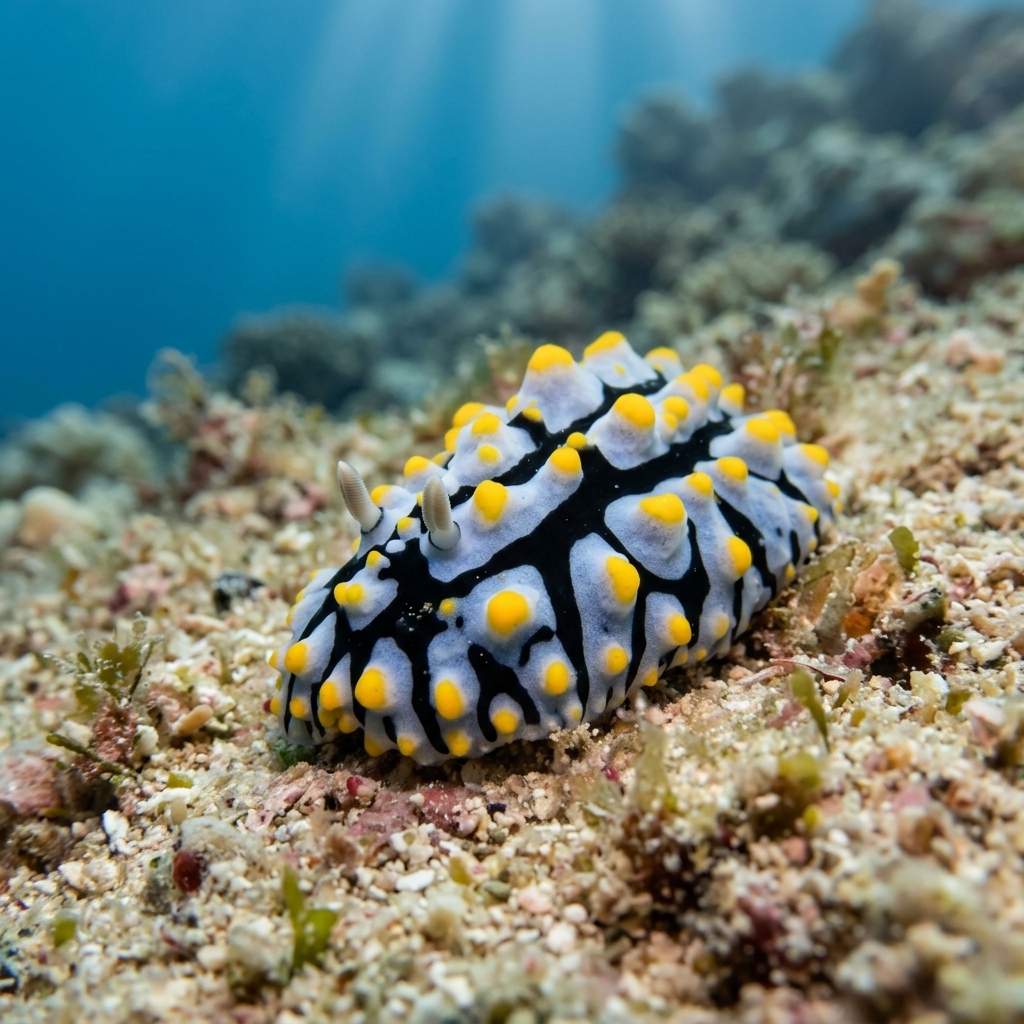
Reef neighbours a diver could mistake it for. Use the identification notes above to tell them apart.
Almost all logged sightings come from the US Pacific Coast, making this a North American west-coast speciality. California and the Pacific Northwest are the strongest areas, with a handful of additional records from Baja California in northern Mexico and the British Columbia coast in Canada. If you are diving cold, rocky reef habitat anywhere along the northeastern Pacific seaboard, this is the region to look.
Mapping where White-speckled Dorid is logged…
The vast majority of sightings come from the US Pacific Coast, particularly California and the Pacific Northwest. Smaller numbers of records exist along the British Columbia coast in Canada and in northern Baja California, Mexico. Rocky, cold-water reef habitats are the place to focus your search.
Sightings peak between April and August along the US Pacific Coast. The species tolerates cold water in the 11-20 °C range, but spring and summer bring the most diver activity and the most logged encounters.
Look for a small, soft-bodied nudibranch with a golden-orange to tawny base colour covered in scattered white speckles. The speckled pattern on both the body and the gill plumes is the key field mark. Check rocky substrate and rubble slowly, it blends in more than its colour suggests.
No. Like all nudibranchs, they are completely harmless to divers. They move slowly, ignore you entirely, and the only risk is accidentally disturbing one if you get too close to the reef.
It is generally uncommon, most sites where it is recorded produce only occasional sightings, and a handful of sites report it as rare. A small number of locations do rate it as common, so local knowledge about productive rocky reef patches can make a real difference.
Site and sighting data is aggregated from diver logs, iNaturalist and GBIF. For taxonomy and conservation status:
Light-spotted Aegires
3,168 sites