Pleurobranchaea bubala
Found on cold Western Cape reefs at 13-19C: how to spot the warty pleurobranch and where South African divers log it most.
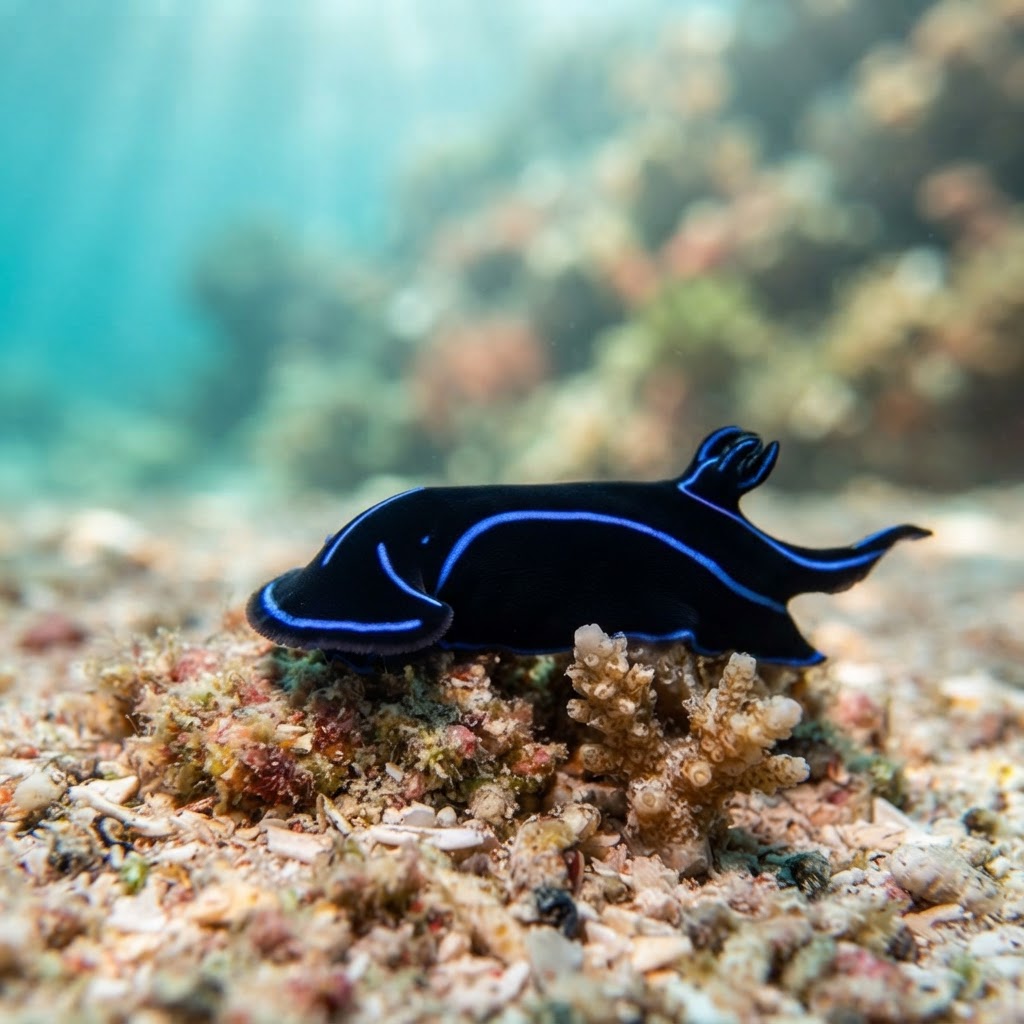
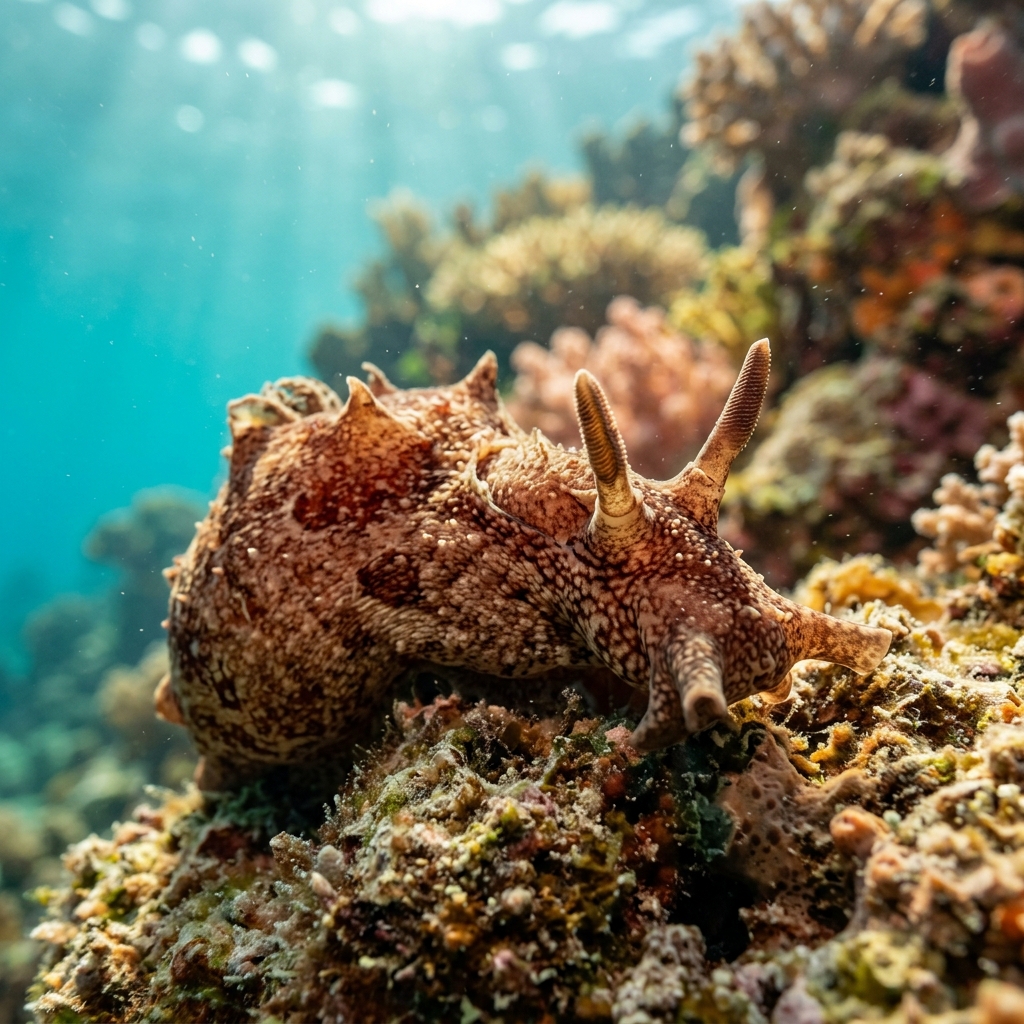
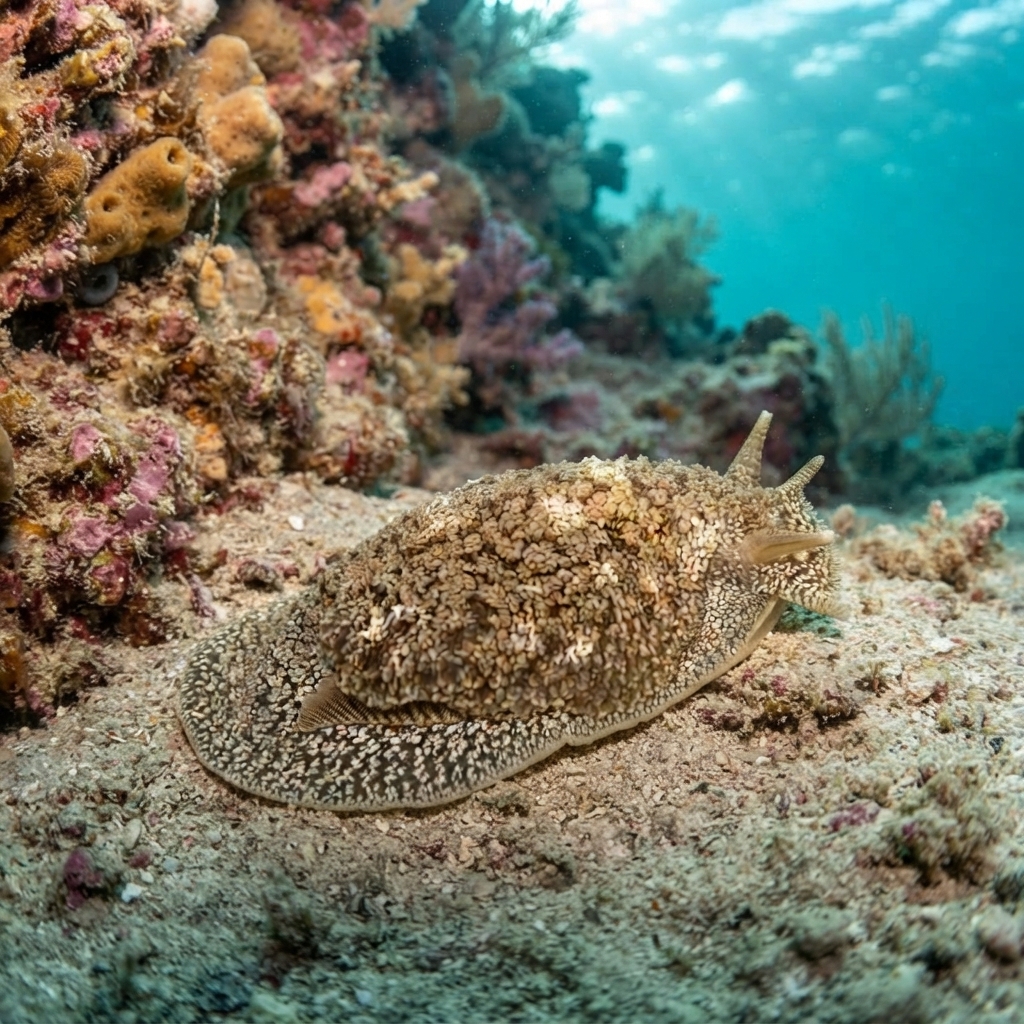
Look for a bulky, soft-bodied sea slug with a broad, warty mantle covering most of its body, usually mottled in muddy browns, greys or olive tones that blend into rocky reef. It moves slowly across the substrate with no visible shell, and its size and heft distinguish it from the smaller, more streamlined headshield and bubble slugs it shares reefs with. There is no obvious hood or paired tentacle plumes like on many nudibranchs, which helps confirm the ID.
Divers typically find it parked on rock or reef substrate, moving at the unhurried pace typical of pleurobranchs as it grazes over the bottom. It shows no reaction to divers beyond continuing about its business, making it an easy, if slow-moving, subject to photograph. Frequency logs suggest it can be common at some Cape sites and easy to overlook or simply absent at others nearby, so a bit of site-hopping helps if you are specifically hunting one down.
Pleurobranchs in this family are predatory sea slugs, hunting other invertebrates on the reef rather than just grazing algae like many of their nudibranch relatives.
Sightings show no clear seasonal pattern, so treat it as a year-round find on Western Cape reefs. Water there sits in the 13 to 19C range it's been observed in, consistent with the cool, temperate conditions the Cape holds through most of the year.
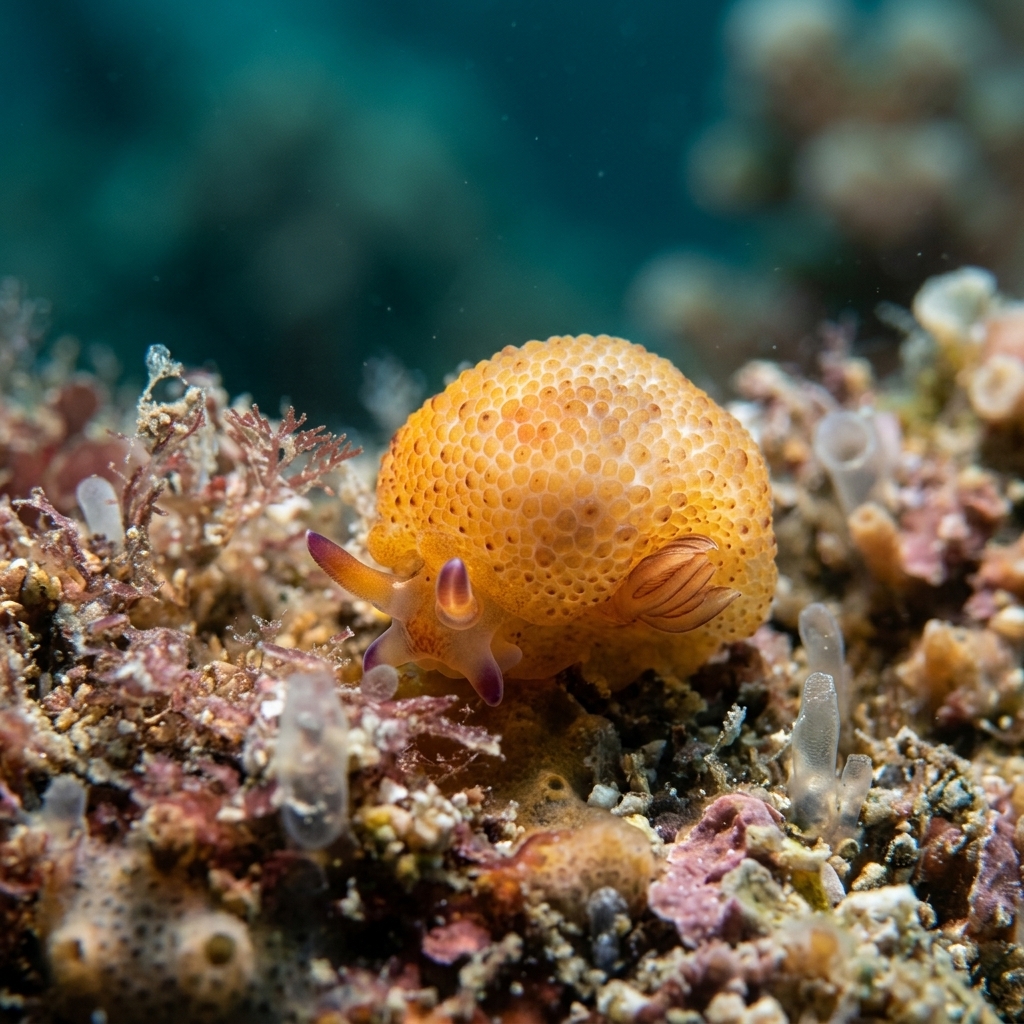
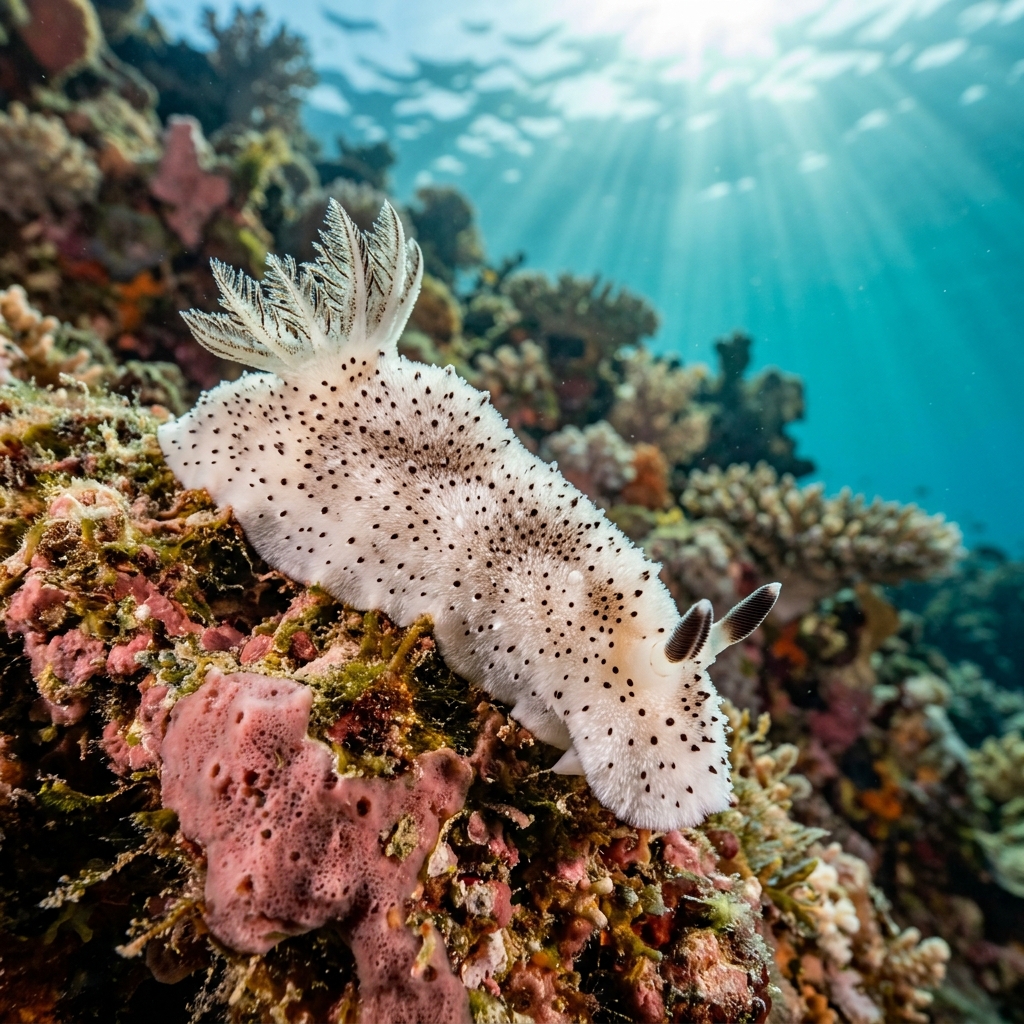
Reef neighbours a diver could mistake it for. Use the identification notes above to tell them apart.
This one is very much a Western Cape speciality, with sightings concentrated on reefs around that region of South Africa. It has not turned up in meaningful numbers anywhere else in the diver data, so if you want to find it, plan your search around Cape dive sites rather than further afield.
Mapping where Warty Pleurobranch is logged…
It is most reliably found on reefs in the Western Cape region of South Africa, which accounts for essentially all logged sightings. It has not been reported in meaningful numbers from other diving regions.
There is no detected seasonal pattern, so it can turn up any time of year on Western Cape reefs. It has been observed across a water temperature range of 13 to 19C, which covers much of the Cape's normal diving conditions.
Look for a bulky, shell-less slug with a warty, mottled mantle in muddy brown or grey tones, moving slowly over rock or reef. Its heavier build and lack of showy tentacle plumes separate it from smaller, more colourful headshield slugs on the same reefs.
No, it poses no danger to divers. It is a slow-moving, harmless predator of other small invertebrates and can be observed and photographed up close without any risk.
It hunts other invertebrates on the reef, making it a predator rather than a grazer, which sets it apart from many algae-eating sea slugs divers commonly see.
Site and sighting data is aggregated from diver logs, iNaturalist and GBIF. For taxonomy and conservation status:
Light-spotted Aegires
3,168 sites