Ostorhinchus victoriae
A small reef fish most often logged in Western Australia, seen year-round in 17.4 to 23.4 C water on shaded ledges.
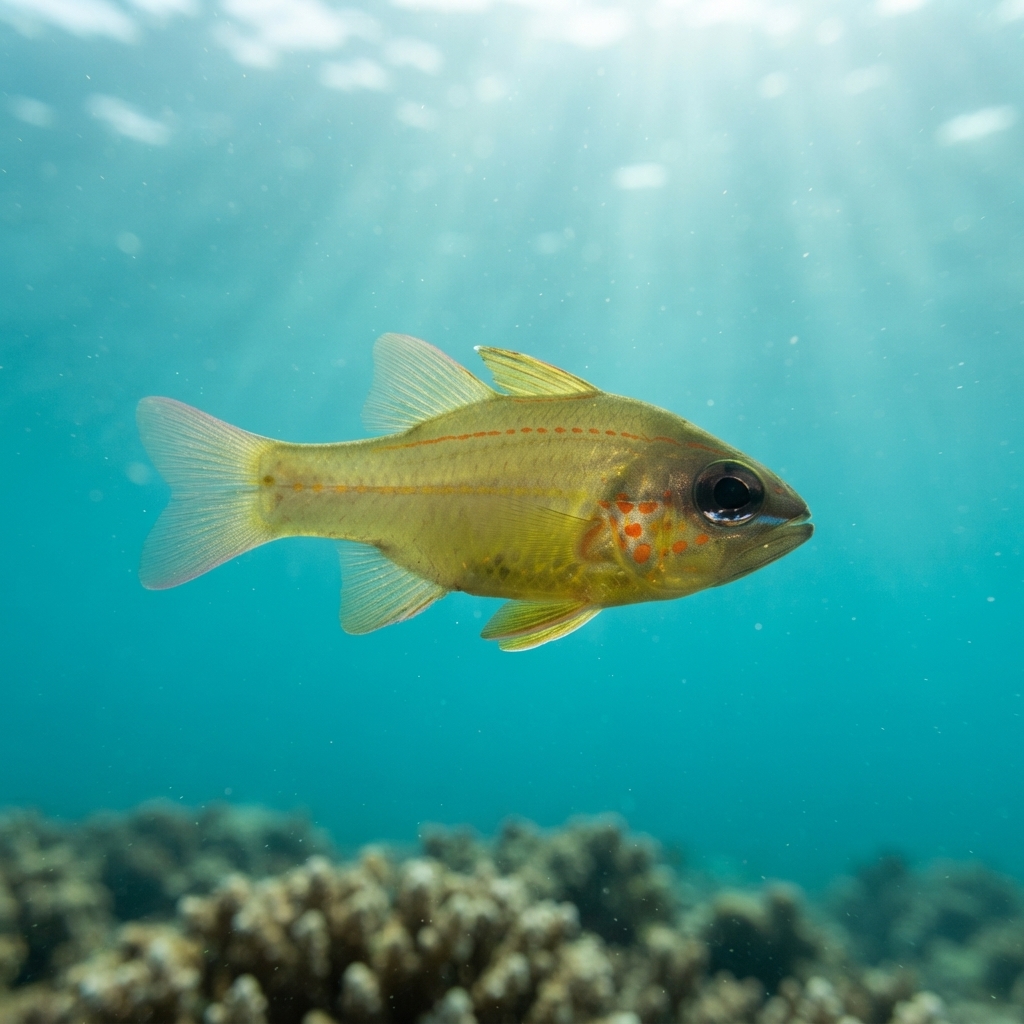
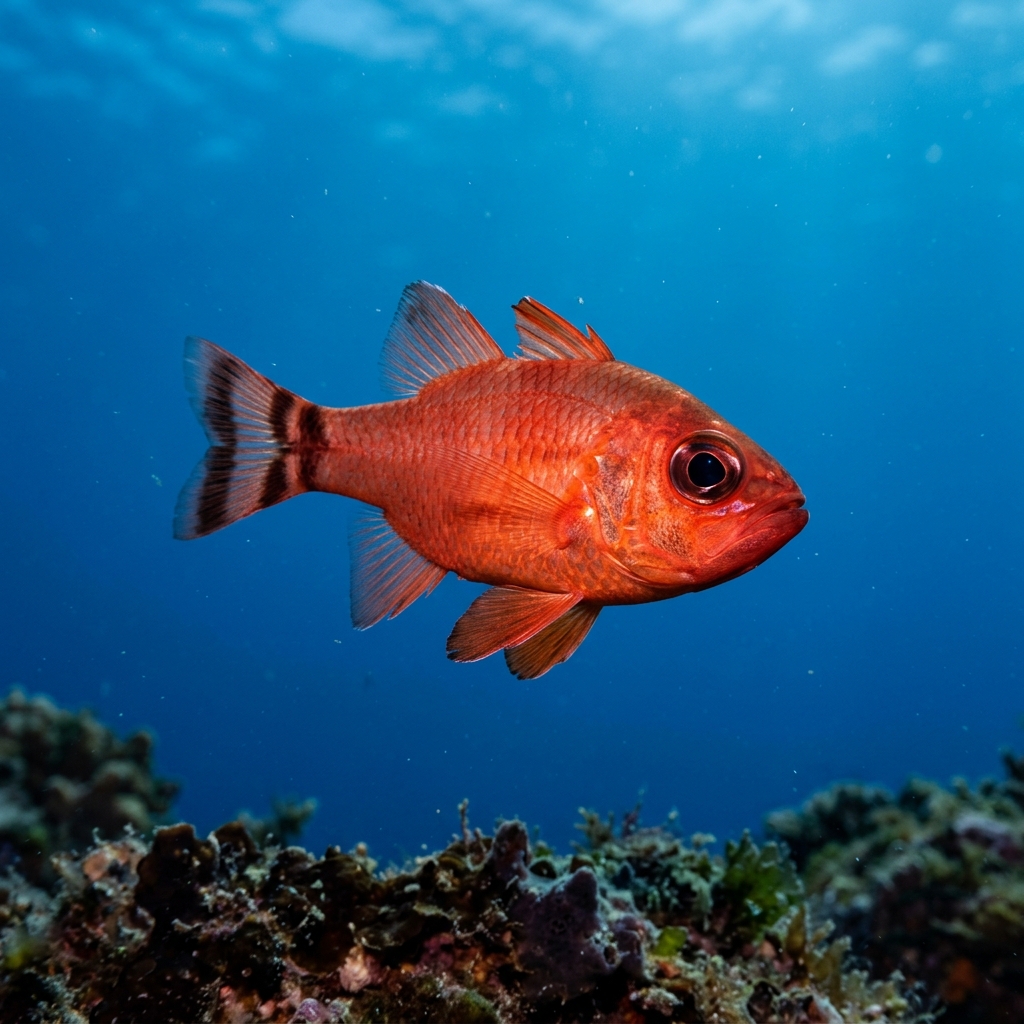
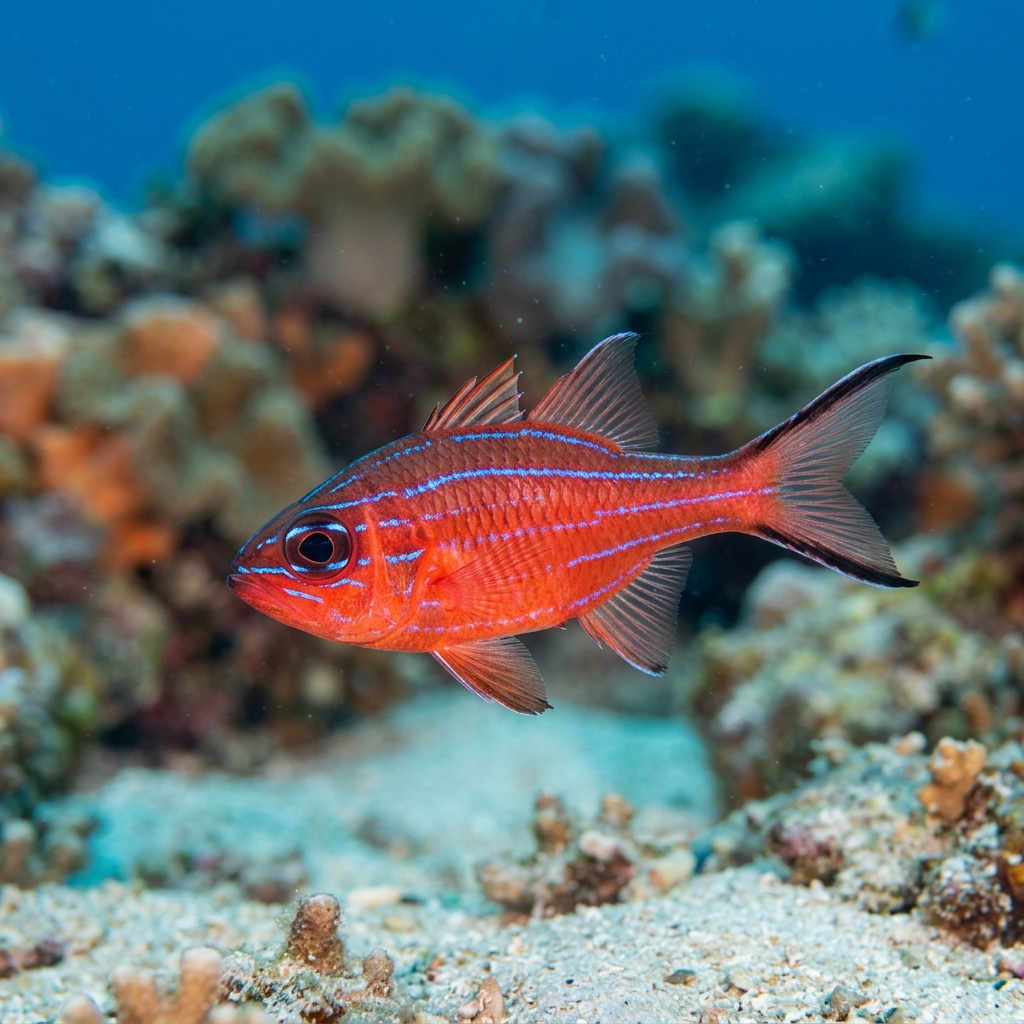
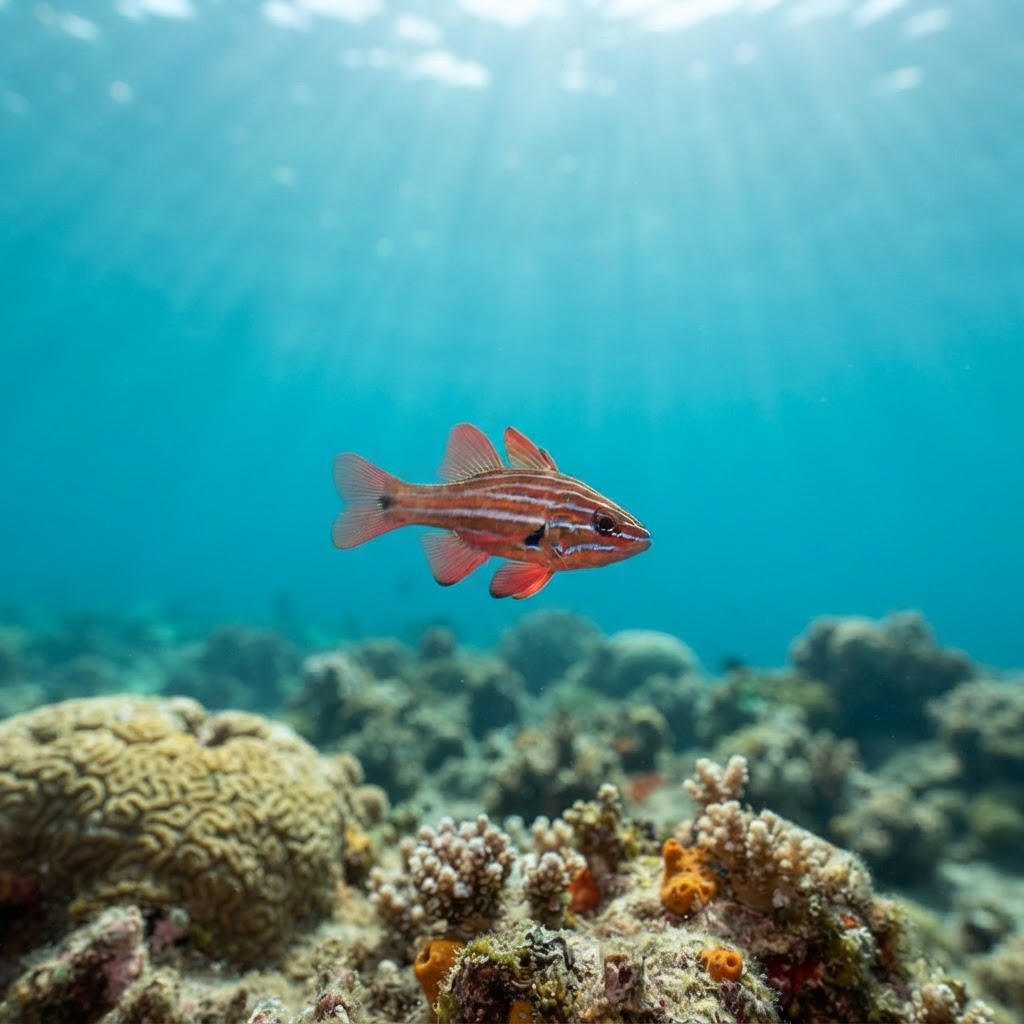
A small, stocky cardinalfish reaching around 6 cm, with the big-eyed, blunt-headed look typical of the family. Body colour is subdued rather than boldly striped, which makes it easy to overlook against rock and reef shadow. Look for it hovering nearly motionless in small groups near ledges and overhangs rather than out in open water.
Divers typically find it hovering in small, loose groups tucked under ledges, in crevices or beneath overhangs rather than swimming openly over the reef. It stays close to shelter and shows little reaction to divers, holding position rather than bolting, which makes for an easy but unhurried look if you slow down and check dark corners. Most logs describe it as an uncommon to rare find, so patience around structure pays off more than a quick swim-by.
Like other cardinalfish, this species is a mouth-brooder, meaning one parent carries the developing eggs in its mouth until they hatch, a behaviour worth watching for in a hovering group if one fish looks like it is not feeding.
Sightings show no detectable seasonal pattern, and the observed temperature range of 17.4 to 23.4 C spans cooler temperate conditions rather than a narrow tropical window, so it is logged across the year. Plan around general WA diving conditions rather than a specific month.
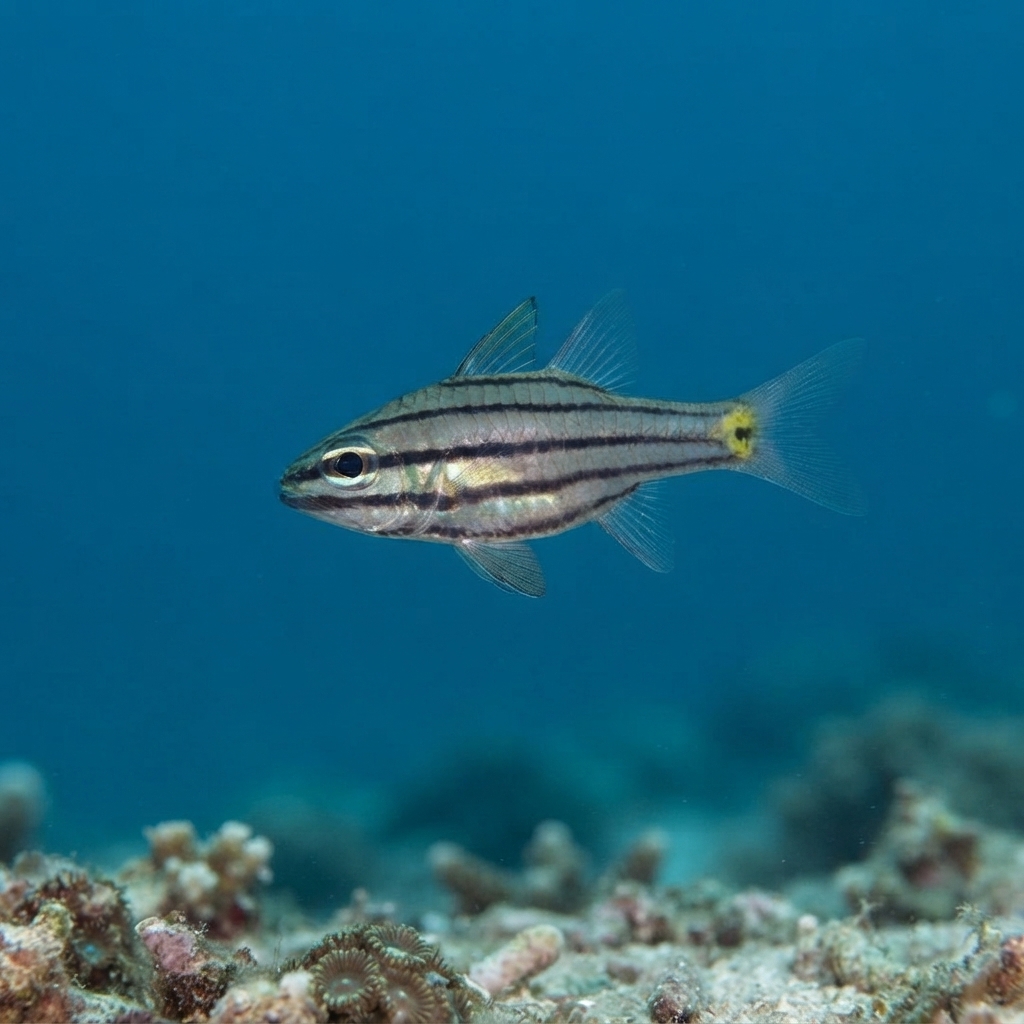
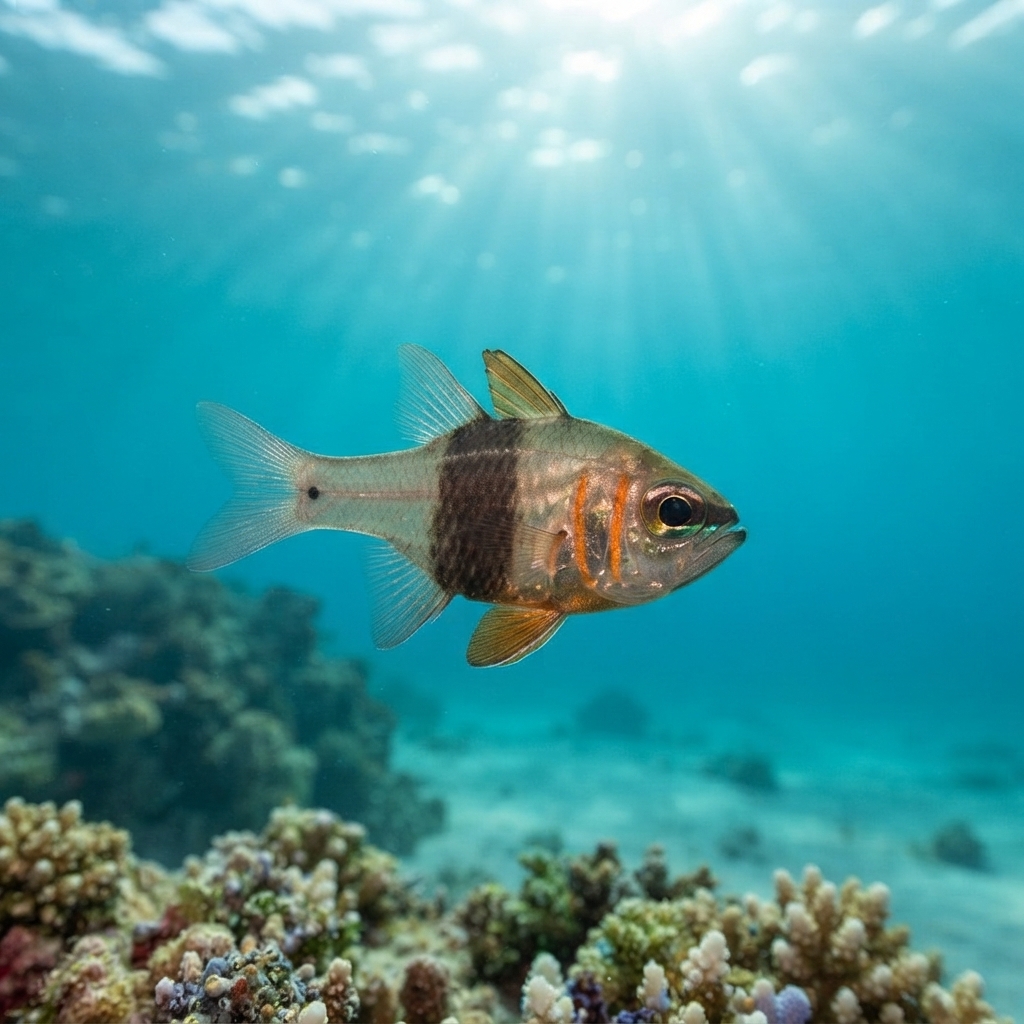
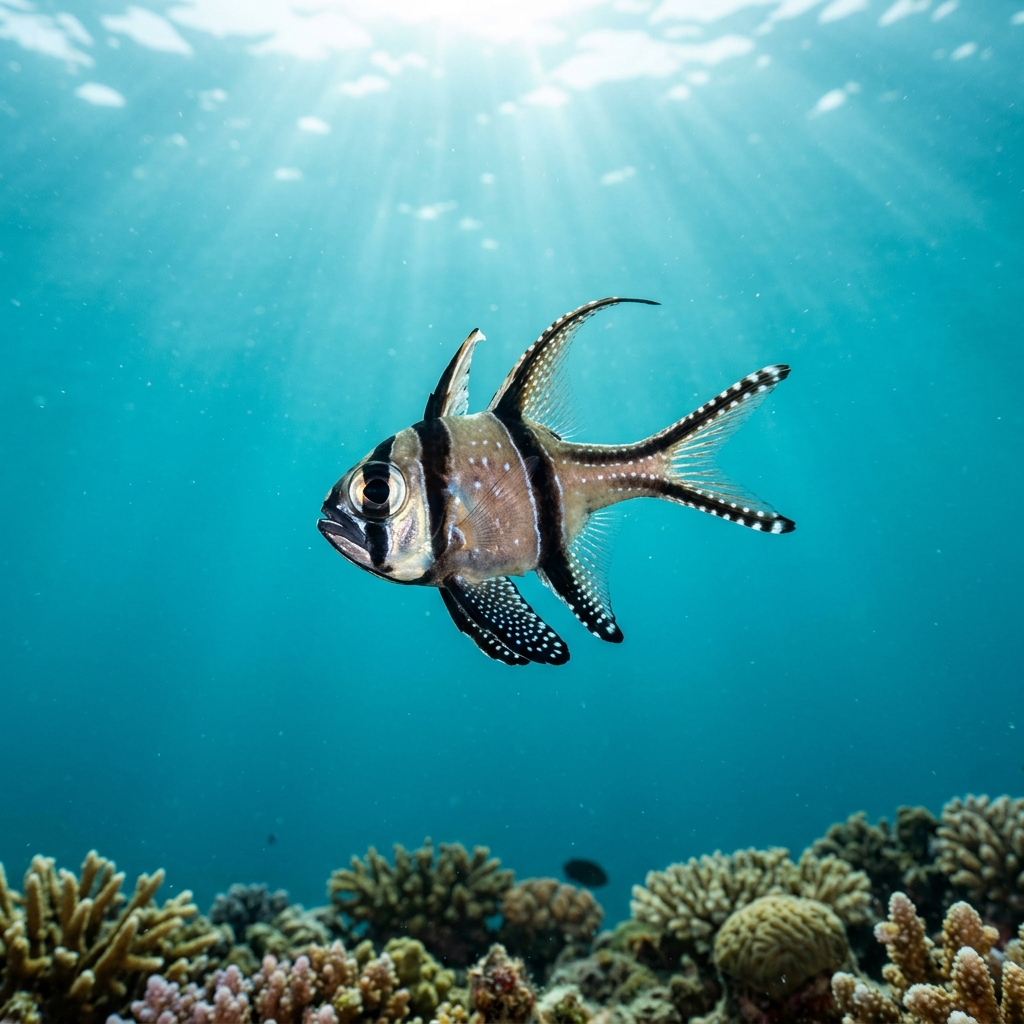
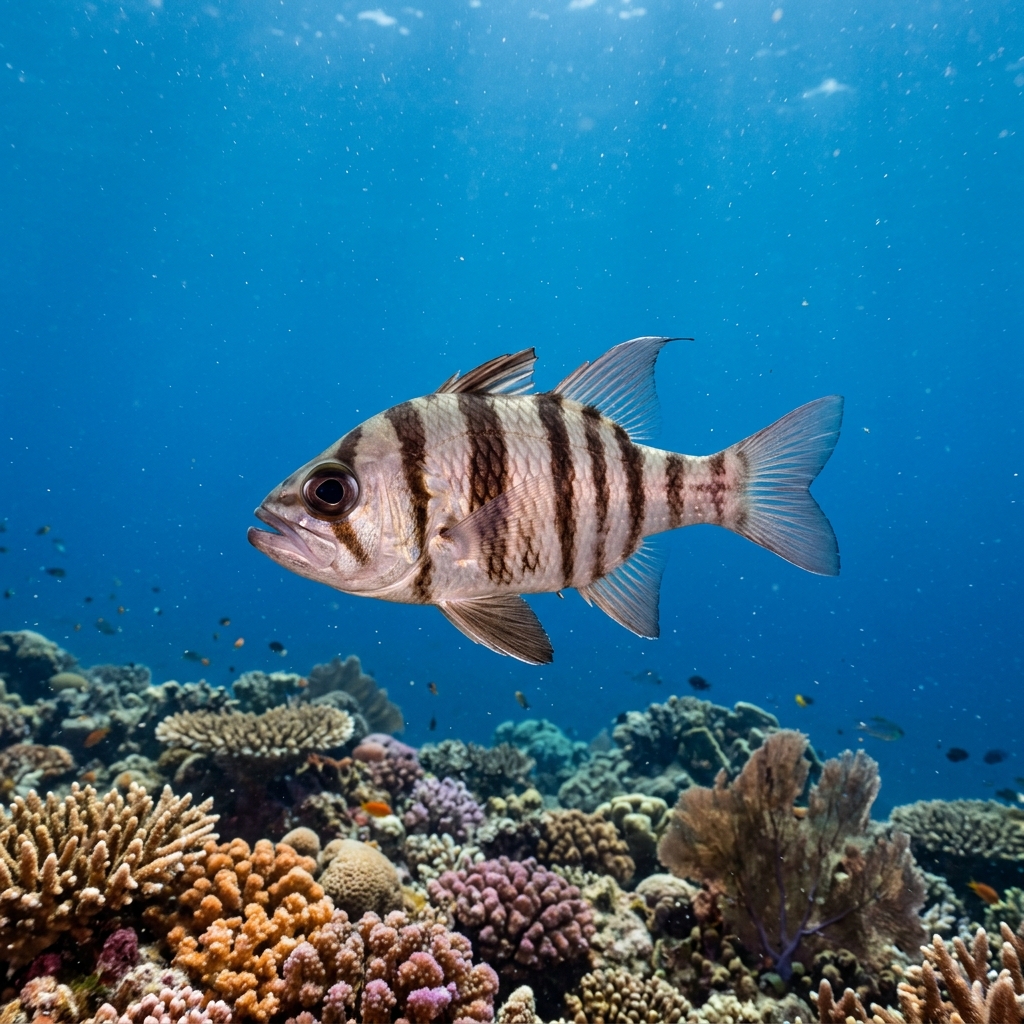
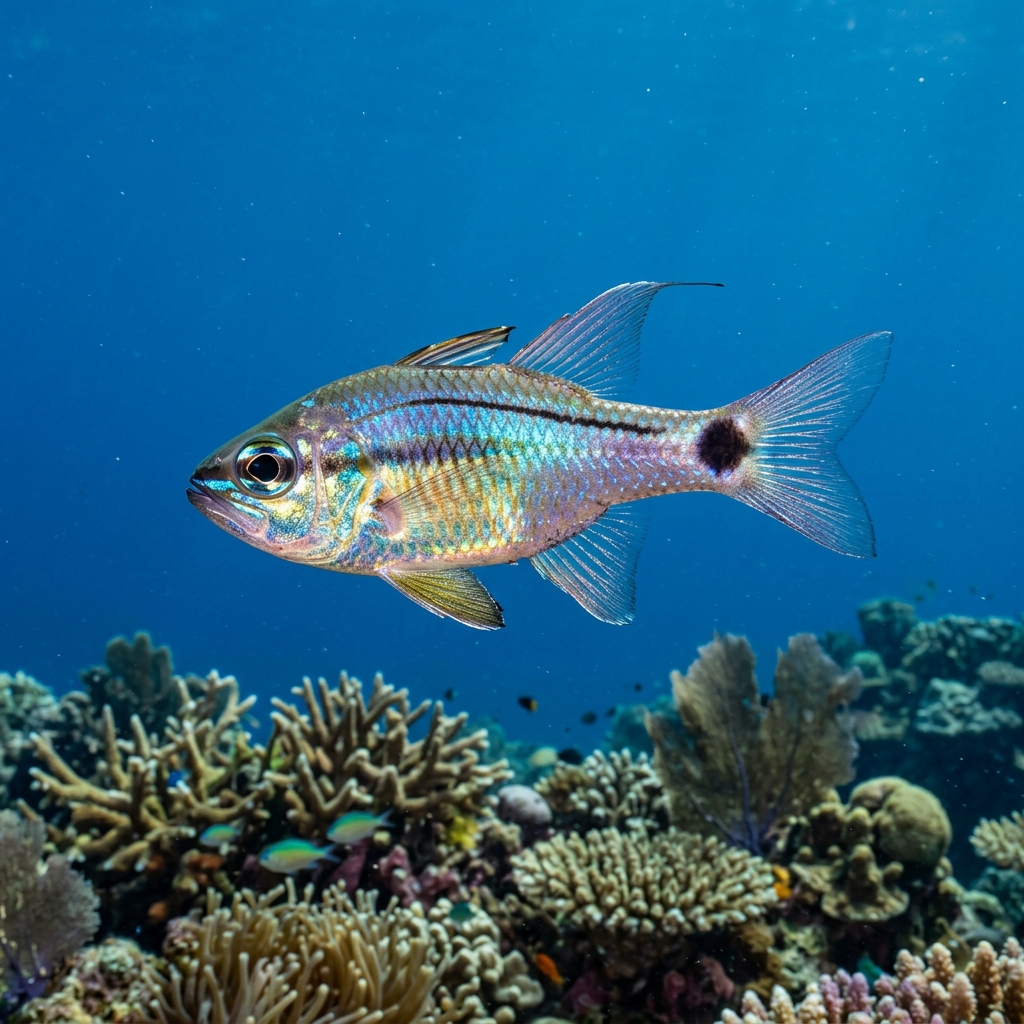
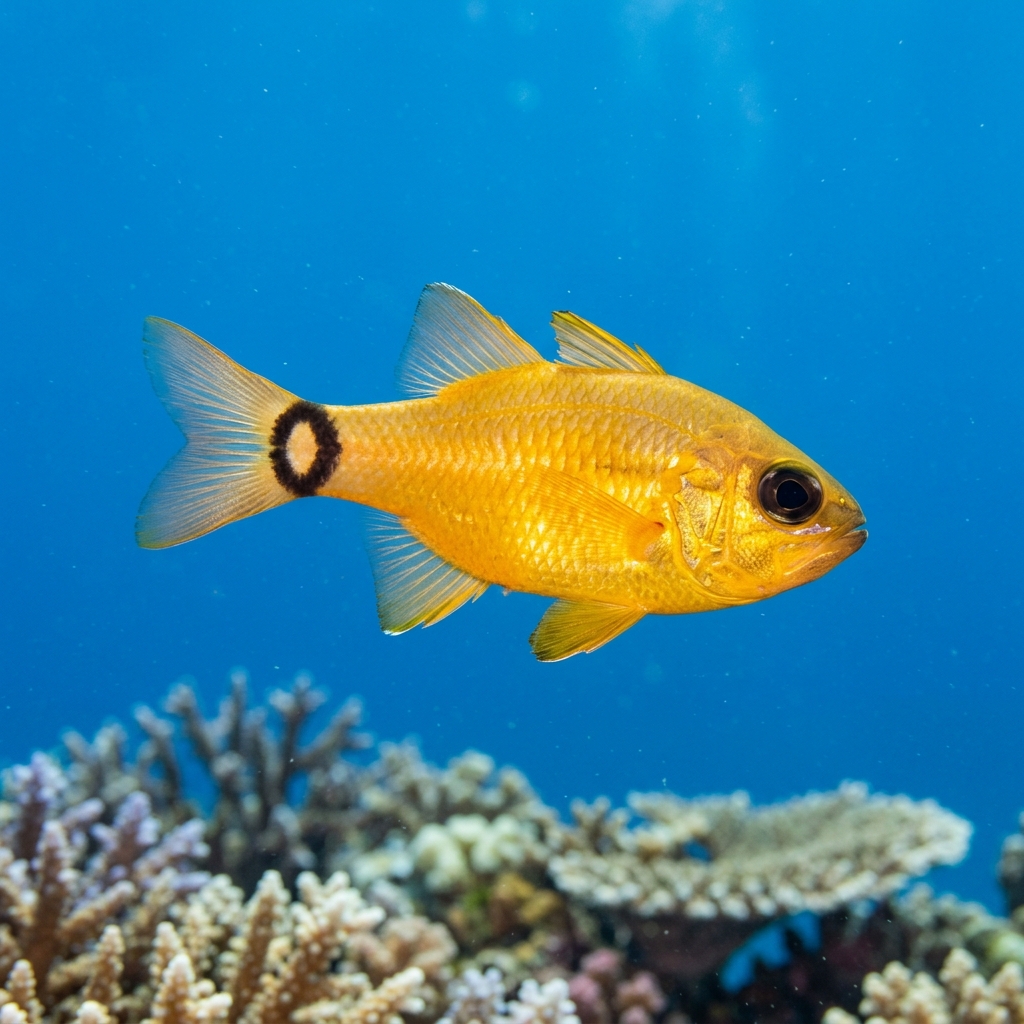
Reef neighbours a diver could mistake it for. Use the identification notes above to tell them apart.
Every logged sighting in the data comes from Australia, with Western Australia standing out as the clear stronghold for this species. If you are diving temperate WA reefs and checking ledges, crevices and overhangs, this is where divers most reliably record it.
Mapping where Victorian Cardinal Fish is logged…
It is logged almost exclusively in Western Australia, where divers find it tucked under ledges and overhangs on temperate reef sites. Data outside Australia is currently absent, so WA is the place to look.
There is no clear seasonal pattern in the sightings, and it turns up across a temperature range of 17.4 to 23.4 C, so it can be found year-round on Western Australian reefs.
Look for a small, big-eyed, blunt-headed fish around 6 cm long, hovering in small groups near ledges or crevices rather than out in the open. Its muted colouring blends with rock and shadow, so check dark corners rather than open water.
They stay small, typically around 6 cm long, in keeping with most members of the cardinalfish family.
No, they pose no danger to divers. They are shy, shelter-loving fish that simply hold their position near structure as you pass.
Like other cardinalfish, it is a mouth-brooder, with a parent holding fertilised eggs in its mouth until they hatch rather than leaving them exposed on the reef.
Site and sighting data is aggregated from diver logs, iNaturalist and GBIF. For taxonomy and conservation status:
Iridescent Cardinalfish
1,781 sites