Ostorhinchus aureus
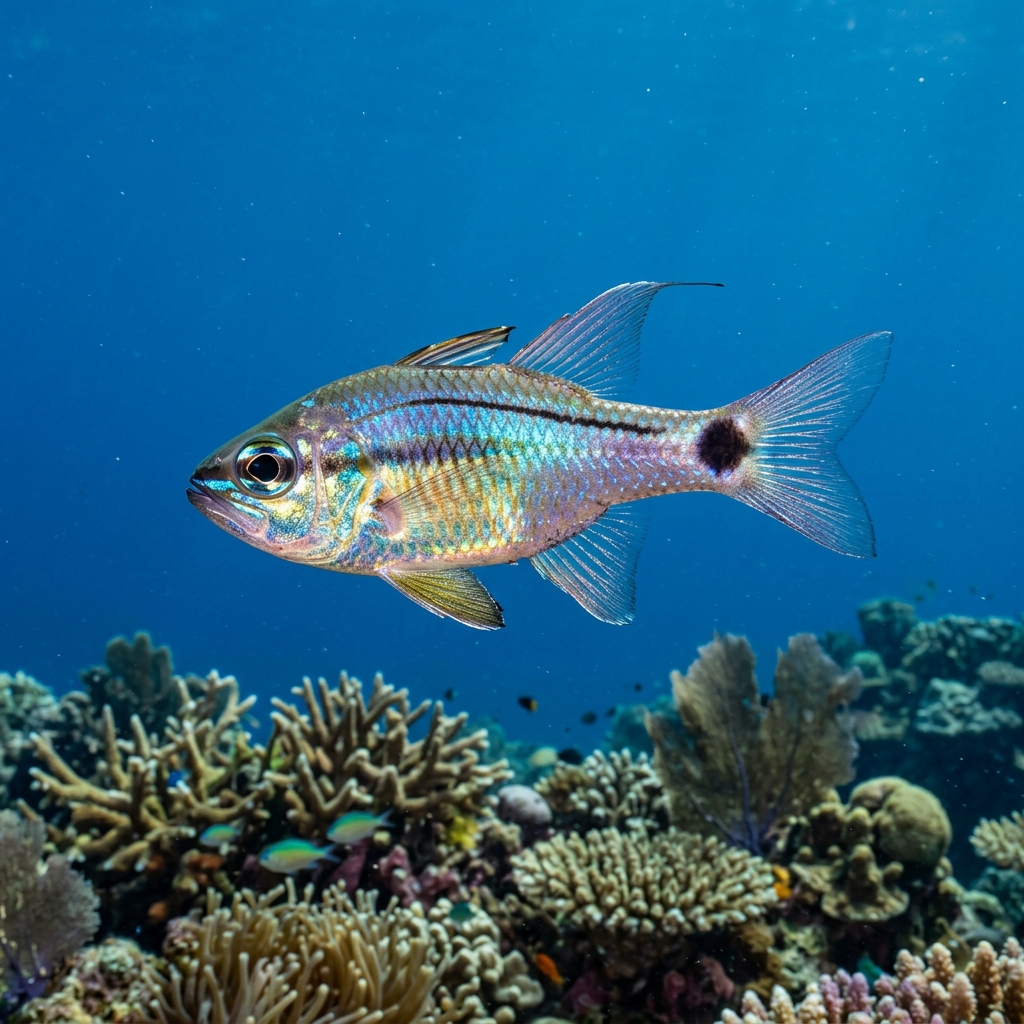
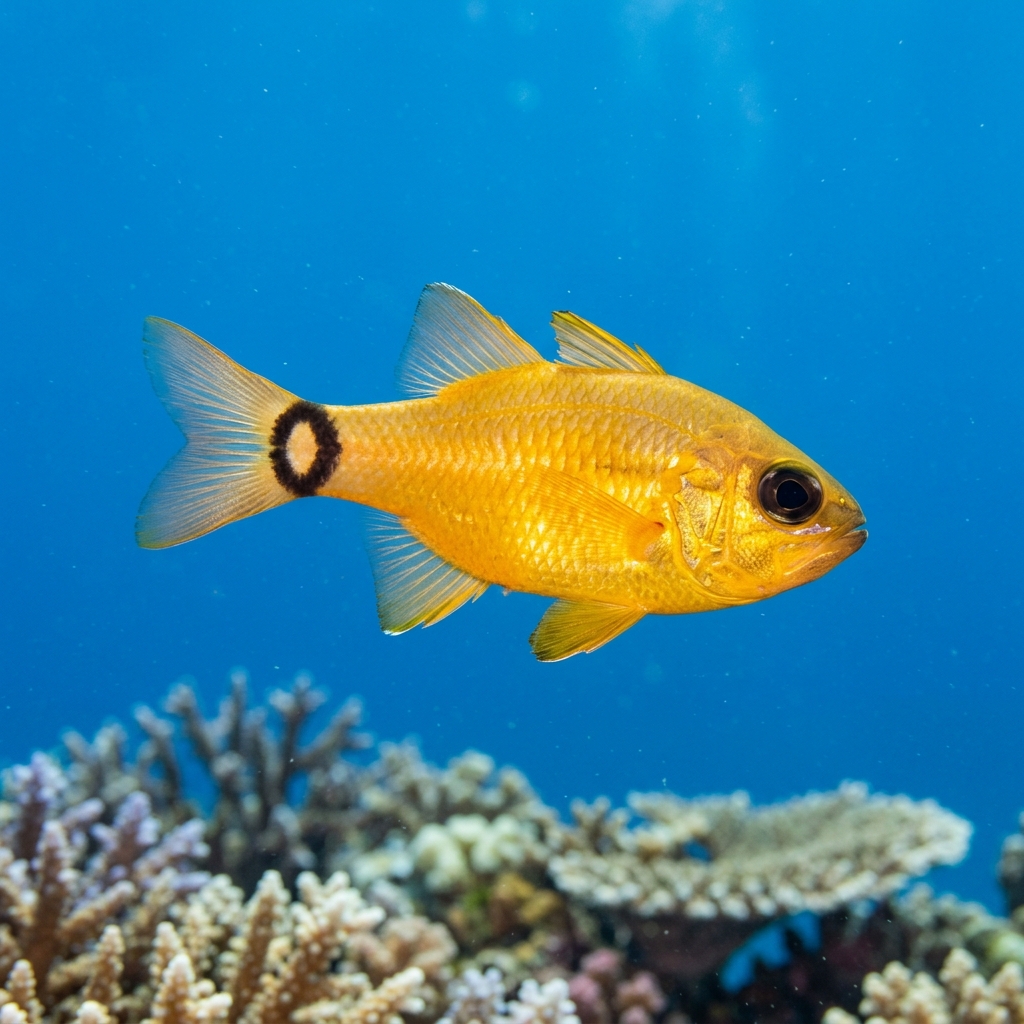
Spot Ringtail Cardinalfish hovering near coral in the Visayas or Bali. Best sightings Oct, Apr in warm 24-29 °C Indo-Pacific reefs.
A small, deep-bodied fish around 9 cm long with a pale, almost translucent pinkish-orange body and two large, dark eyes that dominate the face. The feature to key on underwater is the bold dark ring encircling the caudal peduncle (the narrow part of the body just before the tail), which gives the species its name. Look for it hovering almost motionless close to coral heads or beneath ledges, rarely venturing far from cover.
Expect to find ringtail cardinalfish tucked close to coral branches, inside sponges, or sheltering beneath ledges rather than swimming openly in the water column. When approached, they tend to back further into cover rather than flee outright. Activity picks up around dusk and dawn when they venture out to hunt small invertebrates, so timing a dive for low light can reward you with a more animated sighting.
Like most cardinalfish, ringtail cardinalfish are paternal mouthbrooders: the male incubates the fertilised egg mass inside his mouth until the larvae are ready to hatch, going without food for the entire brooding period.
In the Northern Hemisphere, sightings concentrate between October and April, making those months the most productive season for destinations like the Philippines and Malaysia. Southern Hemisphere records from Queensland peak in December and January.
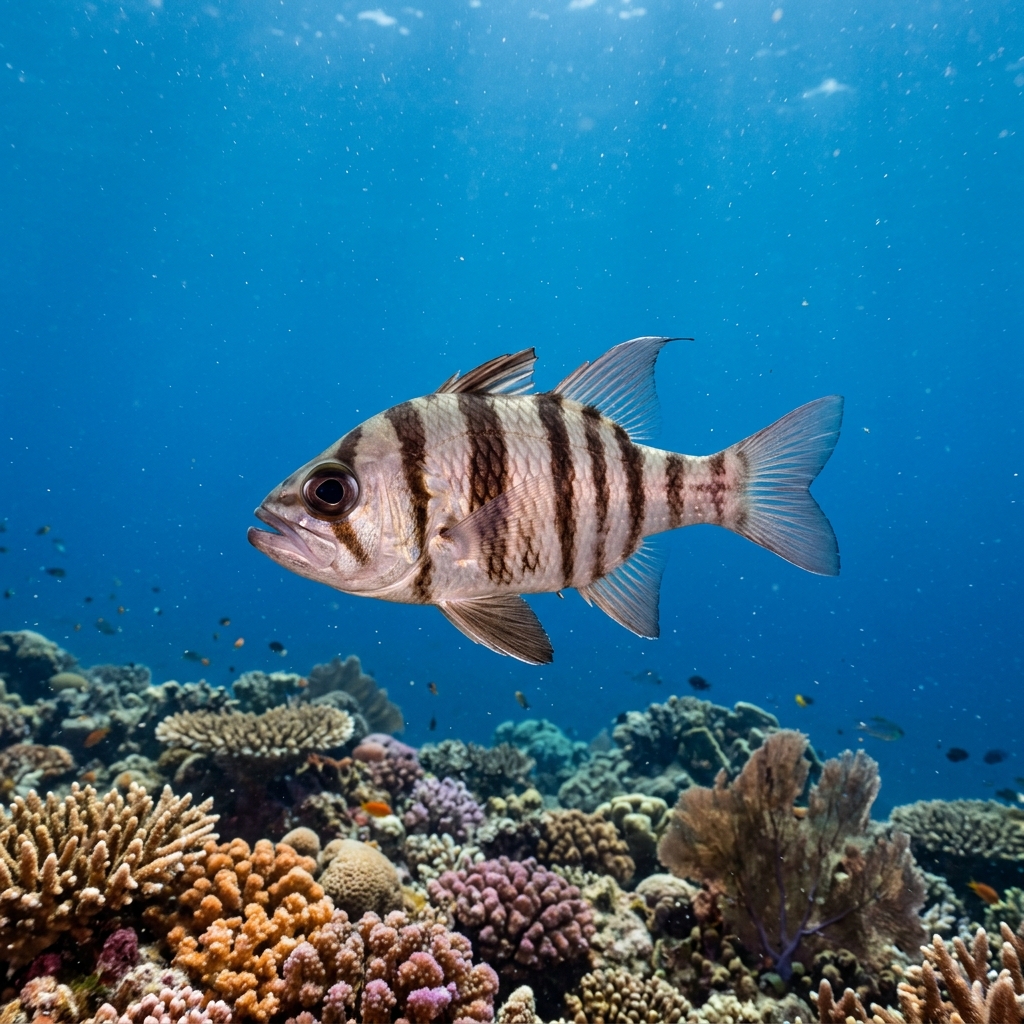
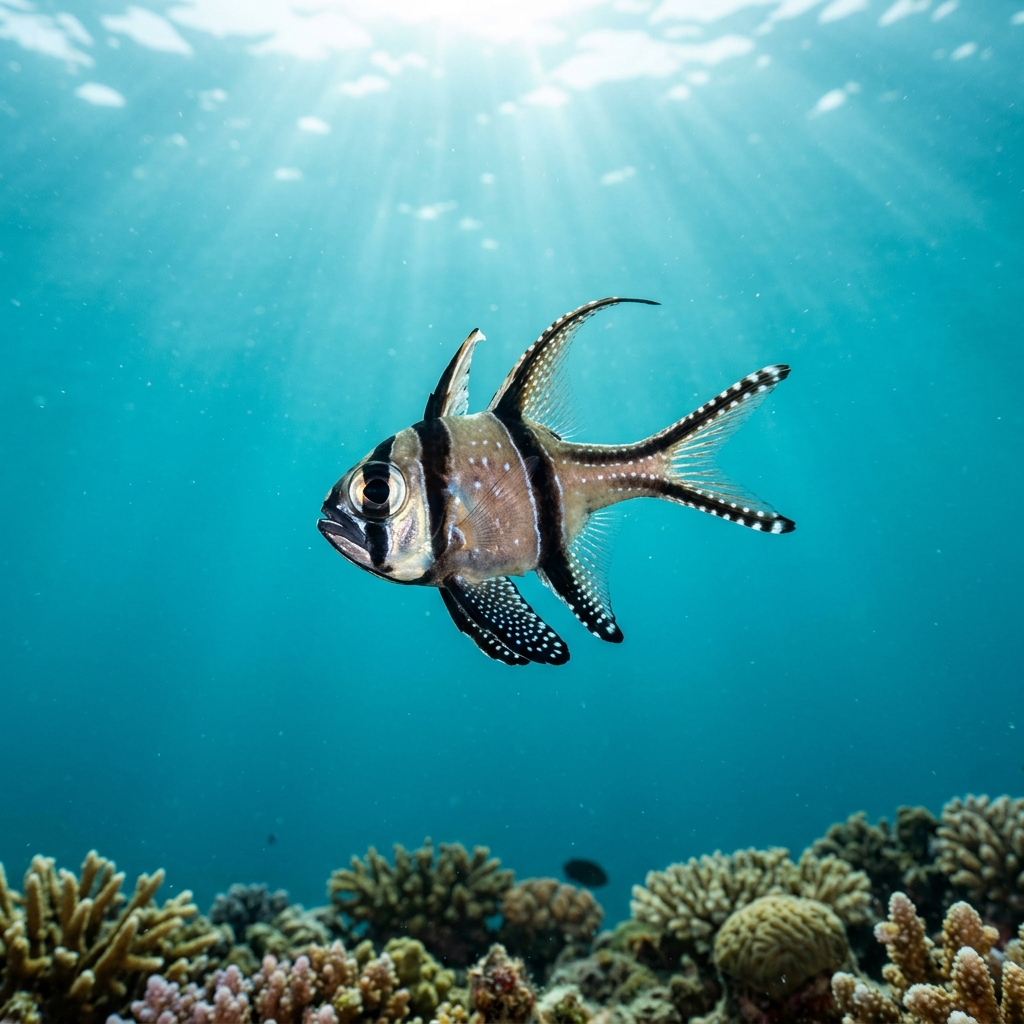
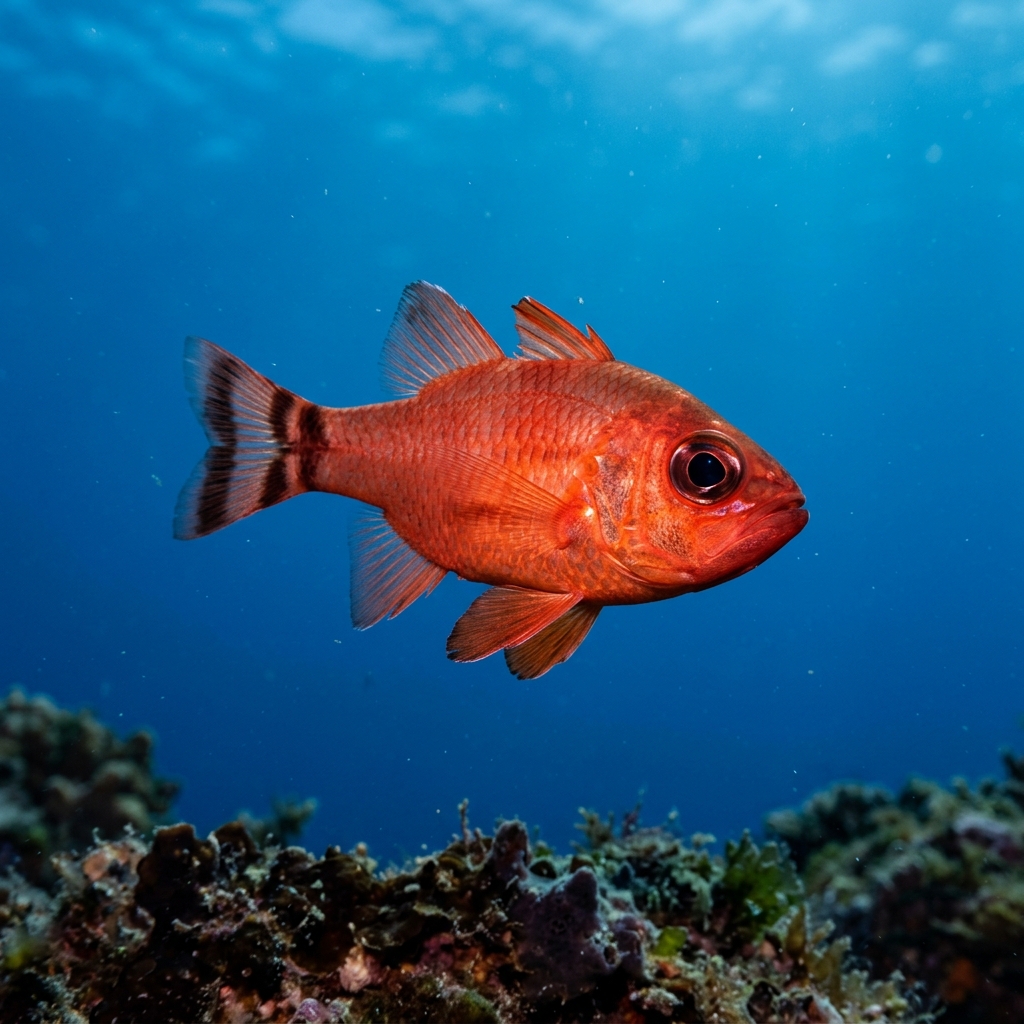
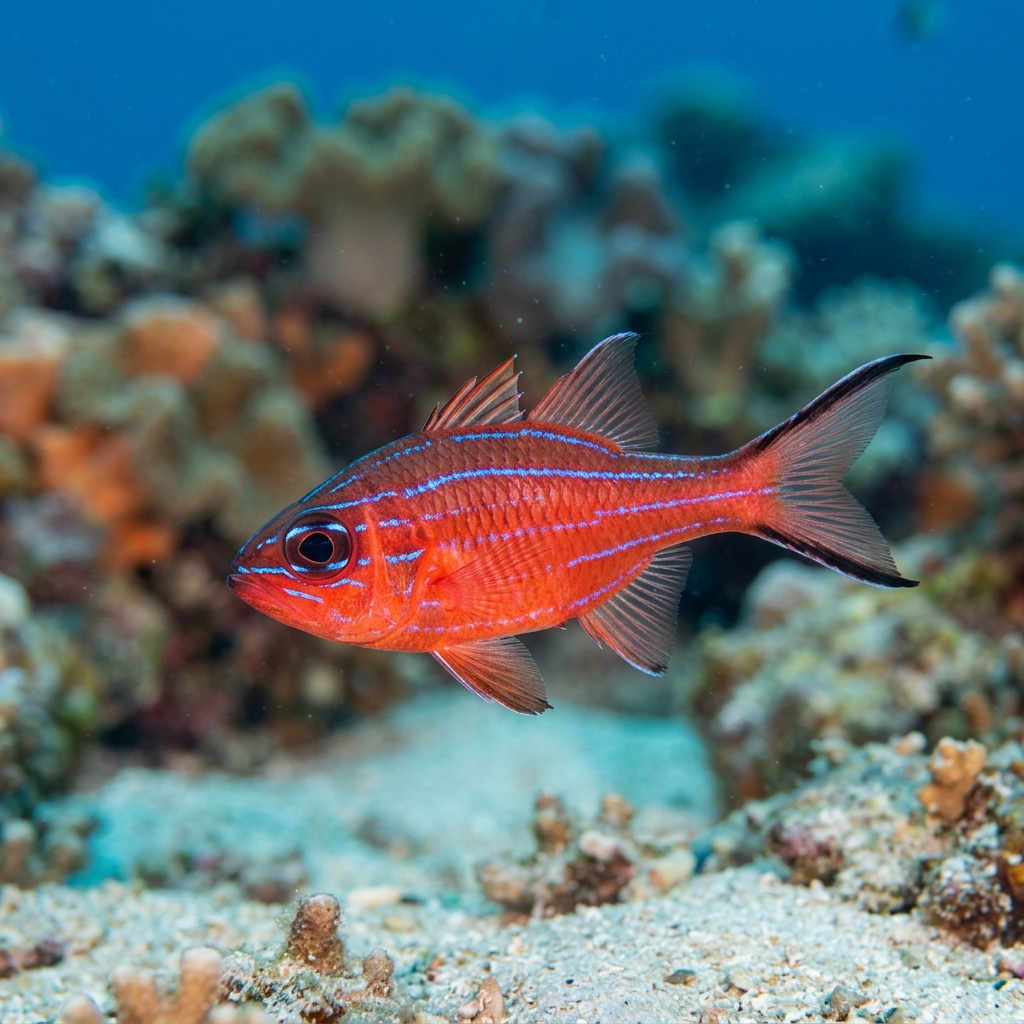
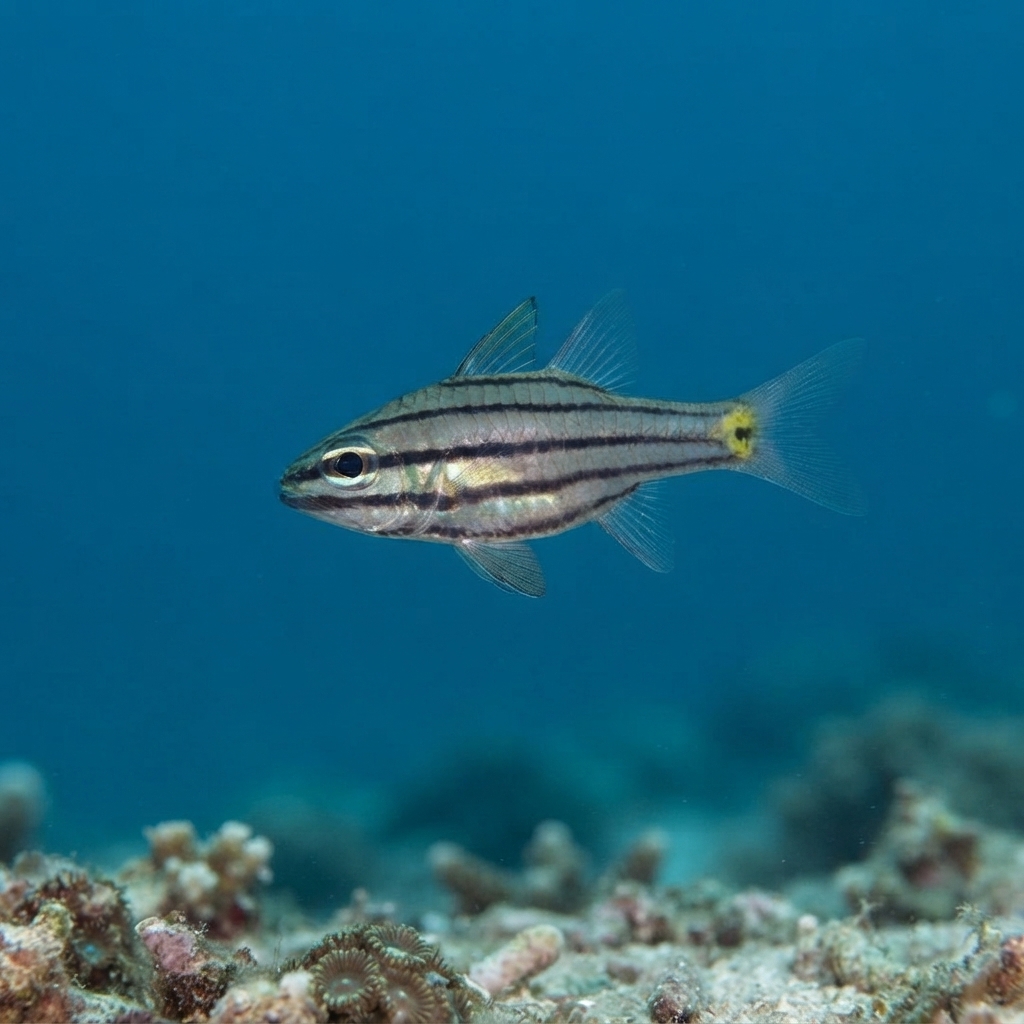
Reef neighbours a diver could mistake it for. Use the identification notes above to tell them apart.
Most consistently logged across the Philippines, particularly in the Visayas and Luzon regions, which together account for the strongest concentration of sightings. Indonesia is the next best bet, with Bali, Lombok, and the Maluku and Papua regions all producing records. Australia's Queensland coast, Malaysian waters, and sites around Muscat in Oman also feature, reflecting its broad Indo-Pacific range.
Mapping where Ringtail Cardinalfish is logged…
The Philippines is the most reliable destination, especially the Visayas and Luzon regions. Indonesia comes close behind, with strong records from Bali, Lombok, and Maluku. You can also encounter them in Queensland, Malaysia, Thailand, and around Muscat in Oman.
For Northern Hemisphere sites like the Philippines and Malaysia, October through April offers the highest concentration of sightings. If you are diving Queensland in the Southern Hemisphere, December and January are the peak months.
Look for a small, pale fish about 9 cm long with oversized dark eyes and a distinct dark ring around the caudal peduncle just before the tail. That tail-base ring is the single most reliable field mark and is visible even at a quick glance in dim reef conditions.
They typically reach around 9 cm in length. That compact size means they are easy to overlook against busy coral backgrounds, so slow down and check carefully inside branching corals and under ledges.
No, they pose no threat whatsoever to divers. They are small, shy fish that retreat from close approach. You are more likely to frighten them than the other way around.
Site and sighting data is aggregated from diver logs, iNaturalist and GBIF. For taxonomy and conservation status:
Iridescent Cardinalfish
1,781 sites