Eviota bifasciata
Tiny goby common on reefs in Koror & Malakal, Palau, in warm 27-29C water year-round. Here's how to spot one.
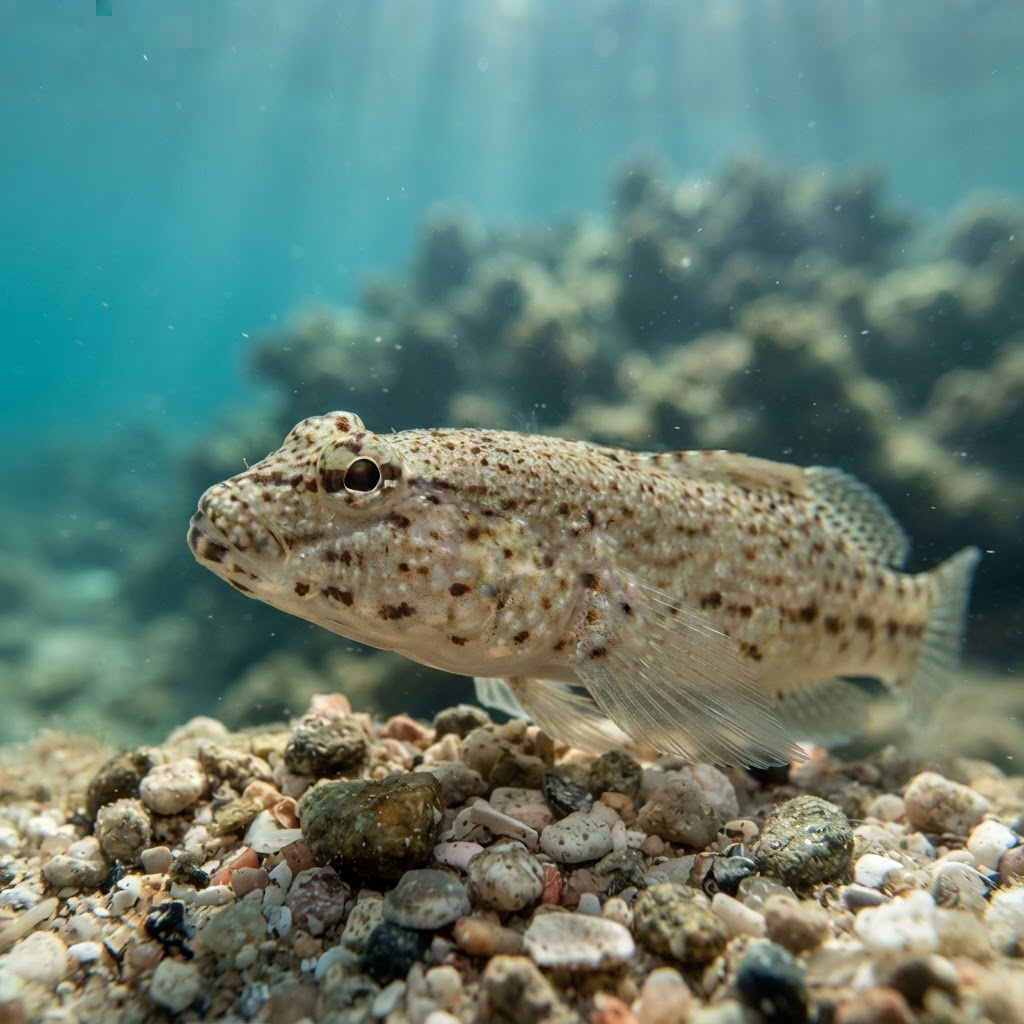
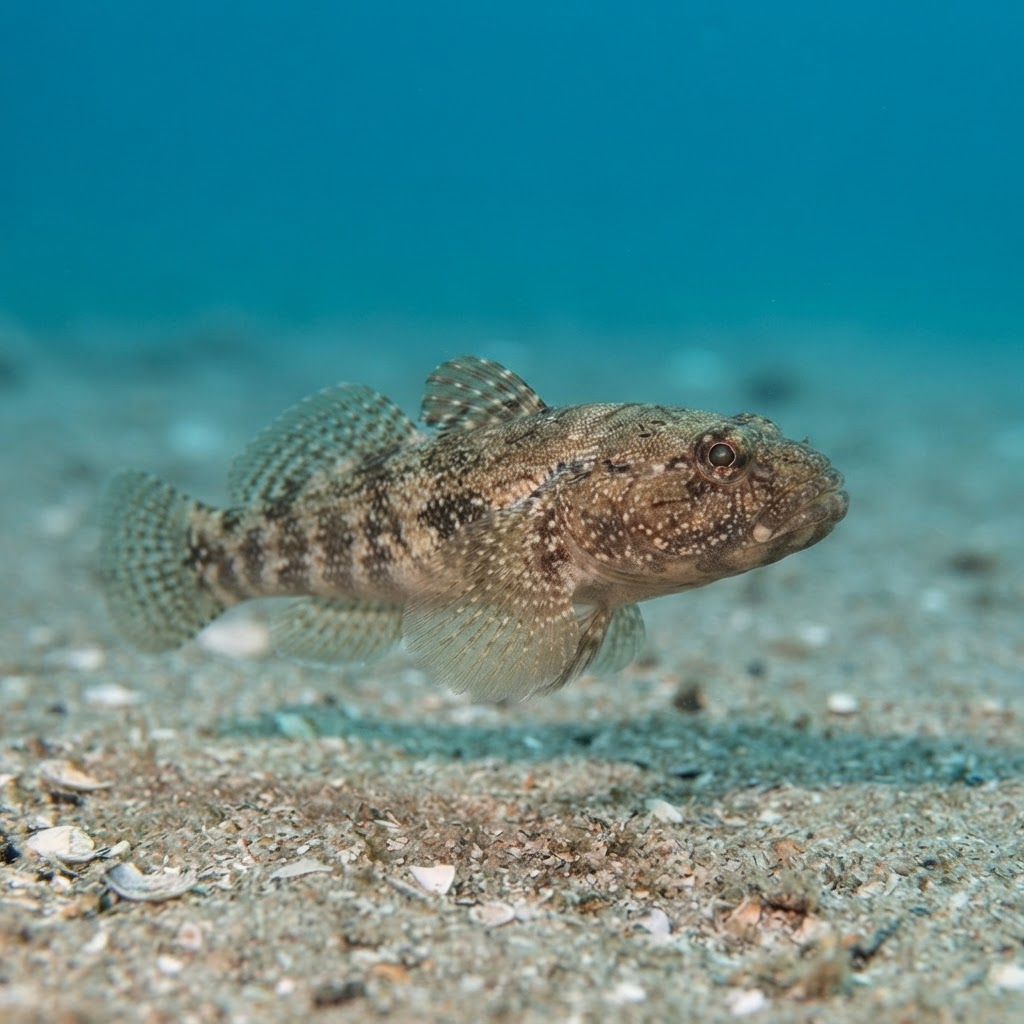
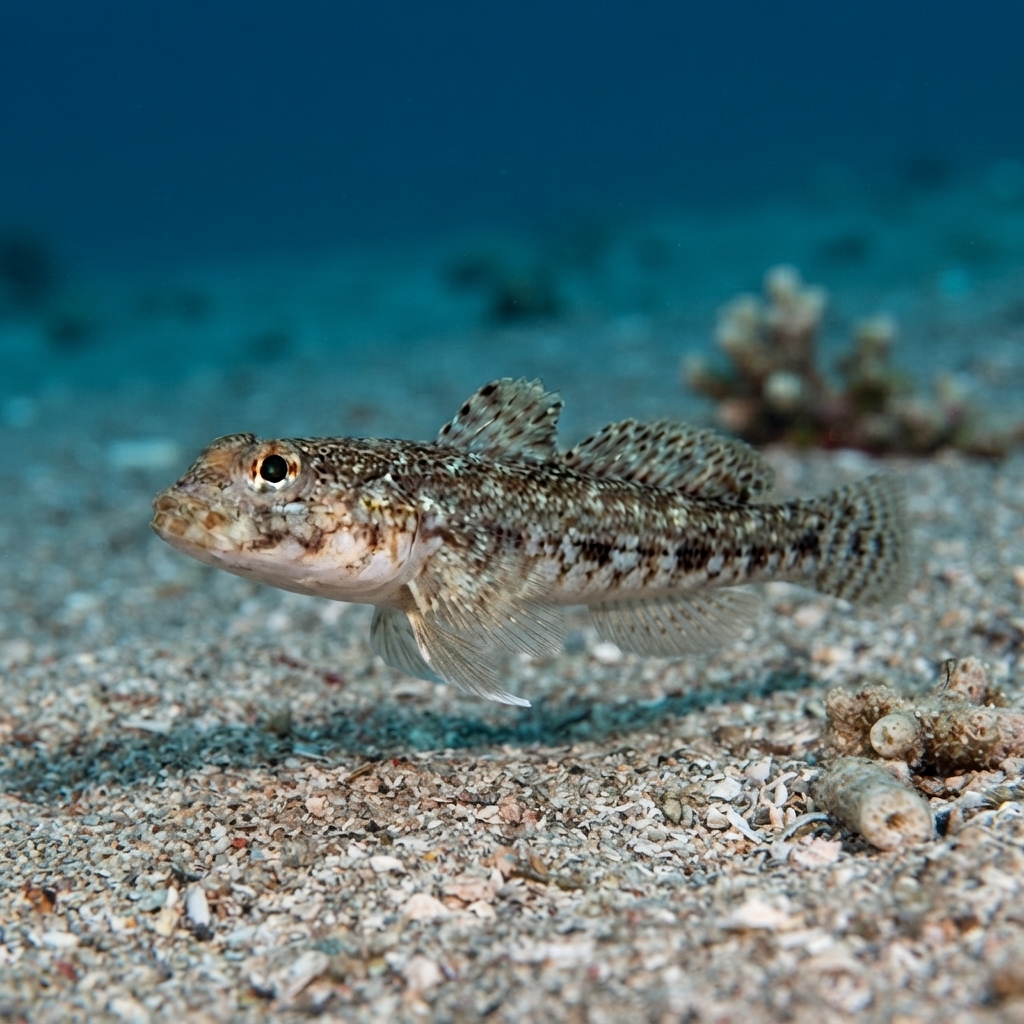
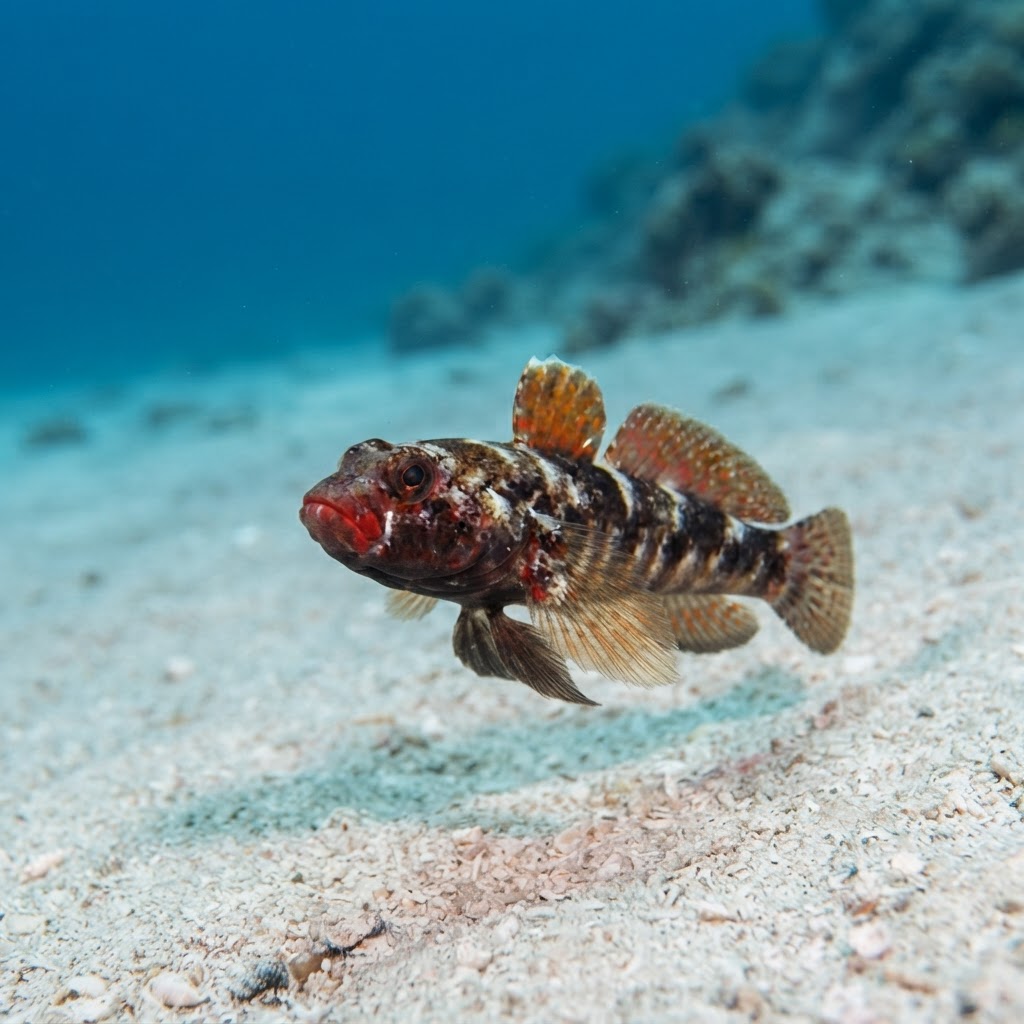
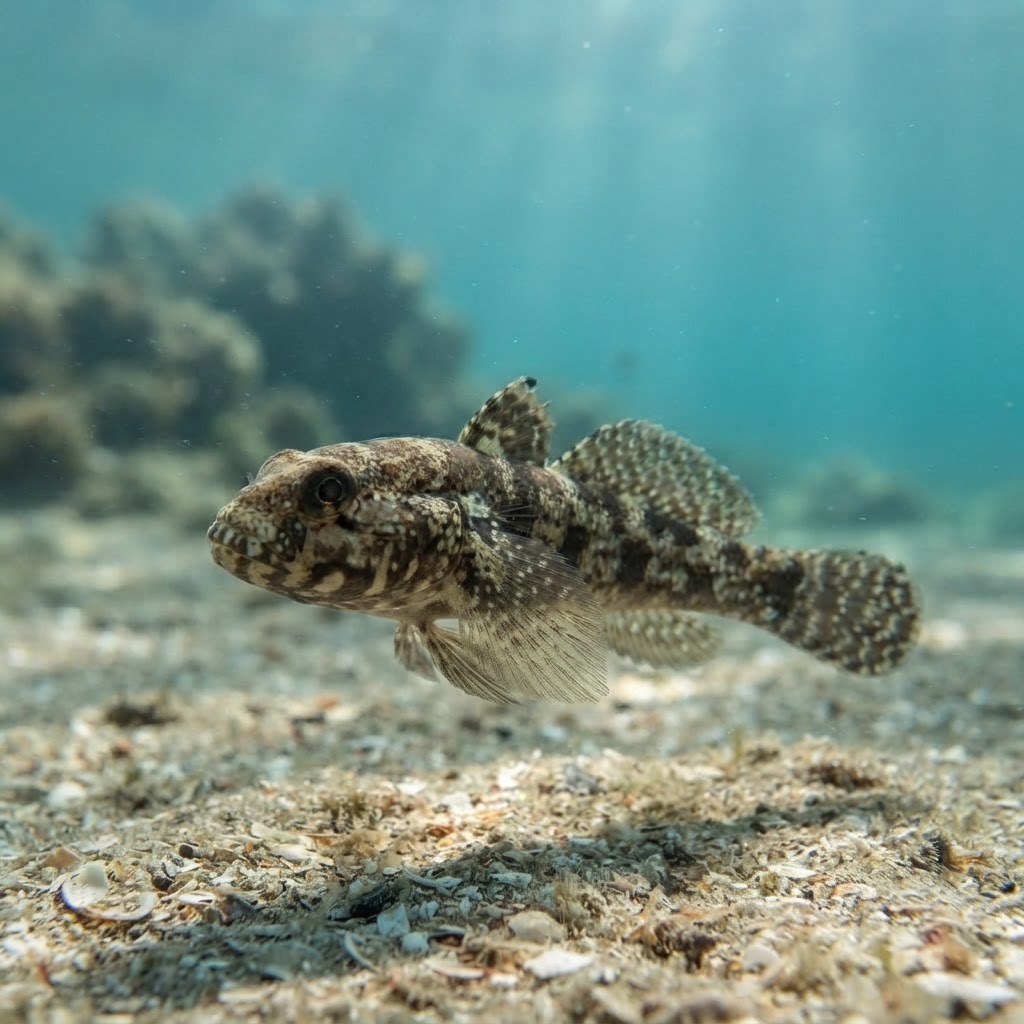
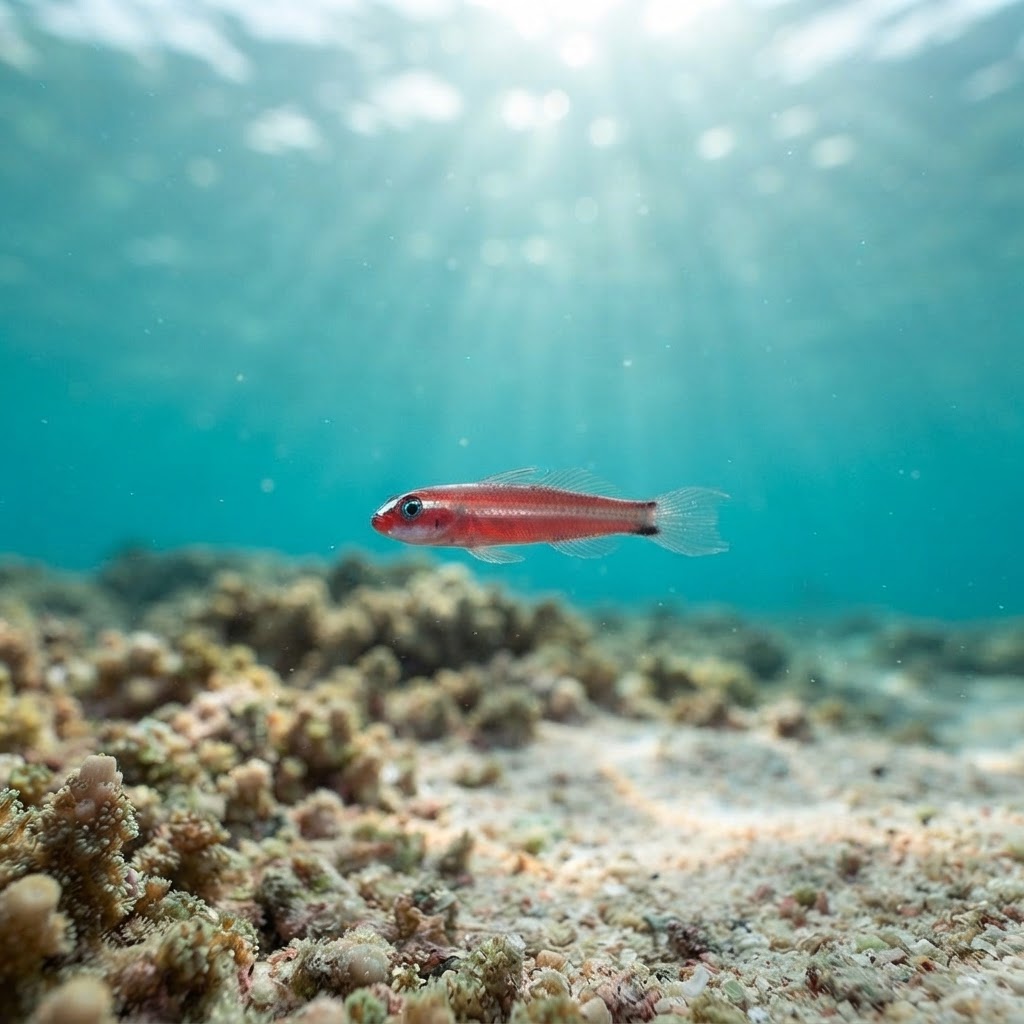
At barely 3 cm long, this goby is easy to swim past unless you slow down and scan rubble and coral heads at close range. Look for a slender, near-translucent body marked with two dark longitudinal stripes running from head to tail, often with a faint reddish or brown wash between them. It perches upright on hard substrate rather than swimming freely, propped on its pelvic fins like most gobies.
Expect to find it holding a fixed spot on coral rubble or a reef ledge, barely moving except for quick darts to snap up passing plankton. It tolerates a slow, close approach reasonably well, which is the only way to actually see the stripe pattern given its size. Most sightings come from divers deliberately working small patches of reef rather than cruising past on a reef swim.
Like other pygmy gobies, it likely lives fast: many Eviota species complete their entire life cycle in a matter of weeks, making them some of the shortest-lived vertebrates on the reef.
No clear seasonal pattern shows up in the sightings, and with water sitting comfortably between 27.1 and 29.3C year-round, there's no cold season pushing it off the reef. Plan around good visibility and calm conditions rather than a particular month.
This goby turns up most reliably in Palau, especially around Koror & Malakal and the Rock Islands, where it's logged as common at more sites than anywhere else in the data. Outside Palau it's a solid but less frequent find in Sulawesi, Indonesia, and Palawan in the Philippines, so it's worth checking rubble patches and coral bommies on any Coral Triangle reef.
Mapping where Twostripe Pygmy Goby is logged…
Palau is the standout location, particularly Koror & Malakal and the Rock Islands, where it's commonly logged. It's also found in smaller numbers in Sulawesi, Indonesia, and Palawan, Philippines.
There's no detected season for this species, and warm water year-round means it's present on Coral Triangle reefs at any time of year. Focus on dive conditions rather than timing your trip around it.
Look for a tiny, translucent goby around 3 cm long perched on rubble or coral, marked with two dark stripes running the length of its body. It stays put rather than swimming in open water, which makes close-up viewing easier once you spot one.
They max out at around 3 cm, making them one of the smaller reef fish a diver is likely to try to photograph.
It belongs to Eviota, a goby genus known for extremely short lifespans, with some species living only a few weeks from hatching to death. This rapid turnover means the individual you photograph today is unlikely to still be there on your next trip.
Site and sighting data is aggregated from diver logs, iNaturalist and GBIF. For taxonomy and conservation status:
Slender Goby
806 sites