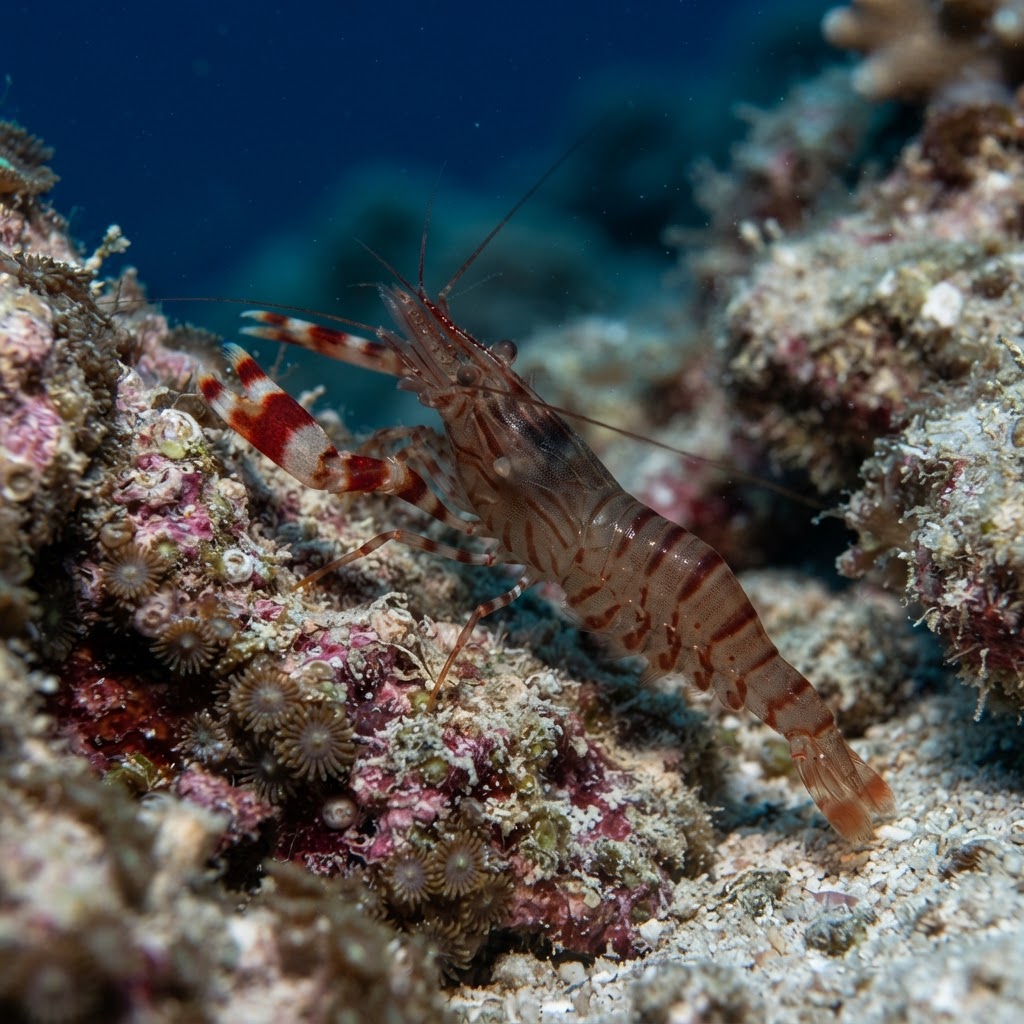
Brachycarpus biunguiculatus
Uncommon but findable in El Hierro and Murcia at 16 to 29C, this benthic shrimp rewards divers who check crevices closely.
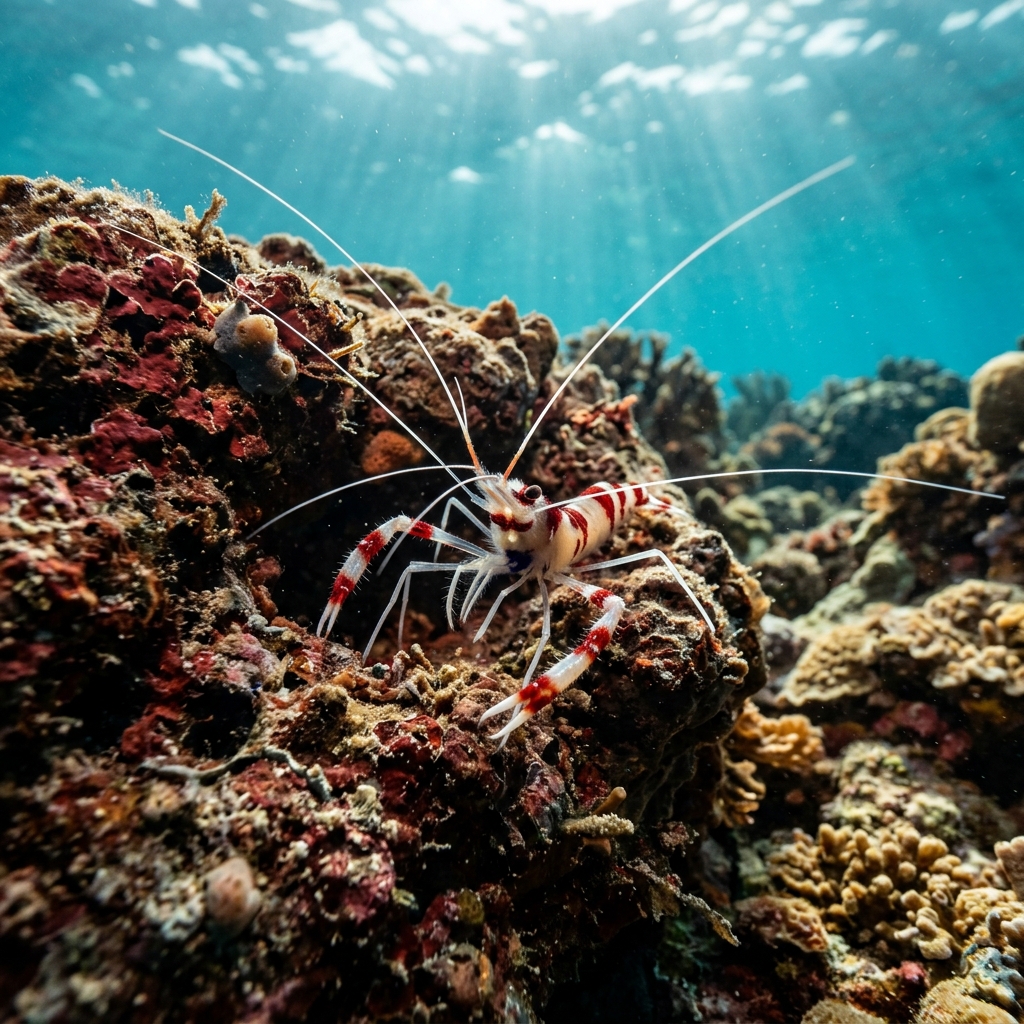
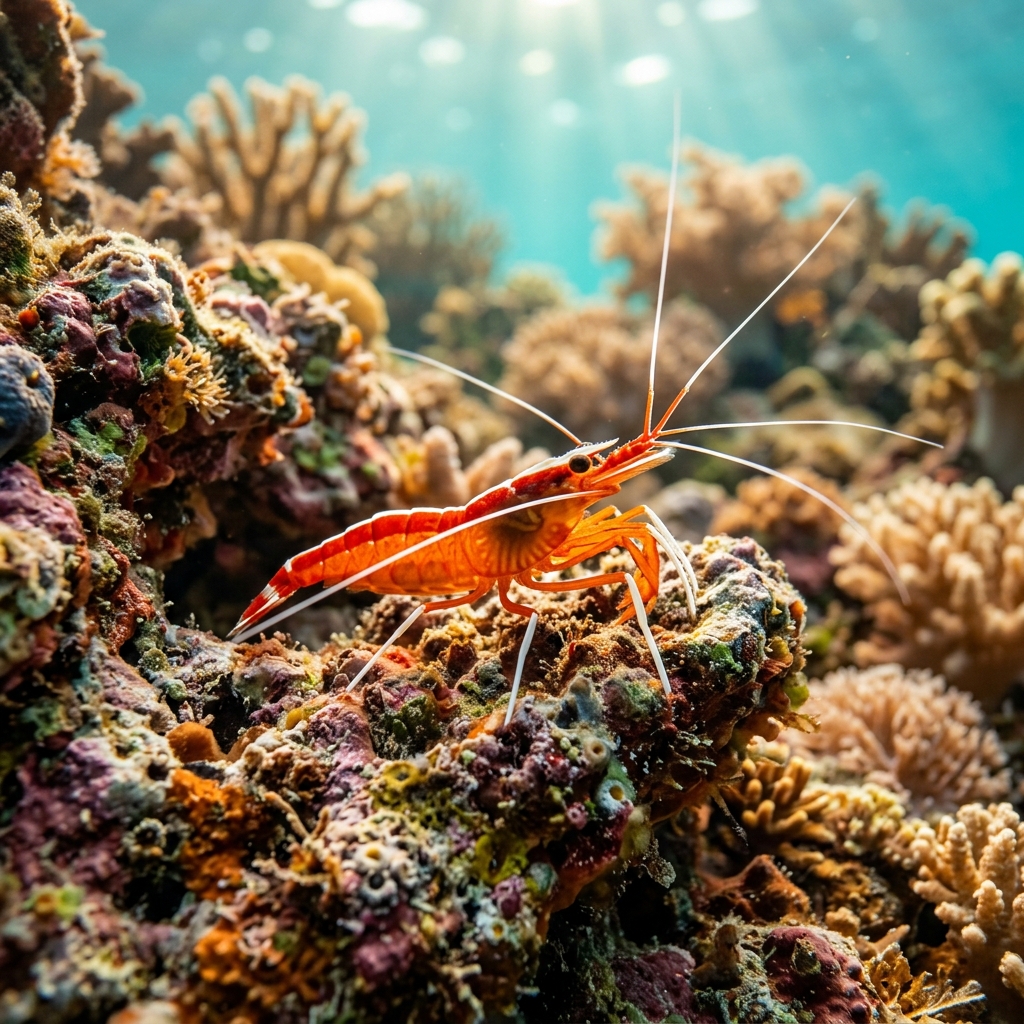
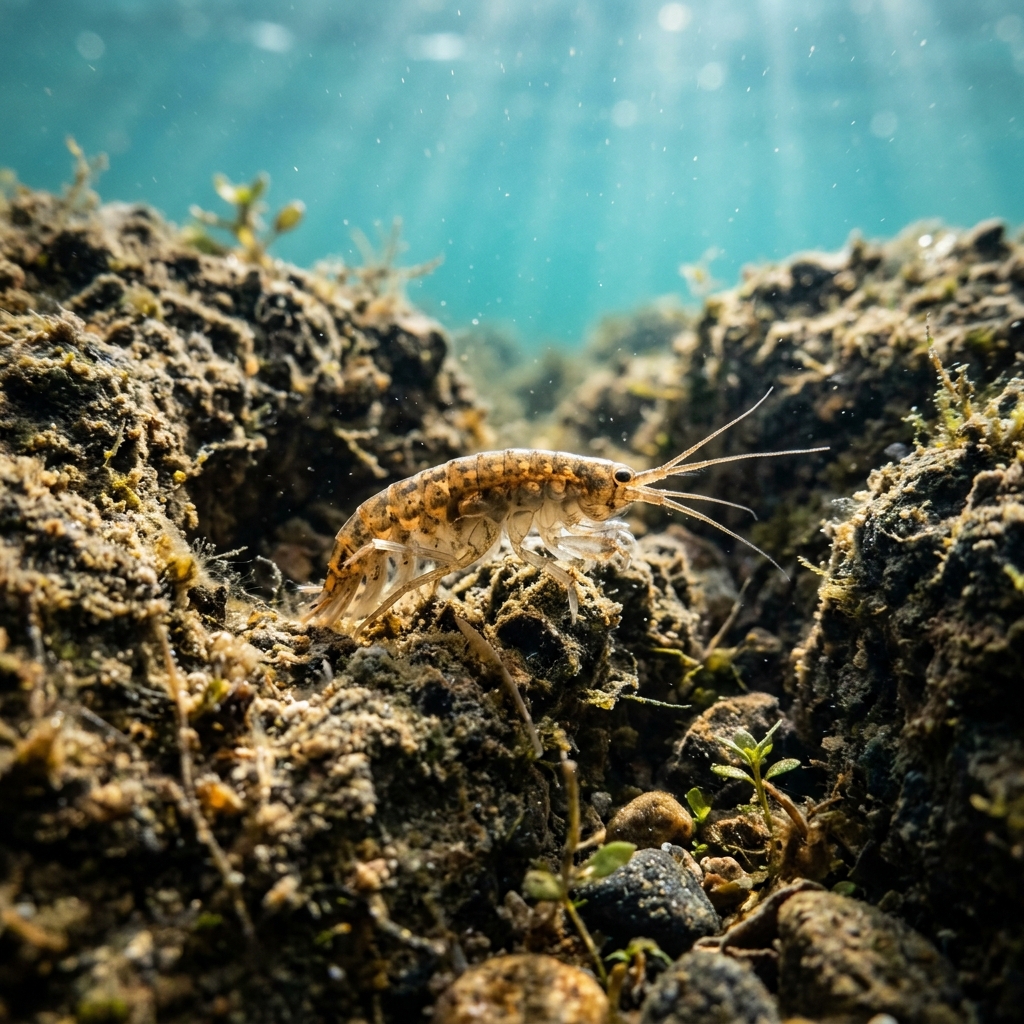
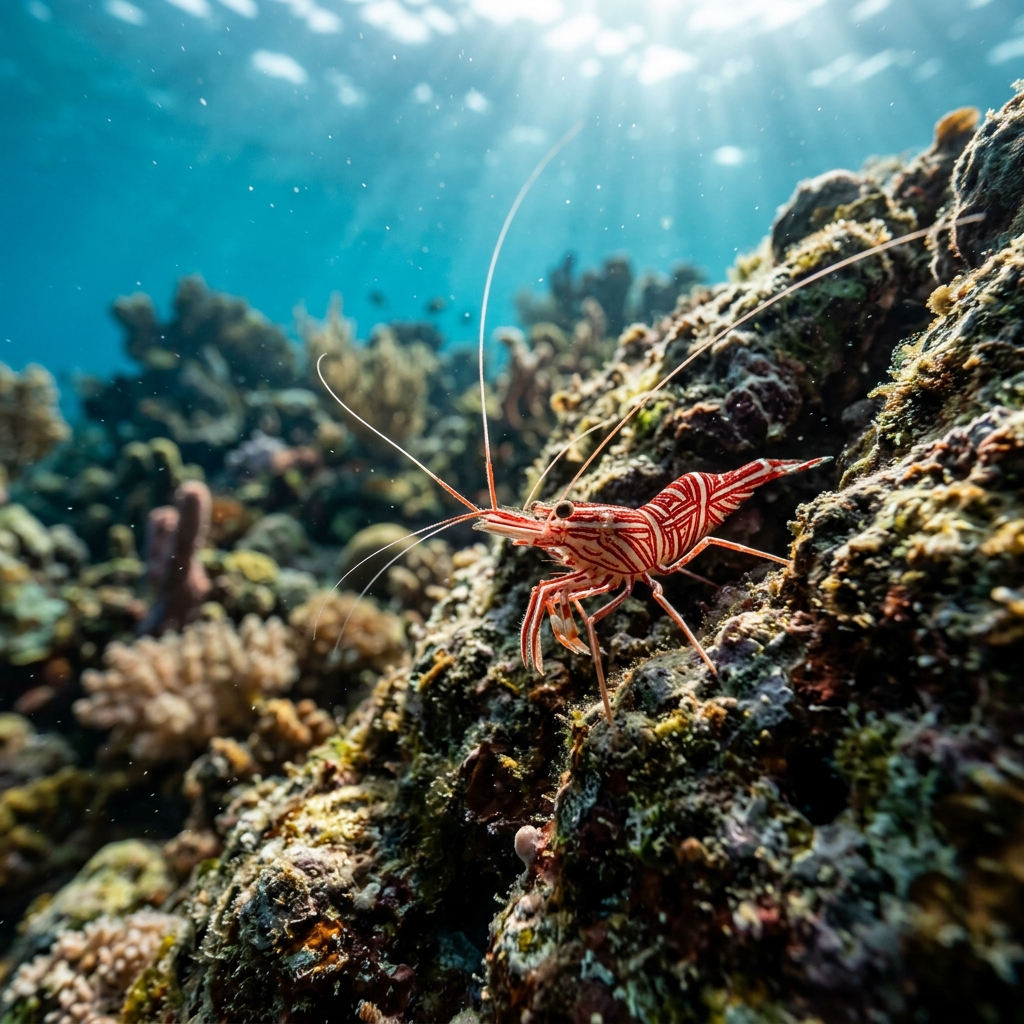
A stocky, mottled brown to reddish shrimp with a pair of noticeably long, slender claws that give it its name, usually spotted tucked against rock or rubble rather than swimming in the open. It lacks the bright colour blocking of many reef shrimp, relying instead on a mottled, low-contrast pattern that blends into shaded crevices. Size varies with location, but divers typically pick it out by the claw length and its stillness rather than by colour.
Typically found tucked into crevices, under ledges or among rubble on the seabed, staying still or moving slowly rather than darting about. It shows little reaction to divers and is easy to swim past unnoticed unless you're scanning rock faces and shadowed nooks closely. Most sightings come from divers deliberately searching benthic structure rather than spotting it in open water.
Its depth range runs from the shallows down past 100 metres, an unusually wide vertical spread for a shrimp this size, suggesting it tolerates a broad range of pressure and temperature conditions rather than sticking to one reef zone.
No clear seasonal pattern shows up in the data, and its wide temperature tolerance, from 16.1 to 28.6C, means it turns up year-round wherever it's found rather than on a seasonal window. Treat it as a possible sighting on any dive at the right sites rather than something to time to a particular month.
Best documented in the Canary Islands, especially El Hierro, and along Spain's Murcia coast in the Mediterranean, with a separate strong population around Cocos Island in Costa Rica. Across all three, sightings are consistently logged as uncommon, so it takes a bit of searching rather than a guaranteed encounter.
Mapping where Twoclaw Shrimp is logged…
El Hierro in the Canary Islands and Murcia in Spain are the most reliable regions, with another documented population around Cocos Island, Costa Rica. At all of these it's logged as uncommon, so expect to search rather than spot it easily.
There's no detected season, and it tolerates water from 16 to nearly 29C, so sightings happen year-round wherever it occurs. Timing your dive to a particular month won't improve your odds much.
Look for a mottled brown shrimp tucked into a crevice or ledge with a pair of distinctly long, slender claws. It lacks bold banding or bright colours, so it's easier to find by checking dark rocky nooks closely than by scanning for colour.
No, they pose no risk to divers. They stay tucked against the reef and have no venom or aggressive behaviour to worry about.
They've been recorded from the shallows down to around 105 metres, an unusually wide depth range for a shrimp species. This suggests they can adapt to varying light, pressure and temperature conditions across that span.
Site and sighting data is aggregated from diver logs, iNaturalist and GBIF. For taxonomy and conservation status:
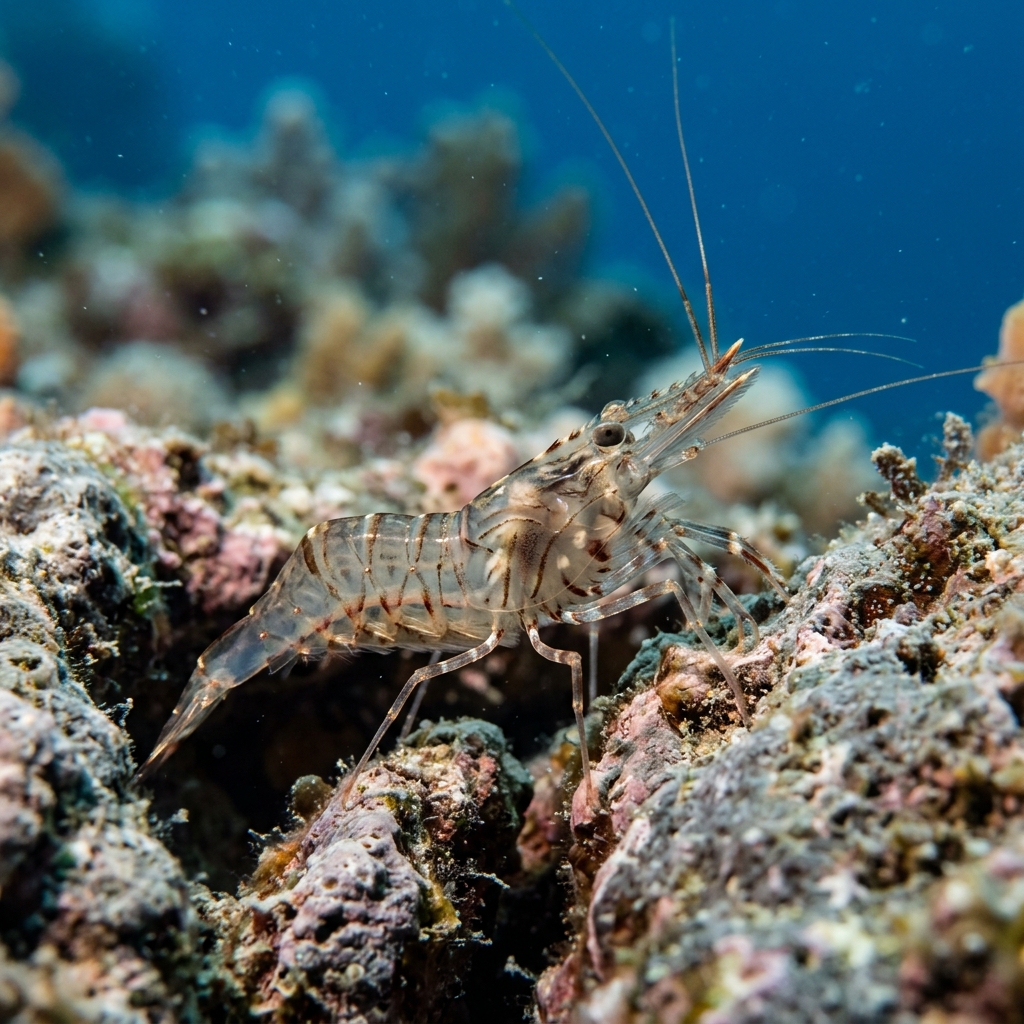
Rockpool Prawn
2,179 sites