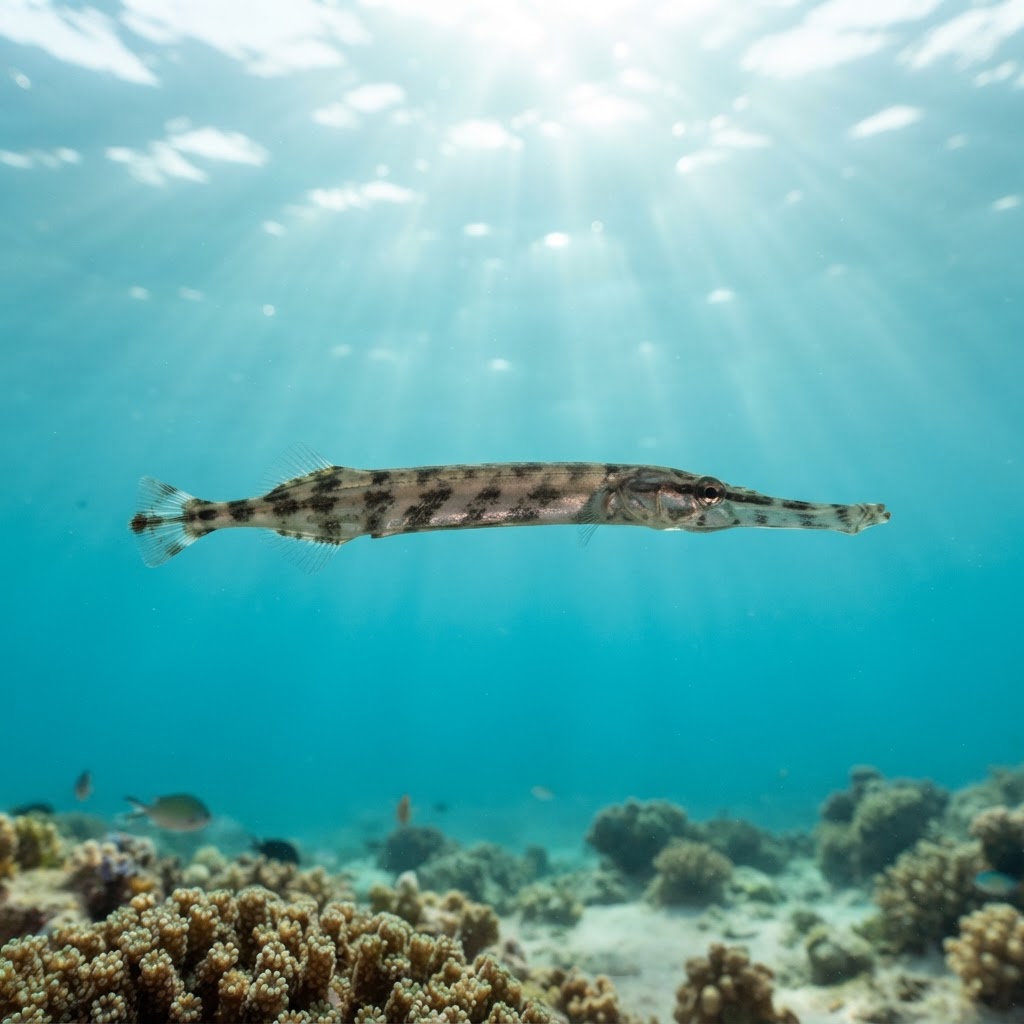
Aulorhynchus flavidus
Barely 13cm long, this needle-nosed kelp dweller is a reliable if easy-to-miss find across British Columbia's cold-water dive sites.
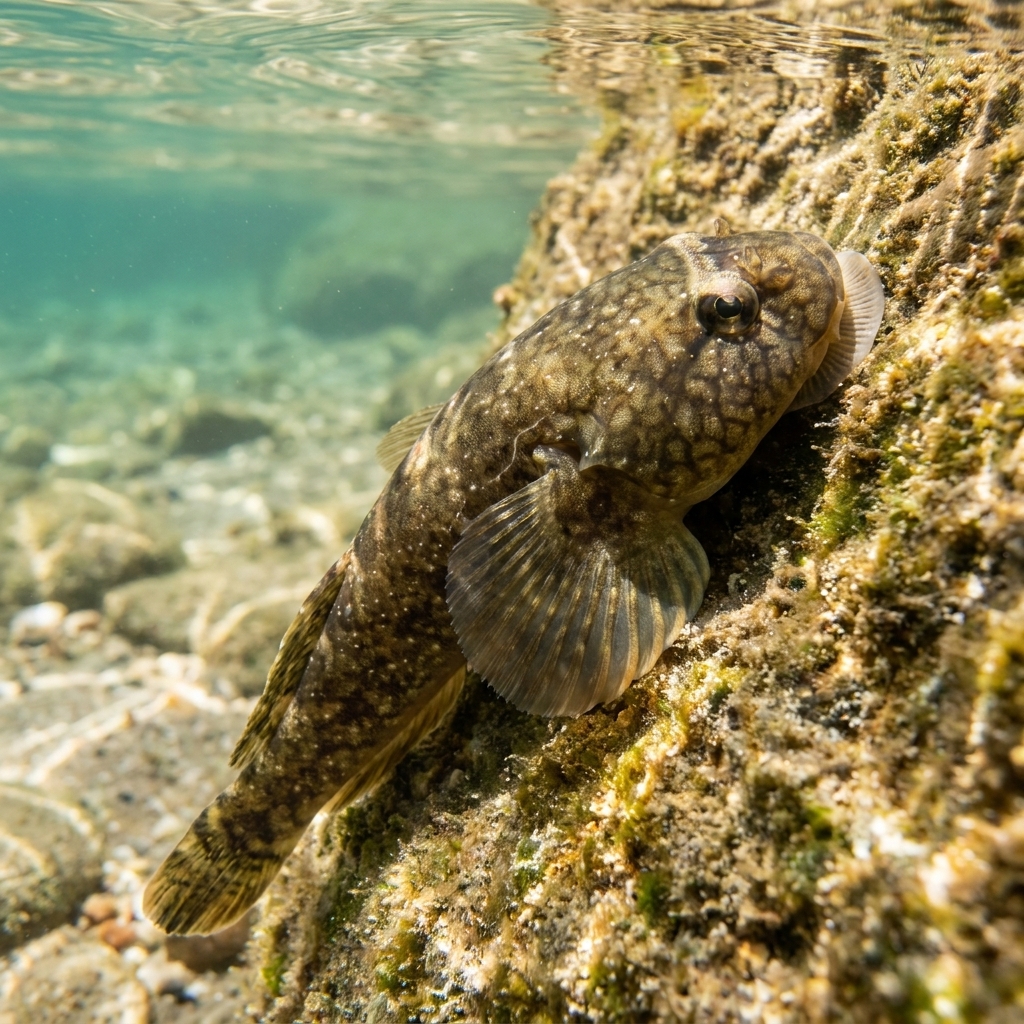
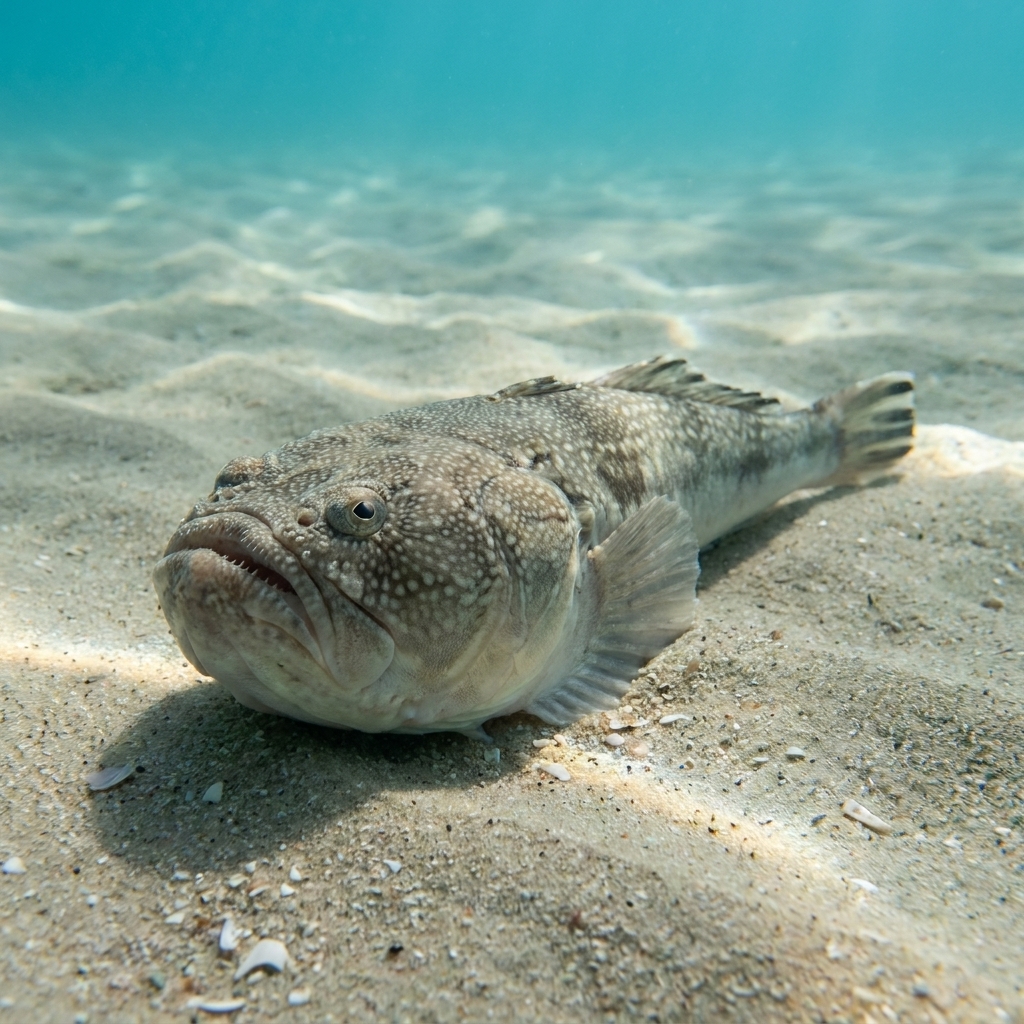
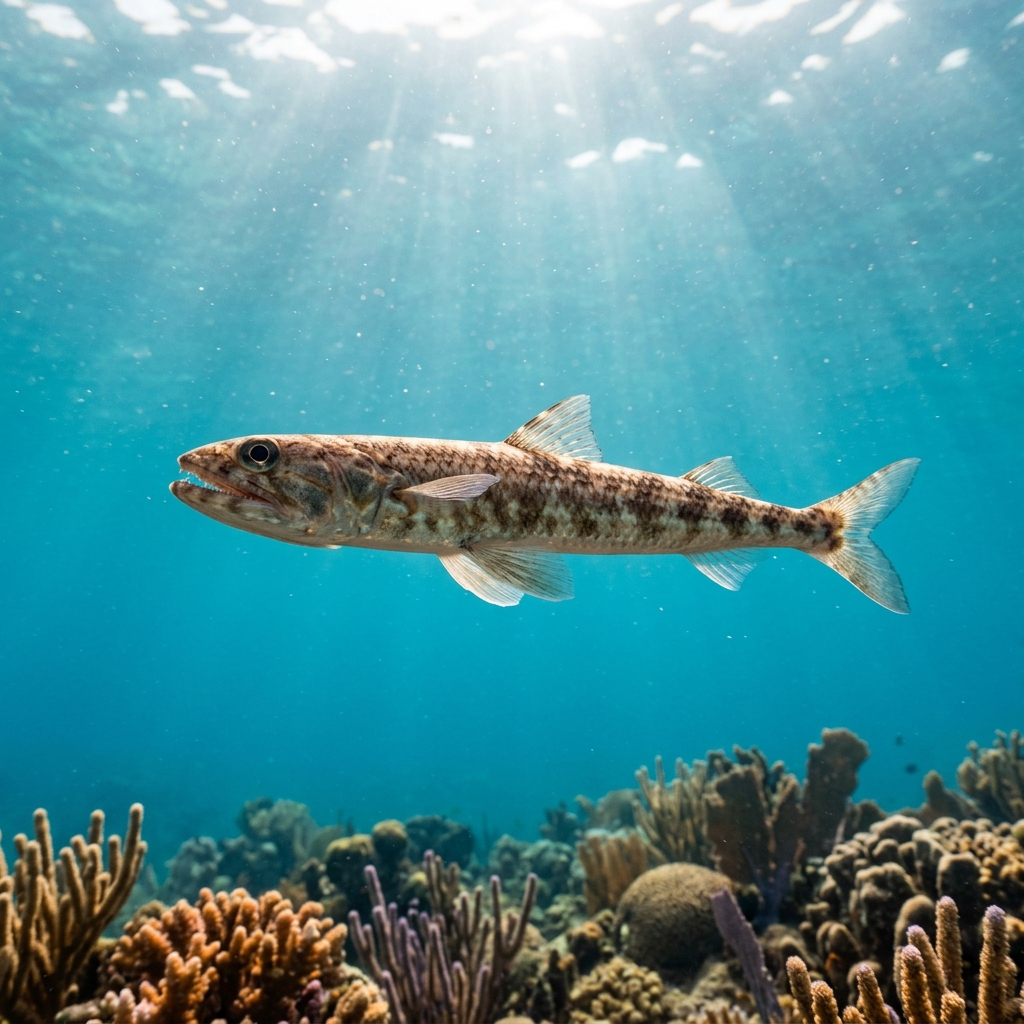
Look for a slim, almost pencil-thin body topped off with an unmistakably long, tube-shaped snout, the feature that gives this fish away instantly even in low visibility. Adults max out around 13 centimetres, olive to brownish along the back with a paler belly, and a row of small dorsal spines running along the top before the actual dorsal fin. They tend to hang motionless or hover near kelp fronds and eelgrass rather than swim in open water, so divers usually spot them by their shape and stillness rather than colour.
Tubesnout are typically seen holding still or hovering close to kelp fronds and eelgrass beds, using the vegetation as cover rather than cruising open water. They are not shy exactly, more just easy to overlook, blending into the plant stems they shelter around. Most logged sightings describe them as uncommon rather than common, so patient, slow scanning of kelp structure tends to pay off more than searching open sand or rock.
Male tubesnouts build and guard a nest of algae bound together with a sticky secretion, then defend the eggs laid inside it by several females, a rare bit of nest-building behaviour for a fish this small and this cold-water.
Sightings show no clear seasonal pattern in the data, and with a temperature niche spanning roughly 9 to 17 C, this species seems to tolerate the cooler months as comfortably as the warmer ones. Treat it as a year-round find on BC and Pacific Northwest dives rather than something tied to a particular season.
This is very much a Pacific Northwest species: most divers log it in British Columbia, Canada, with a smaller but steady number of sightings in the United States, particularly around the Pacific Northwest coast and California kelp beds. Within Canada, British Columbia accounts for the bulk of reported sightings, making it the most consistent place to look for one tucked into kelp or eelgrass.
Mapping where Tubesnout is logged…
British Columbia, Canada is the most reliable place, with steady sightings also reported along the Pacific Northwest coast and in California kelp beds in the United States.
There is no strong seasonal pattern in the sightings, and the species tolerates a wide temperature range from around 9 to 17 C, so it can turn up on kelp dives throughout the year.
Its long, tube-shaped snout is the giveaway, paired with a slender olive-brown body under 13 centimetres that hovers motionless near kelp fronds or eelgrass rather than swimming in open water.
They are small, typically reaching about 13 centimetres in length, which combined with their thin profile makes them easy to miss against kelp stems.
Males build a nest from algae glued together with a sticky secretion and then guard the eggs deposited there by multiple females, an unusual nesting strategy for such a small cold-water fish.
No, they pose no threat to divers and simply hover quietly among kelp and eelgrass, easy to observe without any risk.
Site and sighting data is aggregated from diver logs, iNaturalist and GBIF. For taxonomy and conservation status:
Soldierfish
3,612 sites