Labrichthys unilineatus
Small, plain wrasse with thick lips that grazes live coral, most commonly logged in the Philippines and Khao Lak, Thailand.
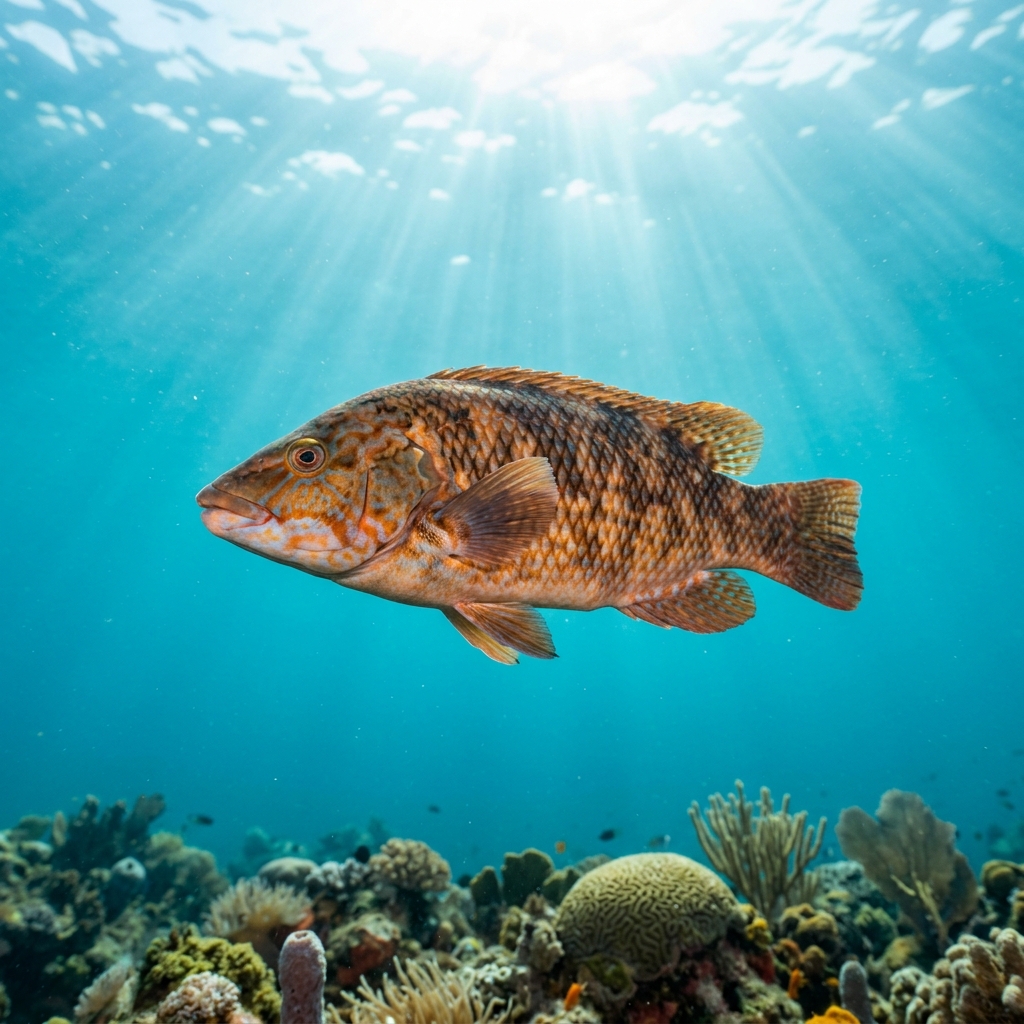
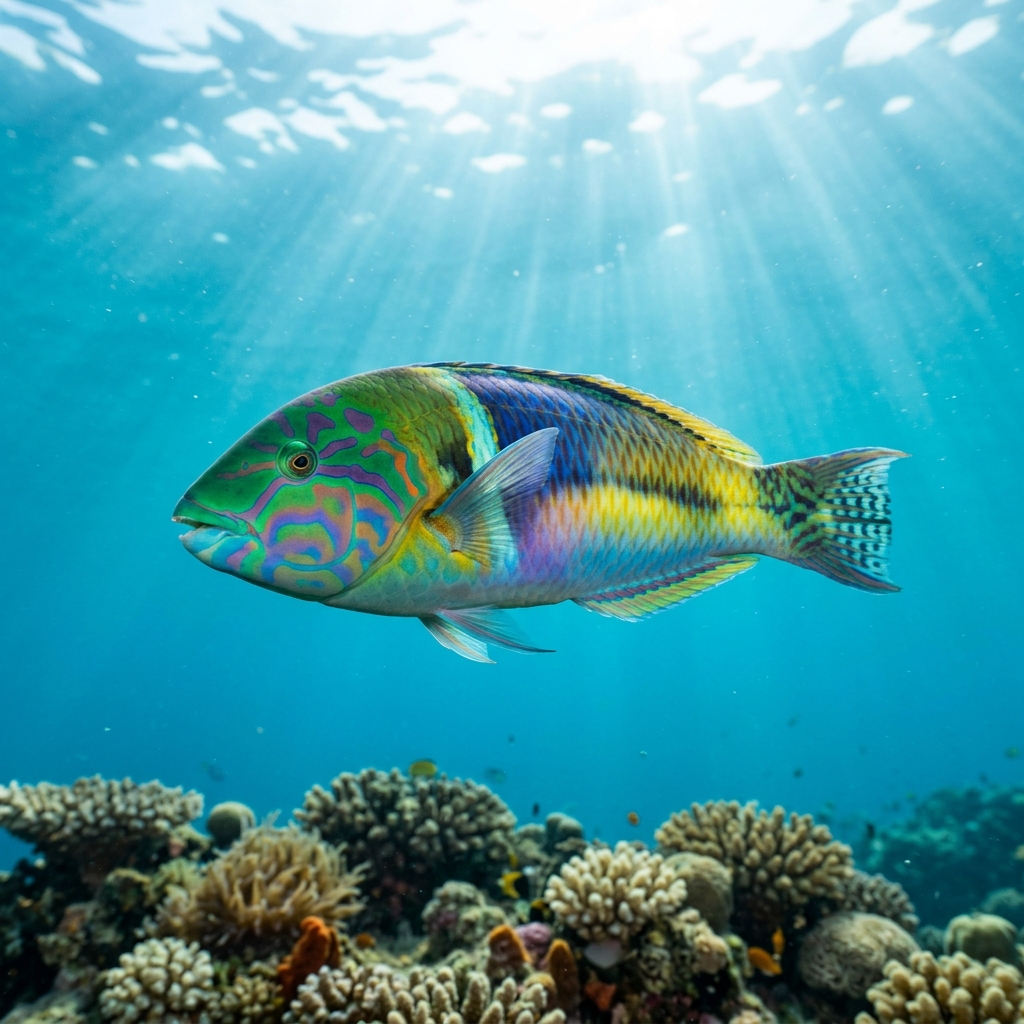
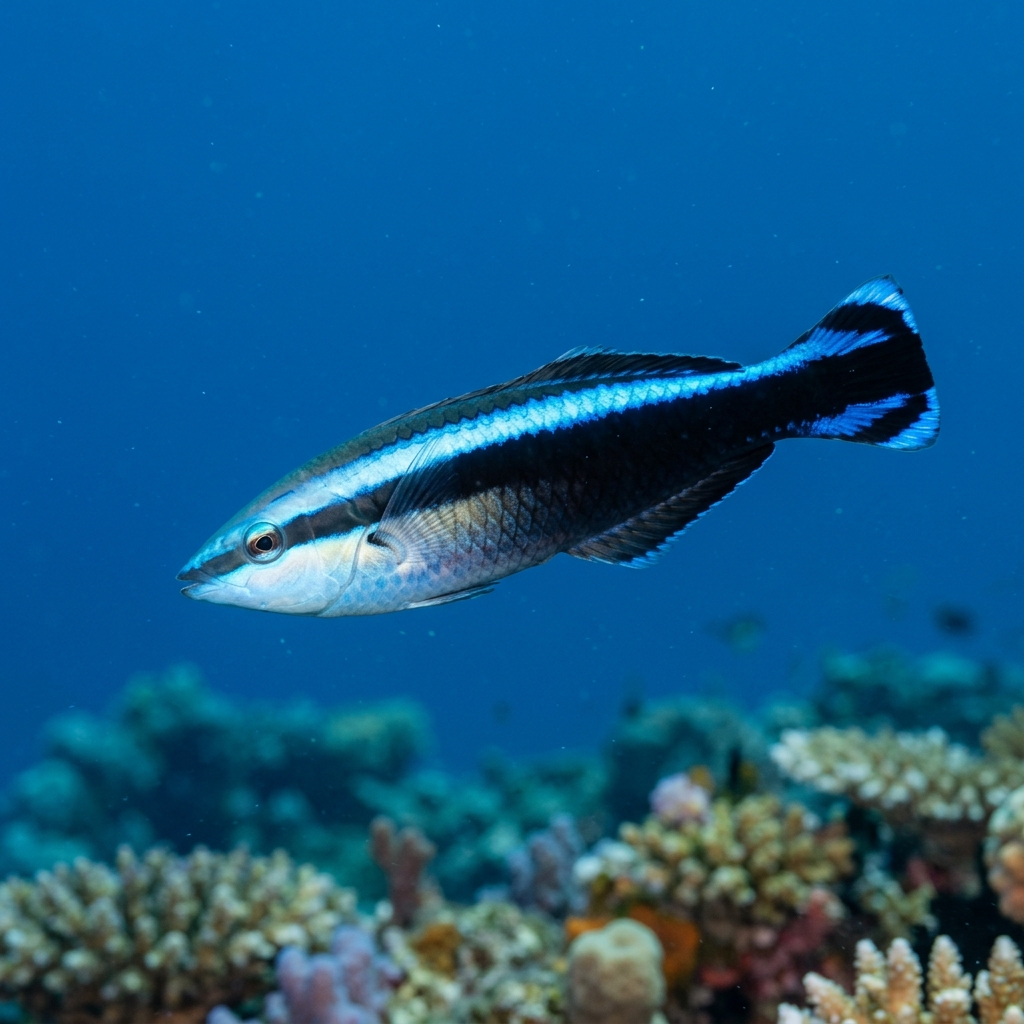
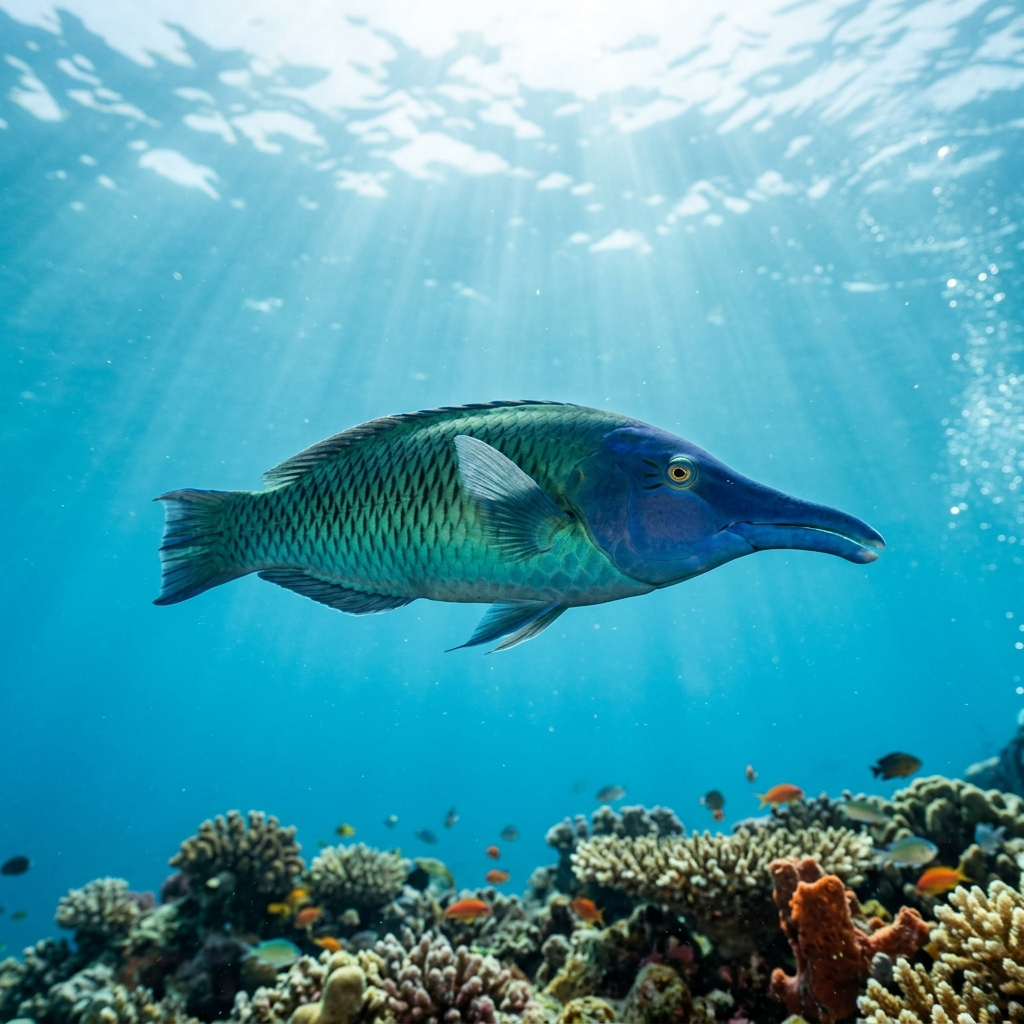
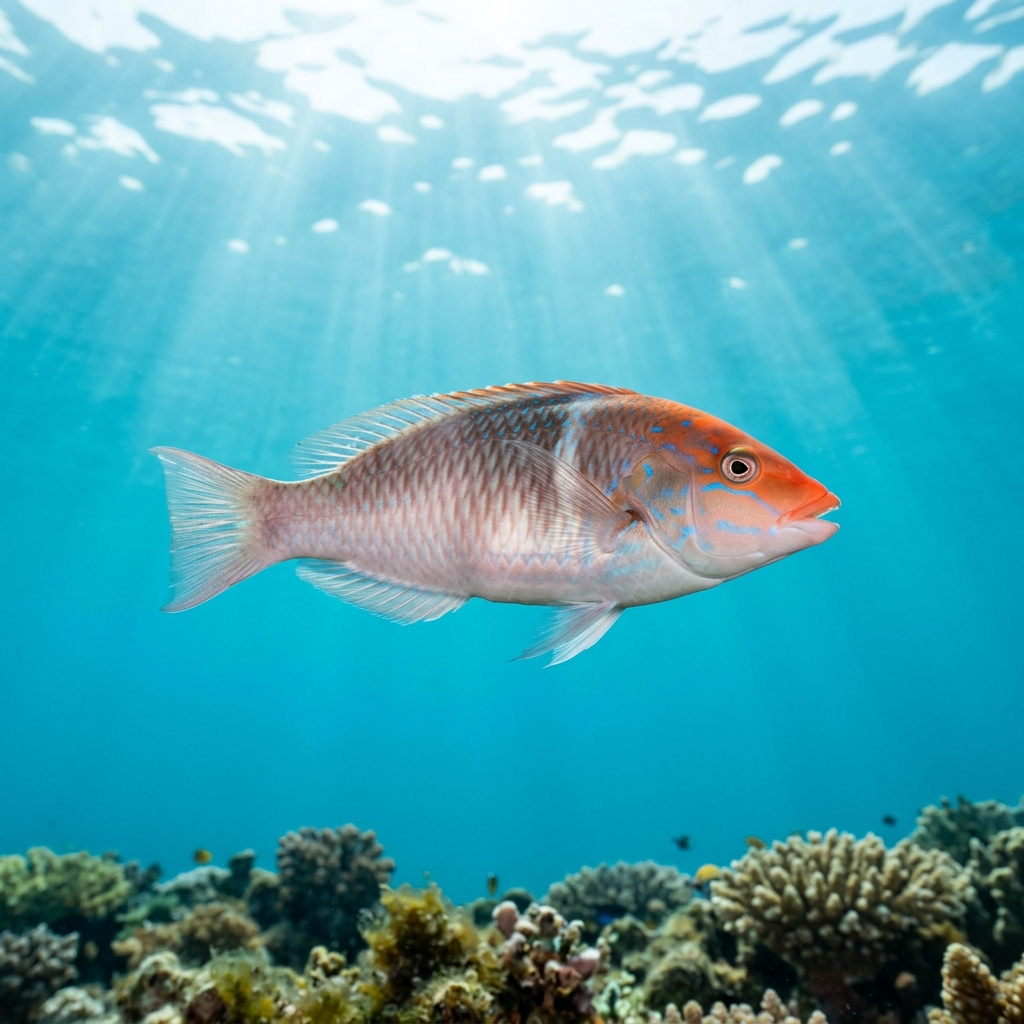
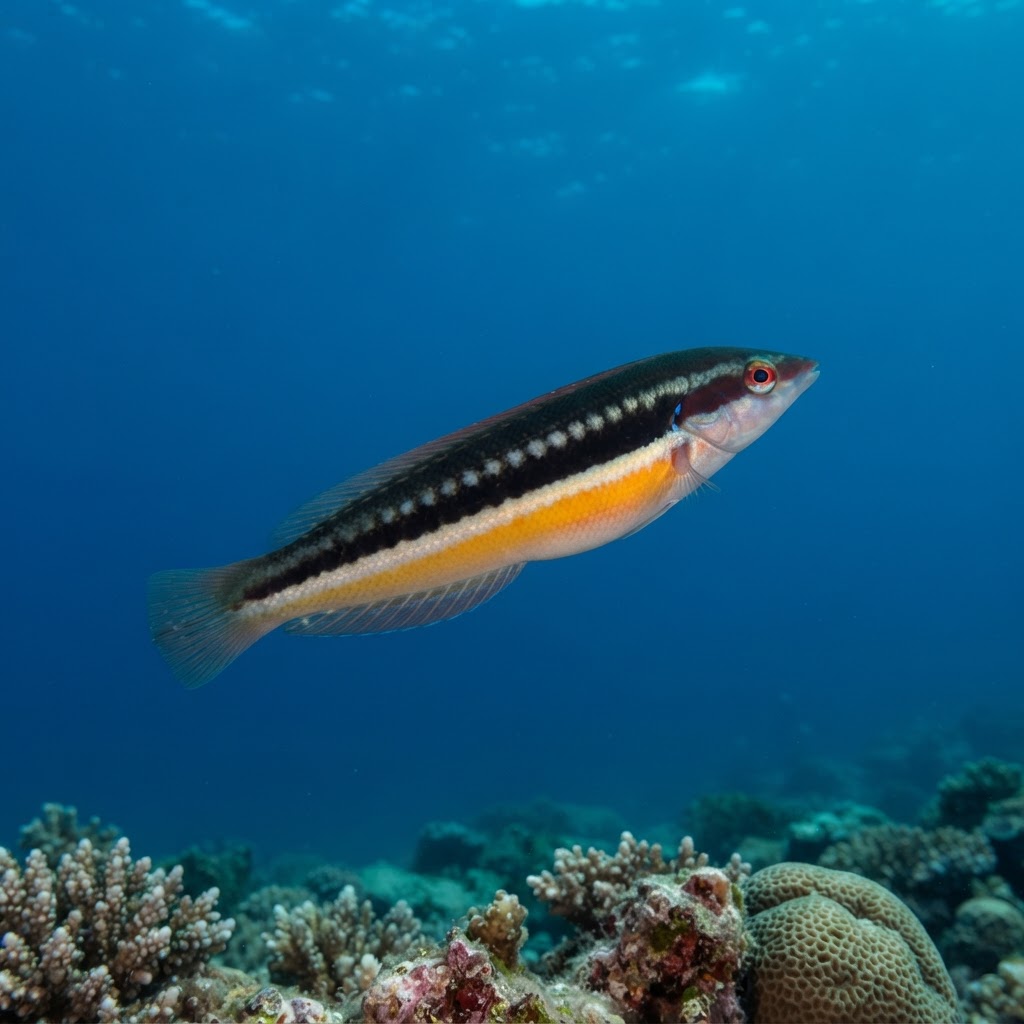
A slim, small wrasse maxing out around 11 cm, easy to overlook against a coral head. Look for the thick, fleshy lips that give it its name, along with a dark brown to olive body carrying a single pale stripe running along its side. It swims in short darting bursts close to the coral surface rather than out in open water, pausing to press its mouth against the coral polyps.
Watch for it hovering just above a coral colony, nosing in to feed directly off the polyps rather than picking at algae or invertebrates like most wrasses. It tends to stay close to one patch of coral rather than roaming the reef, and it is not particularly shy but is easy to miss given its size and muted colouring. Divers most often log it at typical daytime reef depths down to about 20 metres.
Its thick lips and feeding style are built for one thing: nibbling directly on live coral polyps, a diet shared by very few reef fish and one reason it sticks so closely to healthy coral heads.
No clear seasonal pattern shows up in the sightings, so treat it as a year-round find on tropical reefs. It sits in a narrow warm-water band of roughly 26.6 to 29.3 C, which matches reef conditions across its range for most of the year.
Most reliably logged in the Philippines, especially around the Visayas, and a strong showing at Khao Lak in Thailand. Also a regular find in Raja Ampat and Sulawesi in Indonesia, the Central Atolls of the Maldives, and reef sites across Queensland, Australia, with further records from the Marshall Islands, Timor-Leste, and Vanuatu.
Mapping where Tubelip Wrasse is logged…
The strongest sightings come from the Philippines, particularly the Visayas, and from Khao Lak in Thailand. It also turns up reliably in Raja Ampat and Sulawesi, Indonesia, the Central Atolls of the Maldives, and reef sites in Queensland, Australia.
There is no strong seasonal pattern in the sightings, so it is a year-round sighting on tropical reefs. It favours warm water in the 26.6 to 29.3 C range, which holds steady across much of its range for most of the year.
Look for a small wrasse, around 11 cm, with a dark brown to olive body, a thin pale side stripe, and noticeably thick lips. It stays close to coral heads, feeding by pressing its mouth directly against the coral rather than swimming freely over open reef.
They are a small wrasse, typically reaching around 11 cm in length, which makes them easy to overlook against the coral they feed on.
They feed directly on live coral polyps, using their thick fleshy lips to nibble at coral tissue, an unusual diet shared by very few other reef fish.
No, they pose no danger to divers. They are a small, harmless coral-feeder that keeps to itself around coral heads.
Site and sighting data is aggregated from diver logs, iNaturalist and GBIF. For taxonomy and conservation status:
Bird Wrasses
3,632 sites