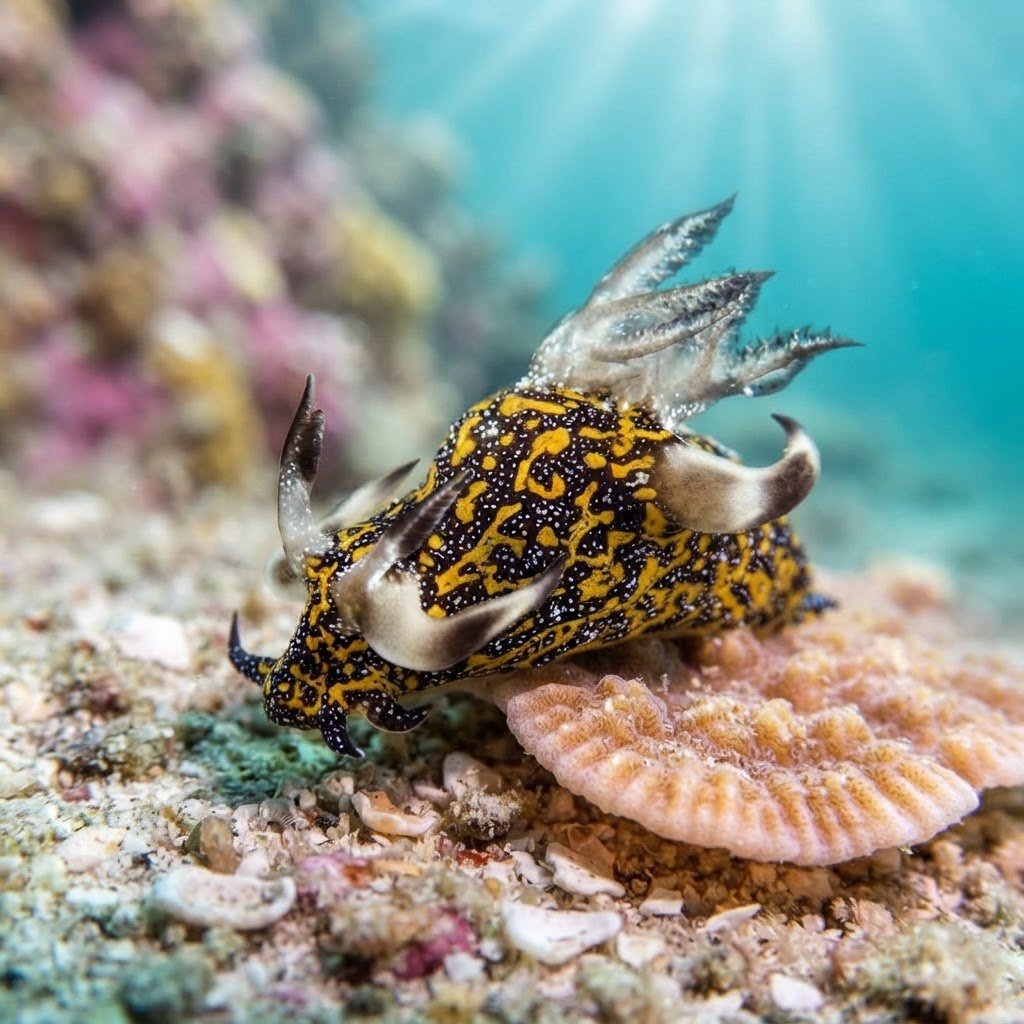
Trapania miltabrancha
Rare white-and-orange nudibranch logged on reefs in Luzon, Philippines, in warm 25-31C water year-round.
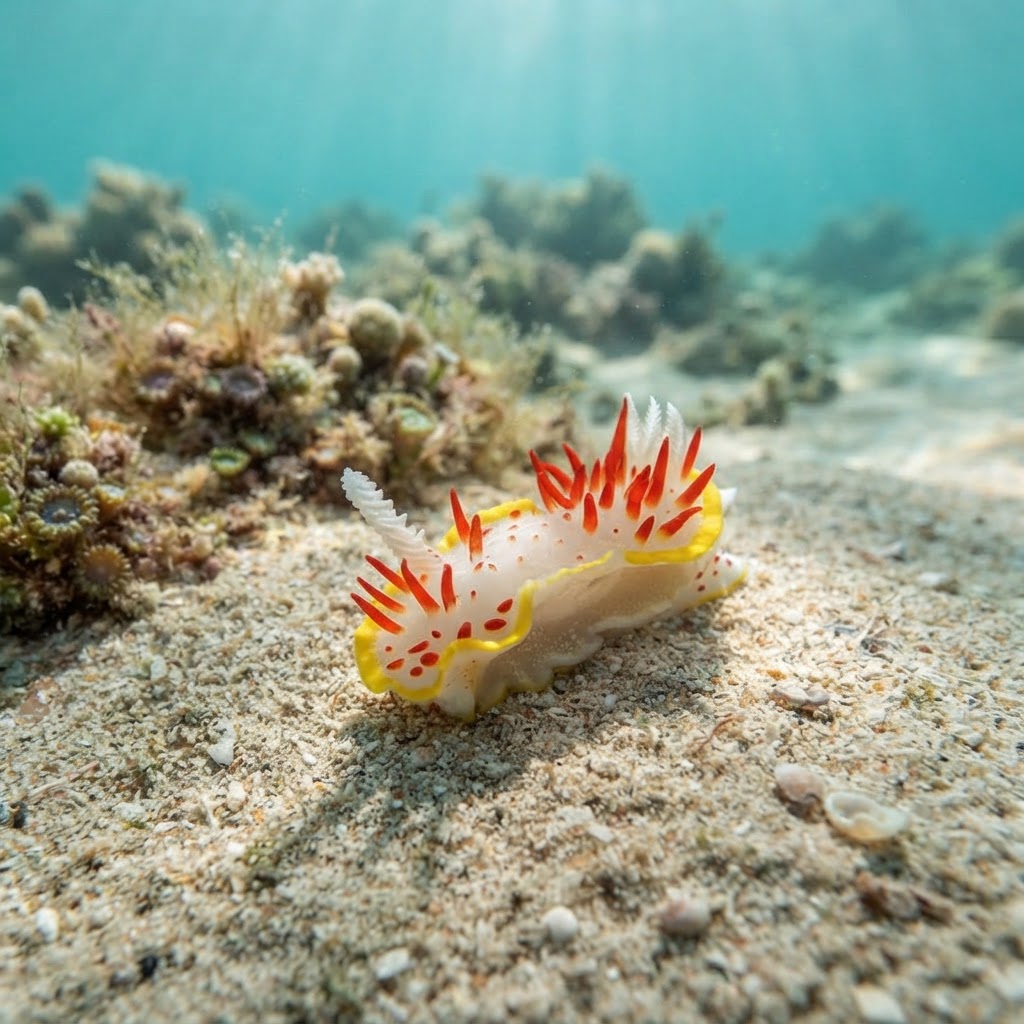
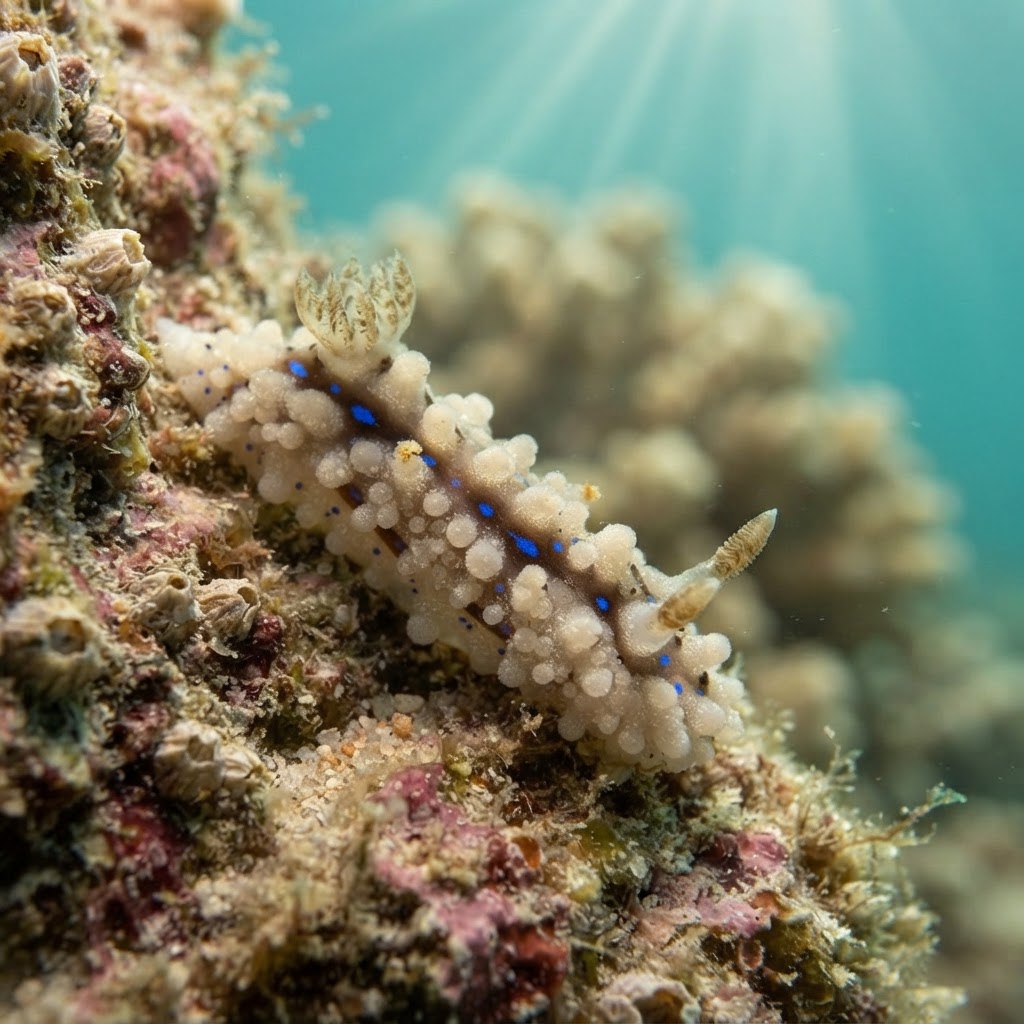
A tiny slug, typically only a centimetre or so long, with a translucent white to cream body that makes its bright orange-tipped appendages stand out against the reef. Look for the paired rhinophores (the sensory horns on the head) and the gill tufts near the tail, both capped in orange or red, plus the long lateral papillae (finger-like projections) along the sides that most Trapania species use to tell each other apart underwater. It moves slowly across rubble and sponge-encrusted rock, so once spotted it rarely darts out of frame.
Divers find it grazing slowly over rubble, sponge, and rocky substrate, often during a dedicated slow-paced macro or muck dive rather than a drift or wall dive. Like other Trapania species it shows little reaction to divers and torches, staying put long enough for a close macro shot once located. Its small size and pale colouring mean it is easy to miss unless you are specifically scanning low-relief bottom for movement.
Trapania nudibranchs lack the flashy dorsal gill rosette of many other dorid nudibranchs and instead breathe through small exposed gill tufts near the tail, an adaptation that keeps them low-profile and easy to overlook on the reef floor.
Recorded water temperatures span 25.4 to 31.4C, comfortably within tropical reef norms year-round, and there is not enough sighting data to point to a distinct season. Plan around Luzon's general dive conditions rather than a specific month.
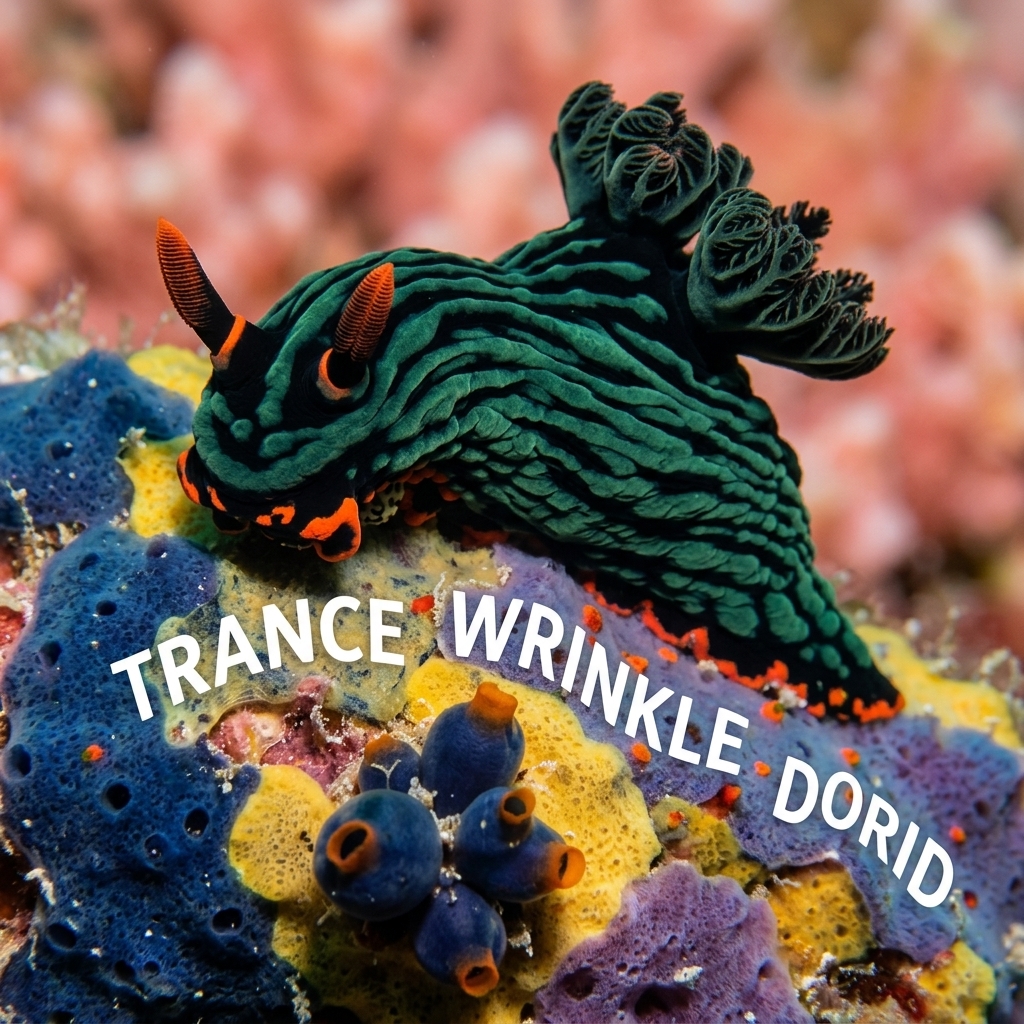
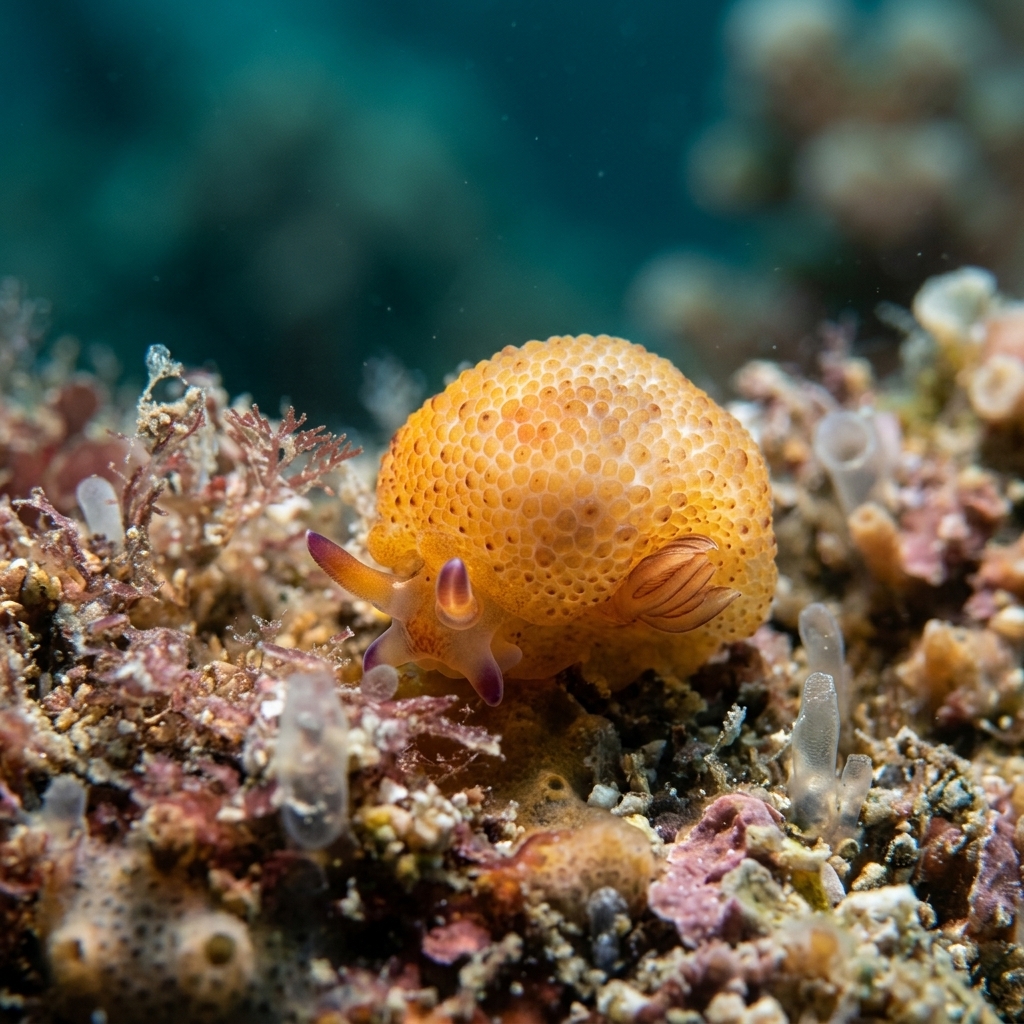
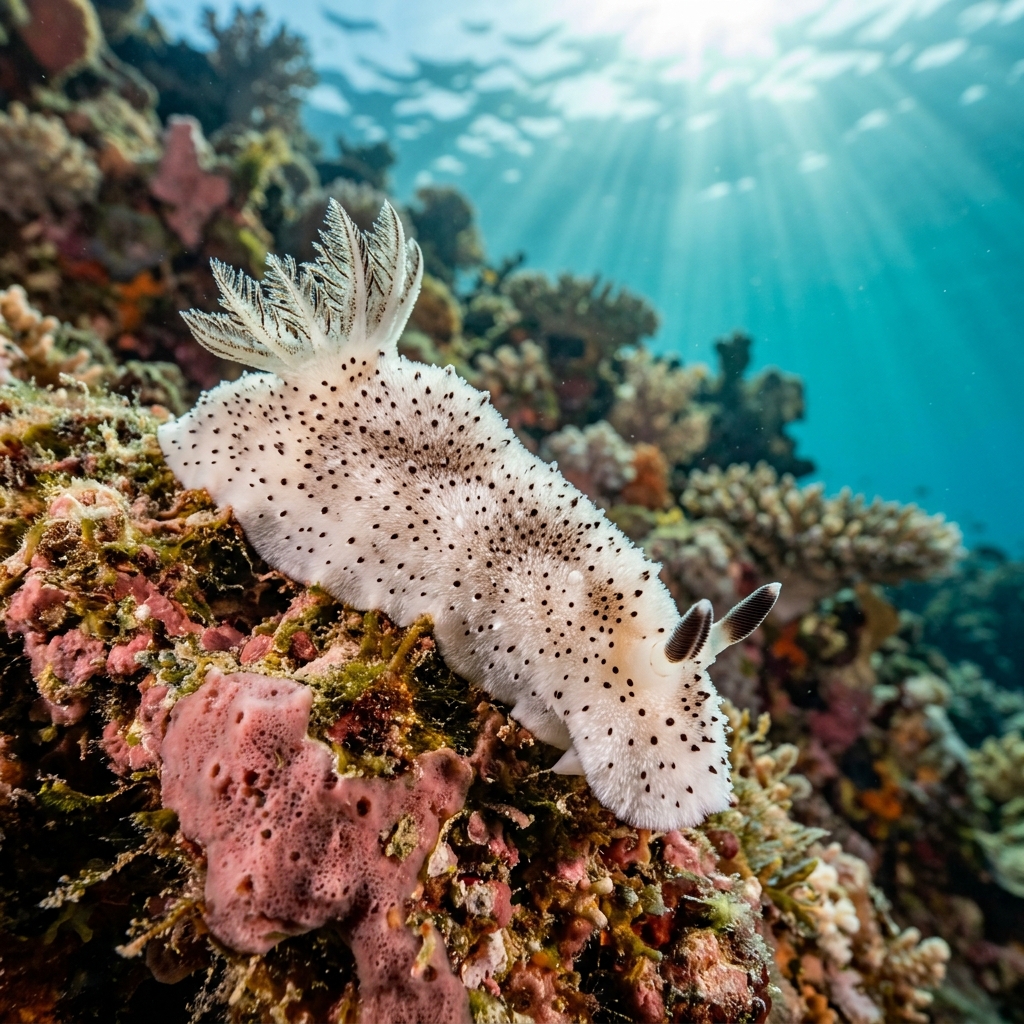
Reef neighbours a diver could mistake it for. Use the identification notes above to tell them apart.
Every diver-logged sighting so far comes from the Philippines, specifically Luzon, making it the only real place to plan a search for this species. It has been recorded at two sites there, so treat any dive as a targeted muck or rubble search rather than a guaranteed find.
Mapping where Trapania miltabrancha is logged…
The only confirmed sightings logged so far are from Luzon in the Philippines, where it has been found at two dive sites. It is considered uncommon even there, so finding one usually takes a dedicated muck or rubble search.
There is no clear seasonal pattern in the sighting data, and it has been recorded across a wide temperature range of 25.4 to 31.4C. This points to a year-round presence on Luzon's reefs rather than a specific season.
Look for a small, pale, near-translucent nudibranch with orange-tipped rhinophores and gill tufts, plus side papillae along its body. Its slow movement over rubble and rock makes it easier to photograph once spotted, despite its tiny size.
Exact size data is not confirmed, but like most Trapania species it is small, generally around a centimetre or so in length, making it a true macro subject best found with a slow, careful search of the substrate.
No, it poses no danger to divers. It is a slow-moving, harmless grazer that can be observed and photographed safely at close range.
Site and sighting data is aggregated from diver logs, iNaturalist and GBIF. For taxonomy and conservation status:
Blue Dragon
3,163 sites