Liparis florae
A pocket-sized, rarely logged fish found clinging to rocks in the Pacific Northwest and California in 8 to 13°C water year-round.
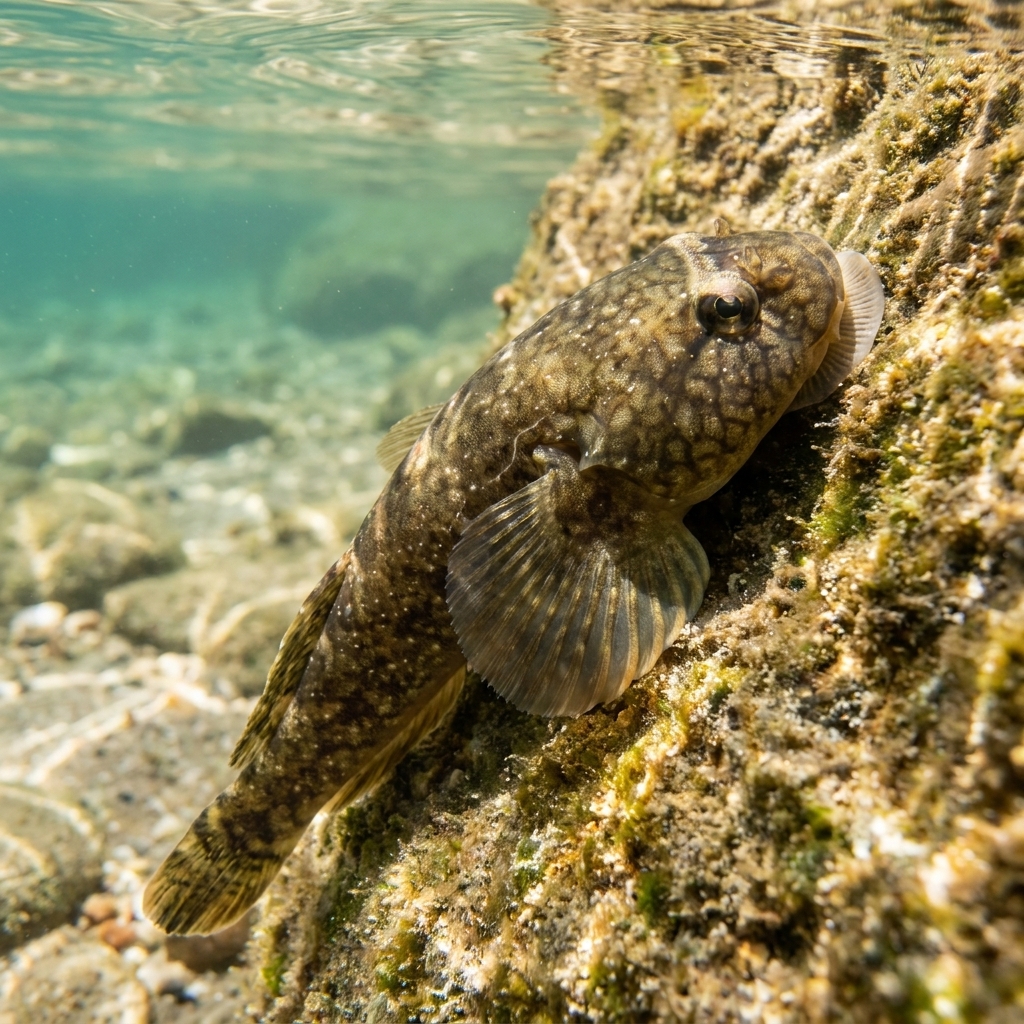
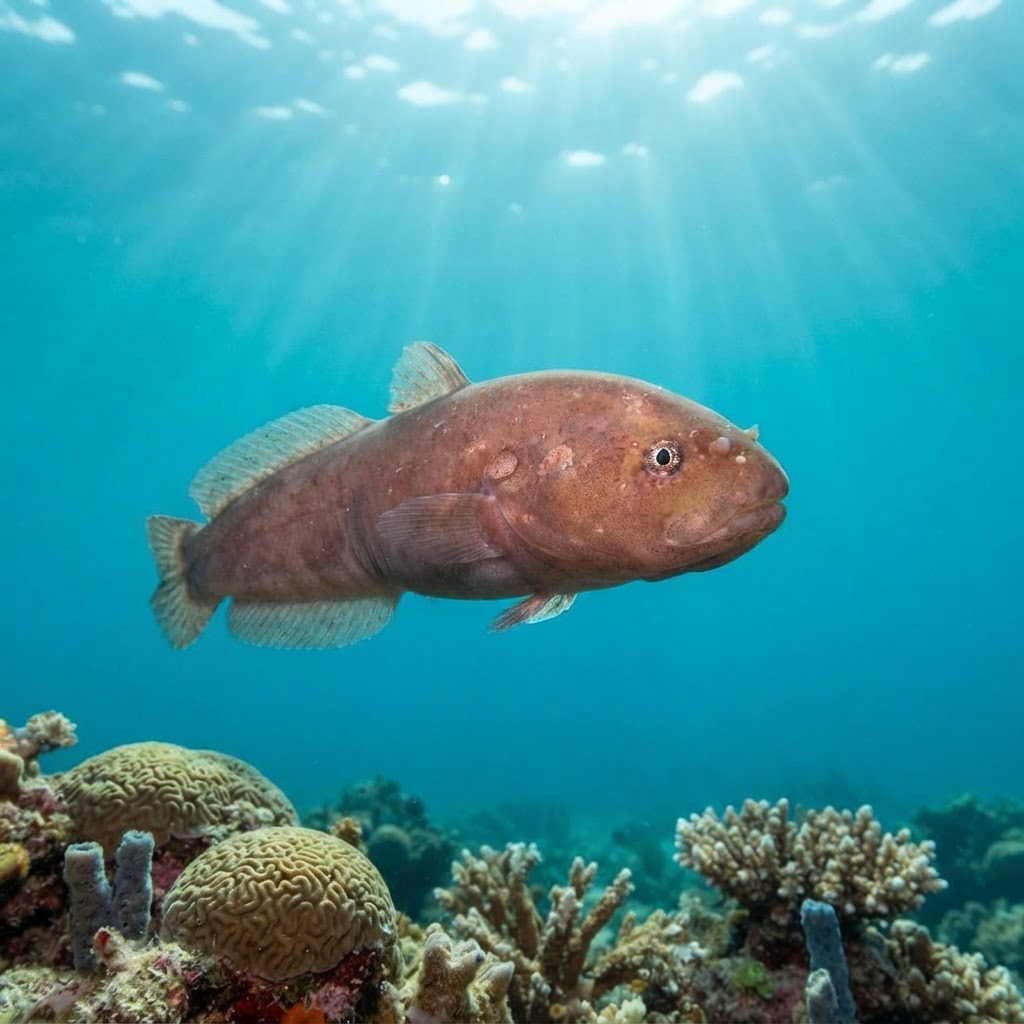
Look for a small, tadpole-shaped body about 13 cm long with loose, jelly-like skin and no visible scales. Colour runs mottled brown, olive or reddish to match the rocks and algae it sits on, which makes it easy to miss. The most useful ID feature is the sucker-like disc formed from its fused pelvic fins, visible if you catch one clinging to a rock face rather than swimming. It tends to sit motionless in crevices rather than cruise open water, so divers usually spot it by scanning still surfaces closely.
Divers usually find it sitting still on rock or in crevices rather than swimming through open water, relying on camouflage and its grip on the substrate to stay put. It shows little reaction to divers and rarely bolts, which makes for a good macro subject if you slow down and check rock faces carefully. Given how rare or uncommon it is logged even at known sites, most sightings come from divers deliberately searching low, rocky terrain rather than spotting it in passing.
Its pelvic fins are fused into a disc-shaped sucker, letting it grip rock surfaces in surge and current instead of fighting the water to hold position.
Sightings show no detectable seasonal pattern, so treat it as a year-round find in the cold water it favours, roughly 8.3 to 12.8°C. Cold-water divers in the Pacific Northwest and British Columbia can look for it on any dive within that temperature range.
Most commonly logged along the west coast of North America, with a strong showing in the Pacific Northwest, California and Alaska in the United States, and British Columbia in Canada. Sites tend to be cold-water rocky reefs and nearshore areas rather than tropical destinations.
Mapping where Tidepool Snailfish is logged…
It is most reliably found on rocky cold-water reefs in the Pacific Northwest, California and Alaska in the United States, and in British Columbia, Canada. It is not a tropical species and is not found on coral reefs.
There is no strong seasonal pattern in sightings, so it can be found year-round in its preferred 8.3 to 12.8°C water. Cold-water dive seasons in the Pacific Northwest and British Columbia are as good a time as any.
Look for a small, soft-bodied fish around 13 cm long, mottled brown or olive to blend with rock, sitting still on a surface rather than swimming. The key feature, if visible, is a sucker disc formed from its fused pelvic fins that lets it cling to rock.
They typically reach about 13 cm in length, making them a small, easy-to-overlook macro subject rather than a fish you spot from a distance.
Its pelvic fins are fused into a sucker-like disc, which it uses to grip rocky surfaces and hold position in surge instead of swimming against it.
No. They are small, harmless and generally motionless when encountered, posing no risk to divers.
Site and sighting data is aggregated from diver logs, iNaturalist and GBIF. For taxonomy and conservation status:
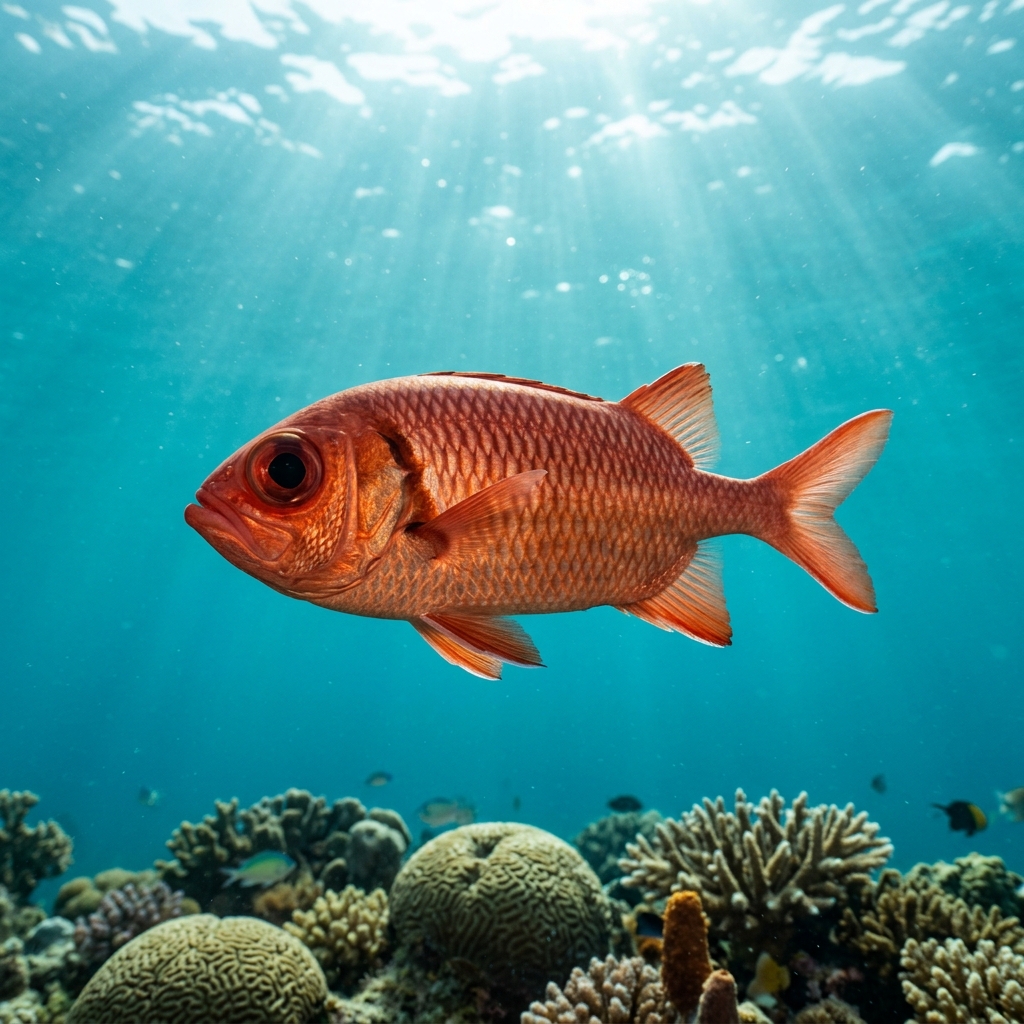
Soldierfish
3,612 sites