Bovichtus angustifrons
A small, camouflaged bottom-dweller found on temperate reefs in Victoria and Tasmania, in water as cool as 14.6 C, year-round.
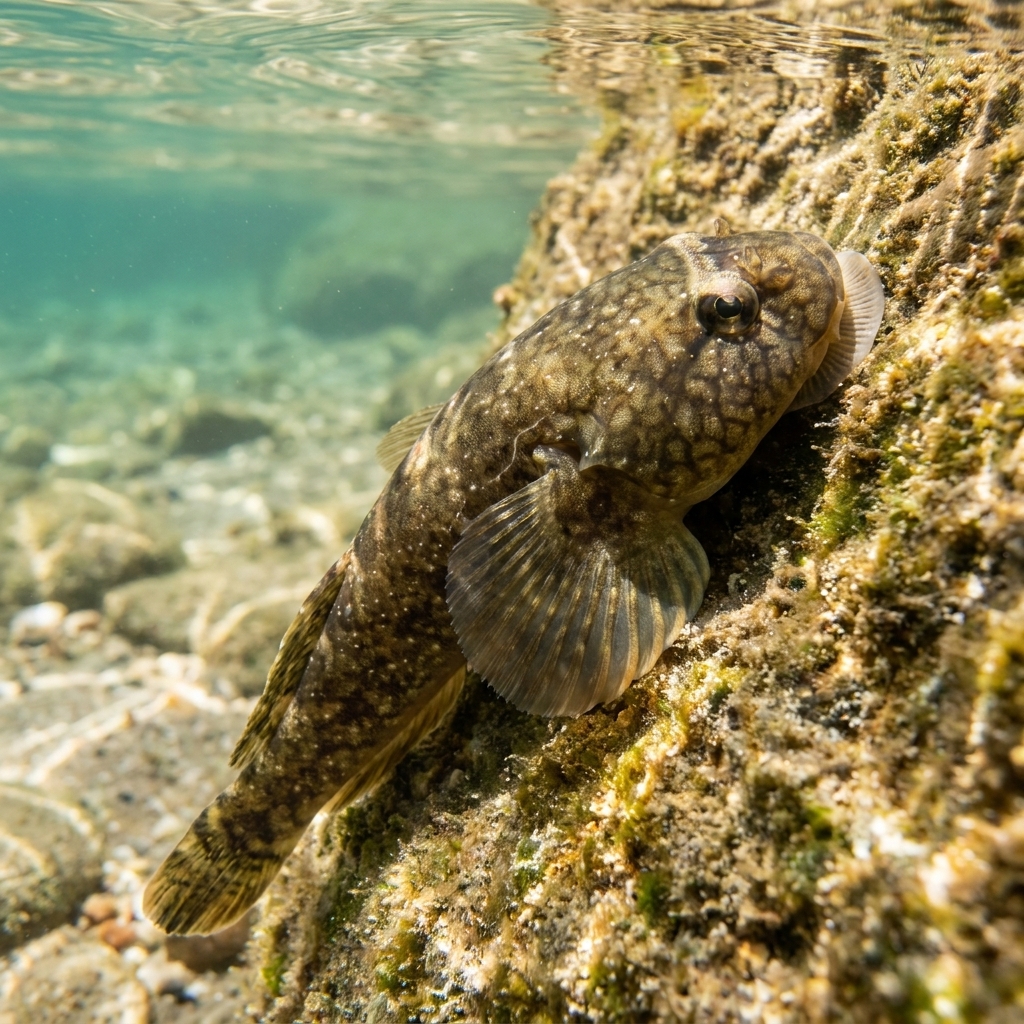
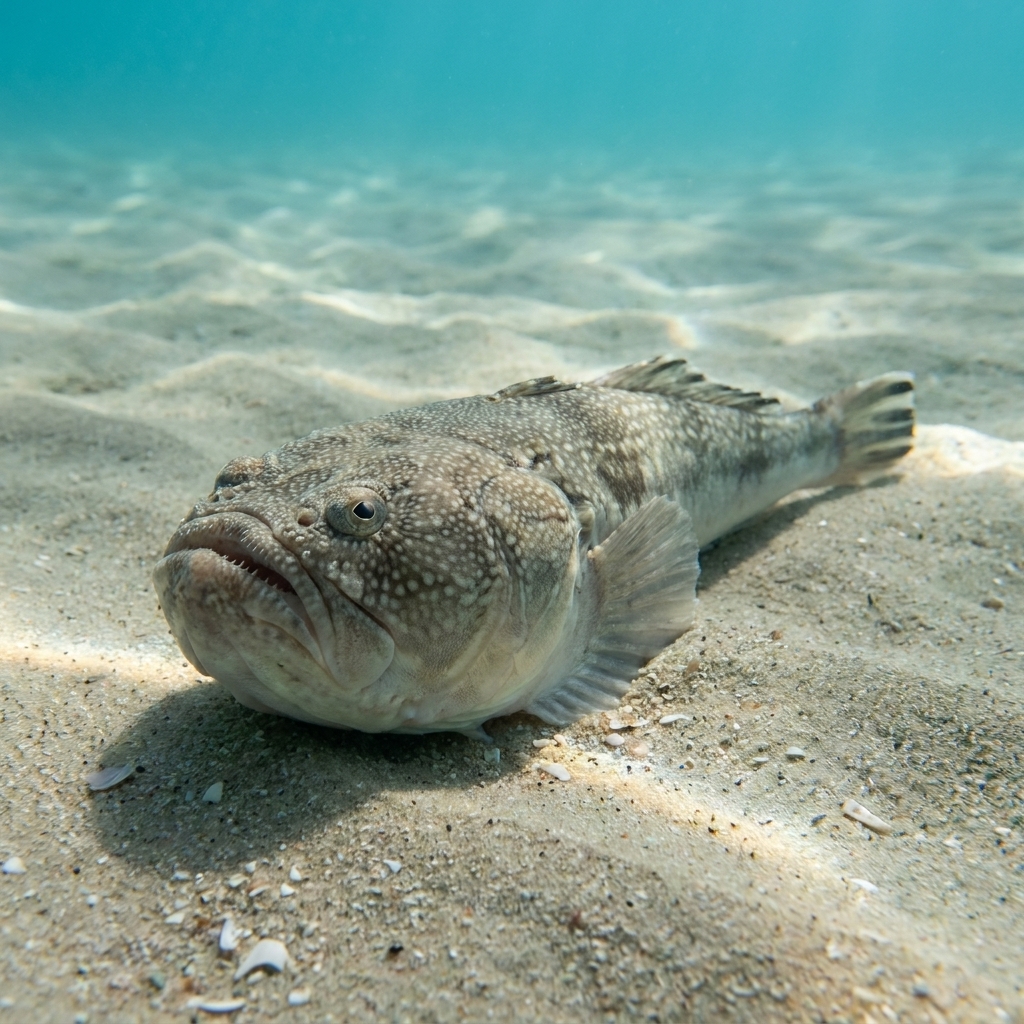
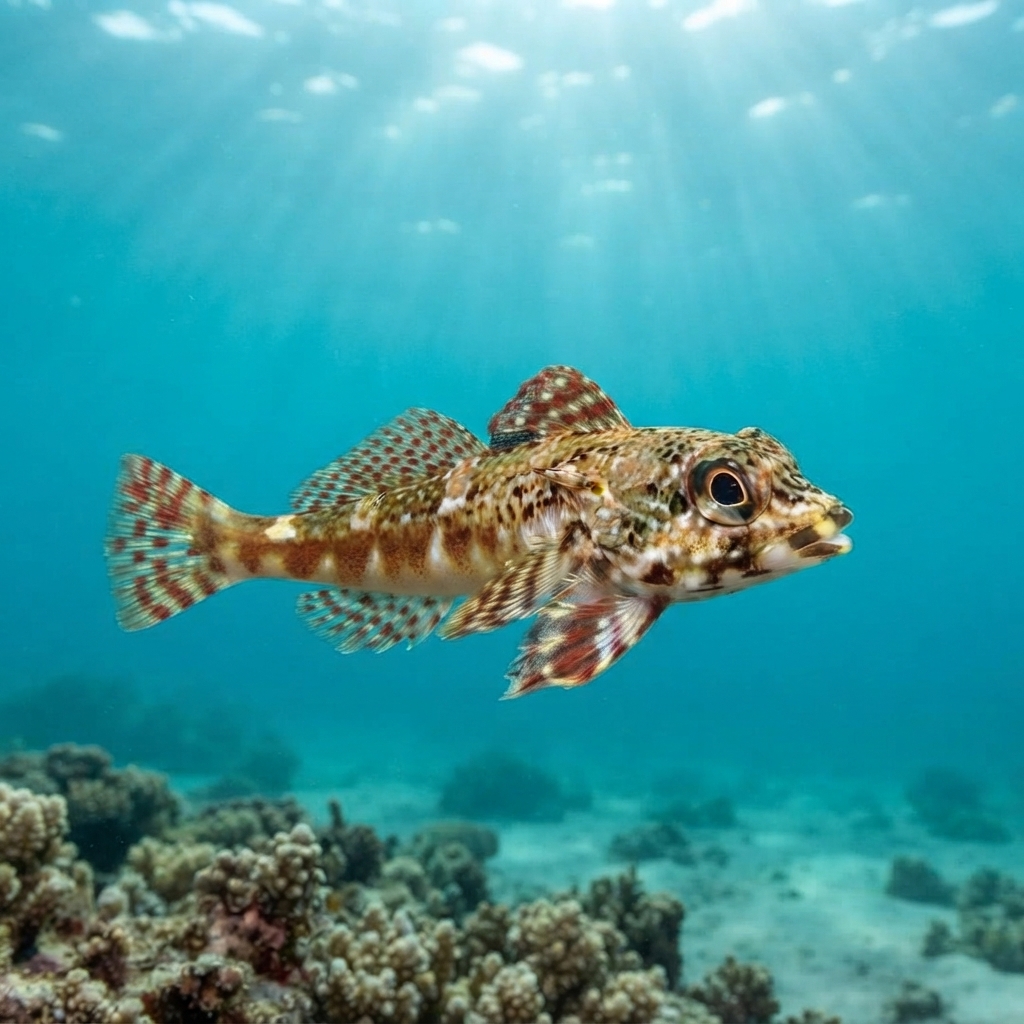
A small, thickset fish around 20cm, built low and blunt-headed with a mottled brown to grey pattern that breaks up its outline against rock and rubble. It sits still on the bottom rather than swimming in open water, with a slightly flattened head and stout spines in the dorsal fin that give it its common name. There's no bright colour to key on here, it's the camouflaged, motionless posture on rocky reef that gives it away.
Expect to find it parked motionless on rock or rubble rather than cruising the reef, relying on its mottled colouring to disappear against the bottom. It's logged as uncommon to rare at most sites, so divers who slow down and scan low structure tend to have better luck than those swimming past at speed. It shows little reaction to divers, staying put unless approached closely.
It belongs to Bovichtidae, a small family of cool-water southern hemisphere fishes that mostly sit on the seafloor rather than swim in the water column, a very different lifestyle from the tropical groupers it's sometimes filed alongside.
Sightings show no clear seasonal pattern, and with a comfortable range of 14.6 to 18.5 C, it's a fixture of southern Australia's cool temperate reefs all year round.
Almost every logged sighting comes from Australia, with Victoria the strongest area by far, followed by Tasmania and South Australia. If you're diving temperate rocky reefs and kelp along Australia's southern coast, this is where you have the best odds of finding one.
Mapping where Thornfish is logged…
Victoria, Australia is by far the most reliable region, with further sightings in Tasmania and South Australia. It's found on temperate rocky reefs rather than tropical coral reefs.
There's no strong season in the data, so it's considered a year-round sighting on southern Australian reefs where water stays in the 14.6 to 18.5 C range.
Look for a small, stocky, mottled brown fish around 20cm long, sitting still on rock or rubble rather than swimming. Its camouflage and stationary habit are the main giveaways, along with spiny dorsal fin rays.
They typically reach around 20cm, making them an easy fish to overlook if you aren't scanning the bottom closely.
Most divers who log it describe it as uncommon, with a fair share of rare sightings too. Only a couple of sites report it as common, so it's a fish you have to look for rather than one you'll bump into constantly.
Site and sighting data is aggregated from diver logs, iNaturalist and GBIF. For taxonomy and conservation status:
Soldierfish
3,612 sites