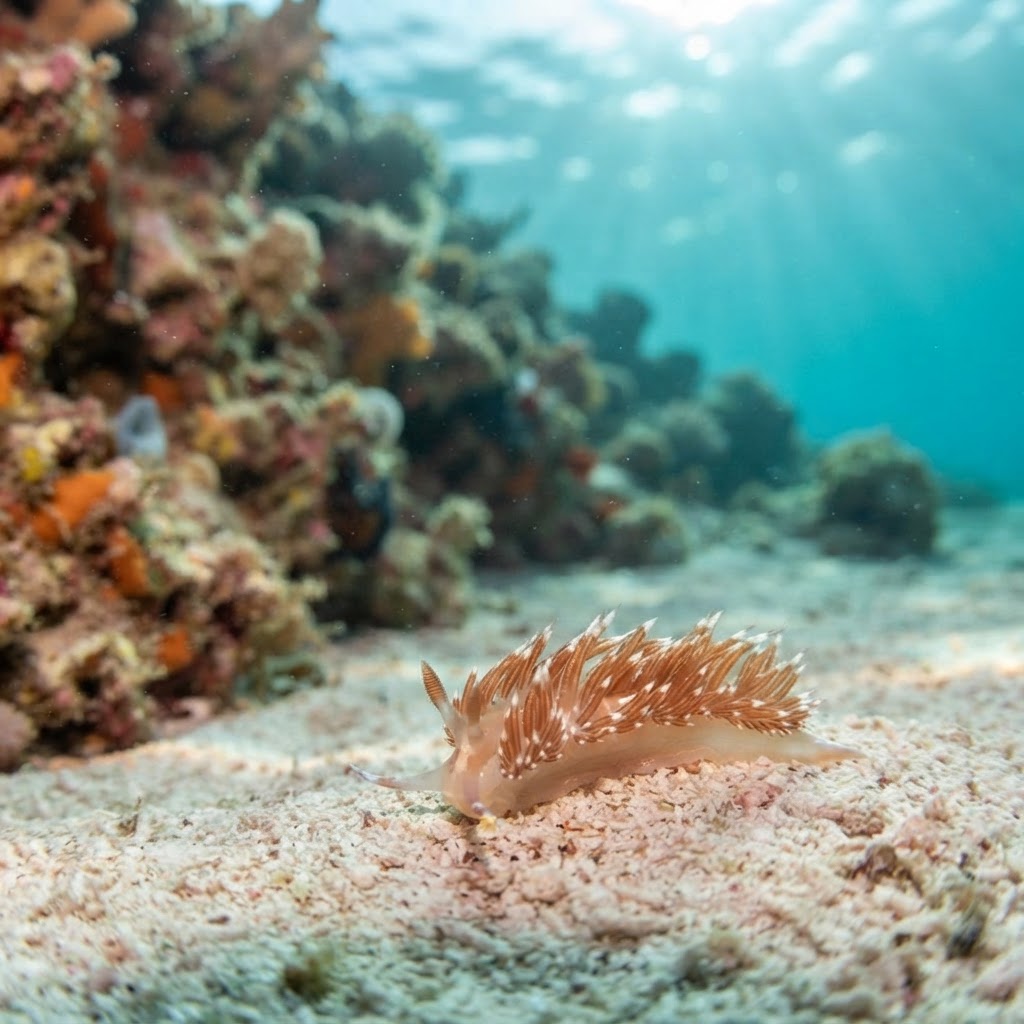
Tenellia thelmae
A small, uncommon nudibranch turning up on temperate reefs in Victoria and Western Australia, year-round in 15 to 22C water.
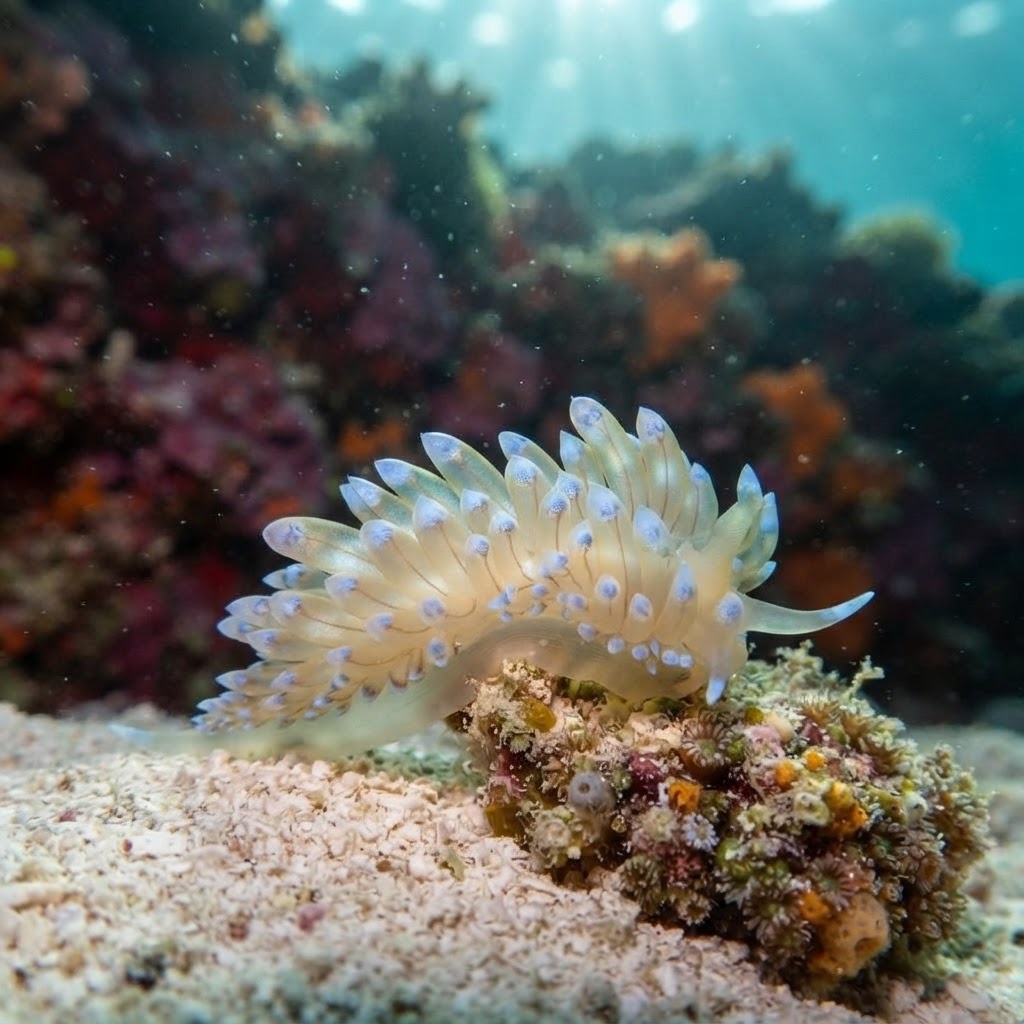
A small sea slug best picked out by its slender, tapering cerata (the finger-like projections along its back) rather than any bold pattern. Body colour tends toward translucent pale tones typical of the trinchesiidae family, so it reads as a subtle find against reef rubble or algae rather than something that jumps out. Size is unknown from current data, so go slow and check likely surfaces rather than scanning for something obvious.
Divers typically find this species tucked into rubble, algae, or low-relief reef structure rather than out in the open, which fits its uncommon-to-rare logging rate at most sites. It shows no particular reaction to divers beyond the usual slow, unhurried creep of a nudibranch going about its business. Look during a careful, slow-paced macro dive rather than expecting it to show up on a cruising reef swim.
Like other trinchesiid nudibranchs, it likely feeds on hydroids and may incorporate stinging cells from its prey into its own cerata for defence, a trick common across the family.
Sightings don't show a clear seasonal pattern, so treat it as a year-round possibility in the 15 to 22C range typical of temperate southern Australian waters. Layer up regardless of month, since that temperature band holds through most of the diving calendar in these regions.
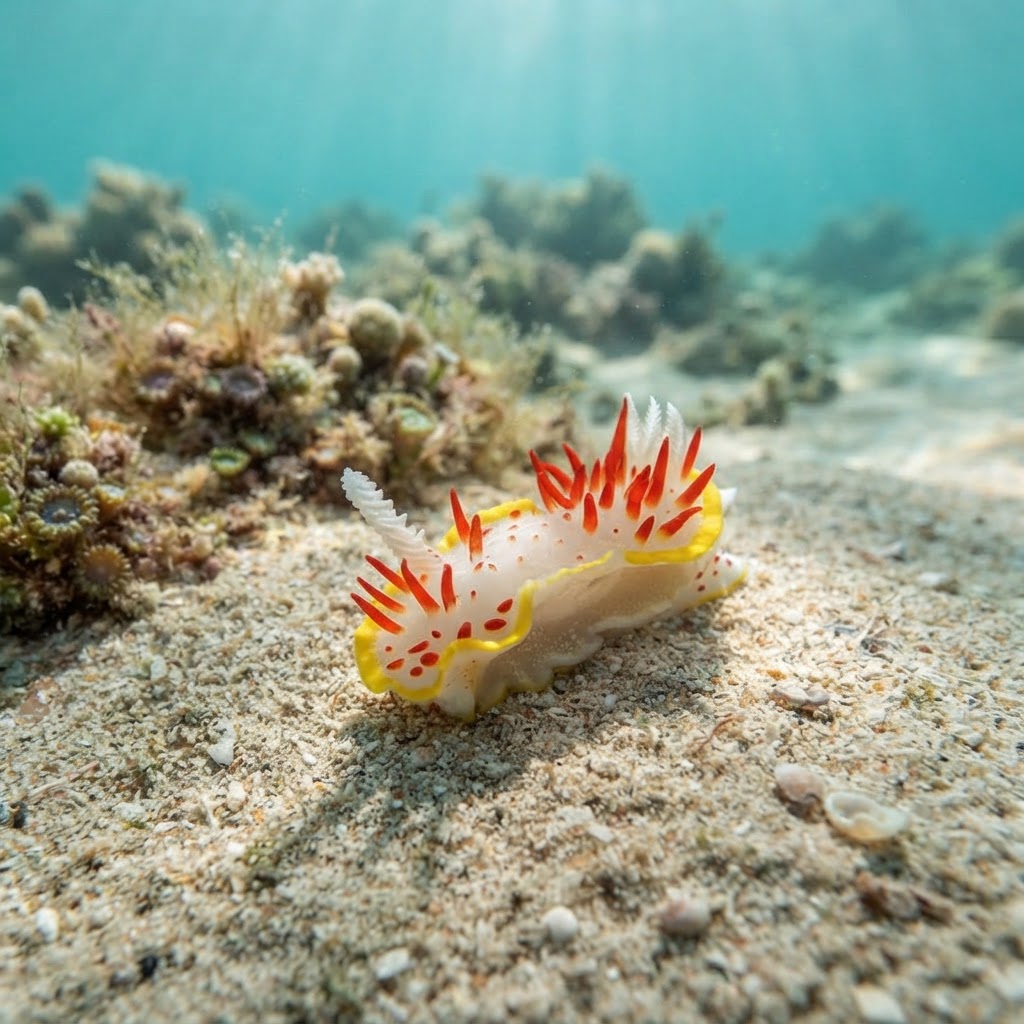
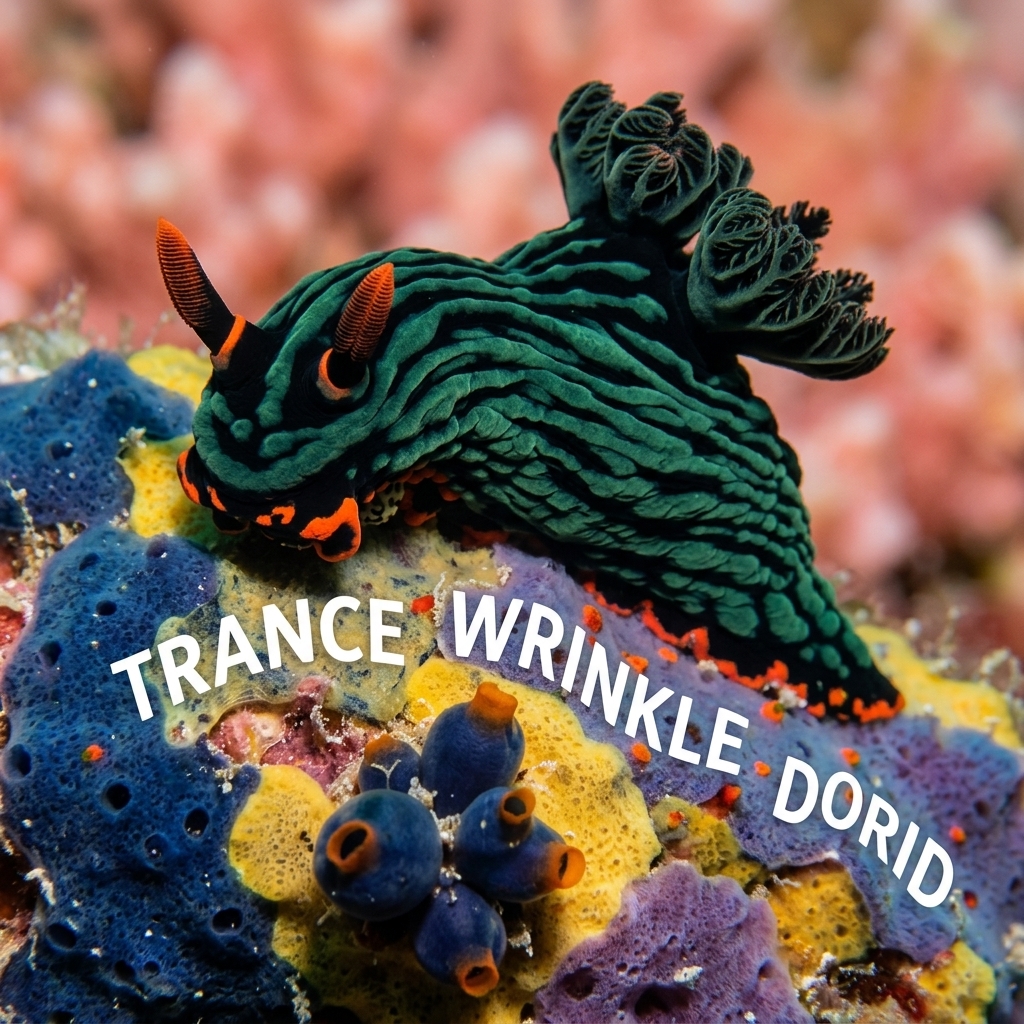
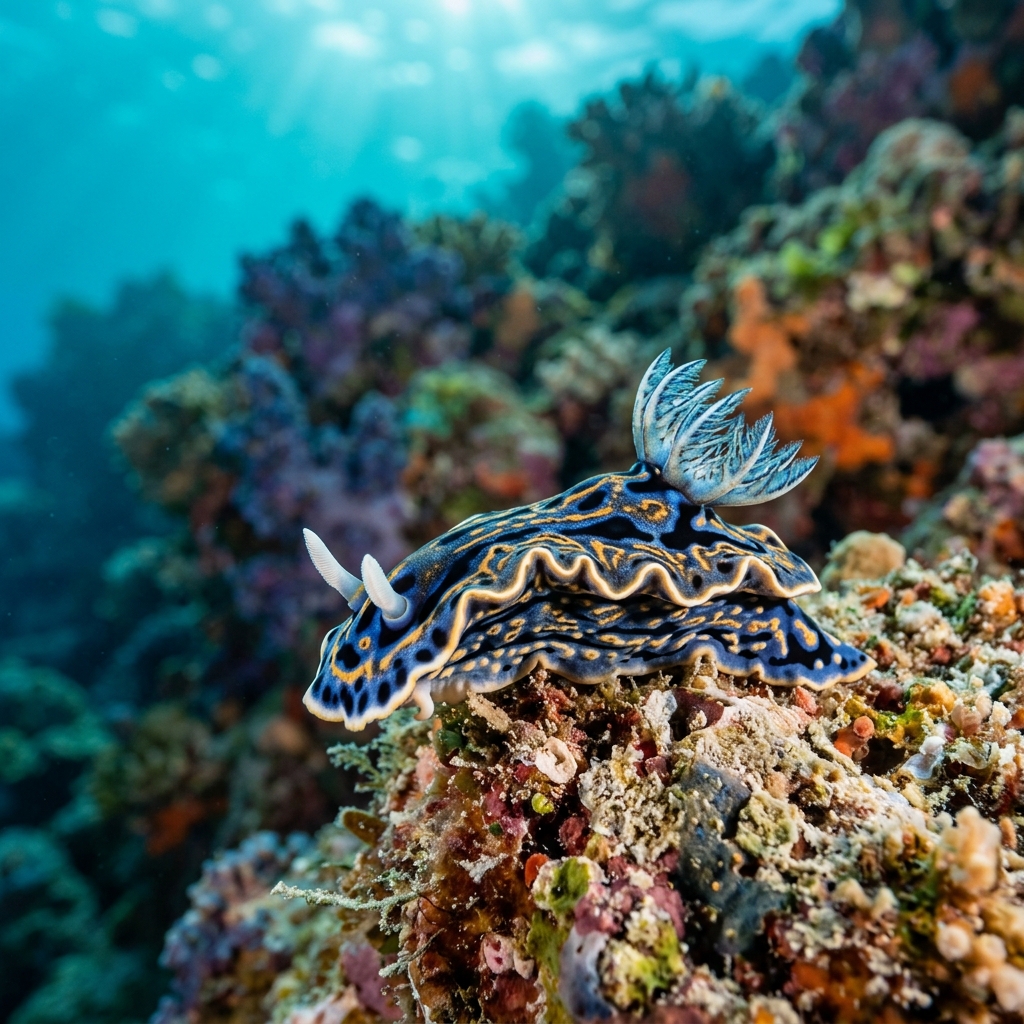
Reef neighbours a diver could mistake it for. Use the identification notes above to tell them apart.
This one is logged almost exclusively in Australia, with Victoria the strongest region, followed by Western Australia and South Australia. Divers looking specifically for it should focus temperate Australian sites rather than tropical destinations, since that is where every recorded sighting comes from.
Mapping where Tenellia thelmae is logged…
Almost all recorded sightings come from Australia, with Victoria the most reliable region, followed by Western Australia and South Australia. It hasn't been logged as a regular find outside Australian temperate reefs.
There's no detected seasonal pattern, so it's considered a year-round possibility. Water temperatures where it's found run from about 15 to 22C, consistent with southern Australian diving conditions across most months.
Look for a small, pale, translucent sea slug with slender tapering cerata along its back rather than a bold colour pattern. It's easy to overlook against rubble or algae, so a slow, close look is needed to spot it.
Exact size data isn't available for this species. As with most members of the trinchesiidae family, expect a small, easily overlooked animal best found with a careful, close search of the substrate.
At most sites where it has been recorded, divers rate it uncommon to rare, with only one site logging it as common. It's a find for divers actively searching rubble and algae patches rather than something you'll stumble across easily.
Site and sighting data is aggregated from diver logs, iNaturalist and GBIF. For taxonomy and conservation status:
Blue Dragon
3,163 sites