Cirrhilabrus temminckii
A small, uncommon fairy-wrasse best sought on reef slopes in Luzon and Visayas, Philippines, or Central Japan, in warm water year-round.
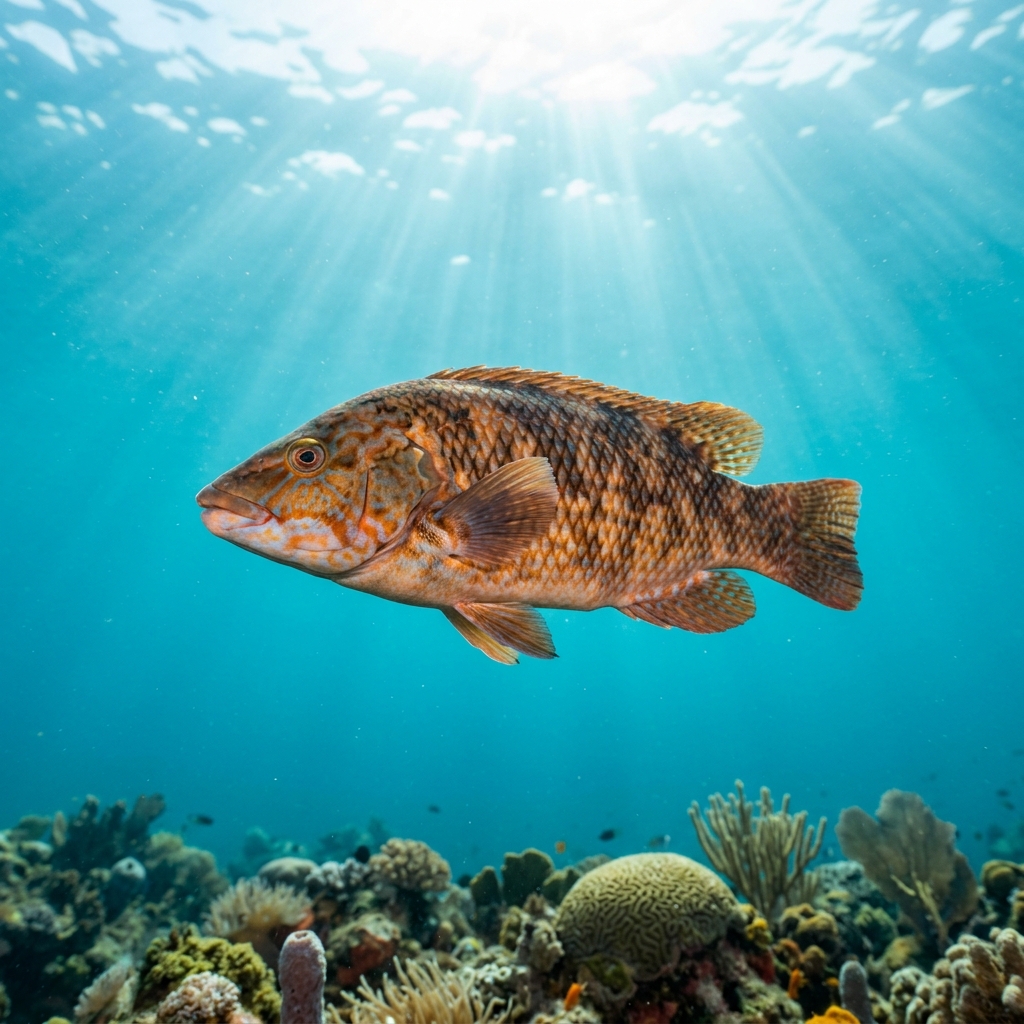
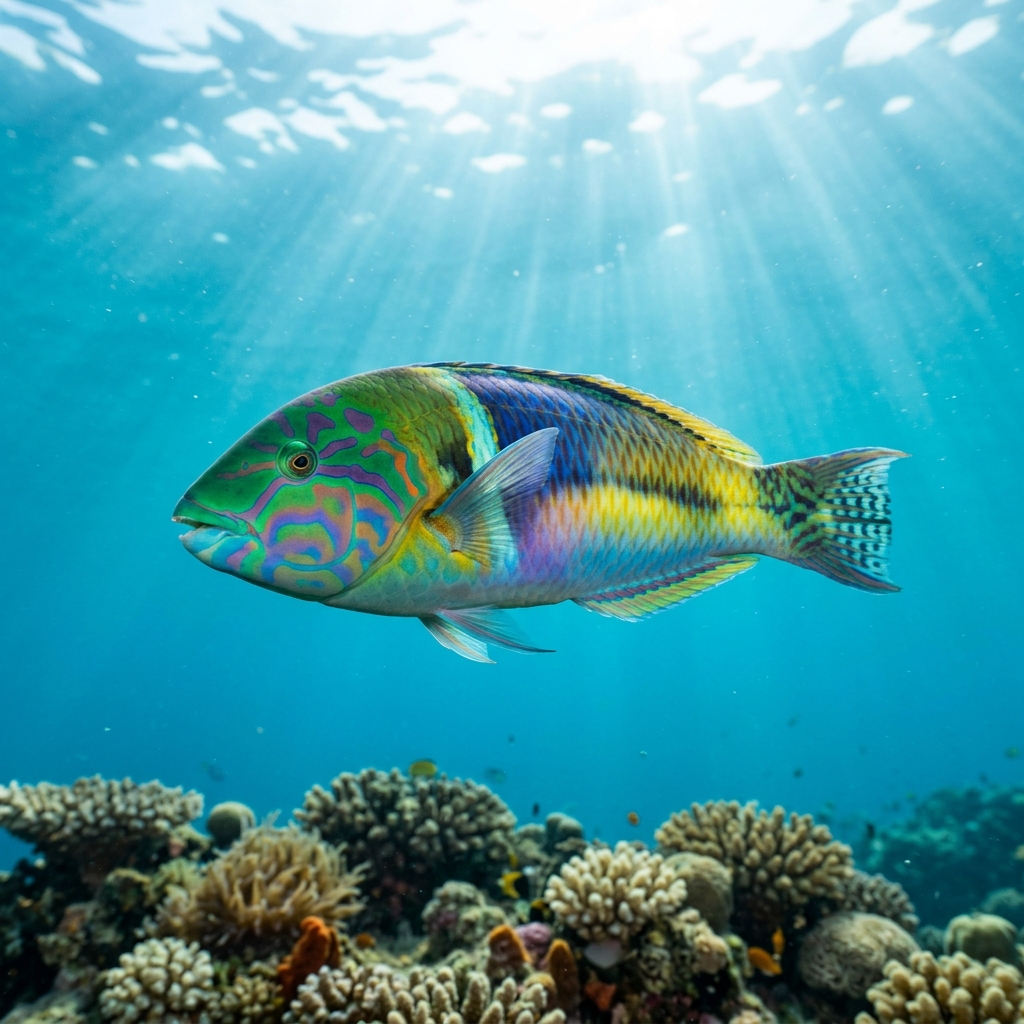
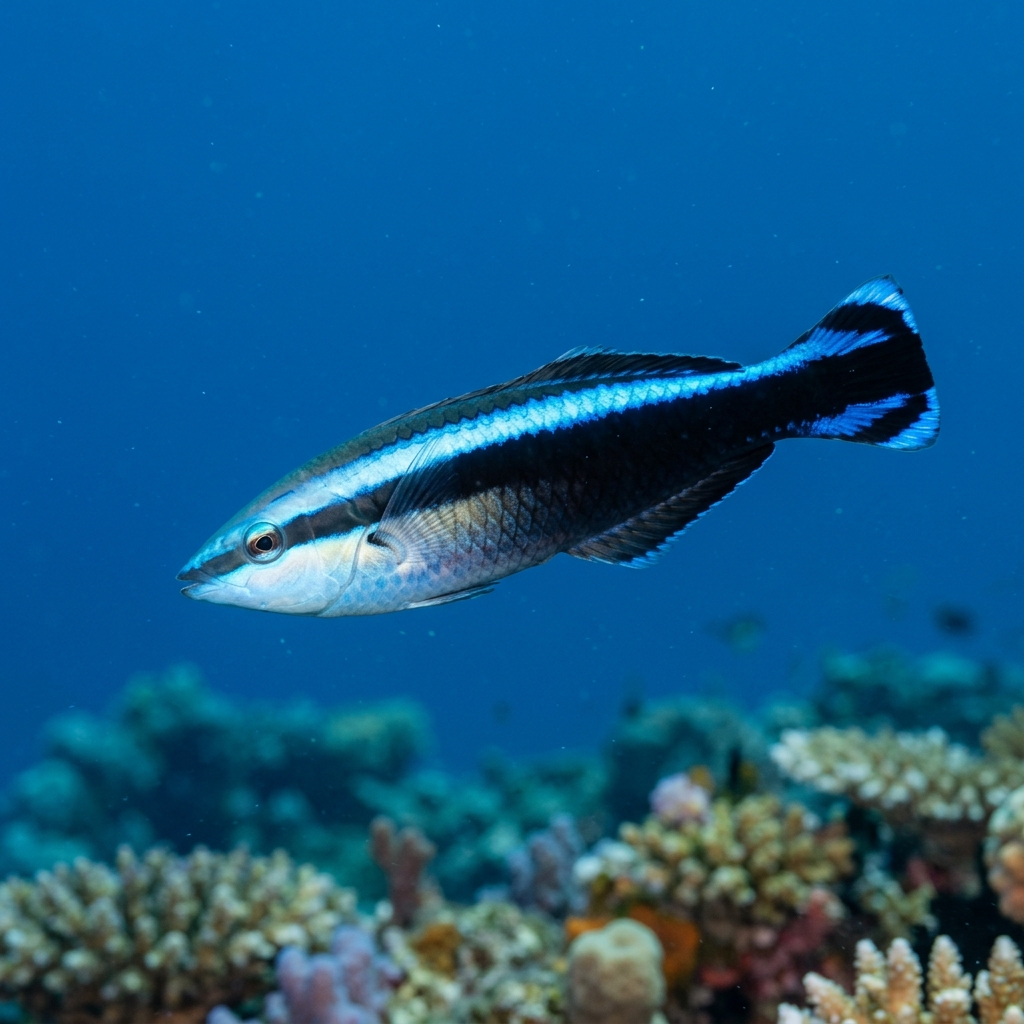
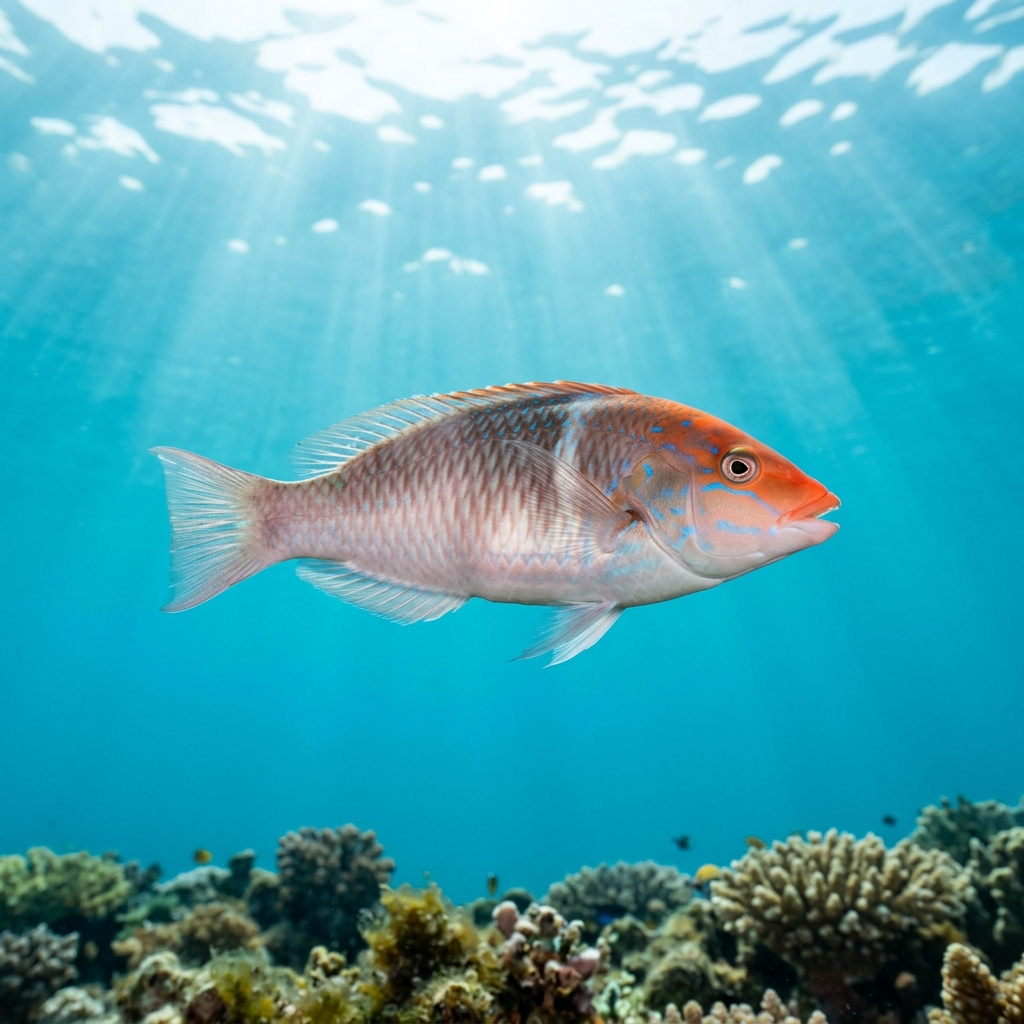
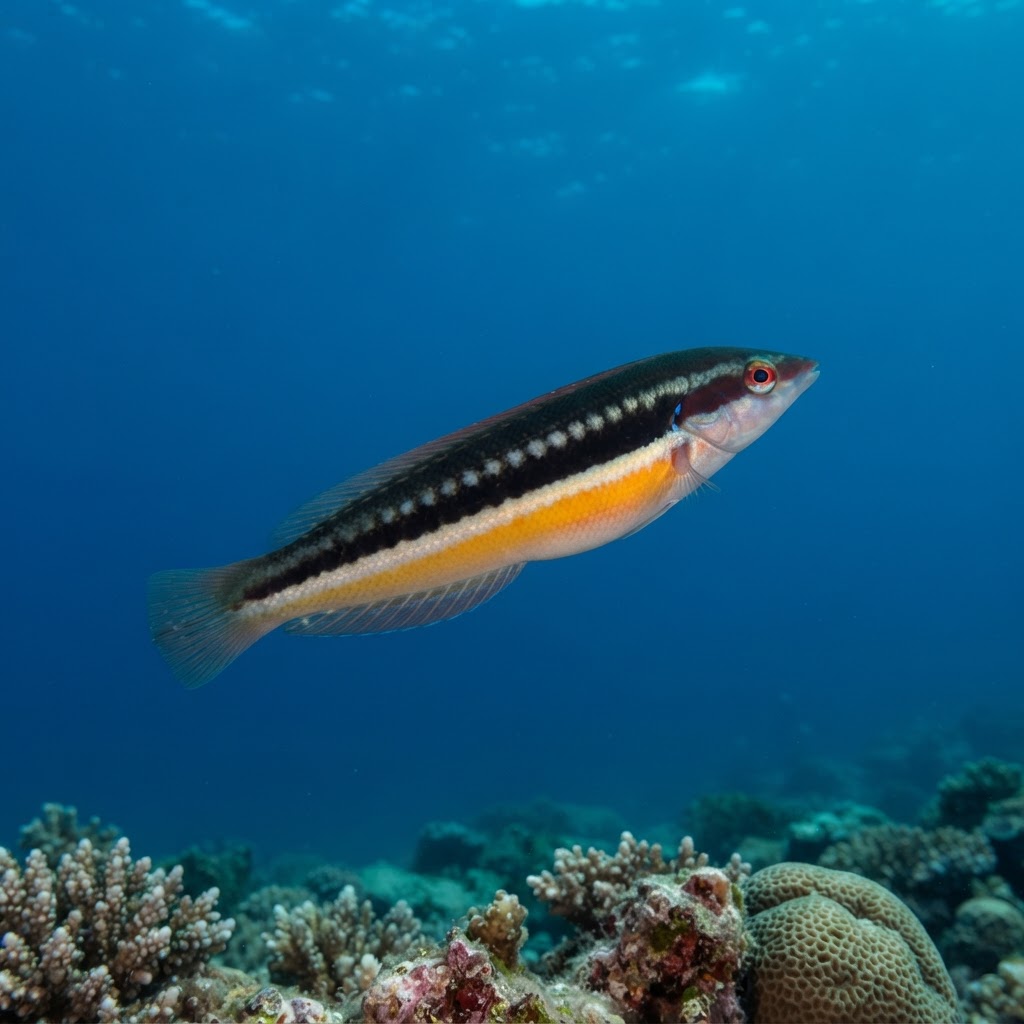
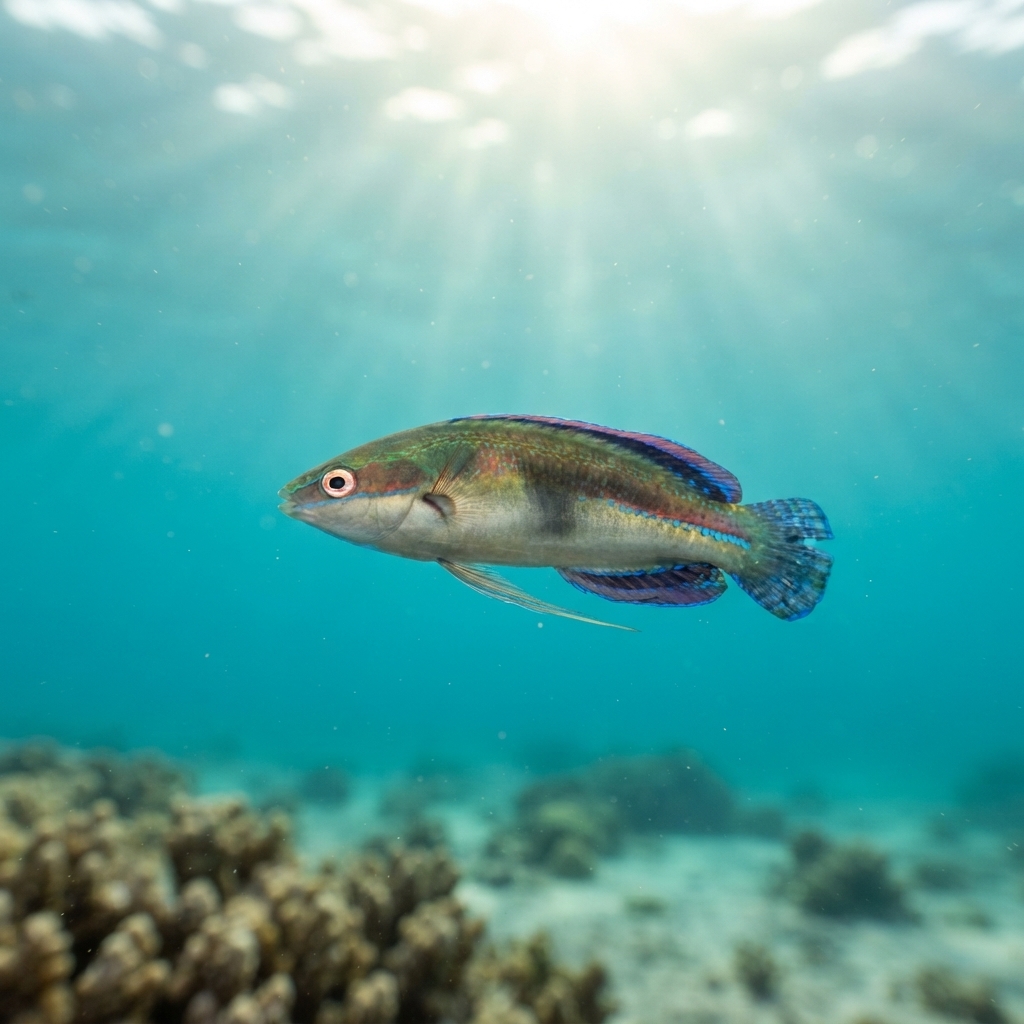
A small, slender wrasse topping out around 7 centimetres, built for hovering just off the reef rather than resting on it. Look for the typical fairy-wrasse profile: a pointed snout, a slightly forked tail, and colouring that can flush from muted pink to violet depending on the light and the fish's mood. It is easy to overlook among busier reef fish since it rarely holds still, darting a short distance and settling again in the same patch of reef.
Divers typically find it hovering a short distance above coral rubble or reef slope, making quick darting movements rather than swimming in a steady line. It keeps a low profile around divers, drifting back into cover rather than approaching, which is part of why it is logged as an uncommon sighting even at sites where it's known to live. Look for it during the day on mixed rubble-and-coral terrain rather than on open sand or deep walls.
Like other fairy-wrasses in the genus Cirrhilabrus, it's a planktivore that plucks small drifting prey out of the water column rather than picking at the reef itself, which explains why it hovers instead of settling.
No clear seasonal pattern shows up in the sighting data, and the water-temperature range it tolerates, roughly 20 to 29 degrees Celsius, spans both tropical Philippine reefs and cooler Japanese waters. Treat it as a year-round sighting rather than something tied to a particular month.
Most logged sightings come from the Philippines, with Luzon and the Visayas standing out as the strongest regions, followed by Central Japan where it also turns up reliably. Outside these two countries it has not been well documented by divers, so Philippine reef slopes and temperate Japanese sites remain the surest bets.
Mapping where Temminck's Fairy-wrasse is logged…
The most reliable regions are Luzon and the Visayas in the Philippines, with Central Japan also producing regular sightings. Outside these areas, confirmed dive-site records are sparse.
There's no detected seasonal pattern, and it tolerates a wide temperature range from about 20 to 29 degrees Celsius, so sightings are possible year-round at known sites.
Look for a small wrasse around 7 centimetres, hovering just above the reef with a slender, pointed body and pink to violet tones. Its constant short darting movements, rather than steady swimming, are a useful giveaway.
They're small, typically reaching around 7 centimetres in length, which is one reason they're easy to miss on a busy reef.
No. It poses no threat to divers and simply retreats into the reef if approached too closely.
Site and sighting data is aggregated from diver logs, iNaturalist and GBIF. For taxonomy and conservation status:
Bird Wrasses
3,632 sites