Sutorectus tentaculatus
Spot the elusive Cobbler Carpet Shark in South Australia's cool waters. Learn how to identify it and where divers have actually logged sightings.
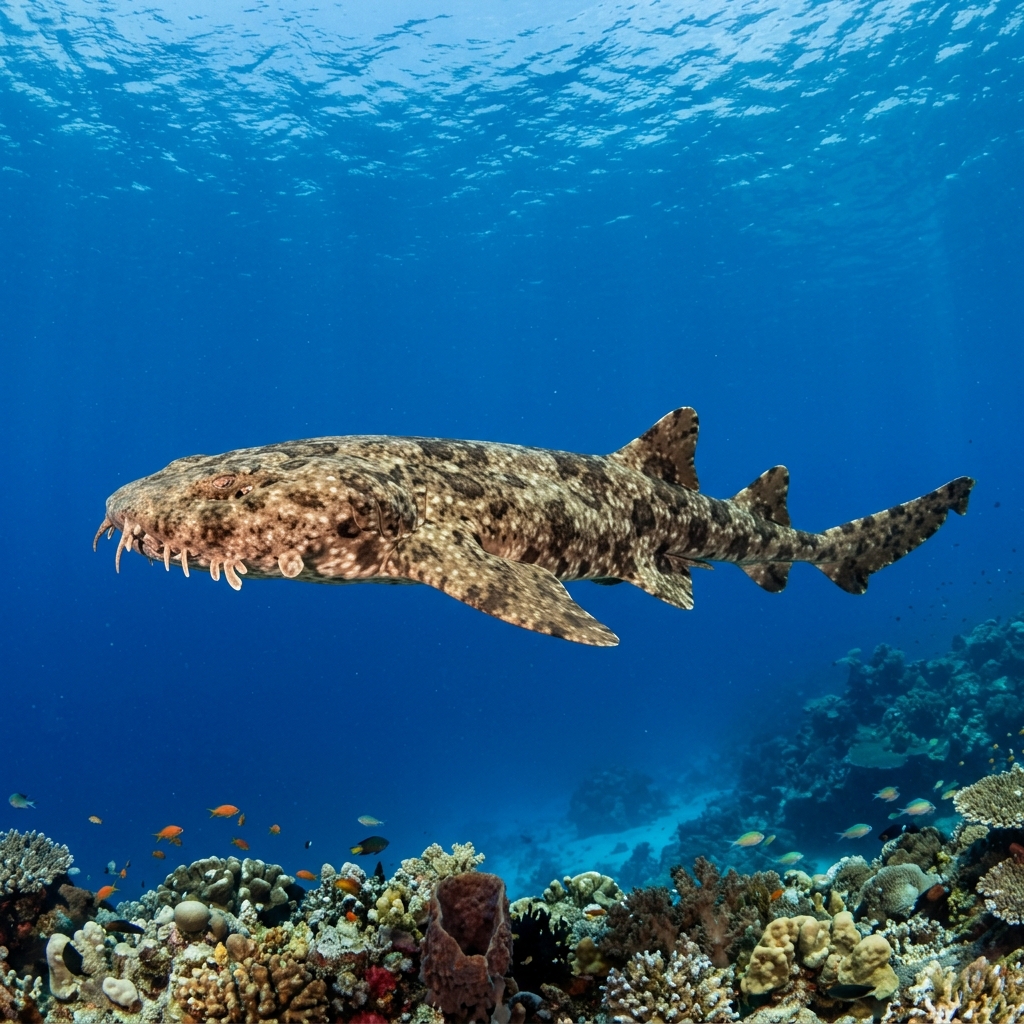
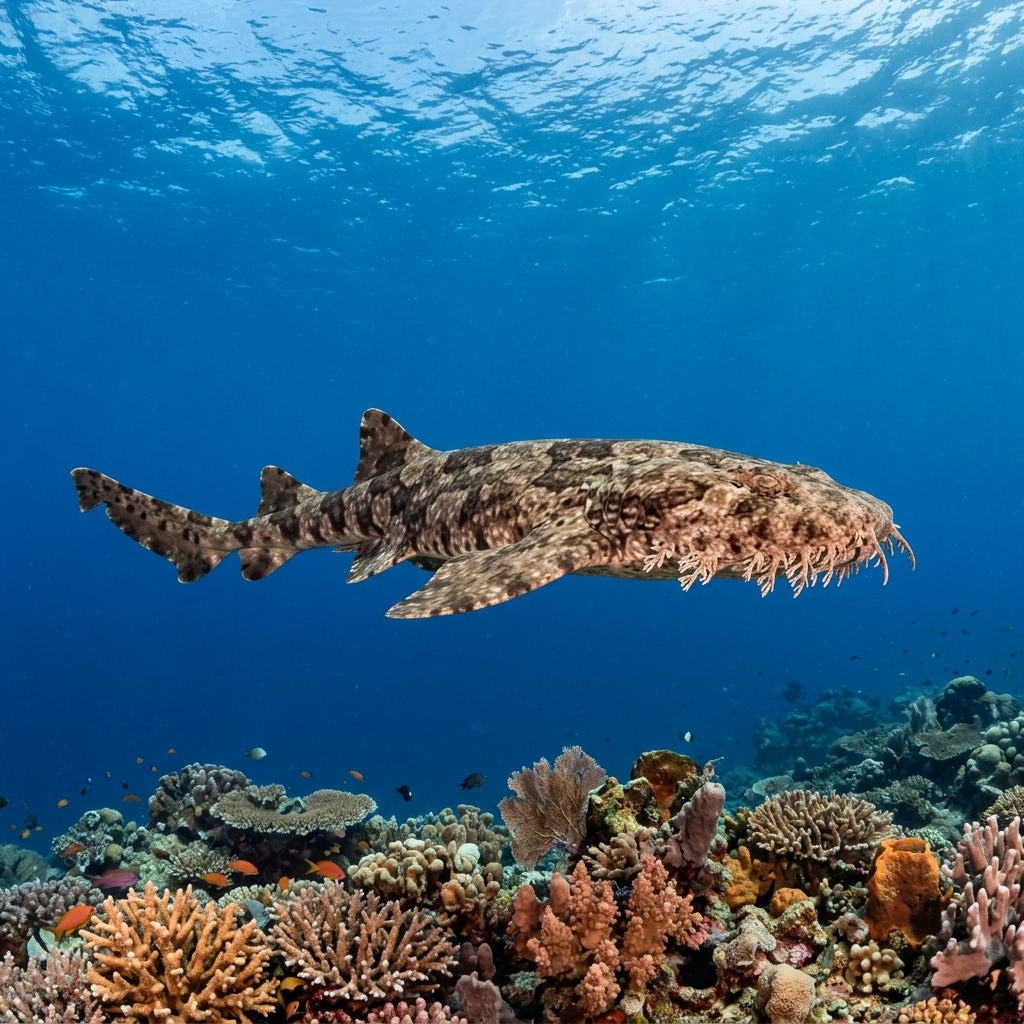
A small, flattened shark covered in a warty, mottled brown-and-cream pattern that helps it blend into rocky reef and kelp. The most distinctive feature is the fringe of fleshy lobes and tubercles (small skin bumps) along its sides and snout, giving it a ragged, camouflaged outline unlike most sharks. At rest on the bottom it can look more like a piece of rubble than a fish, so scan reefs slowly.
Like other carpet sharks, it is a benthic (bottom-dwelling) species, most likely encountered resting motionless on rocky reef, sandy patches, or among kelp and seagrass. It tends to sit tight rather than flee when approached, relying on camouflage as its first line of defence. Divers should look closely at what appears to be an unremarkable patch of reef bottom.
The cobbler carpet shark is the only member of its genus, Sutorectus, making it one-of-a-kind among living sharks. Its common name is thought to reference the warty, textured skin that resembles rough leatherwork.
There is not enough monthly sighting data to point to a peak season, so treat it as potentially year-round. The observed temperature range of 13.6 to 21.8°C reflects South Australia's cool, temperate waters, suggesting the shark is resident in those conditions throughout the year.
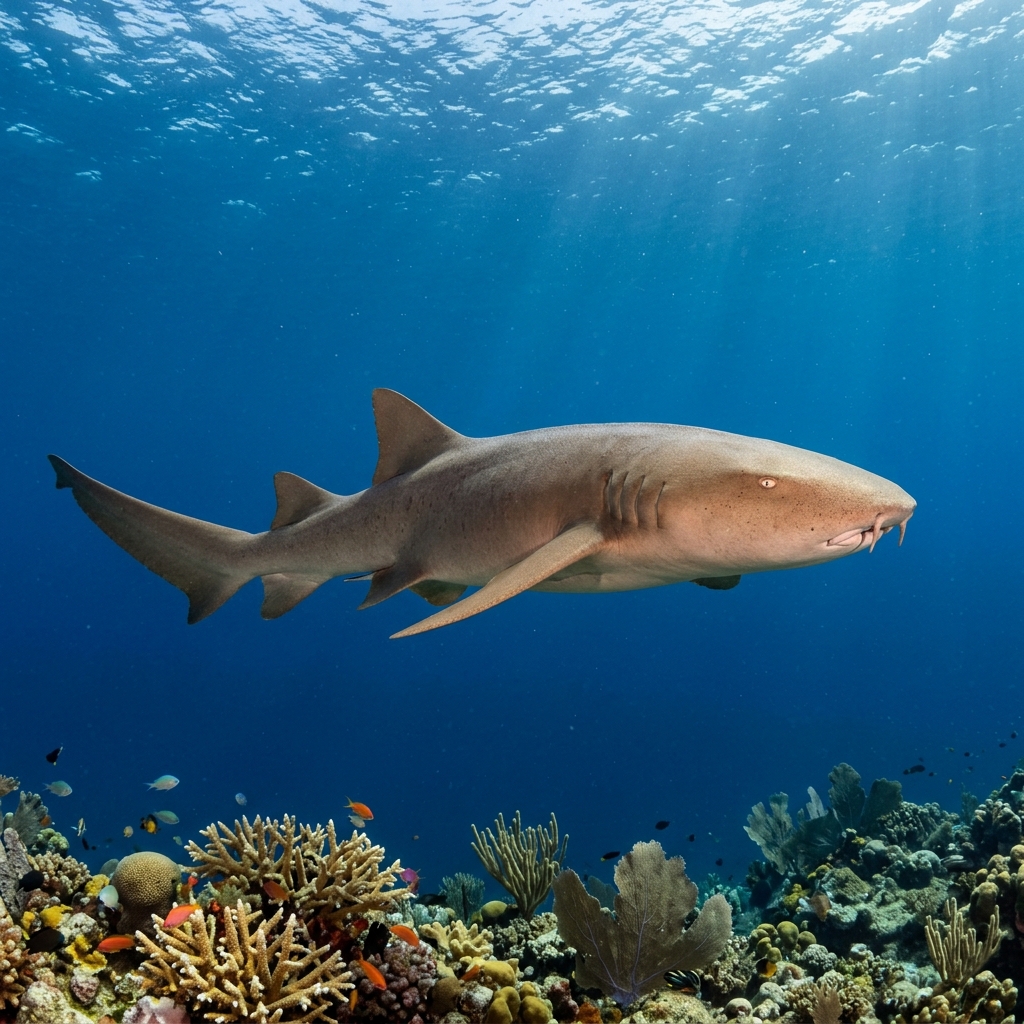
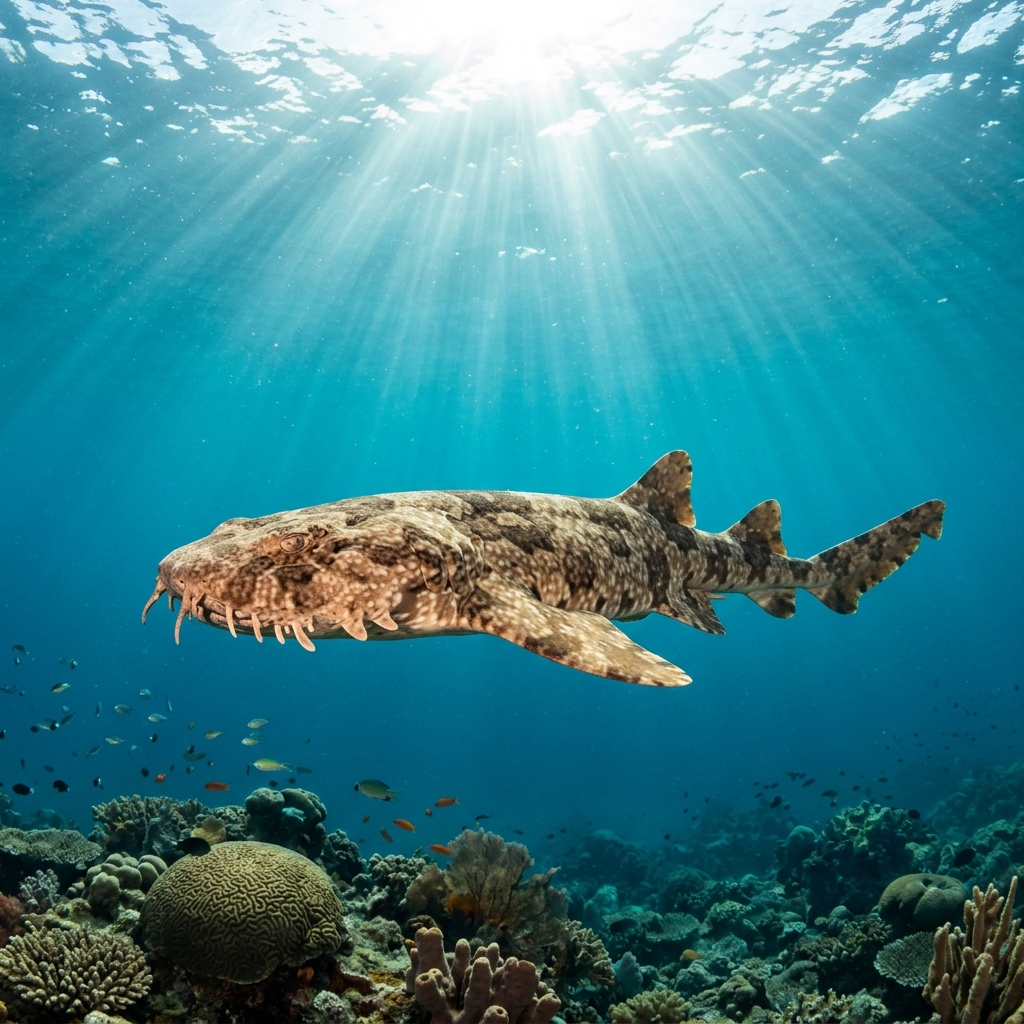
Reef neighbours a diver could mistake it for. Use the identification notes above to tell them apart.
All confirmed sightings come from Australia, with the large majority logged in South Australia and one site recorded in Western Australia. South Australia's temperate, rocky reefs are clearly the stronghold for this species, so dive planning should focus there first.
Mapping where Cobbler Carpet Shark is logged…
Diver-logged sightings come exclusively from Australia, with the strongest concentration of sites in South Australia. A site in Western Australia has also produced a confirmed record. South Australia's cool, rocky temperate reefs are your best bet for a search.
There is not enough seasonal data to define a best window. The shark inhabits water between roughly 13 and 22°C, which describes South Australia's range across the year, so it is likely present year-round for divers willing to dive in cooler conditions.
Look for a small, flattened shark with heavily mottled brown skin and a ragged fringe of fleshy lobes and skin bumps along its sides and snout. It rests motionless on the bottom and can be very easy to miss among rubble or kelp. The lumpy, warty texture sets it apart from most other small sharks you might encounter in southern Australia.
No. This species poses no threat to divers. It is a small, reclusive, bottom-dwelling shark that relies on camouflage rather than aggression. As with any shark, avoid handling it, but accidental encounters carry no meaningful risk.
Precise size data for this species is limited in the scientific literature, which reflects how rarely it is observed. It is considered a small shark broadly in line with other members of the Orectolobidae family, but a reliable maximum length is not well established from confirmed records.
Site and sighting data is aggregated from diver logs, iNaturalist and GBIF. For taxonomy and conservation status:
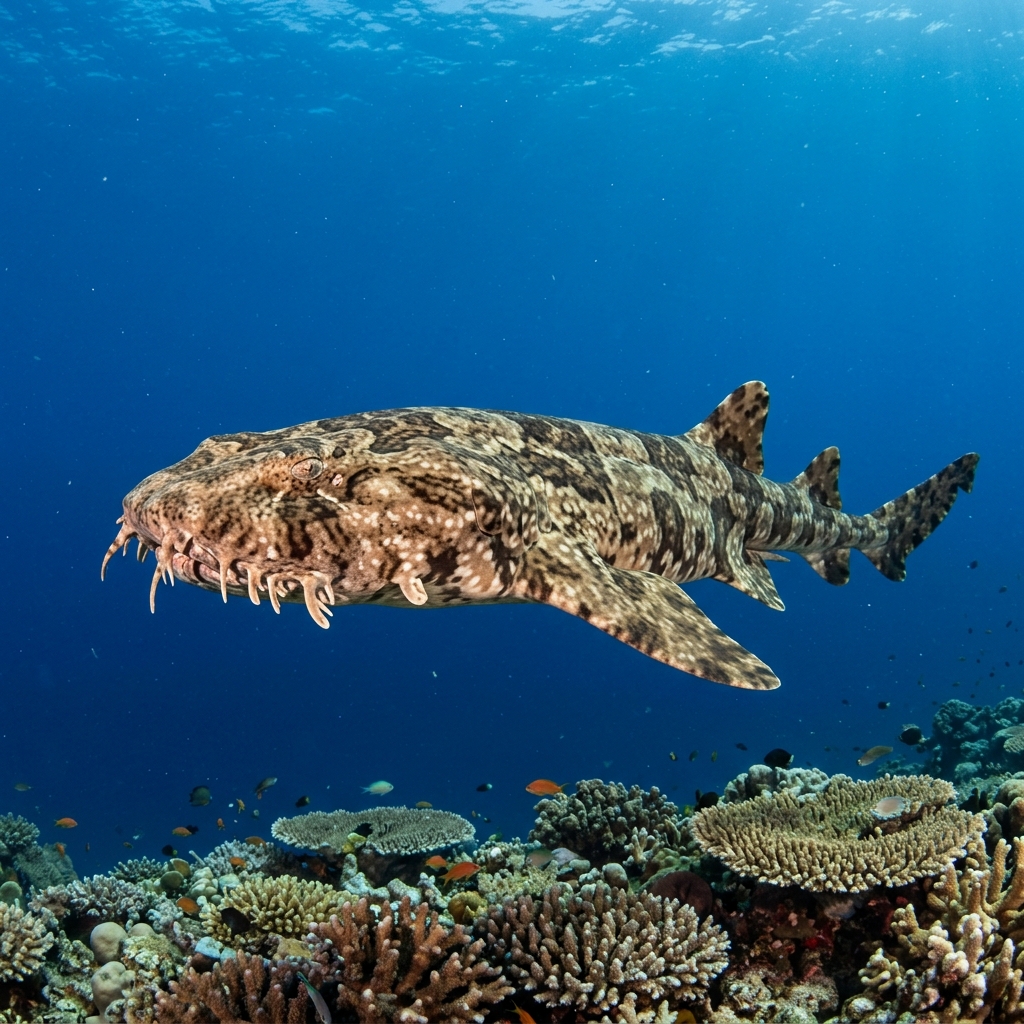
Ornate Wobbegong
291 sites