Chrysiptera brownriggii
Common on shallow reefs across the Society Islands and Saint-Leu, Reunion, this pocket-sized damselfish turns up in the surge zone all year round.
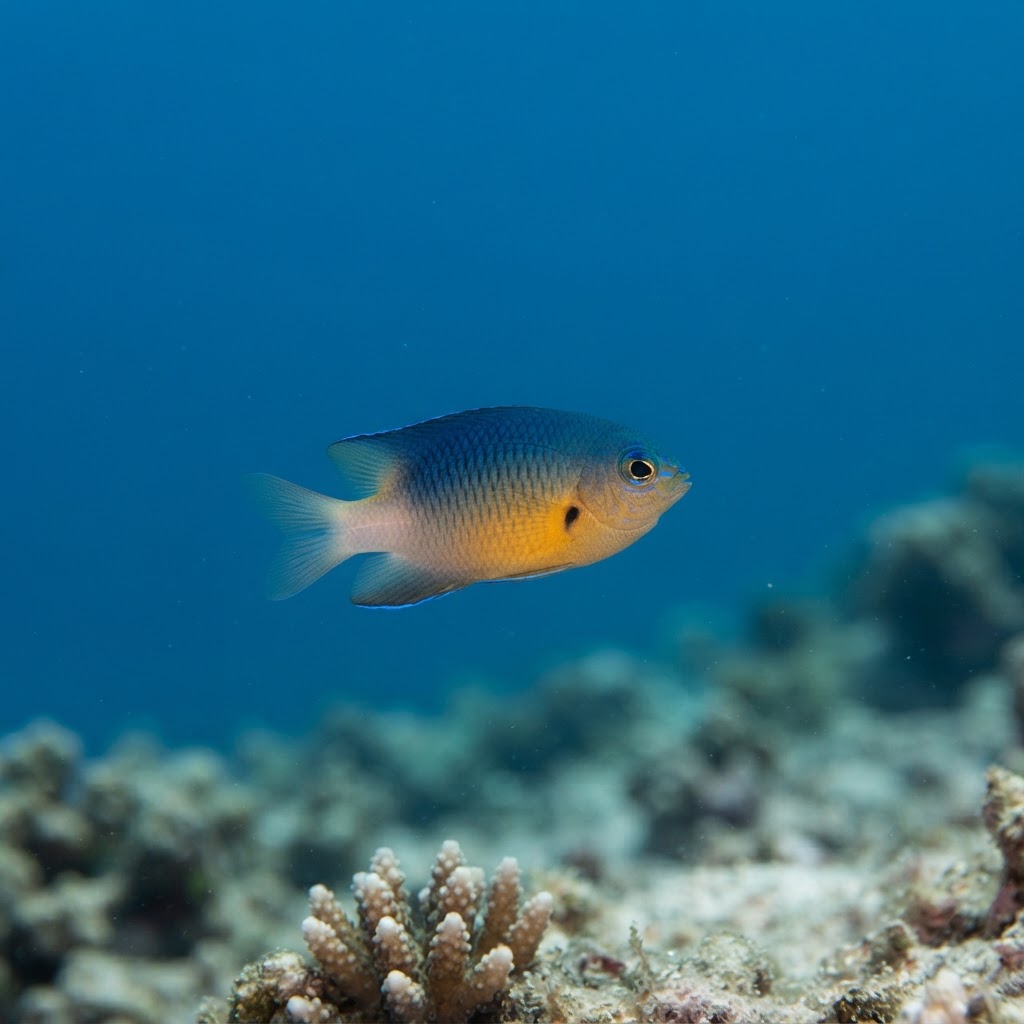
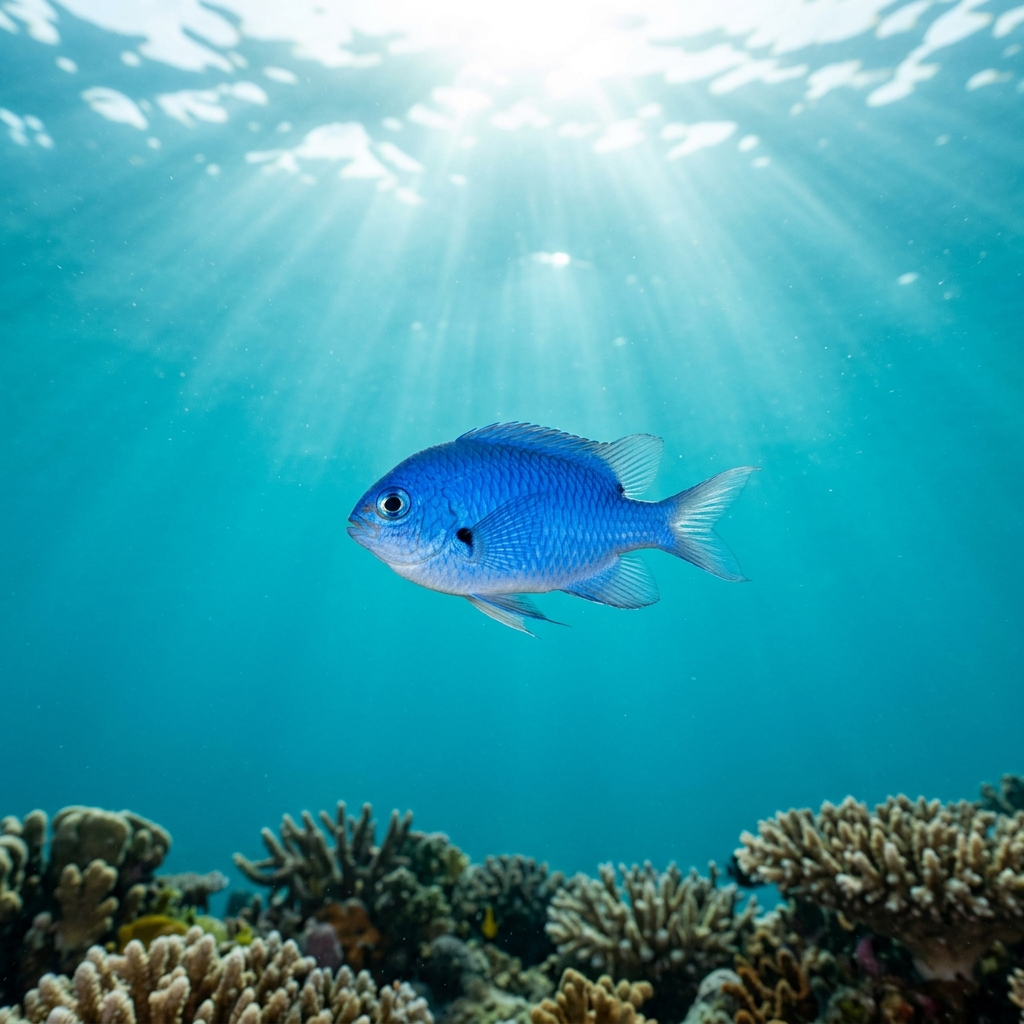
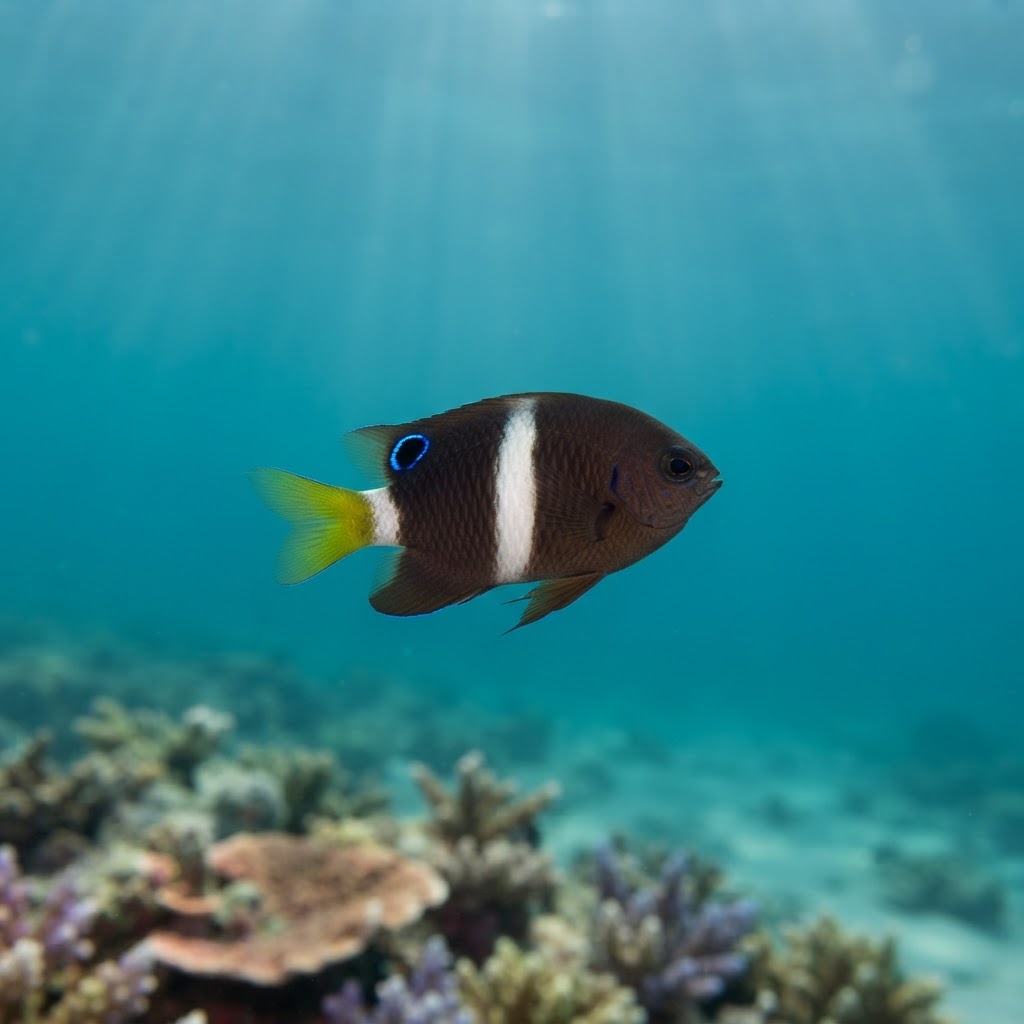
A small, deep-bodied damselfish, barely 5 cm, with a dusky brown to olive body scattered with fine electric-blue spots along the upper back. The tail is edged in pale yellow to white, which is often the easiest thing to pick out as it flicks between coral heads. It holds a slightly humped, compact shape typical of the damselfish family and rarely strays far from cover.
Look for it darting in and out of coral rubble and short-reef structure in the shallows, usually within a couple of metres of a bolt hole it can dash back into. It is territorial in a small-fish way, holding a patch of reef and chasing off other tiny fish rather than divers, who it mostly ignores or flees from at close range. Most sightings come from depths under 12 m, so it is a fixture of shallow reef flats and lagoon edges rather than deeper walls.
Like most damselfish, it lays eggs on a cleared patch of reef substrate that the male guards and fans until they hatch, a small but constant bit of reef housekeeping most divers swim straight past.
No clear seasonal pattern shows up in the data, and its comfortable range of roughly 25 to 29 C matches tropical reef flats and shallow slopes year-round, so any month works for a sighting.
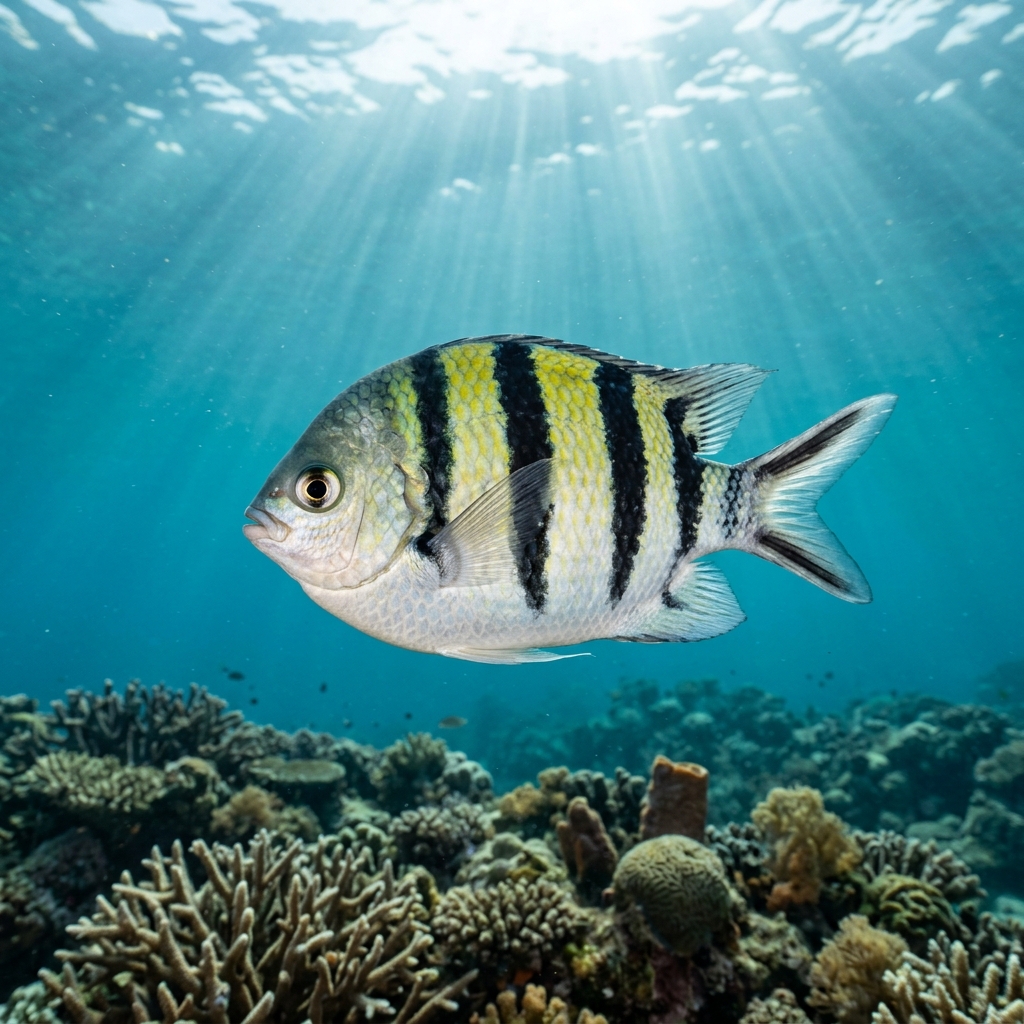
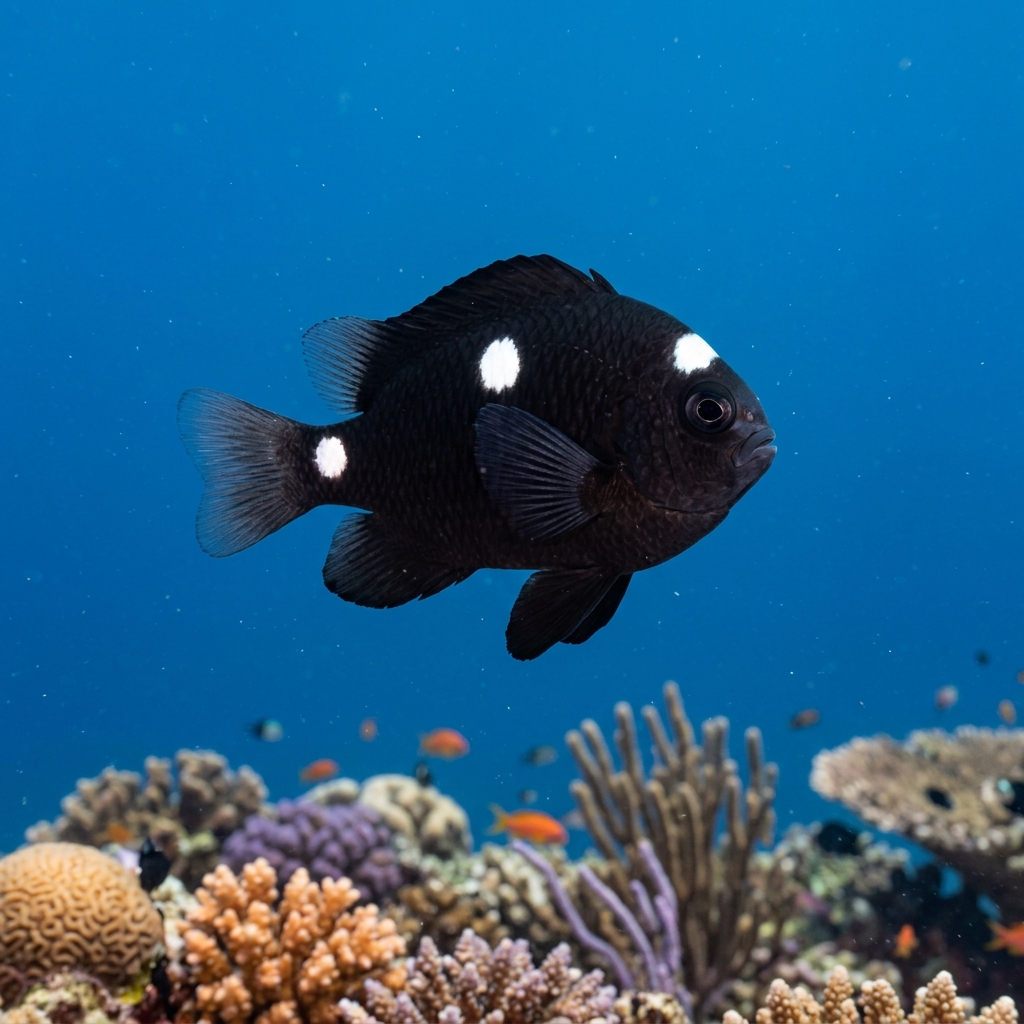
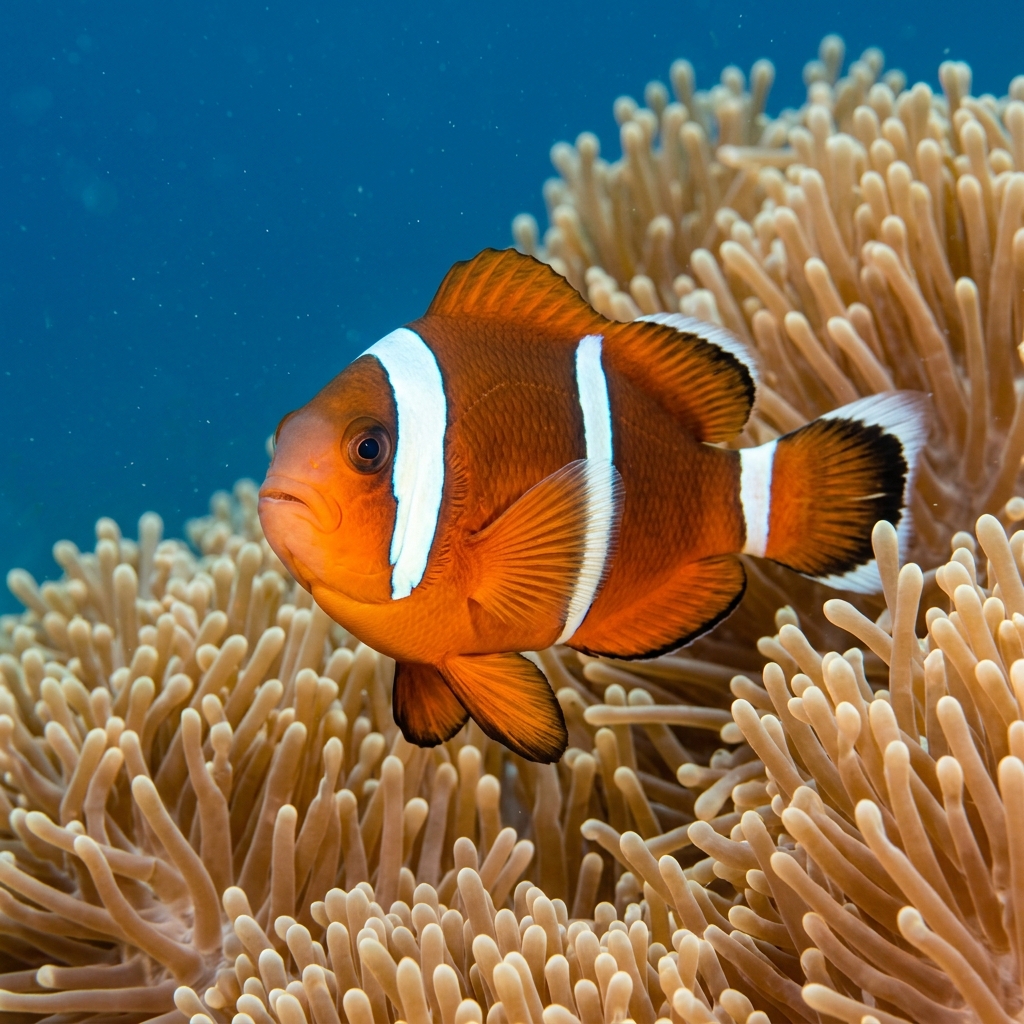
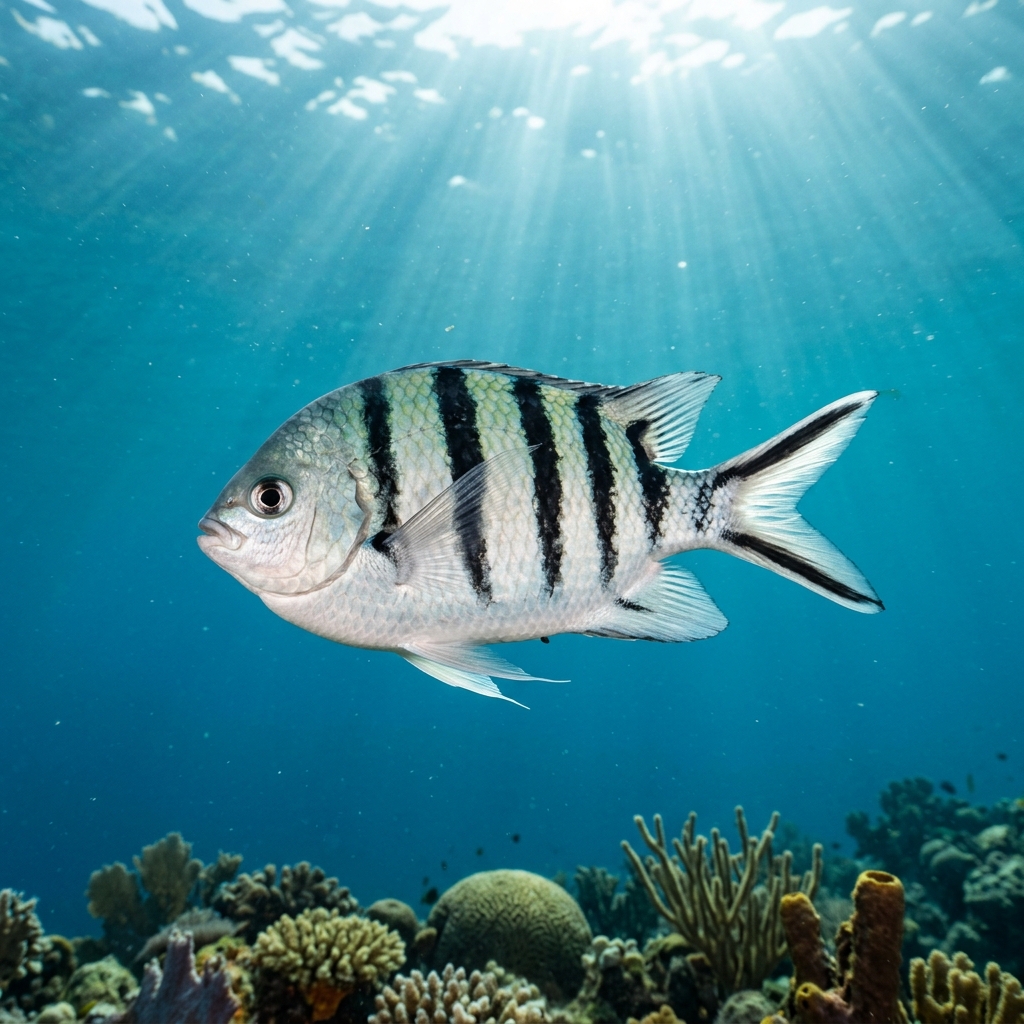
Reef neighbours a diver could mistake it for. Use the identification notes above to tell them apart.
Most reliably logged across the Society Islands and Tuamotu Islands in French Polynesia, which together account for the bulk of sightings, and it also turns up consistently at Saint-Leu in Reunion. Divers also log it at Hikkaduwa in Sri Lanka, Atauro Island and Dili in Timor-Leste, and Rarotonga in the Cook Islands, with smaller numbers reported from Mozambique, Taiwan and Guam.
Mapping where Surge Damselfish is logged…
It is most commonly reported across French Polynesia, especially the Society and Tuamotu Islands, and is also a regular sighting at Saint-Leu in Reunion, Hikkaduwa in Sri Lanka, and Atauro Island and Dili in Timor-Leste.
There is no strong seasonal pattern in sightings, and its preferred water temperature of roughly 25 to 29 C is common on tropical reefs throughout the year, so it can be seen in any season.
Look for a small, roughly 5 cm brownish-olive damselfish with scattered blue flecks on its upper body and a yellow-edged tail, usually hovering close to reef rubble in shallow water under 12 m.
They stay small, topping out at around 5 cm, which keeps them easy to overlook against reef rubble and coral rock.
No, they pose no threat to divers and simply retreat into the reef structure when approached.
Site and sighting data is aggregated from diver logs, iNaturalist and GBIF. For taxonomy and conservation status:
Dascyllus
3,697 sites