Trachinus radiatus
Half-buried in sand off Crete and Northern Greece, this venomous weever is easy to miss and worth watching for at 13 to 24 C.
Safety warning
Its dorsal and gill-cover spines carry venom that causes intense, immediate pain and can trigger swelling or, in sensitive individuals, more serious reactions; stings almost always happen when someone puts a hand or foot down on a buried fish without seeing it. Keep hands off the sand in areas where it is logged, watch where you kneel or rest for photos, and give any half-buried fish with a visible dorsal fin a wide berth rather than trying to nudge it out for a better look.
If you're stung
Venomous spinesGeneral first-aid guidance, not a substitute for professional medical care. In an emergency, call your local emergency number.
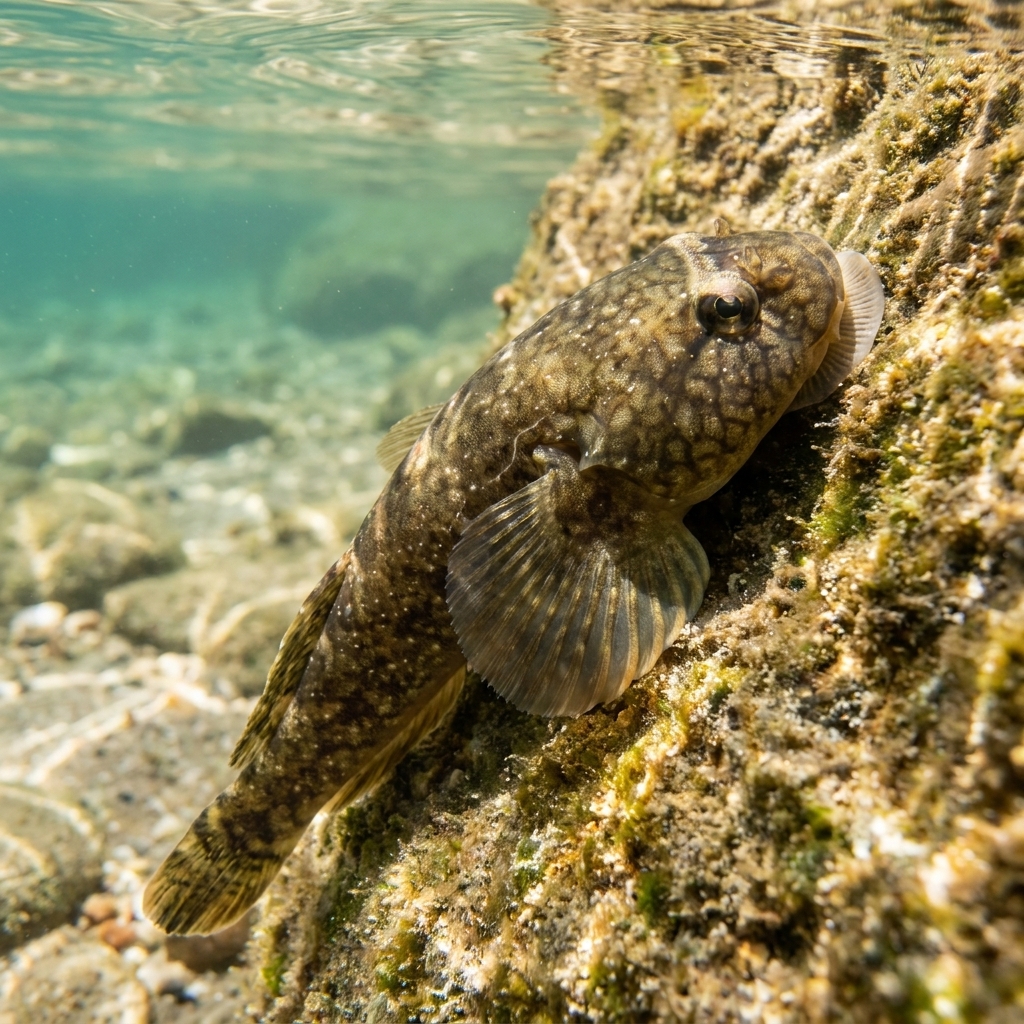
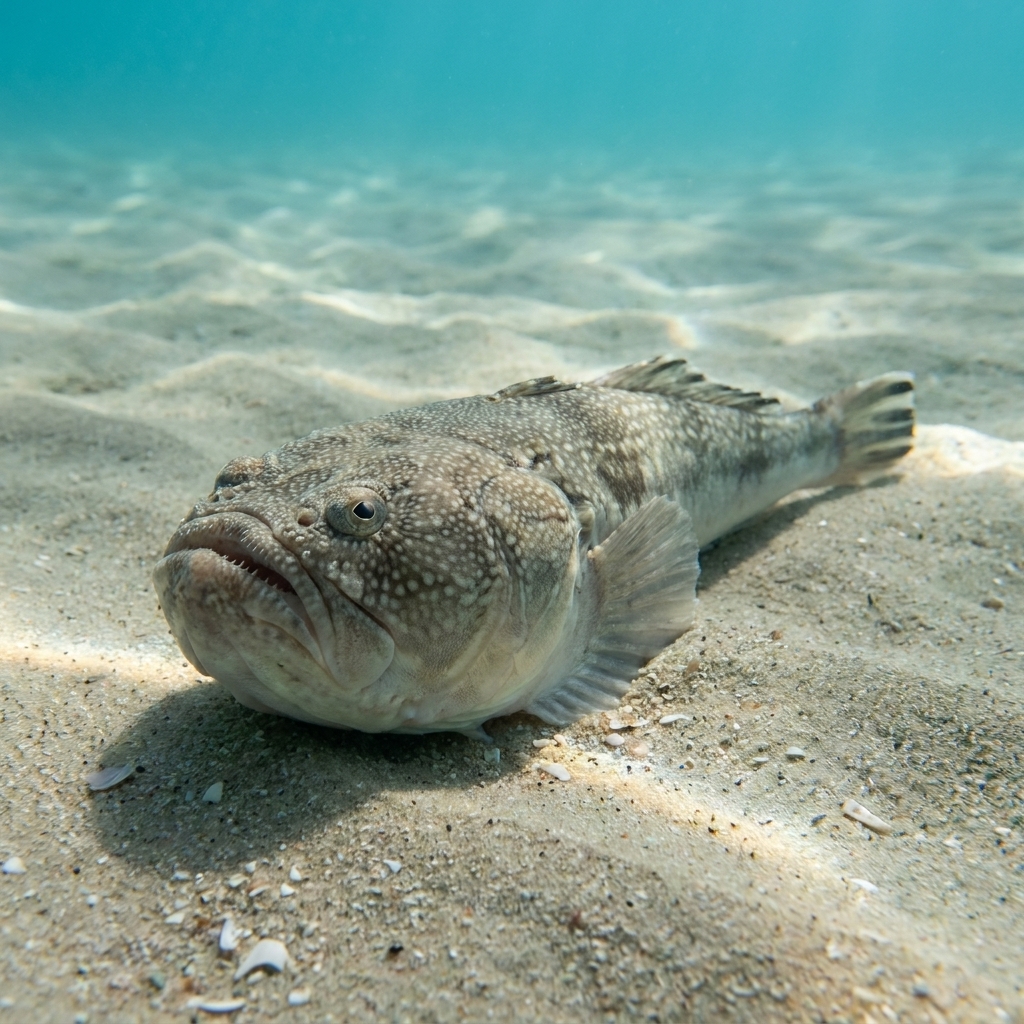
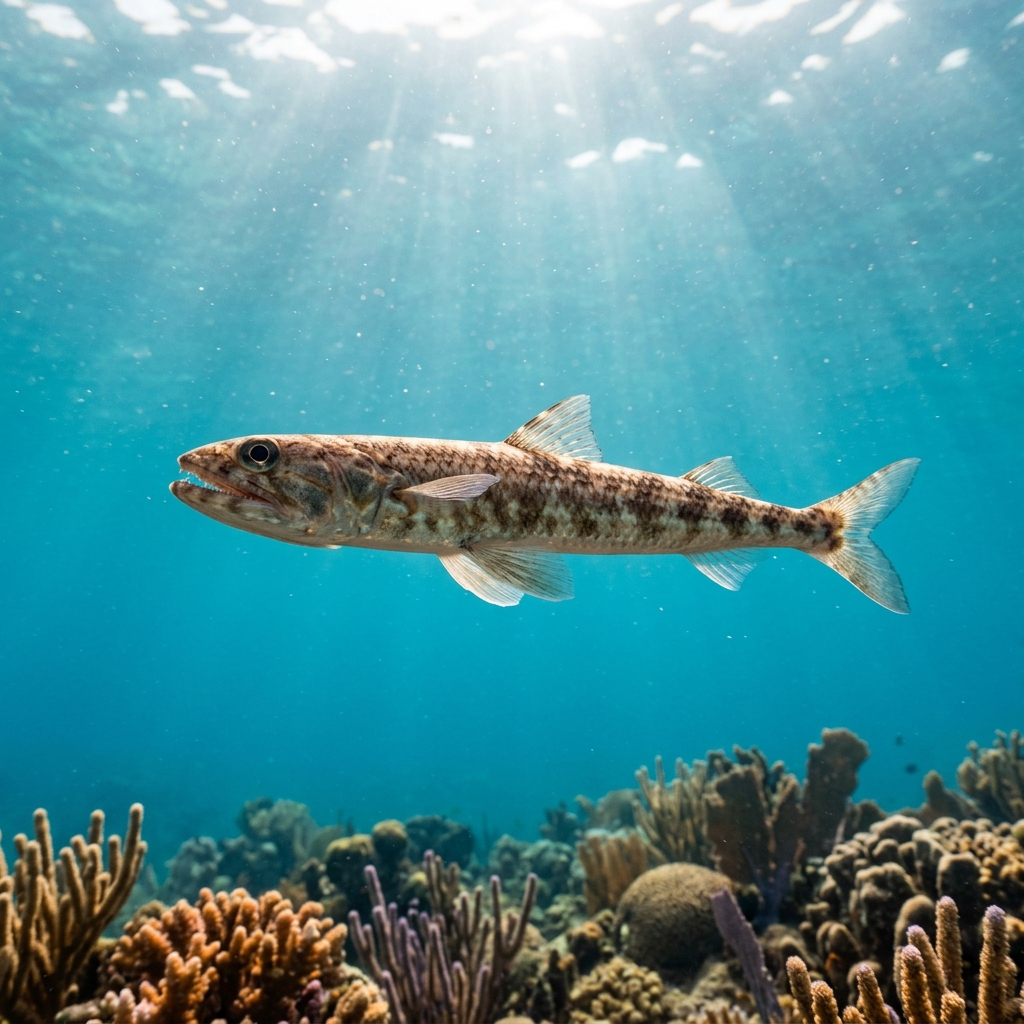
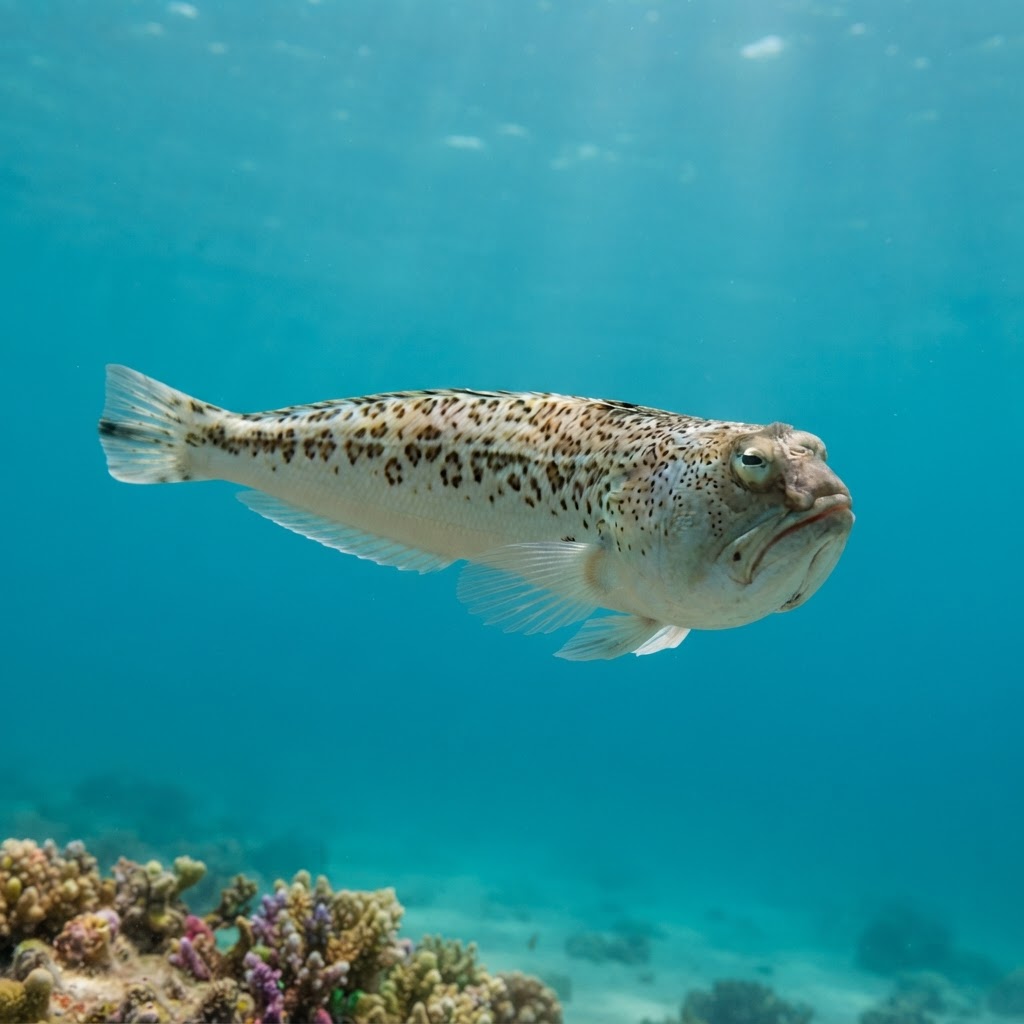
Slender, tapering body up to about 35 cm, coloured in mottled sandy brown to grey with faint diagonal streaking along the flanks that gives it its name. Eyes sit high on the head, angled upward, and the fish spends most of its time buried with just the eyes and the leading edge of a dark, spiny dorsal fin showing above the sand. That raised dorsal fin, often flicked upright when disturbed, is the main thing divers key on.
Spends most of its time buried in sand or fine sediment, often on flat, featureless bottoms near reef edges or seagrass margins, ambushing small fish and invertebrates that pass overhead. It stays still and barely reacts to divers unless directly disturbed, at which point it may flick its dorsal fin upright as a warning before shifting position or reburying itself. Sightings tend to be a matter of scanning the sand carefully rather than spotting active movement, since it is logged as uncommon even at the sites where it does turn up.
That raised dorsal fin is not just decoration, it houses venomous spines the fish uses purely as a defensive weapon when trodden on or grabbed, not for hunting.
Sightings are logged year-round with no strong seasonal pattern in the data, which fits its wide observed temperature range of 13.3 to 24.4 C, spanning cooler winter water through warm summer conditions. Worth watching for on any dive over sand in the Aegean or Ionian regardless of month.
Most consistently logged in Greece, especially around Crete, with further sightings in Northern Greece and the Ionian Islands, plus at least one site in the Canary Islands (Lanzarote). Crete carries by far the strongest record, so sandy and mixed-sediment patches there are the best bet for a sighting.
Mapping where Streaked Weever is logged…
Crete is the strongest spot, with further sightings across Northern Greece and the Ionian Islands, plus occasional records in the Canary Islands. Look over sandy or sediment patches rather than hard reef.
There is no clear season in the sighting data, and it turns up across a wide temperature range from about 13 to 24 C, so it is effectively a year-round find in Greek waters.
Yes. Its dorsal spines are venomous and stings are painful, though they almost always happen from stepping on or handling a buried fish rather than from any aggressive behaviour. Avoid putting hands or feet down on sand where one might be hiding.
Look for a slender, sandy brown fish half-buried in sediment with only its upward-facing eyes and a dark-edged, spiky dorsal fin showing. The fin is often raised as a warning if the fish feels disturbed.
They reach around 35 cm in length, with a slim, tapering body built for staying hidden in sand rather than swimming in open water.
Its venomous dorsal fin is used purely in self-defence, not for hunting; the fish hunts by ambush from beneath the sand and only deploys its spines when something steps on or grabs it.
Site and sighting data is aggregated from diver logs, iNaturalist and GBIF. For taxonomy and conservation status:
Soldierfish
3,612 sites