Pseudanthias hypselosoma
Uncommon but findable in Xiaoliuqiu, Sulawesi and Okinawa, this stocky little anthias favours reefs at 24.6-29C year-round.
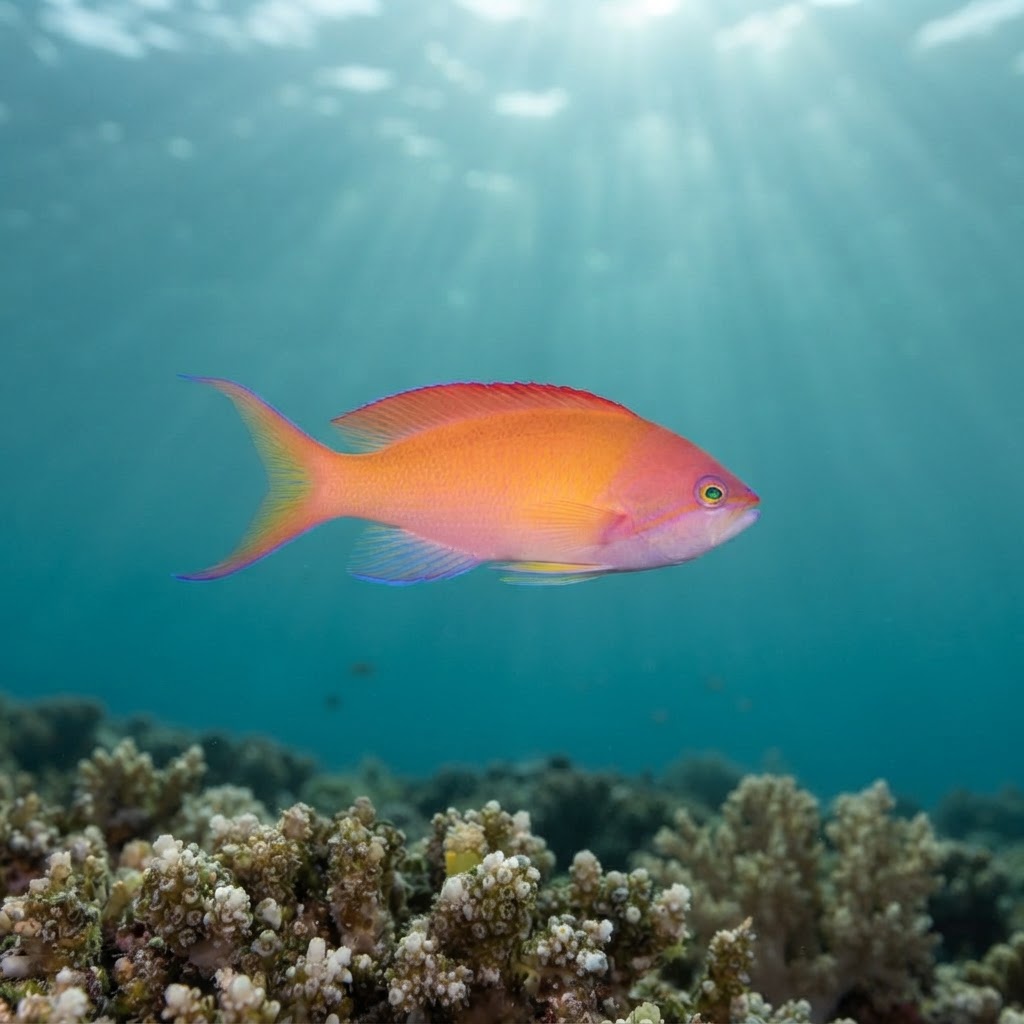
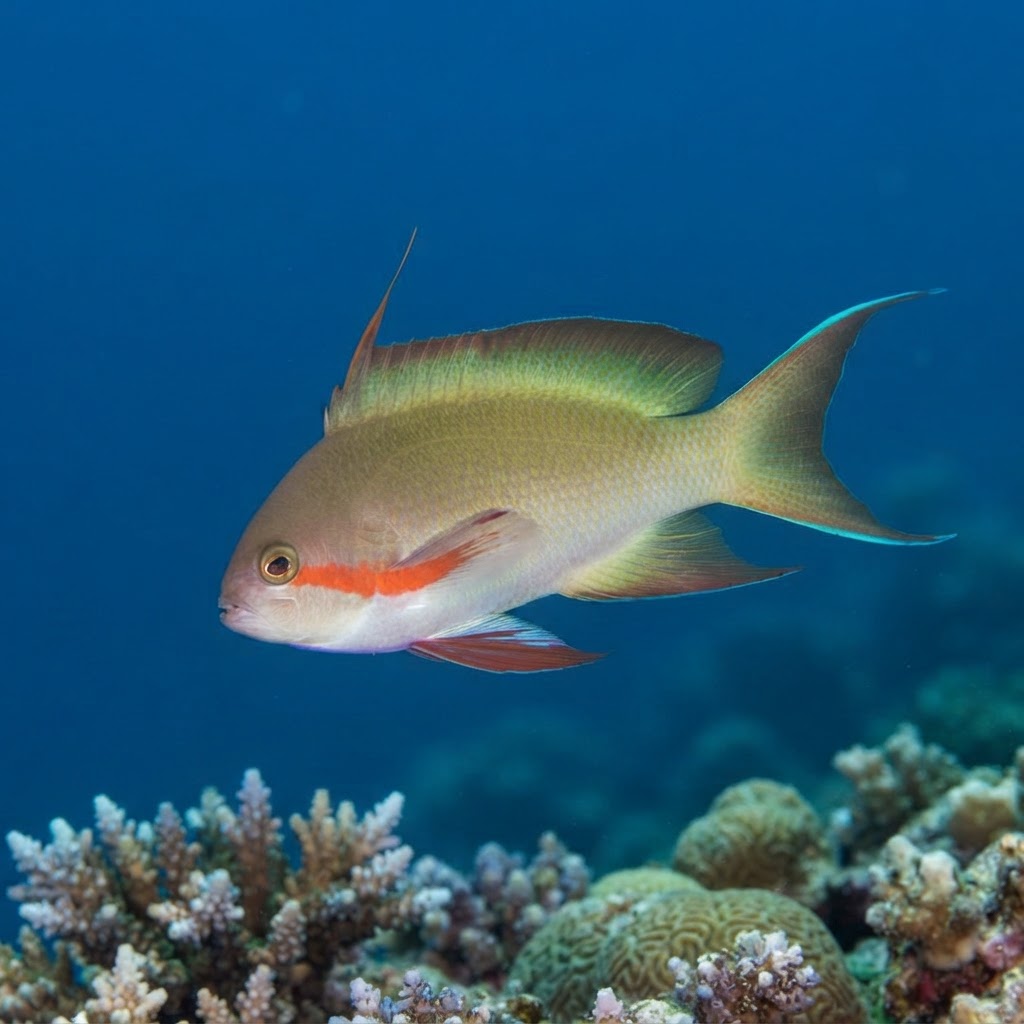
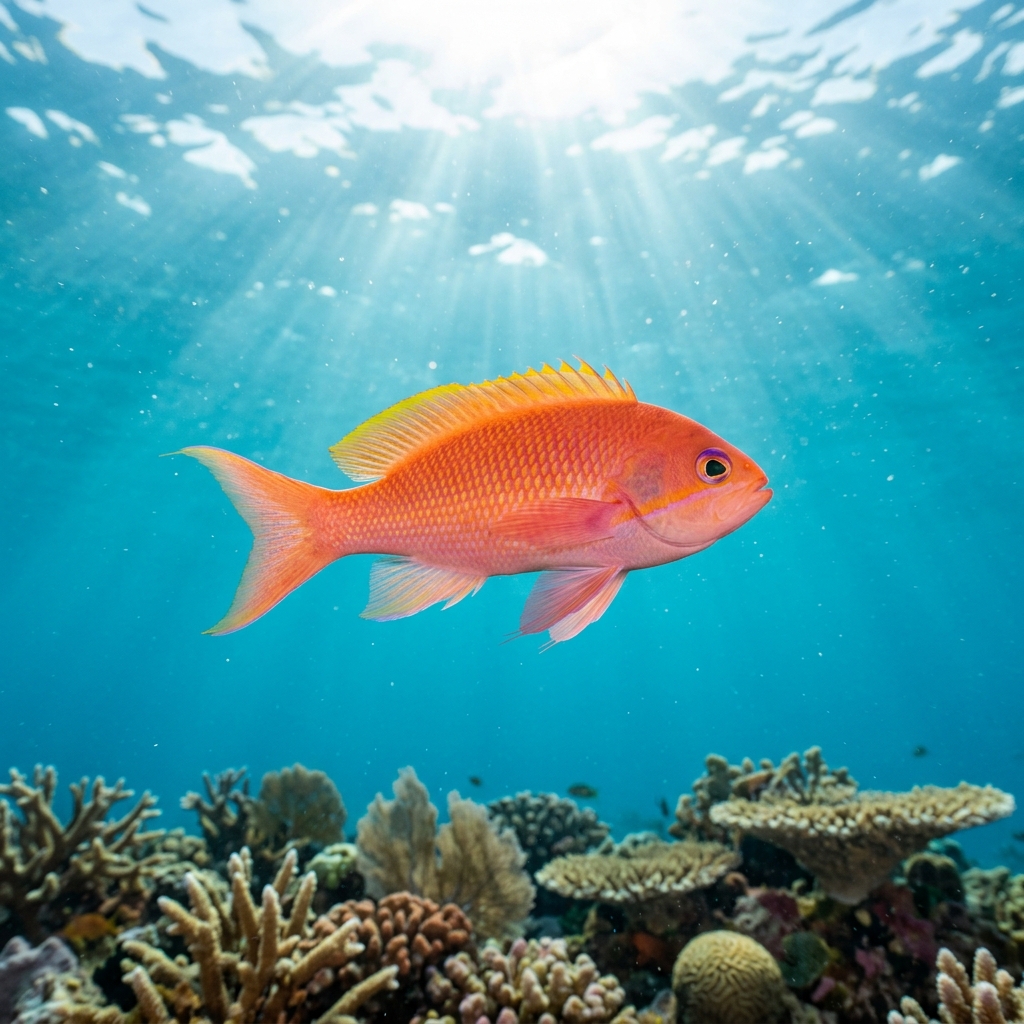
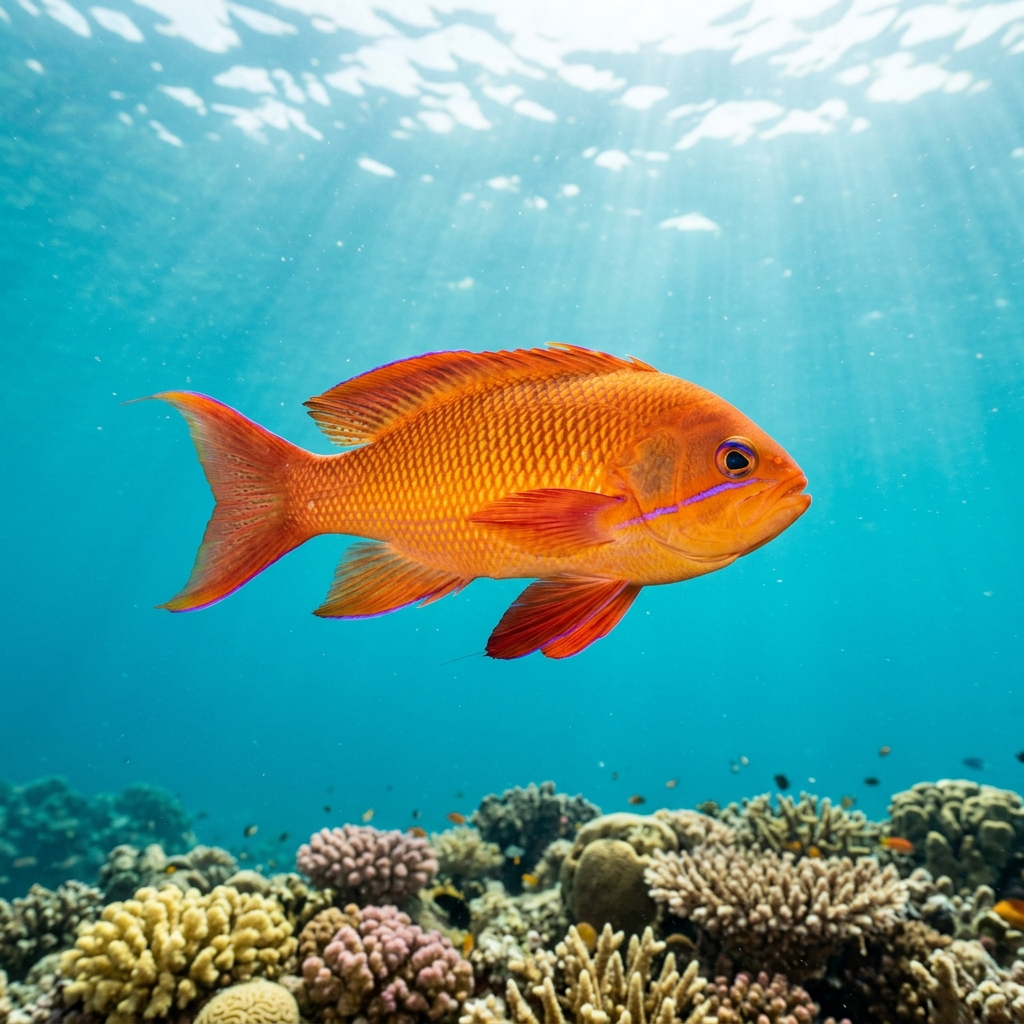
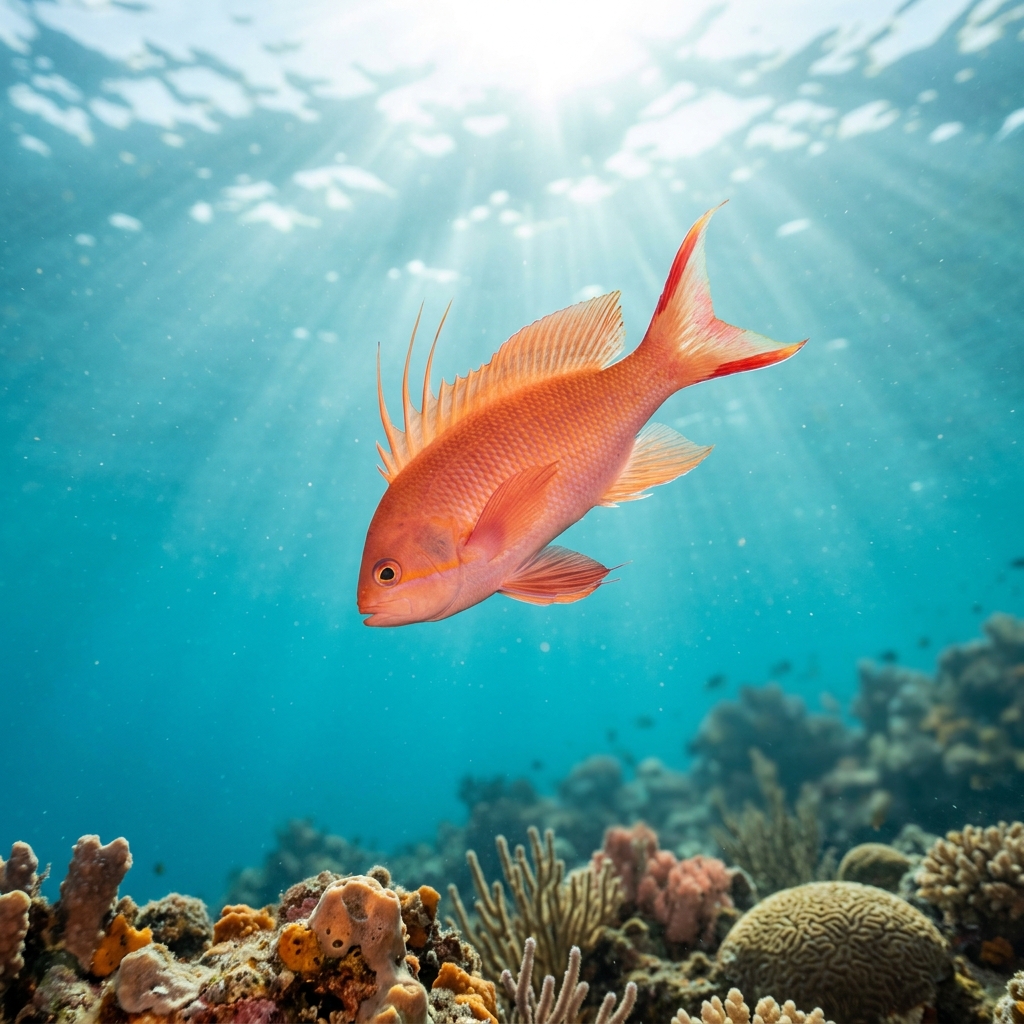
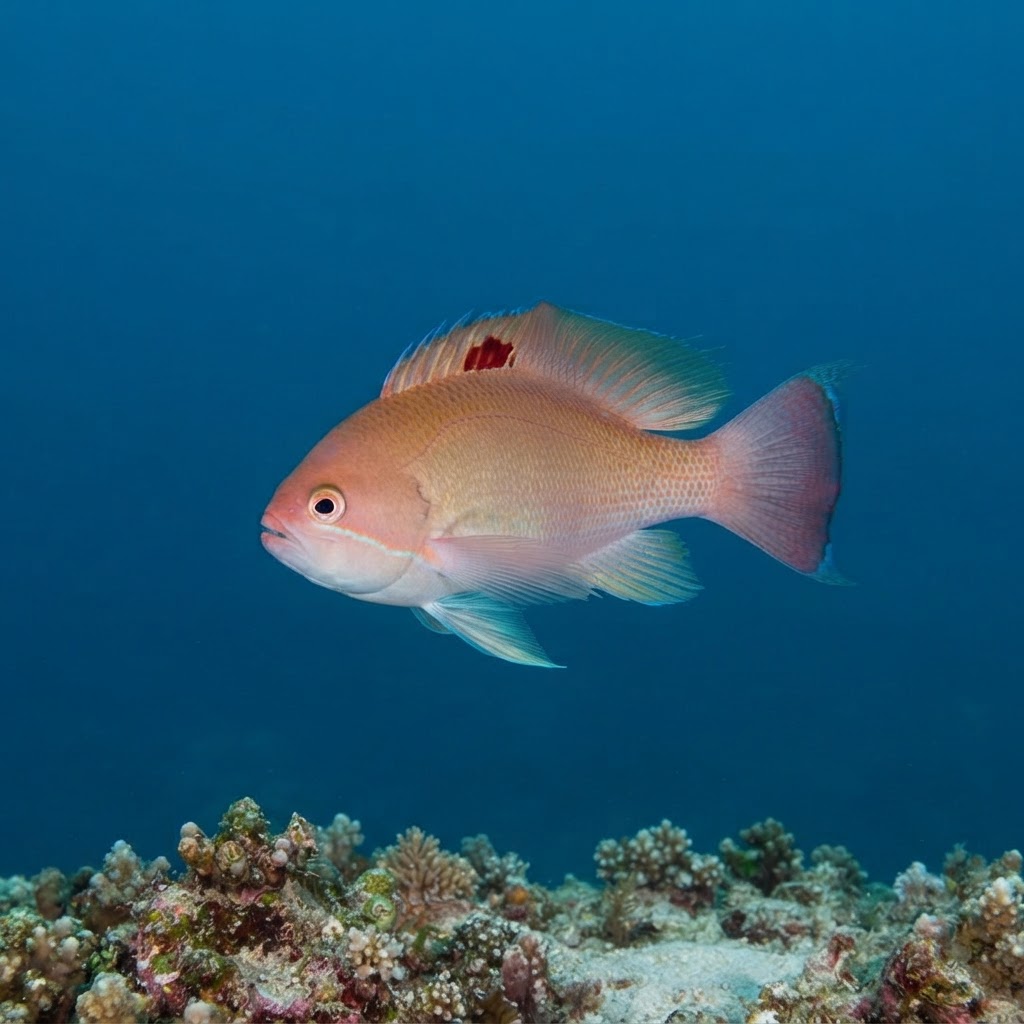
A short, deep-bodied anthias that looks stockier and less streamlined than most of its relatives, usually orange to pink with a paler belly. Adults reach about 13 cm, small enough to sit low in a group without dominating the water column above the reef. Look for the thickset profile and rounded snout rather than the elongated, tapering shape typical of other anthias, which is the easiest cue when visibility is average.
Divers usually find it hovering just off the reef structure in loose groups, picking plankton out of the water column rather than feeding directly off the substrate. It tends to hold station over rubble patches or reef edges between 6 and 50 metres and will dip back toward cover when a diver approaches too directly, so a slow, low approach gets you closer. Most sightings describe it as uncommon rather than schooling in the dense numbers typical of some other anthias species.
Like other anthias, it lives in social groups built around a dominant male, and if that male is lost a female in the group can change sex and colouration to take his place.
No clear seasonal pattern shows up in the sightings, and with a comfortable range of 24.6 to 29 C it stays active on tropical and subtropical reefs through the year. Plan around good visibility and calm currents at your chosen site rather than a particular month.
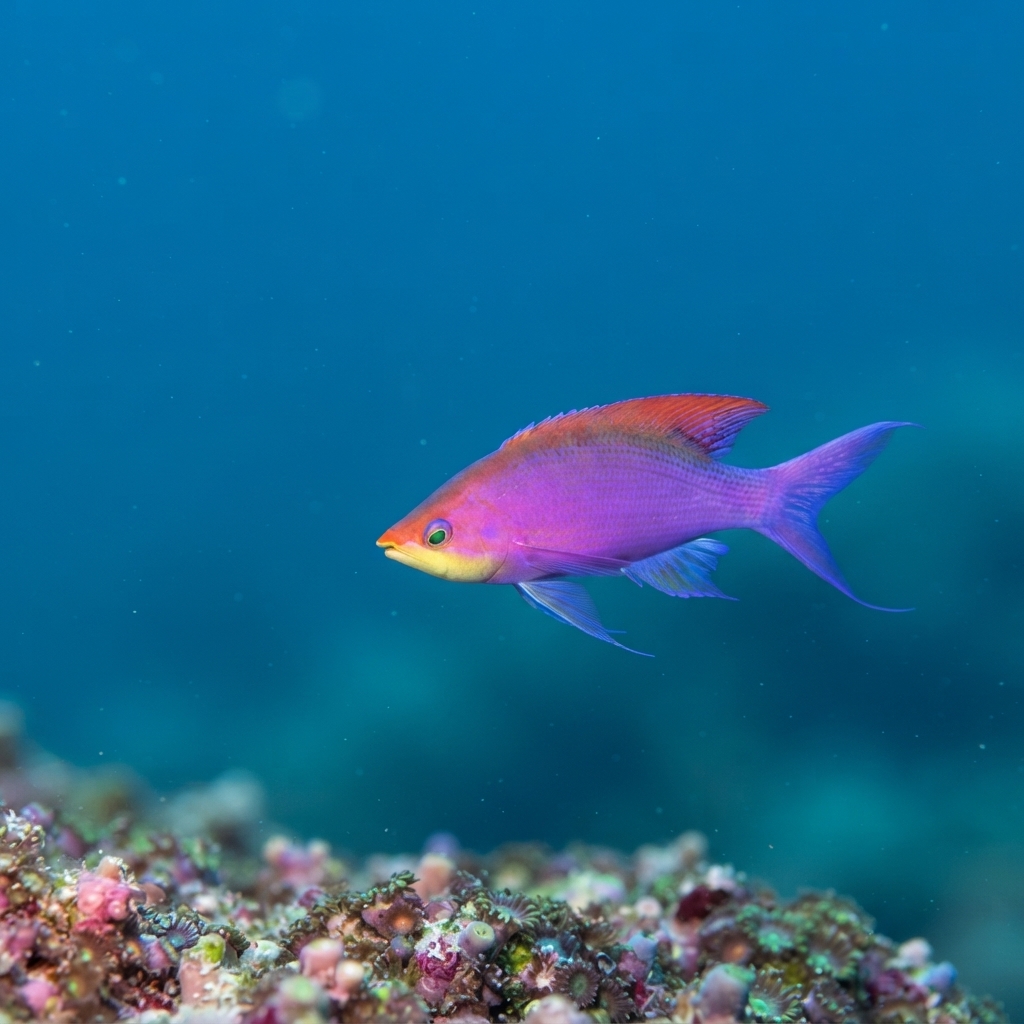
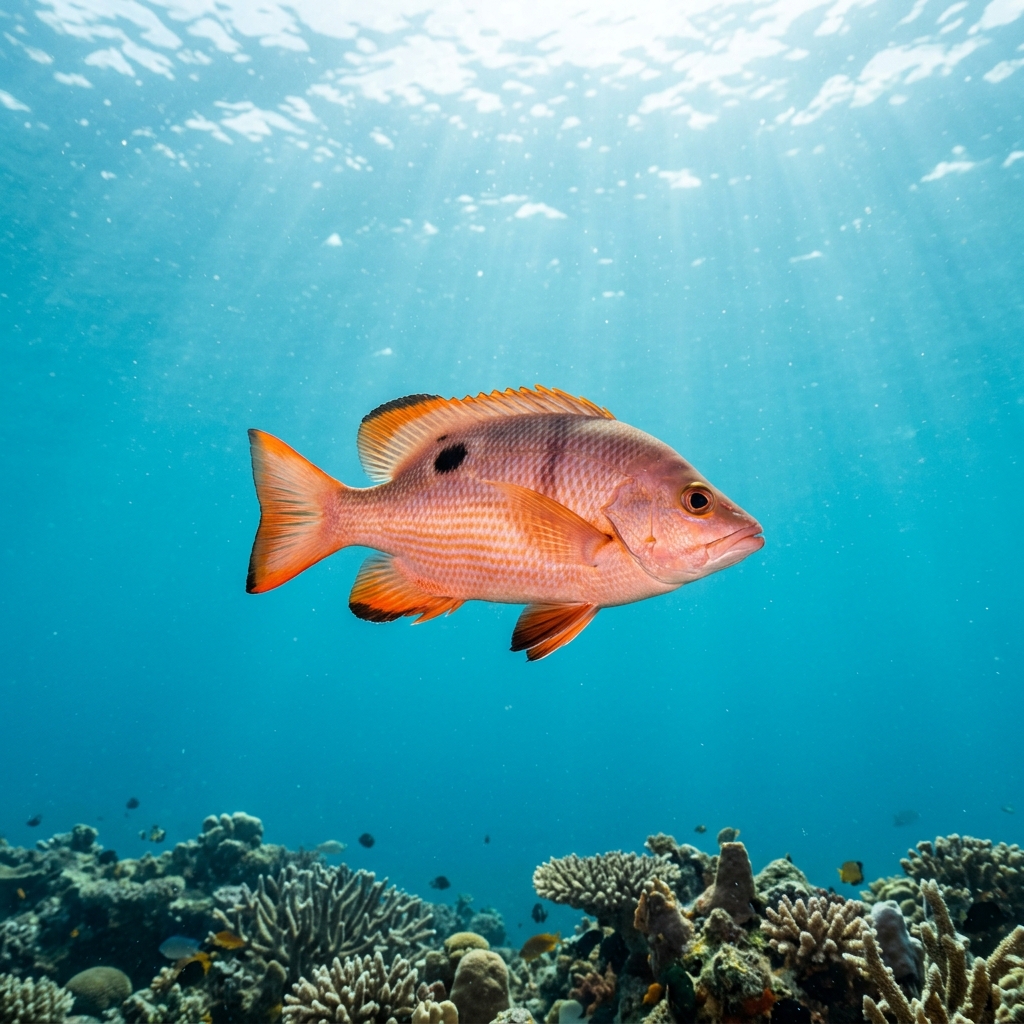
Reef neighbours a diver could mistake it for. Use the identification notes above to tell them apart.
Most reliably logged around Xiaoliuqiu in Taiwan, with additional sightings across Sulawesi in Indonesia, the Okinawa and Ryukyu Islands in Japan, and Nouméa in New Caledonia. It also turns up in Fiji's Lomaiviti region, though less frequently, making Taiwan and Indonesia the strongest bets for a planned encounter.
Mapping where Stocky Anthias is logged…
Xiaoliuqiu in Taiwan has the most consistent sightings, followed by Sulawesi in Indonesia, Okinawa in Japan, and Nouméa in New Caledonia. It has also been logged in Fiji's Lomaiviti region.
There's no strong seasonal pattern in the sightings, and it tolerates a wide temperature range of roughly 24.6 to 29 C, so it's present on reefs across the year rather than tied to one season.
Look for a small orange to pink reef fish with an unusually stout, deep body compared to other anthias. It's typically seen alone or in small loose groups hovering just off the reef rather than in dense schools.
They top out at around 13 cm, making them one of the smaller reef fish you'll spot on a dive, easy to overlook against a busy reef backdrop.
No. They pose no threat to divers and simply move away from close approaches rather than showing any defensive behaviour.
Like many anthias, groups are led by a single dominant male, and if he disappears a female can switch sex and colour pattern to take over that role.
Site and sighting data is aggregated from diver logs, iNaturalist and GBIF. For taxonomy and conservation status:
Red-cheeked Anthias
425 sites