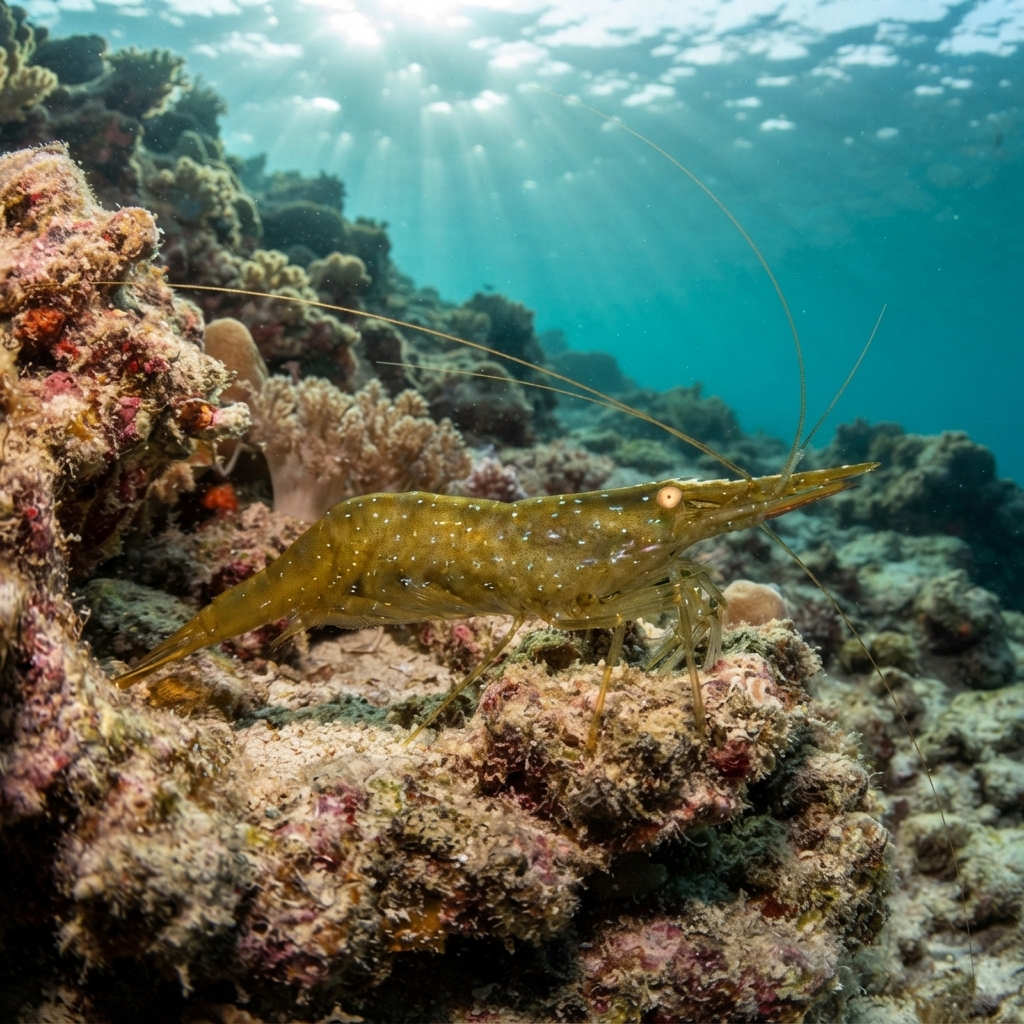
Heptacarpus stylus
A rare cold-water find in British Columbia and the Pacific Northwest, seen in waters as cold as 6.8 to 12.8C.
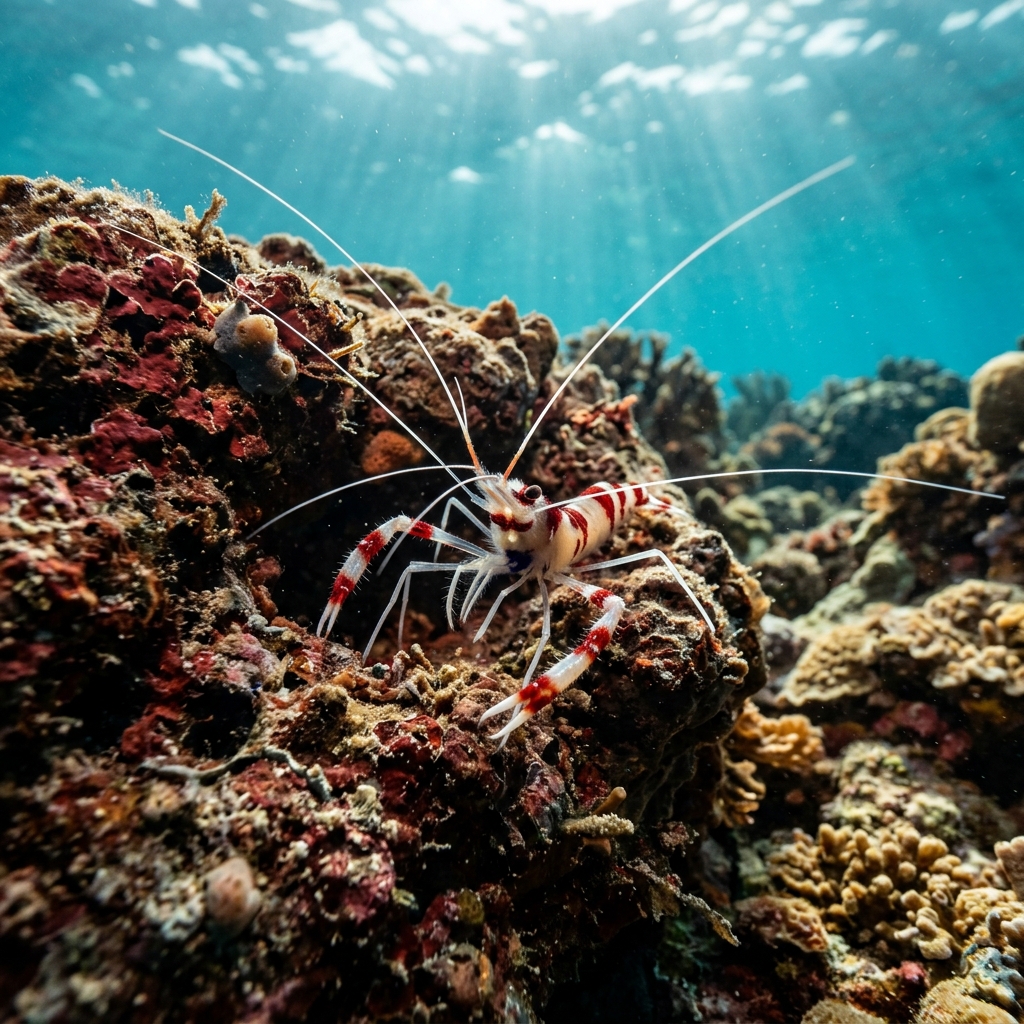
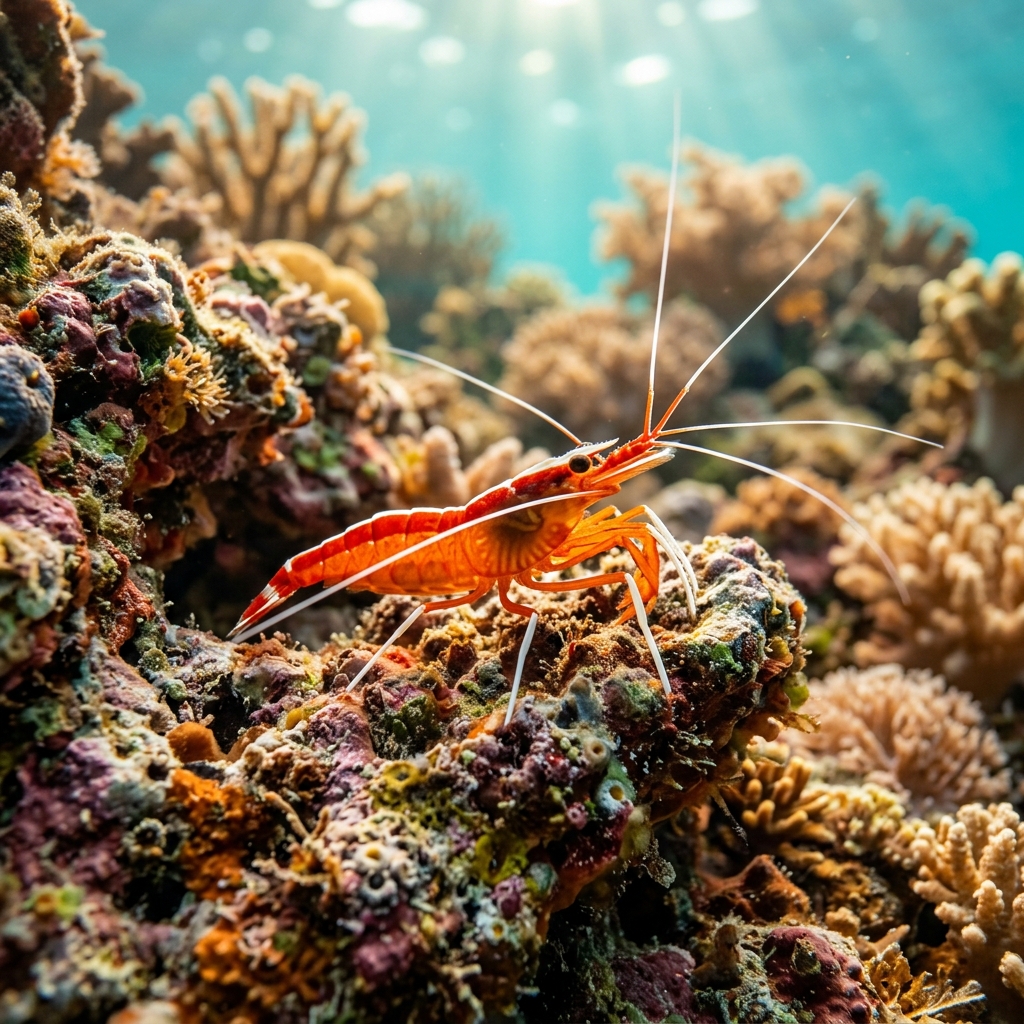
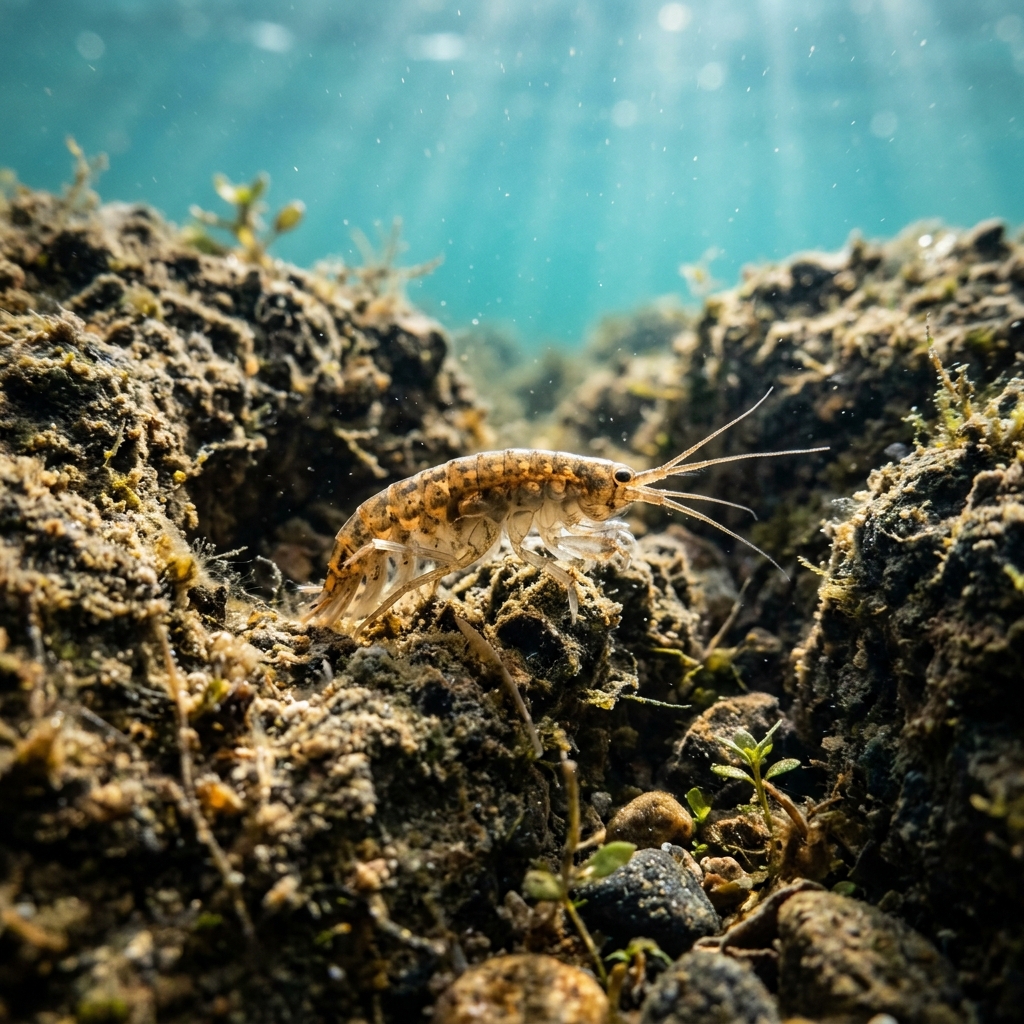
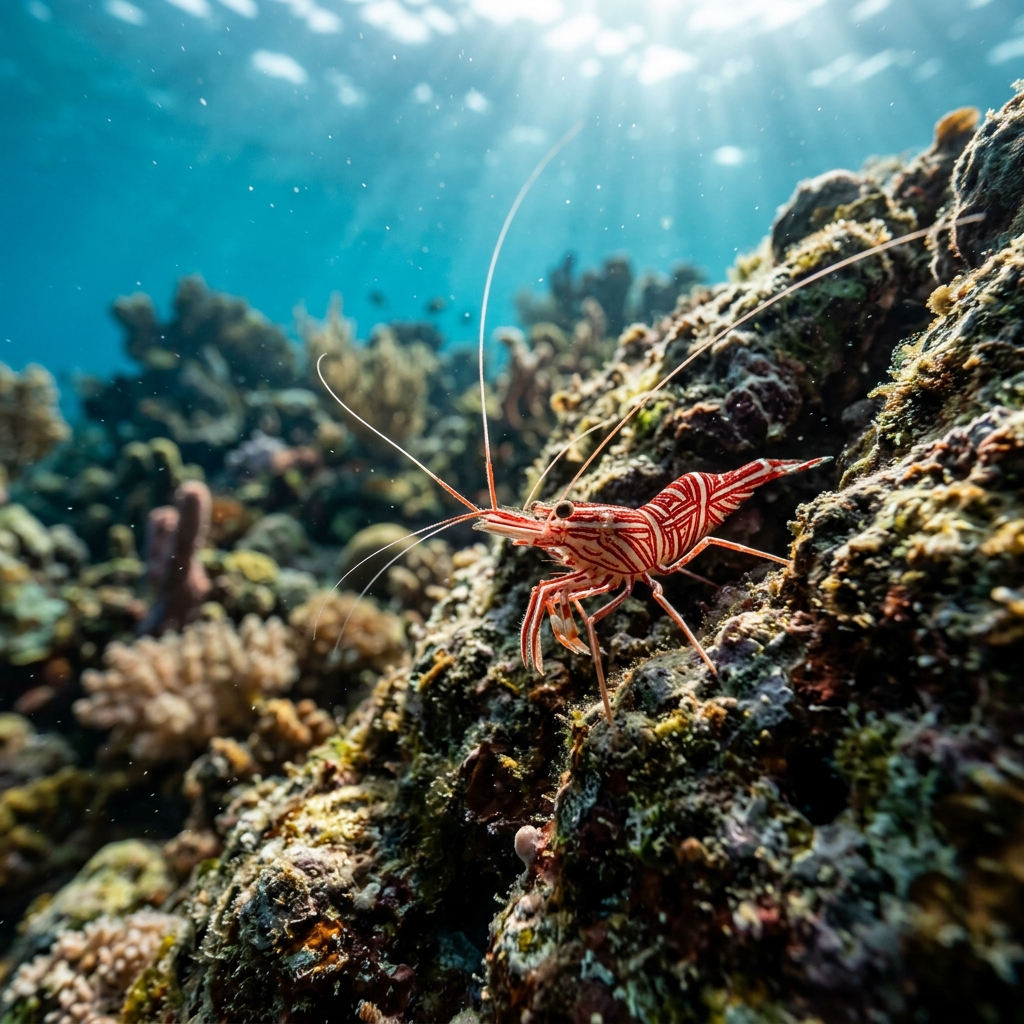
A small, slender shrimp with a long, sharply pointed rostrum (the spike-like extension between the eyes) that gives it its name. Body is typically translucent to pale, letting it blend into rocky reef and kelp-holdfast habitat rather than stand out with bold colour. Look closely along cracks and crevices on cold-water reefs, as its size and see-through build make it easy to swim straight past.
Divers typically find this one tucked into rocky crevices or among cold-water invertebrate growth, staying still and relying on its translucent body to avoid notice. It is logged as rare to uncommon at the sites where it does appear, so most sightings come from divers deliberately scanning rock faces with a torch rather than spotting it in open view. It shows no known aggressive or bold response to divers, consistent with a small, camouflage-reliant shrimp.
Its long rostrum and slim profile are shared traits across the Heptacarpus genus, a group of small shrimp that make up a quiet but common part of the cold-water reef community along the northeast Pacific coast, even though individual species like this one are only occasionally logged by divers.
Sightings show no detected seasonal pattern, and with a temperature niche of 6.8 to 12.8C matching the cold water of the Pacific Northwest and British Columbia year-round, it can turn up on any dive in that range.
This is a cold-water species with its strongest logged presence in British Columbia, Canada, and additional sightings across the Pacific Northwest and Alaska in the United States. Divers have reported it at a small number of specific sites, so it is worth treating as a targeted find rather than a guaranteed spot on any given dive in these regions.
Mapping where Stiletto Shrimp is logged…
Most logged sightings come from British Columbia in Canada, with further records from the Pacific Northwest and Alaska in the United States. It is a cold-water species tied to rocky reef habitat in these regions.
There is no clear season in the data, and since it favours cold water between roughly 6.8 and 12.8C, which is typical year-round in British Columbia and the Pacific Northwest, it can potentially be seen on any dive in that temperature range.
Look for a small, mostly translucent shrimp with a long, pointed rostrum projecting forward from its head. It tends to sit still in rocky crevices, so a slow, close look with a torch is often needed to spot it.
No, they pose no danger to divers. They are small, non-aggressive crustaceans that keep to rocky crevices and cause no harm if approached.
Sightings are logged as rare at most sites where it has been recorded, with a few sites reporting it as uncommon. It is best treated as a special find rather than an expected sighting on a typical dive.
Site and sighting data is aggregated from diver logs, iNaturalist and GBIF. For taxonomy and conservation status:
Rockpool Prawn
2,179 sites