Minytrema melanops
Bottom-feeding freshwater fish logged in Florida springs at 20-26°C, uncommon but seen year-round by cave and spring divers.
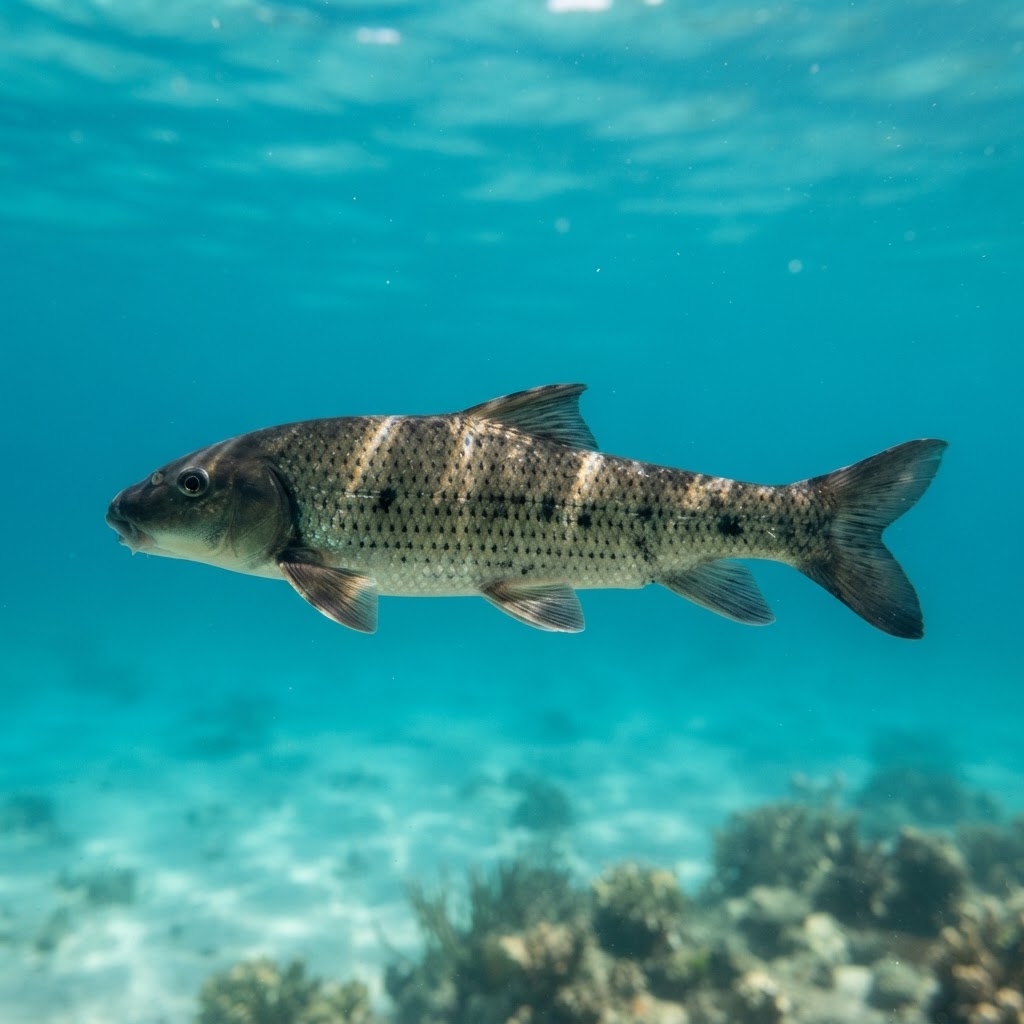
Grows to around 35 cm, with a slim, torpedo-shaped body and a distinctly downturned, sucker-like mouth built for grubbing along the bottom. Each scale carries a dark crescent-shaped spot, giving the flanks a stippled, checkerboard look that is the main giveaway underwater. Colouration runs olive to bronze on the back, fading to a paler belly, with no bold fins or bright patches to distract from that spotted pattern.
Look for it hovering low over sand or silt, tipping nose-down to root around the bottom for food rather than swimming in open water. It tends to hold its distance from divers, drifting off unhurried rather than bolting, and is usually spotted alone or loosely associating with other bottom-feeders rather than in tight schools.
That downturned mouth is a dedicated bottom-vacuum: it sucks up sediment and sifts out small invertebrates and organic matter, a feeding style shared across the whole sucker family (Catostomidae).
Sighting data shows no clear seasonal pattern, and with a comfortable range of 20.4 to 26.4°C, Florida's spring systems stay within that window year-round, so any month is fair game.
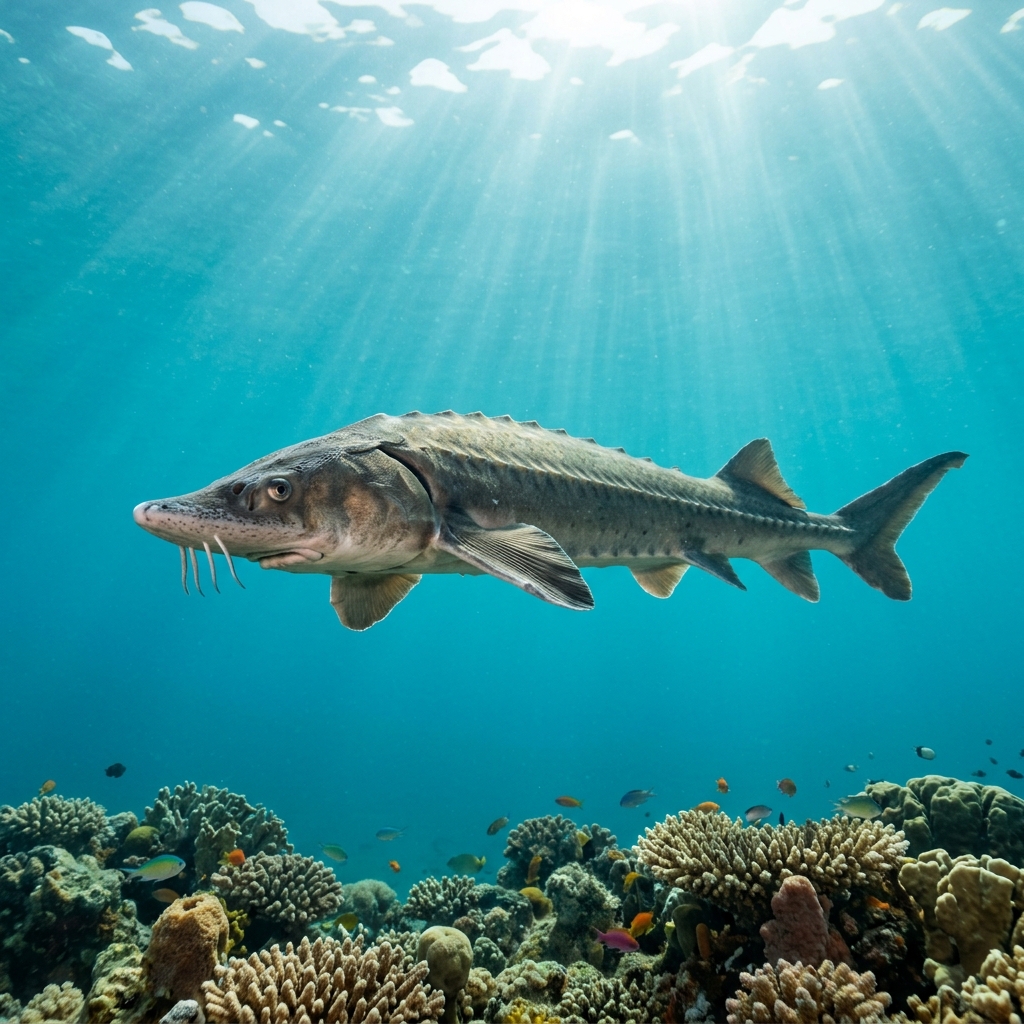
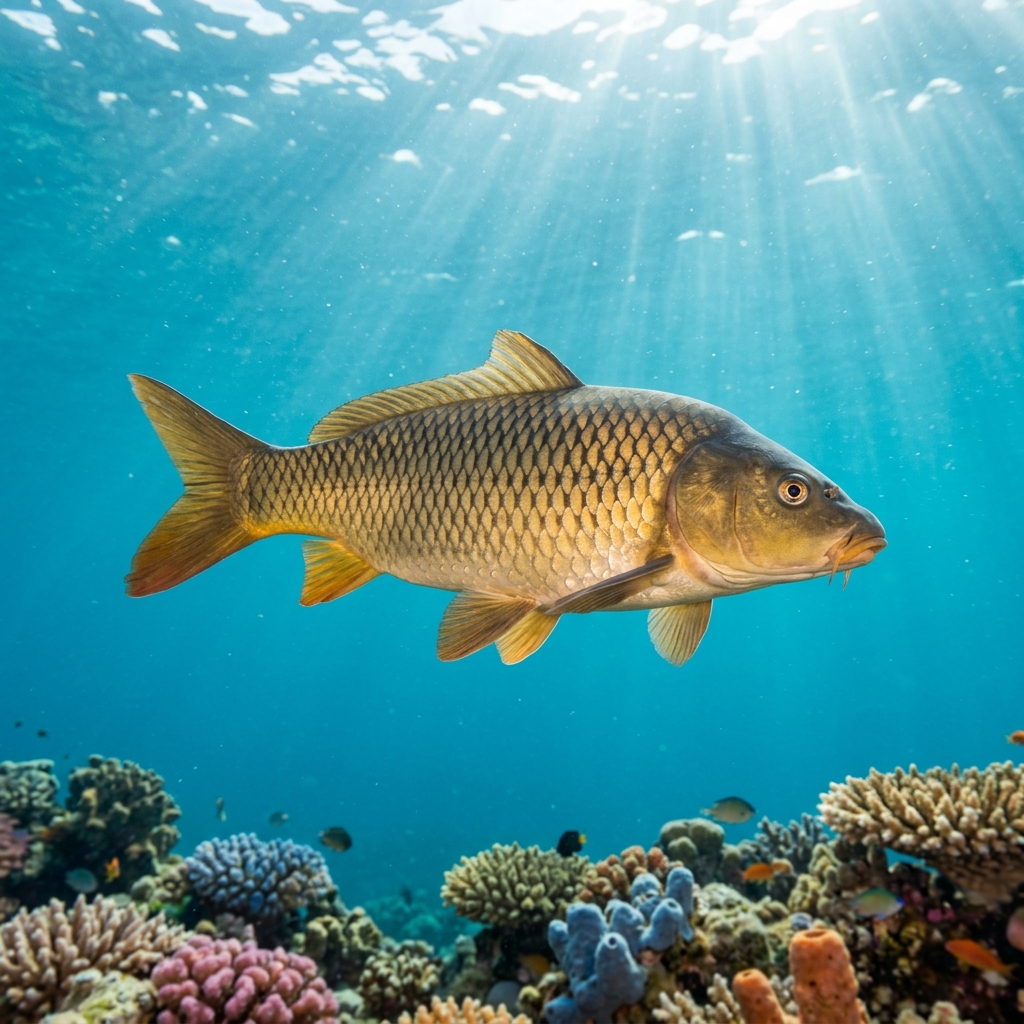
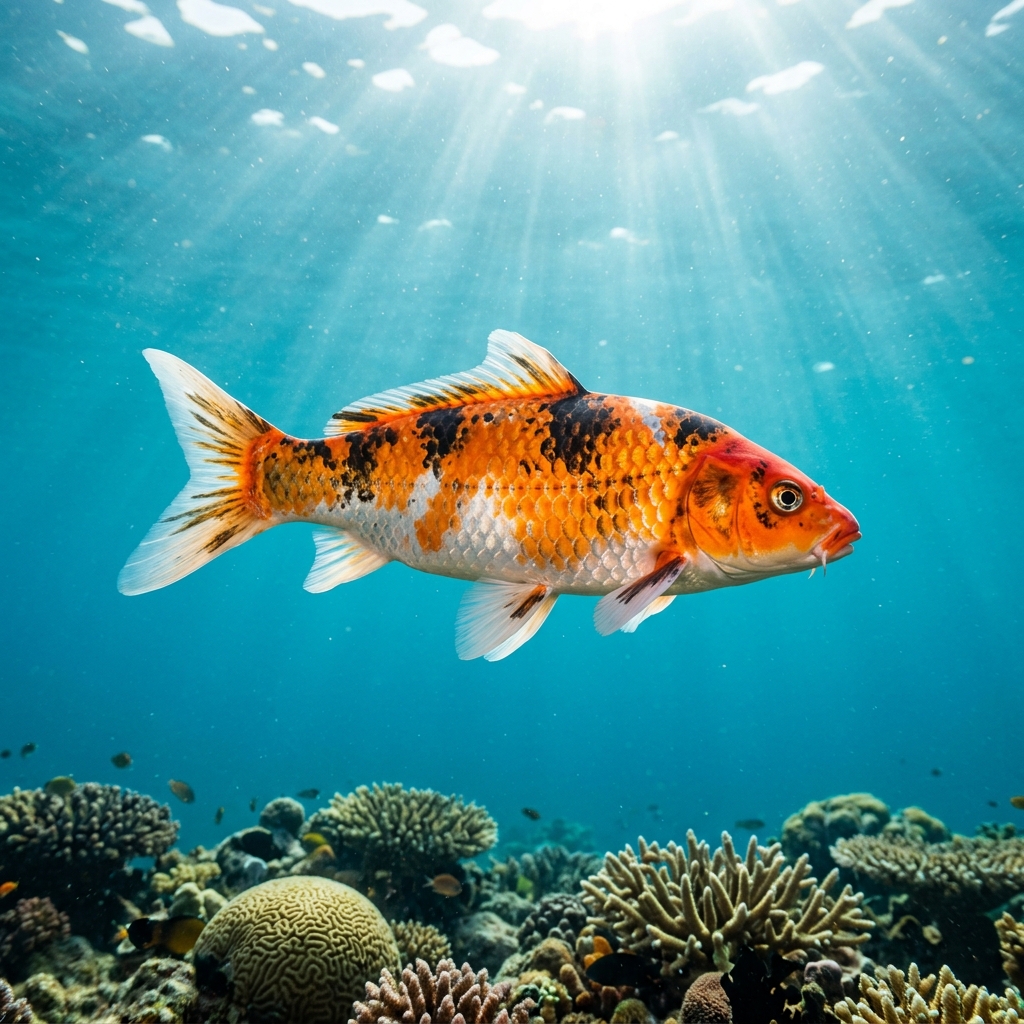
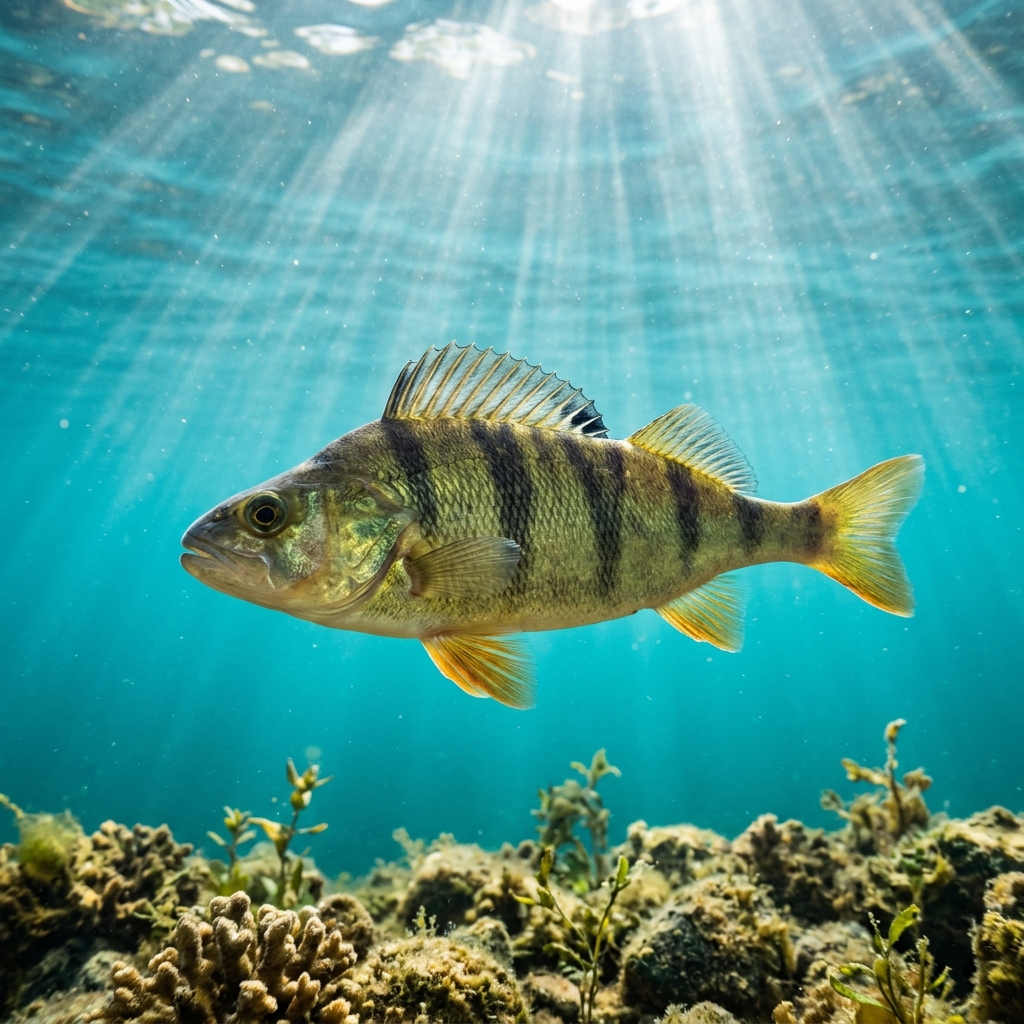
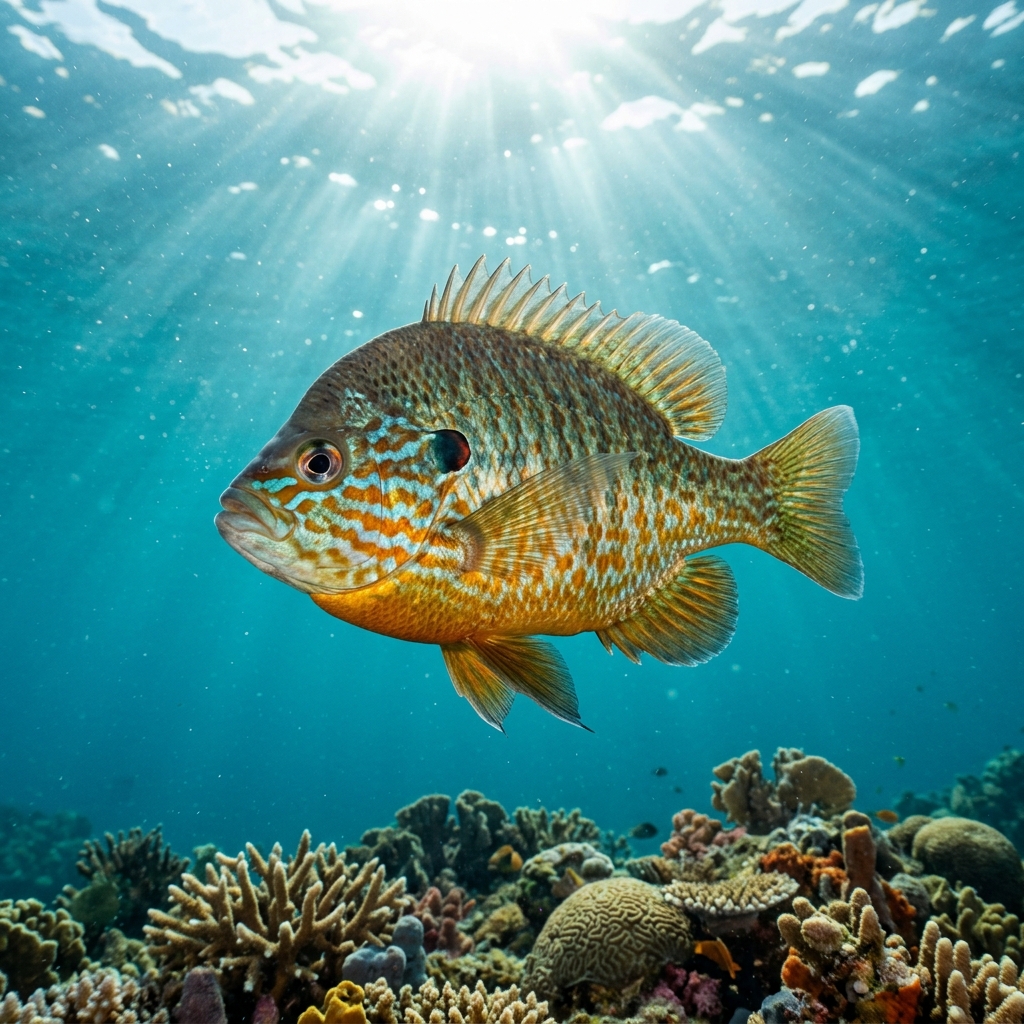
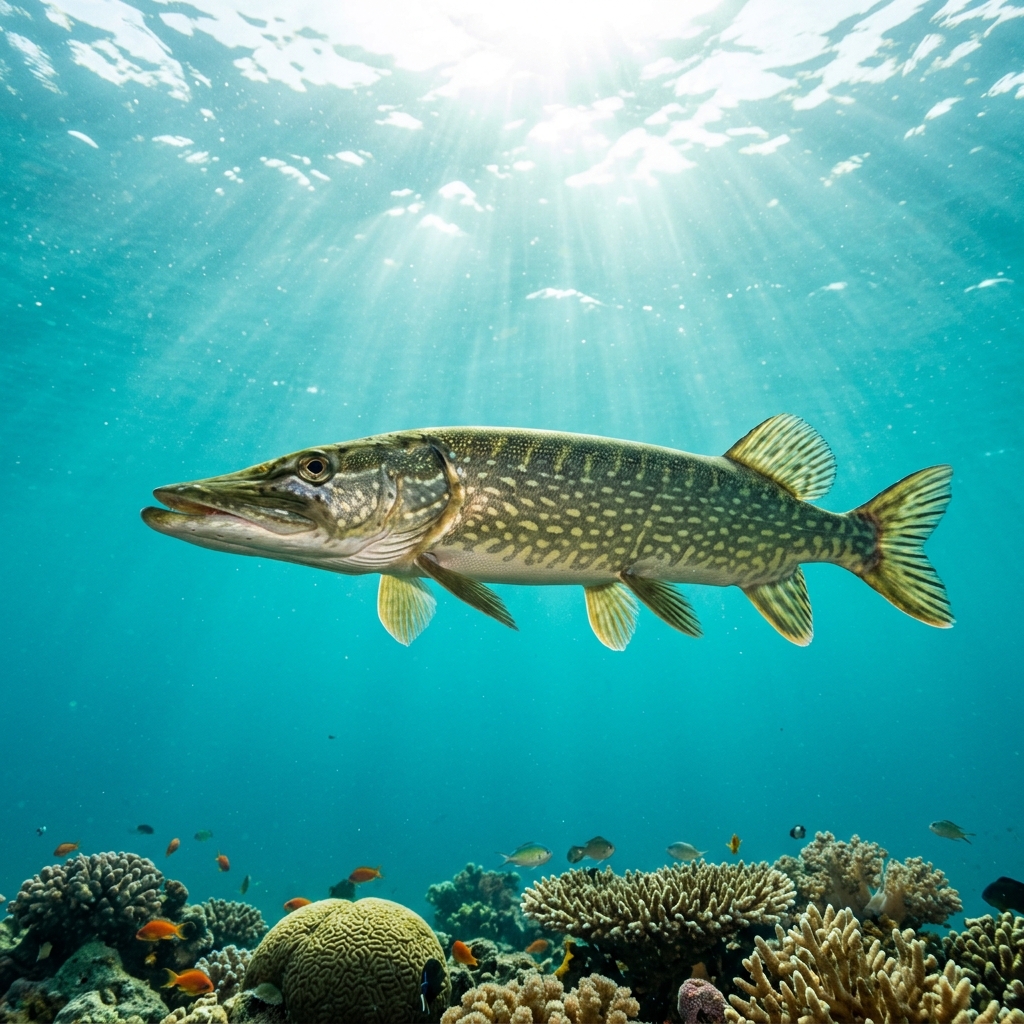
Reef neighbours a diver could mistake it for. Use the identification notes above to tell them apart.
All logged sightings come from Florida, in the United States, making it the only real region to plan around if you want to find one. Clear freshwater springs and spring-fed rivers in Florida are where divers have actually recorded this species.
Mapping where Spotted Sucker is logged…
Florida is the only confirmed region, with sightings coming from its freshwater springs and spring-fed rivers. It has not been logged by divers elsewhere.
There is no detected seasonal pattern, and Florida's springs stay within its comfortable 20.4 to 26.4°C range all year, so sightings are possible in any month.
Look for a slender olive-to-bronze body around 35 cm long with a downturned, sucker-shaped mouth for feeding on the bottom. The clearest ID mark is the dark crescent spot on each scale, giving a stippled pattern along the flanks.
They typically reach about 35 cm in length, a modest freshwater fish rather than anything imposing in the water.
No, they are not dangerous. They keep their distance and simply move away if a diver approaches, posing no threat at all.
Its whole feeding strategy revolves around that downturned mouth, used to vacuum sediment off the bottom and sift out small invertebrates, a trait shared across the wider sucker family.
Site and sighting data is aggregated from diver logs, iNaturalist and GBIF. For taxonomy and conservation status:
Sun Perch
2,182 sites