Canthigaster punctatissima
A tiny reef puffer common in Baja California and Guanacaste, Costa Rica, seen year-round in warm 24-29C water.
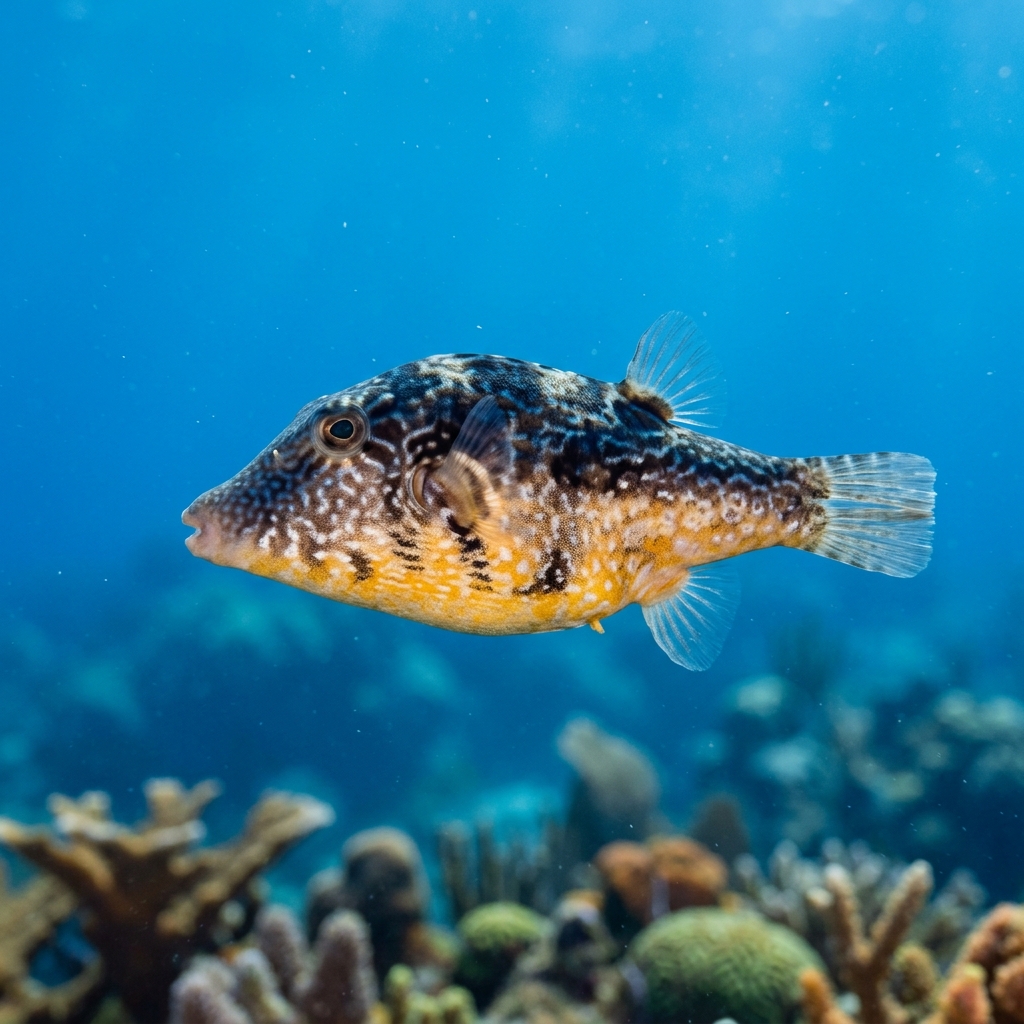
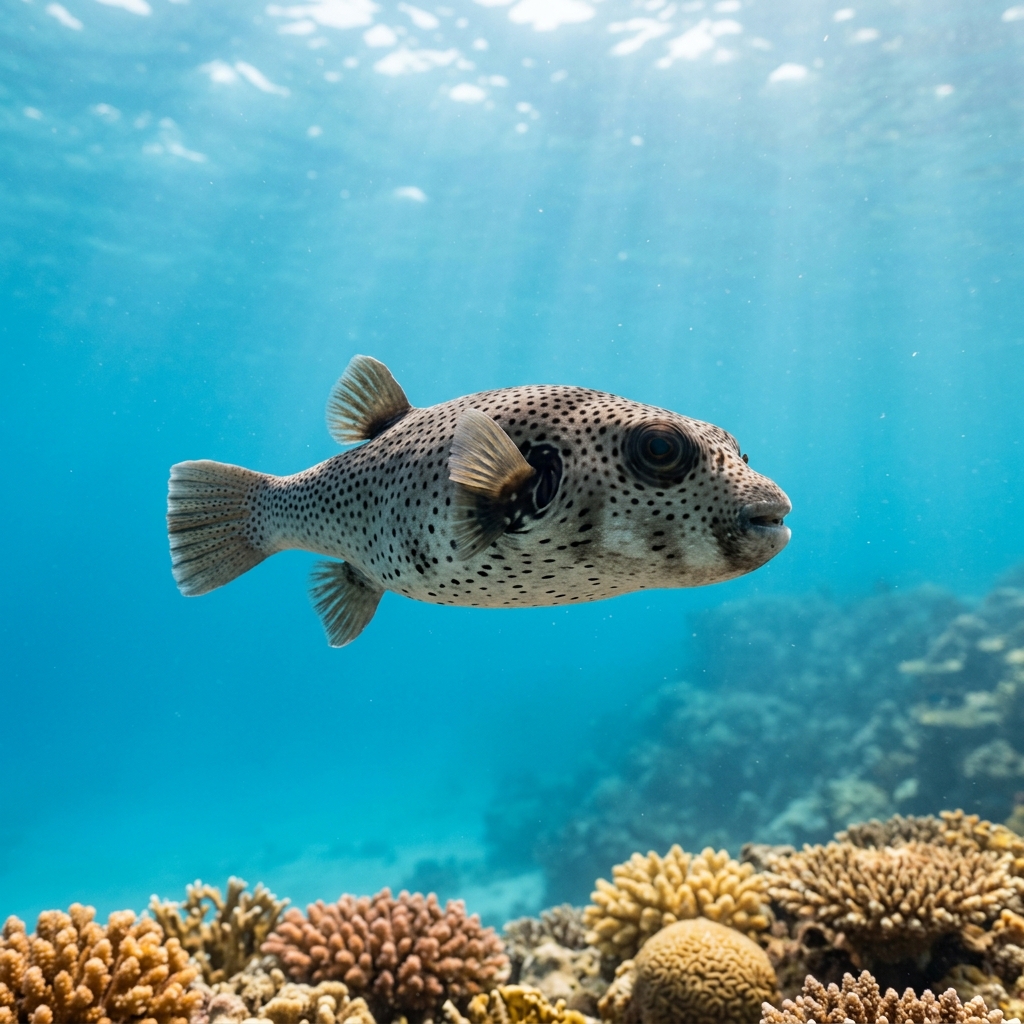
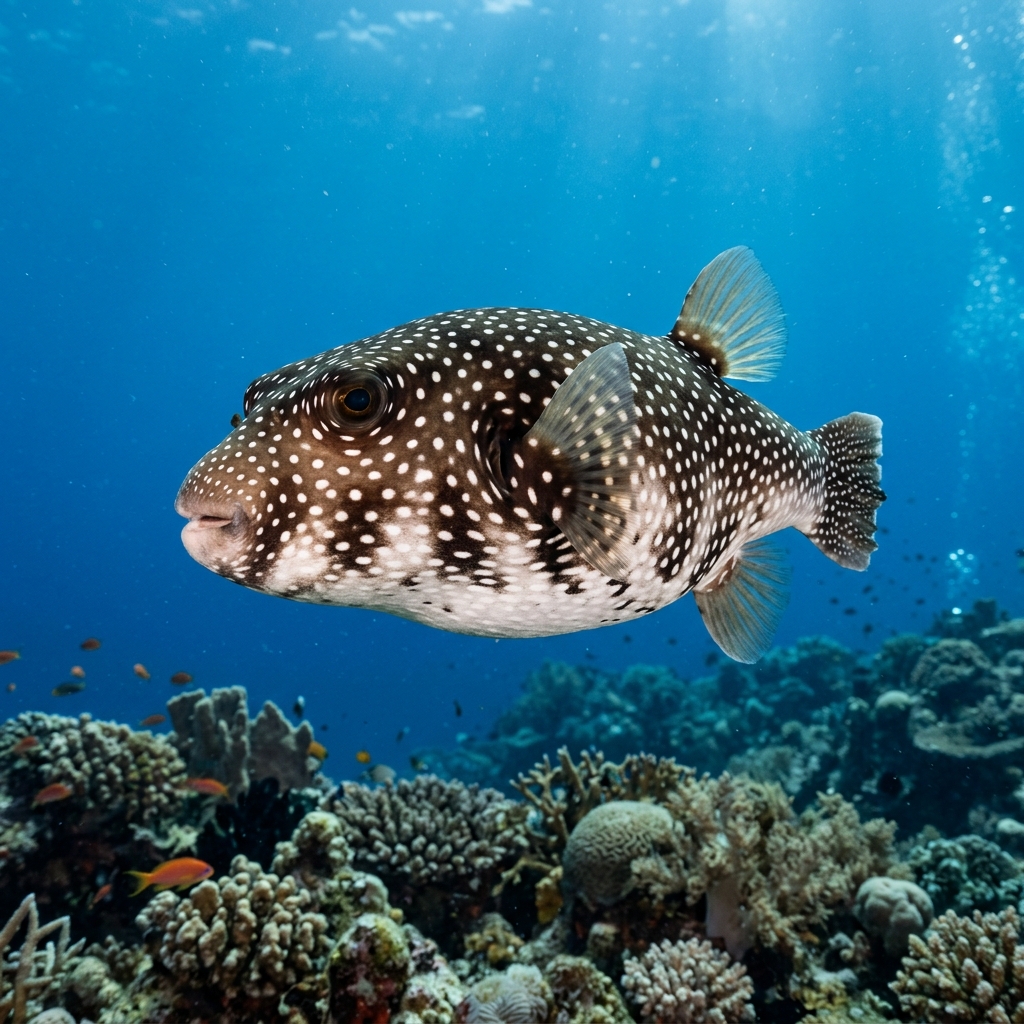
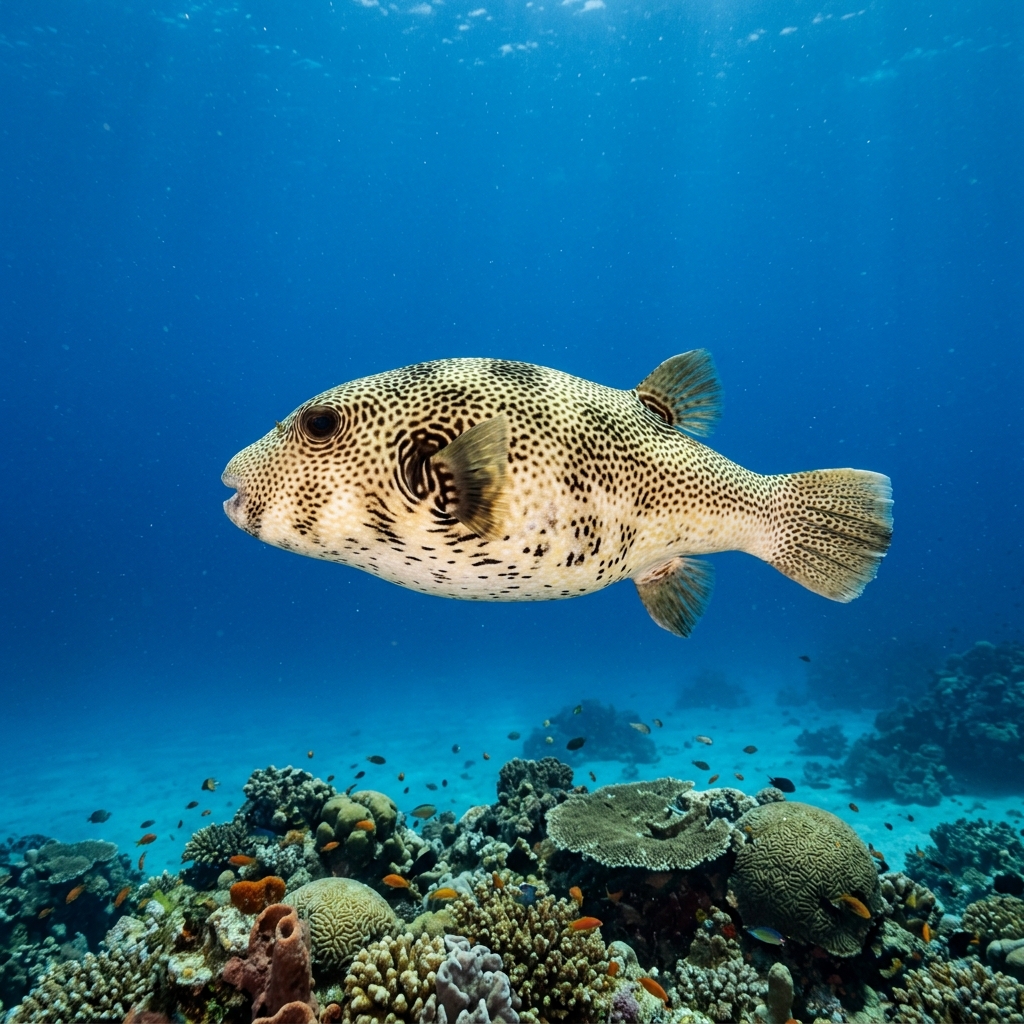
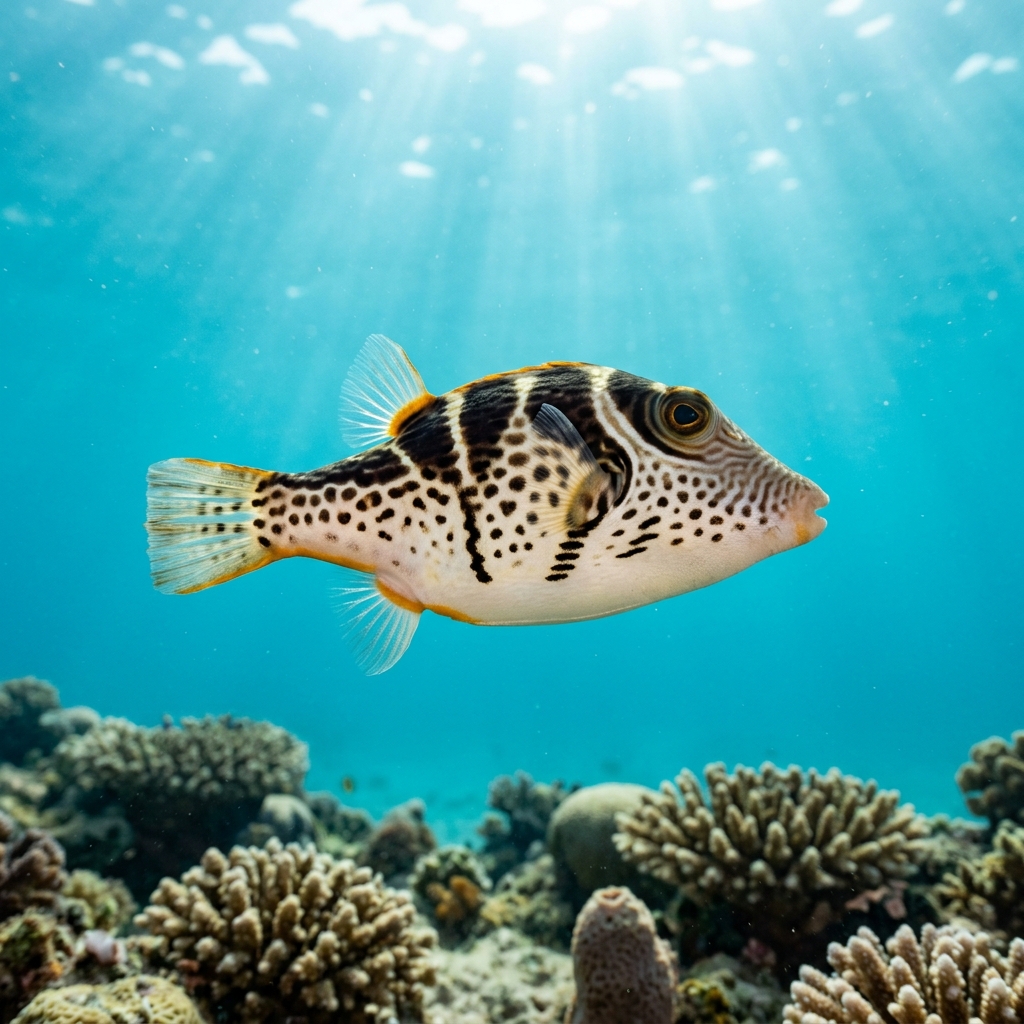
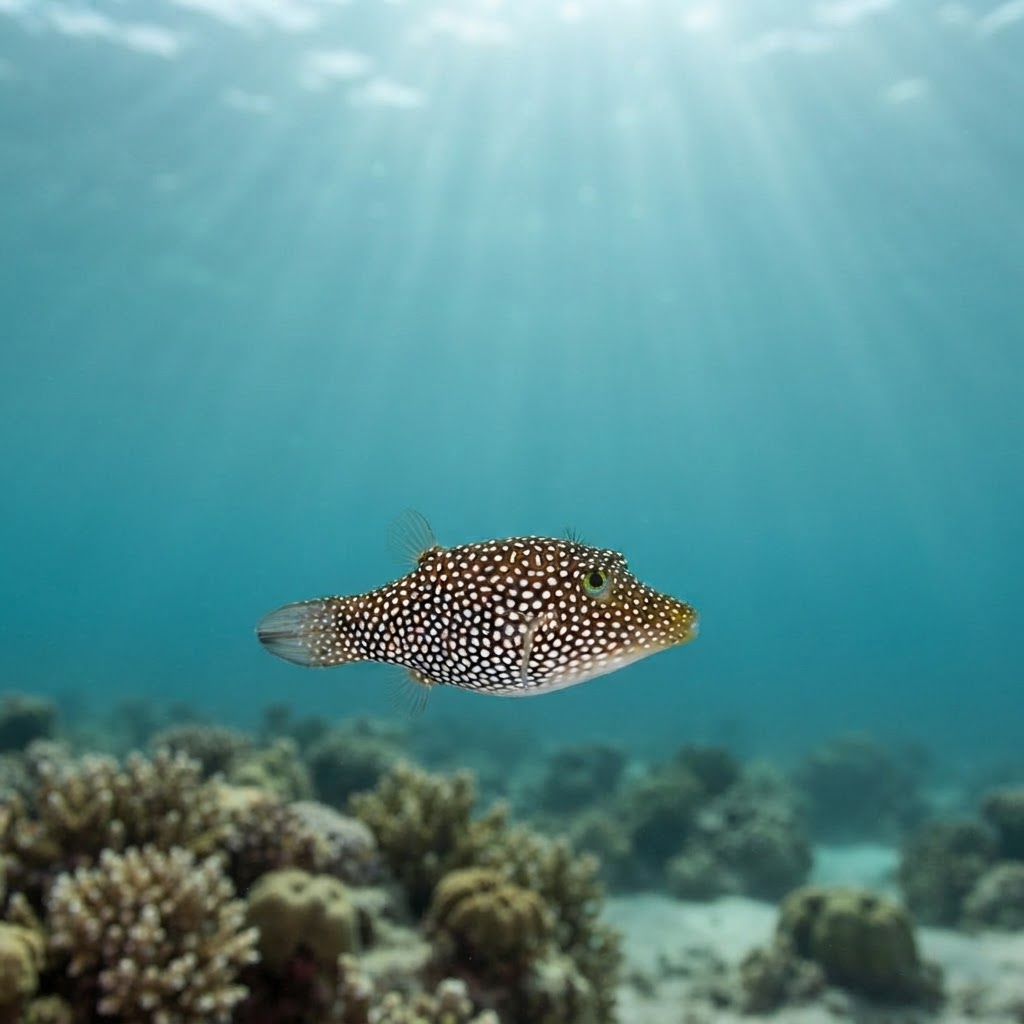
A small, tapered-body pufferfish topping out around 6 cm, so it often gets overlooked against rock or coral. The upper body is densely covered in fine dark spots that fade to a plain pale belly, and the snout is pointed with that classic sharpnose puffer profile. Look for the sharp colour break between the speckled back and the clean underside, that contrast is the quickest tell at a glance.
Divers usually spot this puffer picking around low reef structure and rocky rubble, moving in short unhurried bursts rather than cruising open water. It's not shy exactly, but it tends to keep some distance and duck into crevices if you close in too fast. Most logs describe it as an uncommon but steady find rather than something schooling or clustering, so it's usually a one-at-a-time sighting on a scan of the reef base.
Like other sharpnose puffers, it can inflate by gulping water when threatened, a last-resort trick that makes it harder for a predator to swallow rather than something it does for divers.
No clear seasonal pattern shows up in the data, and with a comfort range of roughly 24 to 29 C it's active on these Pacific reefs year-round. Plan around general dive conditions in Baja, Guanacaste or the Galápagos rather than chasing a particular month.
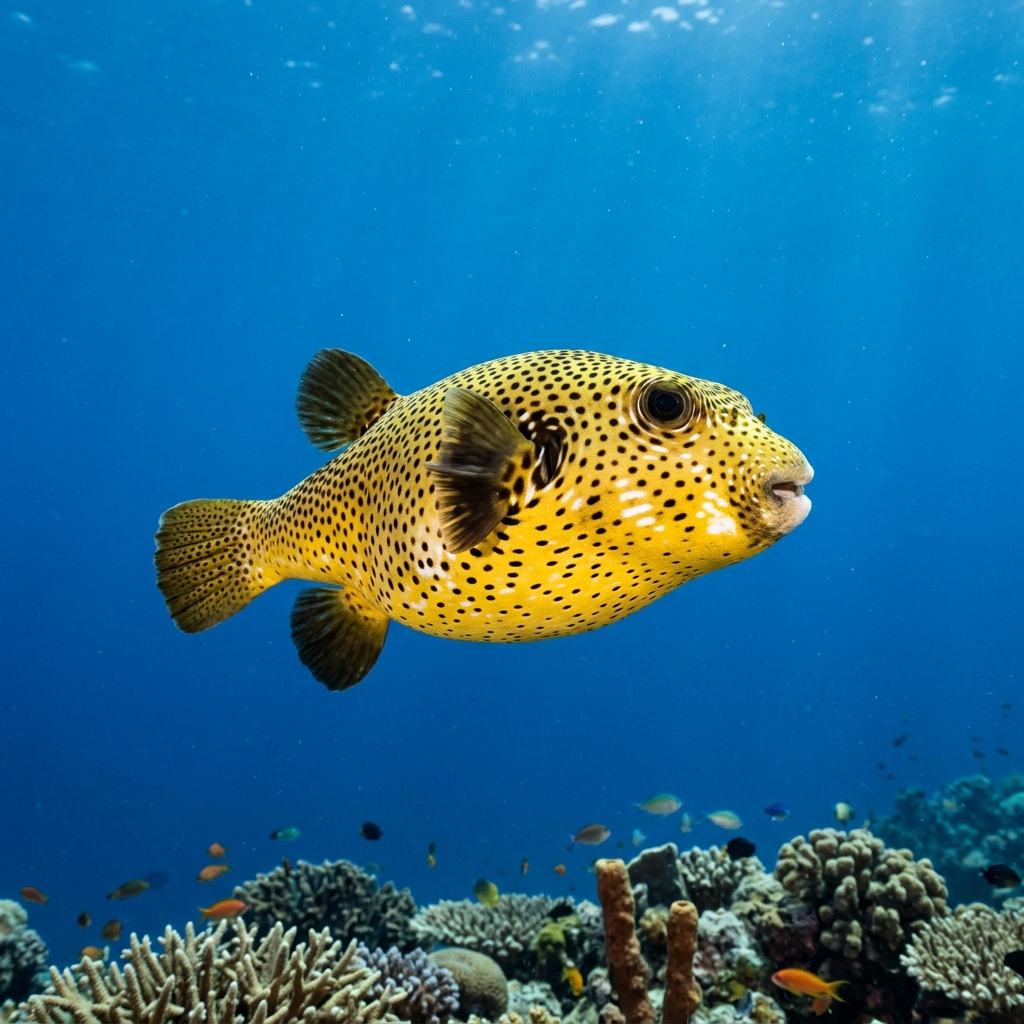
Reef neighbours a diver could mistake it for. Use the identification notes above to tell them apart.
This one turns up most reliably along Mexico's Pacific side, especially Baja California, and in Costa Rica's Guanacaste region, with both countries logging the bulk of sightings. It's also a steady find in Ecuador's Galápagos Islands and along Panama's Pacific Coast, with smaller pockets around Costa Rica's South Pacific and Cocos Island.
Mapping where Spotted Sharpnose Puffer is logged…
Best odds are along Mexico's Baja California and Pacific Coast, and in Costa Rica's Guanacaste region. It also shows up reliably in Ecuador's Galápagos Islands and Panama's Pacific Coast.
There's no strong seasonal signal in the sighting data, and its temperature range of about 24 to 29 C covers these reefs year-round, so any time you're diving Baja, Guanacaste or the Galápagos is fair game.
Look for a small puffer, around 6 cm, with a densely speckled dark back that cuts sharply to a plain pale belly, plus the pointed sharpnose profile typical of the genus.
They stay small, typically around 6 cm as adults, so they're easy to miss against busy reef terrain.
No, they're not considered dangerous to divers. They're small, keep some distance, and pose no real threat beyond typical pufferfish toxins if handled or eaten, which divers should never do.
Site and sighting data is aggregated from diver logs, iNaturalist and GBIF. For taxonomy and conservation status:
Valentini Pufferfish
2,830 sites