Ptereleotris heteroptera
Hovering pairs over Maldives reef slopes at 24 to 29 C, year-round in the Central Atolls, a quiet ID target for sharp-eyed divers.
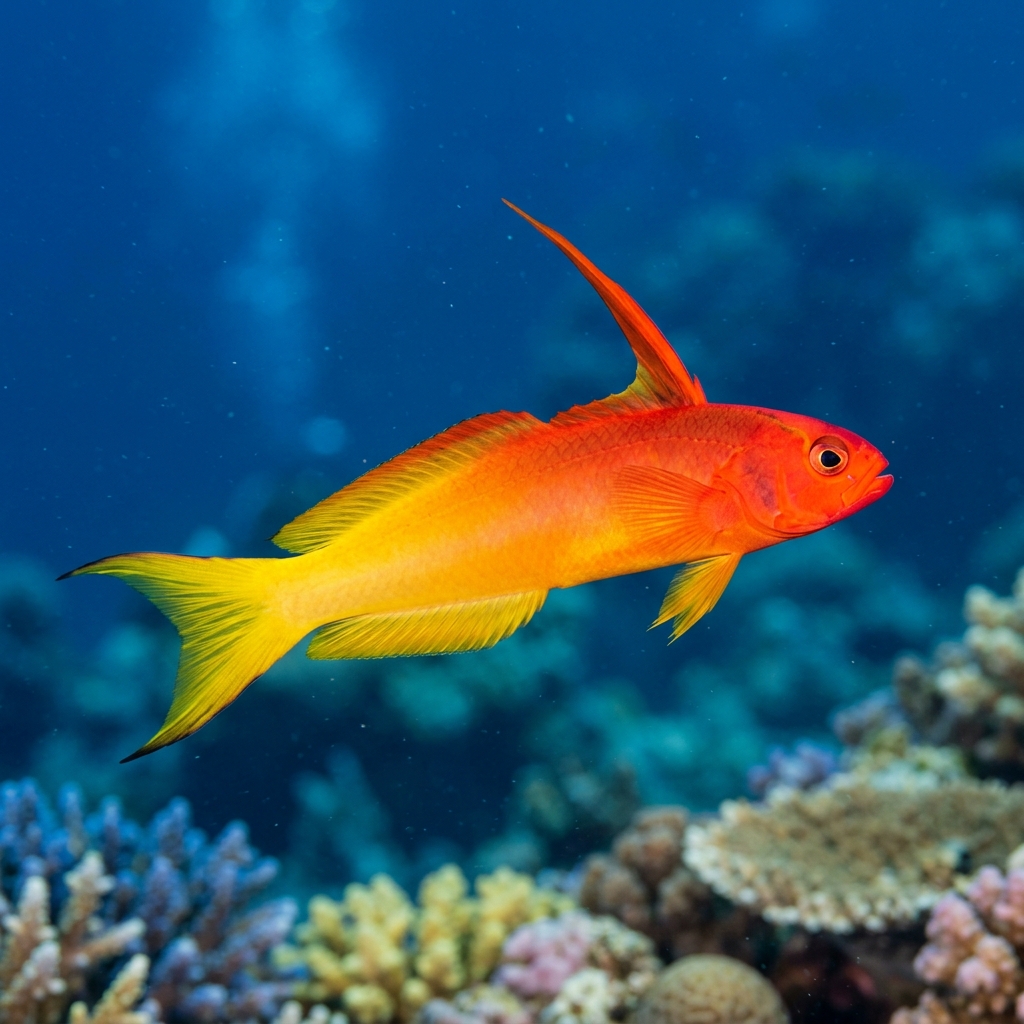
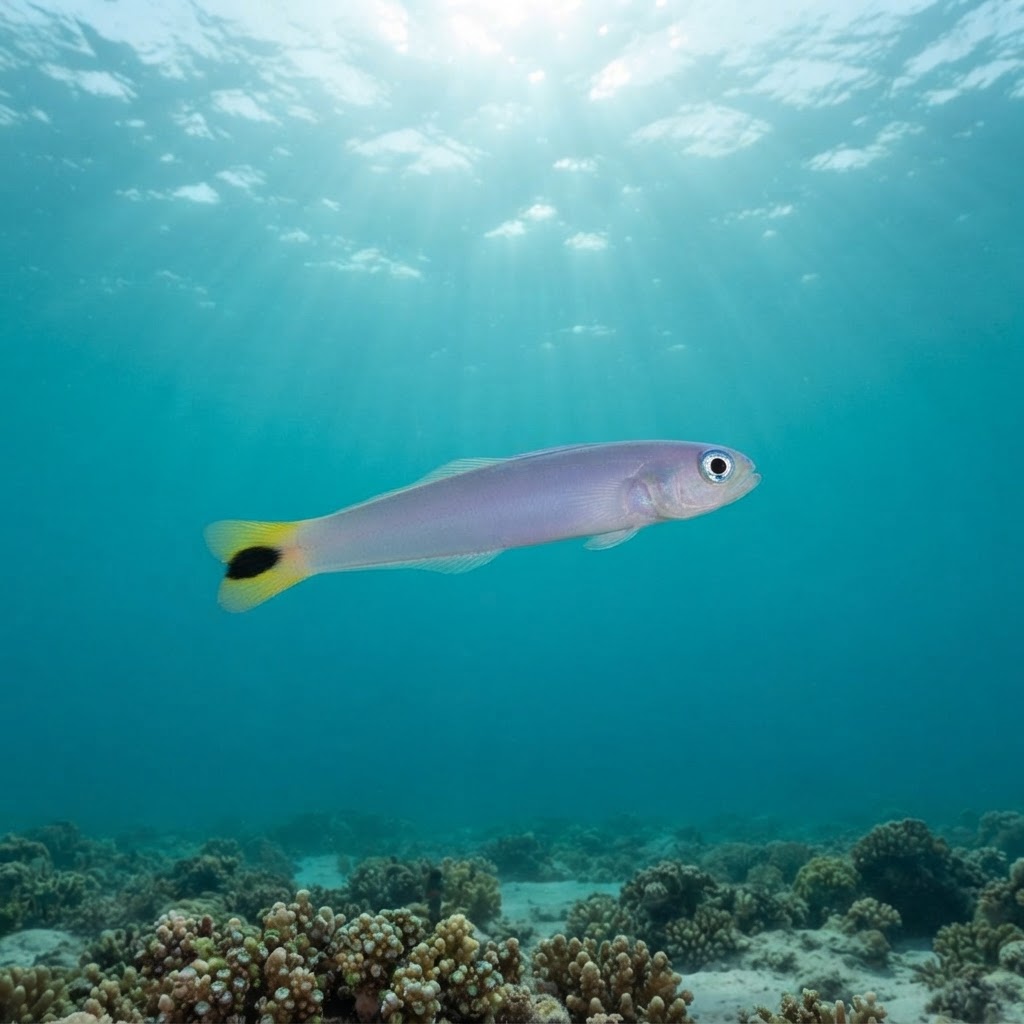
A slim, torpedo-shaped fish about 10 cm long, pale grey to bluish along the body with a distinctive dark blotch at the base of the tail that gives it its name. It hovers nose-into-current in loose pairs or small groups just above the substrate, rather than resting on it like a typical goby. The elongated body and forked tail give it a slightly more streamlined, dart-like profile than most reef gobies.
Watch for it hovering a body length or two above sand patches or rubble at the base of reef slopes, usually in pairs or loose small groups, facing into any current. It feeds on drifting plankton picked out of the water column rather than off the substrate, darting forward to snatch food then dropping back to its spot. It tends to retreat into a burrow or crevice the moment a diver gets too close, so a slow, low approach gives the best look before it disappears.
Like other dartfish, it shares a burrow with a partner and relies on retreating tail-first into that burrow as its main defence, so most sightings are brief unless you keep your distance and let it settle.
No clear seasonal pattern shows up in the sightings, so treat this as a year-round species on the reefs where it occurs. Its comfort range of roughly 24.5 to 29.2 C matches typical tropical reef temperatures through the year, which fits the lack of a strong season.
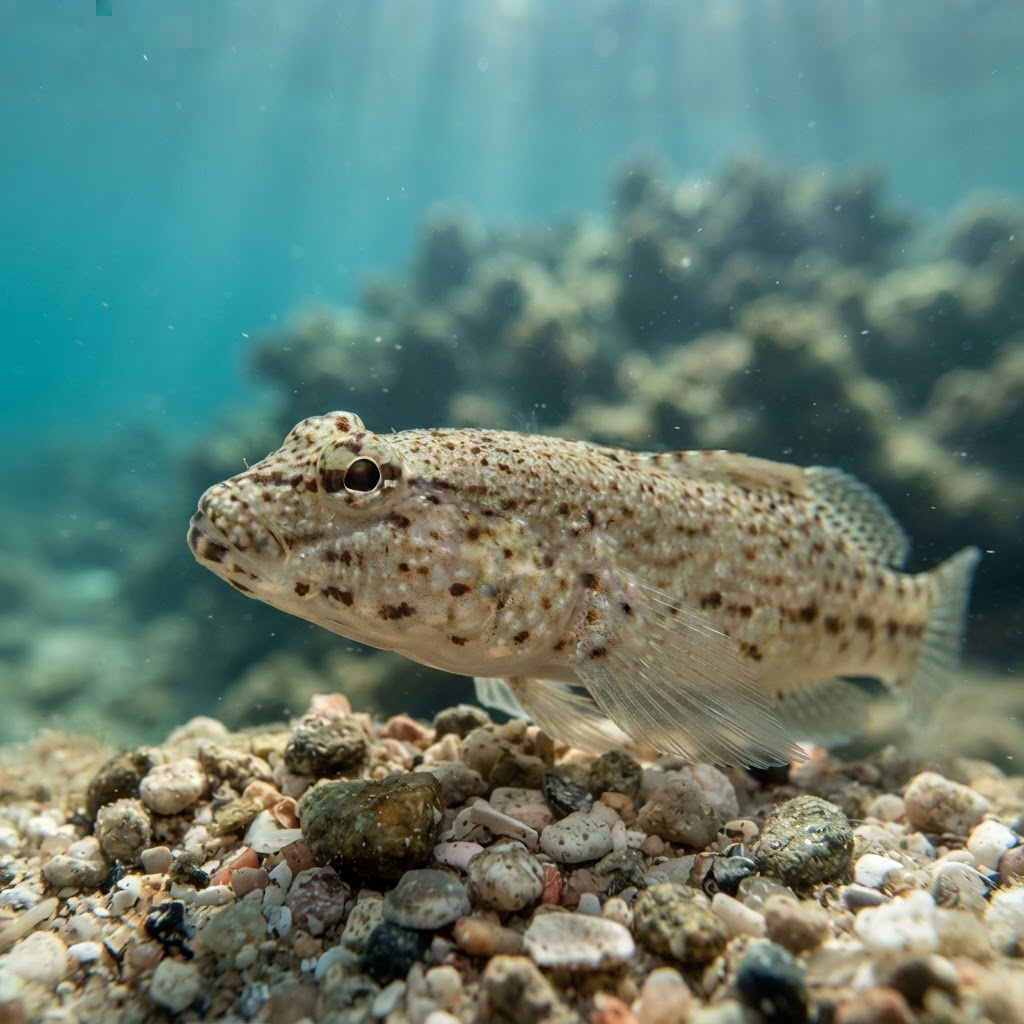
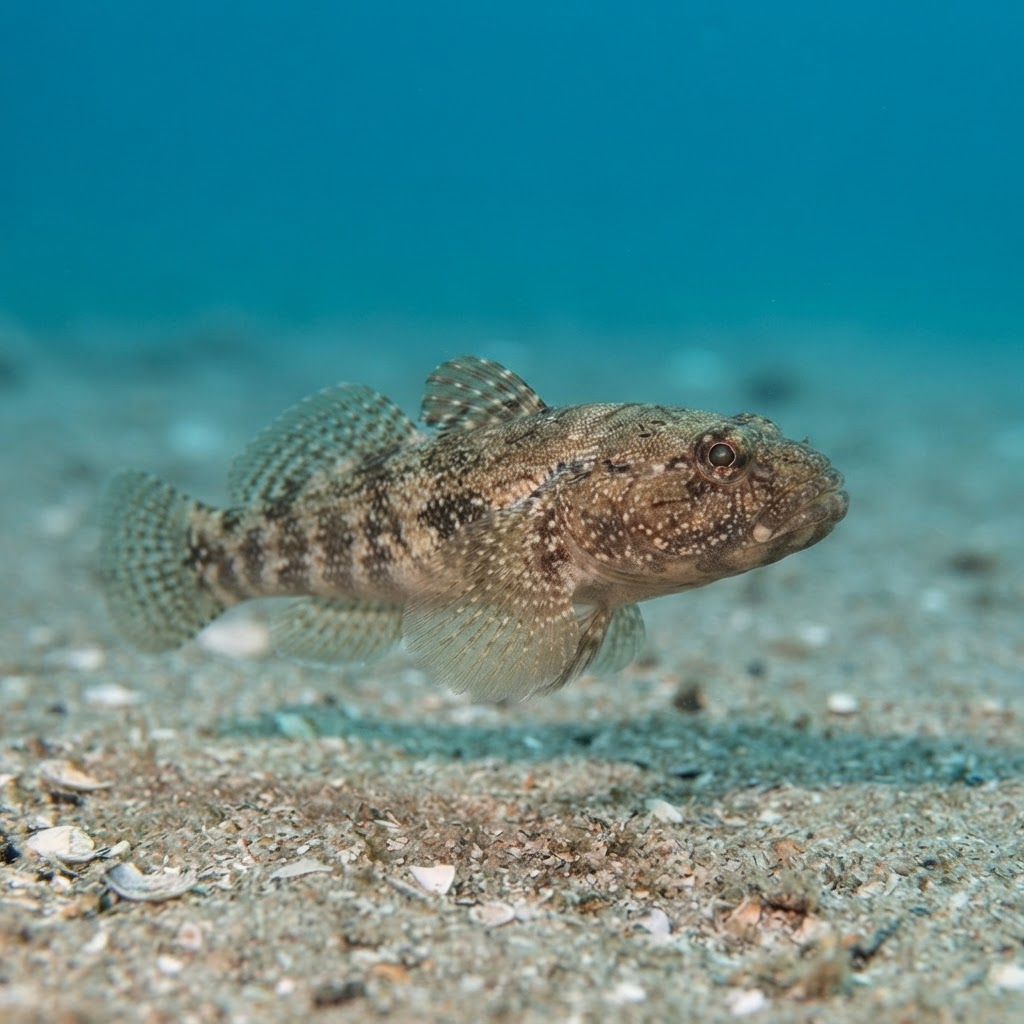
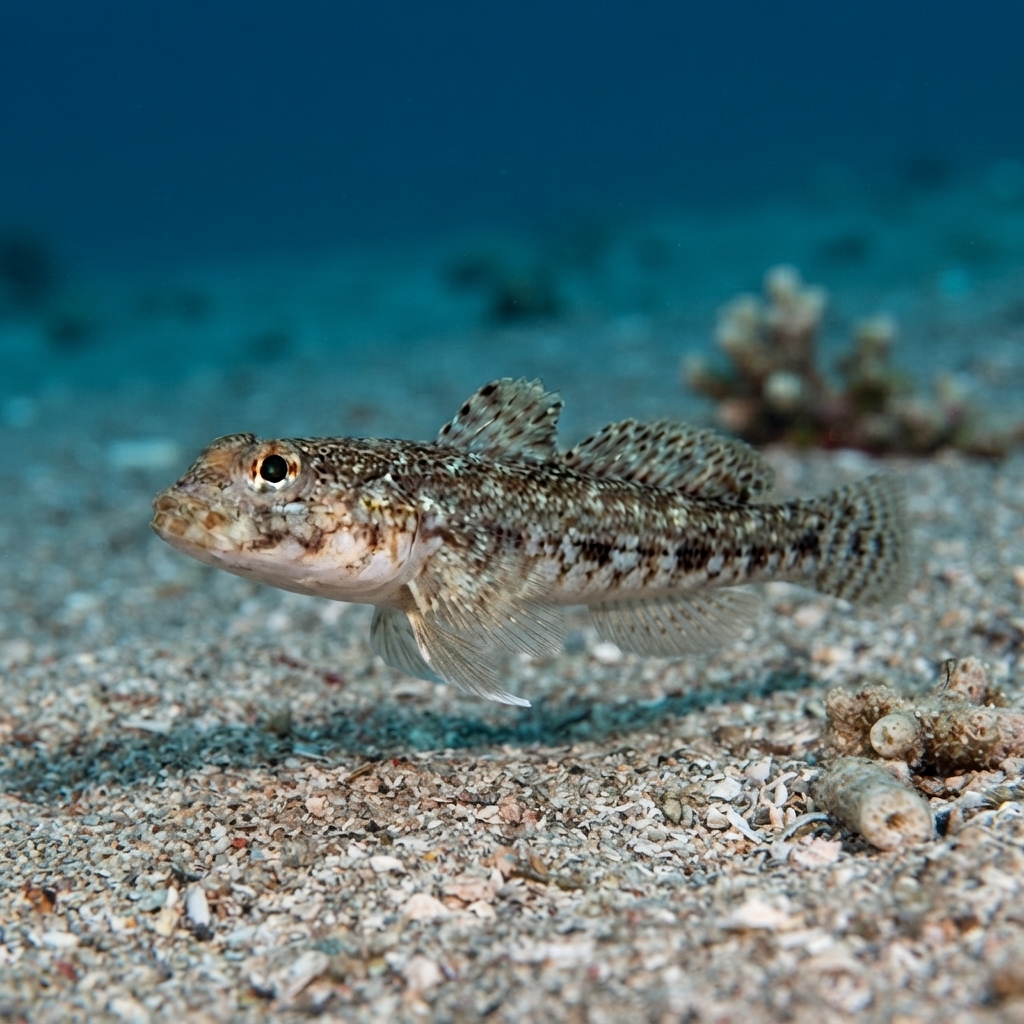
Reef neighbours a diver could mistake it for. Use the identification notes above to tell them apart.
Most reliably logged in the Maldives, particularly the Central Atolls, where it turns up at more sites than anywhere else in the data. Smaller but consistent numbers come from Peleliu in Palau, with occasional sightings around Nouméa in New Caledonia, Hawaii in the United States, KwaZulu-Natal in South Africa, and Fiji's Lomaiviti and Taveuni regions. Even in these areas it stays an uncommon find, so it rewards divers who slow down and check the reef edge.
Mapping where Spot-tail Dartfish is logged…
The strongest sightings are in the Maldives, especially the Central Atolls, with additional records from Peleliu in Palau, Nouméa in New Caledonia, Hawaii, KwaZulu-Natal in South Africa, and Fiji's Lomaiviti and Taveuni regions.
There is no strong season in the sightings, so it is best treated as a year-round species. It sits comfortably in water from about 24.5 to 29.2 C, which covers most of the year on the reefs where it is found.
Look for a slim, pale grey-blue fish around 10 cm long hovering just above the reef in pairs, with a dark blotch at the base of its tail. Its habit of hanging in the water column rather than sitting on the bottom helps separate it from typical bottom-dwelling gobies.
They reach around 10 cm in length, making them one of the smaller reef fish a diver is likely to try to spot deliberately.
They hover in the water column feeding on plankton rather than grazing the reef, and pair up around a shared burrow they dart into the instant they feel threatened. This makes them a fish you often see for only a few seconds before it vanishes.
Site and sighting data is aggregated from diver logs, iNaturalist and GBIF. For taxonomy and conservation status:
Slender Goby
806 sites