Citharichthys stigmaeus
A mottled, sand-coloured flatfish logged across California and British Columbia in cold water down to 5.7C, easy to miss if you don't look down.
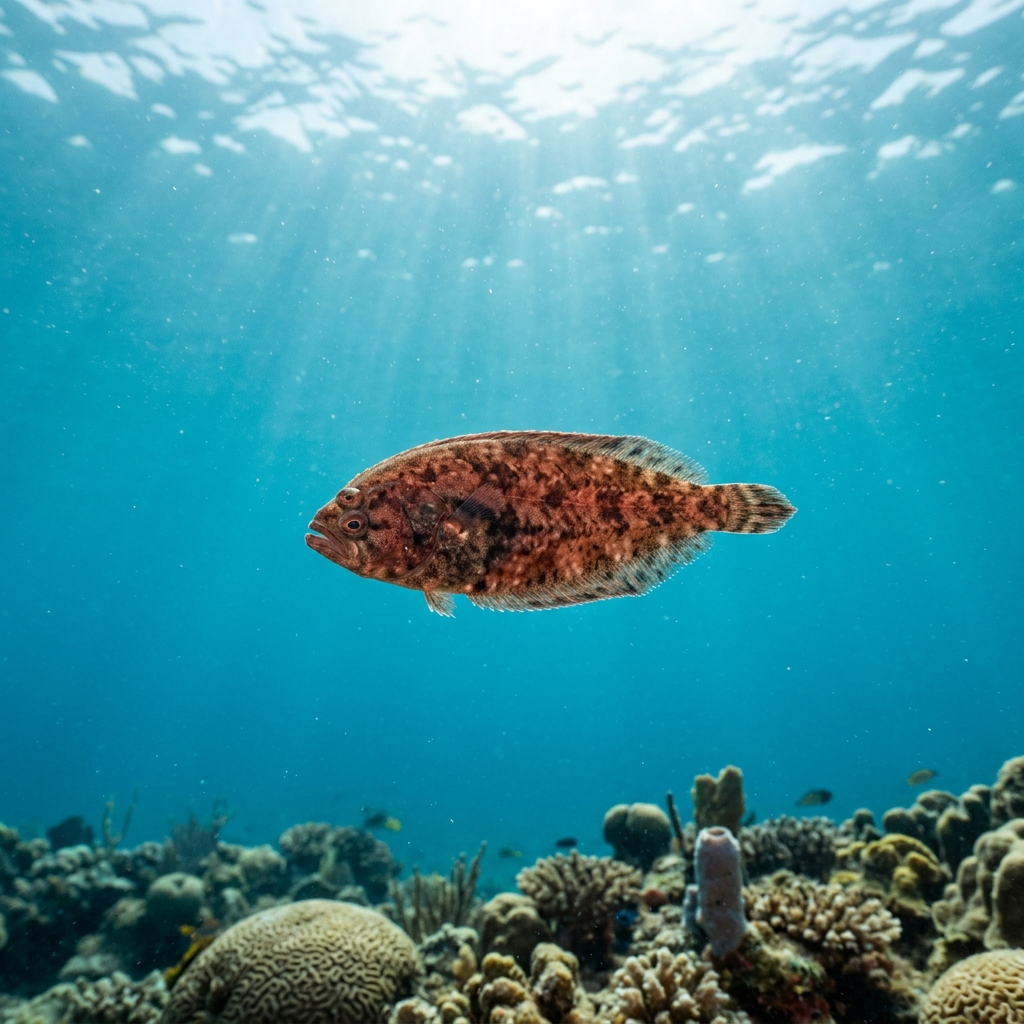
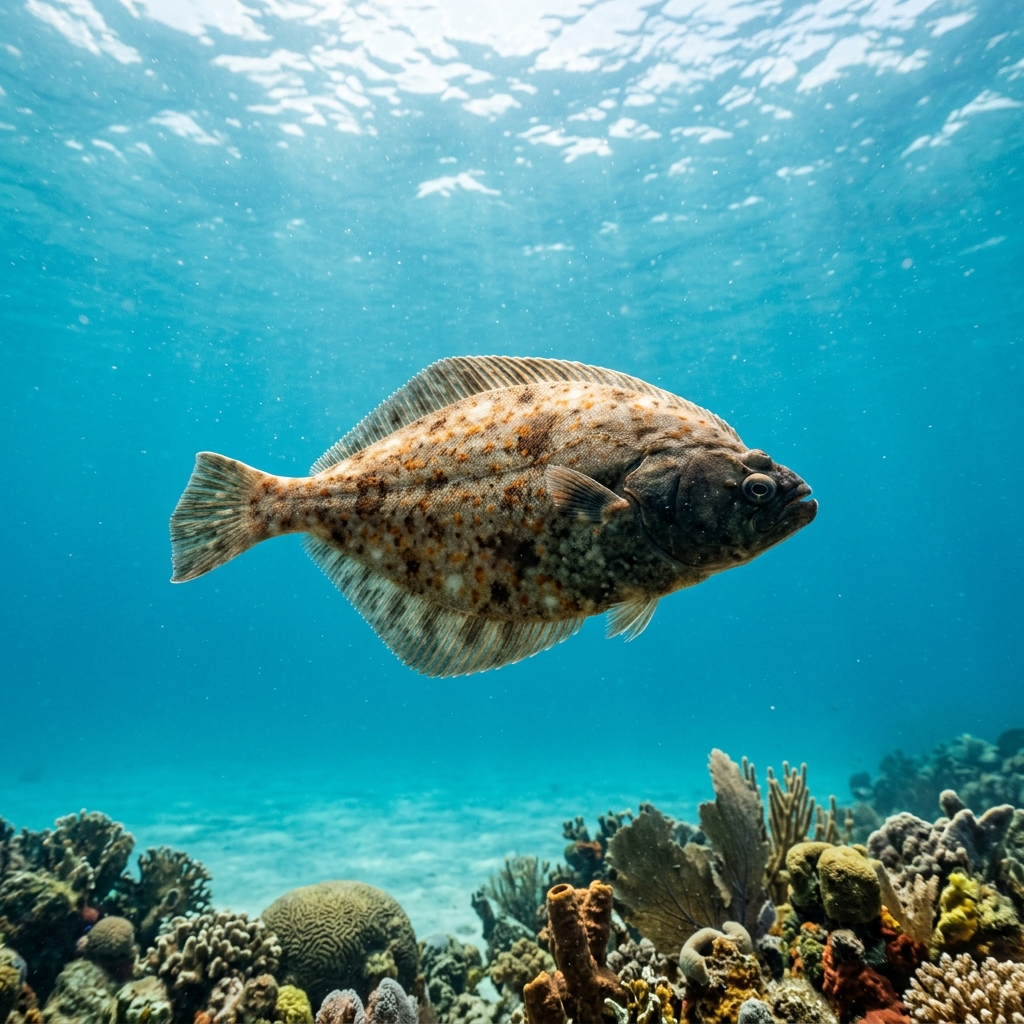
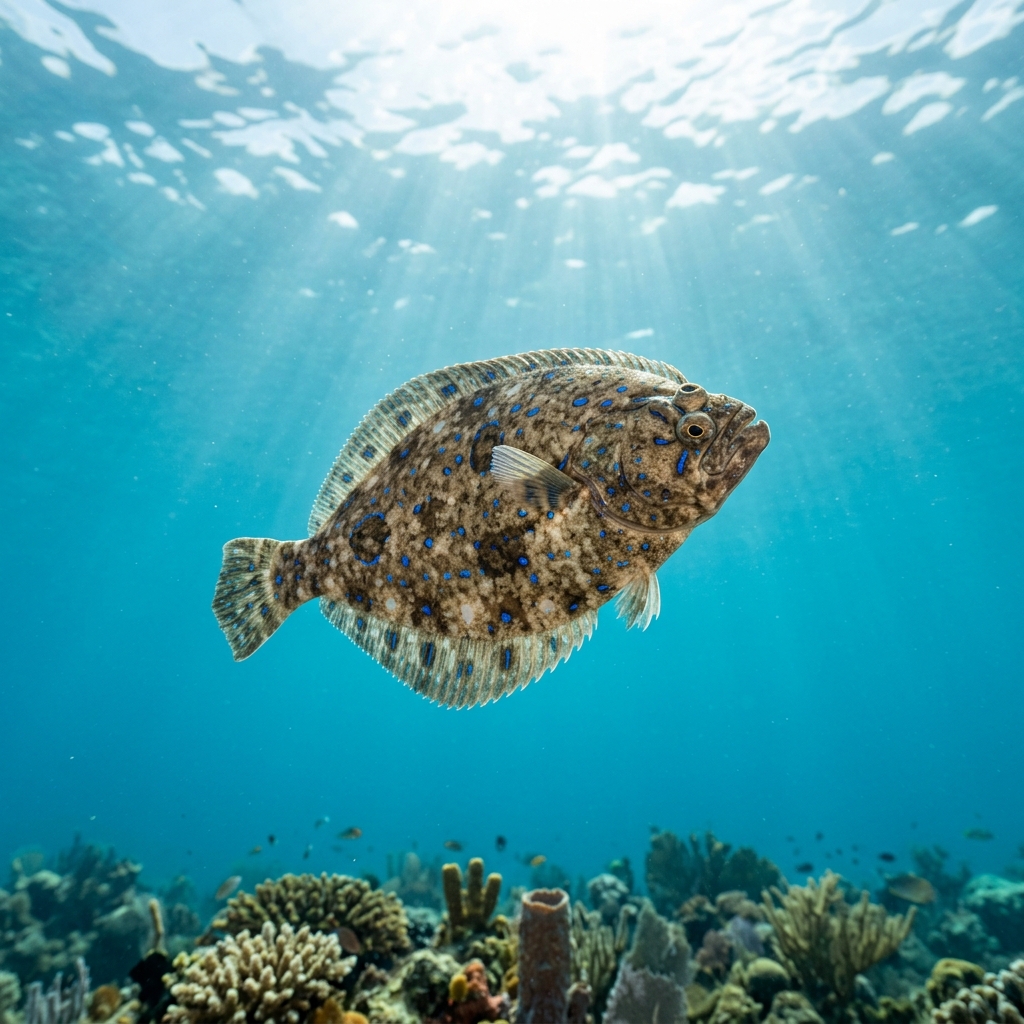
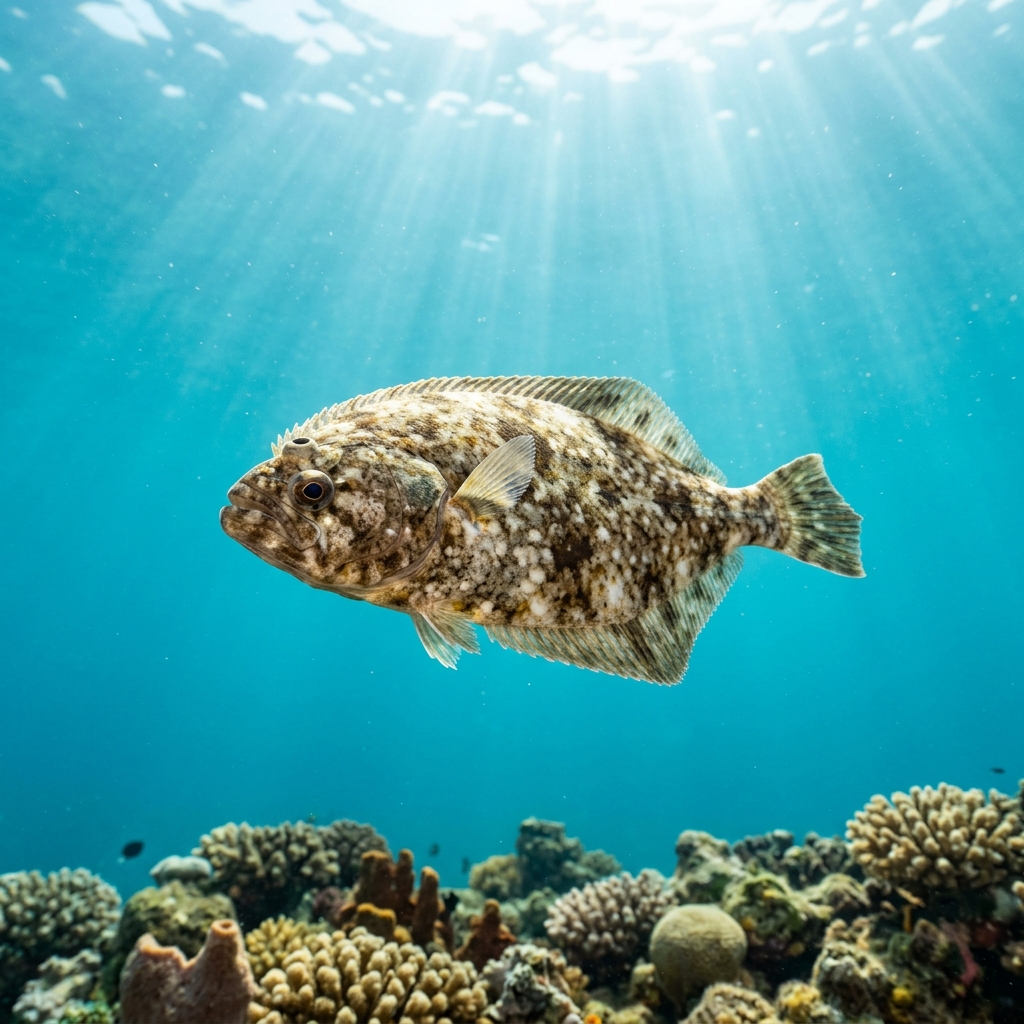
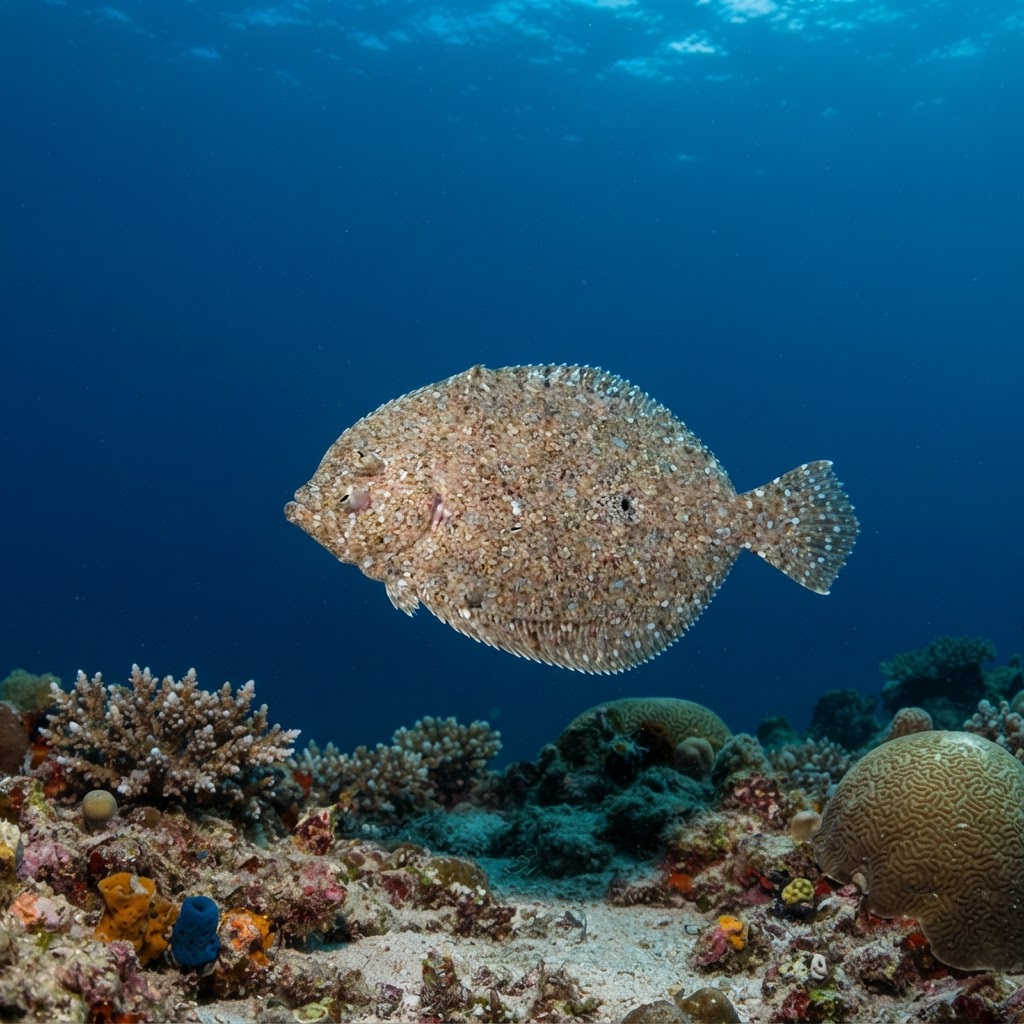
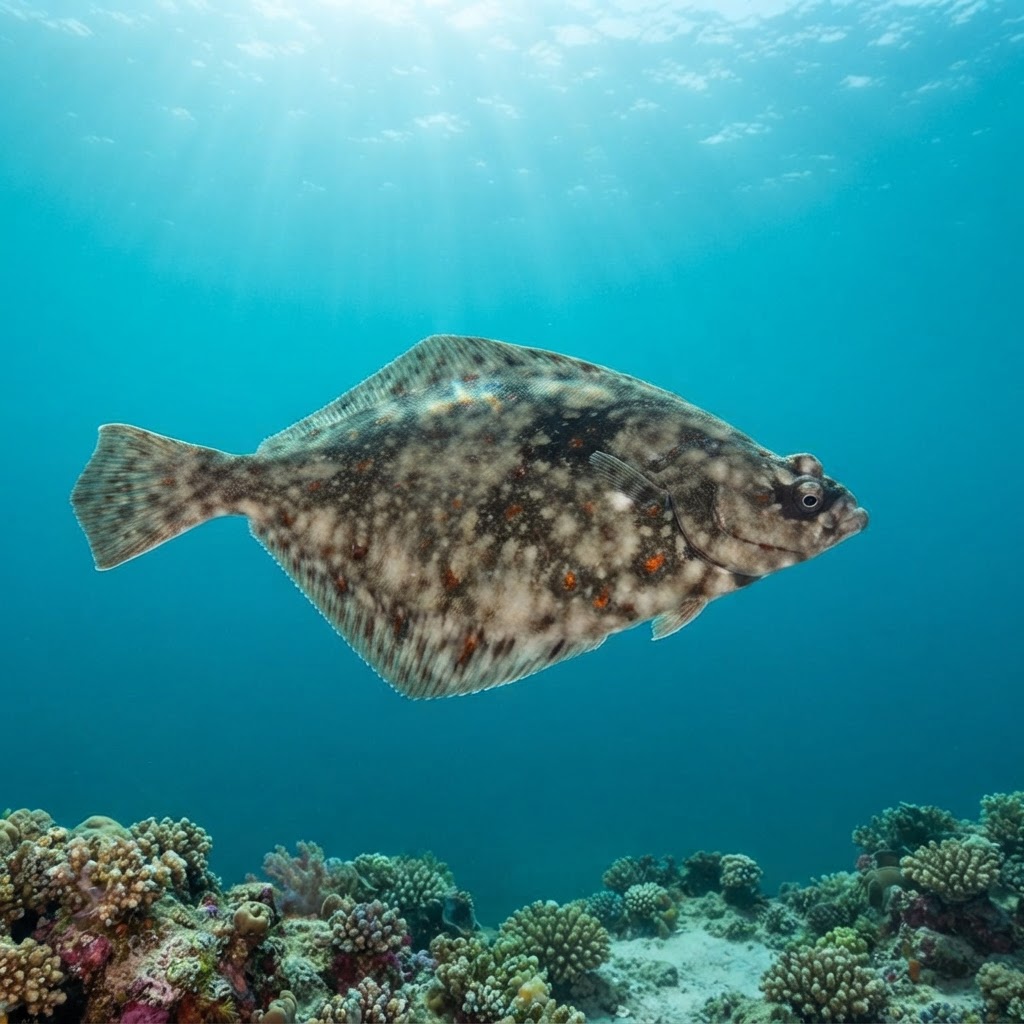
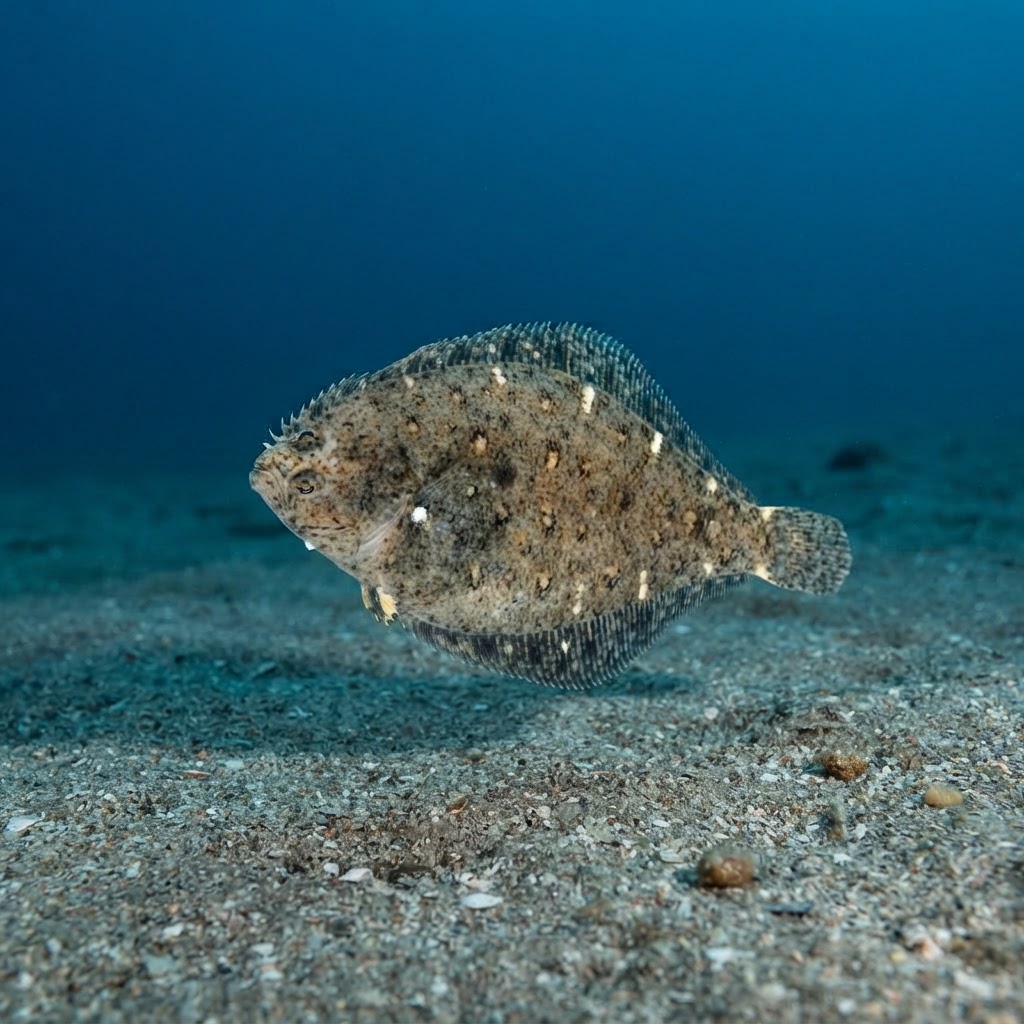
Small flatfish, rarely more than 11 cm, lying flush with the sand so it often reads as a shadow or a patch of grit until it moves. Both eyes sit on the left side of the head, and the body carries a mottled brown-and-tan speckled pattern that mimics the sediment it rests on. Look for the faint dark spotting scattered over the body, which is the feature that gives it its common name, and watch for the sudden dart-and-resettle motion when disturbed.
Spends its time lying still on open sand or silty bottom, blending in so well that divers often notice it only when it flicks away in a short burst and resettles a body-length further on. Most logs describe it as uncommon rather than a guaranteed find, so it rewards divers who scan sand flats and the edges of eelgrass or rocky patches rather than just the reef itself. Not fussed by divers, it tends to hold still and rely on camouflage rather than flee unless approached directly.
Like other left-eyed flatfish, it starts life as a normal, symmetrical swimming larva and only develops its flattened, sand-hugging body and shifted eye as it settles onto the seafloor.
No clear seasonal pattern shows up in the sightings, and it's logged year-round. It sits in a cold-water niche between roughly 5.7 and 15.1 C, consistent with the year-round cool temperatures of California and British Columbia dive sites rather than a warm-season visitor.
Most reliably found on sand patches in California, particularly around dive sites logged throughout the state, and across British Columbia sites in the Pacific Northwest. It also turns up occasionally further north along the Pacific Northwest coast of the United States, though sightings there are sparser.
Mapping where Speckled Sanddab is logged…
California sand-bottom sites and British Columbia dive sites account for the large majority of logged sightings, with occasional records further up the Pacific Northwest coast. Look for open sand or silty patches rather than reef structure.
There's no strong season in the data, so sightings happen year-round. It sits comfortably in cold water from about 5.7 to 15.1 C, matching the cool conditions found off California and British Columbia throughout the year.
Look for a small, flat, sand-coloured fish under 11 cm lying almost invisibly on the seafloor, with both eyes on one side of its head and a mottled, speckled pattern matching the substrate. It usually gives itself away with a quick dart-and-resettle when a diver gets close.
They're small, typically reaching around 11 cm in length, so they're easy to swim right past on a sand flat.
No, they're harmless. They have no venom or aggressive behaviour and simply rely on camouflage and short bursts of movement to avoid attention.
They start life as ordinary, symmetrical swimming larvae like most fish, then undergo a dramatic transformation as one eye migrates across the head and the body flattens for a life on the sand.
Site and sighting data is aggregated from diver logs, iNaturalist and GBIF. For taxonomy and conservation status:
Wide Eyed Flounder
1,624 sites