Pardachirus hedleyi
Small, flat and easy to miss: find out where divers in New South Wales log this sole and how to spot one on the sand.
Safety warning
Marked dangerous to divers, likely tied to the skin toxin known in this sole family rather than any aggressive behaviour. Leave it undisturbed on the sand and avoid handling it; there's no reported risk from simply observing or swimming past.
Handle with care
Toxic skin secretionGeneral first-aid guidance, not a substitute for professional medical care. In an emergency, call your local emergency number.
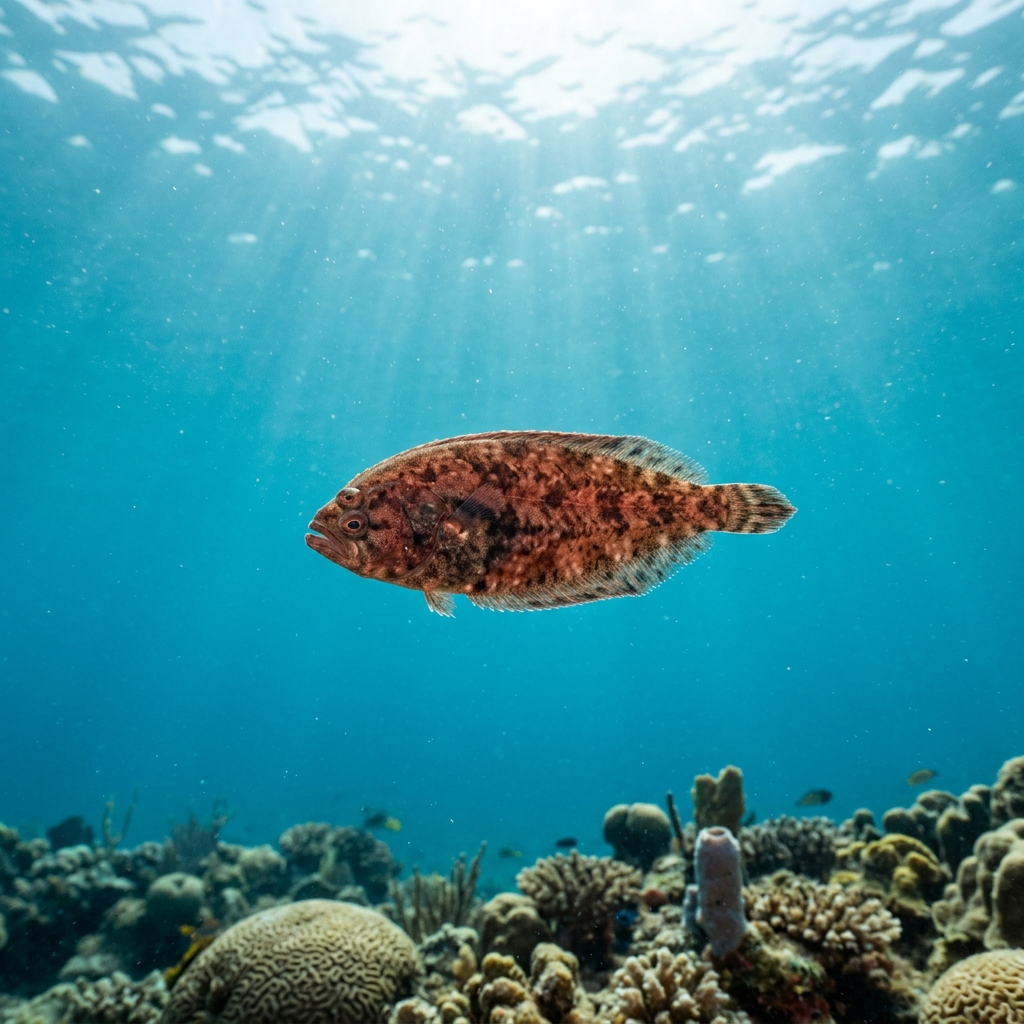
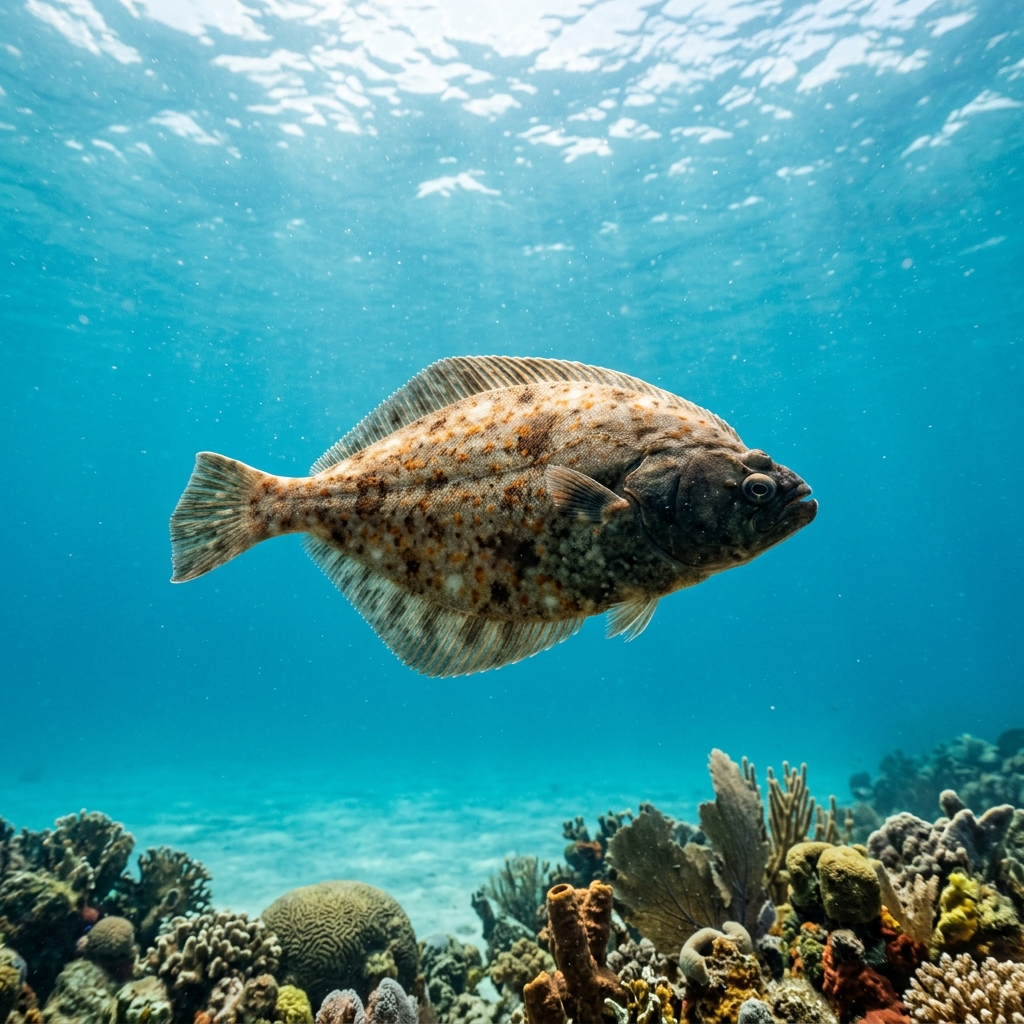
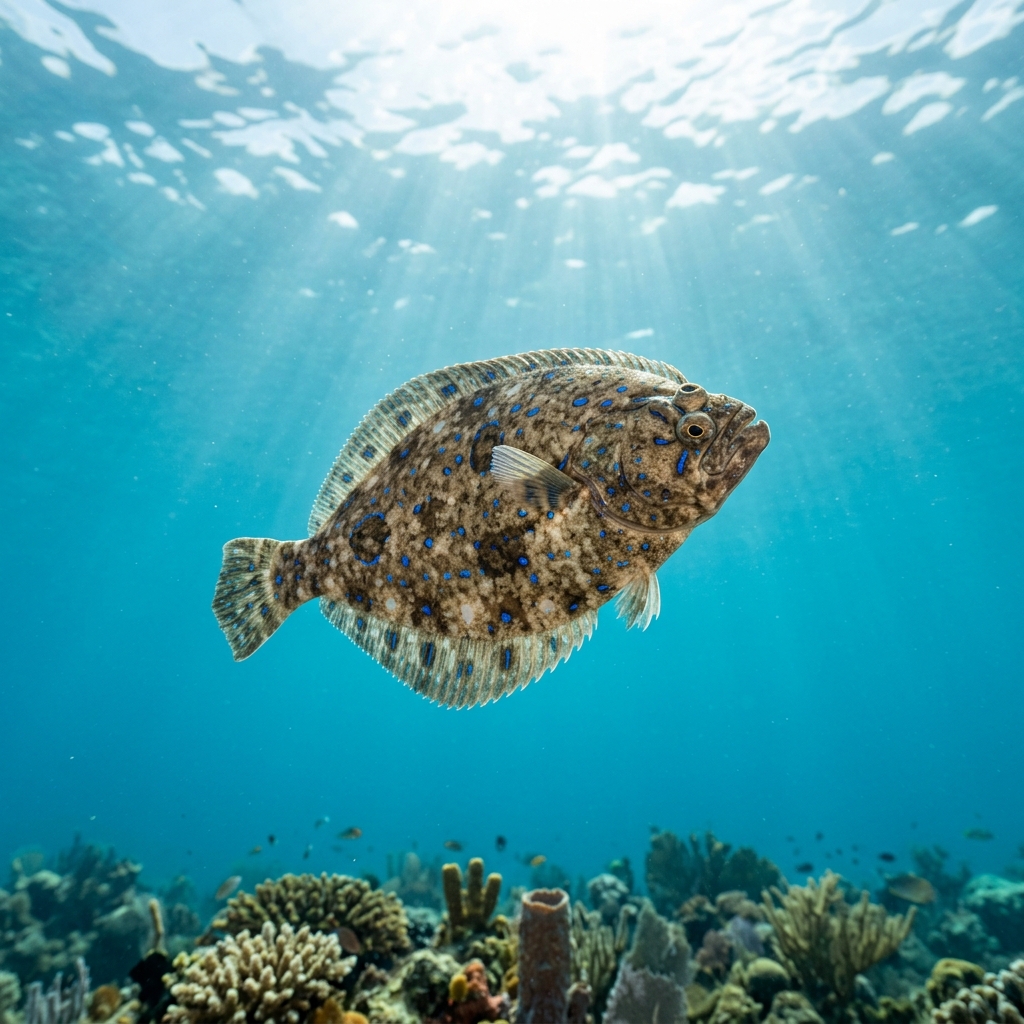
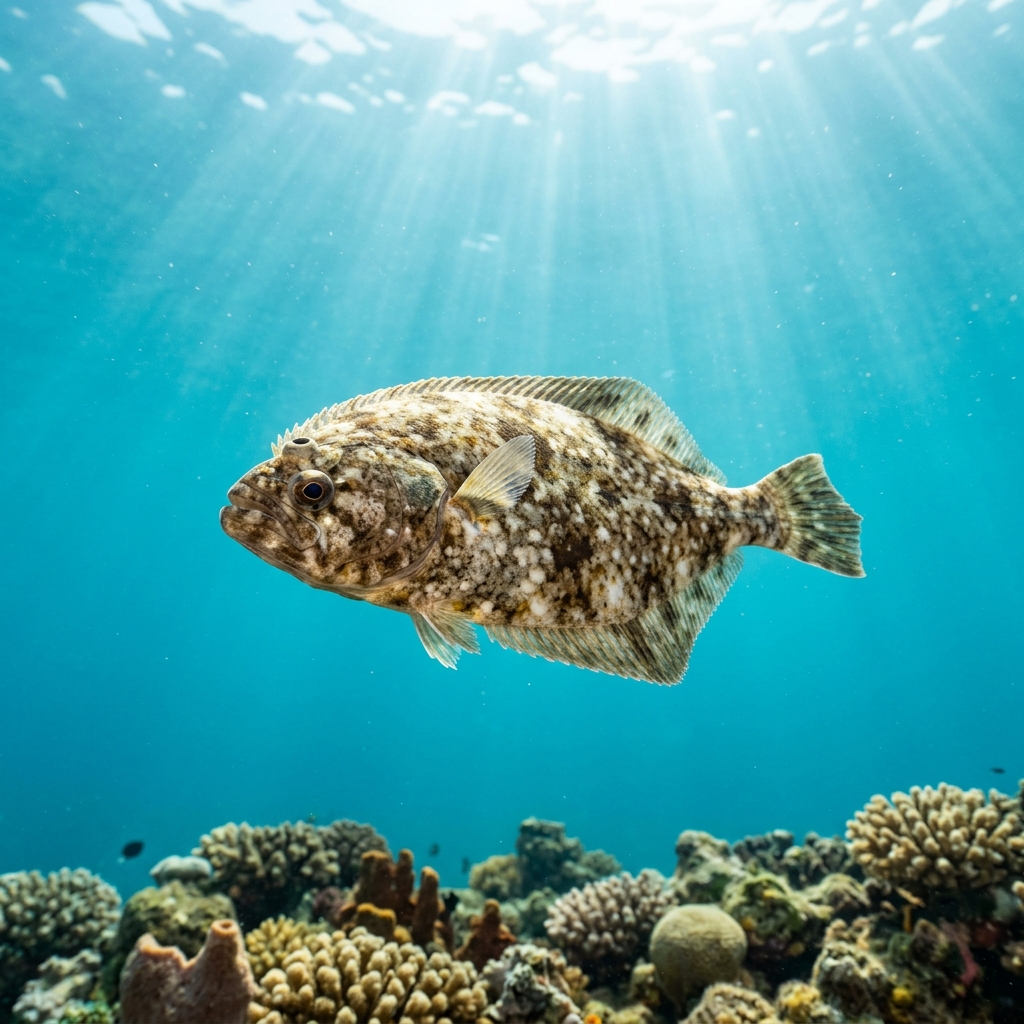
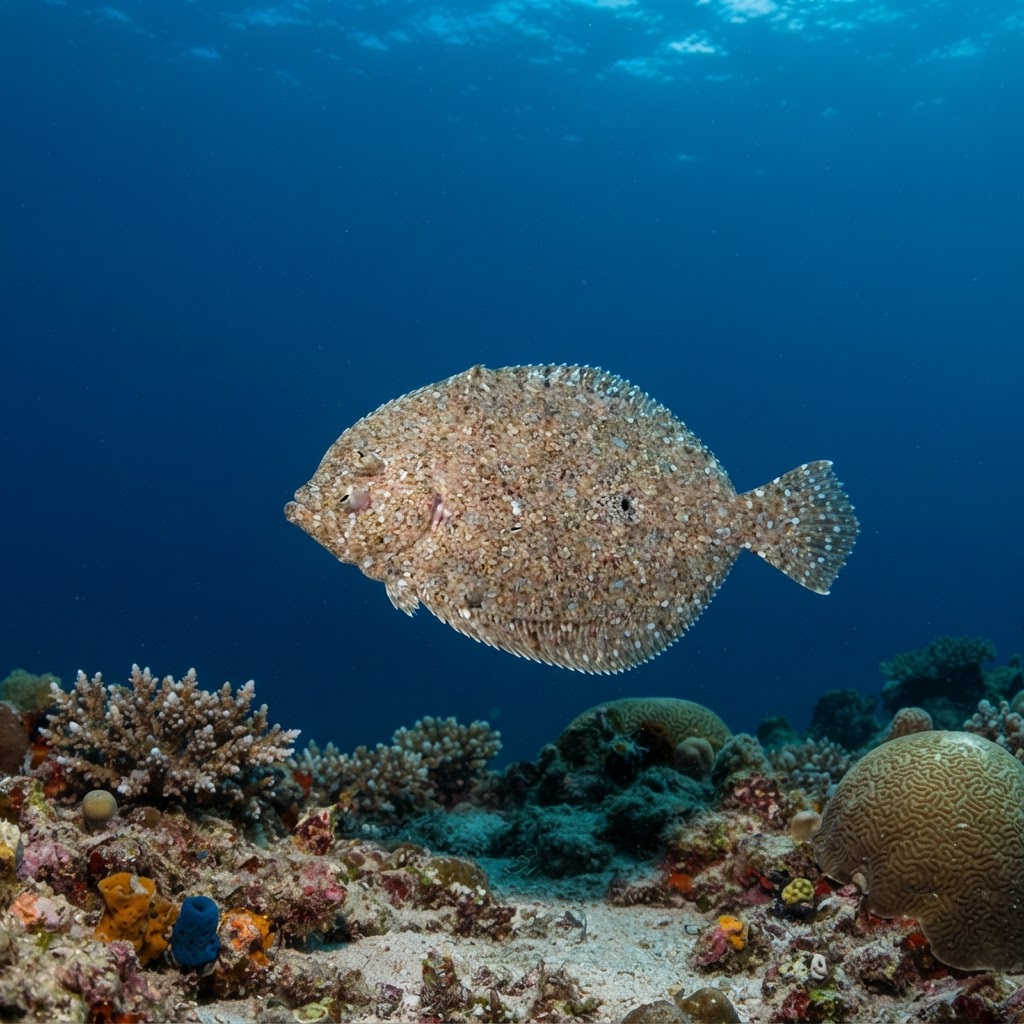
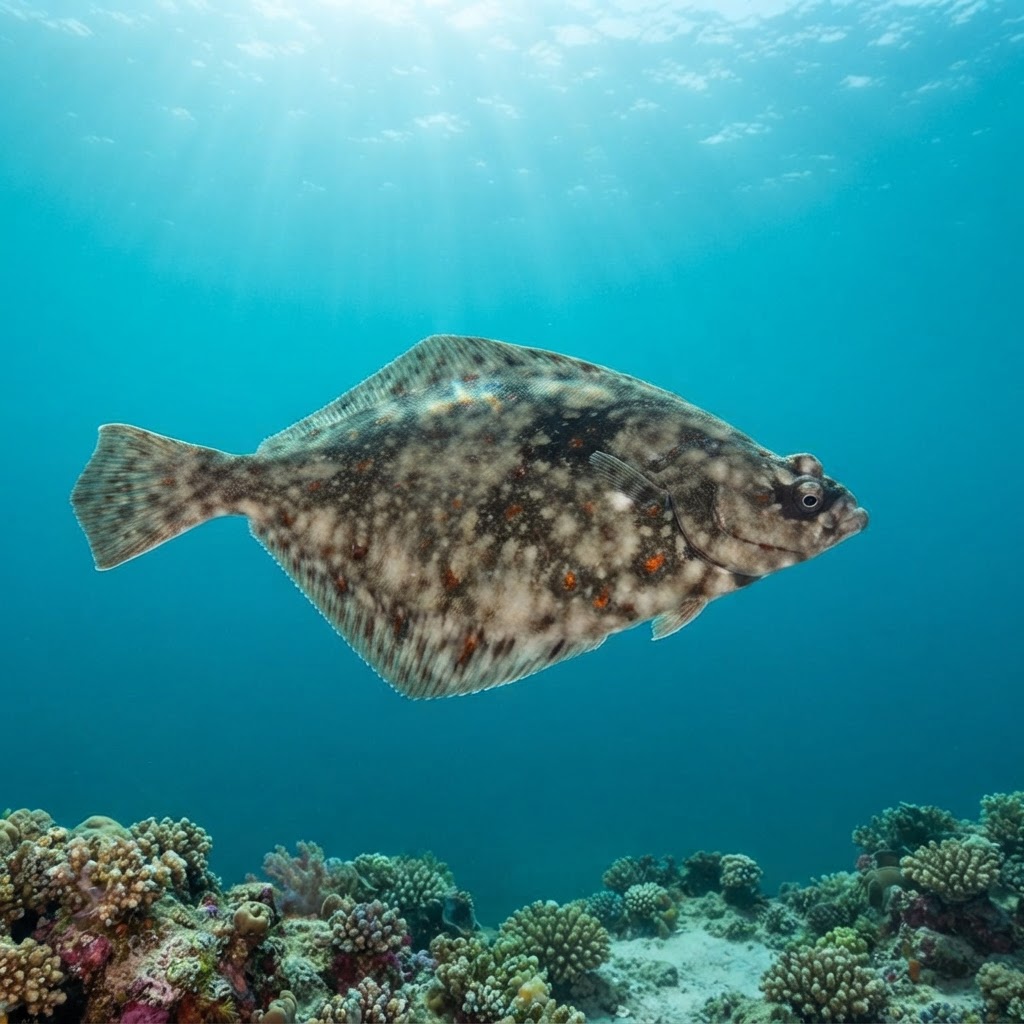
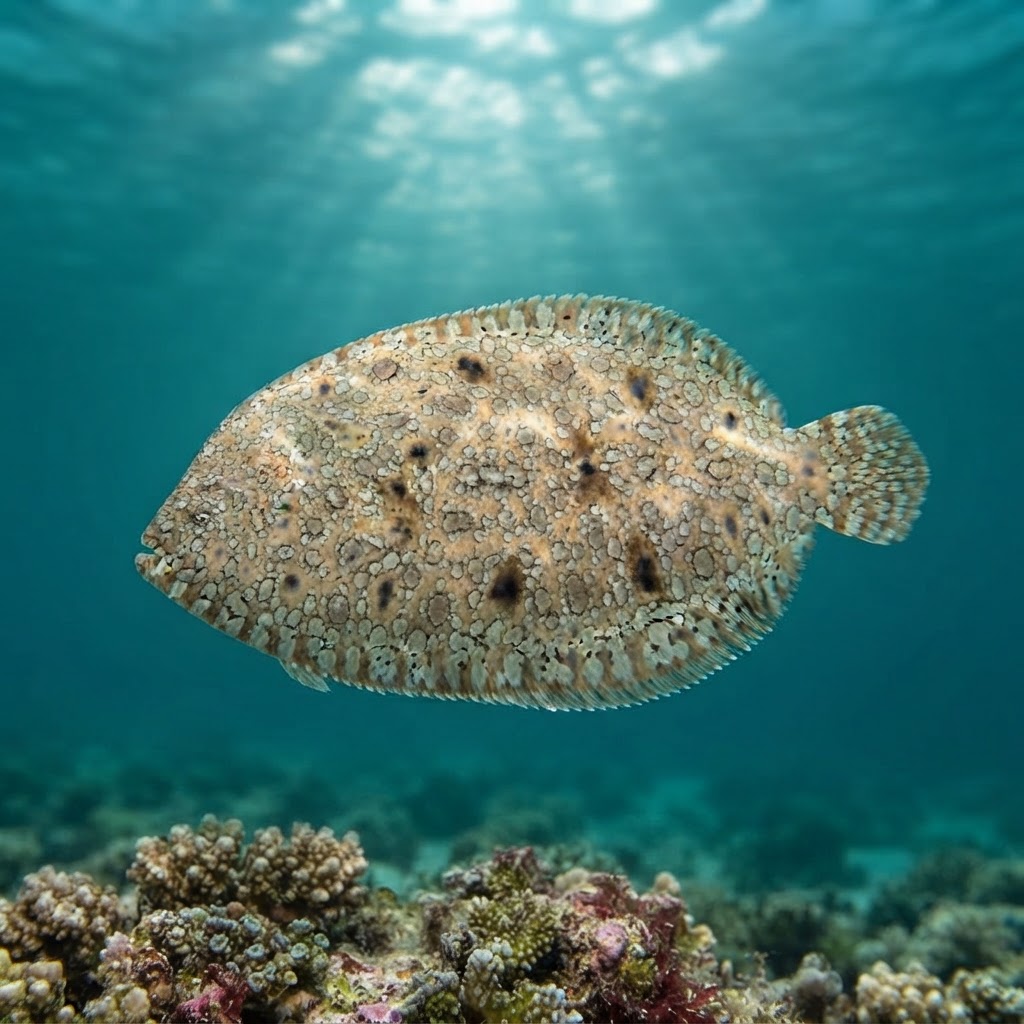
A small, oval, flattened fish that lies almost completely flat against the sand, rarely more than 10 cm long. Both eyes sit on one side of the head, the trademark sole shape, with a mottled brown-and-cream pattern that breaks up its outline against sediment. Look for the faint pale spots along the fins rather than any bold colour, since it relies on blending in rather than standing out. Most divers spot it only when it shifts position or when a torch beam catches the fin margin at night.
Spends its time lying still on sand or fine rubble, often half buried, relying on camouflage rather than movement to avoid attention. Divers who do log it tend to find it during slow, close looks at the seafloor rather than mid-water searching. It's rated uncommon at the sites where it's been recorded, so patience and a careful eye on the bottom pay off more than covering distance.
Soles in this genus are known for a skin secretion some species use as a natural shark deterrent, a trait that has drawn scientific interest in anti-predator chemistry.
No clear seasonal pattern shows up in the sighting data, and its recorded temperature range of 21.2 to 27.1C spans most of the year on NSW reefs, so it's reasonable to look for one on any dive at the right depth and substrate.
Logged sightings so far come from New South Wales, Australia, making it the region to search if you want a real chance of finding one. It's not yet reported from other countries in diver observation data, so treat any NSW sand or rubble site as your best shot.
Mapping where Southern Peacock Sole is logged…
Recorded sightings are currently concentrated in New South Wales, Australia. Look for sandy or rubble patches on NSW dive sites rather than reef structure itself.
There's no detected seasonal pattern, and it's been recorded across a wide temperature range from 21.2 to 27.1C, so sightings appear possible year-round rather than tied to a specific season.
They're listed as dangerous, most likely due to a skin secretion known in this sole family that can deter predators. They pose no threat if left alone; just avoid touching or handling one.
Look for a small, flat, oval fish around 10 cm long lying still on sand, with both eyes on one side of its head and a mottled brown camouflage pattern. It's easy to overlook unless you're scanning the seafloor closely.
They typically reach around 10 cm in length, making them one of the smaller bottom-dwelling fish divers might spot on sand or rubble.
Species in this sole genus are known for secreting a substance from their skin that can act as a shark deterrent, a defence strategy that has made them a subject of scientific study.
Site and sighting data is aggregated from diver logs, iNaturalist and GBIF. For taxonomy and conservation status:
Wide Eyed Flounder
1,624 sites