Orthonopias triacis
A pocket-sized, mottled reef dweller found on cold California dives around 10 to 16 C, most often logged in California, USA.
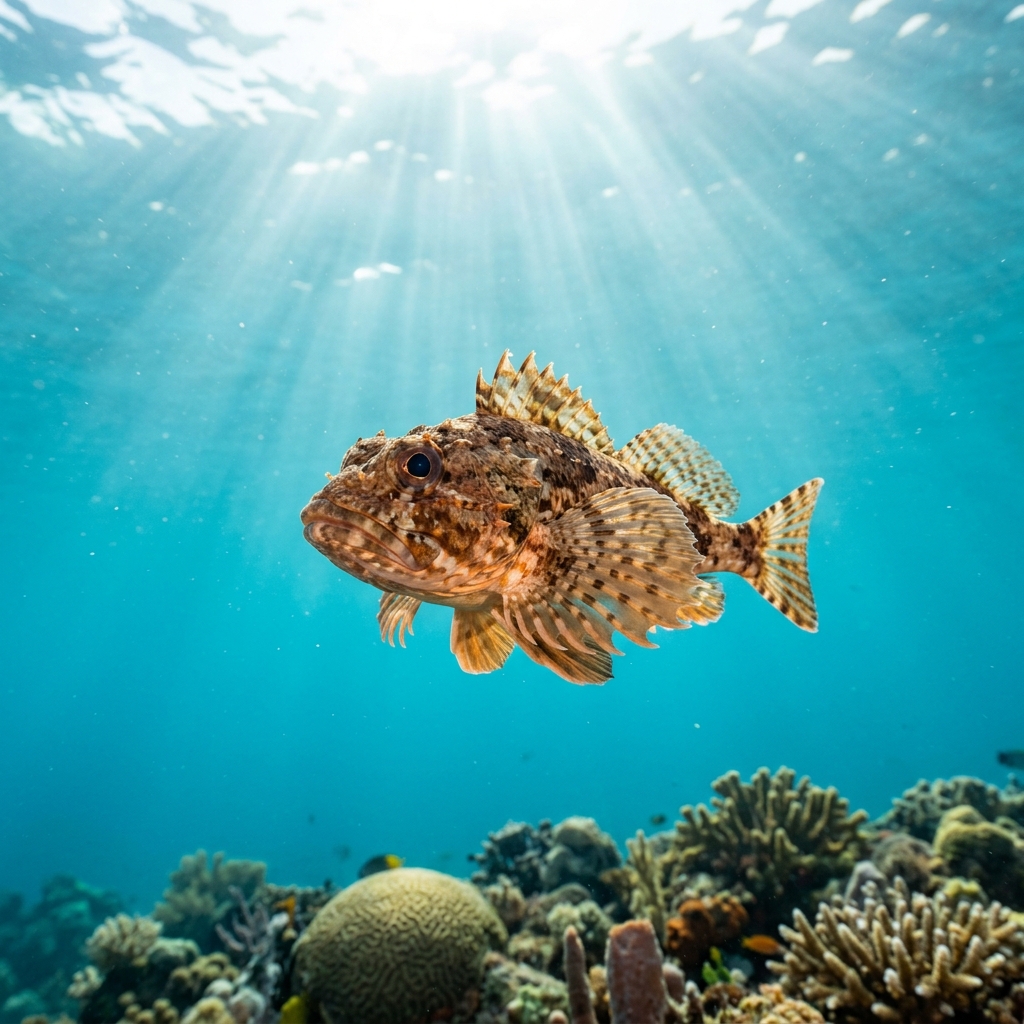
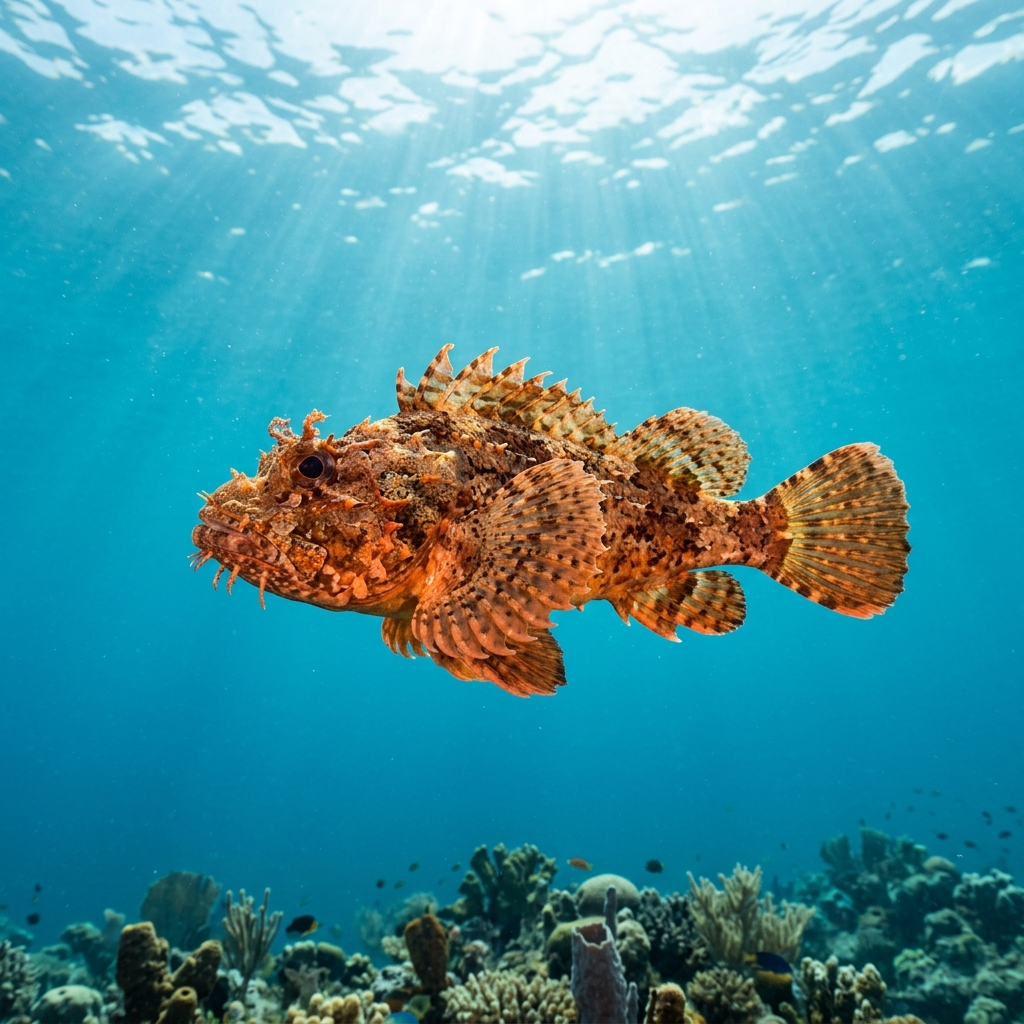
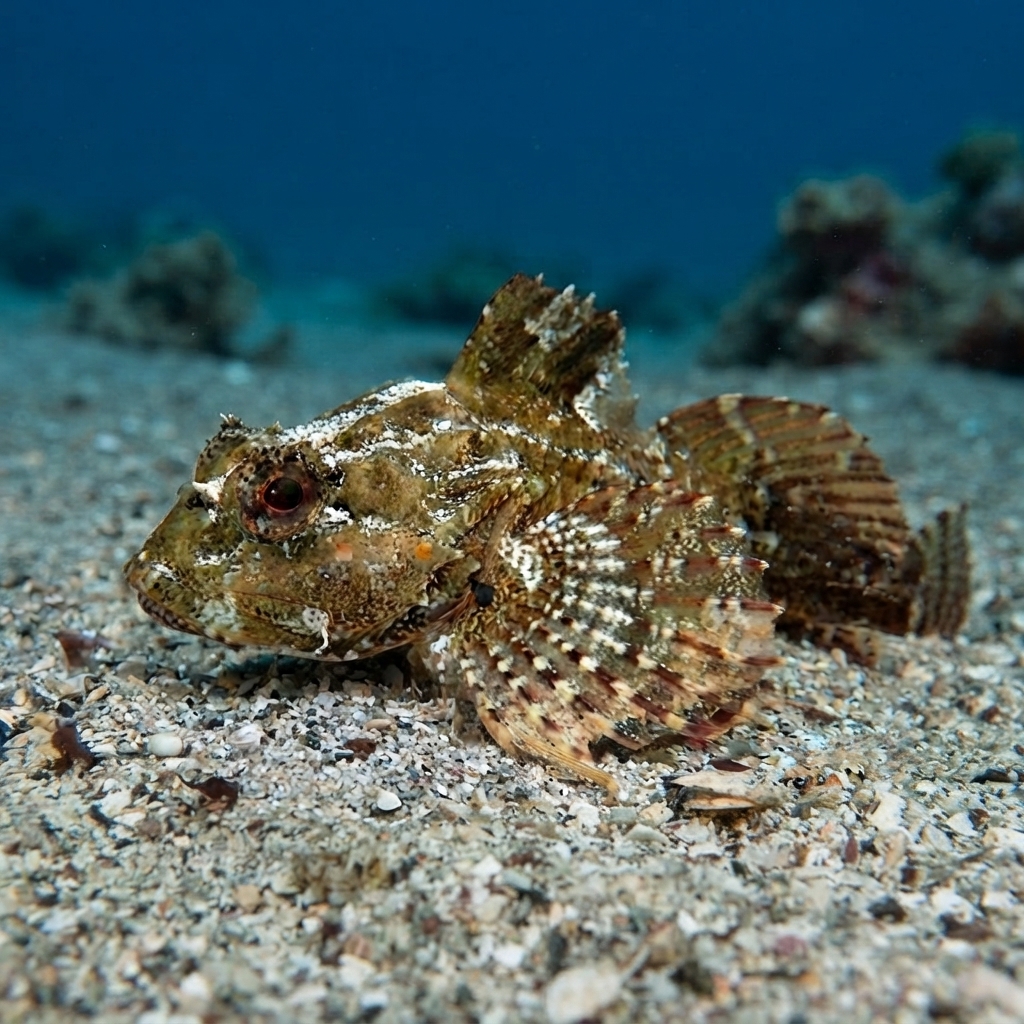
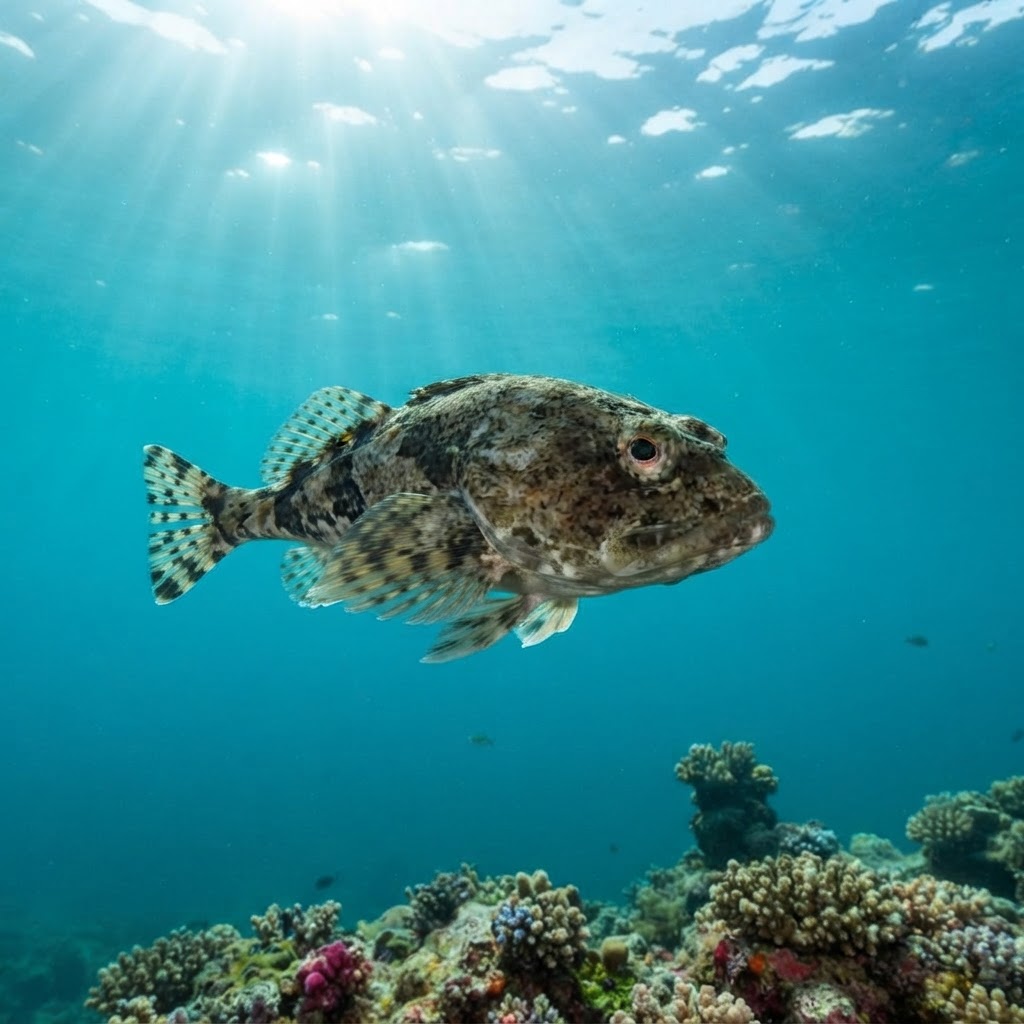
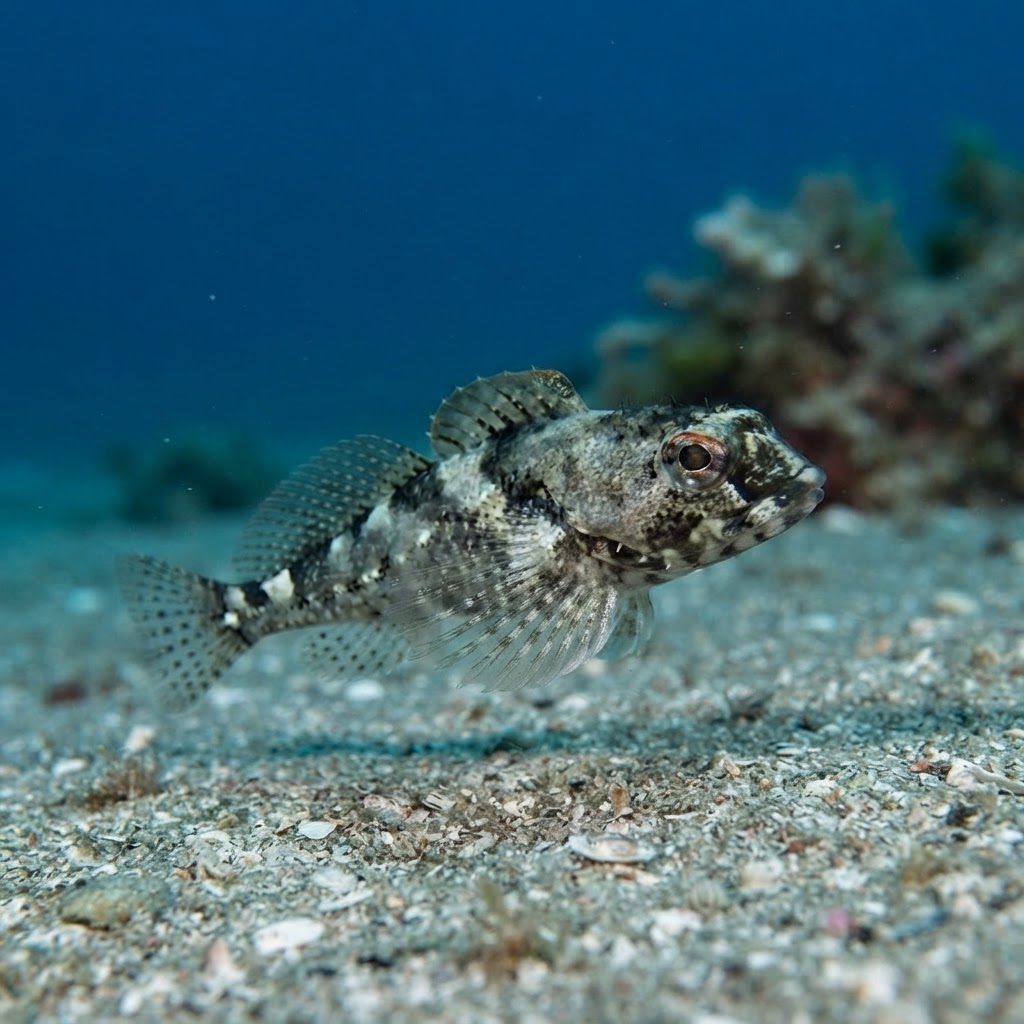
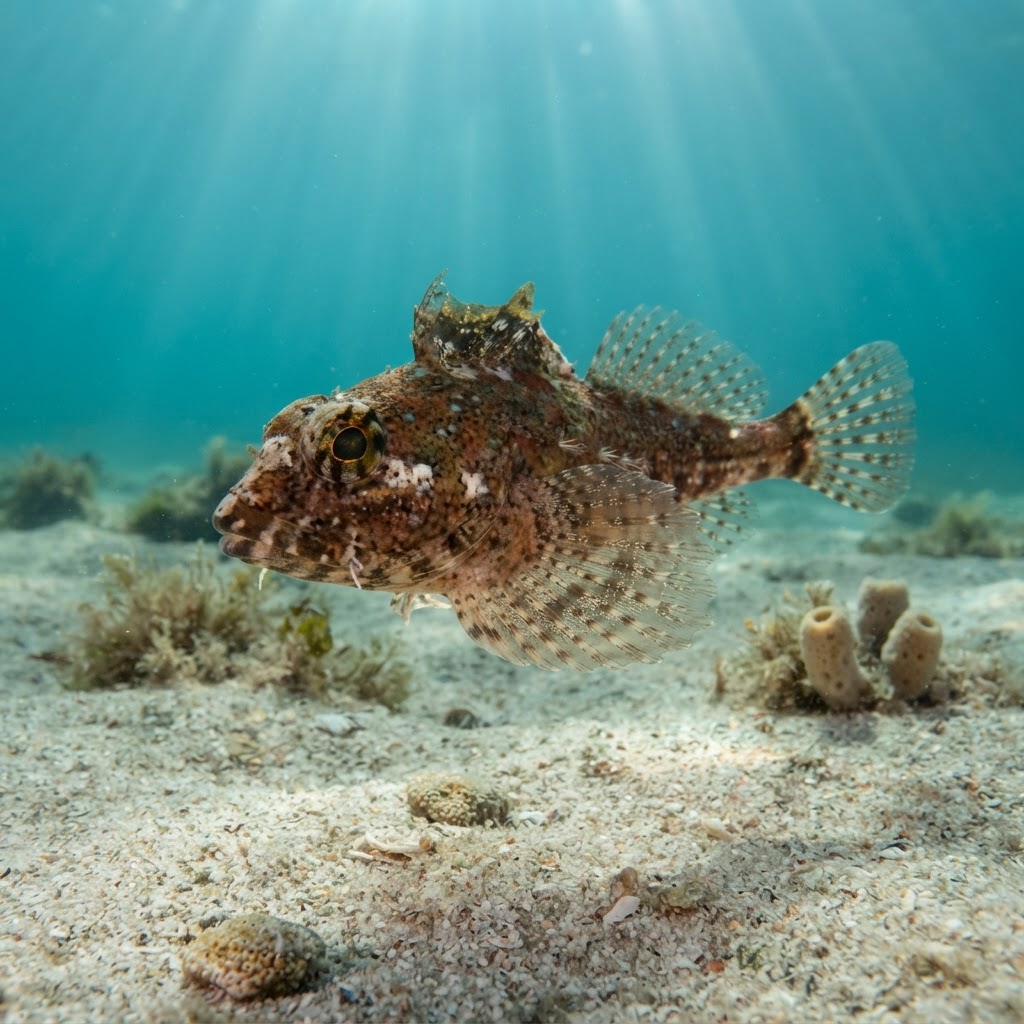
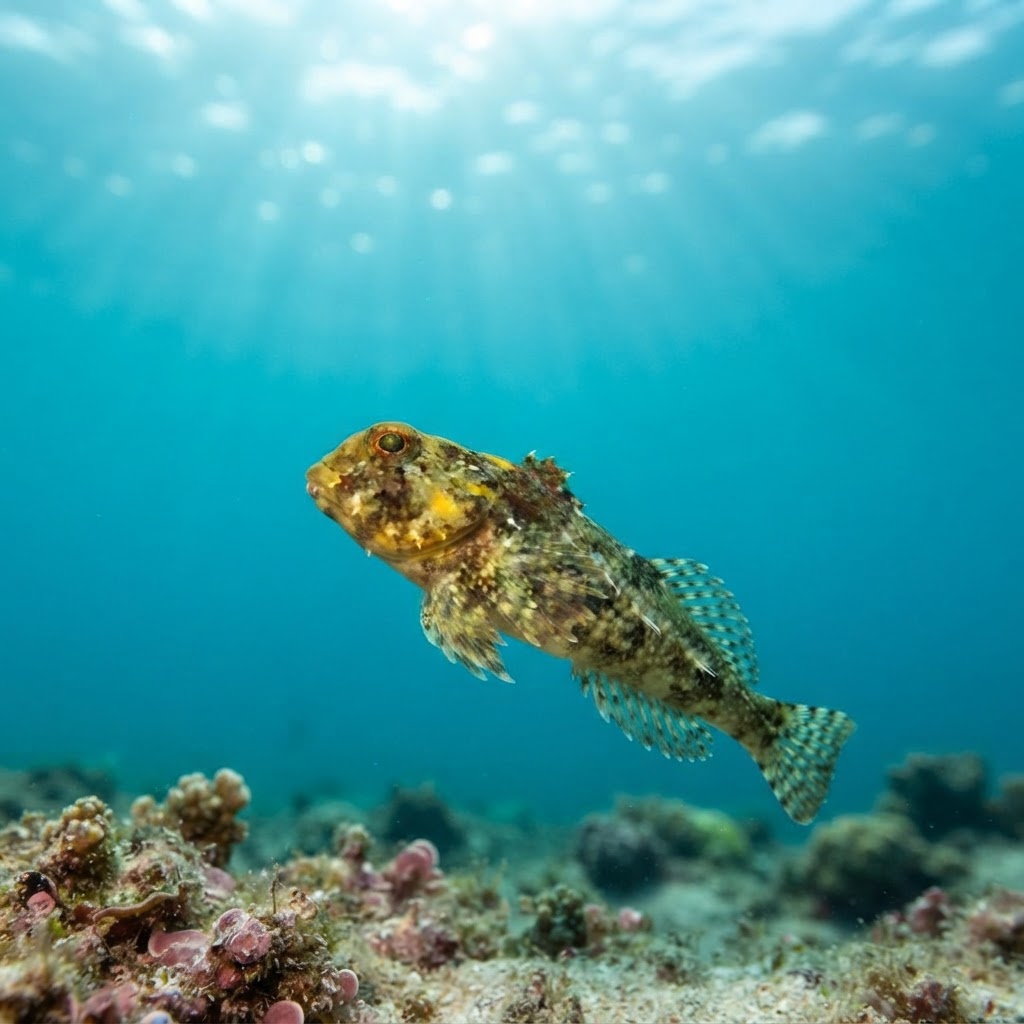
Barely 7 cm long, this little fish has a squat, tapered body with a blunt, upturned snout that gives it its name. Look for mottled brown and cream camouflage patterning that blends into rocky substrate, plus a broad head and large eyes set high for a bottom-hugging ambush lifestyle. It has no bold stripes or bright colours, so most divers find it by scanning rock crevices closely rather than spotting it from a distance.
Expect to find this fish sitting motionless on or near rocky substrate, relying on its mottled camouflage rather than fleeing when divers approach. It's a bottom-dweller through and through, tucked into crevices or resting on rock and rubble rather than swimming in open water. Because it's small, still, and well camouflaged, most divers who log it are specifically searching the substrate rather than encountering it by chance.
Its blunt, upturned snout and squat build are classic sculpin traits built for hugging the seafloor and ambushing small prey rather than chasing it down in open water.
Sightings show no clear seasonal pattern, so this is a year-round species rather than one tied to a particular month. It sits comfortably in the 10.2 to 16.2 C range typical of California's cool coastal waters, which holds fairly steady across seasons, so timing your dive around water temperature won't shift your odds much.
Every logged sighting of this species comes from California, USA, making it a distinctly Californian find rather than a widespread reef fish. Divers have recorded it across eight sites in the state, though it stays uncommon to rare even where it does turn up, so treat each sighting as a bit of a find rather than a guarantee.
Mapping where Snubnose Sculpin is logged…
All recorded sightings come from California, USA, where divers have logged it across a handful of rocky dive sites. It hasn't been documented as a reliable find outside California waters.
There's no detected seasonal pattern, so it's considered a year-round species. Water temperatures at its known sites stay within a fairly narrow 10.2 to 16.2 C range across the year, which likely explains the lack of a strong season.
Look for a tiny, 7 cm fish with a blunt upturned snout, a squat body, and mottled brown and cream camouflage that matches rocky substrate. It sits still on the seafloor rather than swimming, so scan crevices and rock surfaces closely.
They're small, typically reaching around 7 cm in length, making them one of the more easily overlooked fish on a California rocky reef dive.
No, they pose no danger to divers. They're small, sedentary, and rely on camouflage rather than any defensive behaviour toward divers.
Its name comes from a blunt, upturned snout, a shape typical of sculpins that spend their lives resting on the seafloor and ambushing small prey rather than actively hunting.
Site and sighting data is aggregated from diver logs, iNaturalist and GBIF. For taxonomy and conservation status:
Shorthorn Sculpin
228 sites