Artedius lateralis
A small mottled bottom-dweller most often spotted on cold-water dives in British Columbia, comfortable from 9 to 18C, year-round.
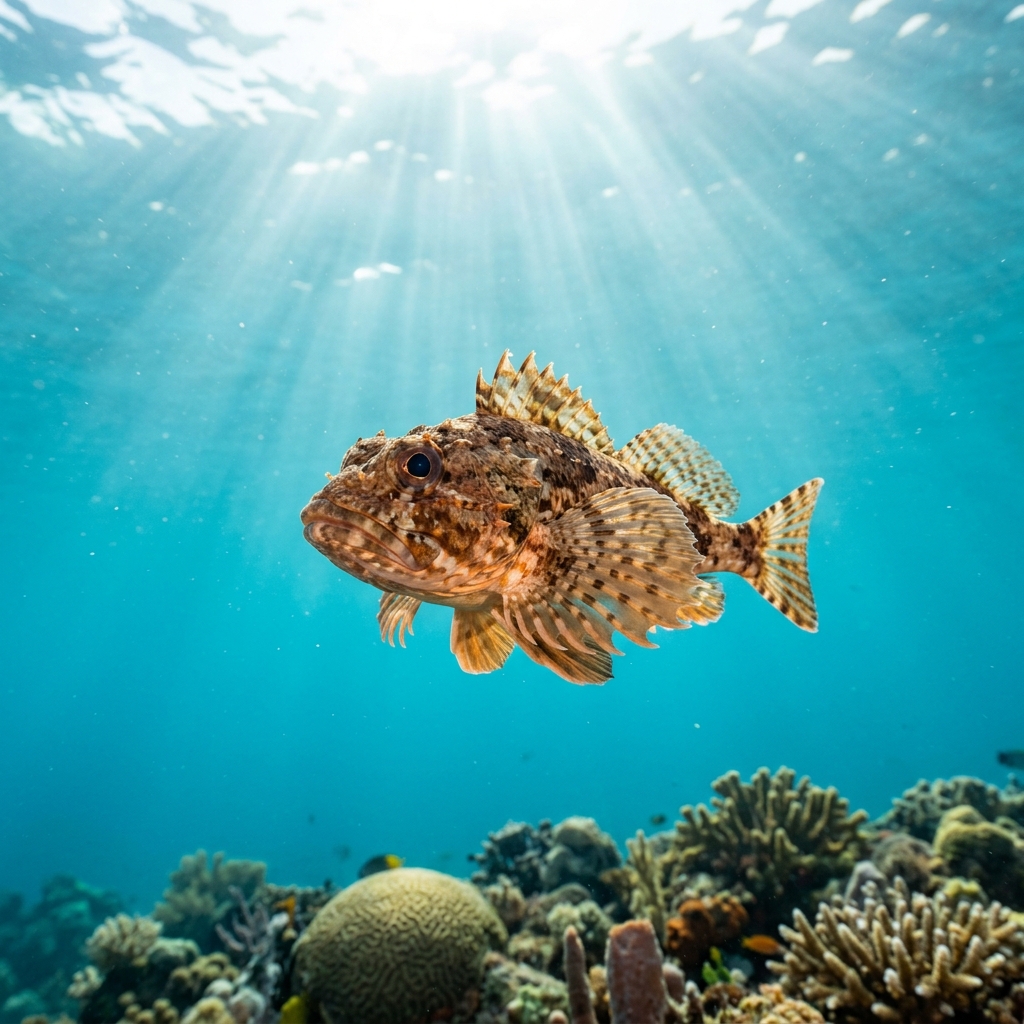
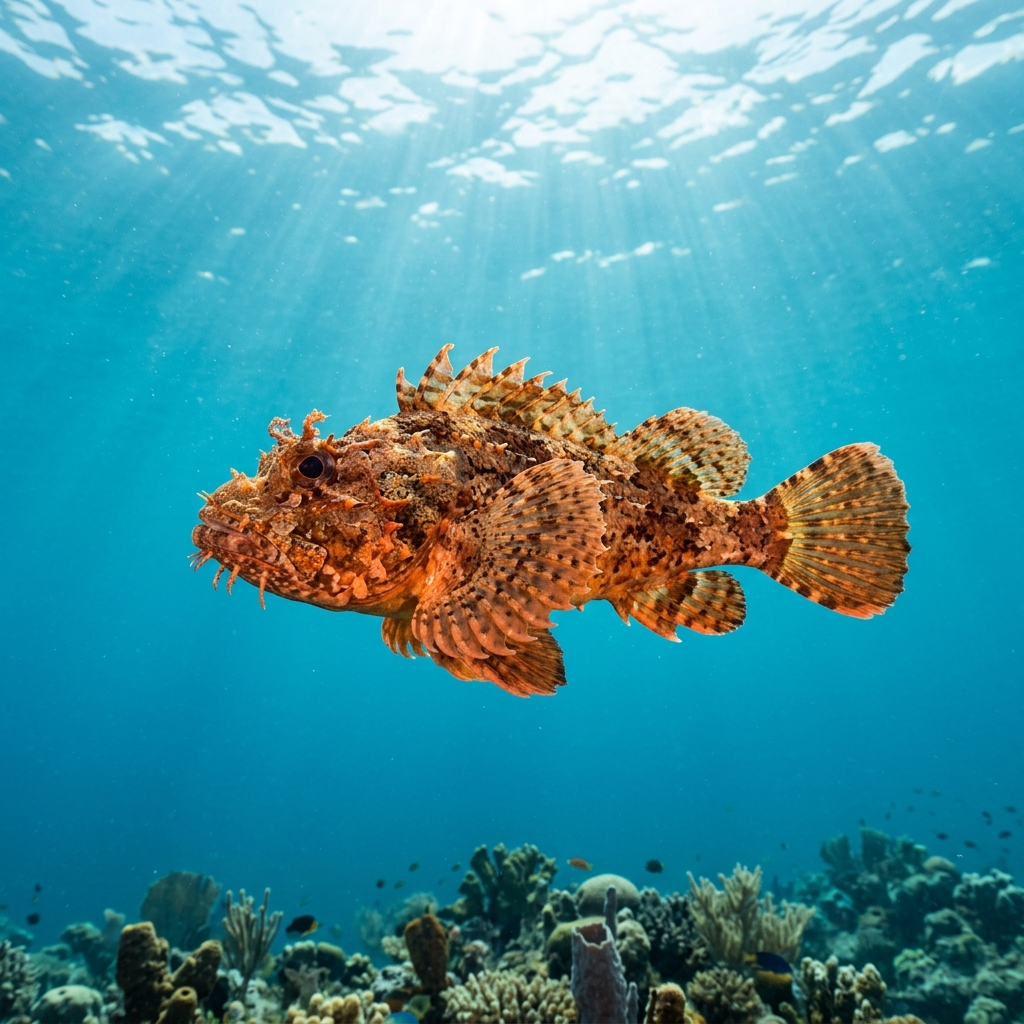
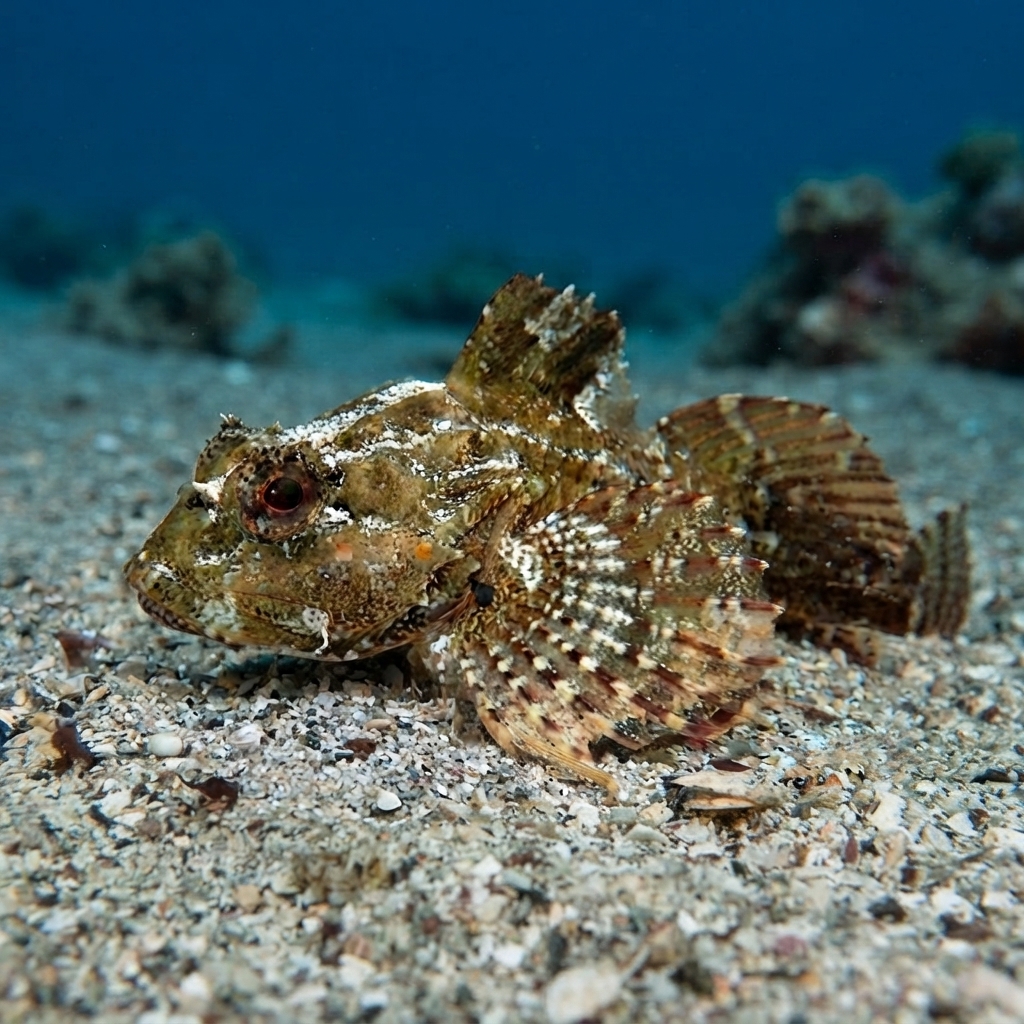
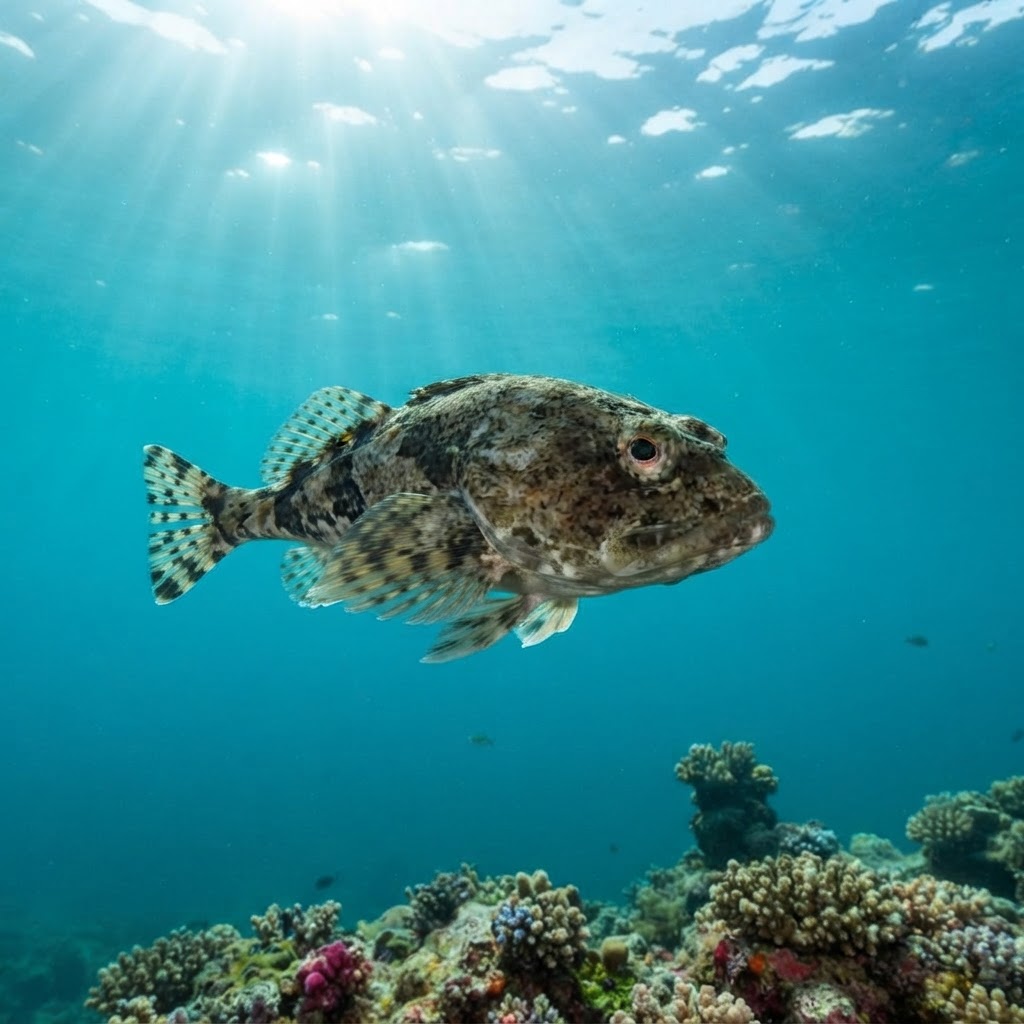
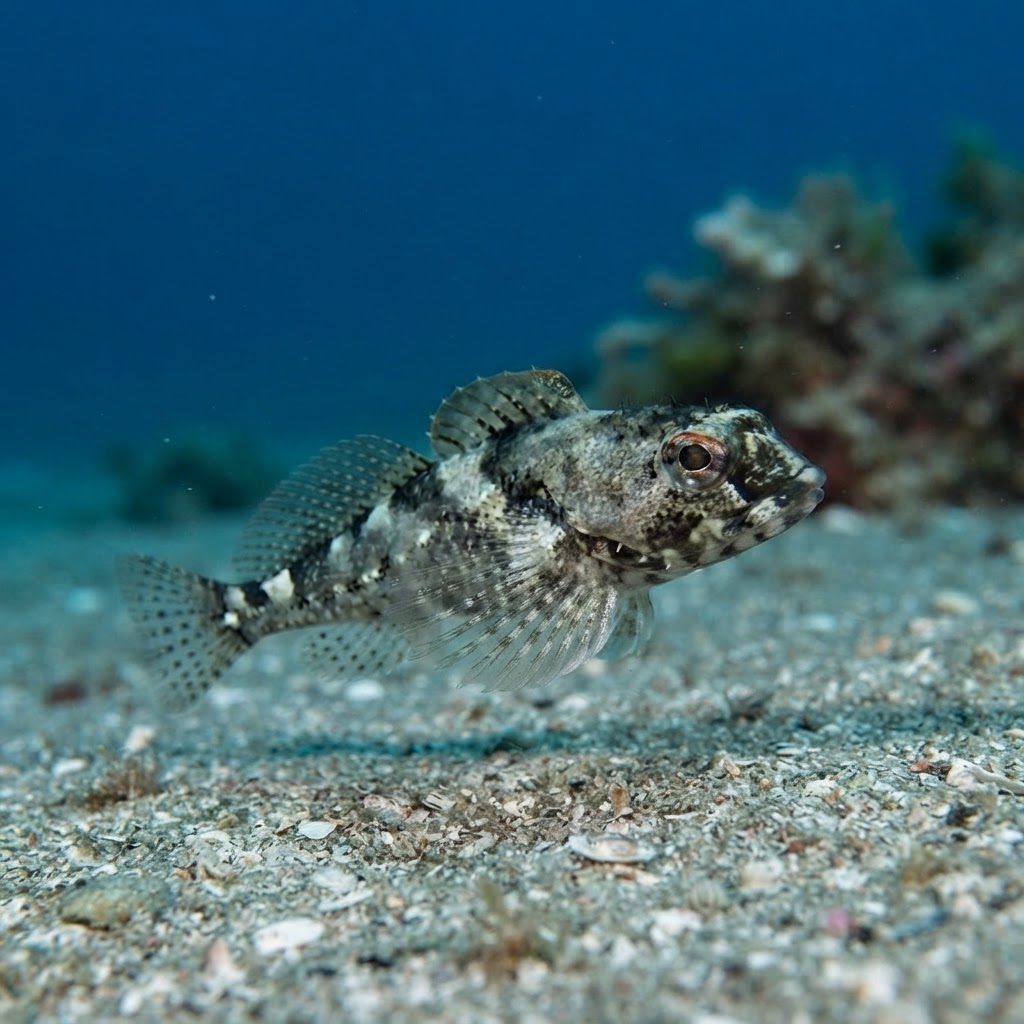
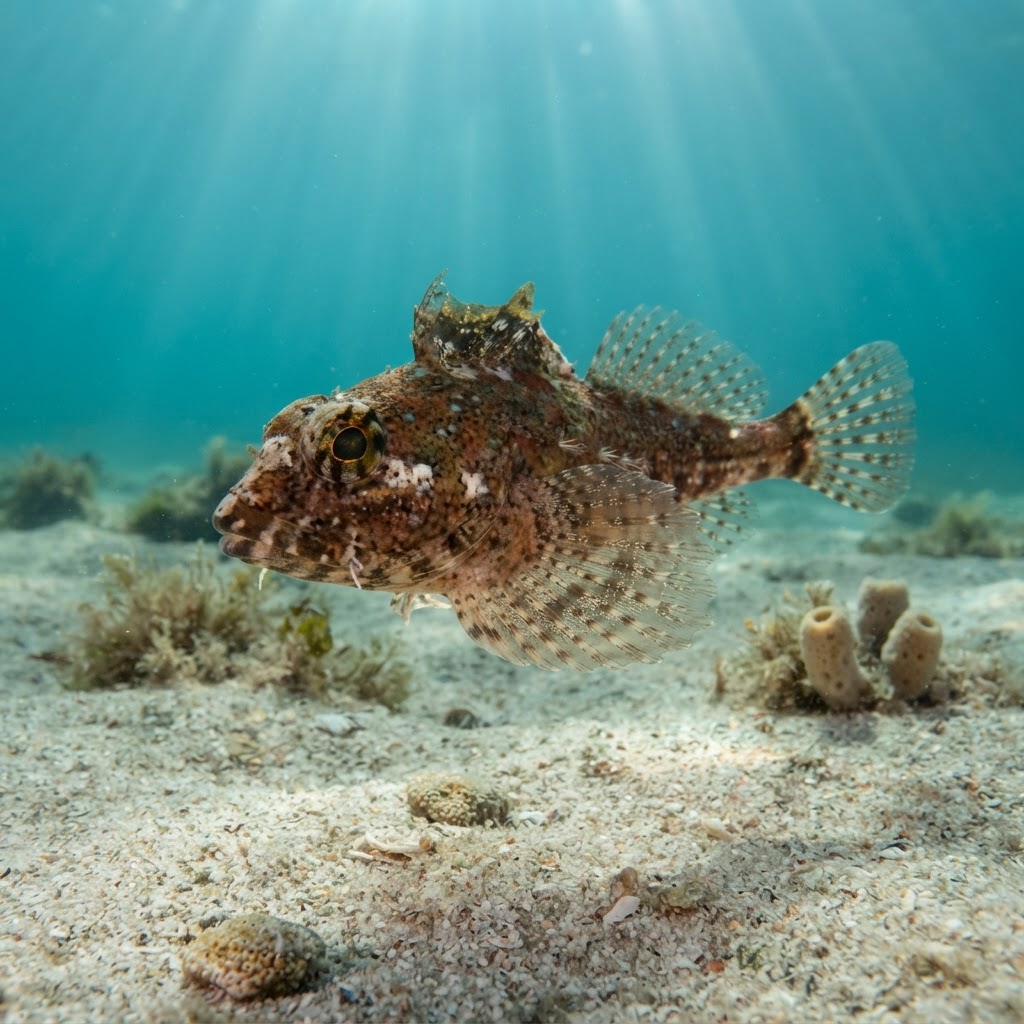
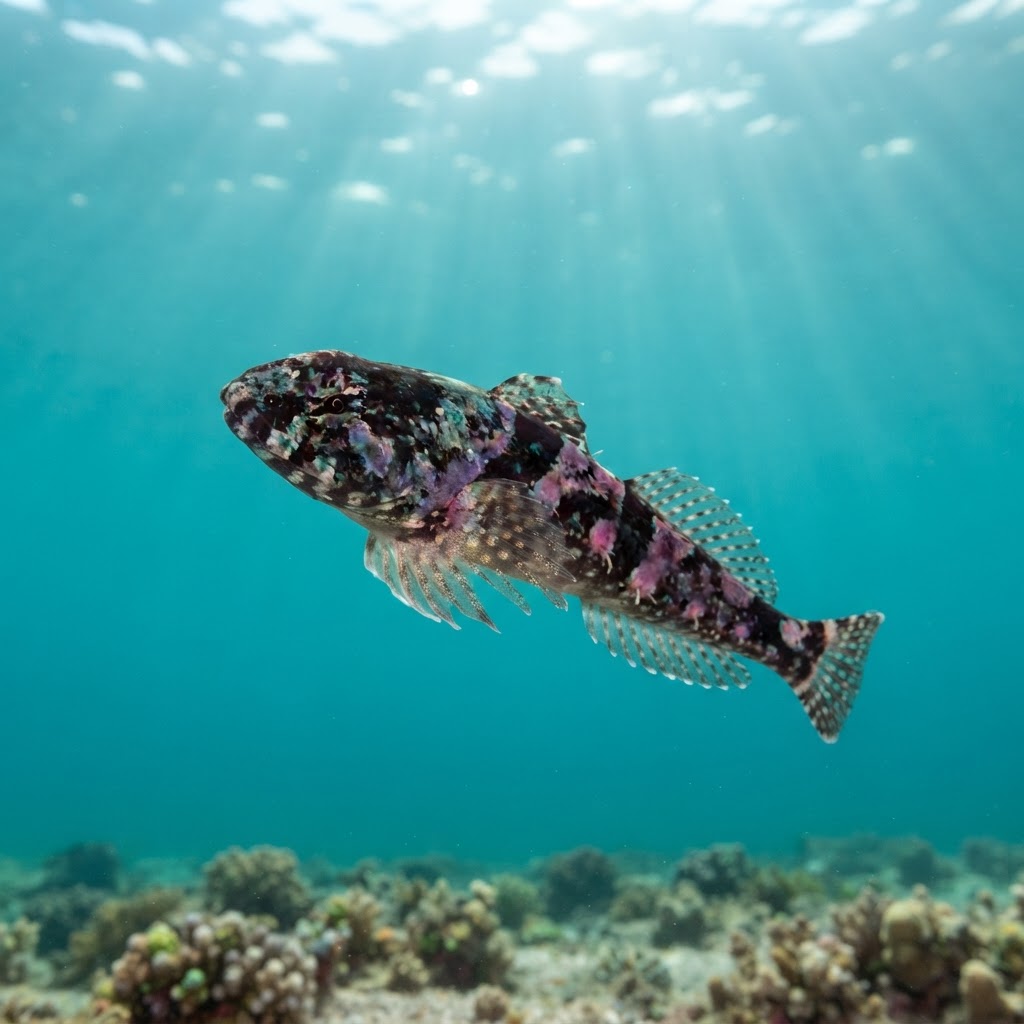
A stocky little fish, rarely more than 10 cm, that sits still on rock and cobble rather than swimming in the open. Look for a mottled brown, olive or reddish pattern that breaks up its outline against the substrate, a blunt head with no obvious scales, and a body that tapers to a small fan-like tail. Divers spot it by scanning the bottom closely rather than the water column, since it relies on camouflage and stillness to go unnoticed.
Expect to find it perched motionless on rock, cobble or amongst kelp holdfasts rather than out swimming, using its camouflage to sit tight as divers pass. It is logged as uncommon to rare at most sites, so sightings usually come from divers who slow down and check ledges and crevices closely rather than those cruising past mid-water. It shows little reaction to a diver's presence beyond staying still, typical of small sculpins that trust their pattern-matching over fleeing.
Sculpins in this family lack swim bladders, which is part of why they are bottom-sitters rather than water-column swimmers, spending most of their time perched on the substrate instead of hovering.
No clear seasonal pattern shows up in the sightings data, and it turns up year-round wherever divers log it. Its comfort range of roughly 9 to 18C spans the normal spread of Pacific Northwest and California dive temperatures across the year, so timing your trip around season is less important than picking the right kind of site.
Most consistently logged in British Columbia, Canada, which accounts for the large majority of recorded sightings, with additional but sparser records from California and Alaska in the United States. This is a cold-temperate Pacific species, so divers on the west coast of North America stand the best chance, particularly on rocky reef and cobble sites in British Columbia.
Mapping where Smoothhead Sculpin is logged…
British Columbia, Canada is by far the strongest region for sightings, with scattered additional records from California and Alaska in the United States. It favours rocky, cobble-strewn reef sites typical of Pacific Northwest diving.
There's no strong seasonal pattern in the sightings, so it can be found year-round. Its recorded temperature range of about 9 to 18C covers most of the diving season on the Pacific Northwest coast.
Look for a small, stocky fish under 10 cm sitting still on rock or cobble, with a mottled brown or olive pattern that camouflages it against the substrate. Its blunt head and lack of obvious scales help separate it from more slender reef fish nearby.
They stay small, typically reaching around 10 cm in length, making them easy to overlook against a busy rocky bottom.
No, they pose no danger to divers. They are small, stationary bottom-dwellers that rely on camouflage rather than any defensive behaviour.
Like many sculpins, it lacks a swim bladder, which is a big reason it spends its time perched on rock and cobble rather than swimming freely through the water column.
Site and sighting data is aggregated from diver logs, iNaturalist and GBIF. For taxonomy and conservation status:
Shorthorn Sculpin
228 sites