Soleichthys microcephalus
A flat, sand-dwelling sole logged in New South Wales, Australia, in 19.7 to 22.5C water. Here's how to spot one on the seabed.
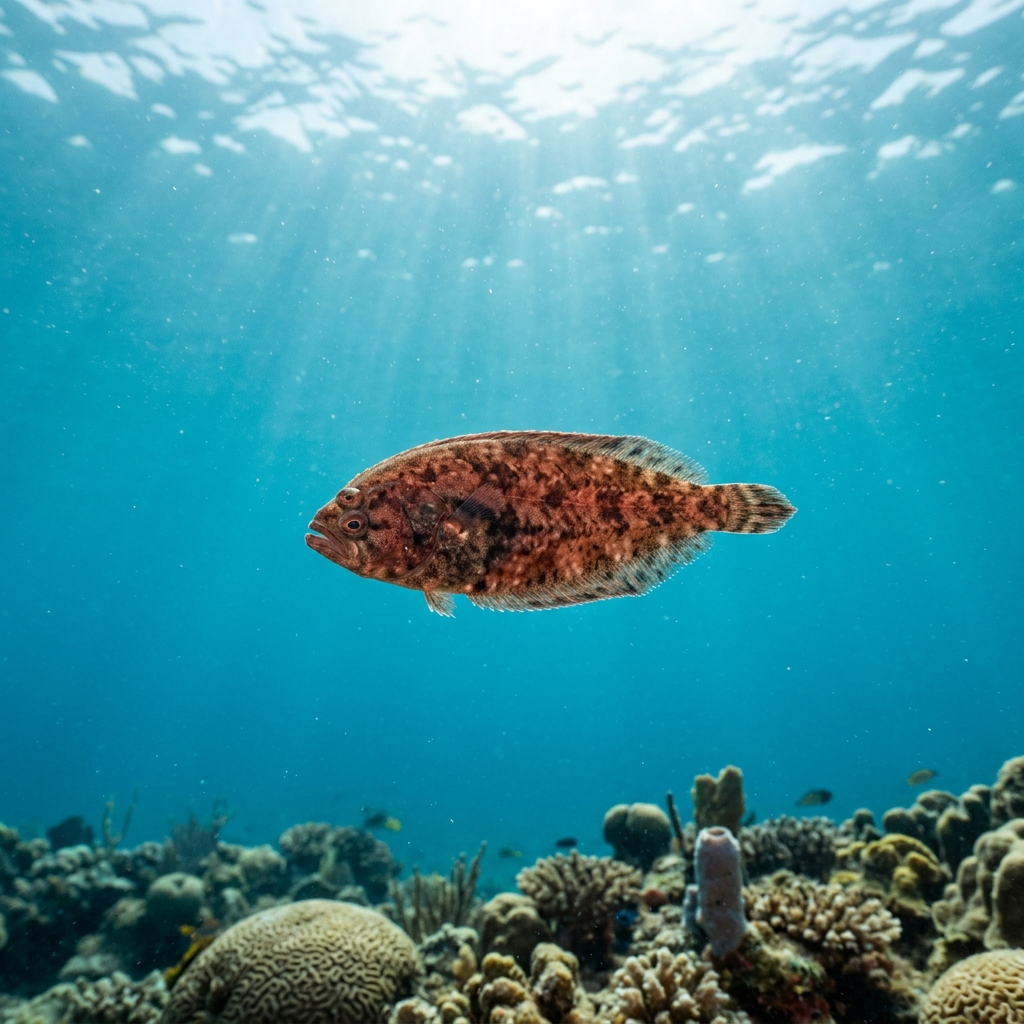
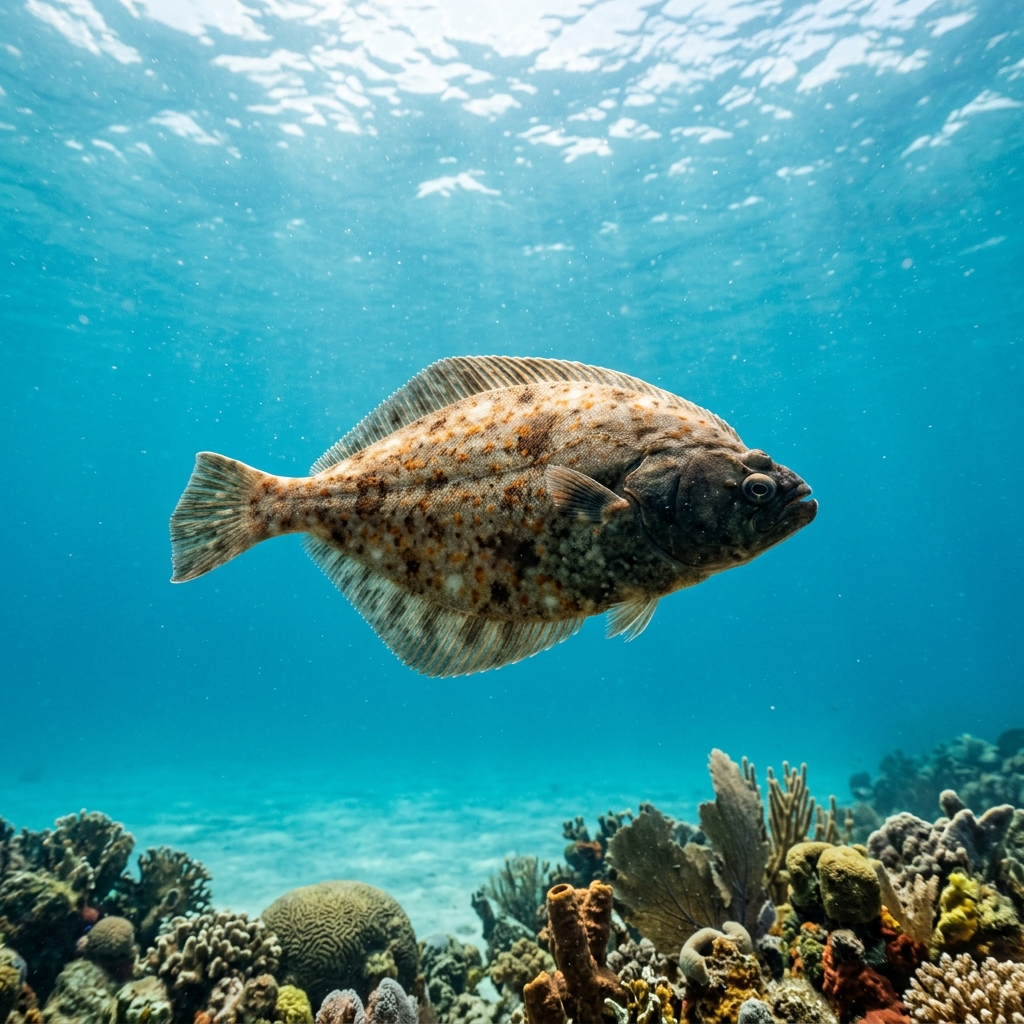
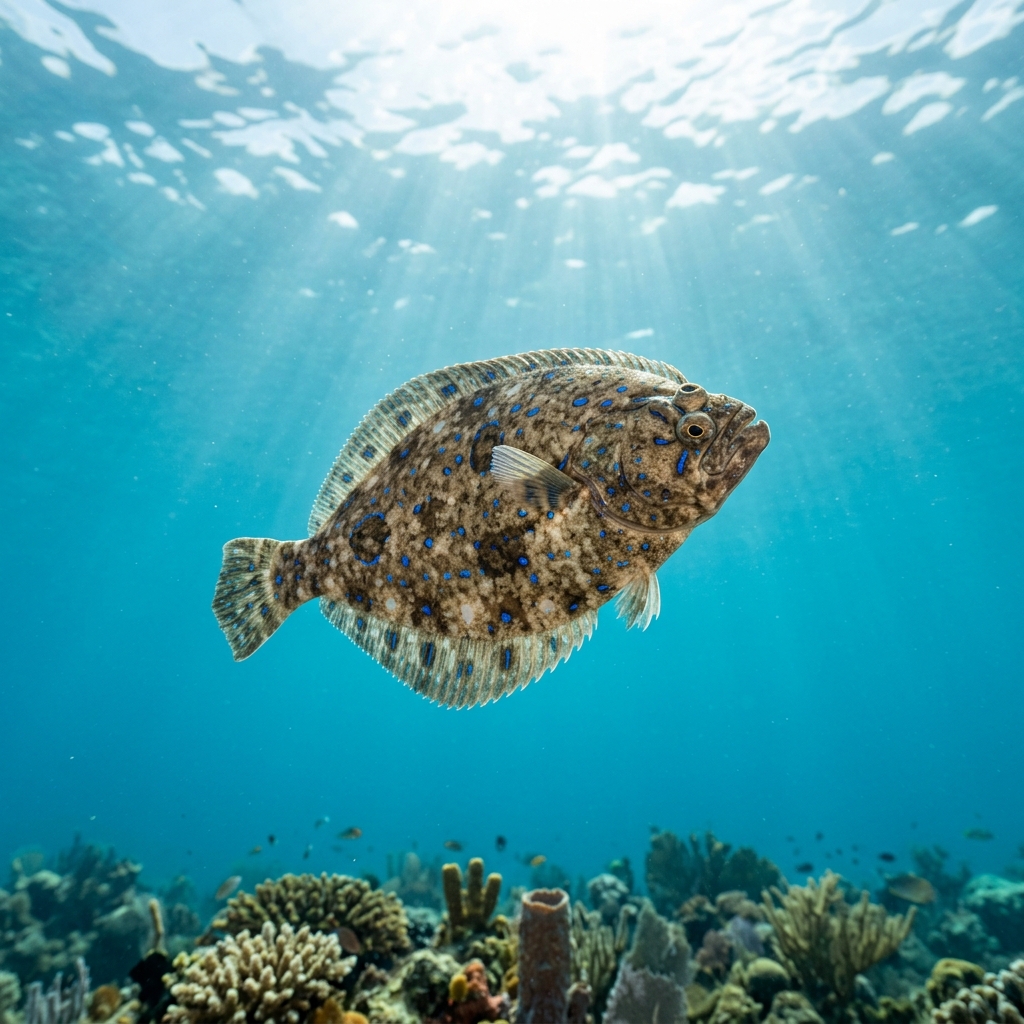
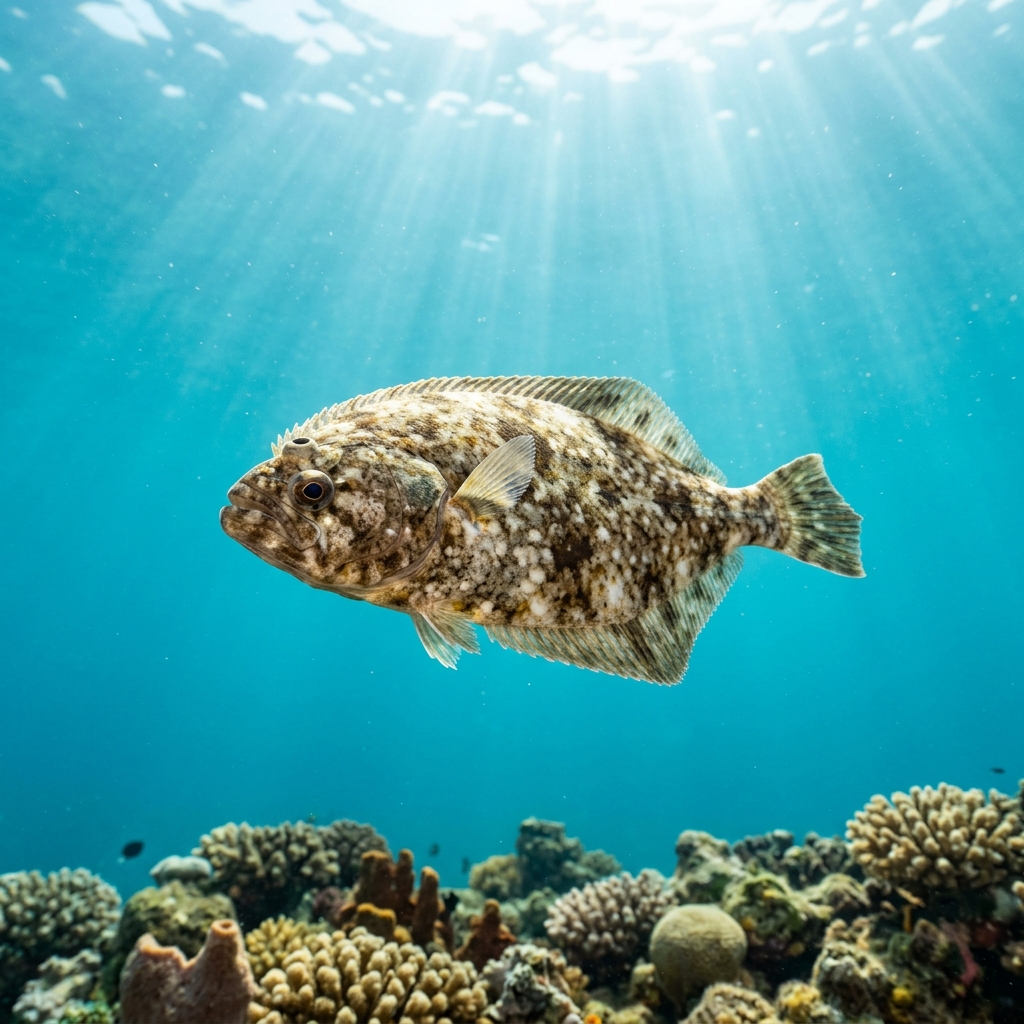
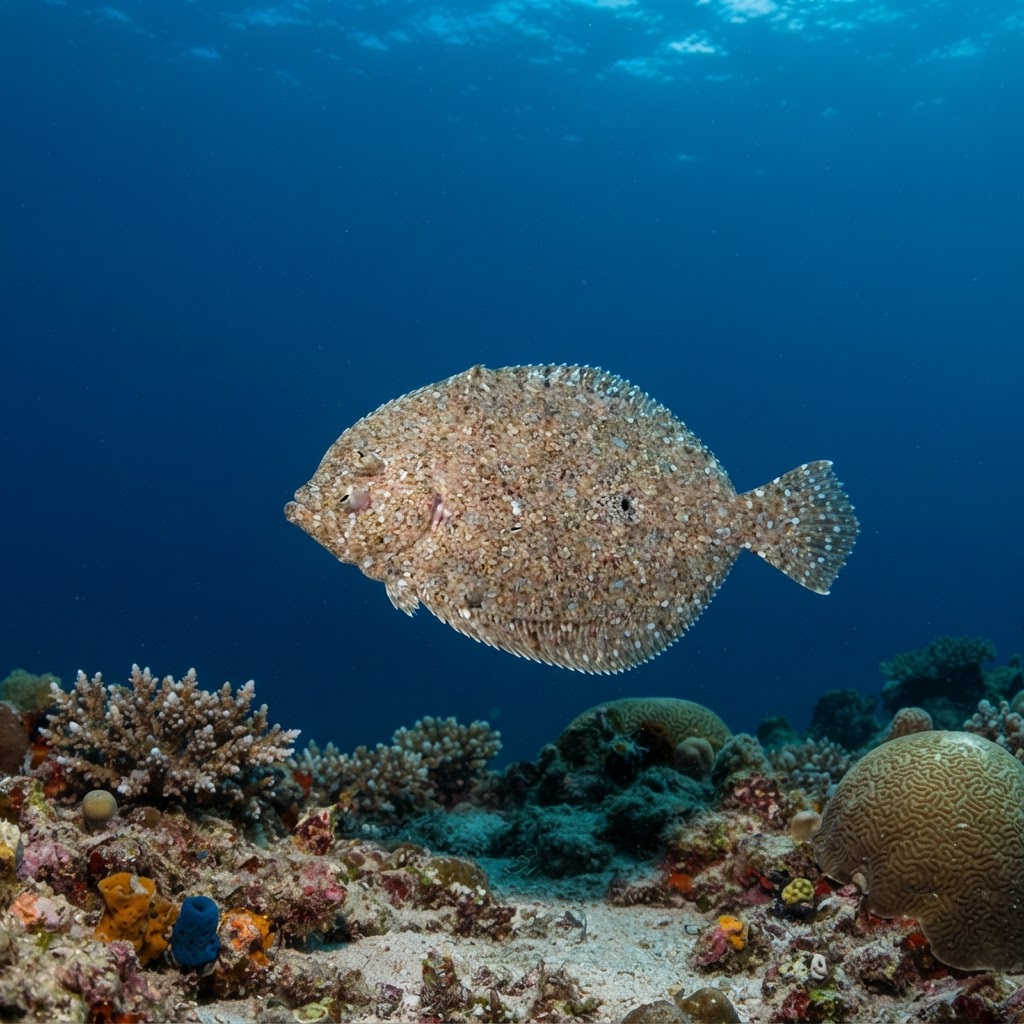
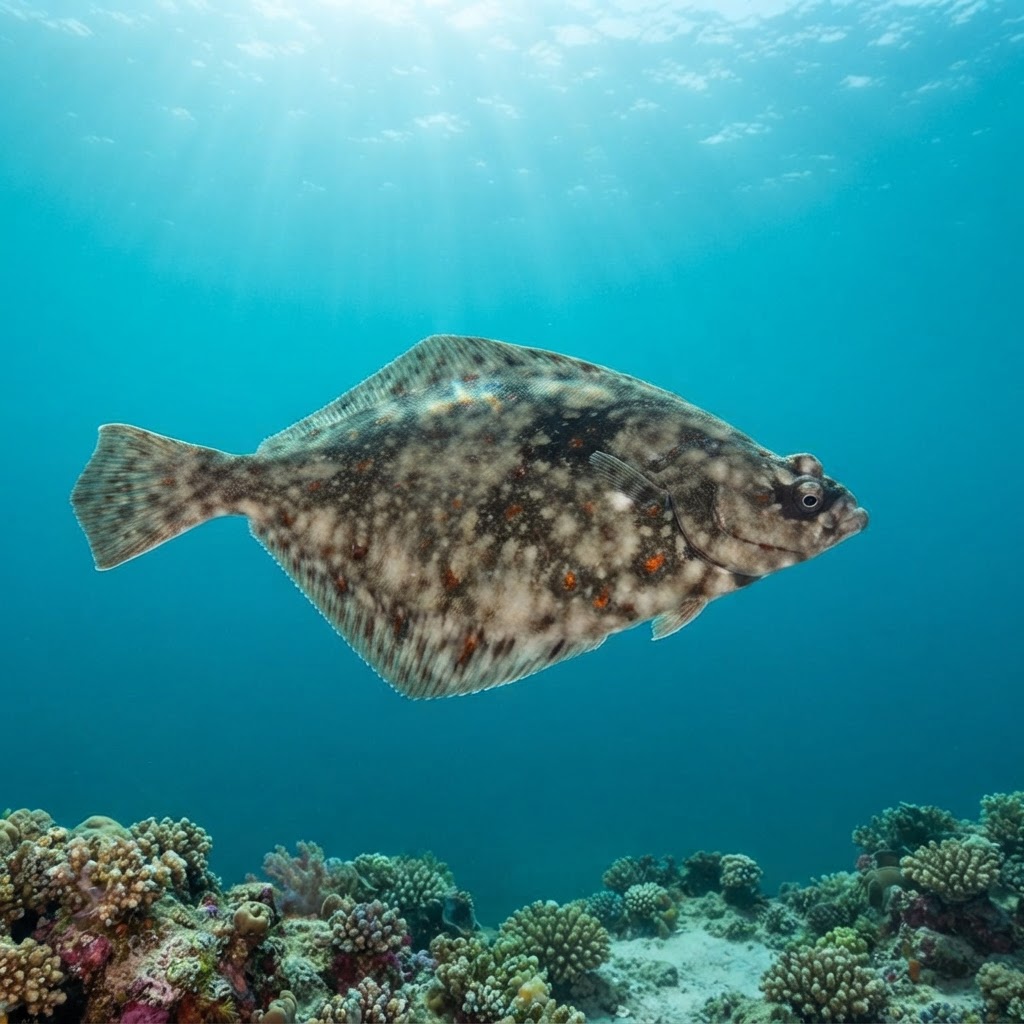
A small, flattened flatfish reaching around 15 cm, lying flush against sand or silt with both eyes on one side of its body, facing upward. Look for a mottled brown to sandy body pattern that blends closely with the seabed, with a rounded, small head relative to its body that gives the species its name. It moves in short glides low over the bottom rather than swimming freely in open water.
Spends most of its time lying still on sand or silty bottoms, relying on its mottled camouflage to avoid notice rather than fleeing. Divers who do spot one usually find it partially settled into the substrate with just its outline visible, and it tends to stay put unless disturbed at close range. Logged as an uncommon find even at the one site where it's been recorded, so spotting one takes a slow, sand-scanning approach rather than a swim-by.
Like other soles, it's born with eyes on both sides of its head and only develops its lopsided, both-eyes-on-one-side arrangement as it matures and settles onto the seabed to live flattened on one flank.
There isn't enough monthly sighting data yet to call a season, so treat it as a year-round possibility. Observed water temperatures of 19.7 to 22.5C point to a temperate, cooler-water species rather than a tropical one, consistent with New South Wales conditions across much of the year.
Currently logged from New South Wales, Australia, which is the only region with confirmed diver sightings of this species. Divers exploring sand and silt patches on temperate New South Wales sites have the best documented chance of spotting one, though records remain sparse.
Mapping where Smallhead Sole is logged…
The only confirmed diver sightings come from New South Wales, Australia, on sandy or silty seabed. It's not a species with a wide known diving range yet, so encounters outside this region aren't documented.
There's no clear seasonal pattern in the sighting data, so it's best treated as a year-round possibility. It has been observed in water between 19.7 and 22.5C, typical of temperate New South Wales conditions.
Look for a small, flat fish around 15 cm long lying against sand or silt, both eyes on the upward-facing side of its body. Its mottled brown colouring and small, rounded head are the key clues, and it tends to stay still rather than swim off.
They're a small flatfish, typically reaching around 15 cm in length. That size, combined with their camouflage against sand, makes them easy to swim past unnoticed.
No, they pose no danger to divers. They're a small, sedentary flatfish that relies on camouflage rather than defence, and simply lies still on the seabed when approached.
Like all soles, it starts life with a symmetrical face and eyes on both sides, then undergoes a dramatic change as it matures, with one eye migrating so both end up on the same side once it settles to live flat on the seabed.
Site and sighting data is aggregated from diver logs, iNaturalist and GBIF. For taxonomy and conservation status:
Wide Eyed Flounder
1,624 sites