Chrysoblephus puniceus
Pink-red seabream logged at 41 sites in KwaZulu-Natal, South Africa, in water from 16.7 to 27C, seen year-round on reef edges.
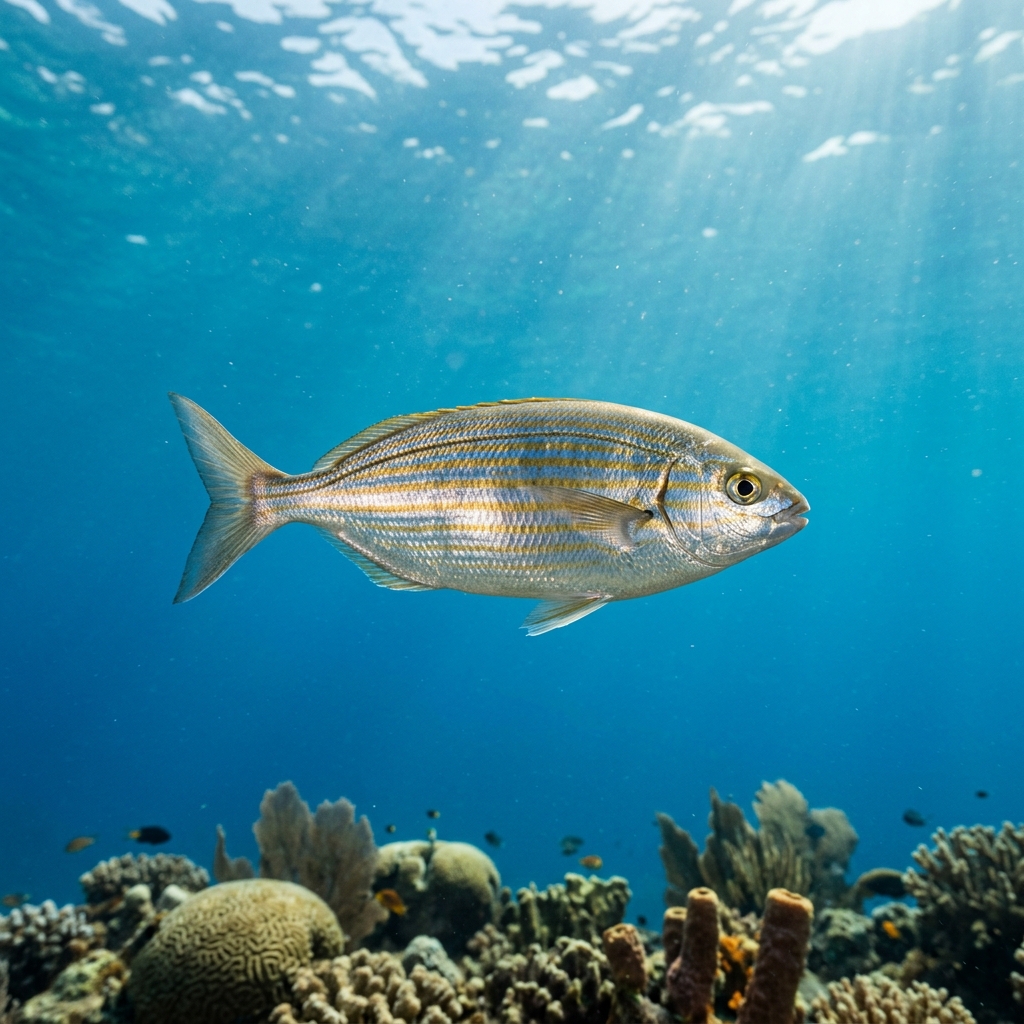
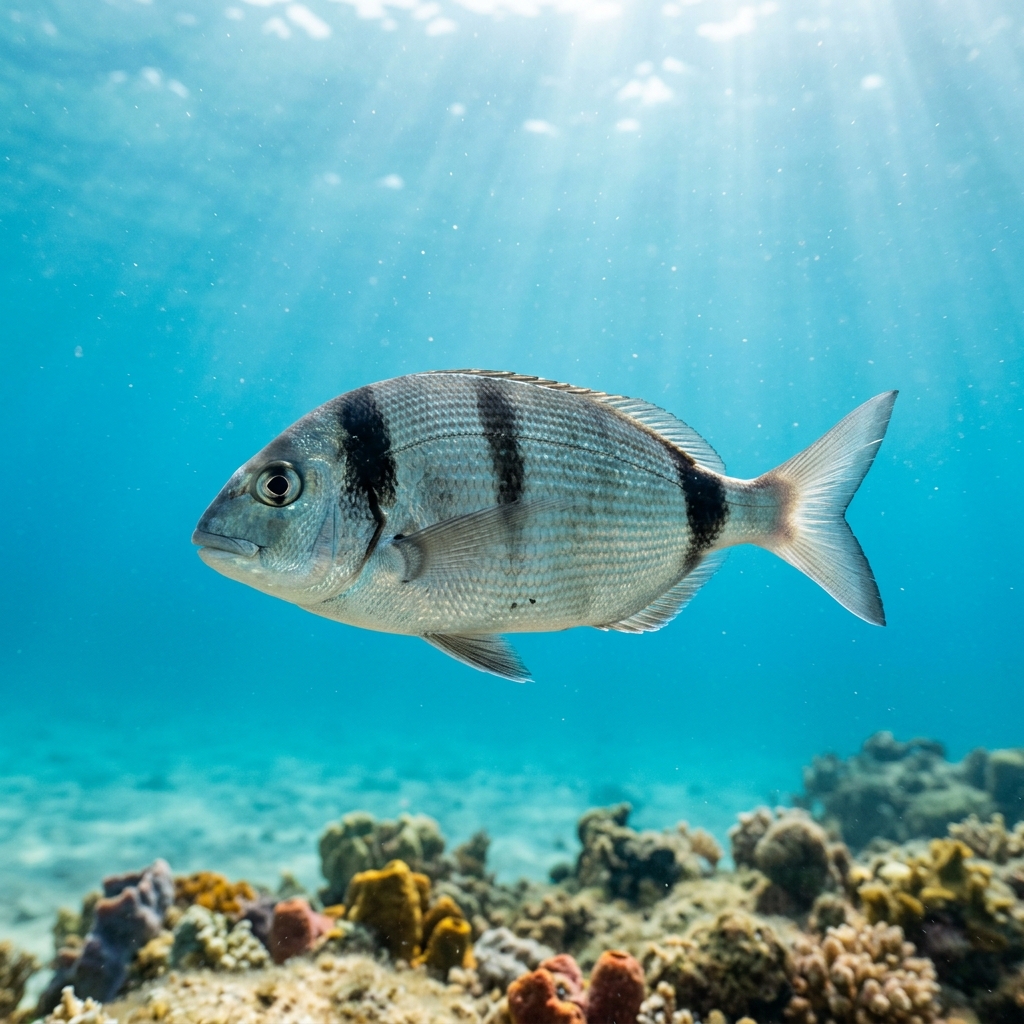
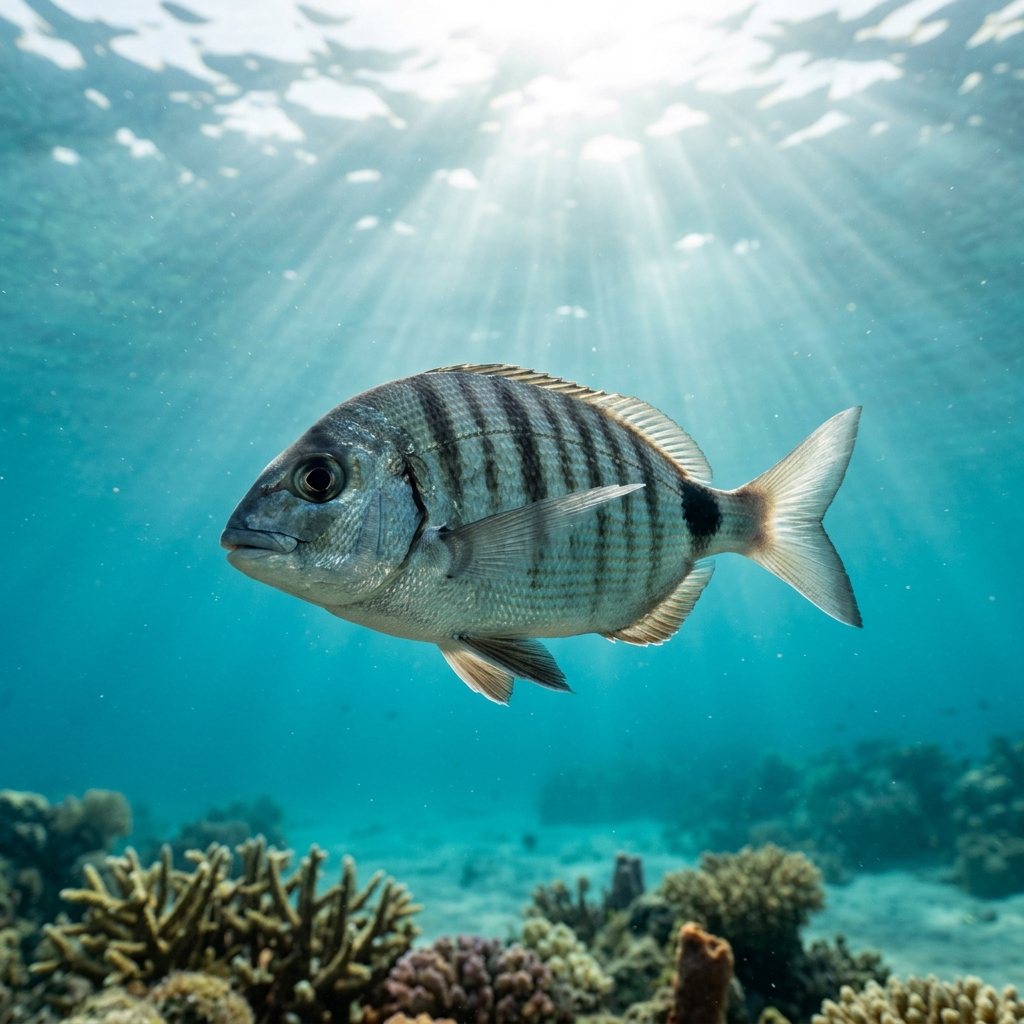
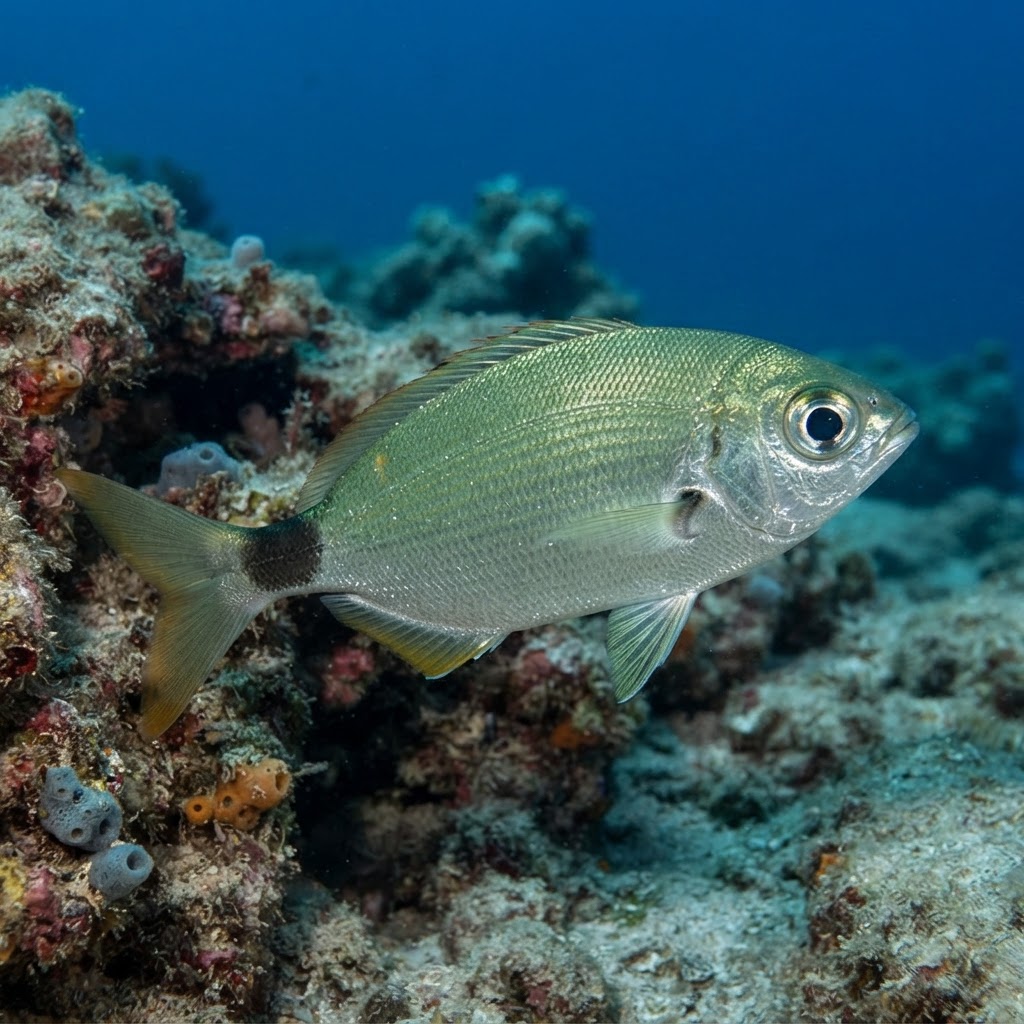
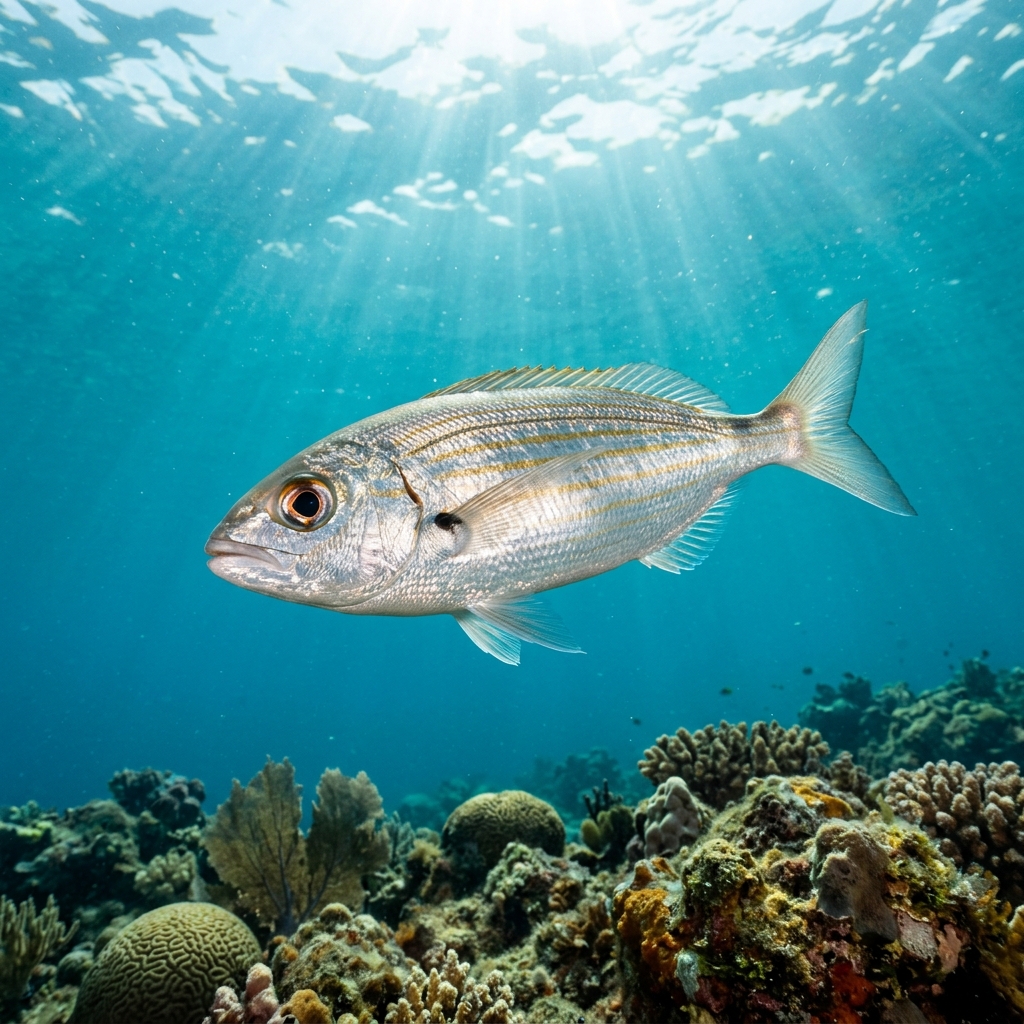
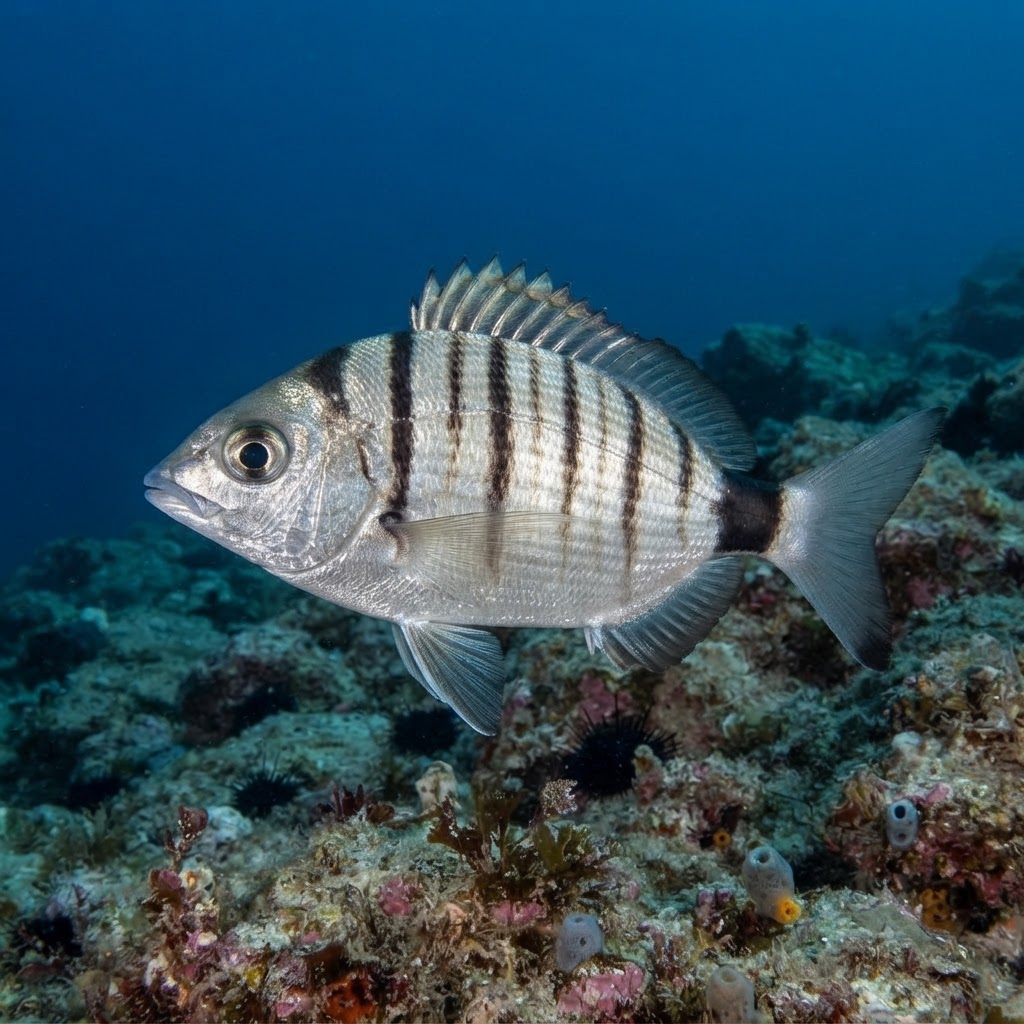
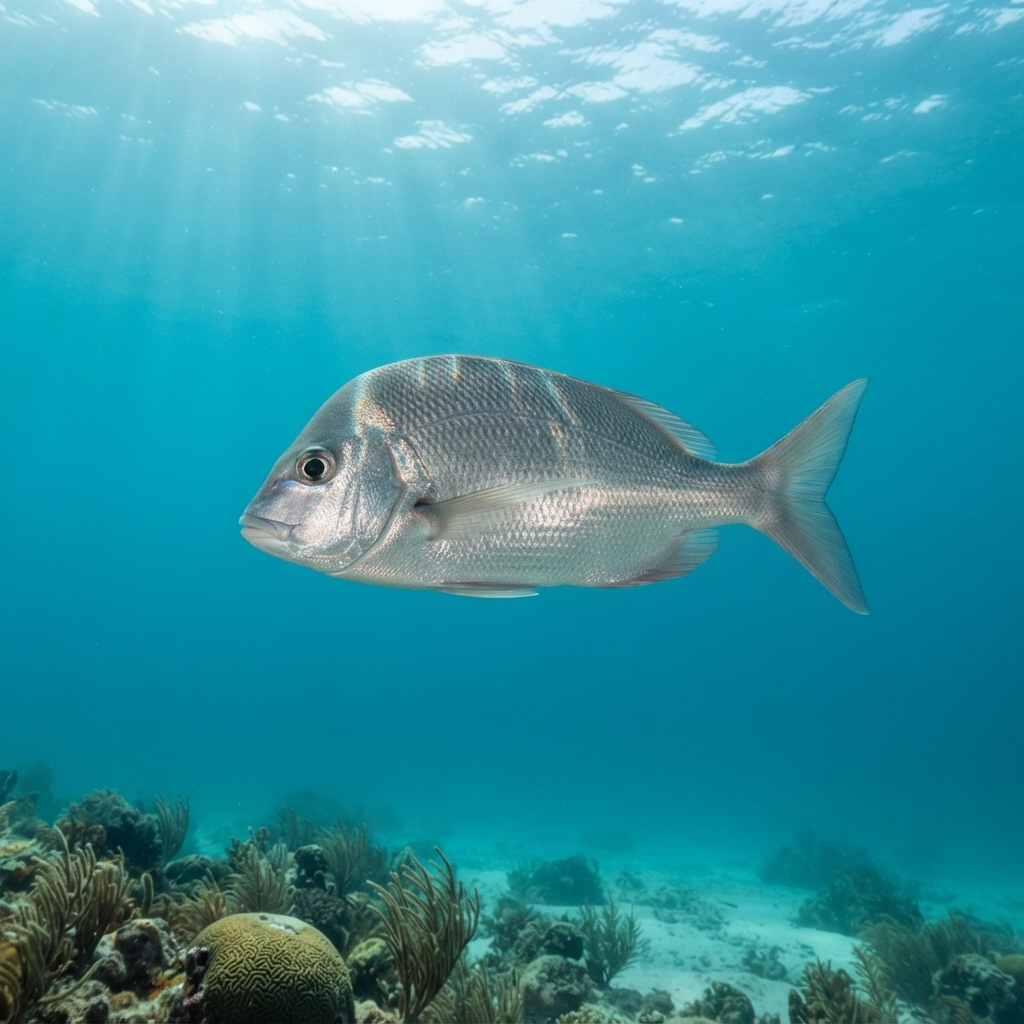
Grows to around 59 cm and shows a pinkish-red to coppery body that fades to a paler, silvery belly, with a fairly deep, oval body shape typical of sea breams. Look for the reddish flush concentrated along the upper back and head, often more intense than the rest of the body, and a steep forehead profile. There's no strong two-tone pattern or bold stripe to key on, so body colour and shape together with locality are your best clues on a KwaZulu-Natal reef.
Typically seen hovering or moving slowly over reef structure rather than tucked into crevices, often alone or in small loose groups rather than tight schools. It keeps a fairly relaxed distance from divers without being especially bold, so most sightings are a pass at mid-water or along a reef edge rather than a close encounter. Given the uncommon rating at most sites, it's more a case of scanning open reef and drop-offs than expecting it on every dive.
Like many sea breams, slinger are protogynous hermaphrodites, meaning individuals start life as females and some later change sex to become males as they grow, which is worth knowing if you're trying to match size to sex underwater.
Sightings don't show a clear seasonal pattern, so treat it as a year-round possibility on KZN reefs. It's been recorded across a wide temperature range, from 16.7 to 27C, which covers KwaZulu-Natal's cooler winter upwellings through to its warm summer water, so temperature swings don't seem to push it off the reef.
Every logged sighting of this species comes from South Africa, and specifically KwaZulu-Natal, which makes it the region to head for if you want a real shot at one. Within KZN it's spread across a wide number of sites, most commonly turning up as an uncommon find rather than a guaranteed one, with a handful of sites where divers rate it common.
Mapping where Slinger is logged…
Slinger are recorded almost exclusively in South Africa's KwaZulu-Natal region, spread across a wide range of reef sites there. It's the one region with a reliable track record for this species, most often logged as an uncommon sighting rather than a sure thing.
There's no strong season in the data, so sightings happen year-round on KwaZulu-Natal reefs. It's been observed across a broad temperature range from 16.7 to 27C, suggesting it tolerates both the cooler and warmer parts of the local diving calendar.
Look for a deep-bodied fish up to about 59 cm with a pinkish-red to coppery body, a paler belly, and a steep-profiled head typical of sea breams. There's no bold stripe or two-tone flag pattern, so overall colour, body shape, and being on a KwaZulu-Natal reef are your main clues.
They reach around 59 cm in length, putting them among the larger sea breams a diver is likely to encounter on South African reefs.
No, slinger are not considered dangerous to divers. They're a reef-associated sea bream with no venom or aggressive behaviour to worry about.
Slinger are protogynous hermaphrodites, starting life as females with some individuals switching to male later in life, a trait shared with several other sea bream species.
Site and sighting data is aggregated from diver logs, iNaturalist and GBIF. For taxonomy and conservation status:
Saddled Bream
3,846 sites