Liparis mucosus
A rare, tiny cold-water fish logged in Alaska and British Columbia at 8.7-17.9C, best found tucked into rocky, kelp-strewn seafloor.
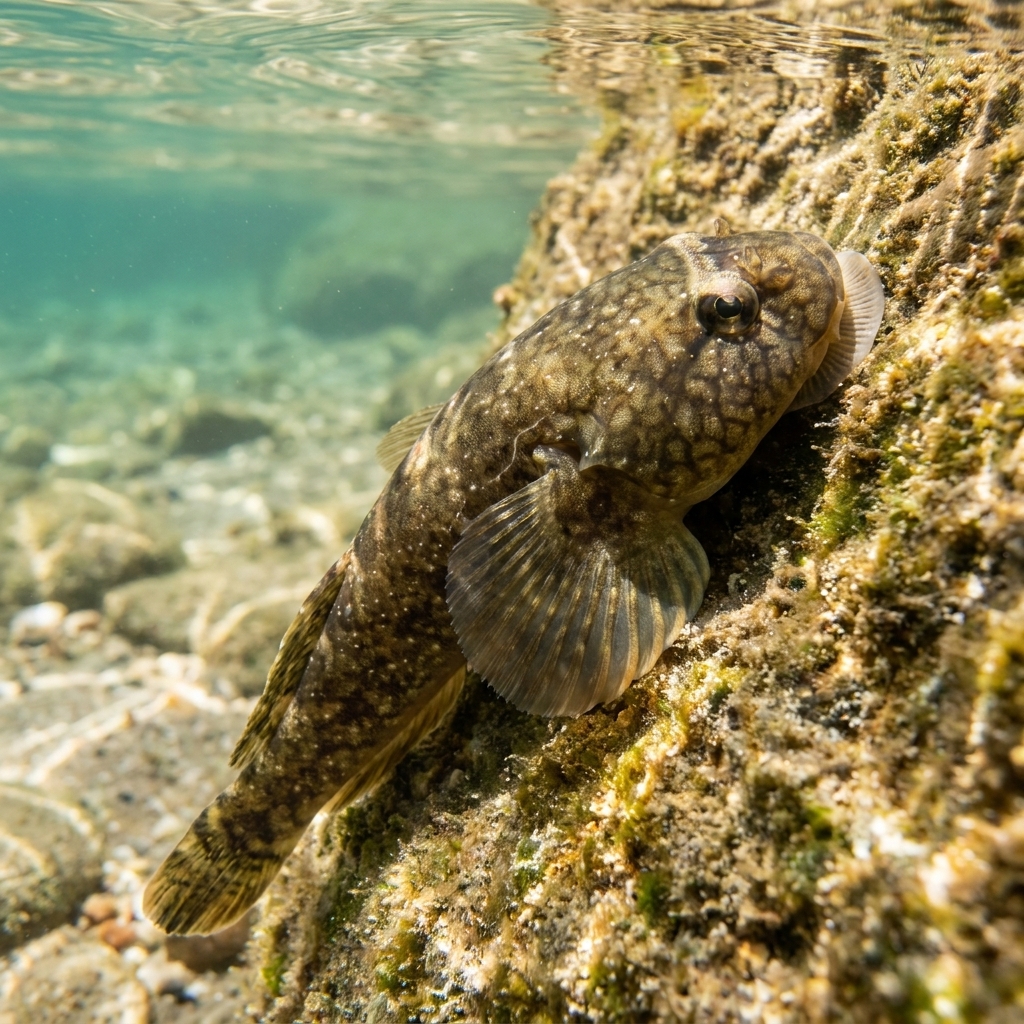
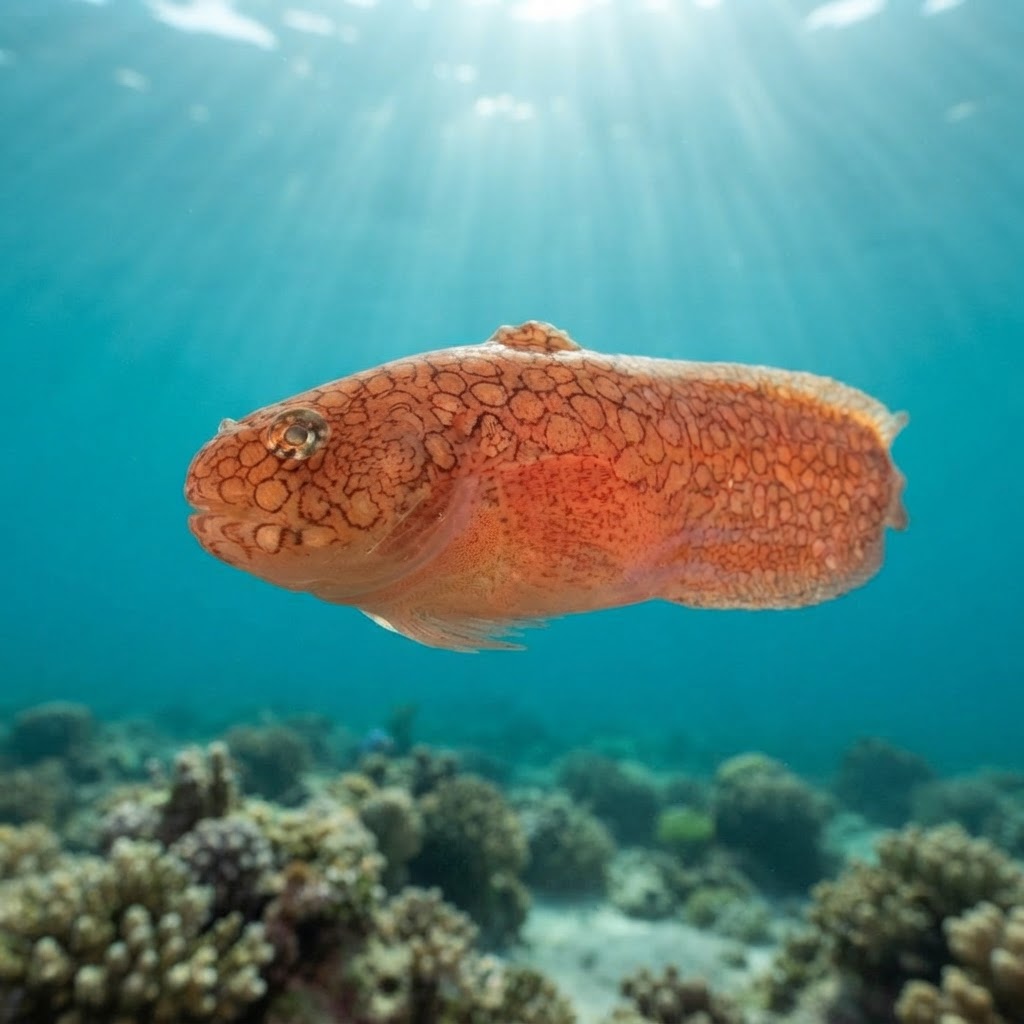
A small, soft-bodied fish that rarely tops 9 cm, with a tadpole-like shape that tapers from a broad head to a slender tail. The skin looks smooth and gelatinous rather than scaled, and the body sits low and still against rock or gravel rather than swimming in open water. Colour tends toward mottled browns and greys that blend with the cold-water seafloor, making it easy to swim straight past.
Divers who log this fish describe it sitting motionless on rock, gravel, or amongst kelp holdfasts rather than swimming through the water column. It shows no particular reaction to divers, staying put and relying on camouflage instead of fleeing. Sightings are logged as rare to uncommon, so finding one usually means slow, close-focus searching along the bottom rather than spotting it at a distance.
Snailfish in general lack scales and are covered in a loose, jelly-like skin that gives the family its slimy reputation and helps them survive the cold, low-light habitats they occupy.
There is not enough monthly data to point to a season, so treat sightings as possible year-round. Its recorded temperature niche of 8.7 to 17.9C matches the cold water typical of Alaska and British Columbia through most of the year, so timing likely matters less than simply diving the right habitat.
Logged sightings come from two cold-water regions: Alaska in the United States and British Columbia in Canada. Both are real but sparse records, so this is a fish for divers already working the rocky reefs and kelp beds of the North Pacific rather than a species you plan a trip around.
Mapping where Slimy Snailfish is logged…
Confirmed sightings come from Alaska in the United States and British Columbia in Canada. Both regions report it as rare to uncommon, so it is a bonus find on cold-water dives rather than a guaranteed sighting.
There is no clear seasonal pattern in the data, so it is best treated as a year-round possibility. Its recorded range of 8.7 to 17.9C fits the cold water found across most of the diving season in Alaska and British Columbia.
Look for a small, soft-bodied fish under 9 cm with a tadpole-like shape and smooth, scaleless skin. It sits still on rock or gravel with mottled brown-grey colouring that blends into the cold-water seafloor.
They are small, typically reaching around 9 cm, which makes them easy to overlook against a rocky or gravel bottom.
No, they pose no danger to divers. They are small, slow-moving, and rely on staying still and camouflaged rather than any defensive behaviour.
Like other snailfish, they have no scales and are covered instead in a loose, gelatinous skin, an adaptation suited to the cold, often deep or nearshore habitats they occupy.
Site and sighting data is aggregated from diver logs, iNaturalist and GBIF. For taxonomy and conservation status:
Soldierfish
3,612 sites