Stethojulis strigiventer
A small, easily missed wrasse most reliably logged around Western Australia in water between 25 and 29 C, year-round.
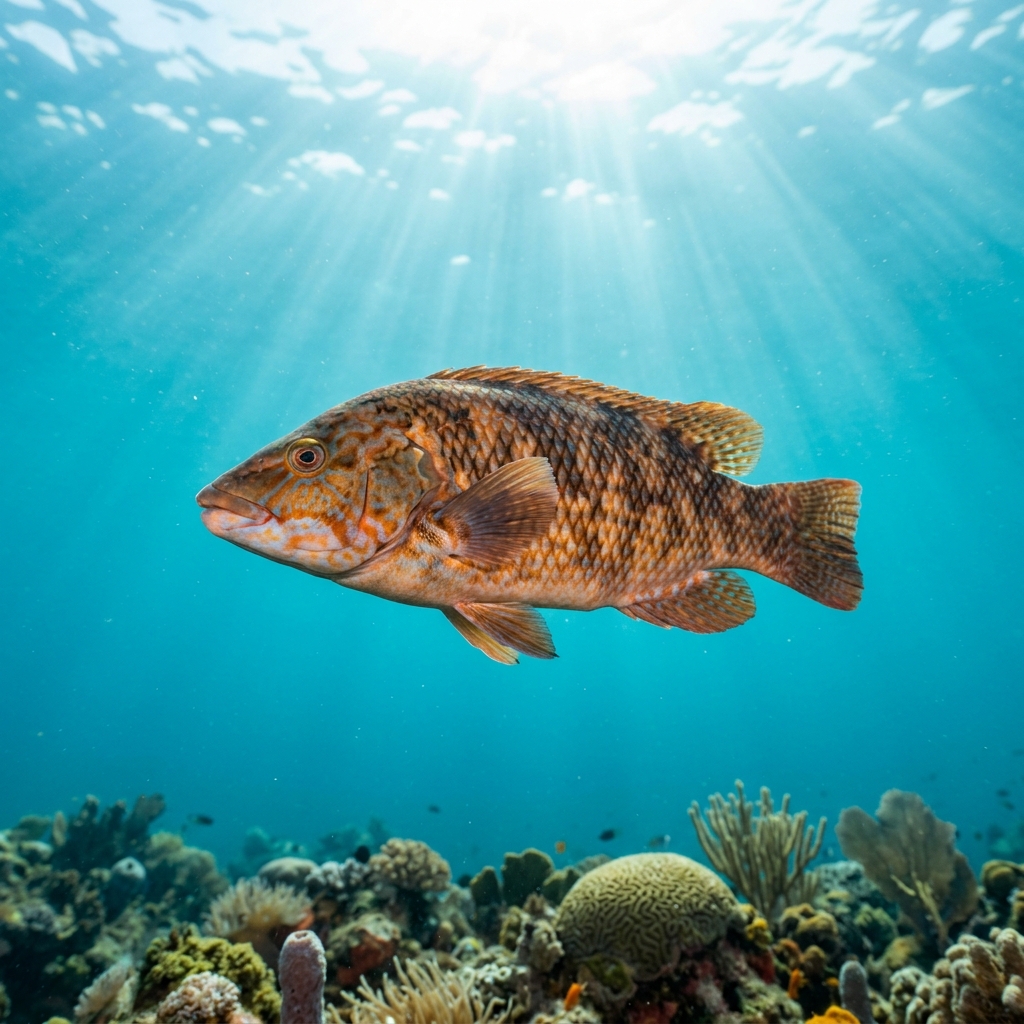
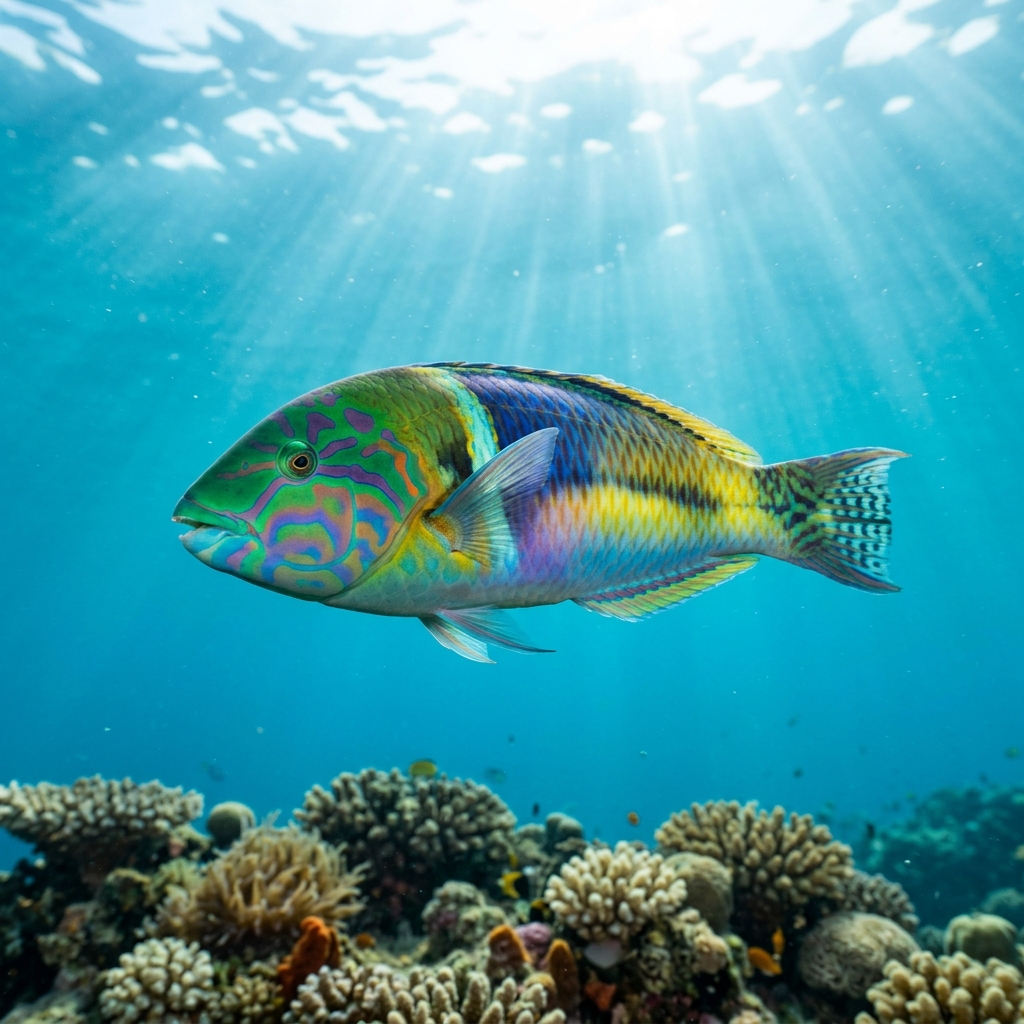
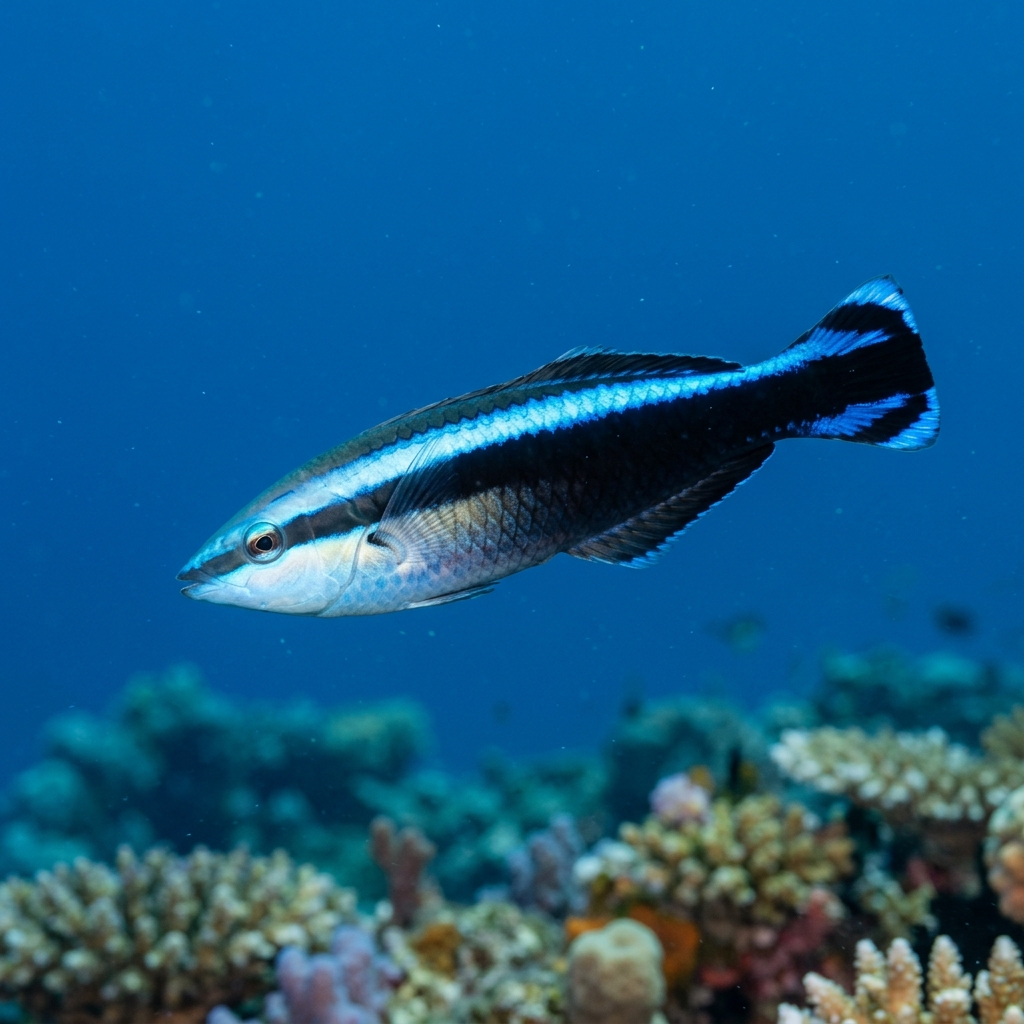
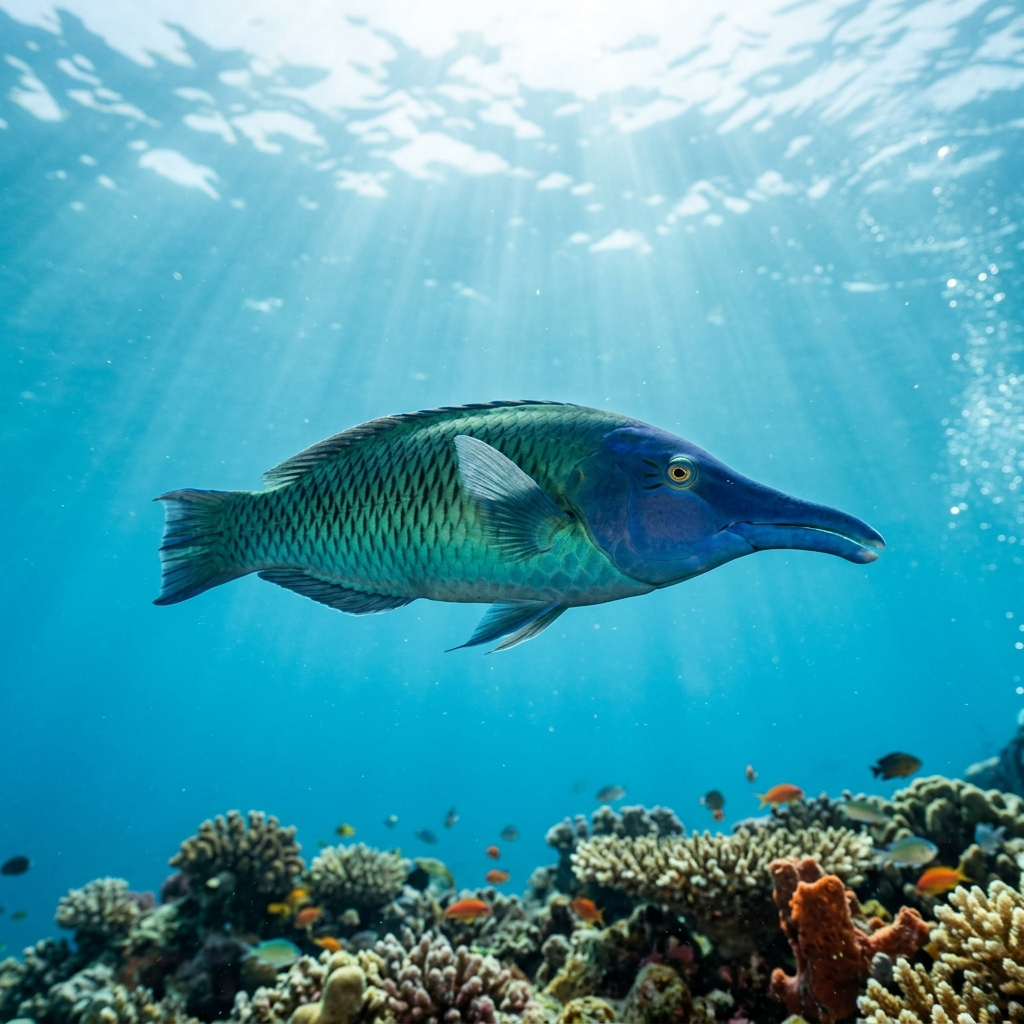
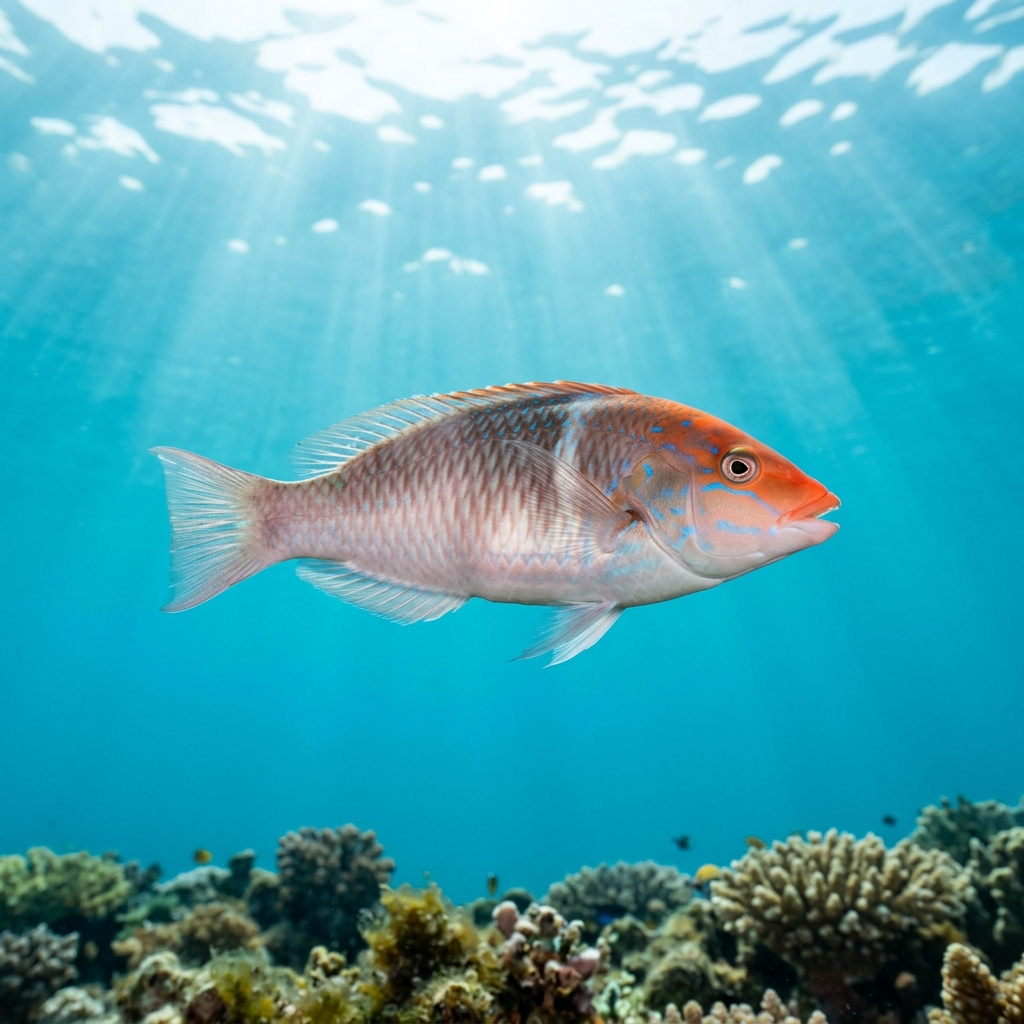
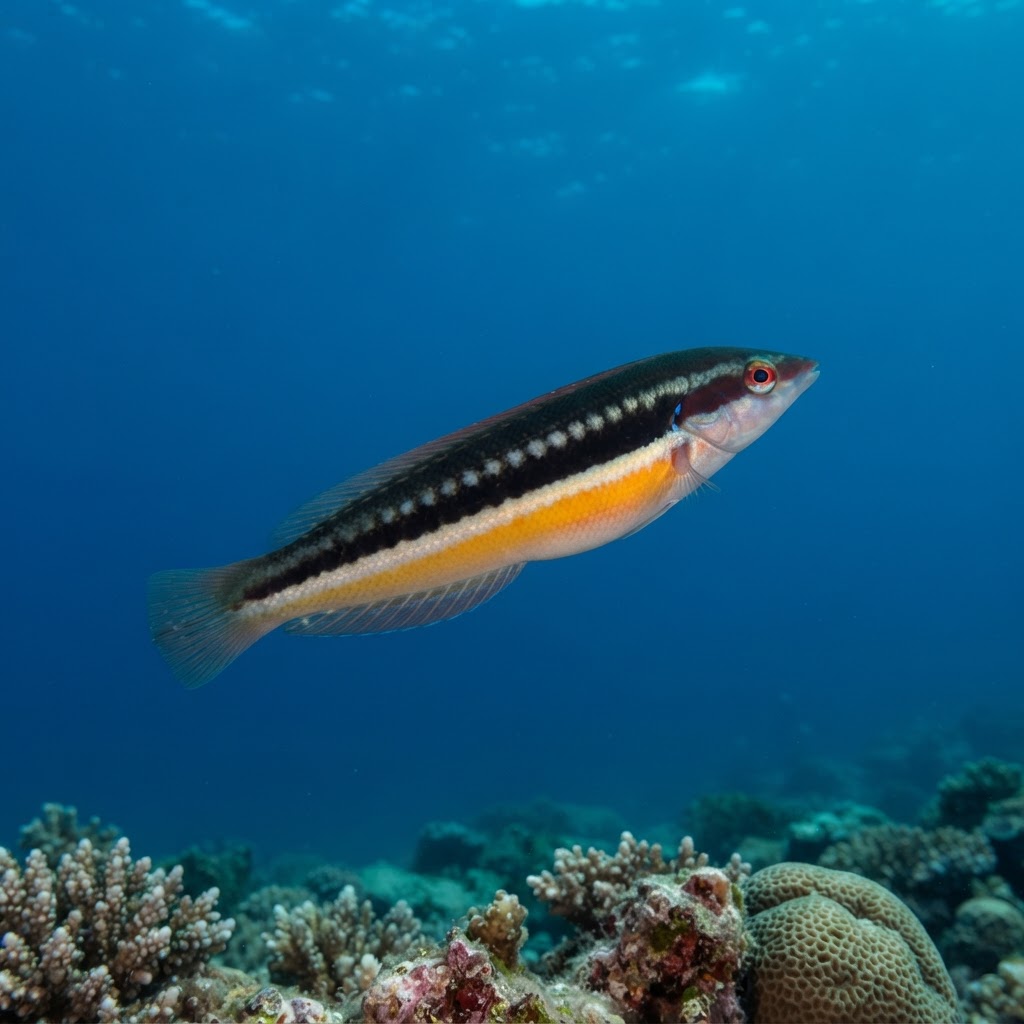
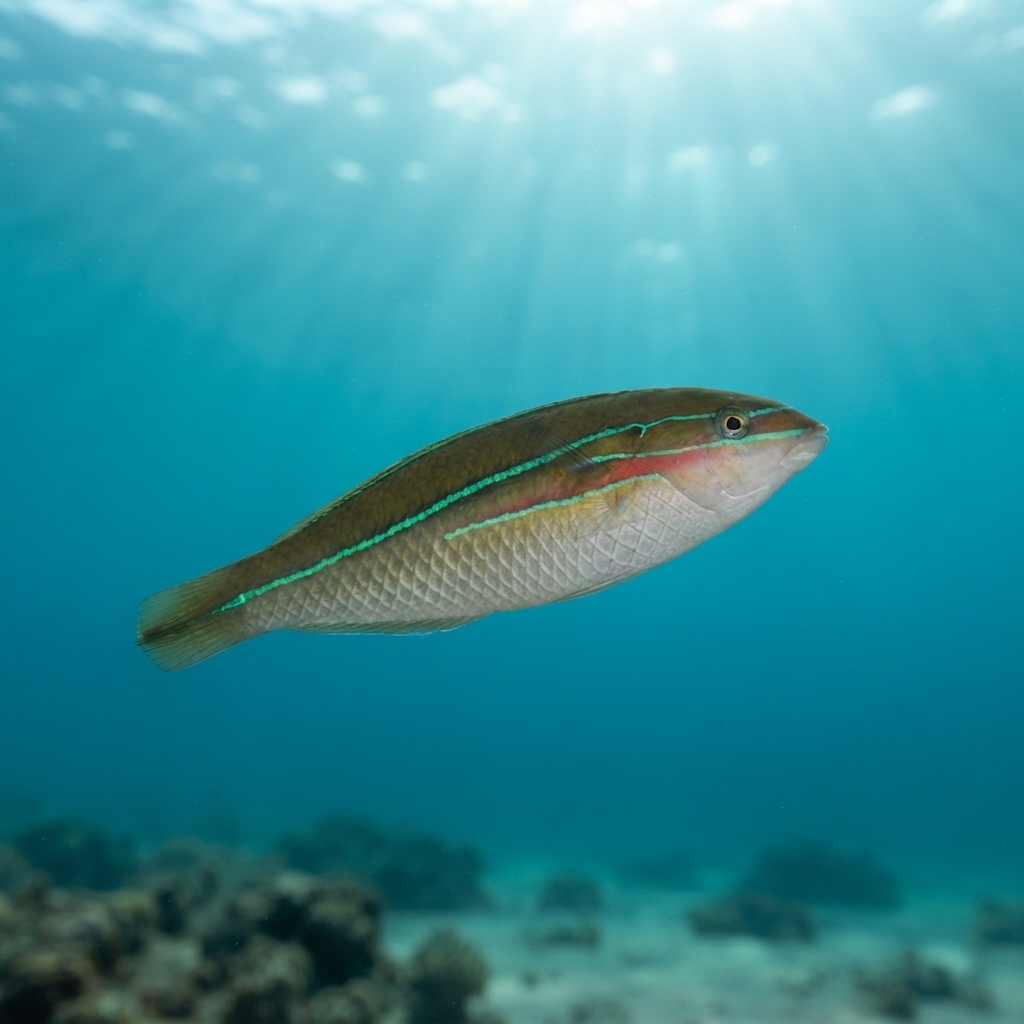
A small wrasse, topping out around 10 cm, with a slim, torpedo-shaped body built for darting between rocks and rubble rather than open water. Look for the pale, silvery streaking along the flanks that gives this fish its name, set against a more muted olive or brownish base colour. It stays low and close to structure, so divers usually spot it as a quick flash of silver rather than getting a long look.
Divers tend to see this wrasse working low over rock and rubble patches, picking around the substrate rather than schooling in open water. It is a wary, quick-moving fish that rarely lingers for a photo, ducking for cover among rocks when a diver gets close. Given how rare it is logged even at its known sites, most sightings are brief, incidental encounters rather than planned ones.
Like many wrasses in the family Labridae, it likely spends its day foraging over reef and rubble for small invertebrates, using a darting, stop-start swimming style rather than steady cruising.
There is no clear seasonal pattern in the sightings, and the water temperatures it is found in (roughly 24.9 to 29.3 C) span a broad, comfortable tropical-to-subtropical range, so it appears to be a year-round resident wherever it is found rather than a seasonal visitor.
Most logged dives with this wrasse come from Western Australia, where it turns up across a spread of sites, with a smaller but steady presence around Apra Harbor in Guam. Australia is by far the stronger of the two countries in the data, making the Western Australian coast the best bet if you are specifically hunting for this species.
Mapping where Silverstreaked Wrasse is logged…
It is most reliably logged around Western Australia, with additional sightings from Apra Harbor in Guam. Western Australia has by far the stronger and more consistent record of the two.
There is no strong seasonal signal in the sightings, and it is found across a wide temperature range from roughly 25 to 29 C. That suggests it is present year-round rather than tied to a particular season.
Look for a small, slim wrasse around 10 cm long with pale silvery streaks along its sides over an olive or brownish body. It hugs rock and rubble close to the bottom and moves in quick, darting bursts rather than swimming steadily in open water.
They are a small reef wrasse, typically reaching around 10 cm in length, so they are easy to overlook against rock and rubble.
No, they pose no danger to divers. They are small, wary fish that keep their distance and dart for cover rather than approach.
Site and sighting data is aggregated from diver logs, iNaturalist and GBIF. For taxonomy and conservation status:
Bird Wrasses
3,632 sites