Gaidropsarus mediterraneus
A rarely-logged bottom-dweller of Brittany and Catalonia, found in 7 to 15C water year-round. Here's how to spot one.
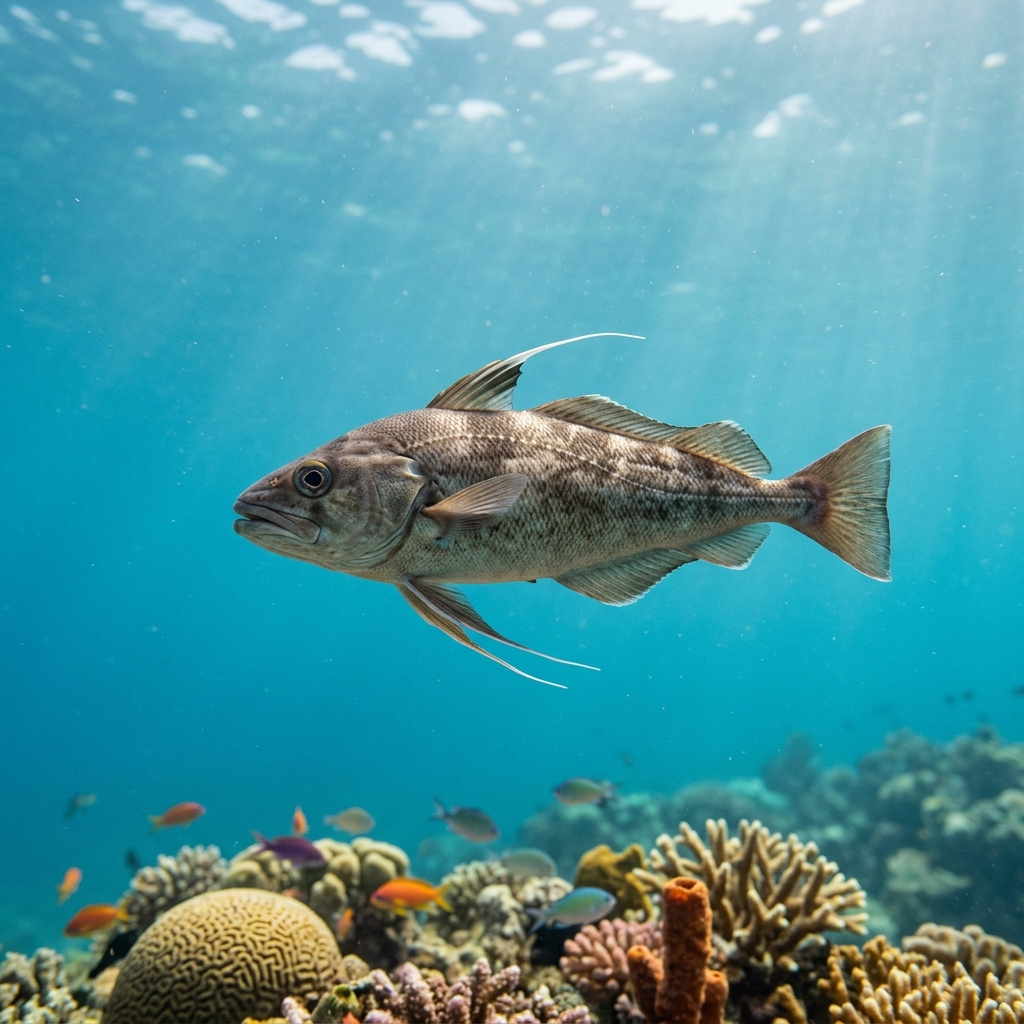
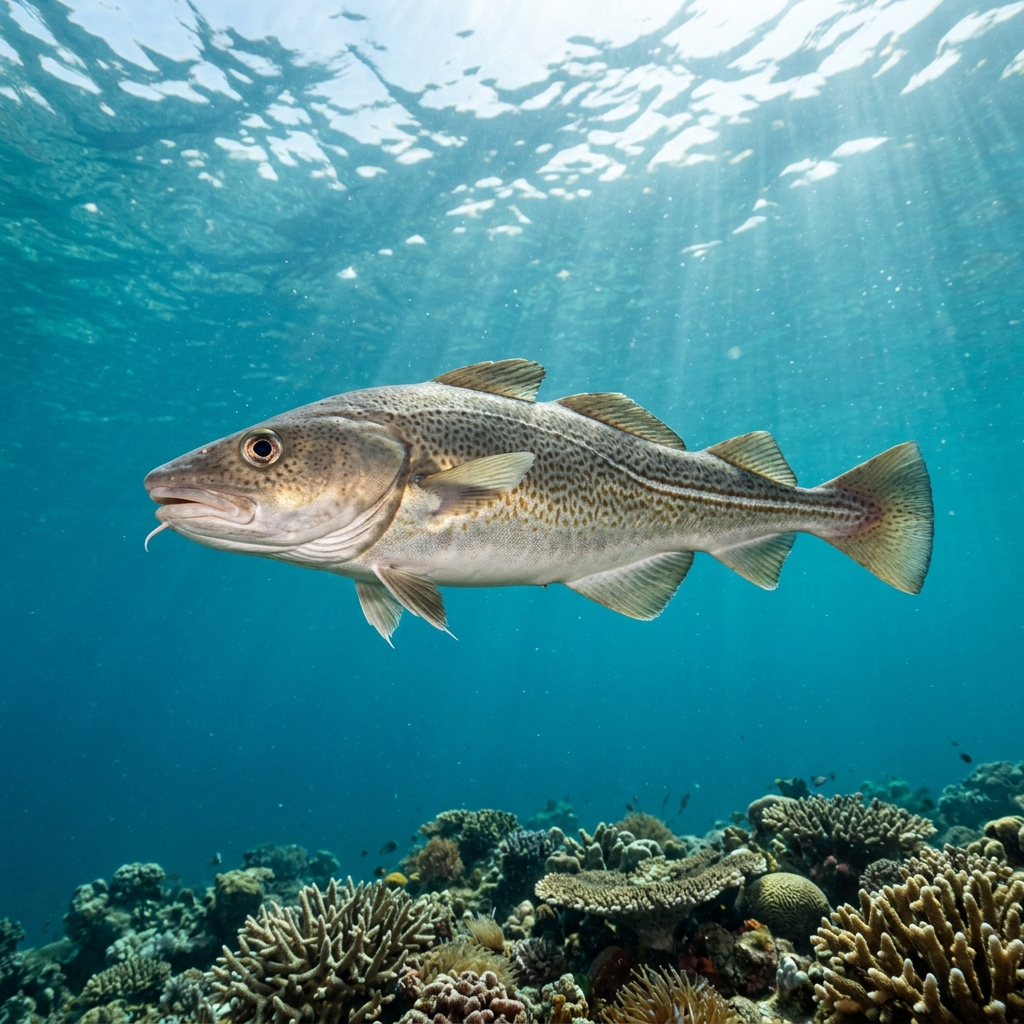
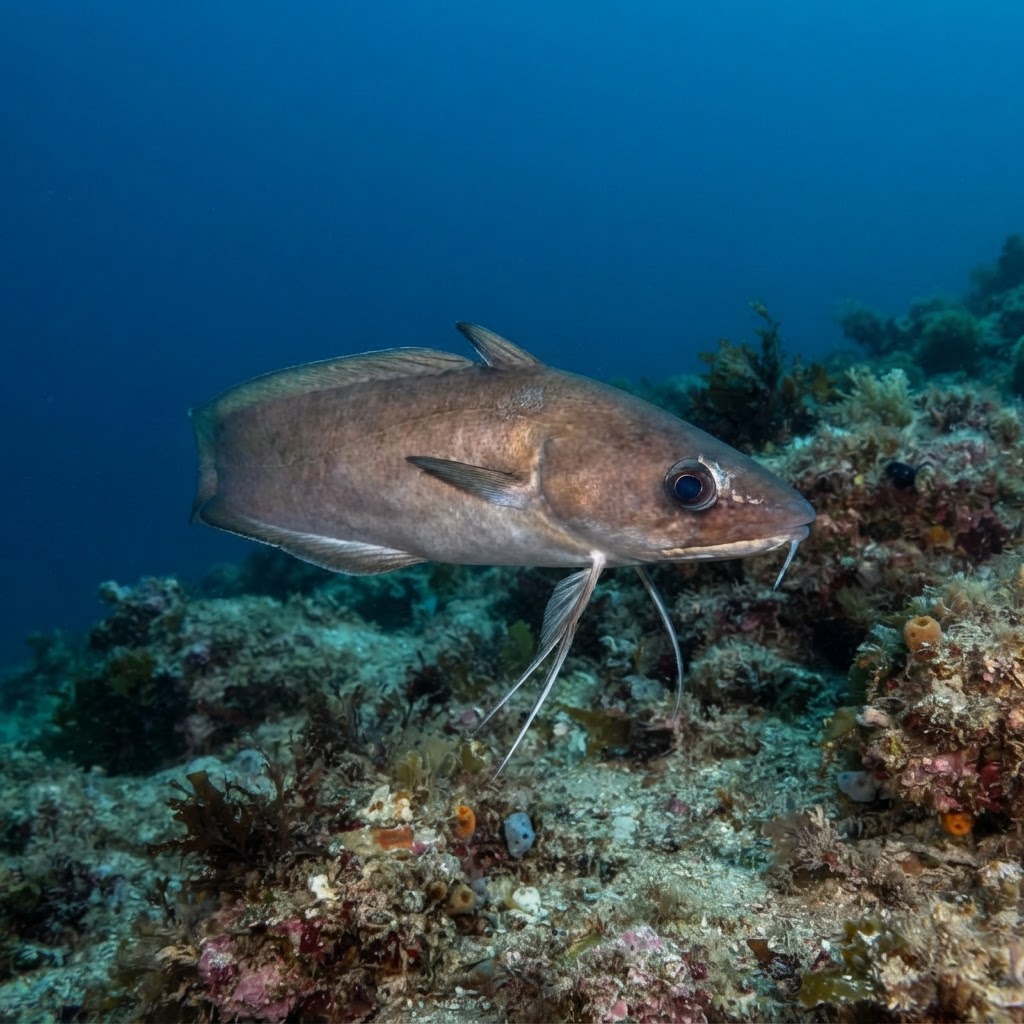
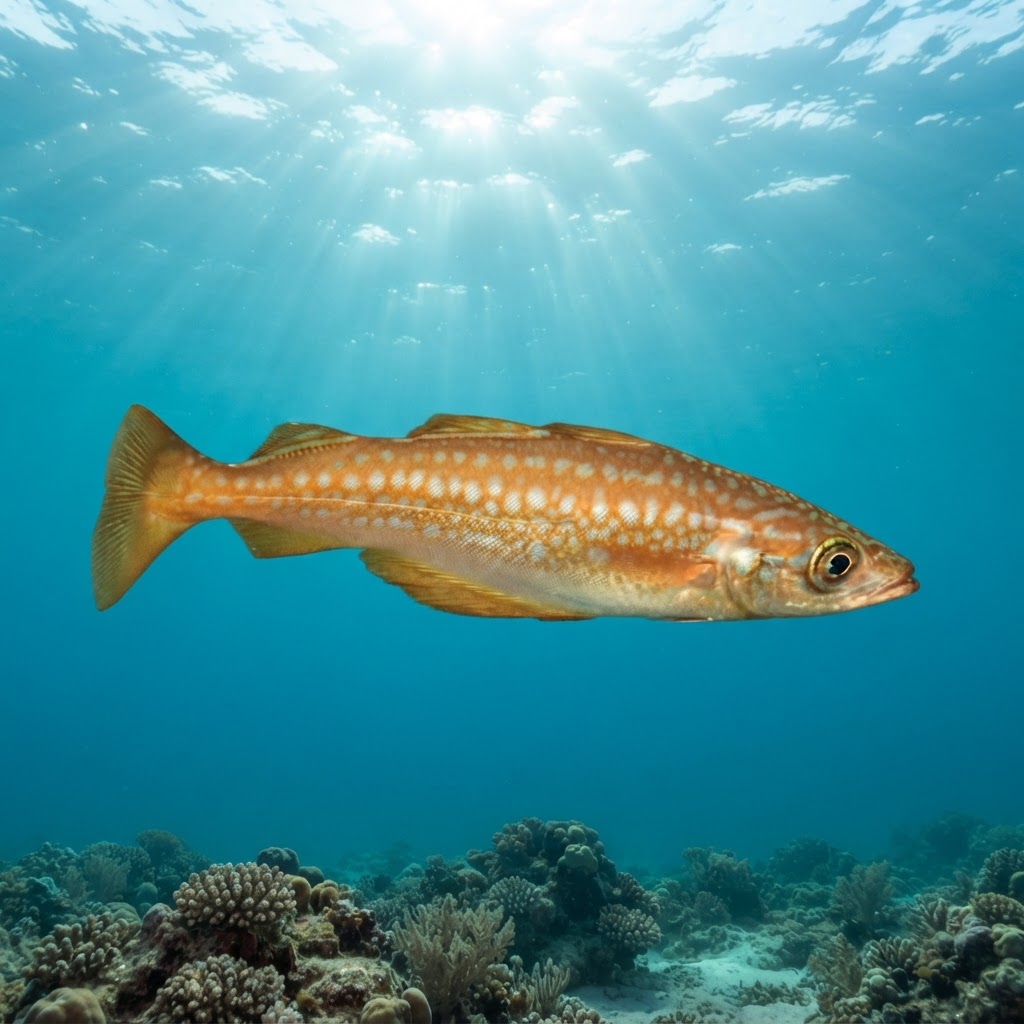
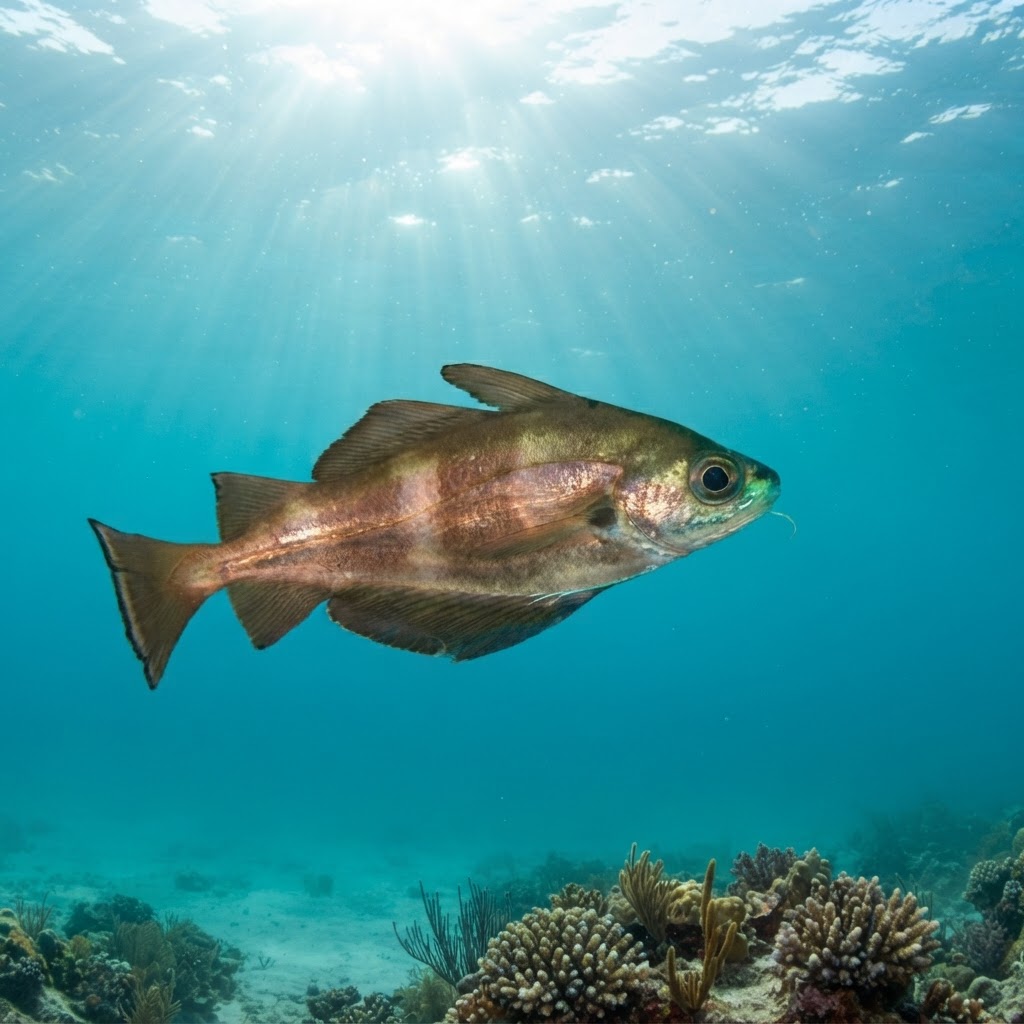
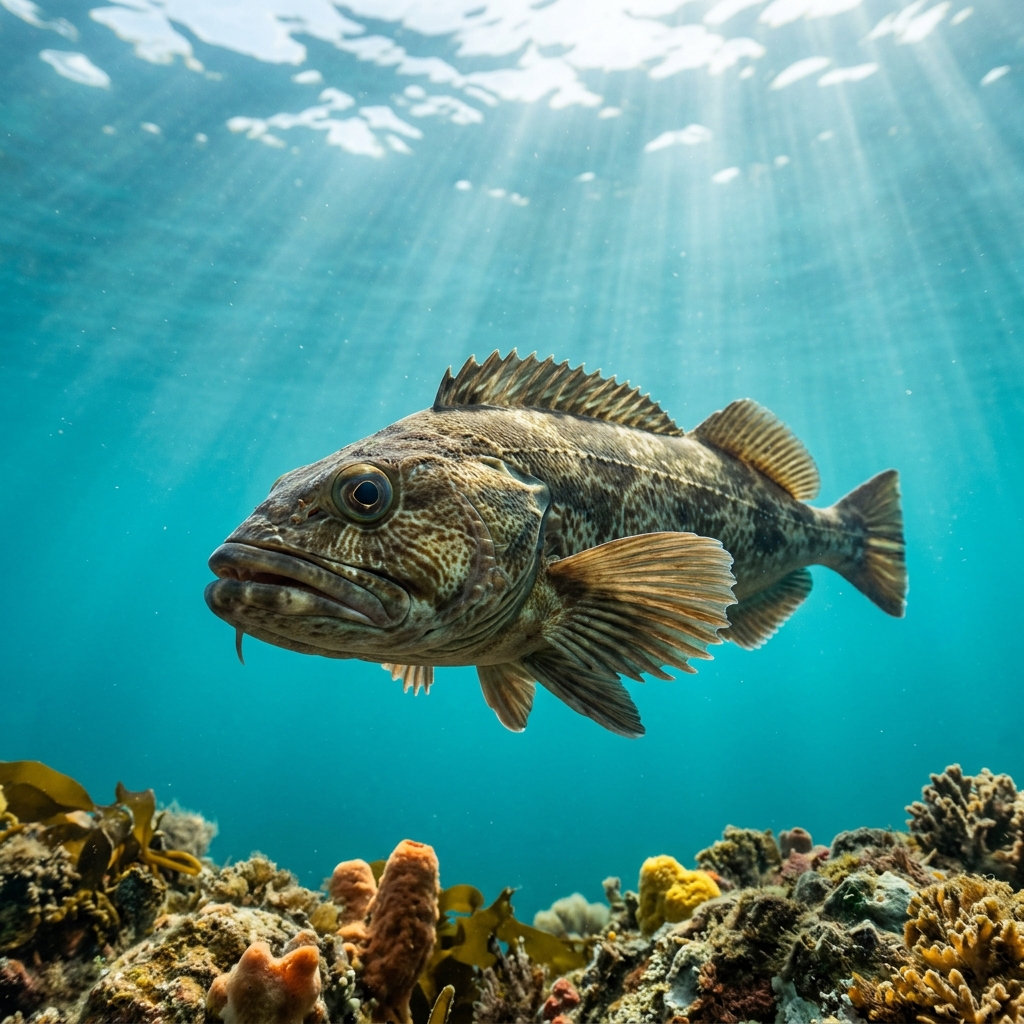
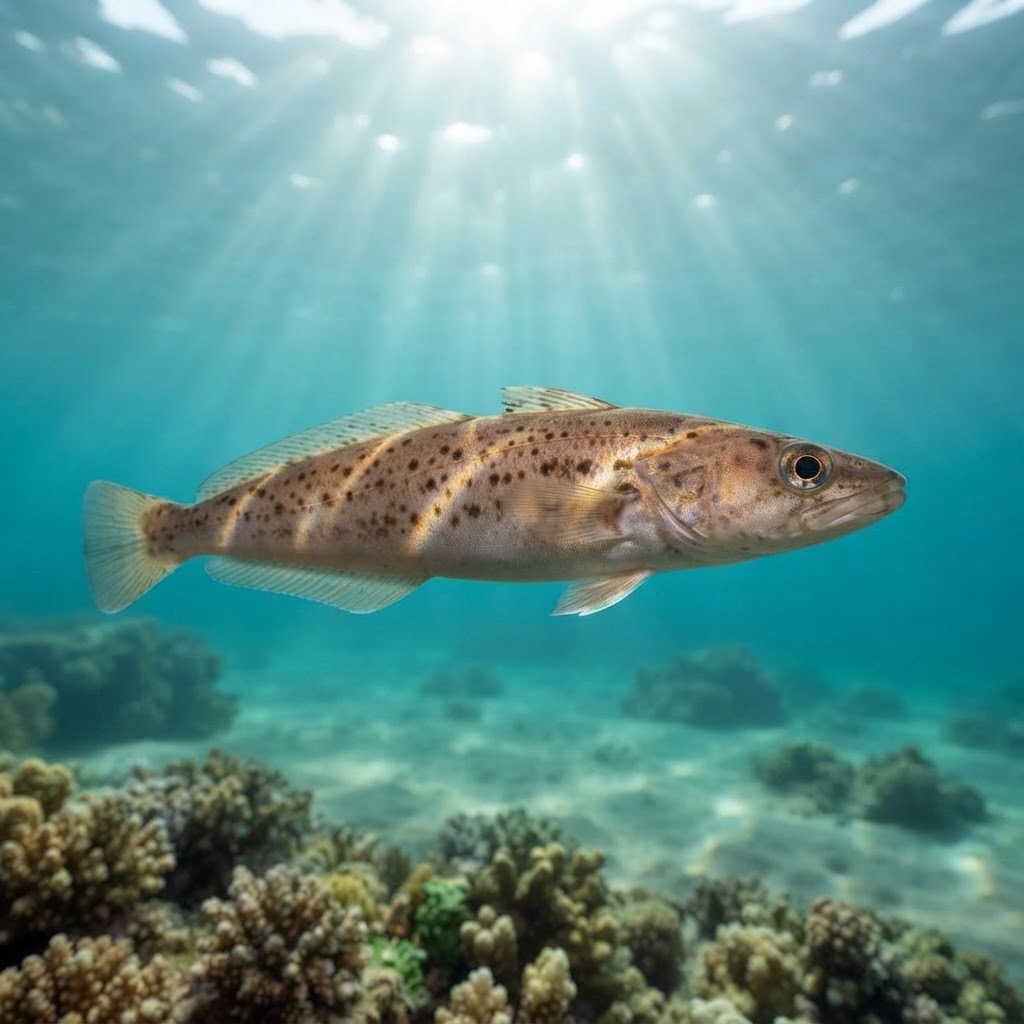
Slender, eel-like body up to about 35cm, mottled brown to reddish-brown with a slightly slimy-looking skin. The giveaway is a trio of long barbels around the mouth (one on the nose, two on the chin) used to feel around the seabed for food. A single continuous dorsal fin runs most of the length of the back, with the first few rays forming a low, feathery crest rather than spines.
Look for it tucked under rocky ledges, in crevices, or lying still on cobble and sand bottoms, using its barbels to probe for small invertebrates rather than actively hunting in open water. It is not a fish that comes out to greet divers; most sightings are of one holding tight to a shaded gap in the reef, easy to swim past if you are not looking low and close. Divers tend to log it as a single, still individual rather than in groups.
Those three barbels are essentially taste organs, letting it find food by touch and chemical cues in murky or low-light conditions where eyesight is less useful.
No clear seasonal pattern shows up in the data, and with a temperature niche of 7 to 15C it suits the cooler water found along Atlantic and Channel coasts most of the year, so treat it as a year-round possibility rather than a seasonal target.
Most consistently logged in Brittany, France, with further sightings across Occitanie and the French Riviera and Provence, making France the strongest country overall. Spain's Catalonia coast is the next best bet, with occasional records from England and Russia's Black Sea coast.
Mapping where Shore Rockling is logged…
Brittany in France is the most reliable region, with further sightings around Occitanie, the French Riviera, Catalonia in Spain, England, and the Black Sea coast of Russia. It is logged as rare at nearly all these sites, so treat any sighting as a bonus rather than a guarantee.
There is no detected season in the sighting data, and its comfort range of 7 to 15C matches cooler temperate water for much of the year, so it can turn up on any dive rather than during a specific month.
Check for a mottled brown, eel-like body around 35cm long with three long barbels near the mouth and a low fringed crest at the front of the dorsal fin. It is usually found lying still in a rocky crevice or on cobble rather than swimming in the open.
They reach around 35cm in length, giving them a slim, elongated look underwater rather than a bulky body shape.
Its three facial barbels work like taste organs, letting it locate small invertebrate prey by touch and chemical sensing in dim or silty conditions where vision alone would not be enough.
Site and sighting data is aggregated from diver logs, iNaturalist and GBIF. For taxonomy and conservation status:
Pollack
282 sites