Trimma anaima
A 2cm reef goby logged across Visayas and Sulawesi, uncommon even where found. Here's what to look for at 26-29C.
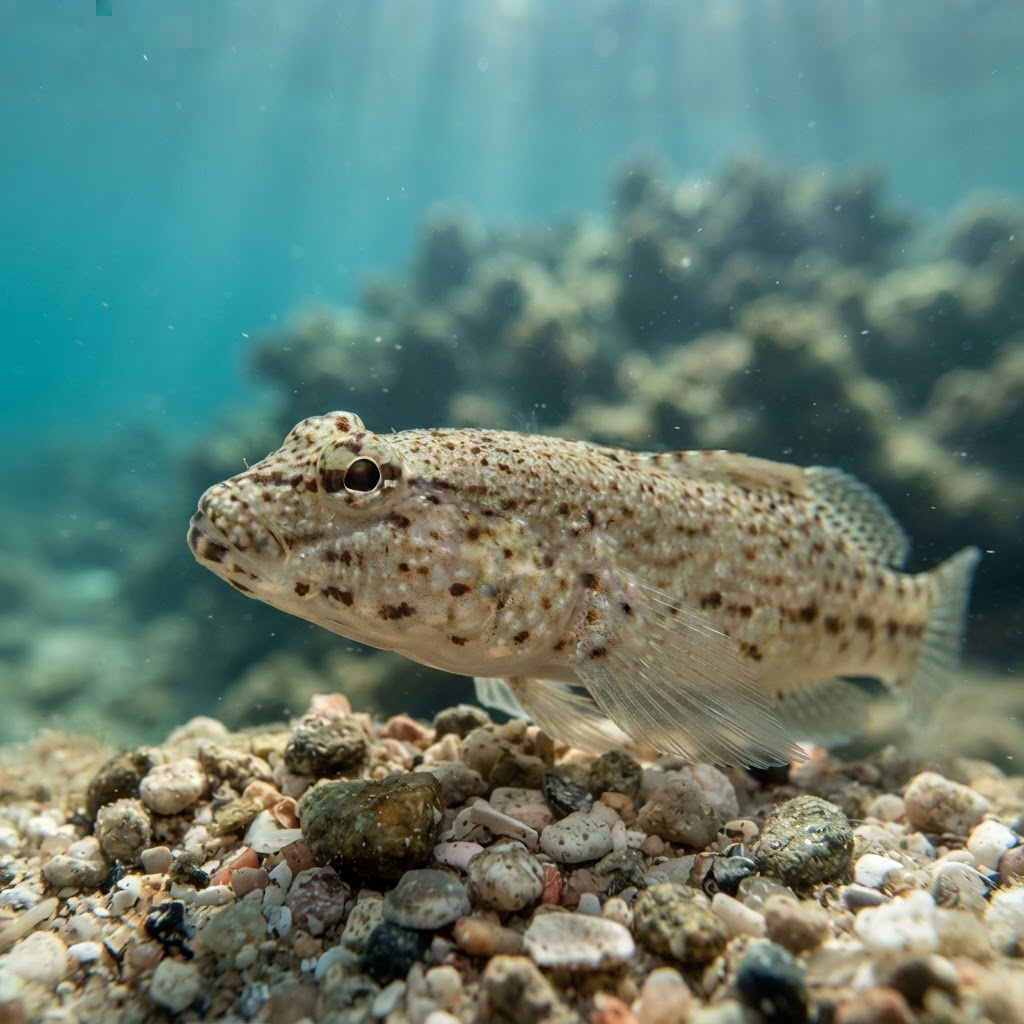
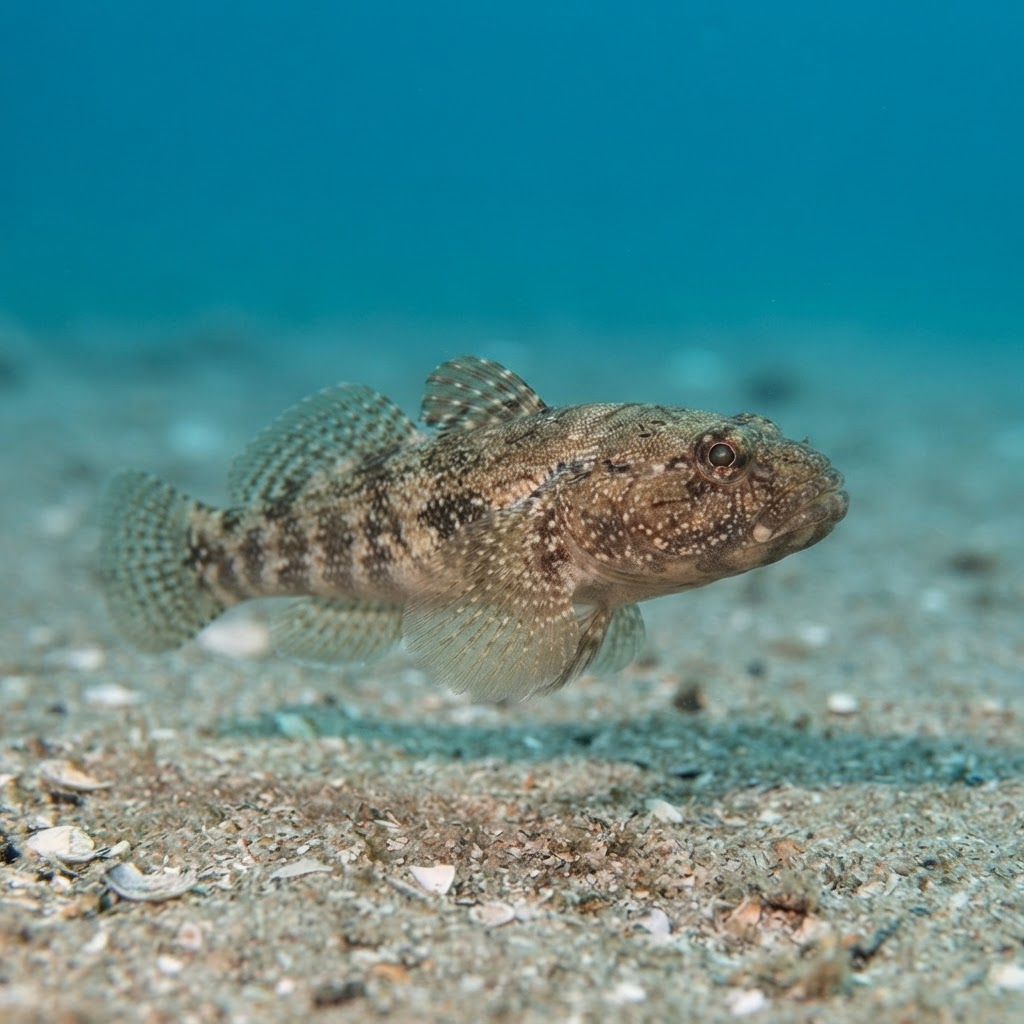
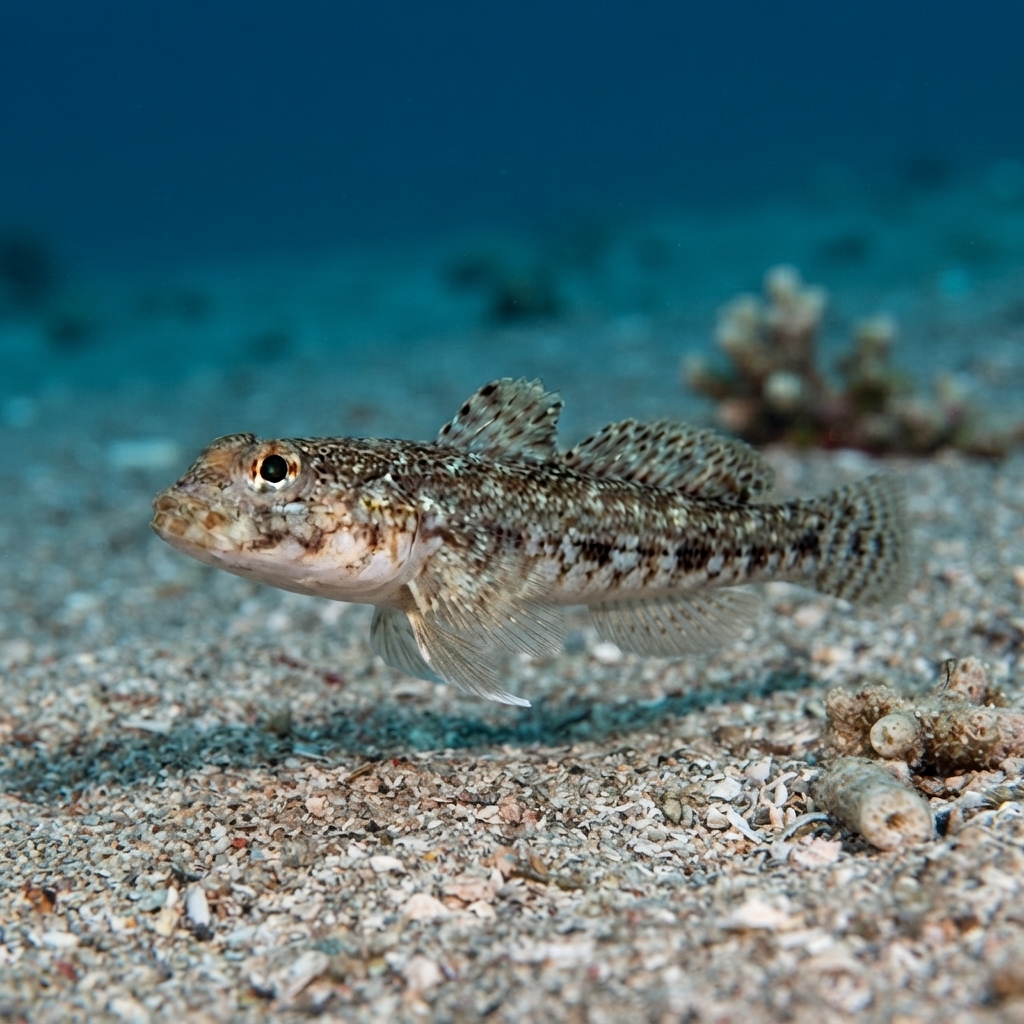
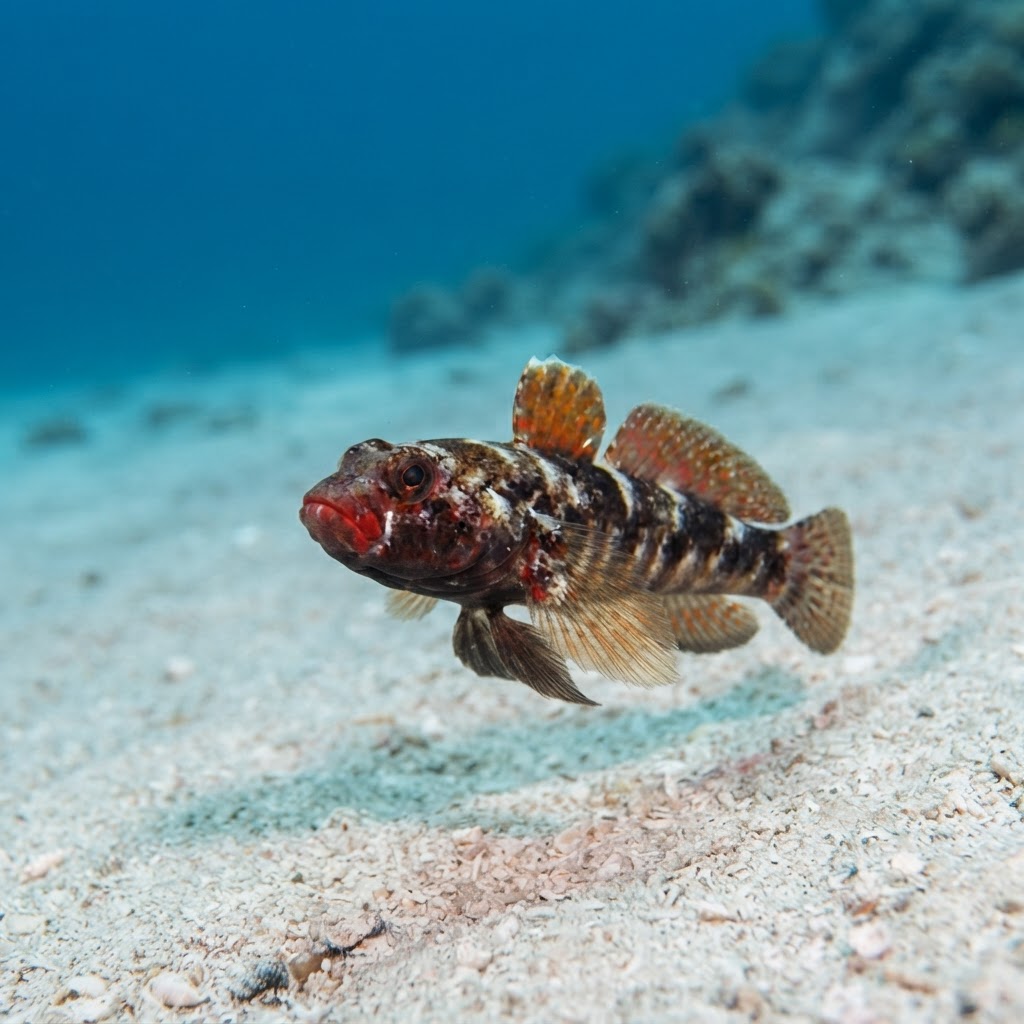
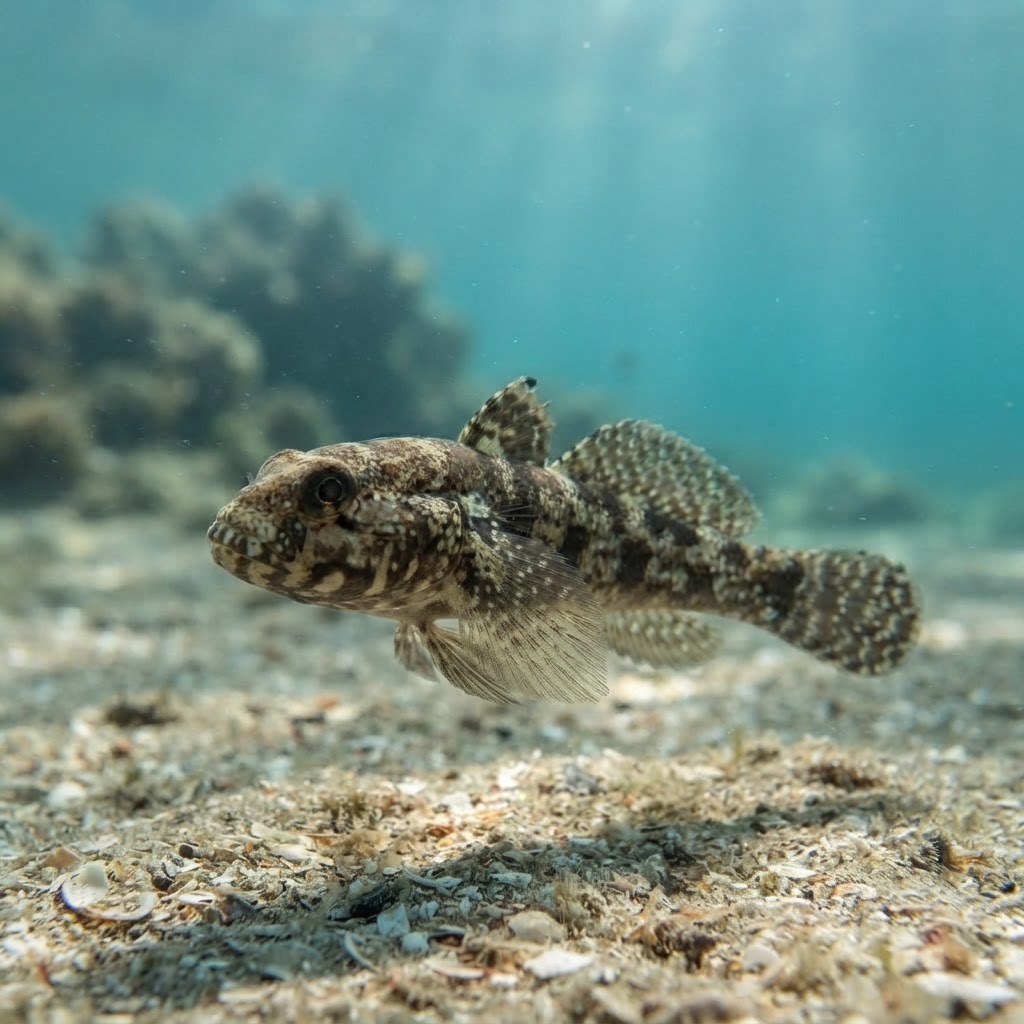
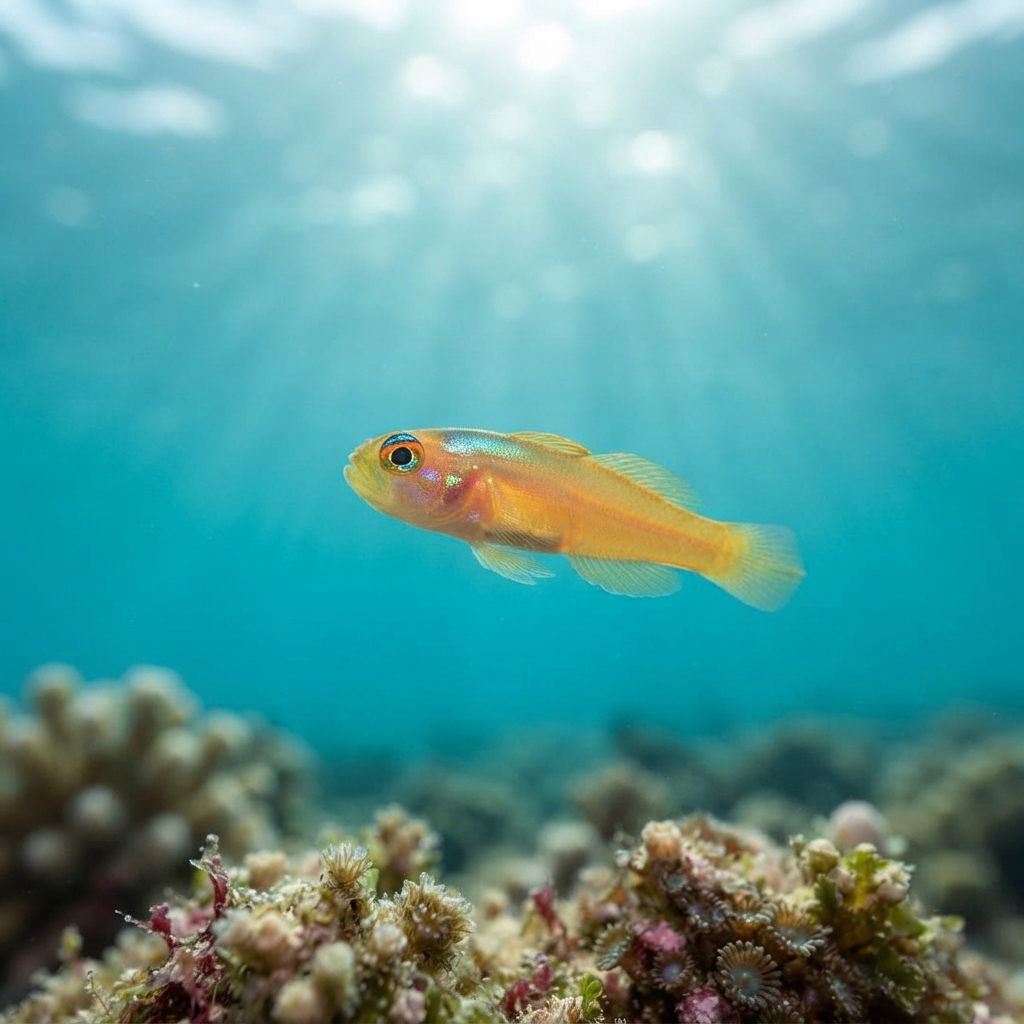
Barely 2cm long, this goby is easy to swim straight past unless you slow down and scan coral rubble and dead coral heads closely. Look for a translucent to pale body with noticeably large, dark eyes that give the species its name, and a slender, upright perching posture typical of pygmy gobies. There is no strong colour pattern to key on here, so size, eye proportion, and habit matter more than markings.
Divers find this goby sitting still on rubble patches and low coral structure rather than swimming in open water, relying on its small size and pale colouring to stay unnoticed. It doesn't flee readily at close range, which is fortunate given how easy it is to lose against a busy reef backdrop. Best approached slowly with a torch or magnifier, since blinking and swimming past at normal pace is the most common way to miss it entirely.
Like other pygmy gobies, it likely lives only a matter of months, packing its whole life cycle into a fast, short-lived existence typical of the genus Trimma.
Sighting data doesn't show a concentrated season, and the observed water temperature range of 26.3 to 28.9C is stable, tropical reef temperature all year round, so there's no strong reason to time a trip around a particular month.
Most consistently logged in the Philippines, with the Visayas region the strongest area for it, and in Indonesia, particularly Sulawesi. Papua New Guinea's Milne Bay, Timor-Leste around Dili, and Fiji's Lomaiviti region also have confirmed sightings, making this a broad but thin Coral Triangle and western Pacific spread.
Mapping where Sharpeye Pygmygoby is logged…
It's most reliably logged in the Philippines' Visayas region and Indonesia's Sulawesi, with additional sightings in Milne Bay (Papua New Guinea), Dili (Timor-Leste), and Fiji's Lomaiviti region.
There's no detected seasonal pattern, and warm tropical water in the 26 to 29C range holds steady year-round across its range, so any time of year works.
It's a tiny, pale to translucent goby around 2cm long with distinctly large dark eyes, usually seen perched still on rubble or dead coral rather than swimming freely.
Around 2cm, making it one of the smaller reef gobies divers try to photograph and easy to overlook without a close, slow search of rubble patches.
It's logged as uncommon even at the sites where it does turn up, so spotting one usually takes a deliberate search rather than a chance encounter.
Site and sighting data is aggregated from diver logs, iNaturalist and GBIF. For taxonomy and conservation status:
Slender Goby
806 sites