Sepiola spp.
Sepiola are small, secretive cephalopods most often spotted in Zeeland and Brittany from May to September in cool 8-17°C waters.
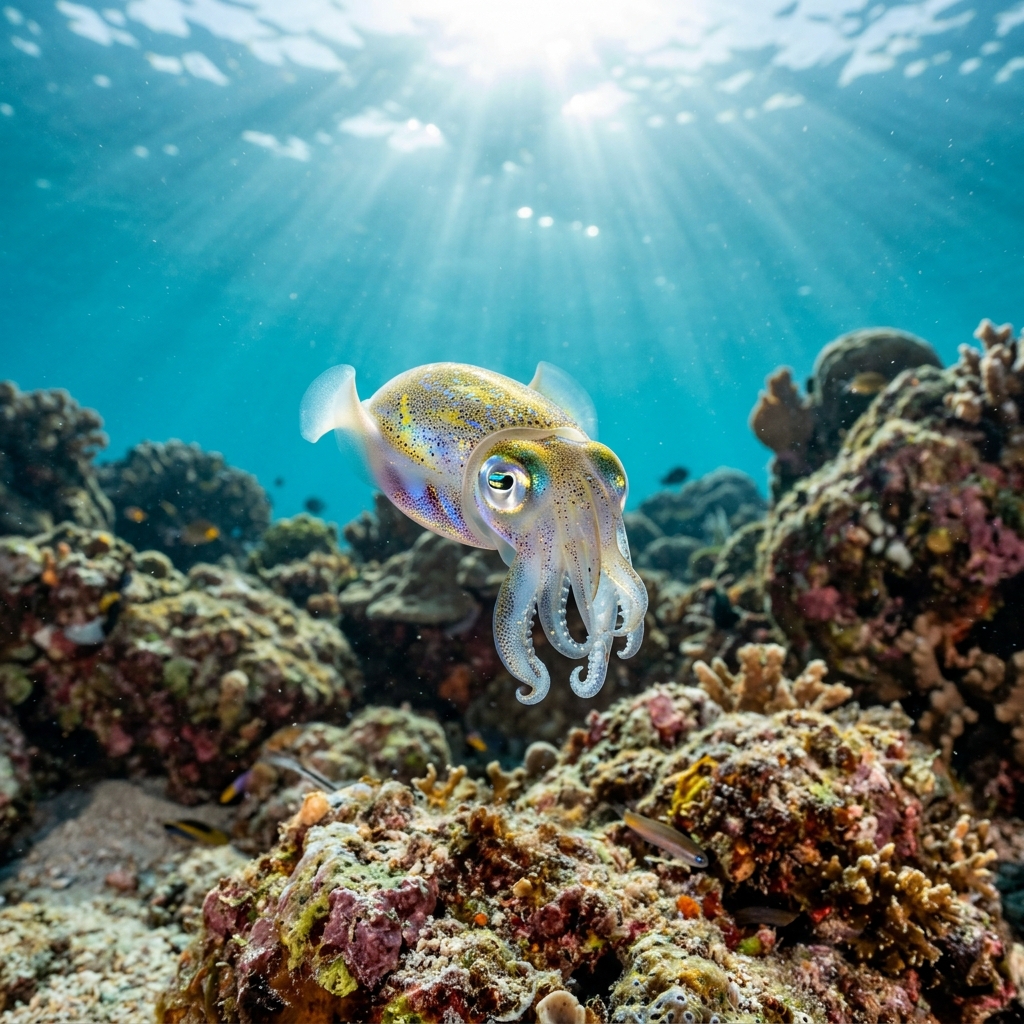
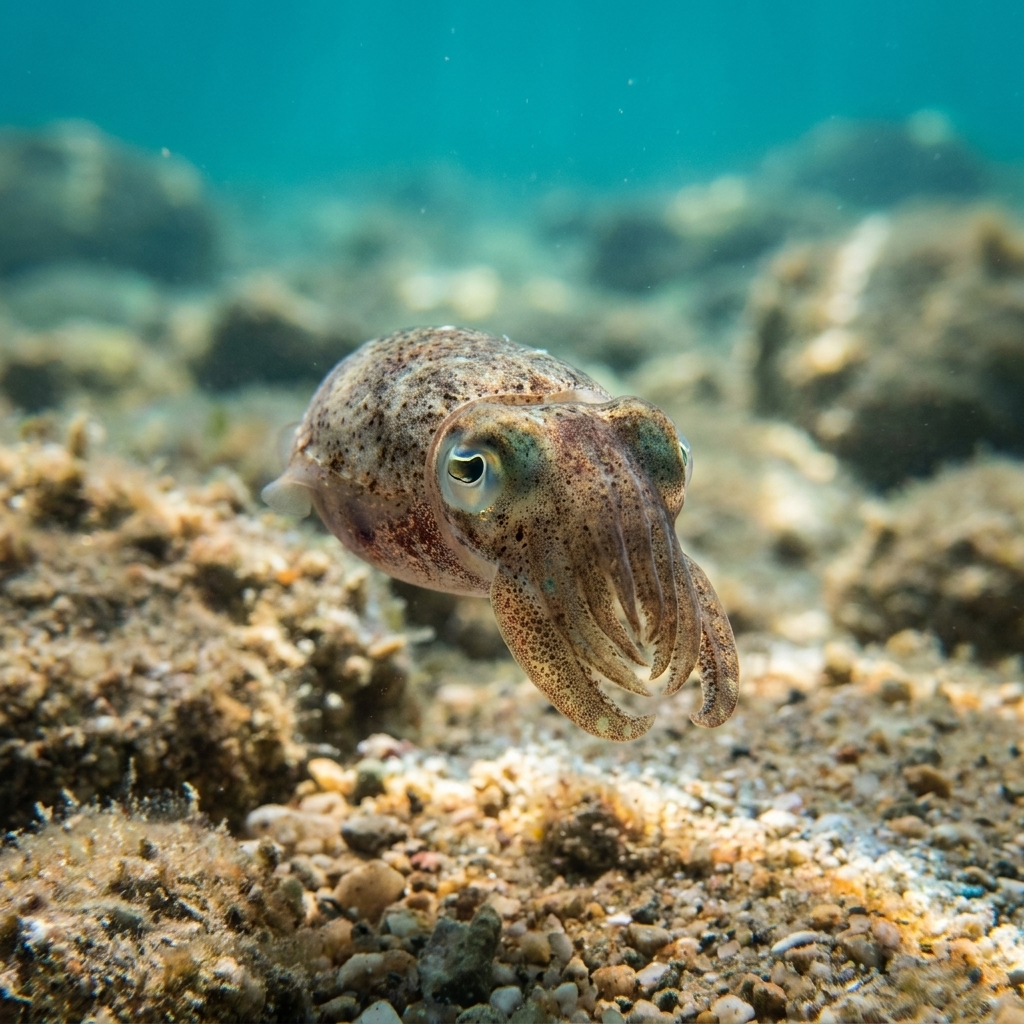
Sepiola are very small, rounded cephalopods, think a marble-sized body with a stubby mantle, prominent eyes, and short, bushy arms. Their colouration is typically mottled brown, grey, or reddish over pale skin, allowing them to blend almost perfectly with sandy or gravelly seabeds. The rounded, sack-like mantle with small lateral fins near the rear is the key underwater cue that separates them from true cuttlefish, which are much larger and flattened. They can flush rapidly through a range of patterns when disturbed.
Sepiola are most often found sitting motionless on sandy or mixed-sediment bottoms, where their mottled skin pattern makes them easy to overlook. When a diver approaches, they tend to freeze first, then jet a short distance and settle again rather than fleeing far. Night dives frequently produce better sightings, as Sepiola become more active after dark and are drawn into the water column.
Like many small cephalopods, Sepiola can bury themselves in soft sediment with surprising speed, pulling sand over their body until only the eyes are visible, a useful trick to know when scanning a sandy bottom for them.
In the Northern Hemisphere, sightings concentrate between May and September, when water temperatures in their preferred cool-temperate range (roughly 8 to 17°C) combine with increased diver activity along Atlantic and North Sea coasts.
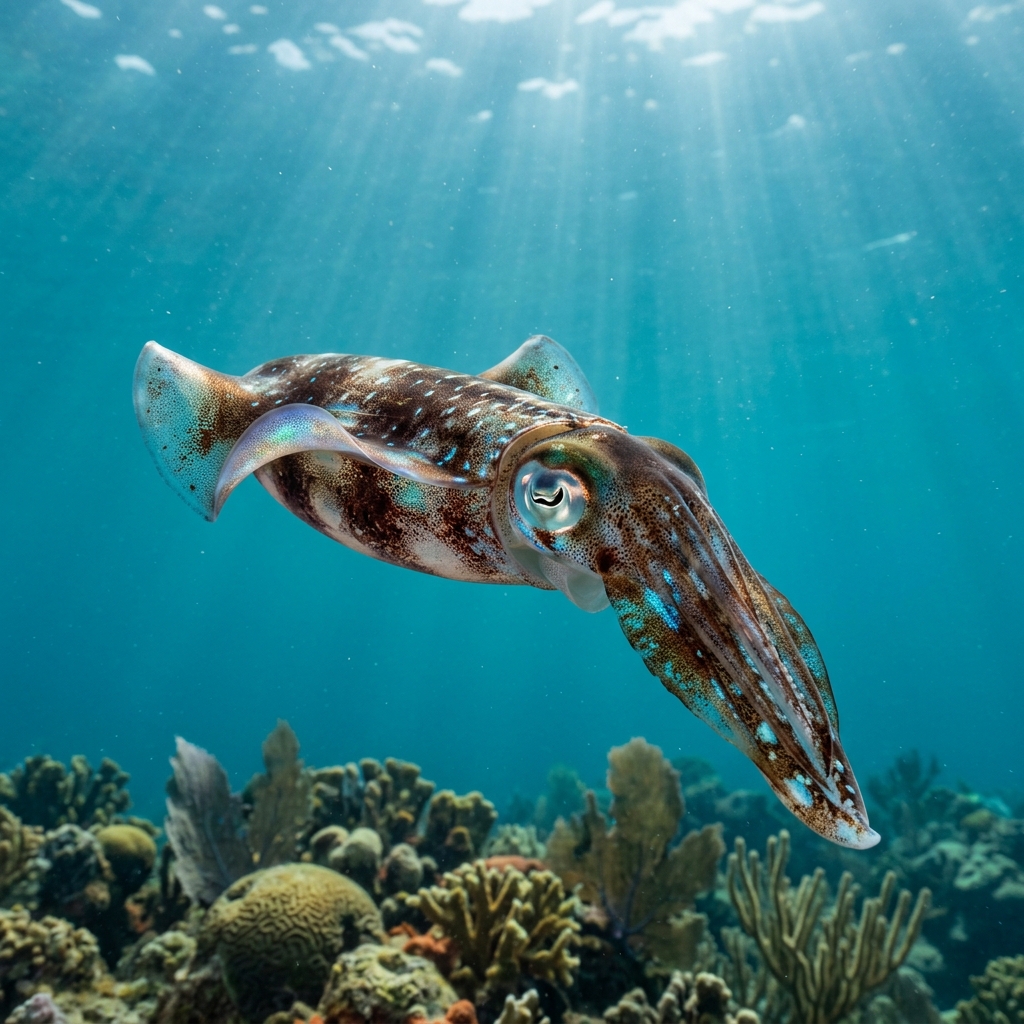
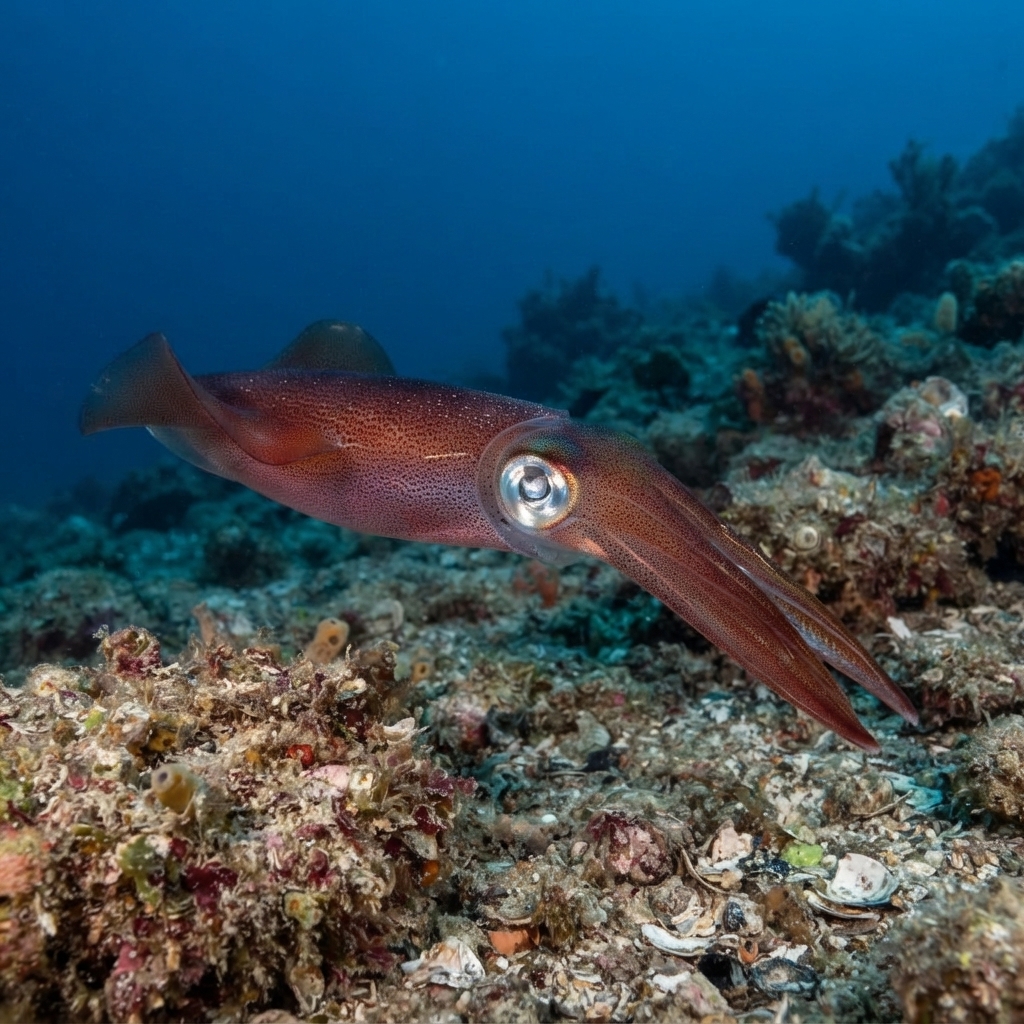
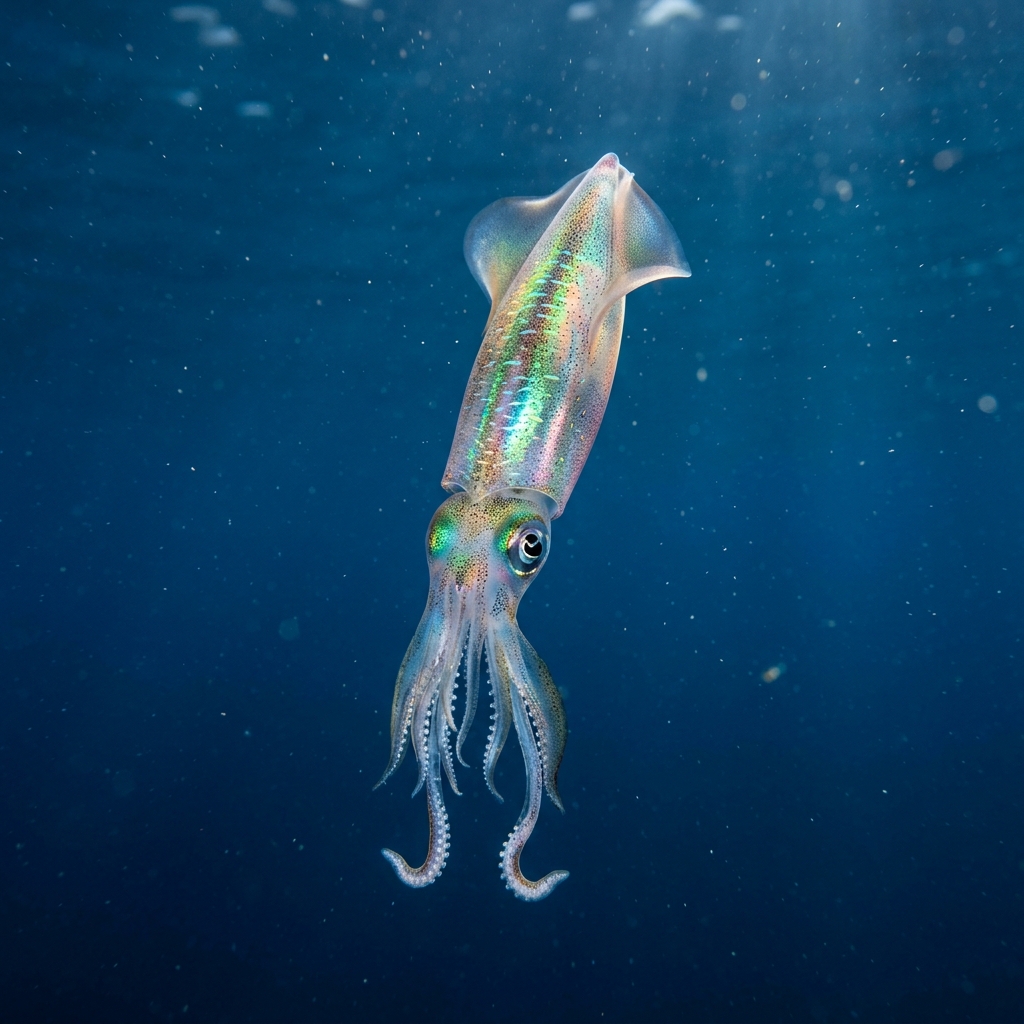
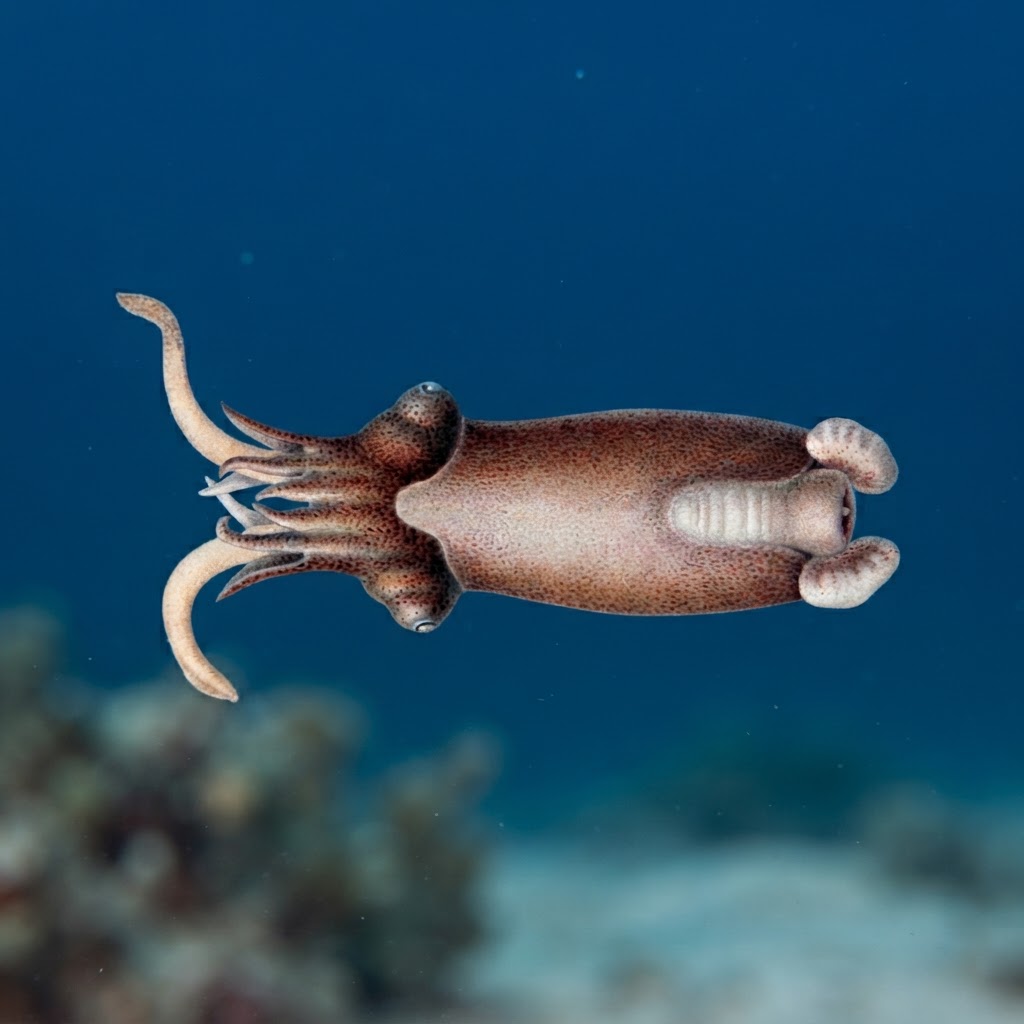
Reef neighbours a diver could mistake it for. Use the identification notes above to tell them apart.
Sepiola are most commonly logged across the northeastern Atlantic, with the strongest coverage in the United Kingdom, France, the Netherlands, and Ireland. The regions with the highest concentration of sightings are Zeeland in the Netherlands, Brittany and Normandy in France, and the South Coast of England. Germany, Sweden, Norway, and Denmark also host reliable populations, reflecting how well suited these animals are to cool northern European seas.
Mapping where Sepiola is logged…
Sepiola are a northeastern Atlantic group, most reliably encountered in the Netherlands (especially Zeeland), France (Brittany and Normandy), and along the South Coast of England. Ireland, Scotland, Norway, and Denmark also have strong records. These are cool-water, temperate-sea animals rather than tropical reef dwellers.
May through September is the peak window in northern Europe, based on actual diver sighting records. This aligns with the warmer end of their cool-temperature niche and the busiest diving season along Atlantic and North Sea coasts.
Look for a very small, rounded mantle, typically no bigger than a large grape, with mottled brown or grey skin and large, conspicuous eyes. The stubby, sack-like body shape with small fins set near the tail end is the key feature. They sit on sandy or gravelly bottoms and rely on camouflage, so you are often right on top of one before you spot it.
No. Sepiola pose no risk to divers whatsoever. They are very small and will either freeze or jet away when approached. No biting, stinging, or other hazard is associated with this group.
Sepiola are among the smallest cephalopods you are likely to encounter while diving. Most species have a mantle length measured in centimetres, typically under 5 cm for the body alone. They can easily be mistaken for a pebble or piece of shell on the seabed.
Site and sighting data is aggregated from diver logs, iNaturalist and GBIF. For taxonomy and conservation status:
Ram's Horn Squid
184 sites