Pictilabrus laticlavius
Small, colourful wrasse logged across New South Wales and Victoria reefs, year-round in 14 to 22C water. Here's how to spot one.
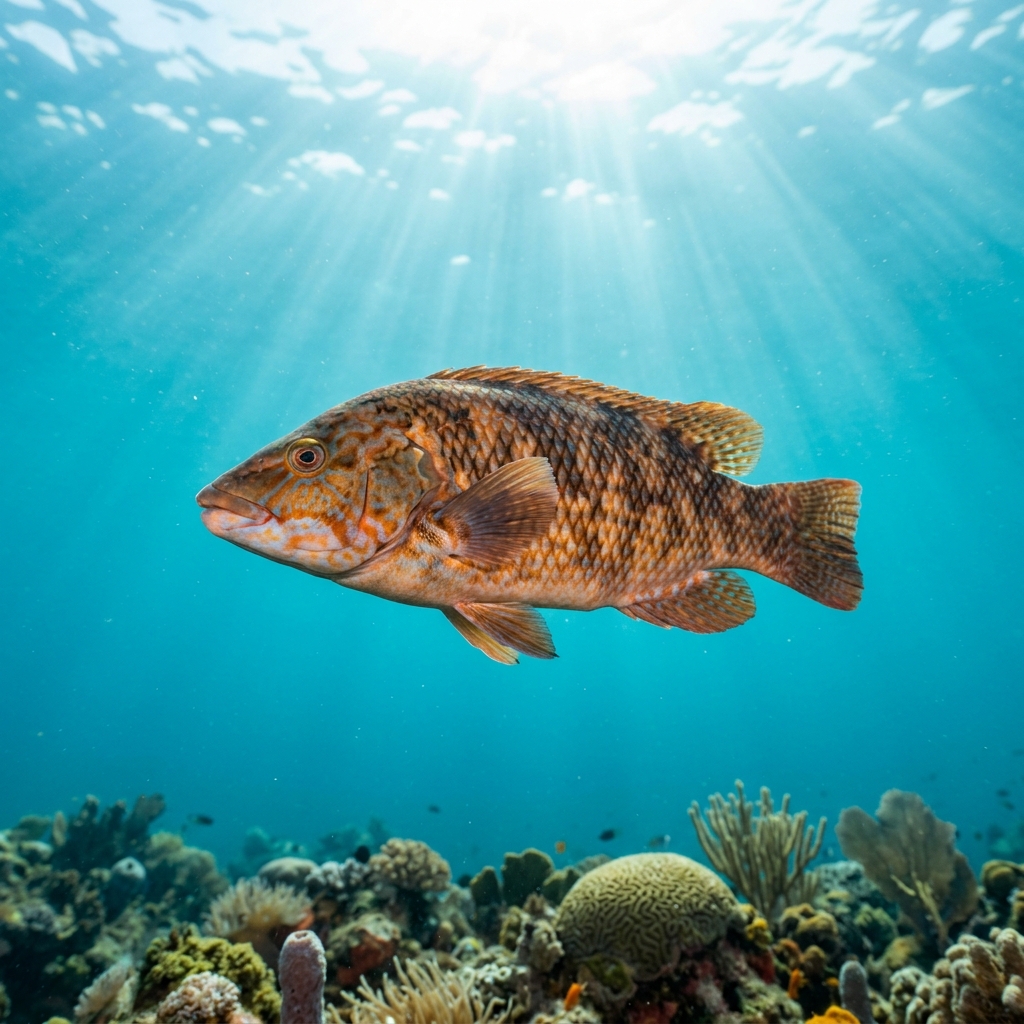
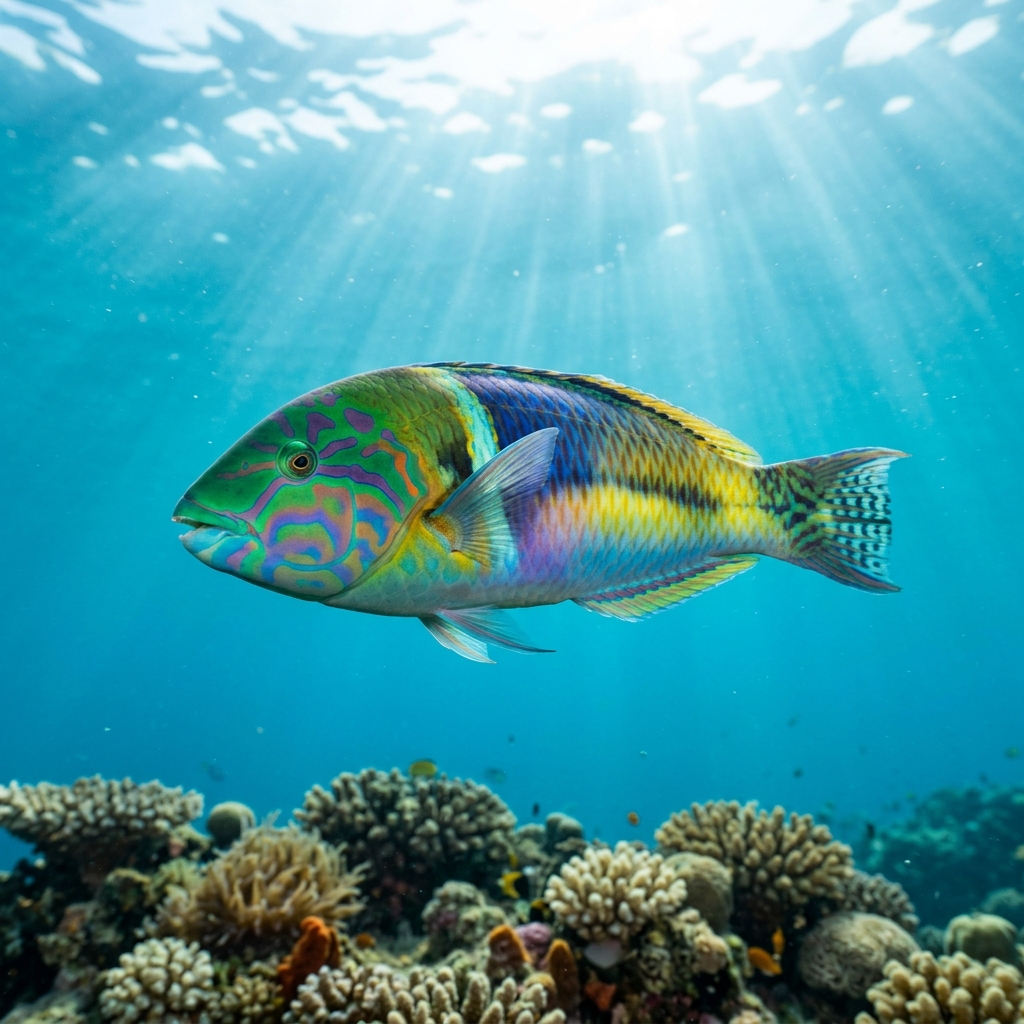
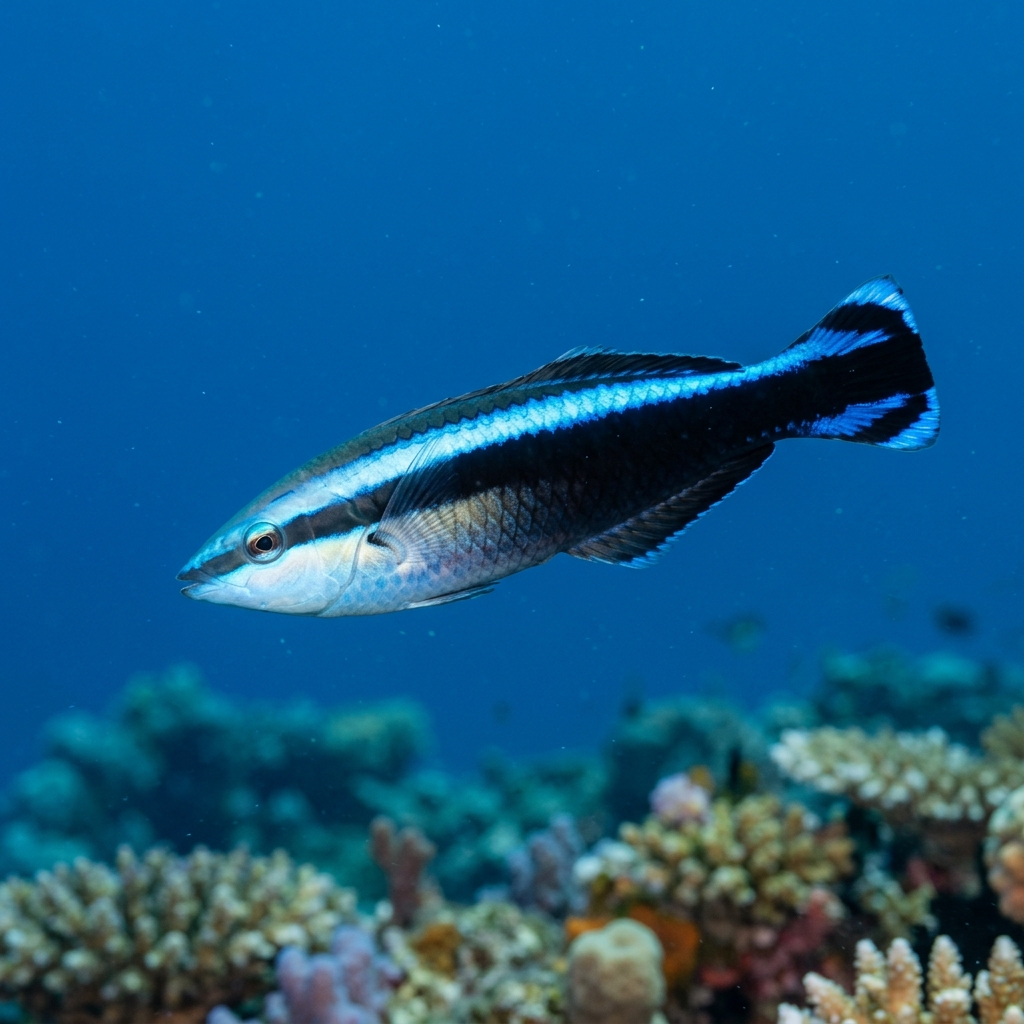
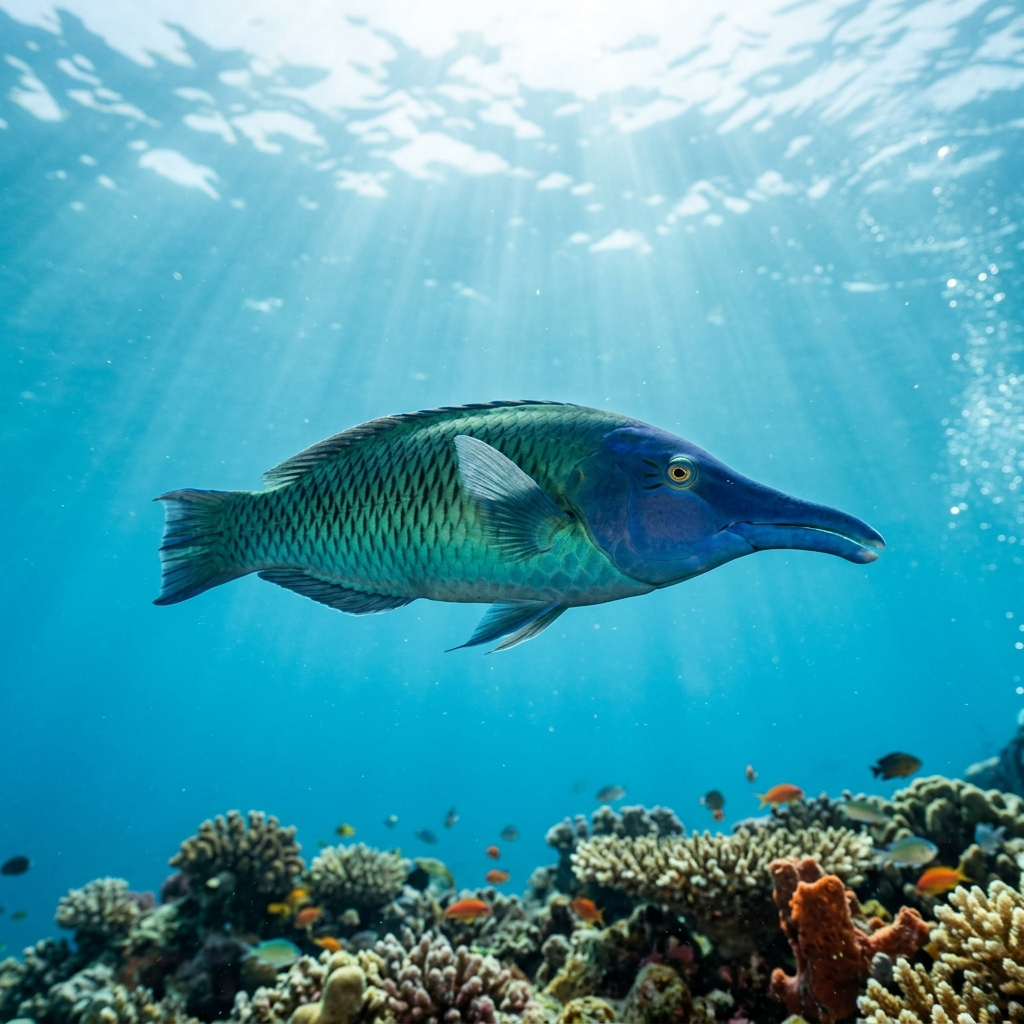
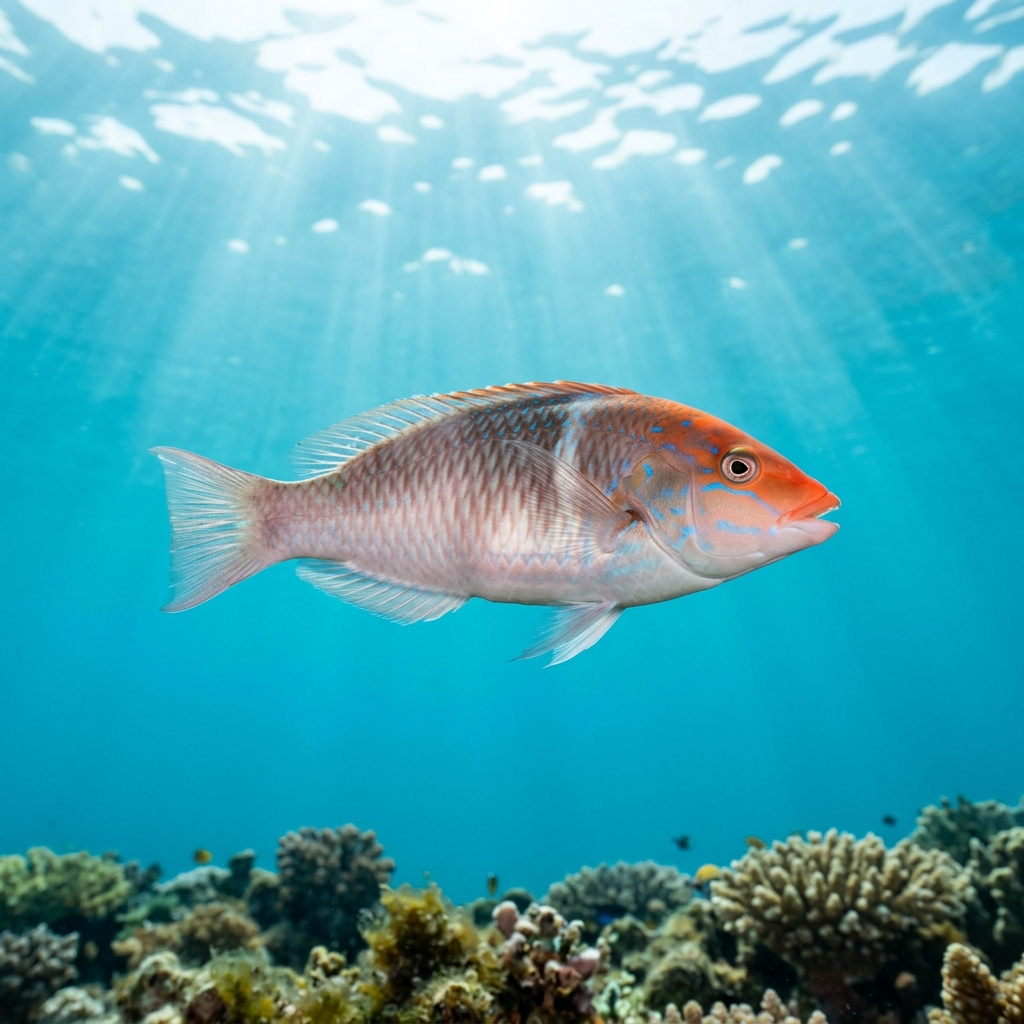
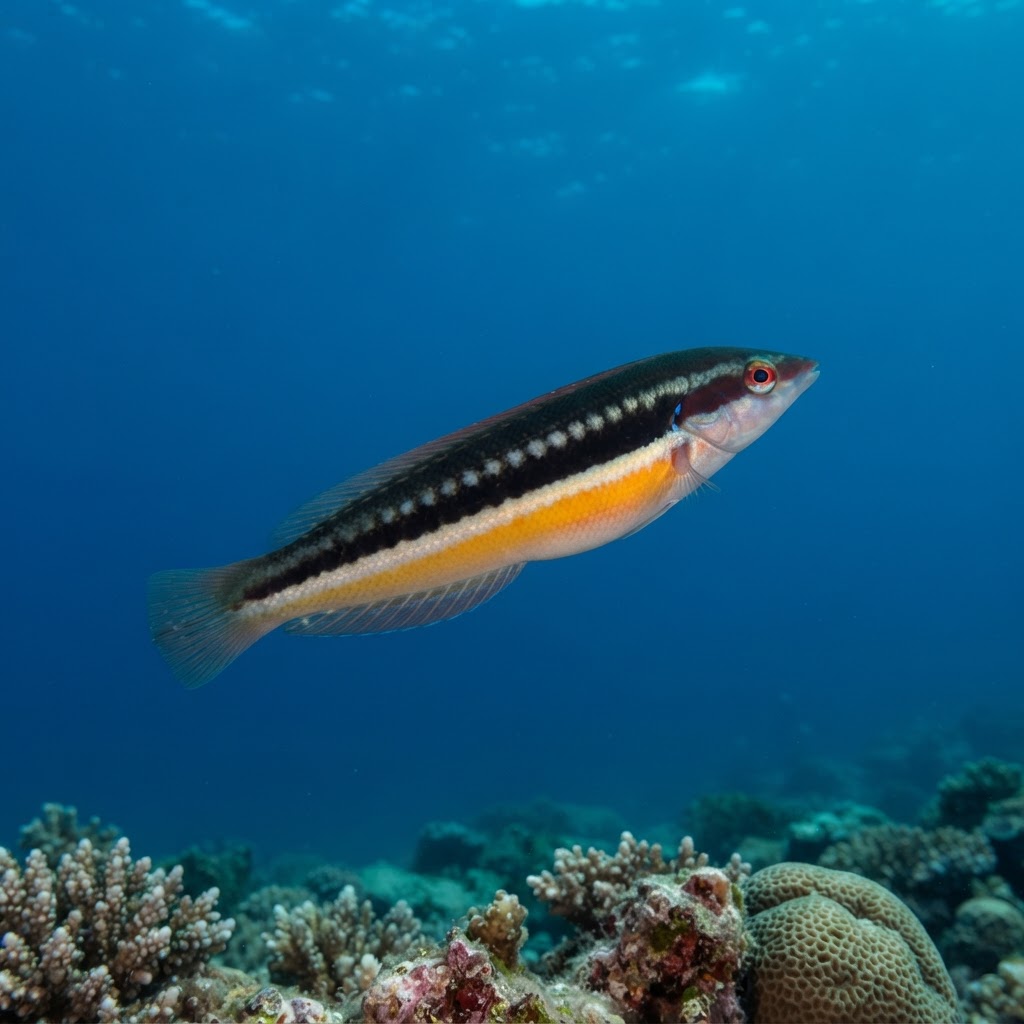
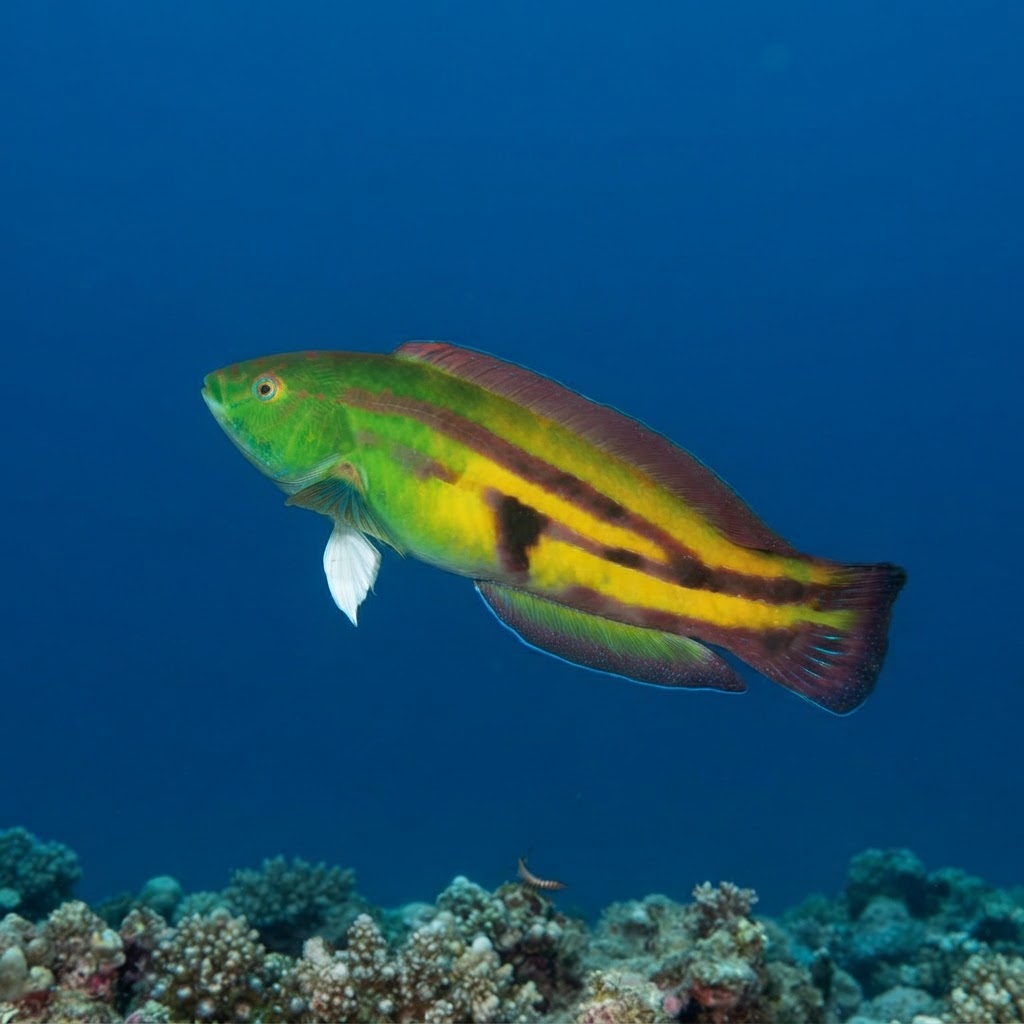
A slim, torpedo-shaped wrasse to about 16 cm, males show a striking mix of blue-green body colour with bold orange or rust bands across the head and flanks. Look for the blue-edged dorsal and tail fins flicking as it darts between reef crevices. Females and juveniles are duller, typically olive-brown with faint mottling rather than the male's contrast colours, so the flashy version you photograph is usually a male.
Expect to find it picking around rocky reef structure and weed-covered ledges, often alone or loosely associating with other small wrasses rather than in tight schools. It's an active, inquisitive swimmer that keeps a bit of distance but doesn't bolt for cover the way some reef fish do, so a patient diver usually gets a decent look. Most sightings are logged as uncommon rather than a guaranteed tick, so don't expect it on every dive even at the right sites.
Like many wrasses, this species is a protogynous hermaphrodite, meaning some individuals change from female to male over their lifetime, which is part of why the flashy orange-and-blue colouring you see is a male-only feature.
Sightings show no clear seasonal pattern, and with a comfort range of roughly 14.4 to 21.9C it's a fish you can reasonably expect on any dive in its temperate range, any month of the year.
This is a southern Australian speciality, most commonly logged in New South Wales, with strong numbers also reported from Victoria, Western Australia, South Australia and Tasmania. It turns up on temperate reef sites right along that coastline rather than concentrating at one or two famous locations.
Mapping where Senator Wrasse is logged…
They're most reliably logged in New South Wales, with good numbers also reported from Victoria, Western Australia, South Australia and Tasmania. It's a temperate reef species found right along the southern Australian coast rather than at a single standout site.
There's no strong seasonal pattern in the sightings, and the species tolerates a wide temperature range from about 14.4 to 21.9C, so it's seen year-round on southern Australian reefs.
Look for a slender wrasse around 16 cm with a blue-green body crossed by orange bands, most vivid on males, plus blue-tinged fins. Females and juveniles are plainer olive-brown, so colour intensity is a quick clue to sex, not species.
They reach around 16 cm in length, making them a small, easy-to-overlook reef fish rather than a showstopper by size.
Yes, like several wrasse species they are protogynous hermaphrodites, meaning individuals can change from female to male during their lifetime. The bold orange and blue colouring typically belongs to males.
Site and sighting data is aggregated from diver logs, iNaturalist and GBIF. For taxonomy and conservation status:
Bird Wrasses
3,632 sites