Semotilus atromaculatus
Creek Chub turns up in the Great Lakes & Ontario region of Canada in cold water as low as 2°C. Here's how to recognise it and where divers log it.
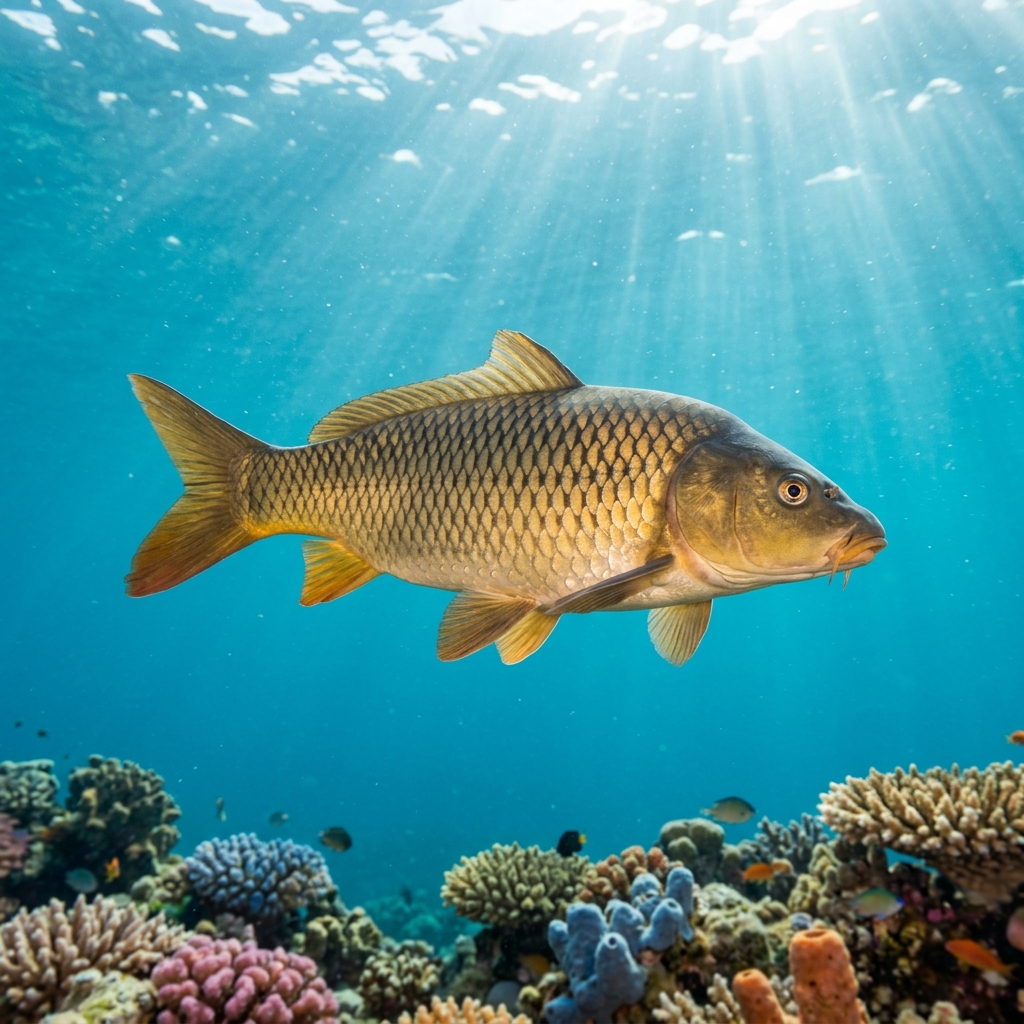
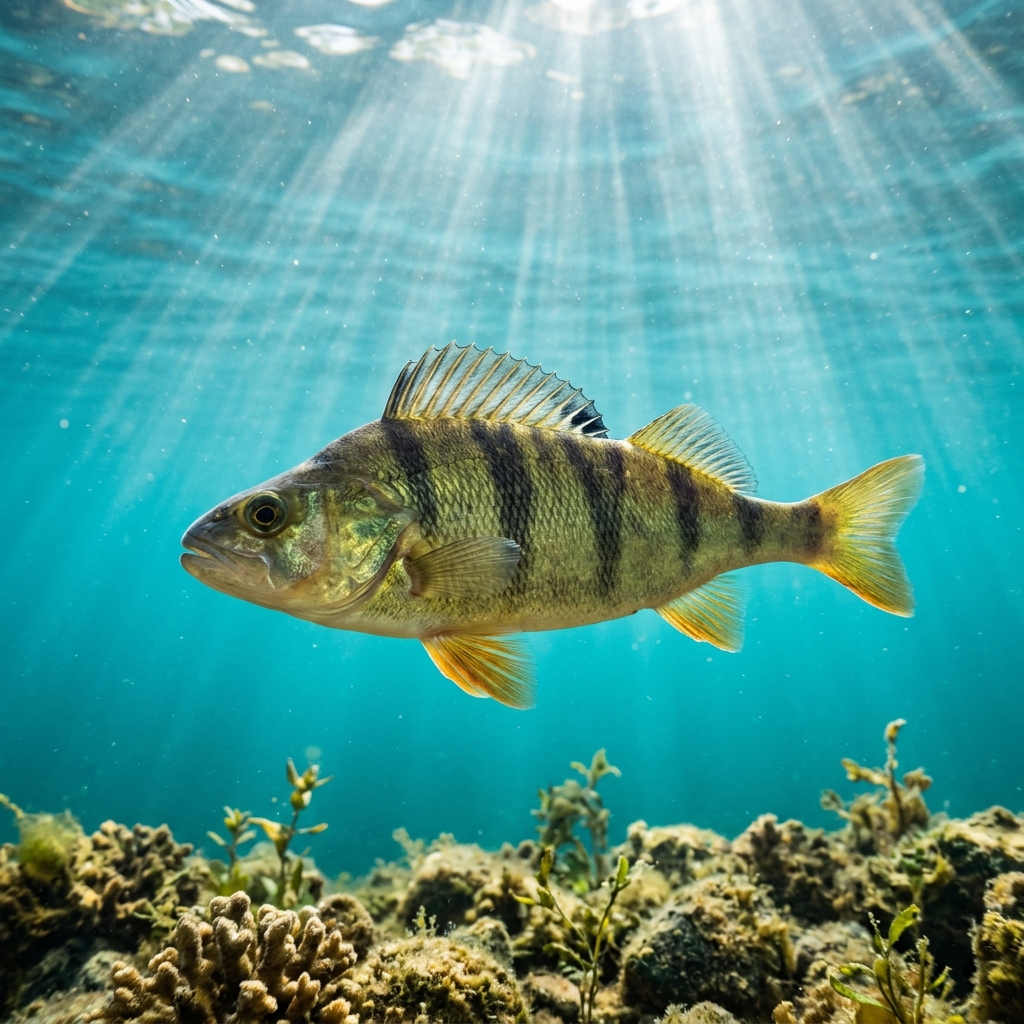
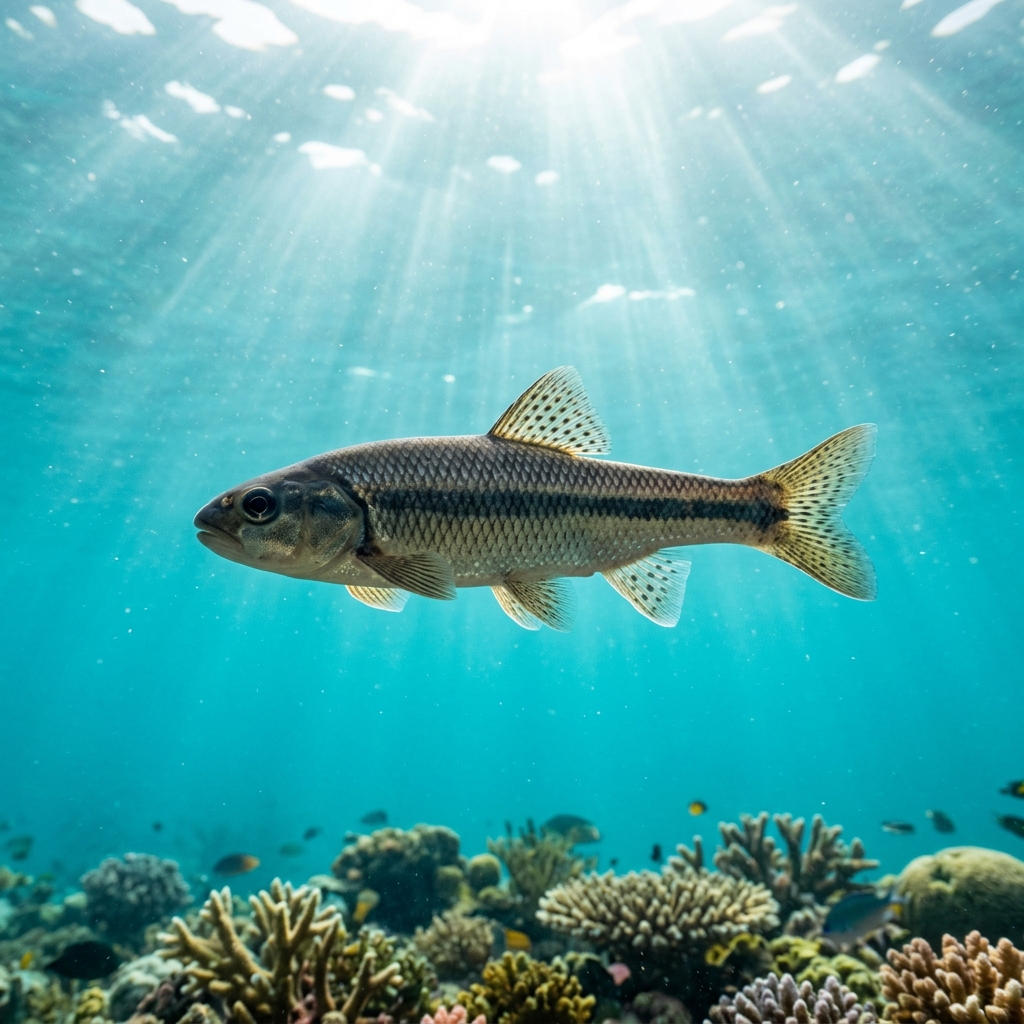
A compact, torpedo-shaped minnow with silvery-olive flanks and a dark lateral stripe running from snout to tail. The most reliable field mark is a clear black spot at the base of the dorsal fin. In good light the scales have a faint brassy sheen. Adults rarely exceed around 20 cm in most freshwater settings, so you are looking at a small, fast-moving fish rather than anything imposing.
Creek Chub favour the margins of streams, rivers, and lake shallows, typically hugging gravel or rocky substrate where current provides cover and feeding opportunities. They tend to hold position facing into the flow and will dart away quickly if approached too closely, so slow, low movements give the best observation. Sightings are brief and opportunistic rather than prolonged encounters.
Males build distinctive pebble mound nests during the spring spawning season, carrying stones in their mouths to construct a ridge over which females are induced to spawn. Other minnow species will opportunistically spawn over the same mound, making the creek chub an accidental host for several co-occurring species.
There is not enough monthly sighting data to pin down a peak season, so it should be treated as a year-round possibility. Its observed temperature range runs from just above freezing to about 21 °C, meaning it is present through cold Canadian winters as well as summer conditions.
All logged sightings come from Canada, concentrated in the Great Lakes & Ontario region. It is an uncommon encounter at every site where it has been recorded, so treat a sighting as a bonus rather than a certainty. If you are diving or snorkelling clear freshwater systems in that region, rocky shallows and gravel-bottomed stream runs are worth scanning.
Mapping where Creek Chub is logged…
Logged diver sightings are all from Canada, specifically in the Great Lakes & Ontario region. It is an uncommon encounter at the sites where it has been recorded, so freshwater snorkel dives in rocky or gravelly shallows in that region offer the best realistic chance.
There is no clear seasonal peak in the data, so it can be considered a year-round possibility. Its temperature tolerance spans from just above freezing to roughly 21 °C, which covers most of the Canadian freshwater calendar.
Look for a small, silvery-olive minnow with a distinct dark spot at the base of the dorsal fin and a lateral stripe running to the tail. Breeding males add bumpy tubercles on the snout and a pinkish tint to the flanks. In Canadian freshwater, that dorsal-fin spot is the single most useful mark.
Most individuals encountered in the wild measure somewhere between 10 and 20 cm, though larger fish can occasionally exceed that in productive systems. In the water they look like a sturdy, modestly sized minnow rather than anything you might overlook entirely.
Males are nest builders, using their mouths to pile up small pebbles into a mound where spawning takes place. Several other minnow species take advantage of this effort by spawning over the same mound, so the creek chub effectively creates a shared spawning hub for multiple species without any apparent benefit to itself.
Site and sighting data is aggregated from diver logs, iNaturalist and GBIF. For taxonomy and conservation status:
Sun Perch
2,182 sites