Scorpis aequipinnis
Sea Sweep turn up on temperate reefs from Victoria to Western Australia in 15-21°C water, most reliably as loose schools over rocky reef.
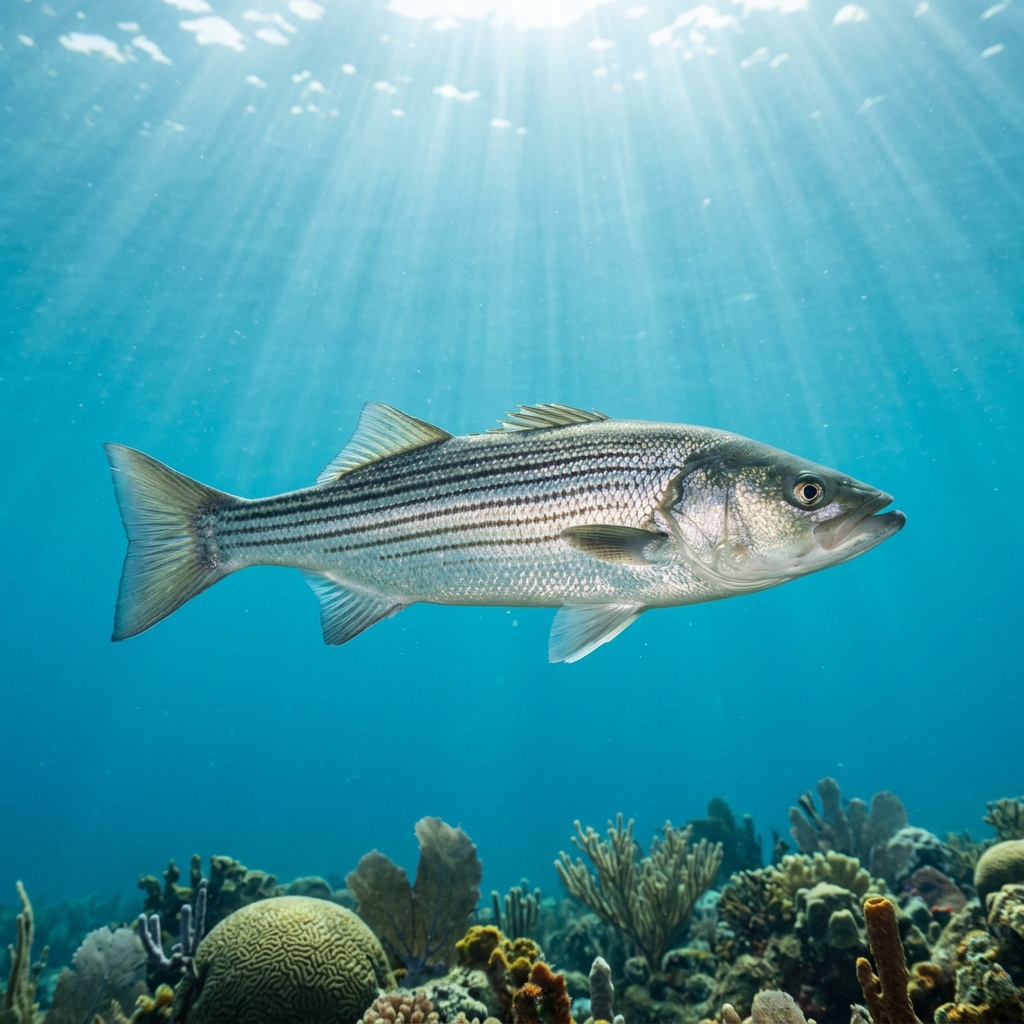
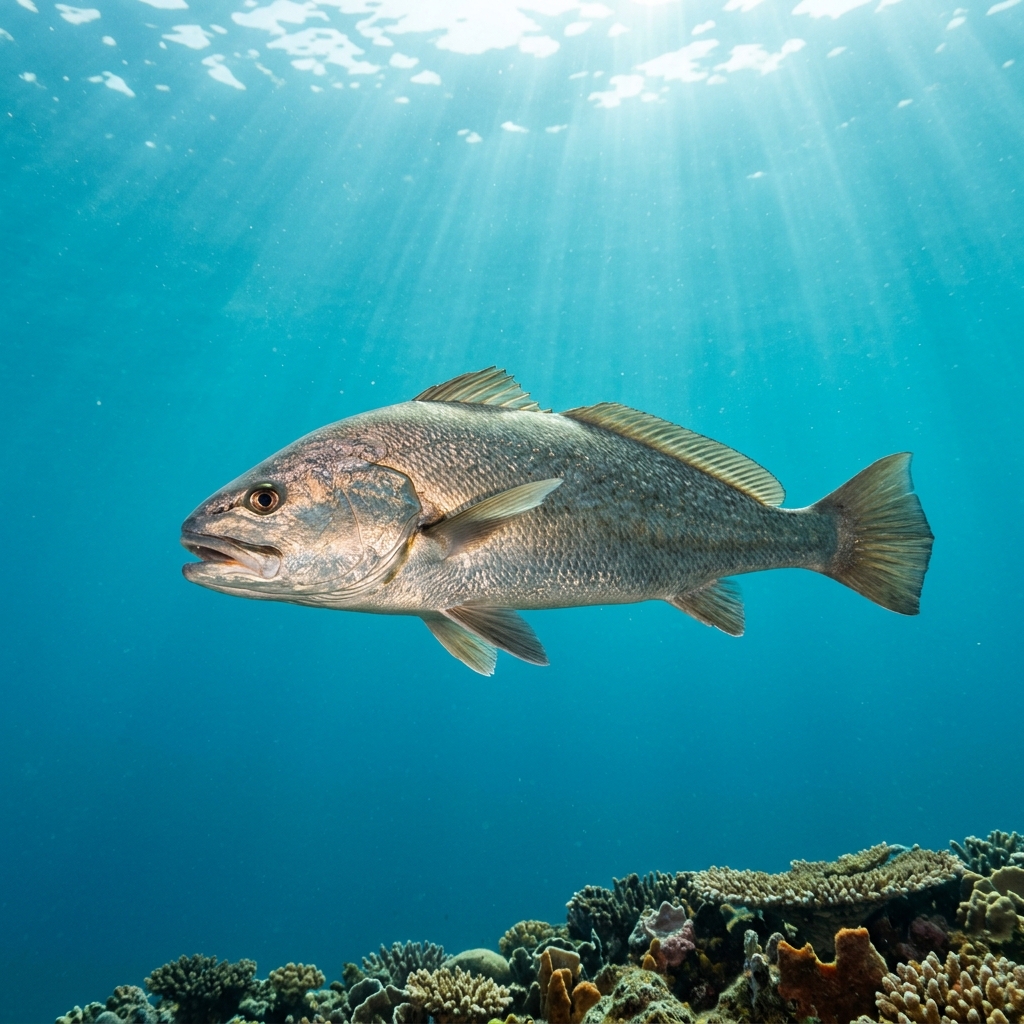
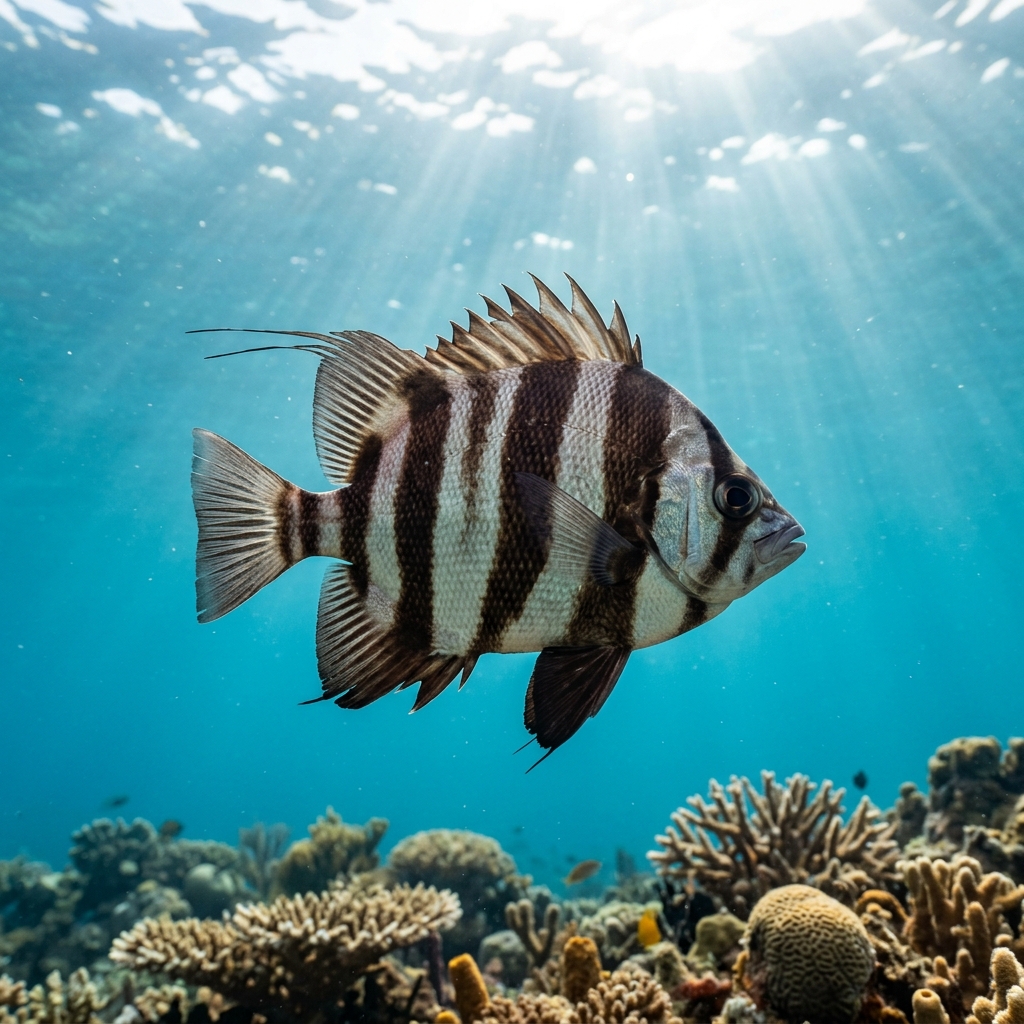
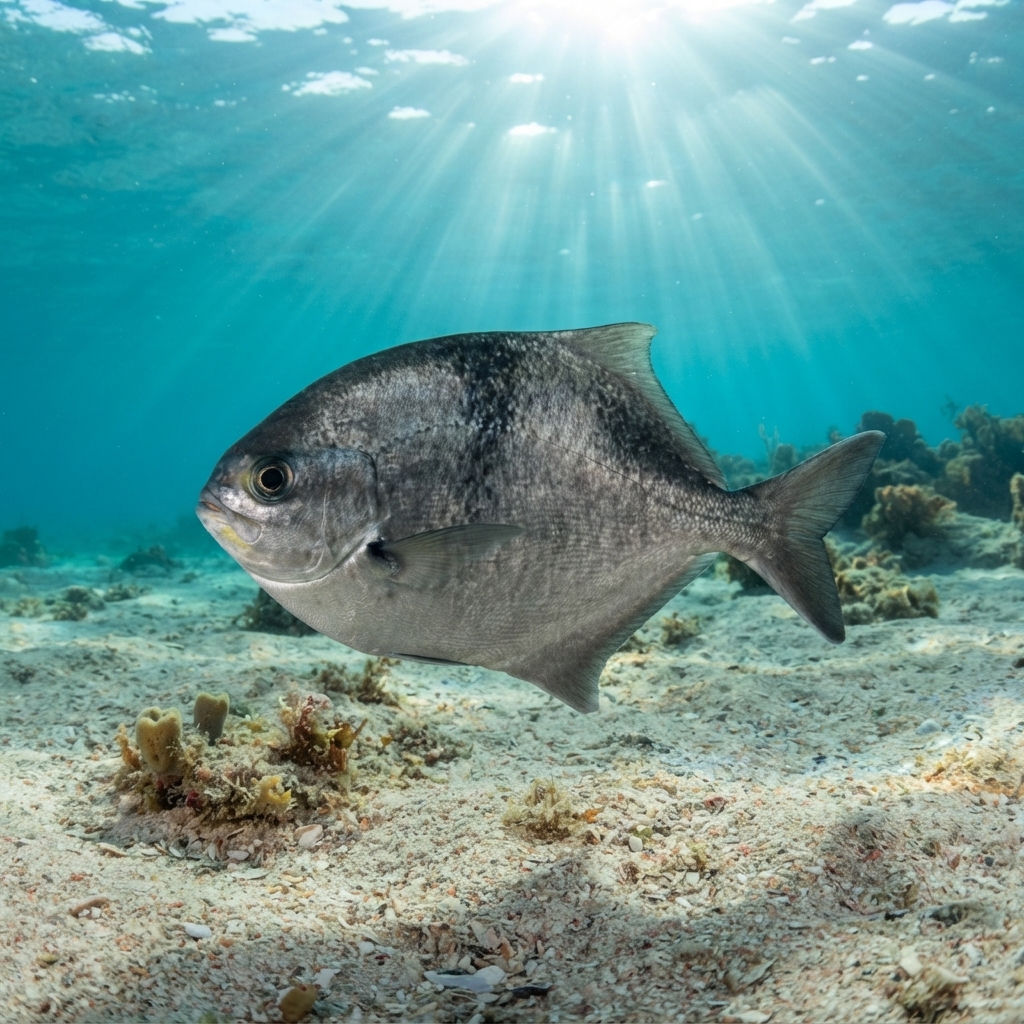
Deep-bodied and oval in profile, with a silvery to olive-grey body that can show faint darker mottling or bars along the flanks. Grows to around 28cm, with a small mouth and steeply sloped forehead typical of the group. Usually spotted in loose schools hovering just off rocky reef rather than sitting tight to structure.
Typically seen cruising in loose, unhurried schools over temperate reef and rocky ground, feeding on small invertebrates and plankton in the water column rather than picking at the substrate. Divers generally rate it an easy, calm encounter, it holds station near reef structure and doesn't scatter dramatically when approached, though it keeps a comfortable distance rather than approaching.
It's classed as demersal but spends much of its time schooling in midwater over reef, straddling the line between a true bottom-dweller and a water-column feeder.
Sightings are spread across the year with no strong seasonal pattern in the data, consistent with a species comfortable across a 14.8 to 20.8°C range. Plan around water temperature and site conditions rather than a particular month.
Most consistently logged in Victoria, with strong numbers also out of Western Australia and South Australia, and occasional sightings in New South Wales. Victorian sites around Port Phillip Bay and the surrounding temperate reef systems account for the bulk of logged encounters, making southern Australia the reliable place to find this species.
Mapping where Sea Sweep is logged…
Southern Australia is the place to look, especially Victoria, with good numbers also reported from Western Australia and South Australia. New South Wales sightings are much less frequent.
There's no clear seasonal peak in the sighting data, so they're considered present year-round within their 14.8 to 20.8°C temperate water range.
Look for a deep, oval-bodied silvery-grey fish around 28cm long, often in loose schools drifting just above rocky reef. The steep forehead and small mouth help separate it from other temperate reef schoolers.
They typically reach about 28cm in length, a modest, mid-sized reef fish rather than anything imposing.
No, they pose no threat to divers and are a calm, easygoing species to swim alongside.
Site and sighting data is aggregated from diver logs, iNaturalist and GBIF. For taxonomy and conservation status:
Meagre
1,159 sites