Cirrhilabrus scottorum
A small, colourful wrasse best found around the Society Islands, French Polynesia, in warm 25-29C reef water year-round.
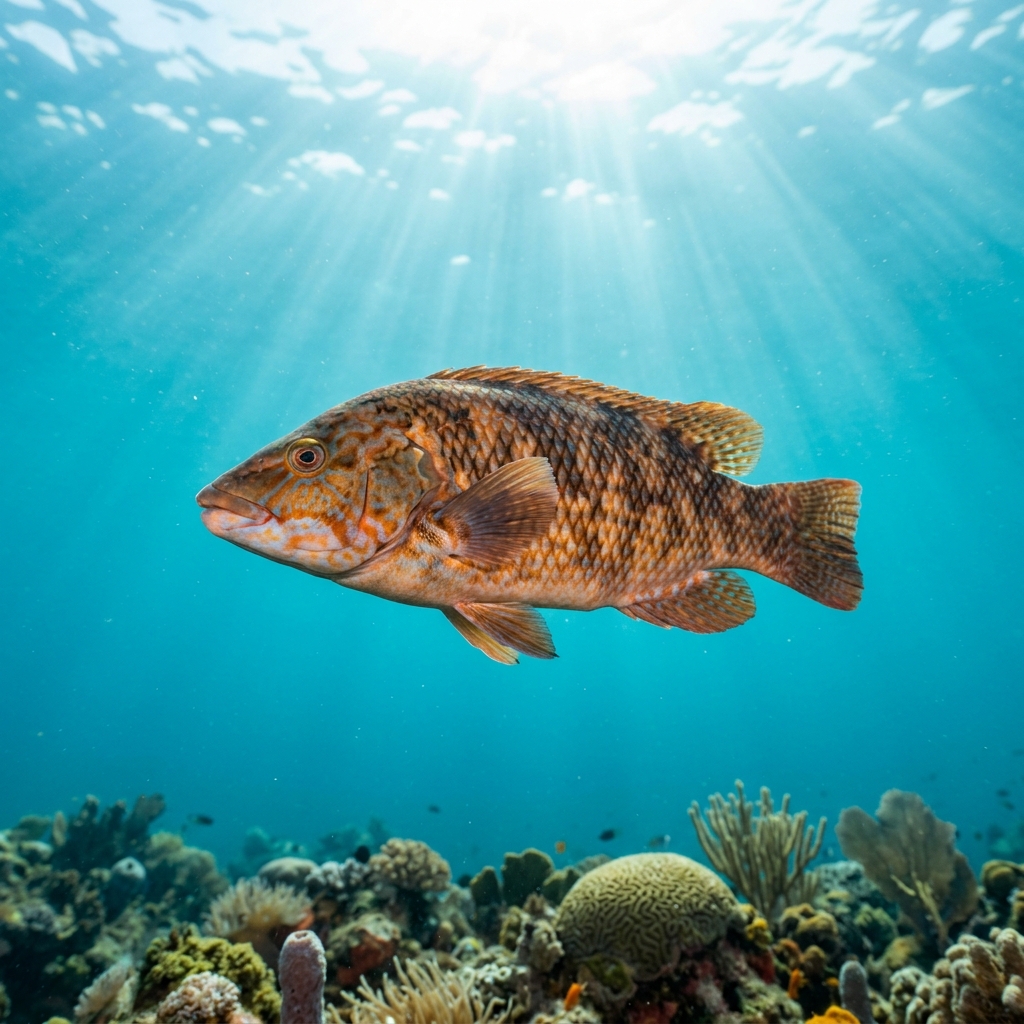
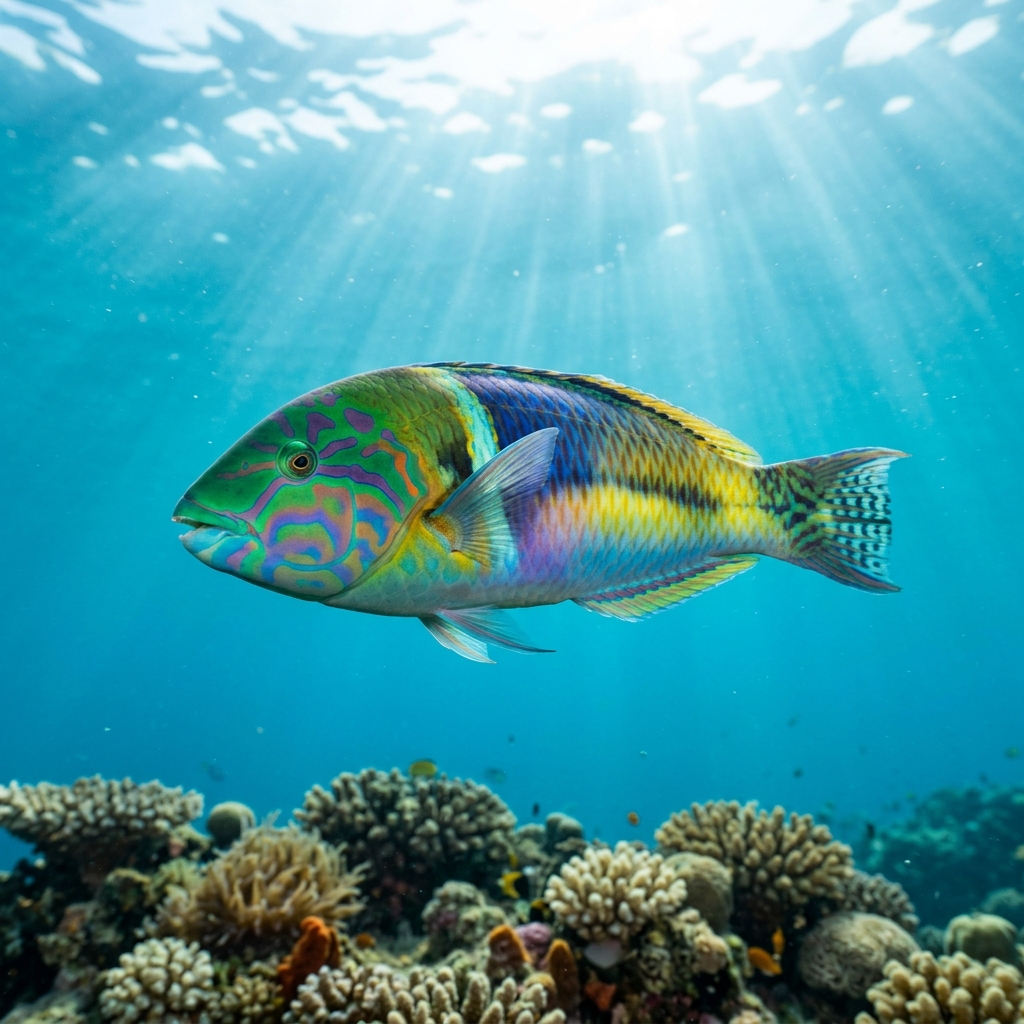
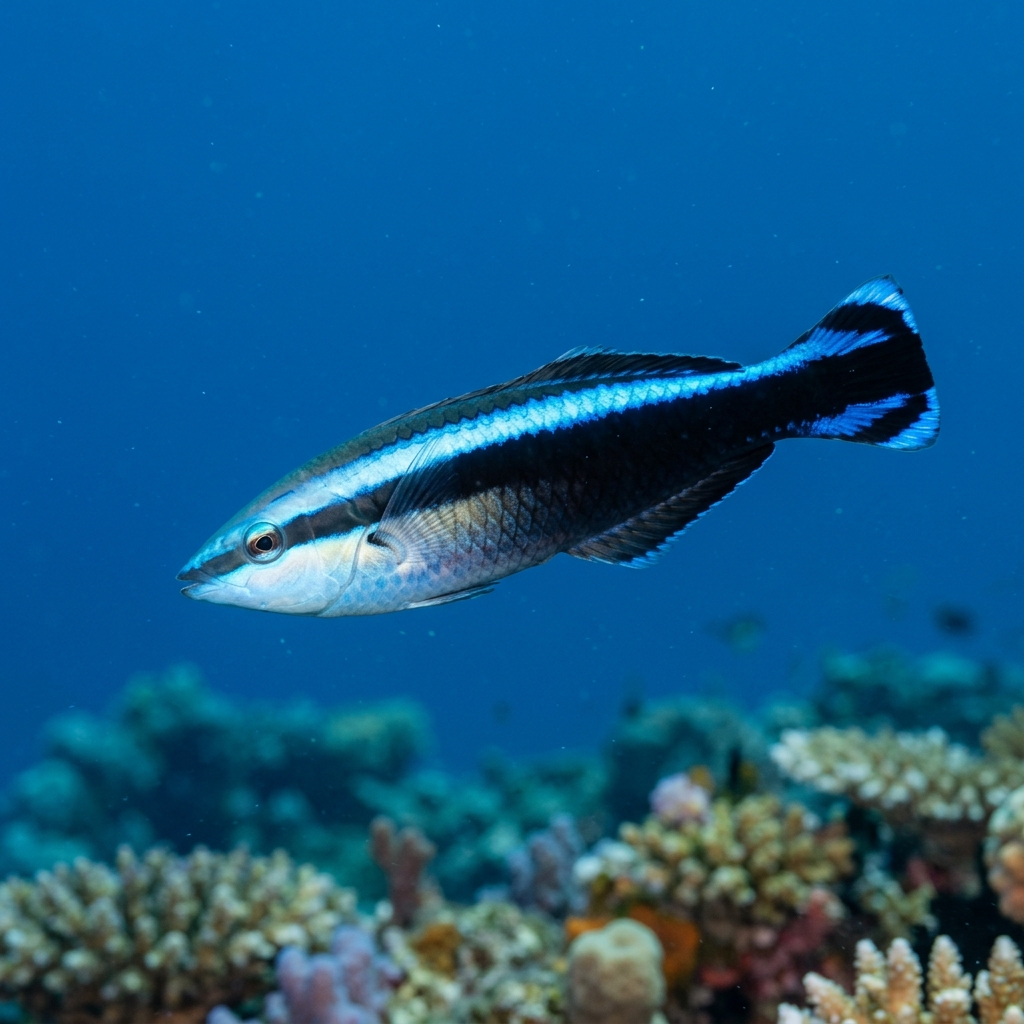
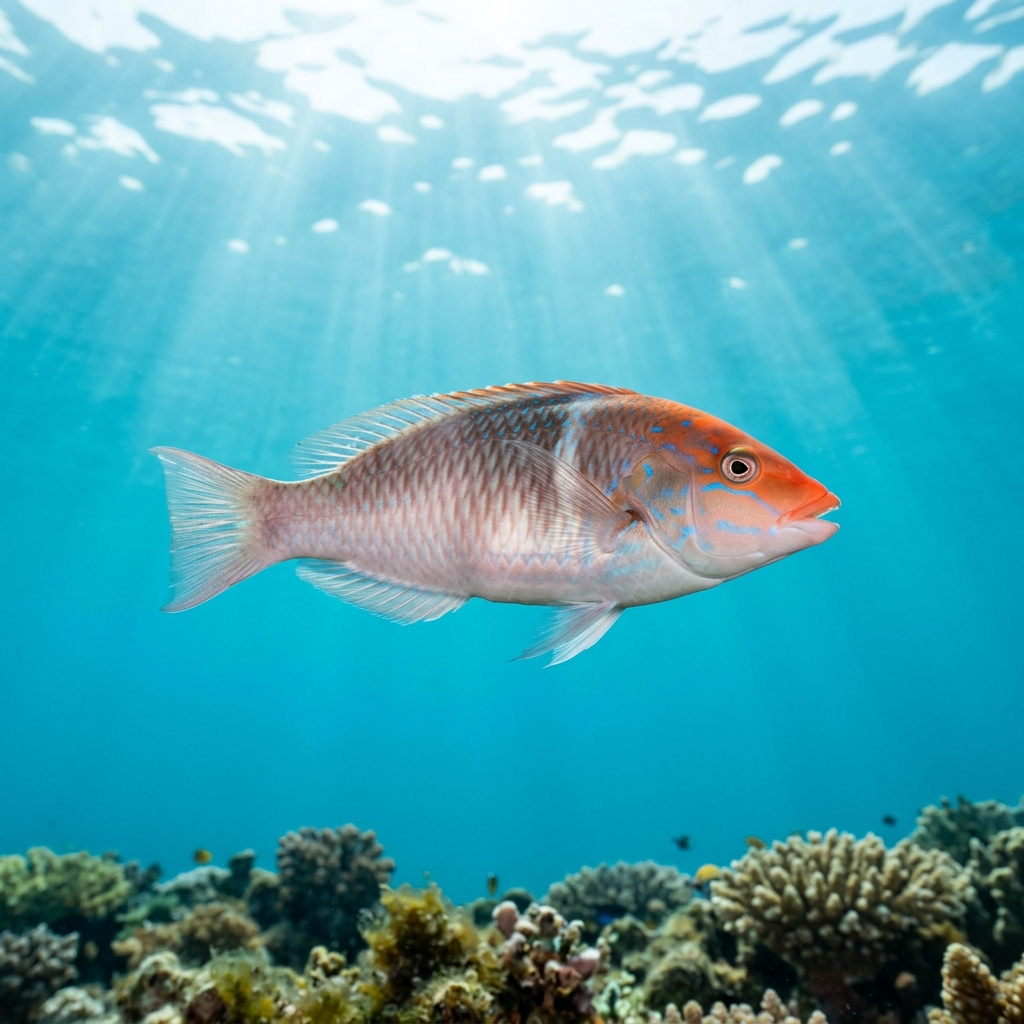
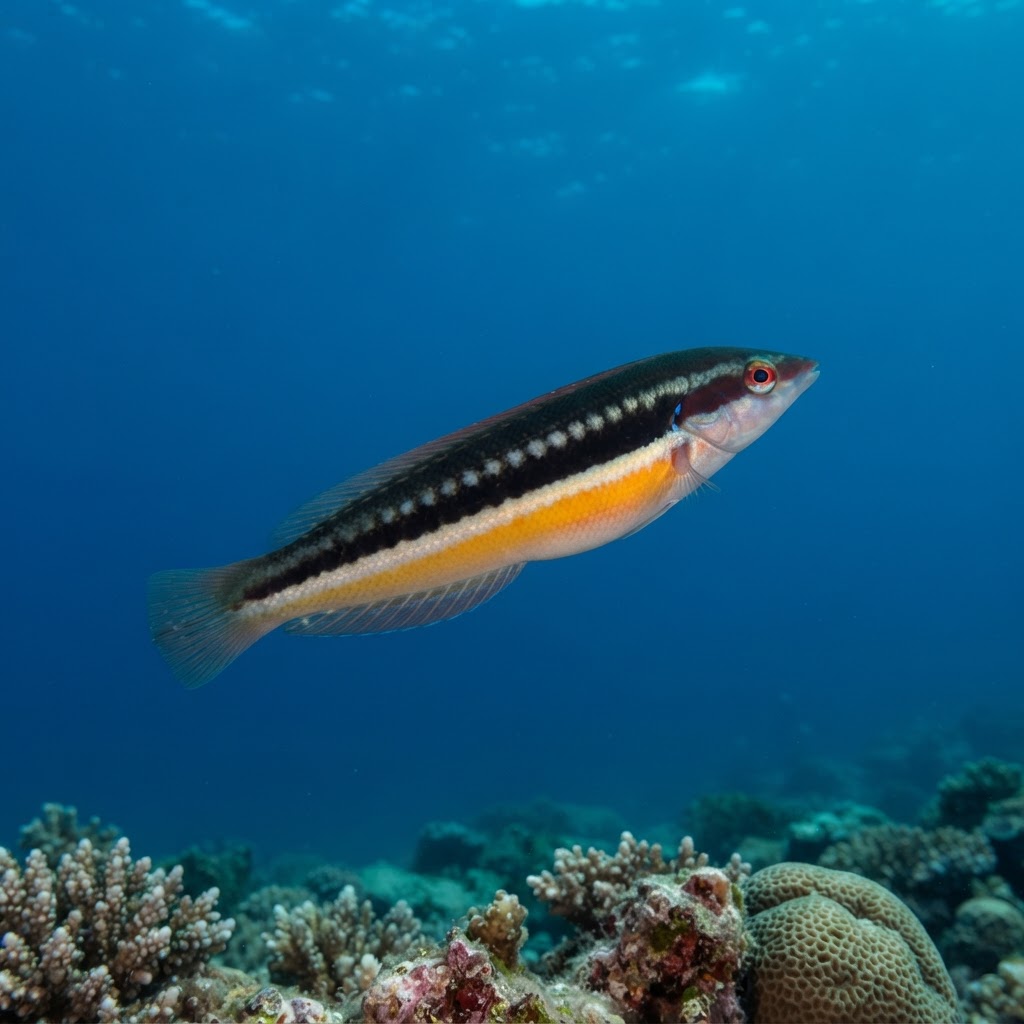
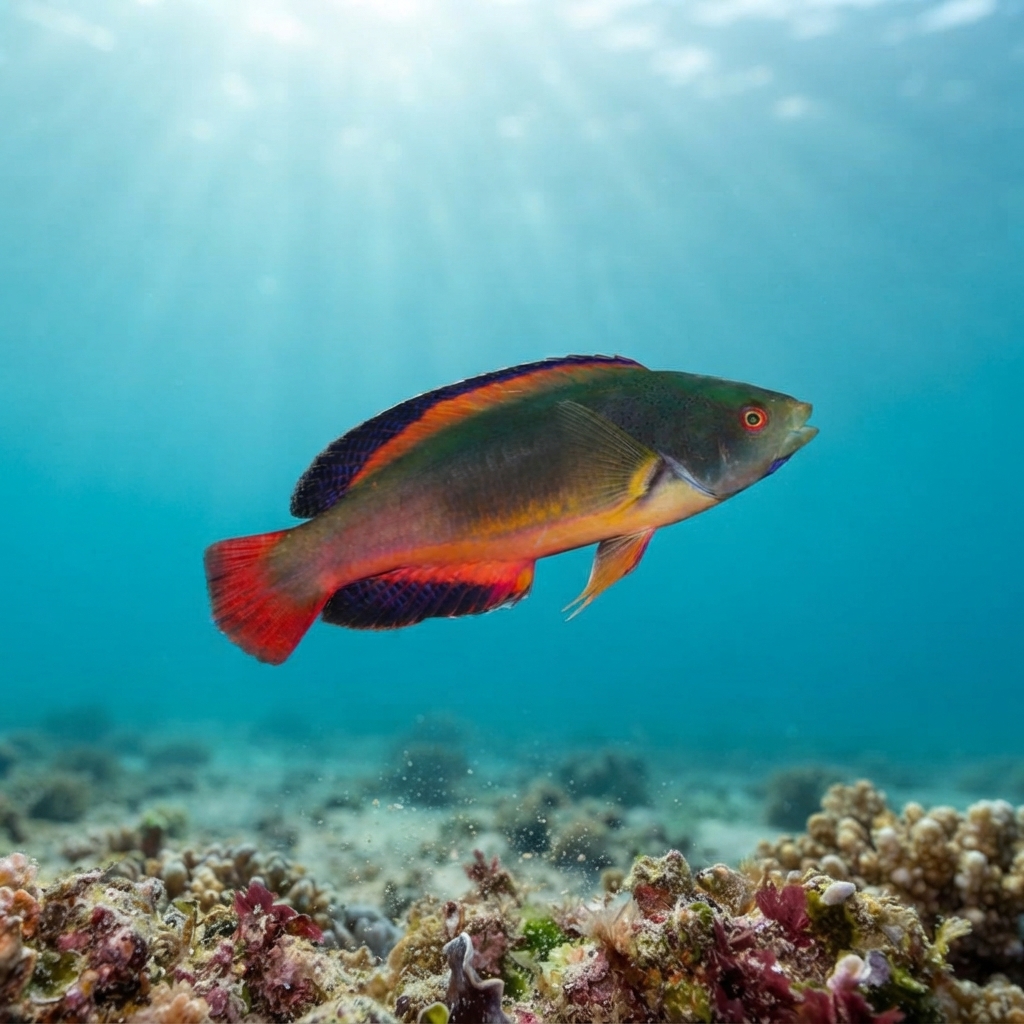
A slim, torpedo-shaped little wrasse that tops out around 9 cm, so it's easy to overlook against the reef. Look for a mix of purple, red and blue washing across the body, often with a brighter streak along the upper back and a paler belly. Males tend to show the boldest, most saturated colour and longer fin filaments, while females are duller and less patterned. It swims with quick, darting flicks rather than a steady glide, which often gives away its position before the colour does.
Divers typically spot it picking around low coral rubble and reef crevices, darting between shelter points rather than holding still in open water. It's an uncommon to rare find at most sites where it's logged, so it rewards a slow, methodical look rather than a quick reef scan. It doesn't react much to divers beyond a quick retreat if approached too fast, making a slow, patient approach the best way to get a good look.
Like other fairy-wrasses, this species is a protogynous hermaphrodite, meaning females can change sex into males, with the most dominant male in a group typically carrying the brightest colours.
There's no detected season in the sighting data, and with a comfortable range of roughly 25 to 29C, reefs stay within its preferred temperature year-round, so any month works for a dive trip.
This is very much a Society Islands fish: nearly all logged sightings come from French Polynesia, with the Society Islands the clear hotspot for finding it. A single Queensland, Australia site also has records, so it turns up on the western edge of the Pacific too, but Tahiti and its neighbouring islands are where divers reliably run into it.
Mapping where Scott's Fairy-wrasse is logged…
Almost all recorded sightings come from the Society Islands in French Polynesia, making it the most reliable place to look. A smaller number of divers have also logged it in Queensland, Australia.
There's no strong seasonal pattern in the sighting data. Water temperatures in its range sit between about 25 and 29C year-round, so it can be encountered on any month's dive trip.
Look for a small, slender wrasse under 10 cm with a mix of purple, red and blue colouring and quick, darting movement near reef rubble. Males show the brightest colour and slightly longer fins, while females are plainer.
They're a small reef fish, typically reaching around 9 cm in length, so spotting one takes a careful eye on the reef structure rather than the open water.
It's logged as uncommon at most sites where divers have recorded it, with a few sites reporting it as rare. It's not a guaranteed sighting, so patient searching around rubble and crevices helps.
Site and sighting data is aggregated from diver logs, iNaturalist and GBIF. For taxonomy and conservation status:
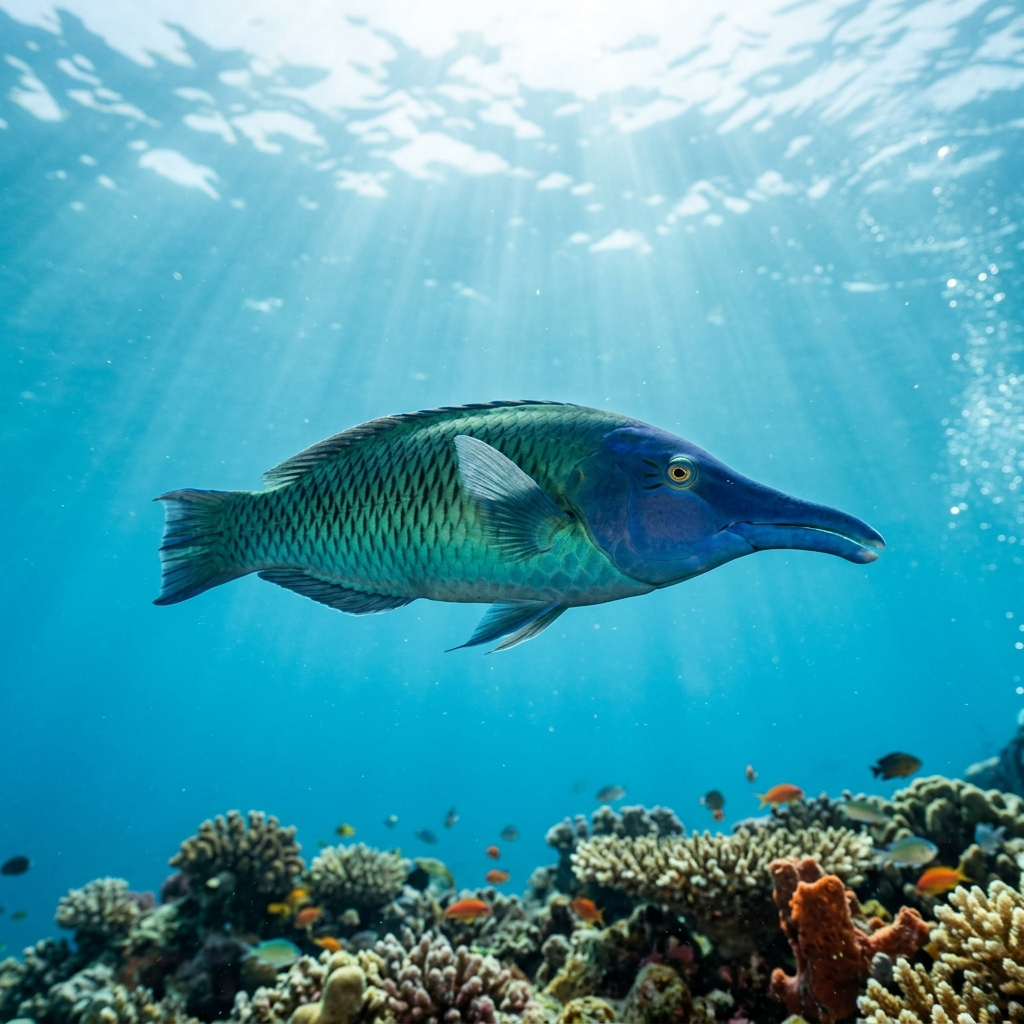
Bird Wrasse
3,632 sites