Clupeidae spp.
Spot sardines along British Columbia's coast and South England in spring and autumn. Cold-water schooling fish logged across dozens of Northern Hemisphere dive sites.
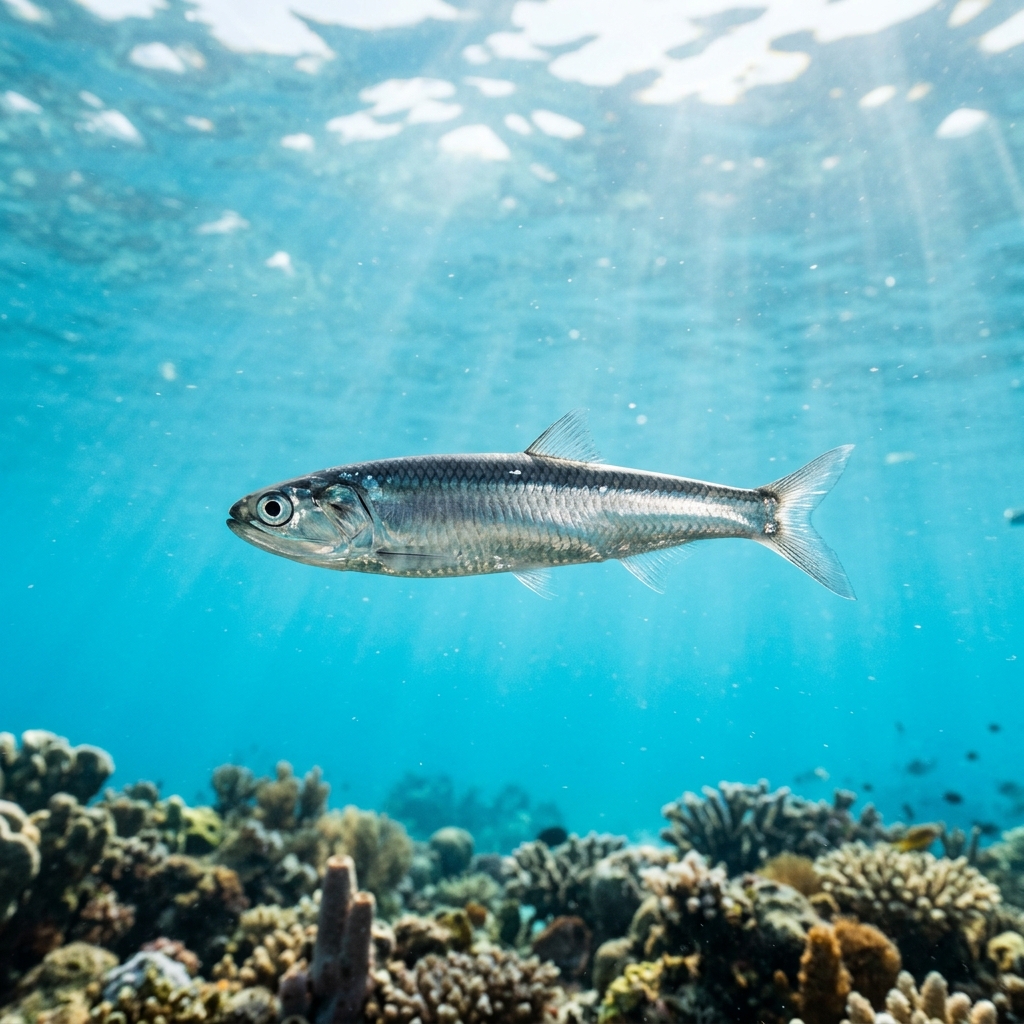
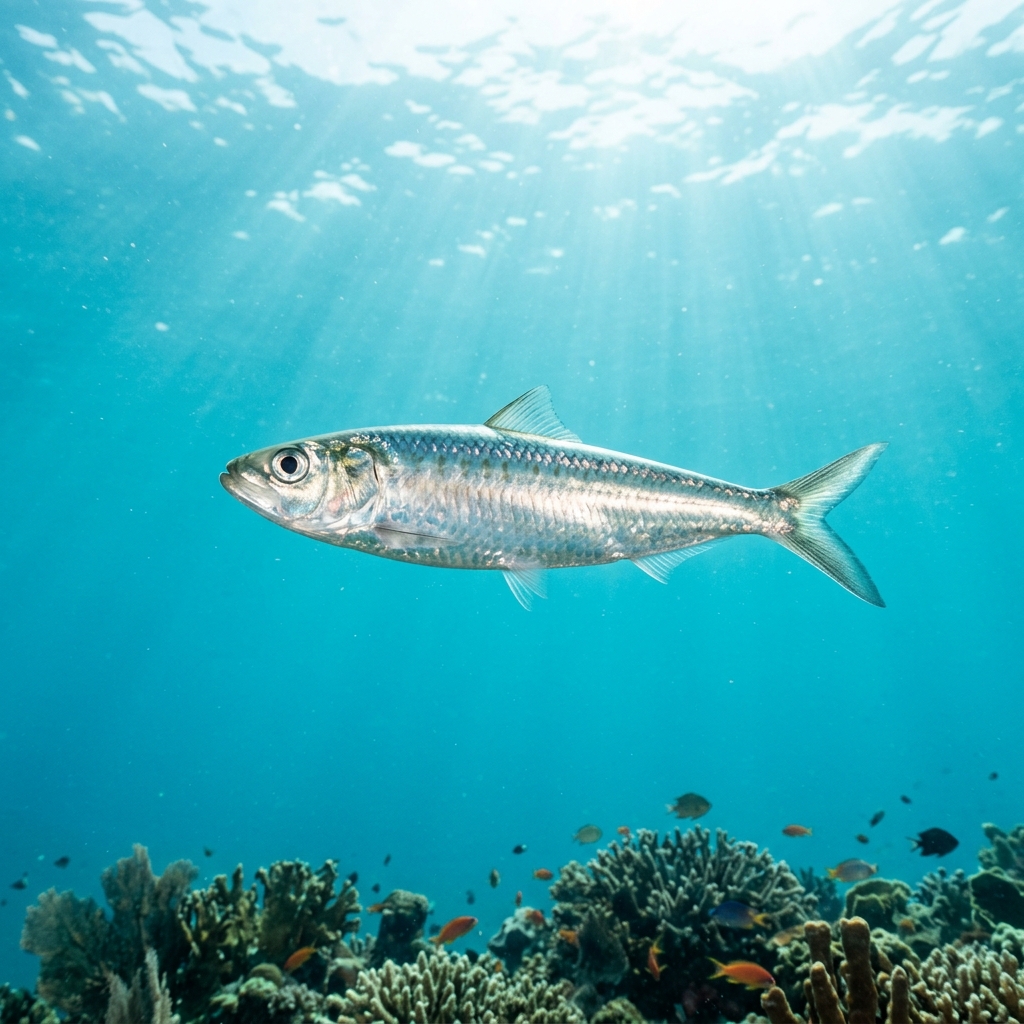
Look for torpedo-shaped, silver-bodied fish forming tight, fast-moving schools in the water column. The back is blue-green to olive, the flanks are bright silver, and many species carry a faint dark stripe running lengthwise along the side. Individual fish are small, typically finger-length, but the sheer density of a school makes the group conspicuous, often catching available light and flickering as the shoal turns. Within the Clupeidae family, species differ in scale size and stripe intensity, but the schooling behaviour and silver colouring are the consistent underwater cues.
Sardines are almost always encountered in schools, sometimes numbering in the thousands, moving in tight formation through the mid-water column or near the surface. The shoal itself is the defence mechanism, individuals synchronise turns instantly, creating the rolling, shape-shifting bait ball (a dense sphere the fish form when threatened) that is one of diving's most striking sights. They tend to ignore divers unless approached quickly, at which point the school parts fluidly around you and reforms.
The bait ball behaviour is a collective anti-predator strategy: by packing tightly and moving as one fluid mass, individuals reduce their personal odds of being picked off by tuna, dolphins, or diving seabirds working the school from above.
In the Northern Hemisphere, sightings concentrate in spring (March to May) and again from July through November, suggesting two windows of higher activity linked to seasonal movements and feeding cycles. The observed water temperatures run cool, roughly 6 to 15 °C, so expect these fish on temperate dives rather than warm tropical reefs.
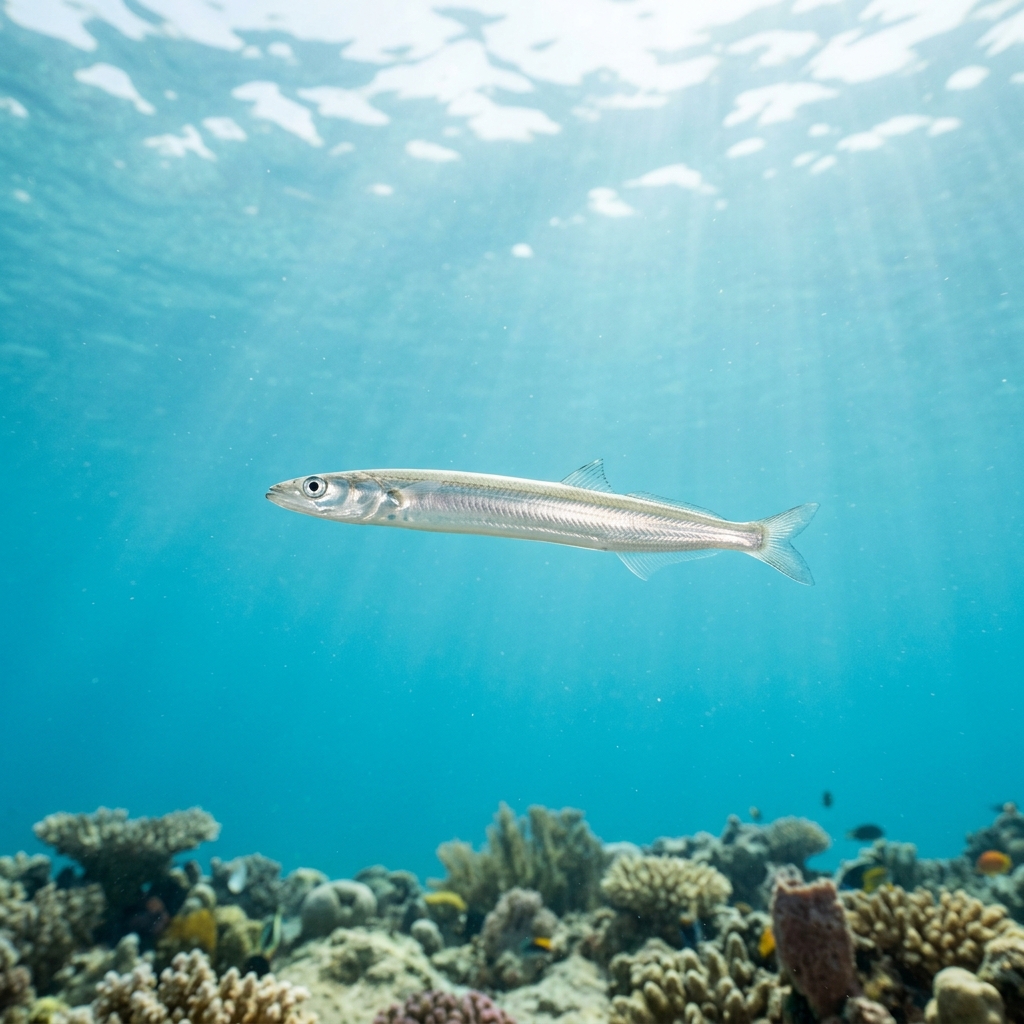
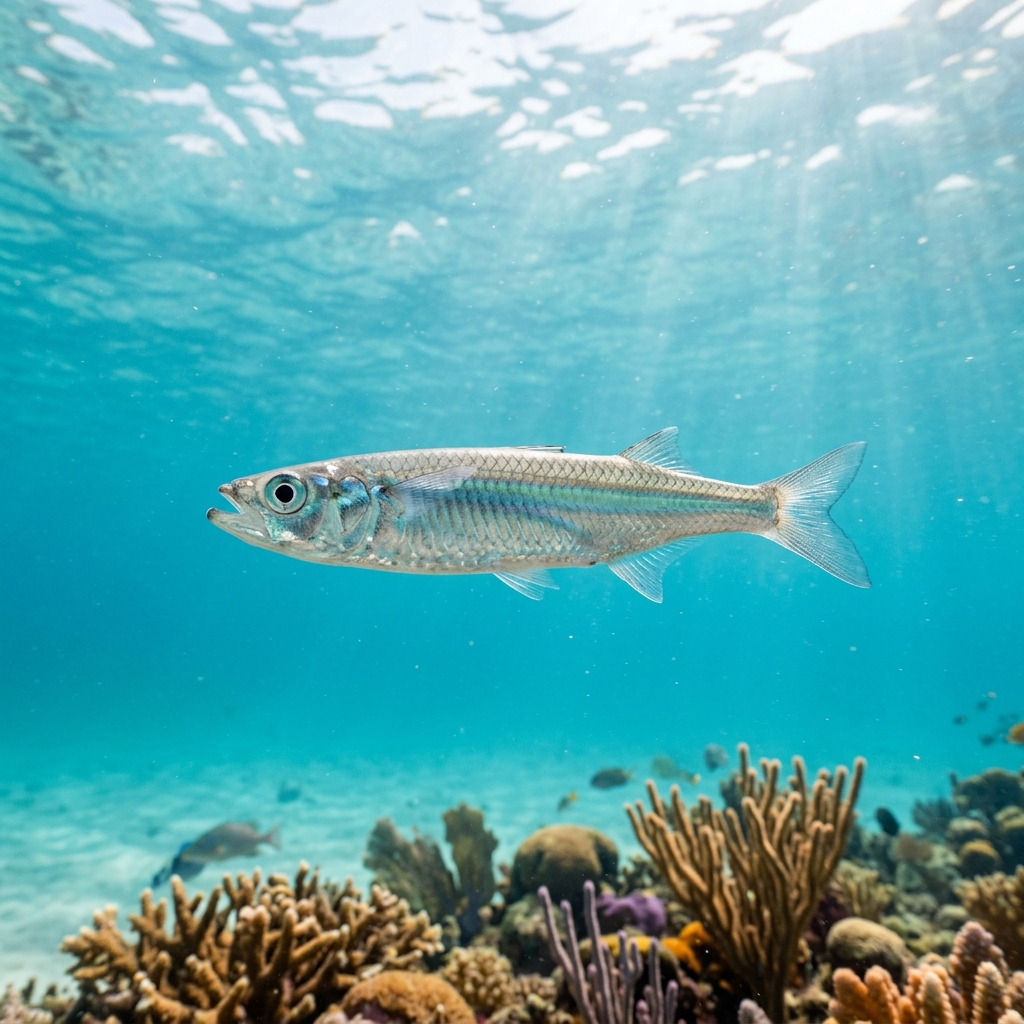
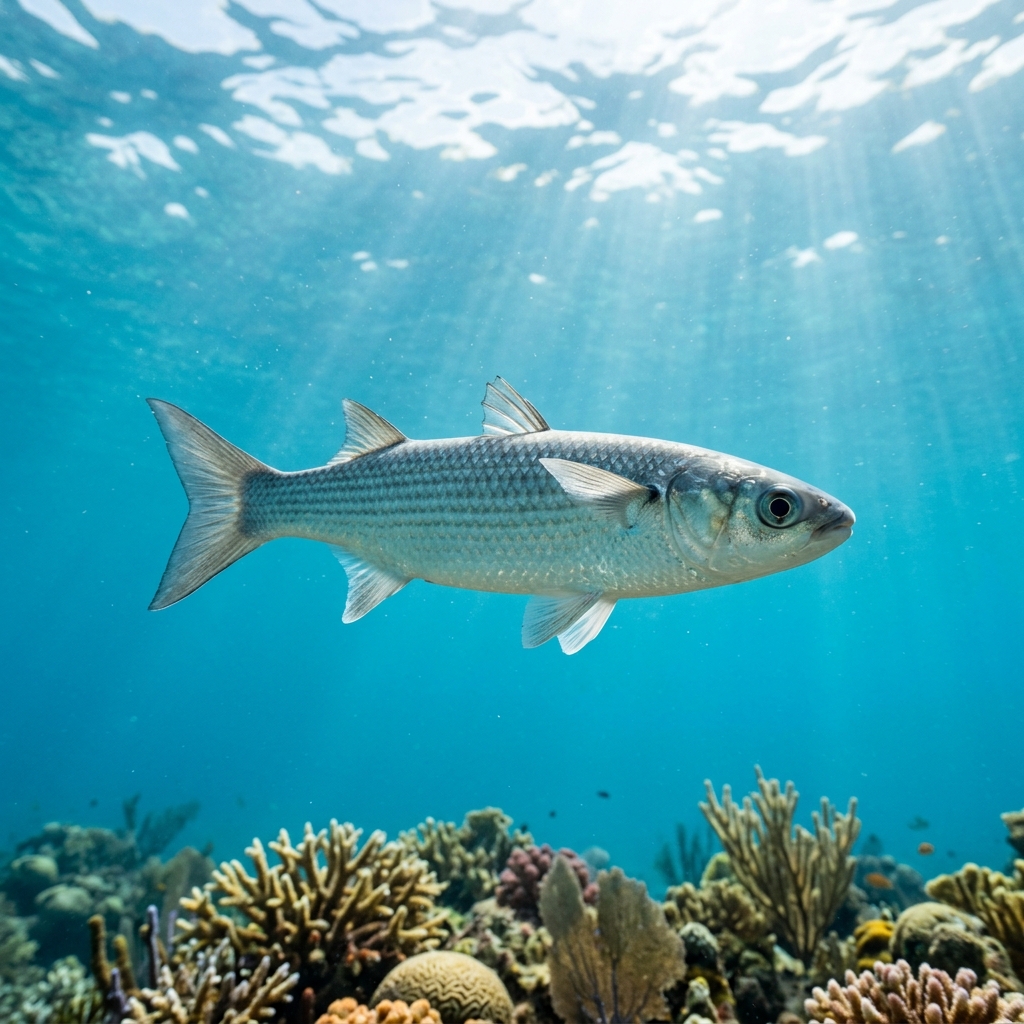
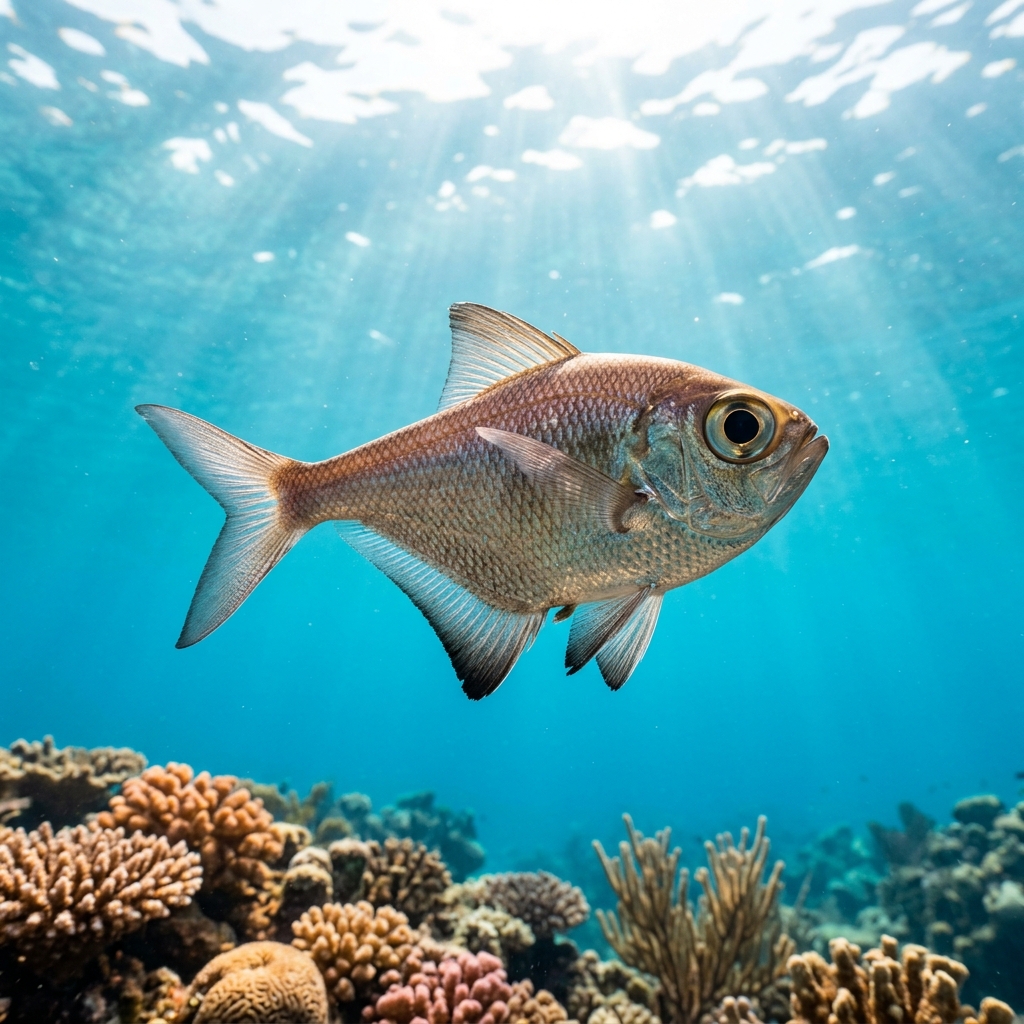
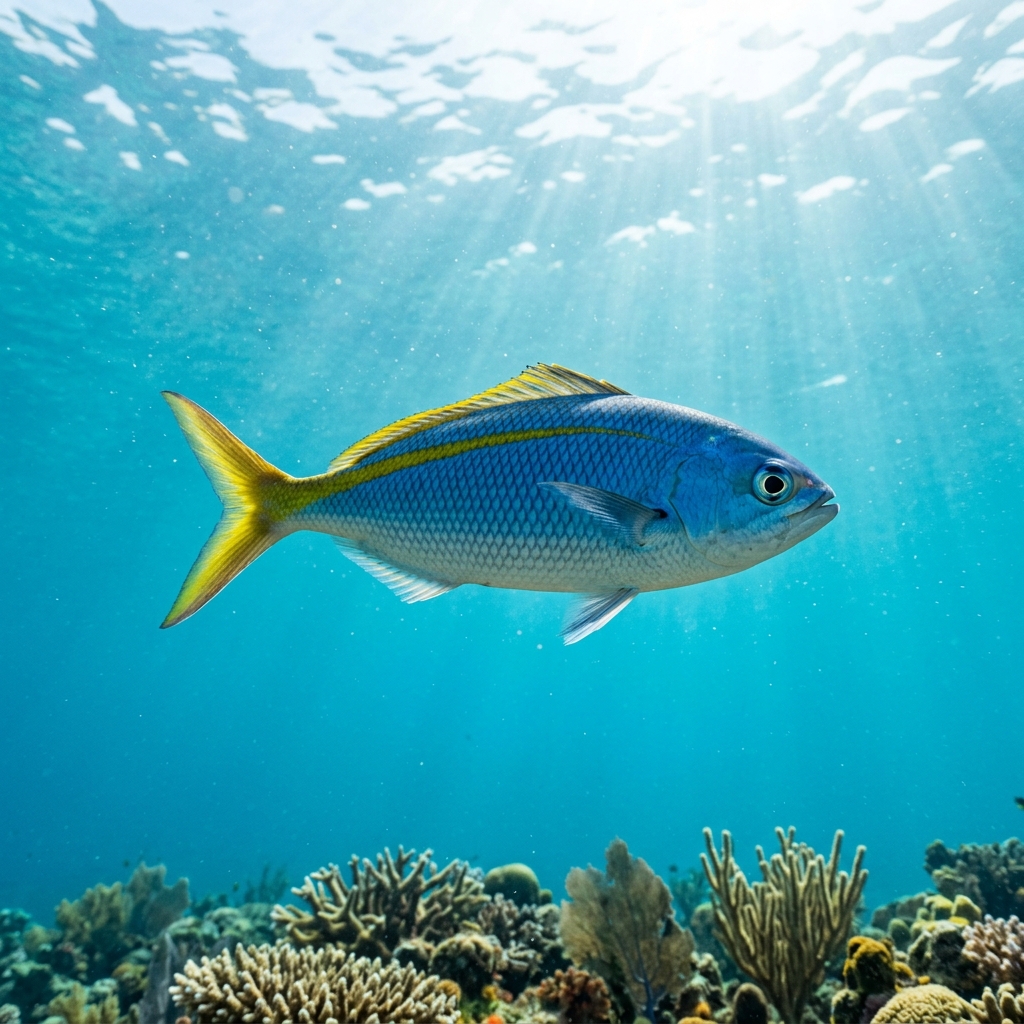
Reef neighbours a diver could mistake it for. Use the identification notes above to tell them apart.
Most commonly logged in Canada, particularly along the British Columbia Coast, and in Norway, the United Kingdom, and France. Strong records also exist for the Great Lakes and Northeast United States, South Coast England, and Brittany and Normandy. If you are diving cool temperate Atlantic or northeast Pacific waters, there is a reasonable chance of an encounter wherever baitfish aggregate near structure or current lines.
Mapping where Herring is logged…
The strongest records are from the British Columbia Coast in Canada, South Coast England, Brittany and Normandy in France, and Southern Norway. They are also logged regularly along the northeast United States coast and the west coast of Ireland. These are all cool temperate seas, pack a drysuit or thick wetsuit.
In the Northern Hemisphere, sightings peak in spring (March to May) and again from late summer through autumn (July to November). The mid-winter months see a drop-off in logged encounters, so plan your dive in one of those two windows for the best chance of finding a school.
Look for dense schools of small, silver fish with a blue-green back and, on many species, a faint dark stripe along the flank. The key identification aid is behaviour: they school in tight, synchronised formations. Anchovies are similar but tend to have a more pointed snout and a more pronounced silver lateral stripe. Silversides are slimmer and often found closer to the surface in shallower, calmer water.
Not at all. Sardines pose no threat to divers. They will calmly part around you if you swim into a school and reform once you pass. The main challenge is staying still enough to let the school close in around you rather than spooking it.
Across the Clupeidae family, most species that divers encounter are roughly 15 to 25 cm long, though this varies by species. Underwater they read as small, finger-length fish, it is the school rather than any individual that draws the eye.
A bait ball is a defensive response to predator attack. When threatened by tuna, dolphins, or seabirds, sardines pack into a dense, swirling sphere, which confuses predators and reduces each fish's individual risk. The behaviour is collectively triggered, individuals react to their nearest neighbours in milliseconds, making the whole mass move as one unit.
Site and sighting data is aggregated from diver logs, iNaturalist and GBIF. For taxonomy and conservation status:
Anchovy
2,435 sites