Gonorynchus gonorynchus
Uncommon sandy-bottom fish logged at Western Cape dive sites, comfortable from 14 to 25 C water year-round.
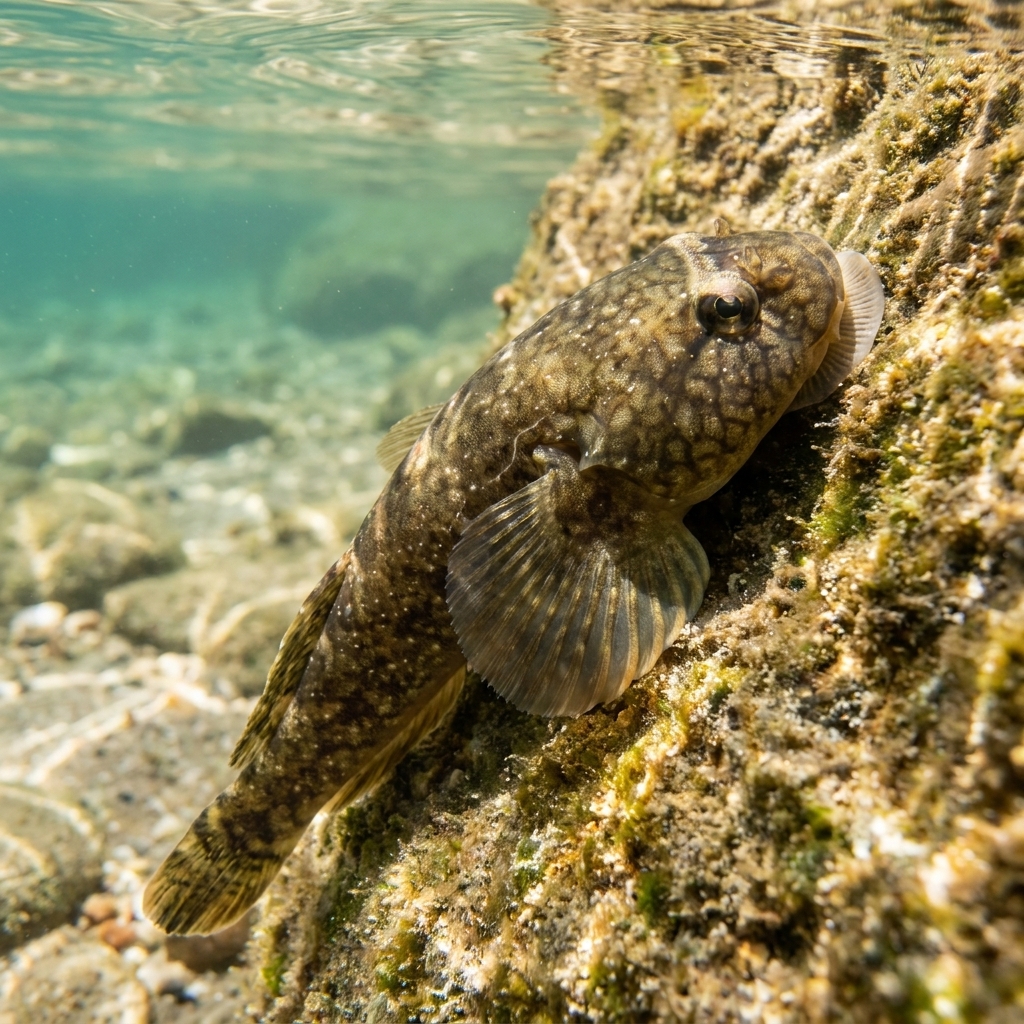
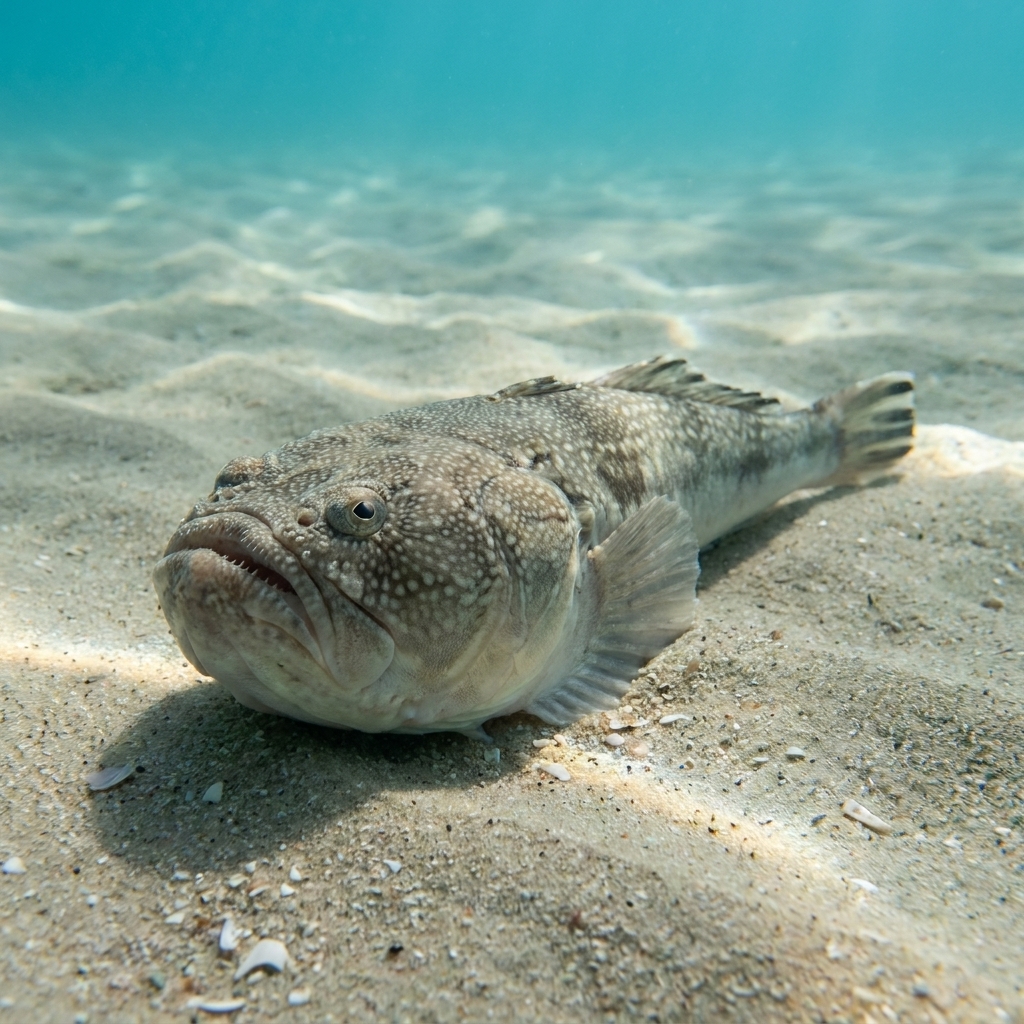
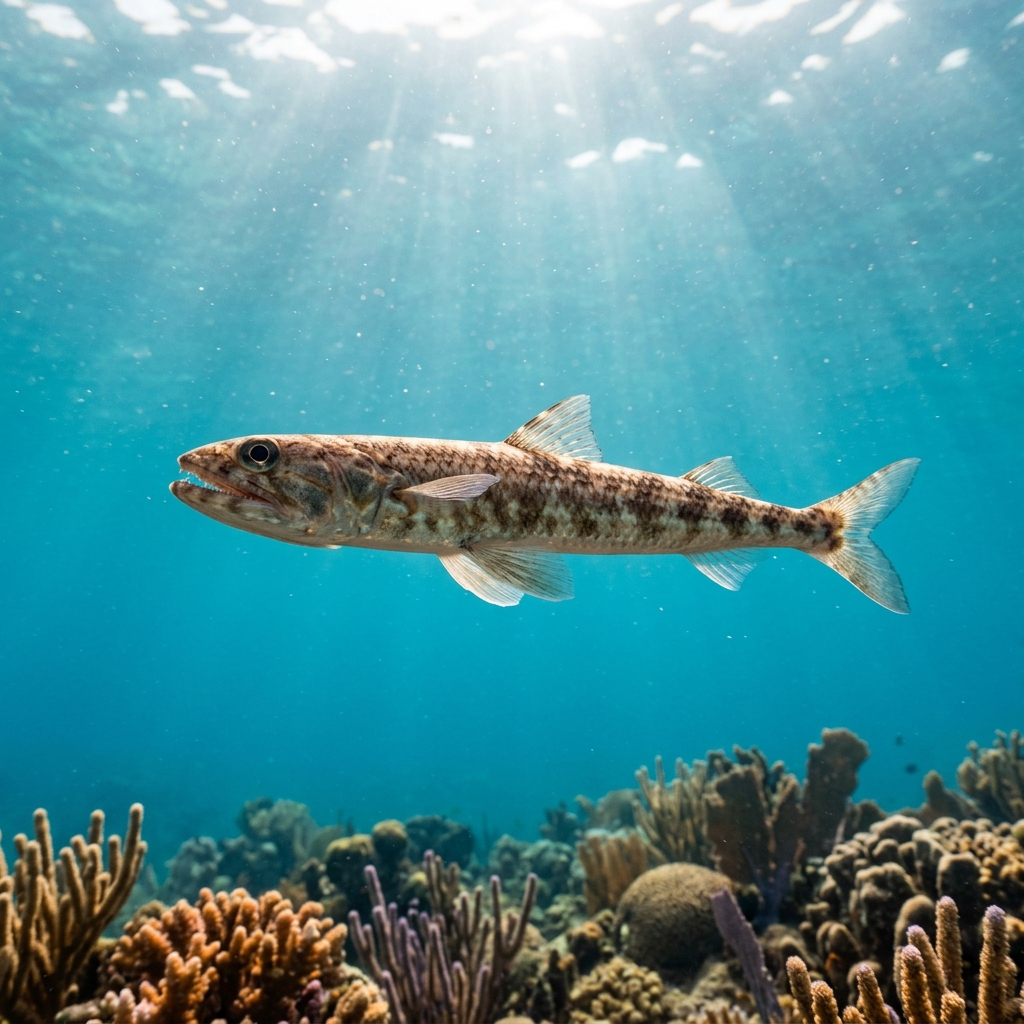
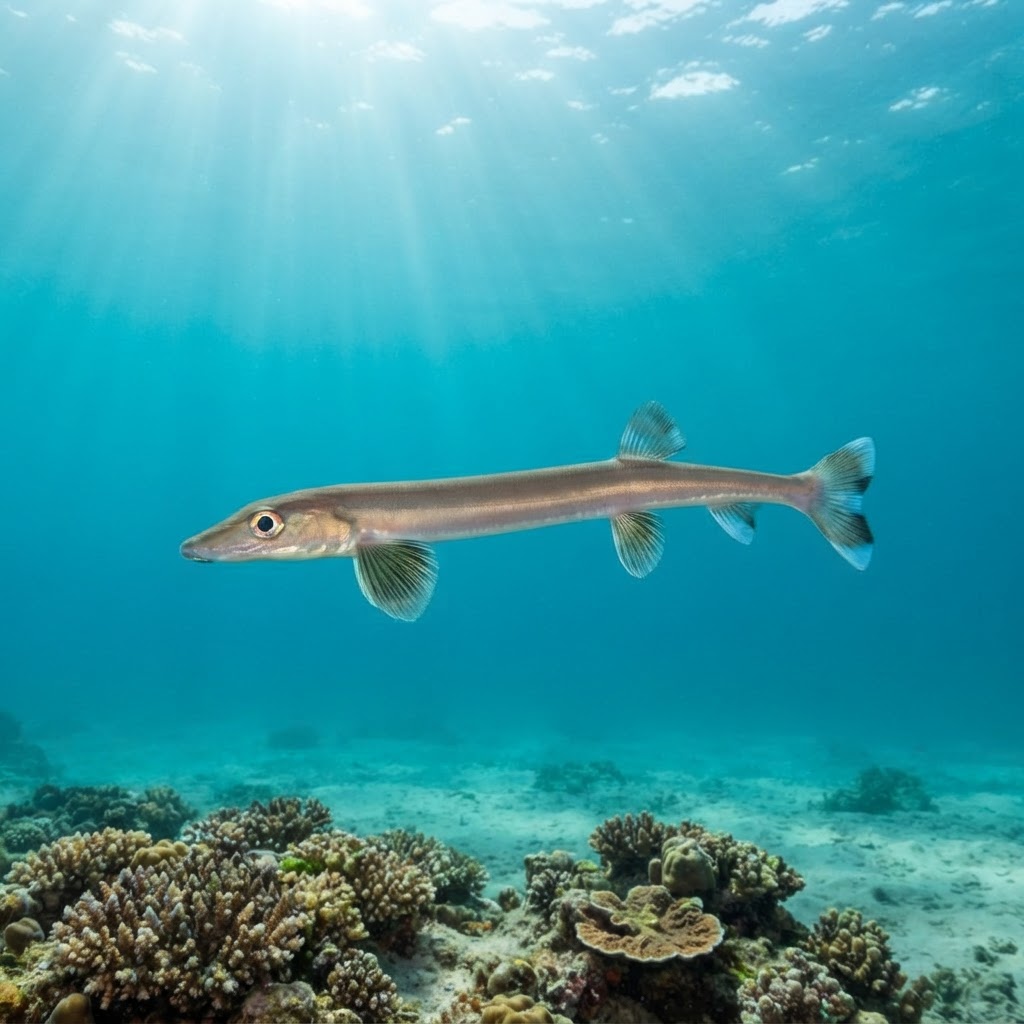
Elongated, almost eel-like body reaching around 42 cm, pale sandy-brown to grey with a faintly mottled pattern that blends into the seabed. The snout is pointed and slightly downturned, built for pushing into sand, and the small mouth sits underneath rather than at the tip. Look for it lying flat or half-buried on open sand patches rather than on the reef itself.
Divers typically find it lying still on open sand, often partly buried with just the head or back exposed, rather than swimming in open water. It relies on staying still and blending in rather than fleeing, so a slow approach and a careful eye on sandy patches near reef edges is the best way to pick one out.
Its downturned snout is built for burrowing into sand, which is also why it is so easy to miss: most of the body can be hidden below the surface with only a faint outline showing.
Sightings show no clear seasonal pattern, and the recorded temperature range of 14 to 25.4 C spans the Western Cape's cooler and warmer months alike, so it turns up year-round rather than in a specific season.
All logged sightings come from South Africa, concentrated in the Western Cape, making this the region to look for it if you want a real shot at a sighting. It is not reported elsewhere in the diver observation data, so treat the Western Cape as the place to plan a search dive.
Mapping where Sandfish is logged…
The most reliable sightings are in the Western Cape, South Africa, where it has been logged at several dive sites. It has not been reported from other regions in current diver data, so this is the area to focus on.
There is no strong seasonal pattern in the sightings. It has been recorded across a wide temperature range of 14 to 25.4 C, suggesting it can be found through most of the year in the Western Cape.
Look for a pale, elongated body up to about 42 cm long lying on open sand, often partly buried. Its pointed, downturned snout and habit of staying motionless on the seabed are the main giveaways.
They reach around 42 cm in length, giving them a slender, elongated profile rather than a bulky one.
No, they are not considered dangerous to divers. They are shy, sand-dwelling fish that rely on staying hidden rather than any defensive behaviour.
Their downturned, pointed snout is adapted for burrowing into sand, letting them disappear almost entirely from view with only a small part of the body left exposed.
Site and sighting data is aggregated from diver logs, iNaturalist and GBIF. For taxonomy and conservation status:
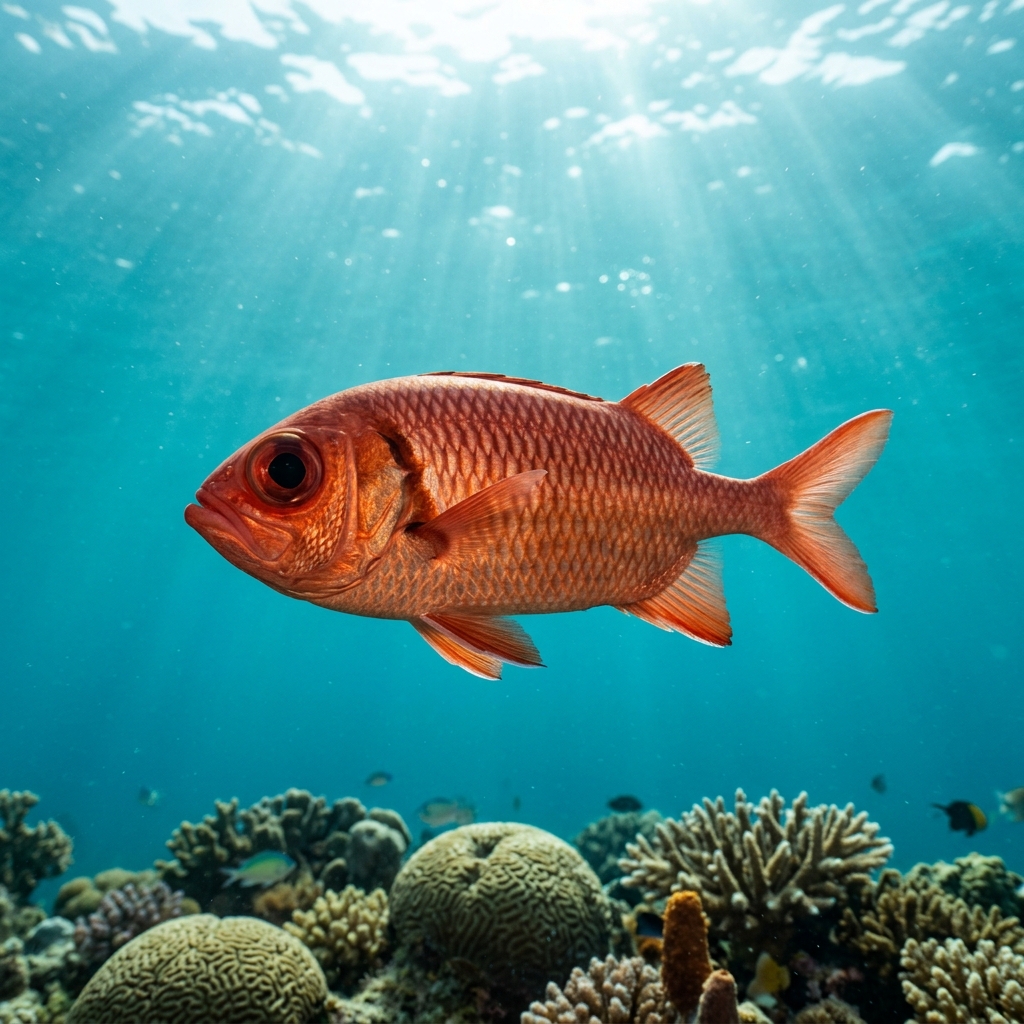
Soldierfish
3,621 sites