Sillago ciliata
Sandy-bottomed and easy to miss: find Sand Whiting on New South Wales reefs in 21-27C water, logged year-round at 89 Australian dive sites.
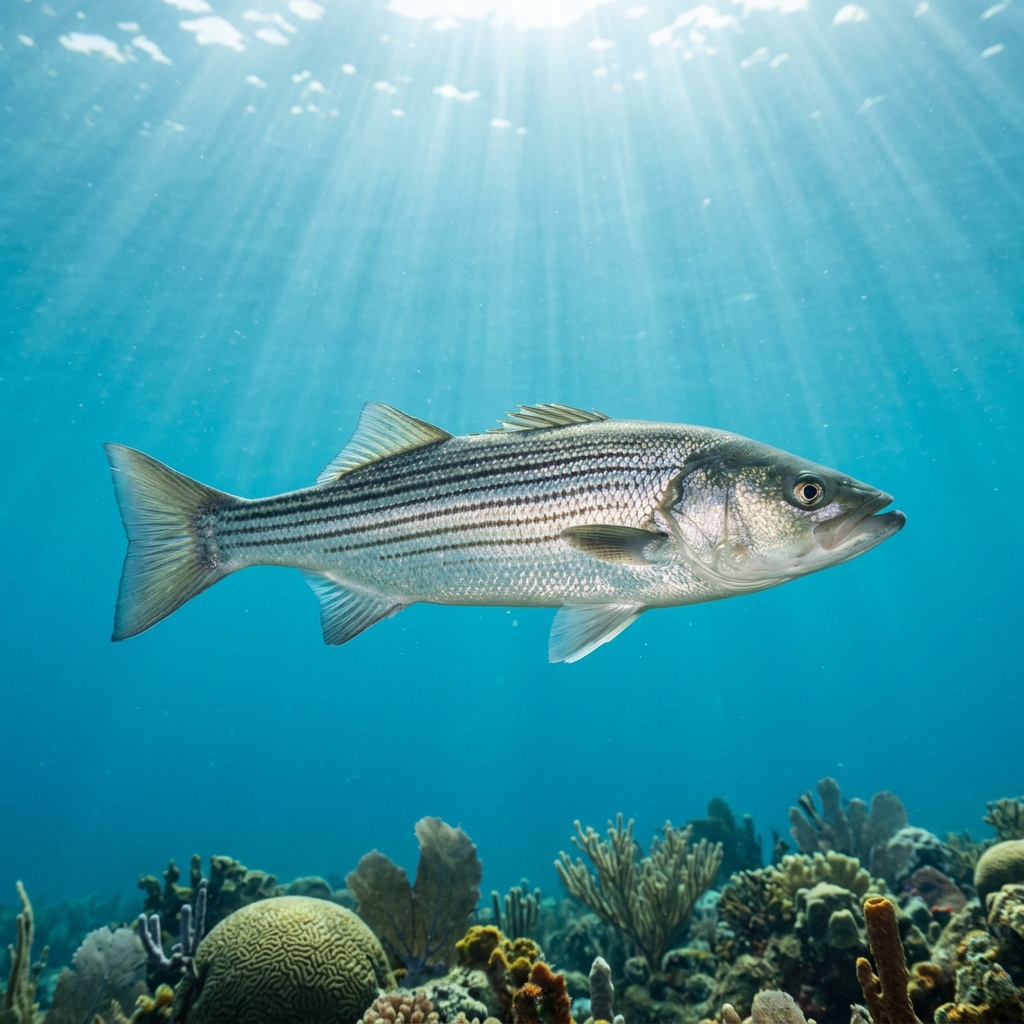
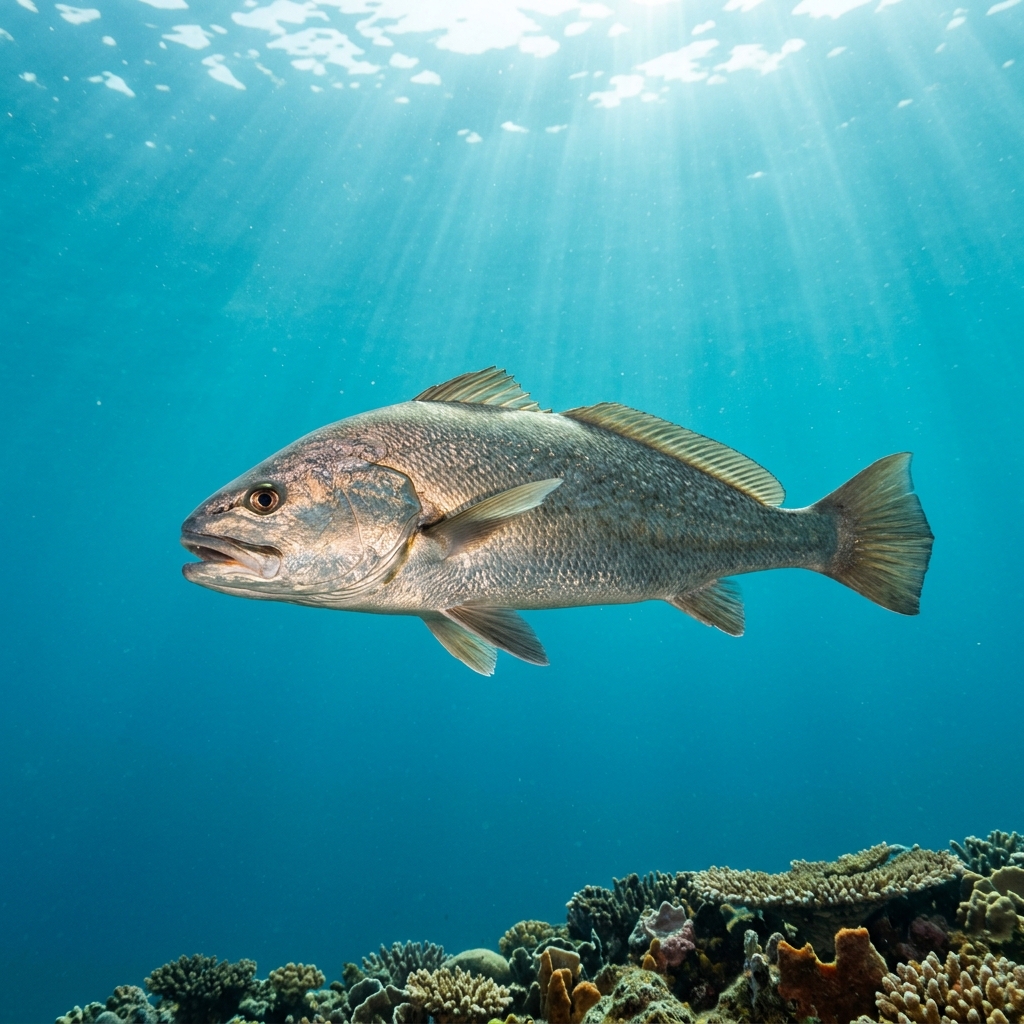
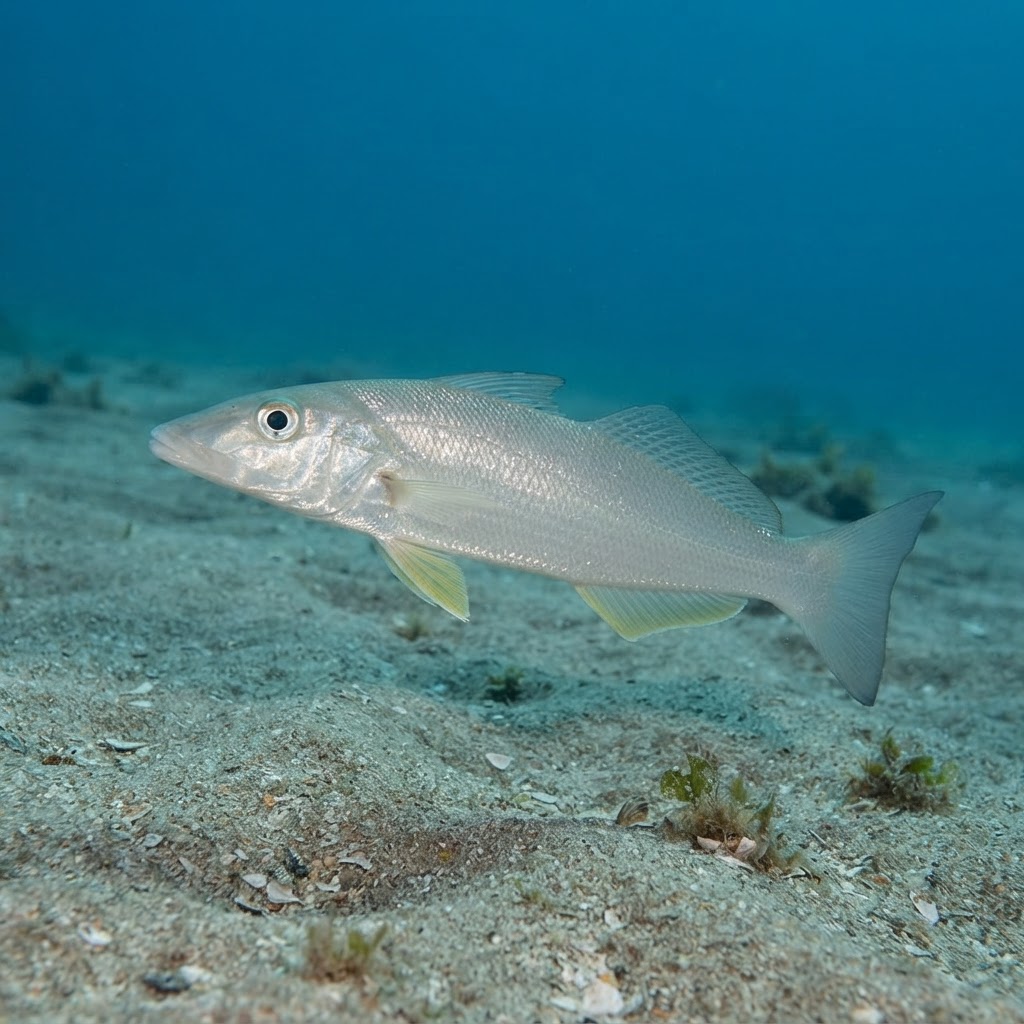
Elongated, torpedo-shaped body with a silvery-gold to pale sandy sheen that blends straight into the sea floor it hovers over. Grows to around 35cm, with a slightly pointed snout and a faint yellowish tinge along the lower flanks. No bold markings to key on here, the giveaway is the shape and the way it hangs motionless just above sand or in the shallow surge zone.
Look for it hovering low over open sand patches or drifting along the sandy fringes of reef, often alone or in loose company with a few others. It is not a fish that reacts dramatically to divers, generally holding position or moving off unhurried rather than bolting, which makes for an easy if unspectacular sighting. Most logs describe it as uncommon rather than a guaranteed find, so patience over sand-and-reef transitions pays off.
It hunts by patrolling just above the sand for small crustaceans and worms, using that sandy camouflage to close in on prey without needing speed or ambush cover.
Sightings show no clear seasonal pattern, and with a comfortable range of 21.2 to 27.4C, this fish is present on NSW and Queensland dive sites throughout the year.
Australia is where divers log this one, and overwhelmingly in New South Wales, with Queensland a distant second. Within NSW it turns up across a wide spread of sites rather than a handful of hotspots, so any sandy-bottomed temperate reef or estuary-adjacent dive site along the coast is worth a look.
Mapping where Sand Whiting is logged…
New South Wales is the strongest region by far, with Queensland also producing sightings. Look for sandy-bottomed sections of temperate reef sites along the Australian east coast.
There is no strong seasonal pattern in sightings, and the species tolerates a wide 21.2 to 27.4C range, so it can be found on dives across the year rather than in one particular season.
Look for an elongated, silvery-gold fish around 35cm long hovering motionless just above sand. It lacks bold stripes or spots, so its plain sandy colouring and low-hovering posture over open bottom are the main clues.
They typically reach around 35cm in length, a slim, elongated build suited to life just above the sea floor.
No, they pose no danger to divers. They are calm, non-aggressive fish that tend to hold their position or move away slowly when approached.
They are carnivores that patrol close to the sand hunting small crustaceans and worms, relying on their sandy colouring to approach prey unnoticed.
Site and sighting data is aggregated from diver logs, iNaturalist and GBIF. For taxonomy and conservation status:
Meagre
1,159 sites