Oligocottus rimensis
A tiny cold-water sculpin logged across British Columbia and California, usually spotted rare to uncommon in 8.5-17.1 C water.
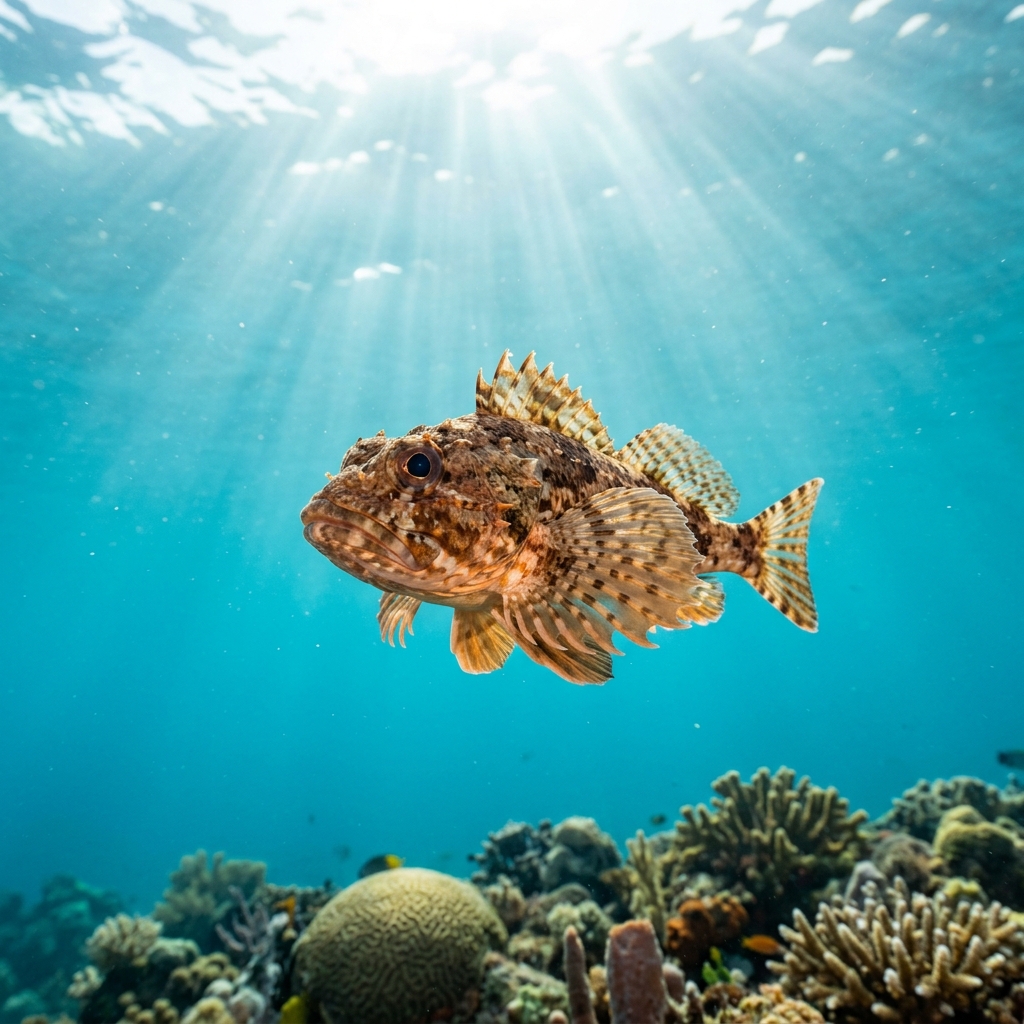
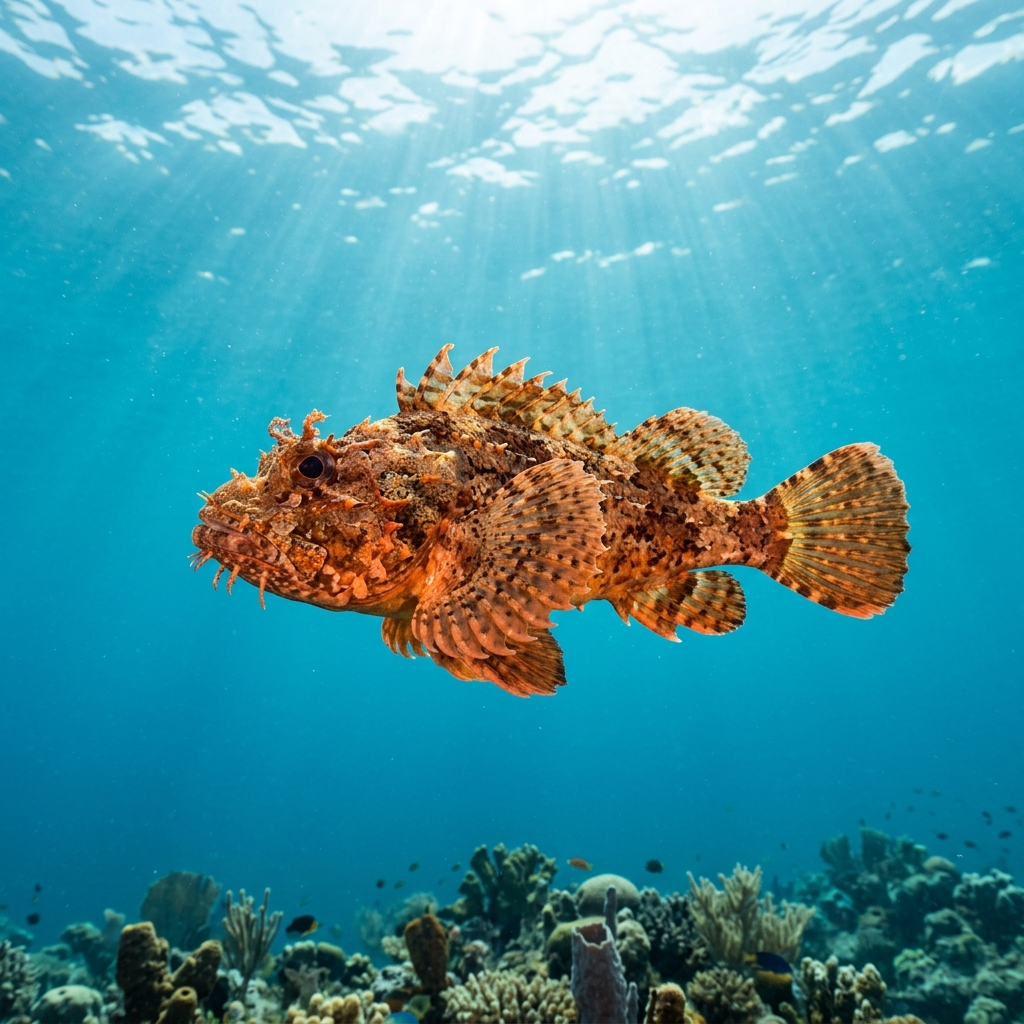
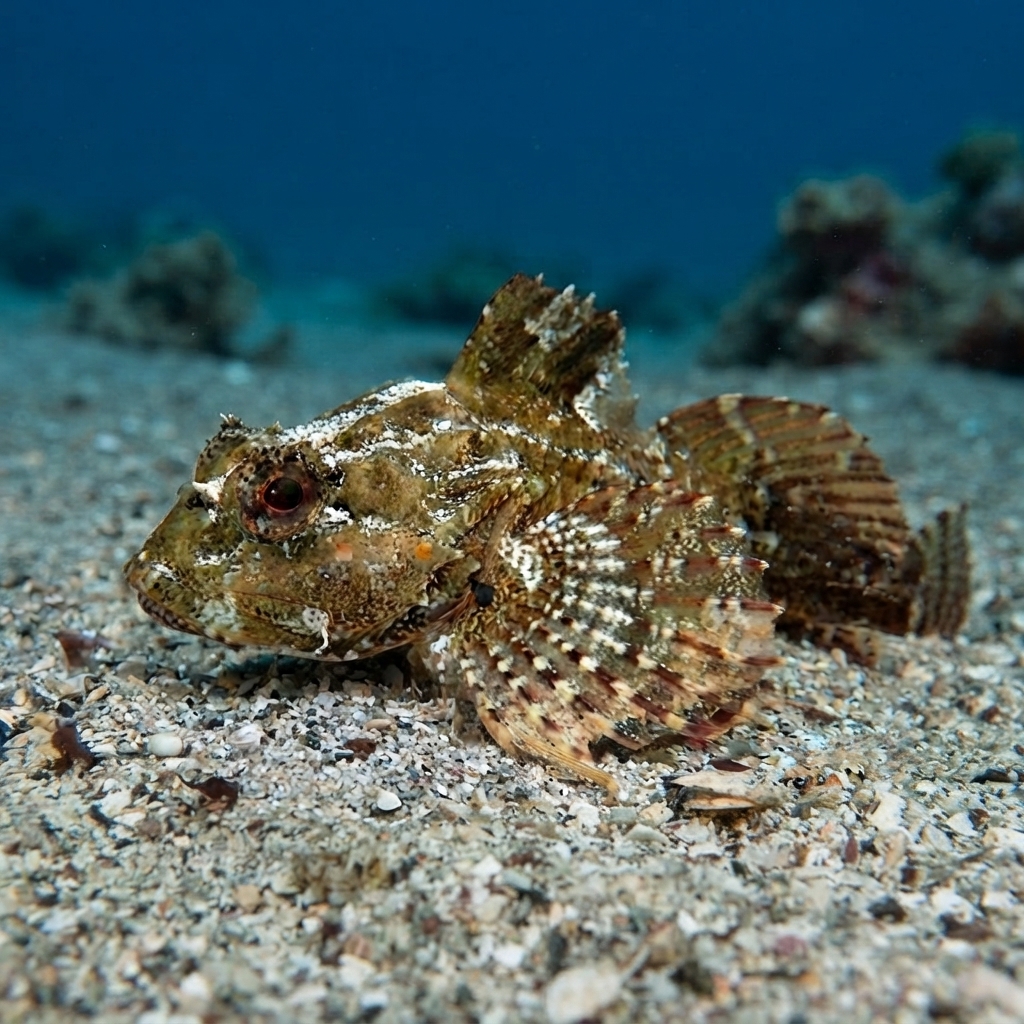
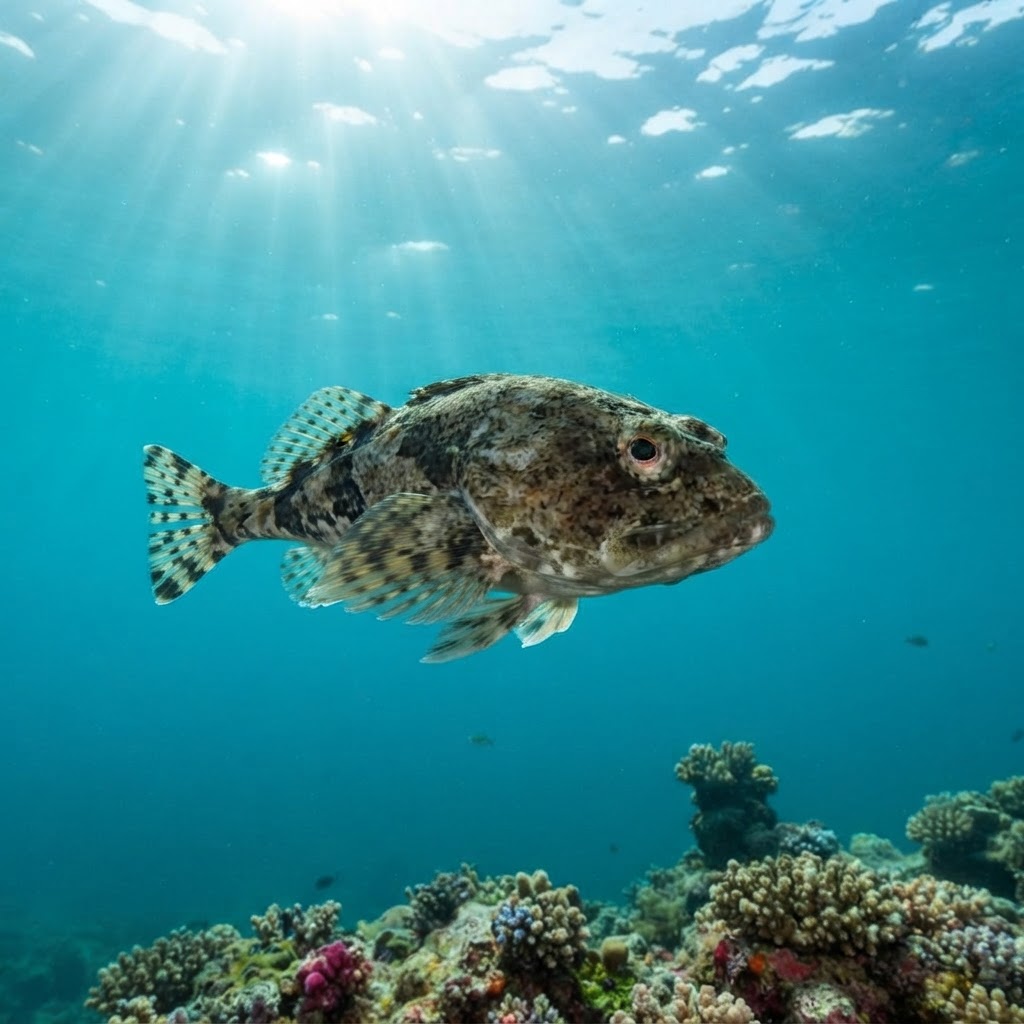
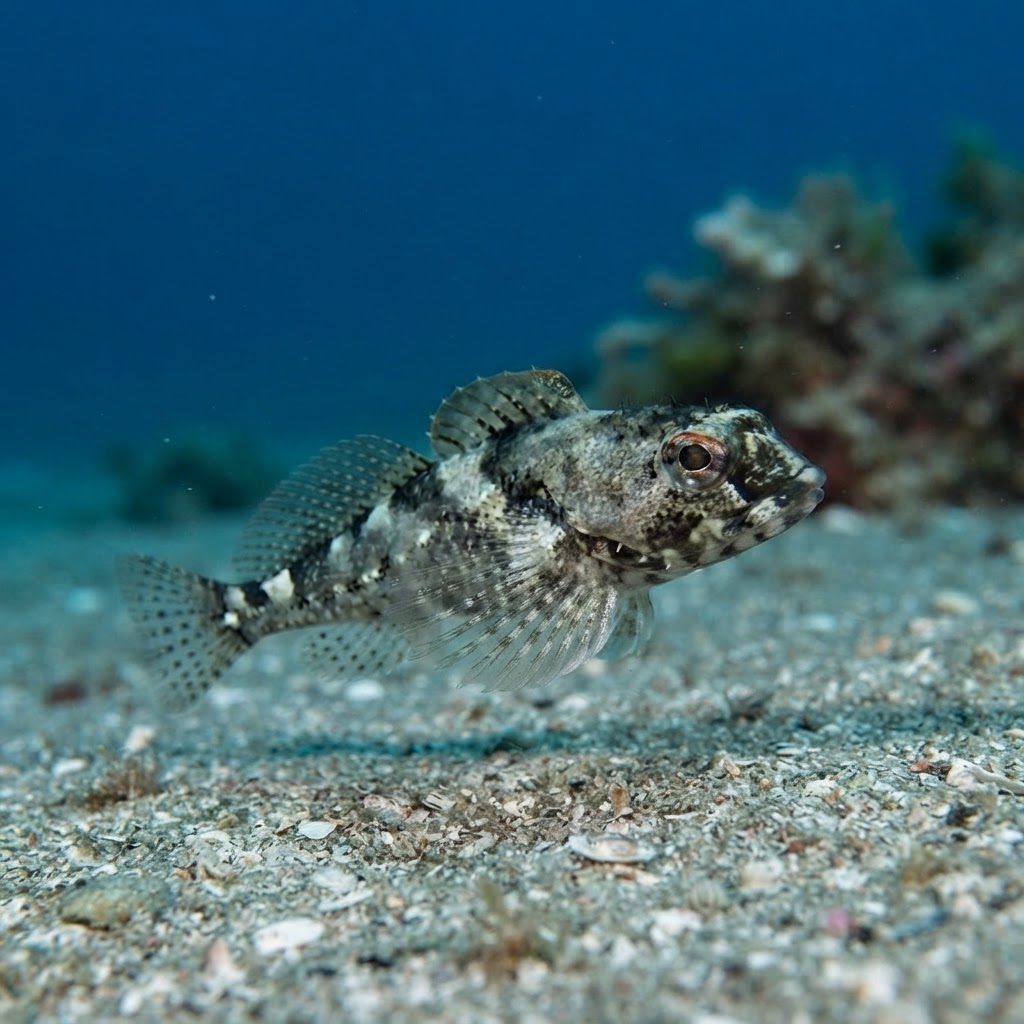
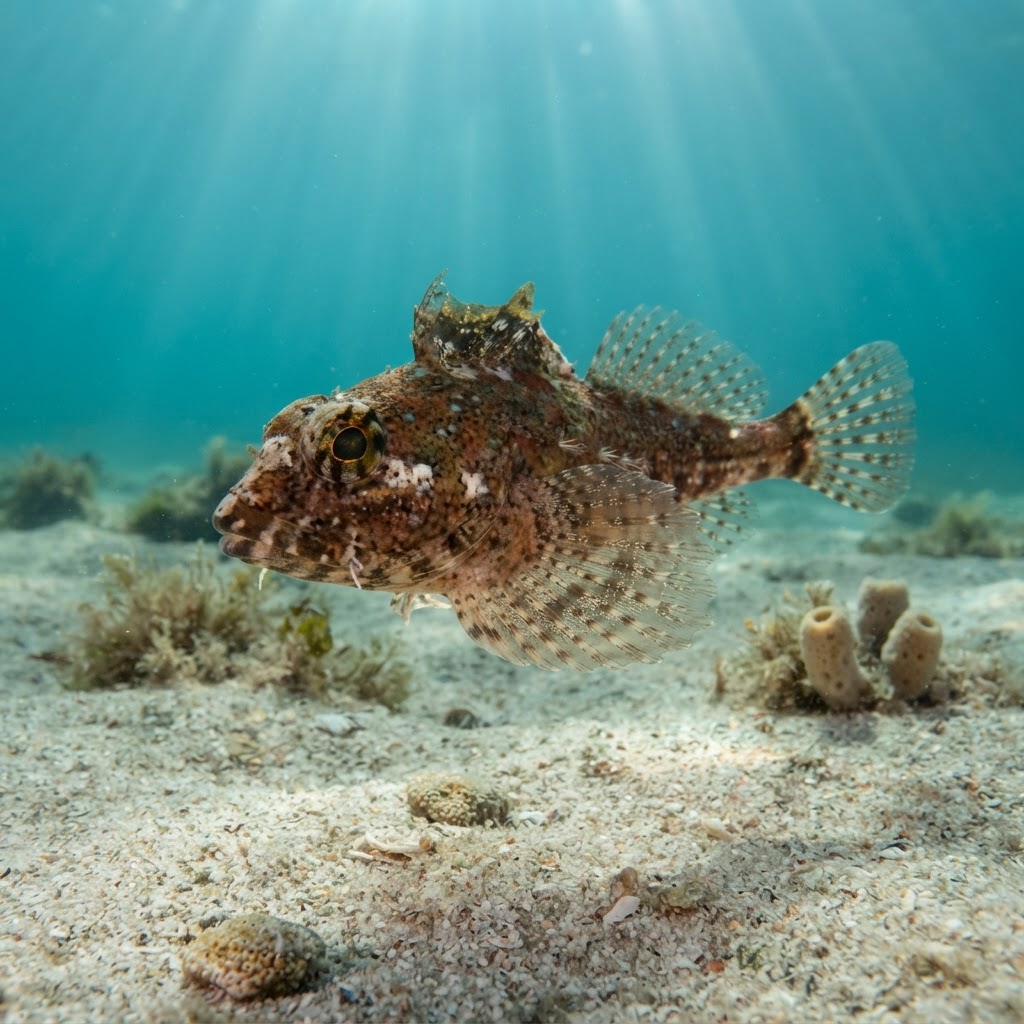
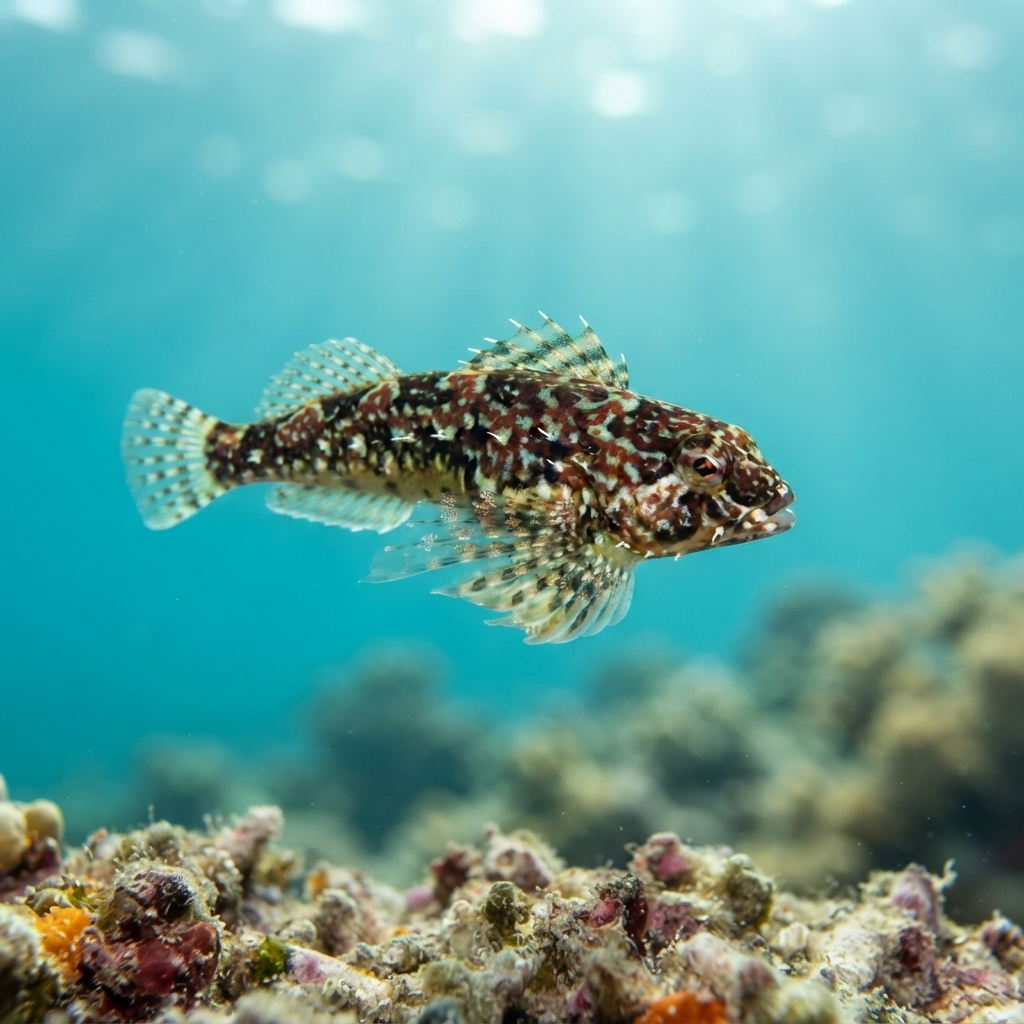
At just 4 cm, this is a small, mottled fish that blends closely with rock and gravel, usually spotted only when it moves. Look for a stocky, tapered body with a blunt head and the faint darker saddle-like blotches across its back that give it its name. It tends to sit still on the bottom rather than swim in open water, so divers often notice it only on a slow, close look at the substrate.
Expect to find it tucked low on rocky or gravelly bottoms, staying still and relying on its mottled colouring to disappear against the substrate. It is not a fish that swims out to greet divers; most sightings come from divers scanning close to the bottom during a slow drift or macro-focused dive. Logged as uncommon at most sites and only occasionally common, so patience and a careful eye help more than speed.
Small bottom-dwelling sculpins like this one rely almost entirely on camouflage rather than flight, so a diver who slows down and checks rocky crevices closely will spot far more of them than one who cruises past.
Sightings show no detectable seasonal pattern, so treat it as a year-round find. Its recorded temperature niche of 8.5 to 17.1 C matches the cool coastal waters of British Columbia and California through most of the year.
Most reliably logged in British Columbia, Canada, and California in the United States, with additional sightings in the Pacific Northwest region of the US. These sites span cool, temperate coastal waters rather than tropical reefs, so this is very much a Pacific coast North America species for divers.
Mapping where Saddleback Sculpin is logged…
It is most often logged in British Columbia, Canada, and along the California coast in the United States, with further records in the Pacific Northwest. These are cool, rocky coastal dive sites rather than tropical reefs.
There is no strong season in the data, so it can turn up year-round. It is recorded in water from 8.5 to 17.1 C, which covers most of the diving season on the Pacific coast of North America.
Look for a small, stocky fish around 4 cm long, mottled brown and grey with faint darker saddle markings across its back. It sits still on rocky or gravelly bottoms rather than swimming in the open, so a close look at the substrate is key.
They are small, reaching only around 4 cm in length. That makes them easy to overlook against rocky, gravelly bottoms unless you are looking closely.
No, they pose no danger to divers. They are small, bottom-dwelling fish that rely on staying still and blending into the substrate rather than any defensive behaviour.
It is generally logged as uncommon at most sites where it appears, with rare sightings at some and common sightings at only a couple. Spotting one usually takes a slow, careful look at rocky or gravelly seabed.
Site and sighting data is aggregated from diver logs, iNaturalist and GBIF. For taxonomy and conservation status:
Shorthorn Sculpin
228 sites