Cirrhilabrus chaliasi
A tiny reef flash in warm water: find ruby-headed fairy wrasse on reef slopes across Nusa Tenggara, Sulawesi and Bali, any month of the year.
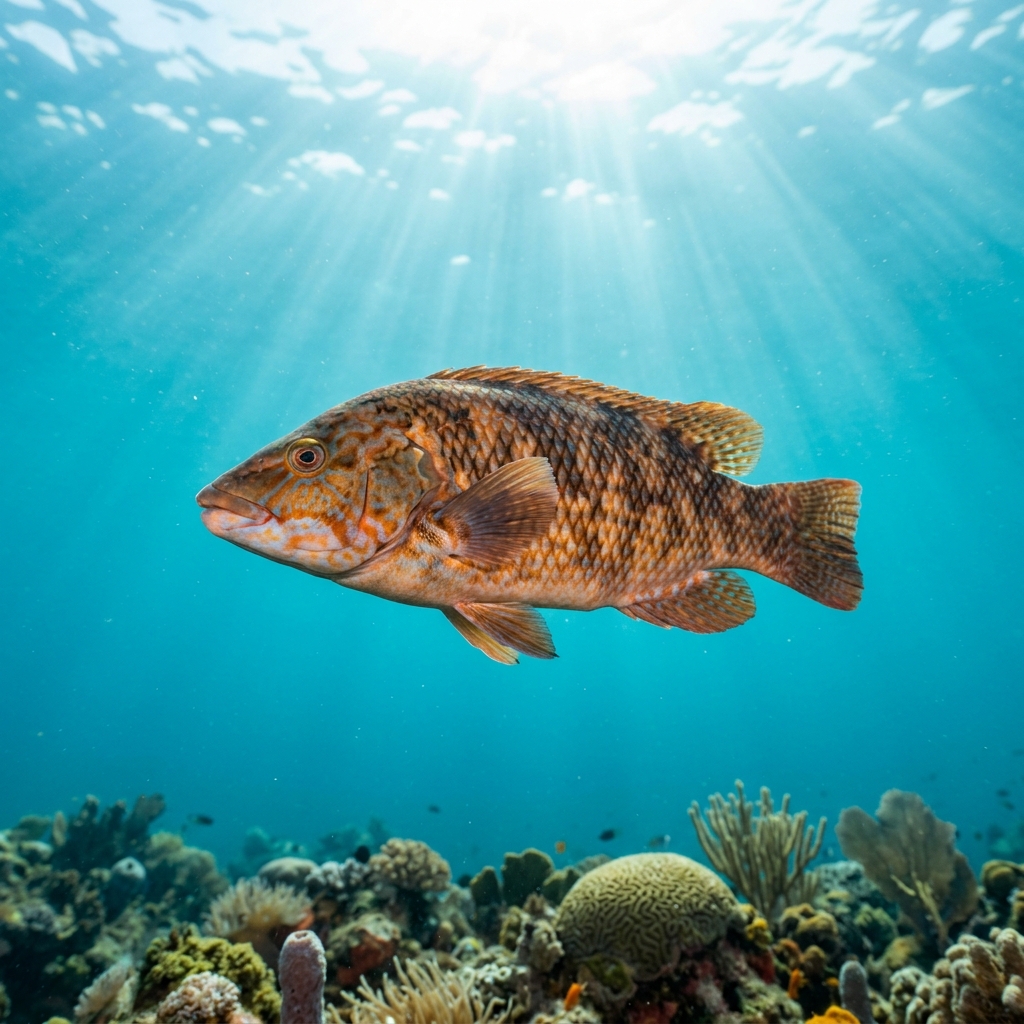
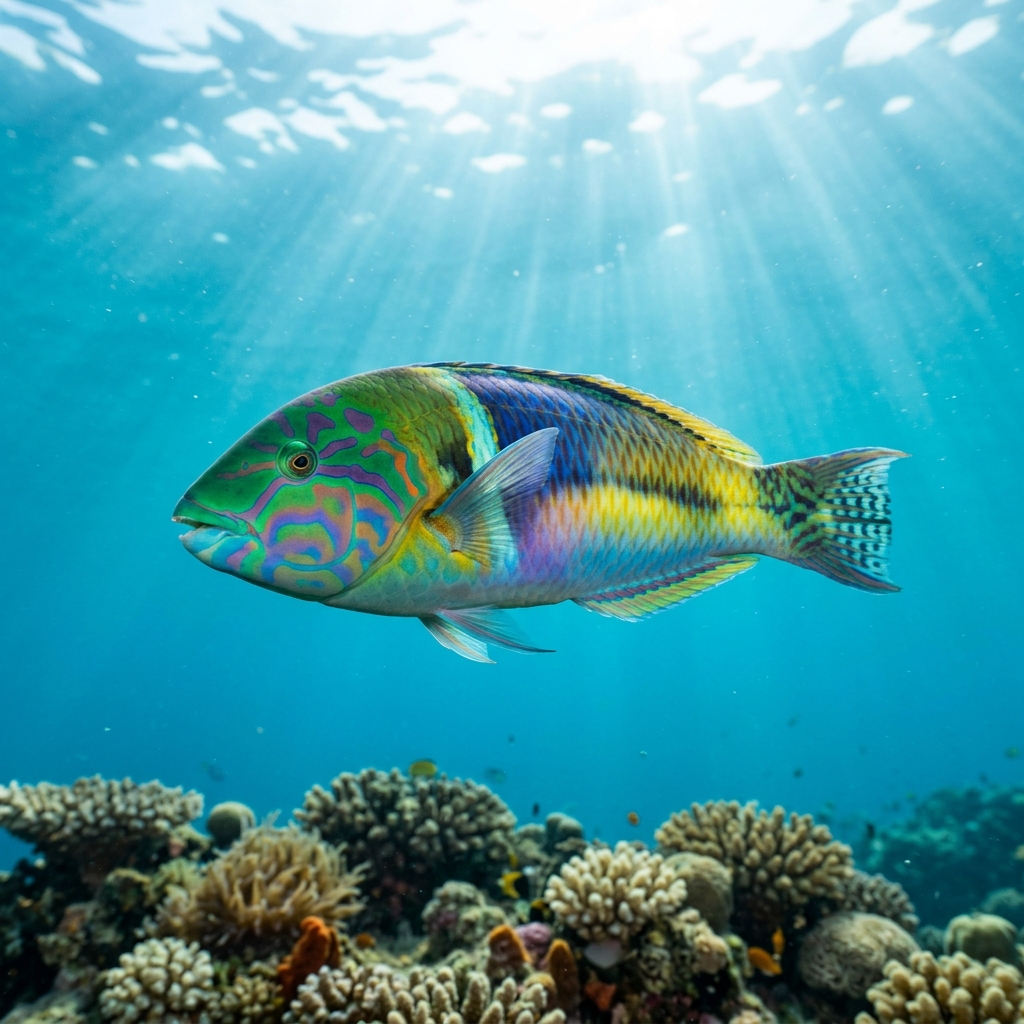
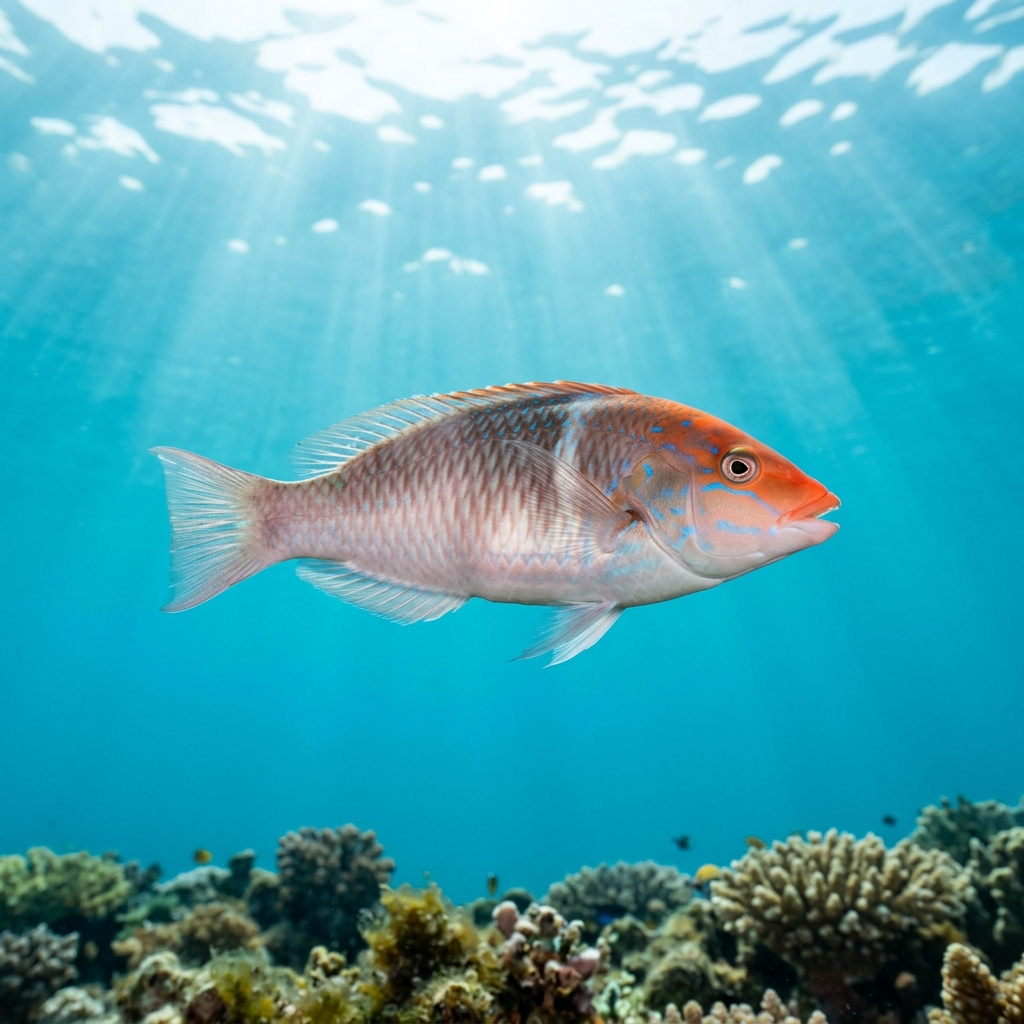
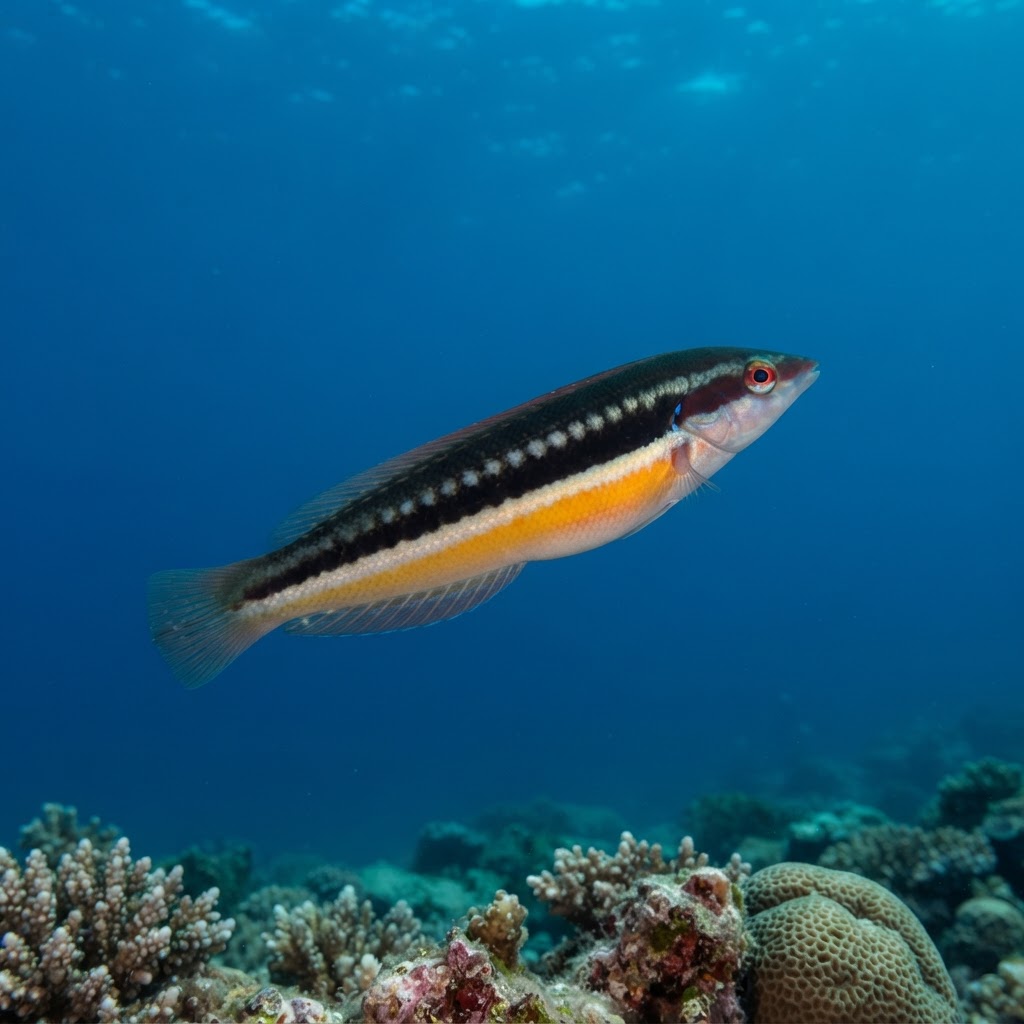
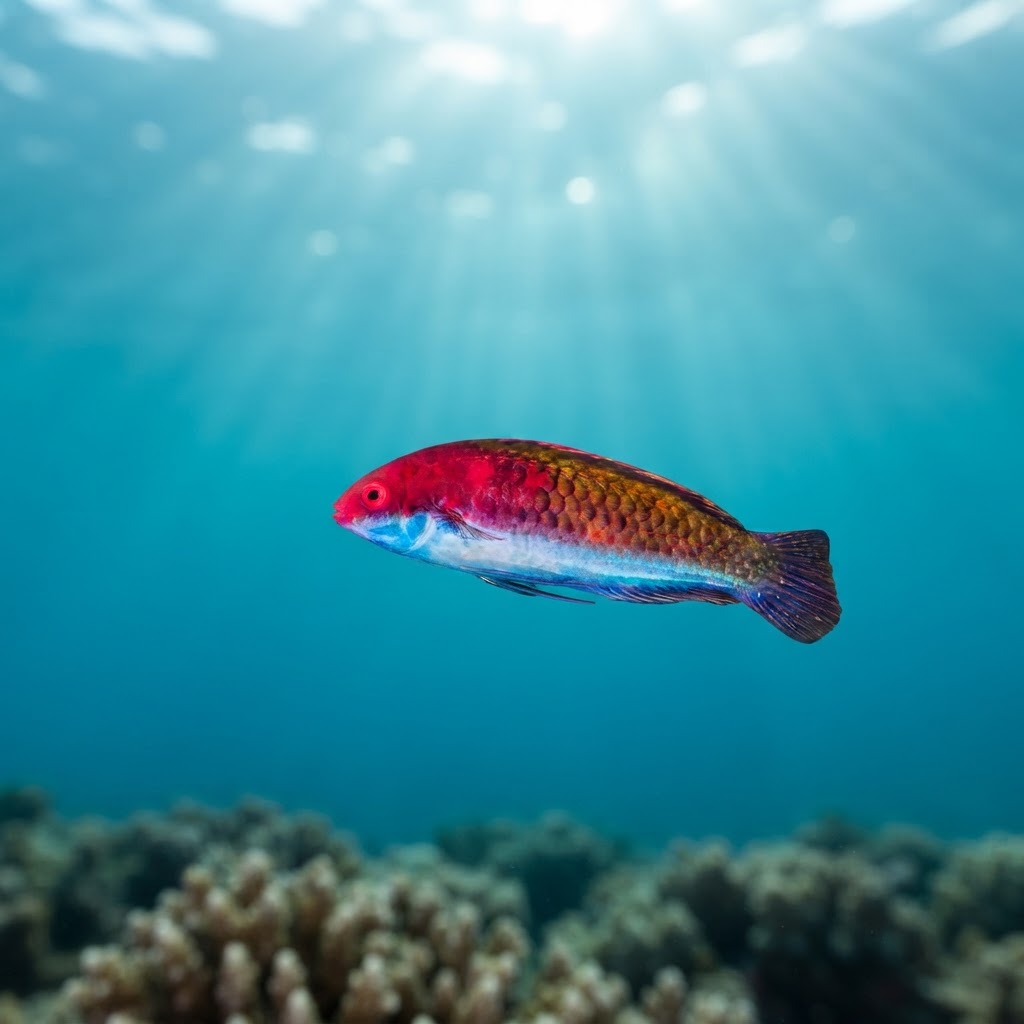
A tiny wrasse, barely 5 cm, with a reddish-pink head that fades into a blue-green or lilac body toward the tail. It swims with the quick, darting flicks typical of fairy wrasses, holding just above the reef rather than resting on it. Look for the sharp colour break between the ruby head and the cooler-toned body, which is the easiest field mark at this size.
Expect to see it hovering and darting a short distance above the reef, picking at tiny prey in the water column rather than grazing the substrate. Like other fairy wrasses it tends to keep some distance from divers, retreating into cover when approached too fast rather than allowing a close pass. Most sightings come from routine daytime reef diving rather than any specific dawn or dusk window.
Fairy wrasses in this genus are known for dramatic male display colours used to court females in loose harem groups, so a particularly vivid individual you spot may well be a male mid-display.
No clear seasonal pattern shows in the data, and it is recorded across a warm 25.3 to 31.3 C range, so it is a year-round sighting on Indonesian reefs rather than a seasonal special.
Logged only in Indonesia so far, with the strongest showing in Nusa Tenggara, followed by Sulawesi and Bali. Divers who spend time on reef slopes in these regions have the best odds of spotting it, though it stays uncommon even where it turns up.
Mapping where Ruby-headed Fairy Wrasse is logged…
All confirmed sightings so far are in Indonesia, concentrated in Nusa Tenggara, with further records from Sulawesi and Bali. It is worth watching reef slopes closely in these regions, as it stays uncommon even at sites where it is known.
There is no detected season, and it is recorded in warm water between 25.3 and 31.3 C year-round, so any month of diving in its Indonesian range gives a fair shot.
Look for a small wrasse under 5 cm with a ruby-pink head that gives way to a blue-green or lilac body. It hovers just off the reef with quick, darting movements rather than sitting still on the substrate.
They stay small, typically around 5 cm long, which is normal for fairy wrasses in the Cirrhilabrus genus.
No. They are small, harmless reef fish with no sting, bite or venom risk to divers.
Like many fairy wrasses, males likely intensify their colours during courtship displays to females in small harem groups, a common trait across the Cirrhilabrus genus.
Site and sighting data is aggregated from diver logs, iNaturalist and GBIF. For taxonomy and conservation status:
Bird Wrasse
3,632 sites