Chitonotus pugetensis
A mottled bottom-dweller common in British Columbia's cold water, 7.6 to 13.7 C, spotted year-round if you know where to look.
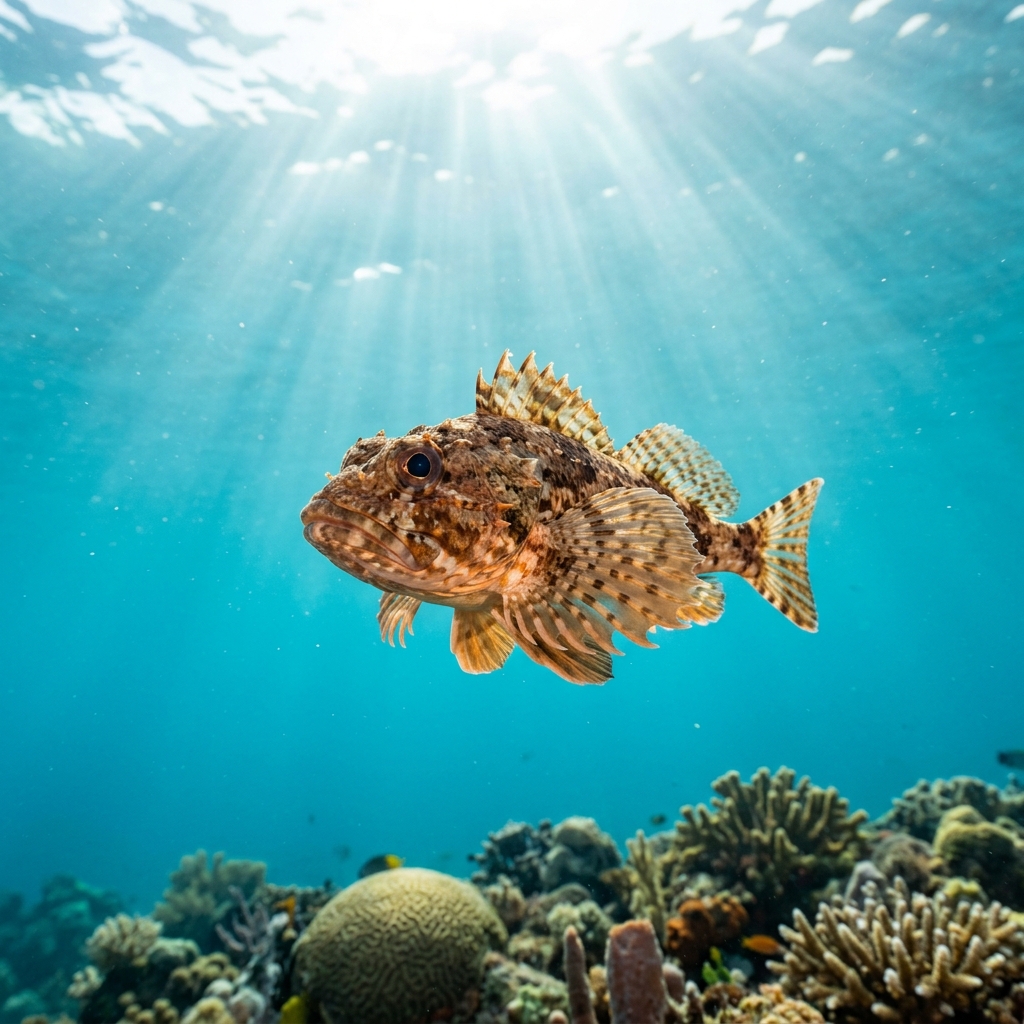
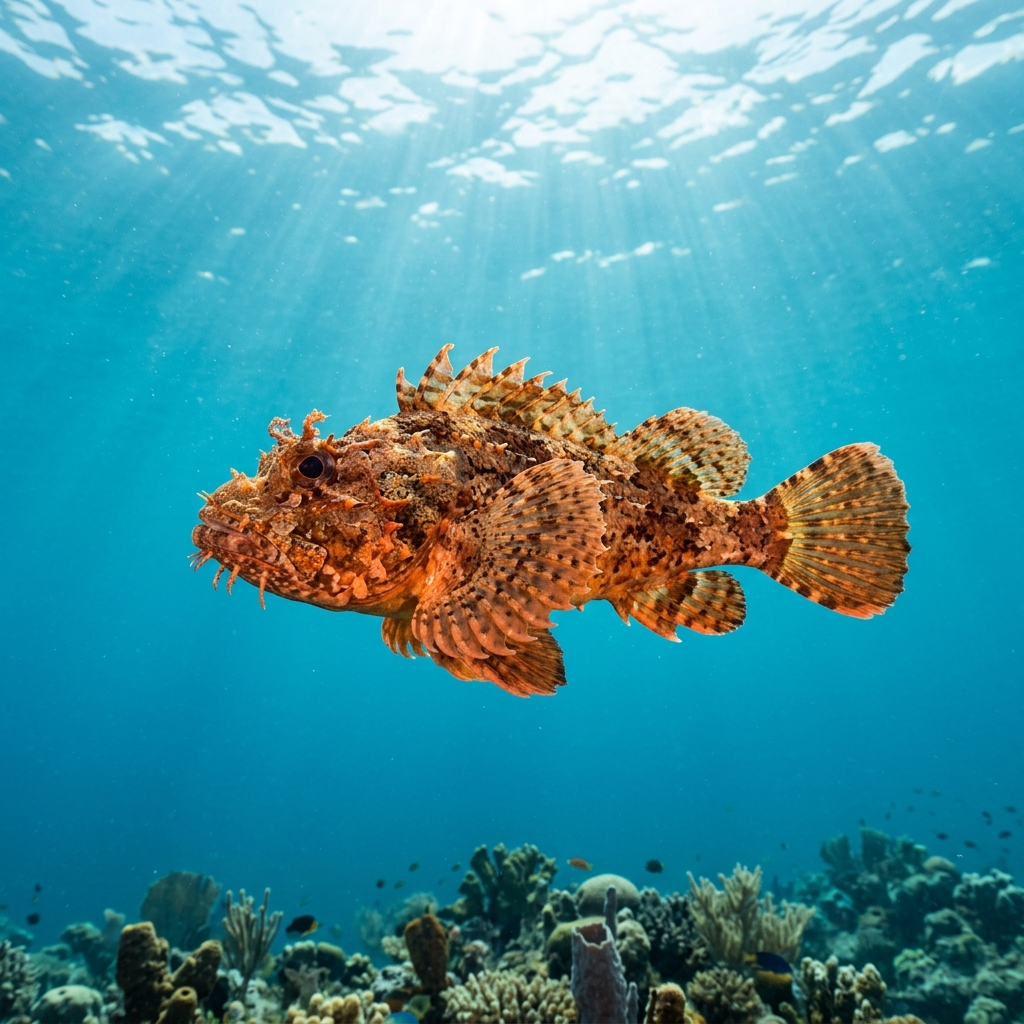
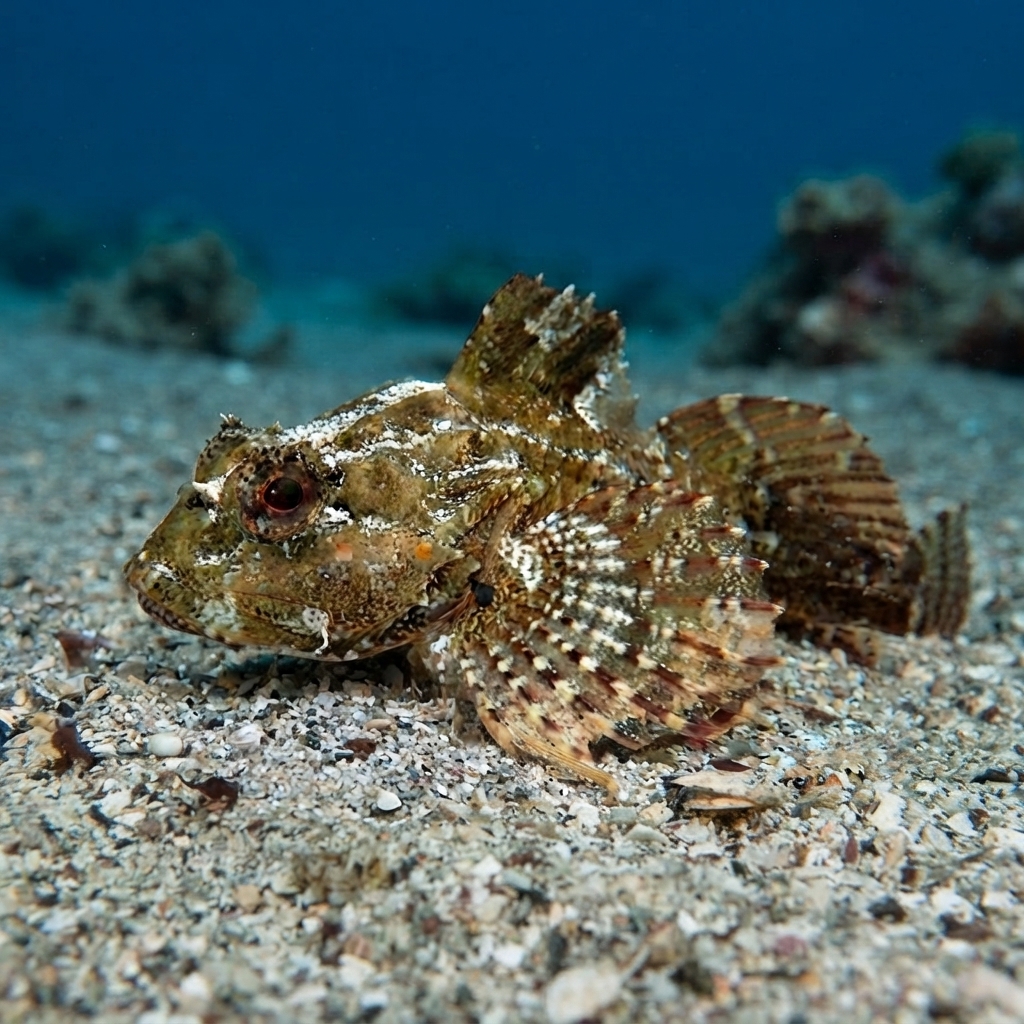
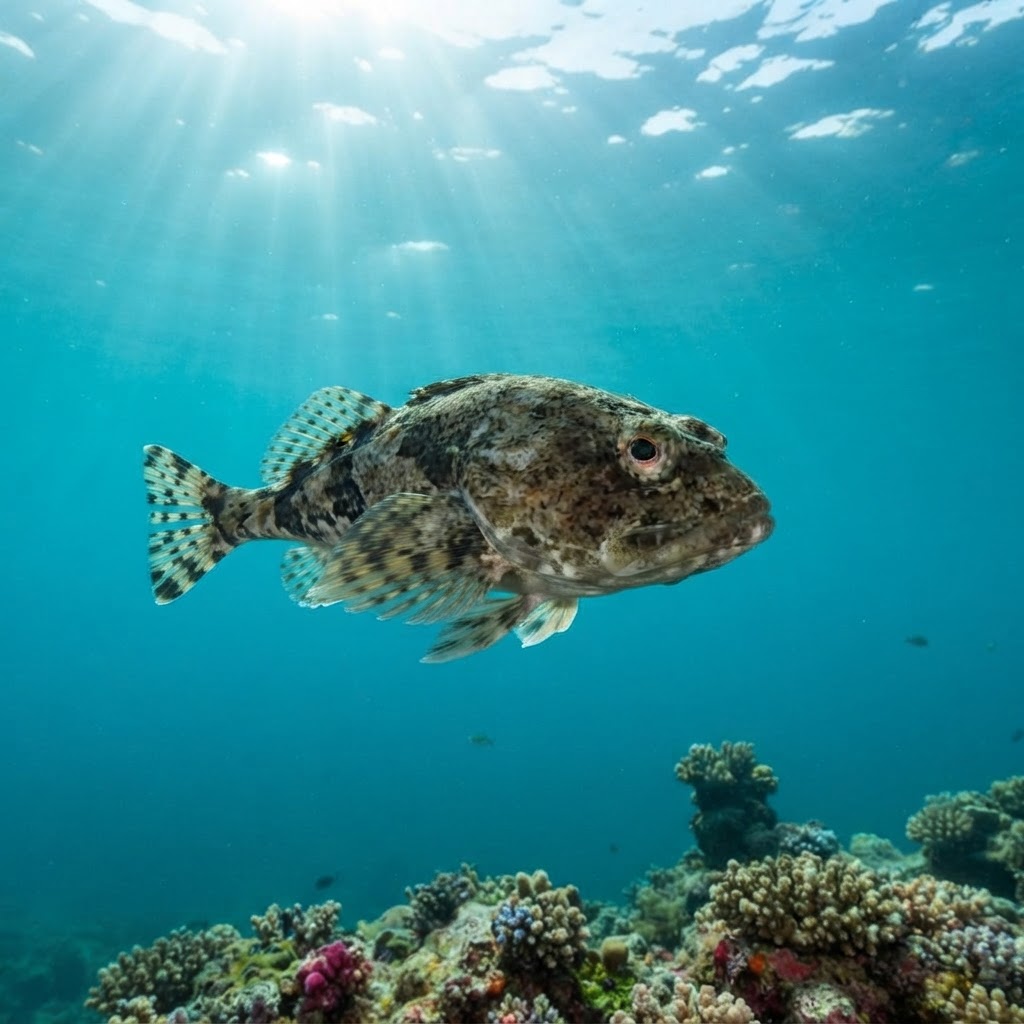
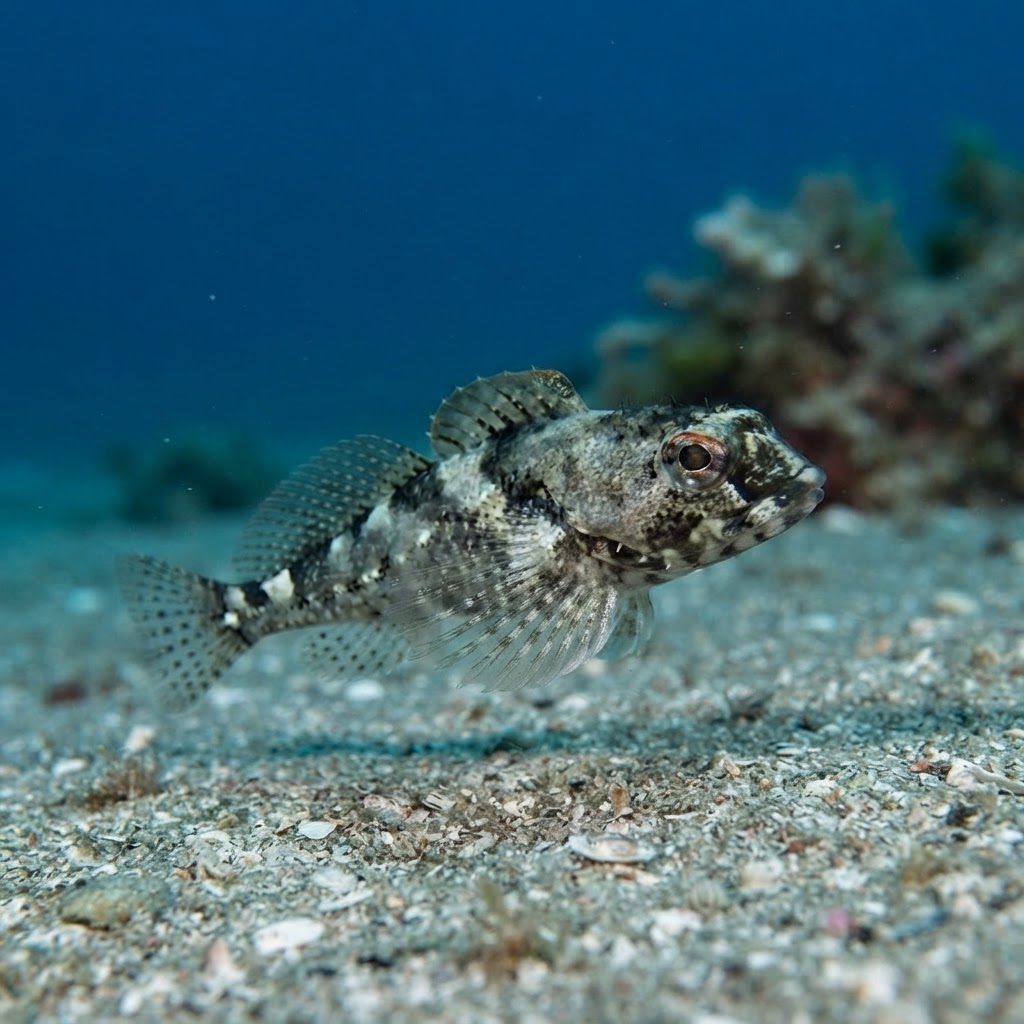
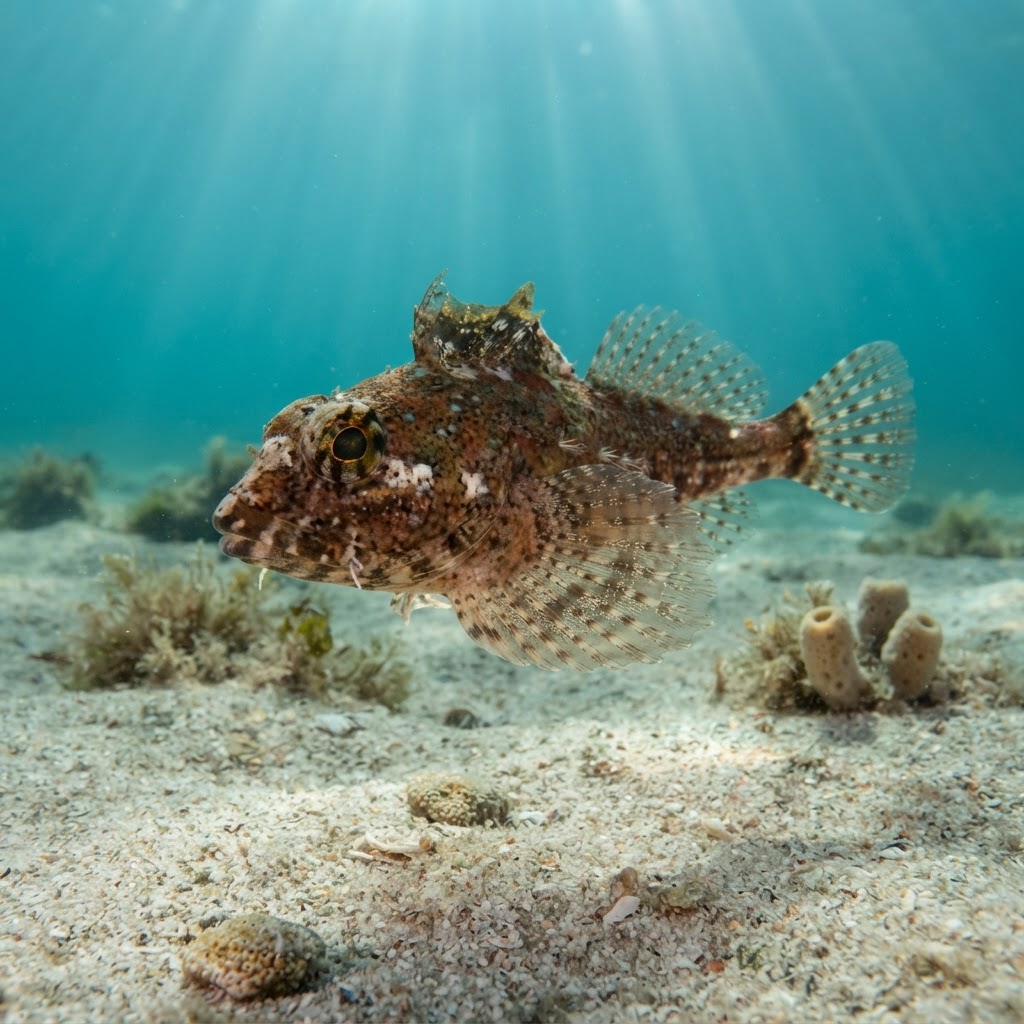
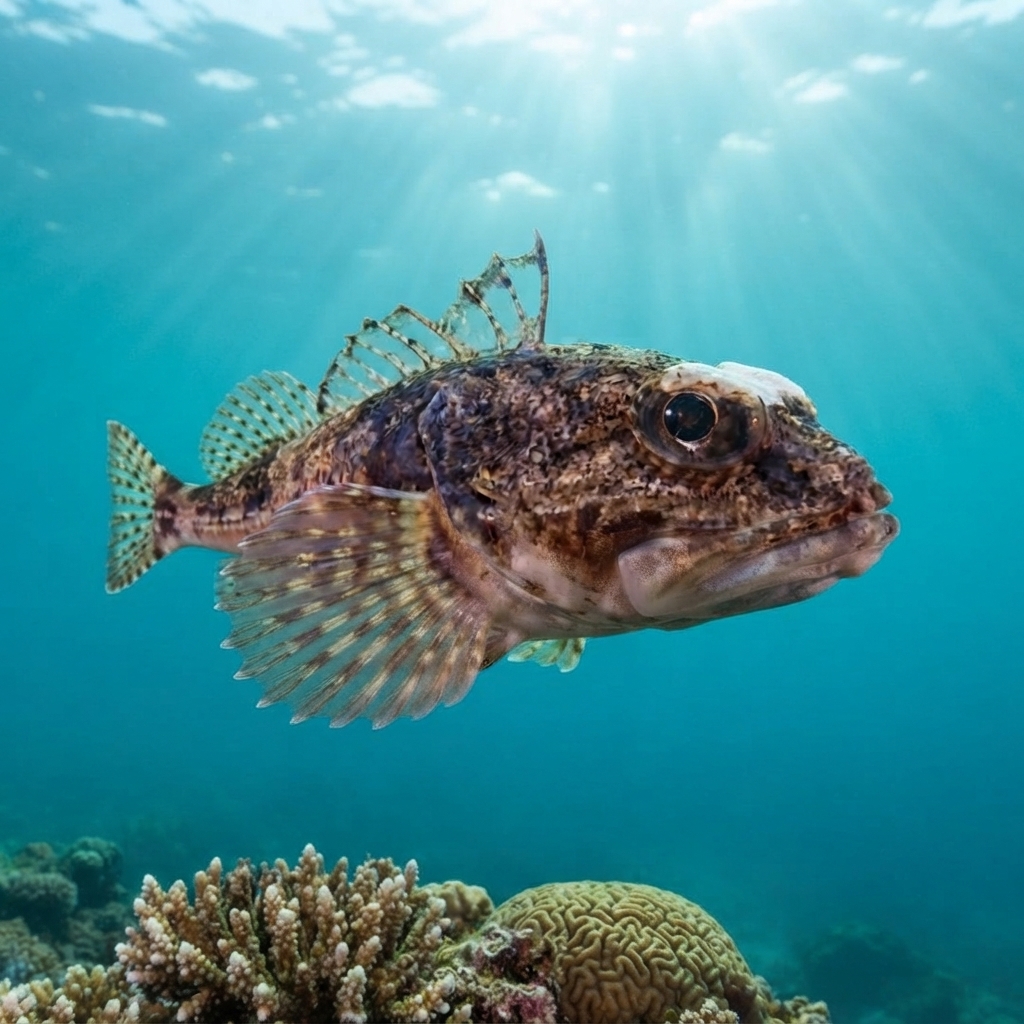
Grows to around 16 cm, with a squat, tapering body that sits flat on sand or gravel rather than swimming in open water. Mottled brown, tan and grey blotching breaks up its outline against the seabed, and a broad, slightly spiny head gives it a heavy-fronted look compared with slimmer bottom fish nearby. Look for two prominent, close-set eyes on top of the head, a giveaway of an ambush feeder built to watch the water column above it while staying hidden.
Spends most of its time sitting motionless on sand, gravel or mixed bottom, relying on its mottled colouring to disappear rather than fleeing when divers approach. Divers most often log it while doing slow bottom-focused swims or macro-hunting on silty or sandy stretches, where it's easy to swim straight past without noticing. It's logged as uncommon at most sites where it turns up, so treat any sighting as a bit of a find rather than an expectation.
Its raised, closely spaced eyes and flattened, camouflaged body are classic ambush-predator traits, built to lie still on the bottom and pick off small prey that wander too close.
Sightings don't show a clear seasonal pattern, so treat it as a year-round find in its cold-water range. Its comfort band of 7.6 to 13.7 C matches Pacific Northwest waters for most of the year, which likely explains the lack of a sharp season.
Most reliably logged in British Columbia, Canada, which accounts for the bulk of recorded sightings, with a further scattering of sites in California and the wider Pacific Northwest of the United States. It's a cold-water bottom species, so look for it on sand and gravel patches at sites across these two countries rather than on tropical reefs.
Mapping where Roughback Sculpin is logged…
British Columbia, Canada is the strongest region for sightings, with additional records from California and the Pacific Northwest in the United States. It's a cold-water bottom dweller, so look on sand and gravel patches rather than reef structure.
There's no clear seasonal spike in sightings, so it's considered a year-round find where it occurs. Its temperature niche of 7.6 to 13.7 C is typical of Pacific Northwest waters for much of the year.
Look for a squat, mottled brown and tan fish around 16 cm long, lying still on sand or gravel rather than swimming. Its two eyes sit close together on top of a broad, slightly spiny head, unlike smoother-headed bottom fish nearby.
They typically reach around 16 cm in length, making them a small, easy-to-miss bottom species best spotted by divers scanning sand and gravel closely.
No, they're not considered dangerous to divers. They rely on camouflage and staying still rather than any defensive behaviour, so there's no need for caution beyond normal care not to disturb the bottom.
Its eyes sit raised close together on top of its head, an ambush-predator adaptation that lets it watch the water above while its flattened, mottled body stays camouflaged against the seabed below.
Site and sighting data is aggregated from diver logs, iNaturalist and GBIF. For taxonomy and conservation status:
Shorthorn Sculpin
228 sites