Pseudolabrus rubicundus
Cool-water wrasse logged mostly in Victoria and Tasmania at 14 to 18°C, an uncommon but steady find year-round.
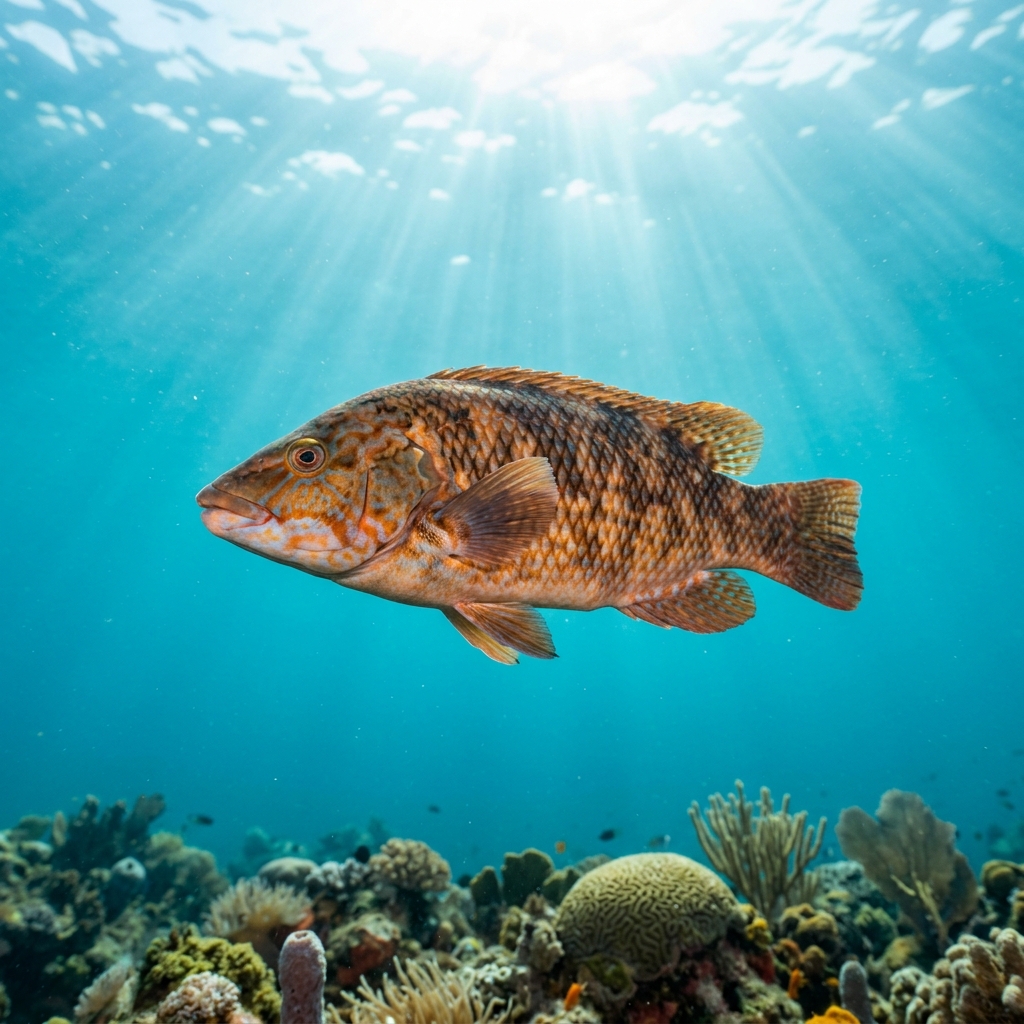
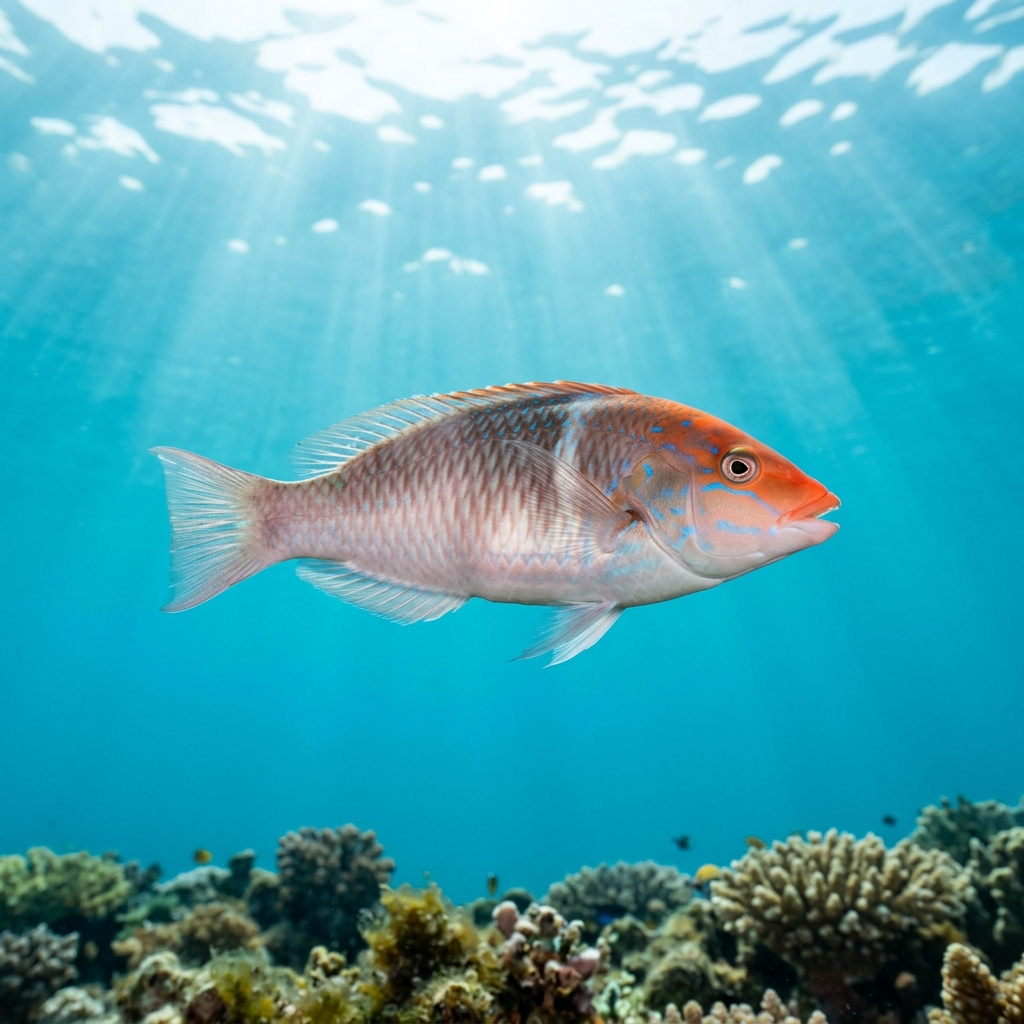
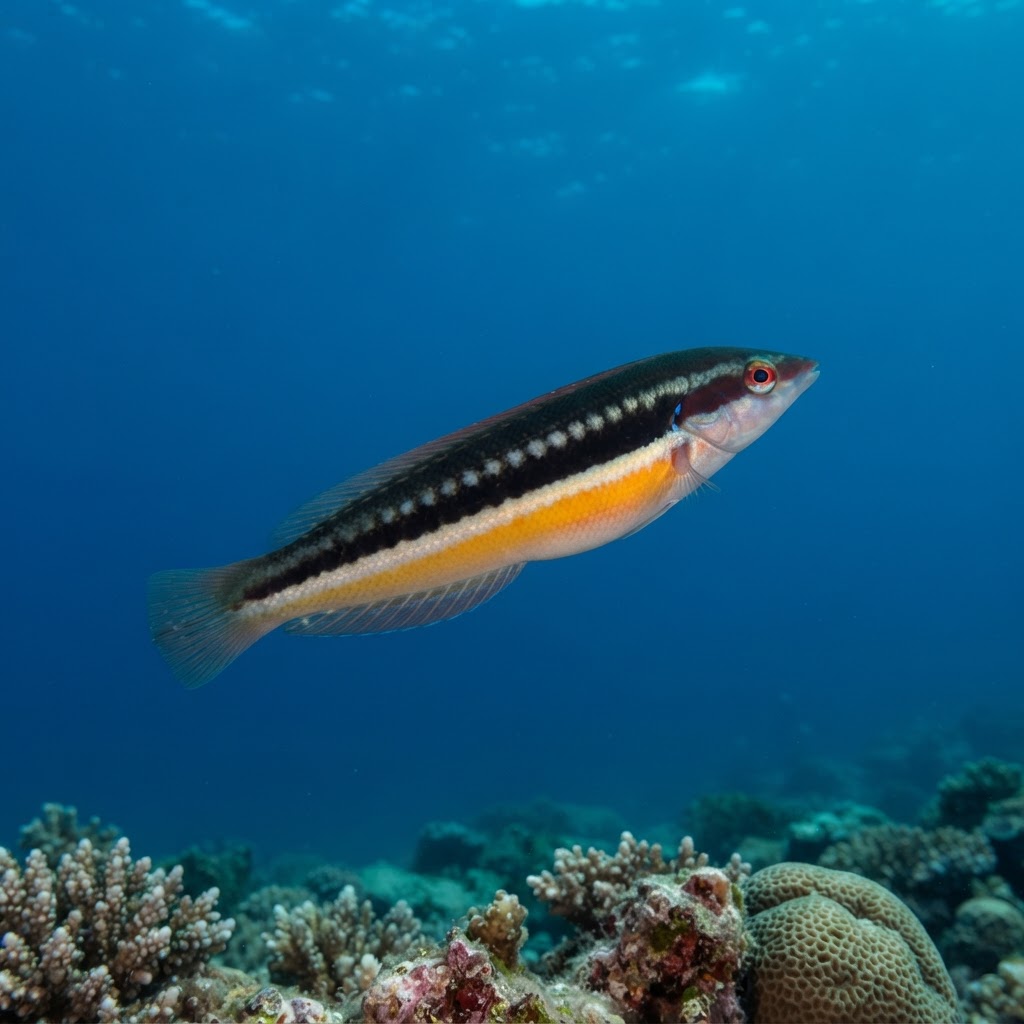
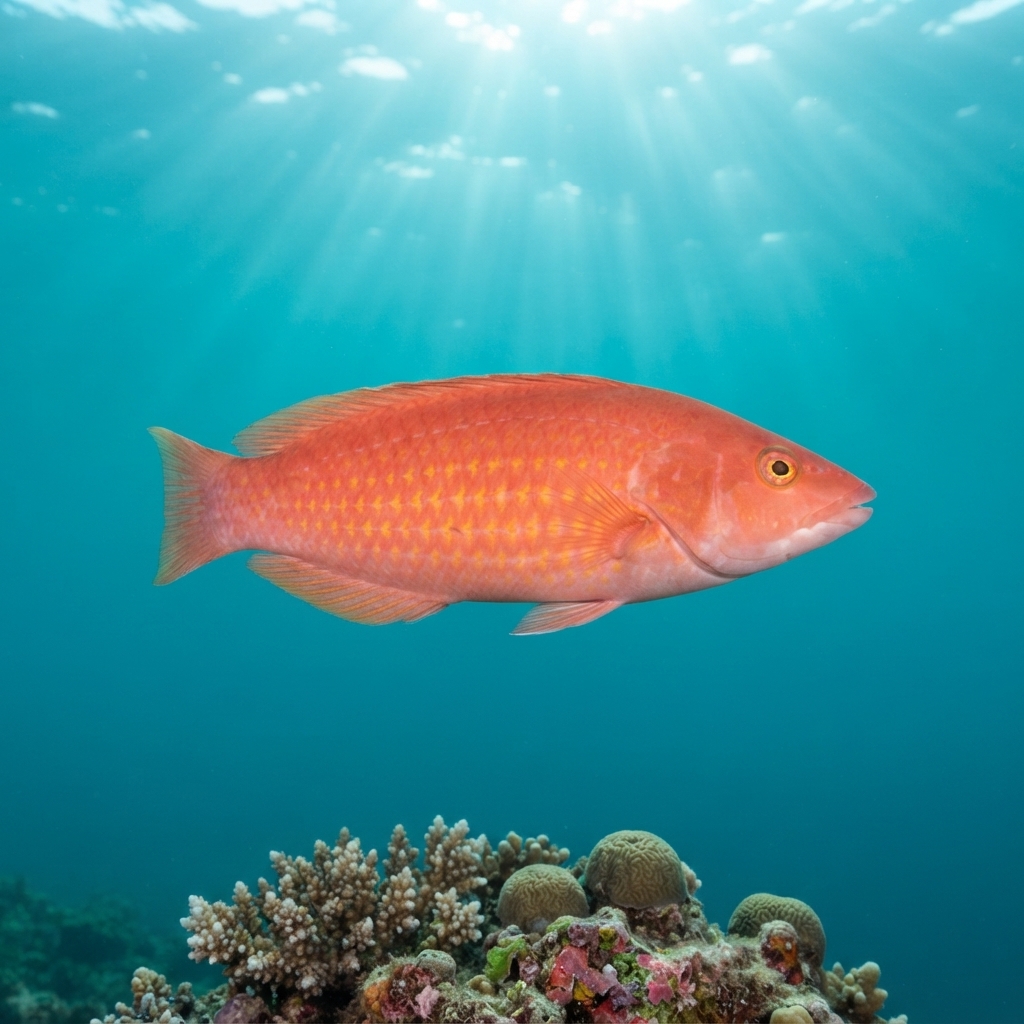
A slender, torpedo-shaped wrasse with an overall rosy-pink to reddish body that stands out against the greens and browns of temperate rocky reef. It swims in the typical wrasse style, using its pectoral fins for short bursts rather than a full-body sweep. There's no strong pattern to key on beyond the wash of pink-red colour, so in cool southern Australian water that tone alone is usually the giveaway.
Divers report it as an uncommon sighting even at its best sites, so don't expect a guaranteed encounter on every dive. It tends to turn up cruising low over rocky reef structure rather than schooling in open water, in keeping with the solitary, reef-hugging habits typical of Pseudolabrus wrasses.
It belongs to a wrasse genus known for protogynous hermaphroditism, meaning individuals can start life as one sex and change to the other as they mature, a trait shared across many of its relatives on temperate reefs.
Sightings don't show a clear seasonal pattern, so it's best treated as a year-round find. Its comfort range of 14 to 18.2°C matches the cool water typical of Victoria and Tasmania most of the year, so there's no need to time a trip around a particular month.
This one is an Australia specialty, most commonly logged around Victoria and Tasmania, with Victoria showing the higher number of sites. Look for it on temperate rocky reef in these southern regions rather than tropical reef systems.
Mapping where Rosy Wrasse is logged…
It's an Australia-only find in the data so far, most reliably logged on rocky reef sites in Victoria and Tasmania.
There's no detected seasonal pattern, so any time of year works. It favours cool water between roughly 14 and 18°C, which is typical of southern Australian conditions for much of the year.
Look for a slim, elongated wrasse with a pink to reddish body cruising low over temperate rocky reef. It lacks bold stripes or spots, so the overall rosy colour against a cool-water reef backdrop is the main clue.
No, they pose no danger to divers and can be observed and photographed without any special precautions.
It's logged as uncommon at most of its known sites and rare at a few others, so sightings happen but aren't guaranteed on every dive in Victoria or Tasmania.
Site and sighting data is aggregated from diver logs, iNaturalist and GBIF. For taxonomy and conservation status:
Bird Wrasses
3,632 sites