Oligocottus rubellio
A tiny, rarely logged reef fish found in California's cool coastal waters between 11.7 and 19.2 C. Here's how to spot one.
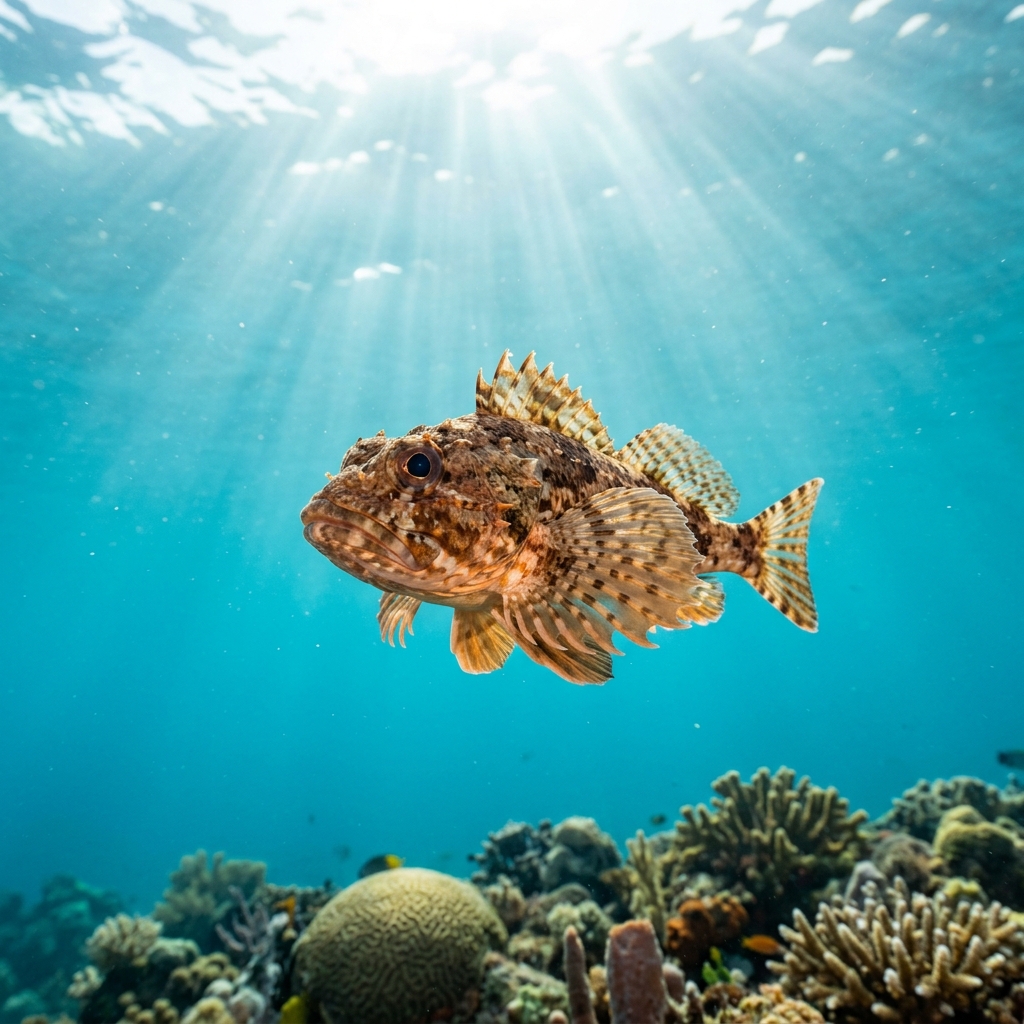
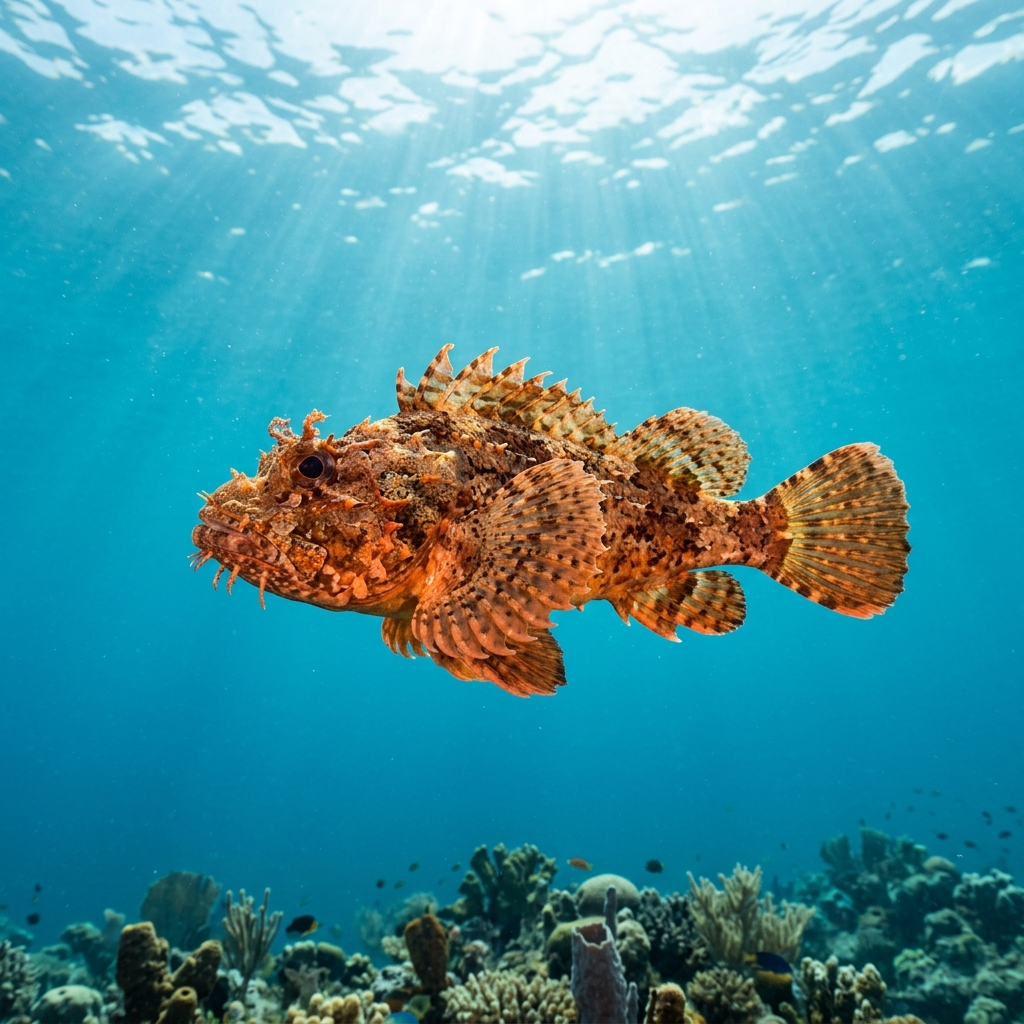
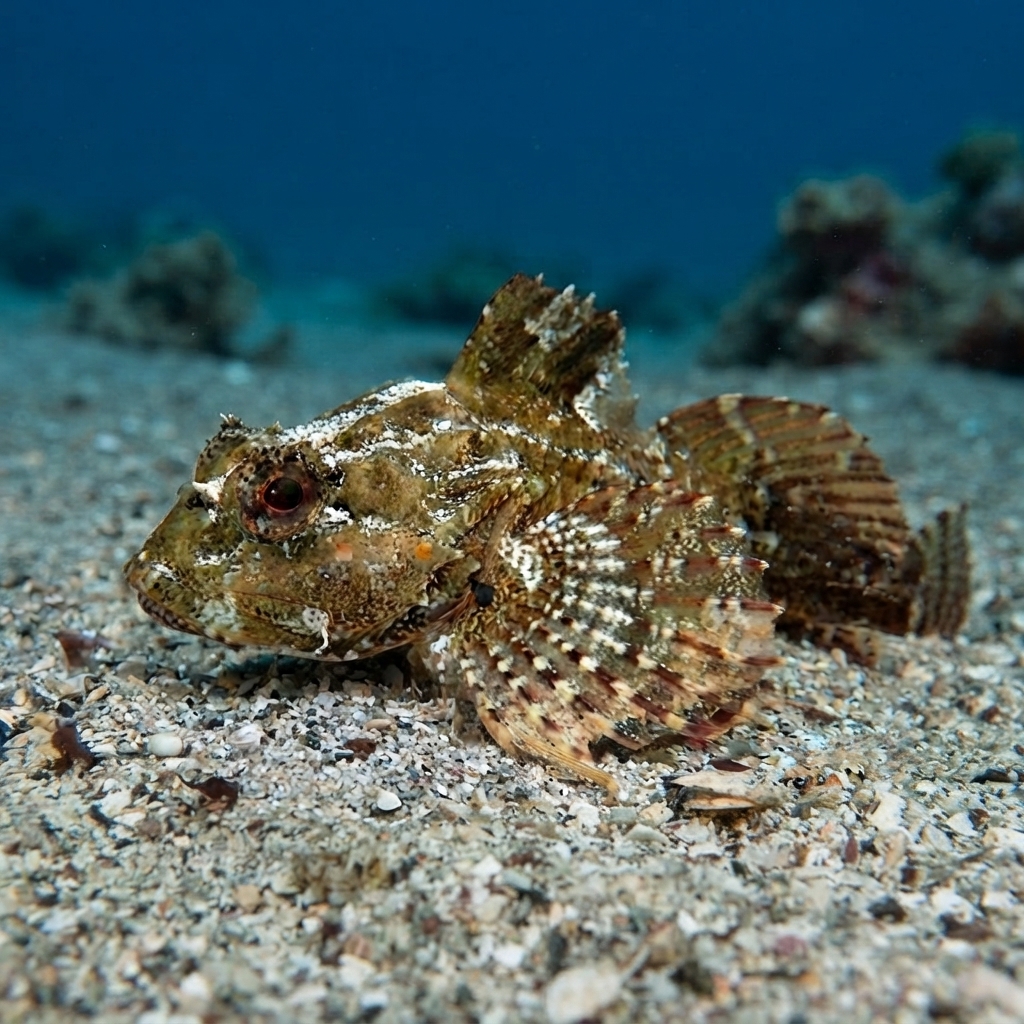
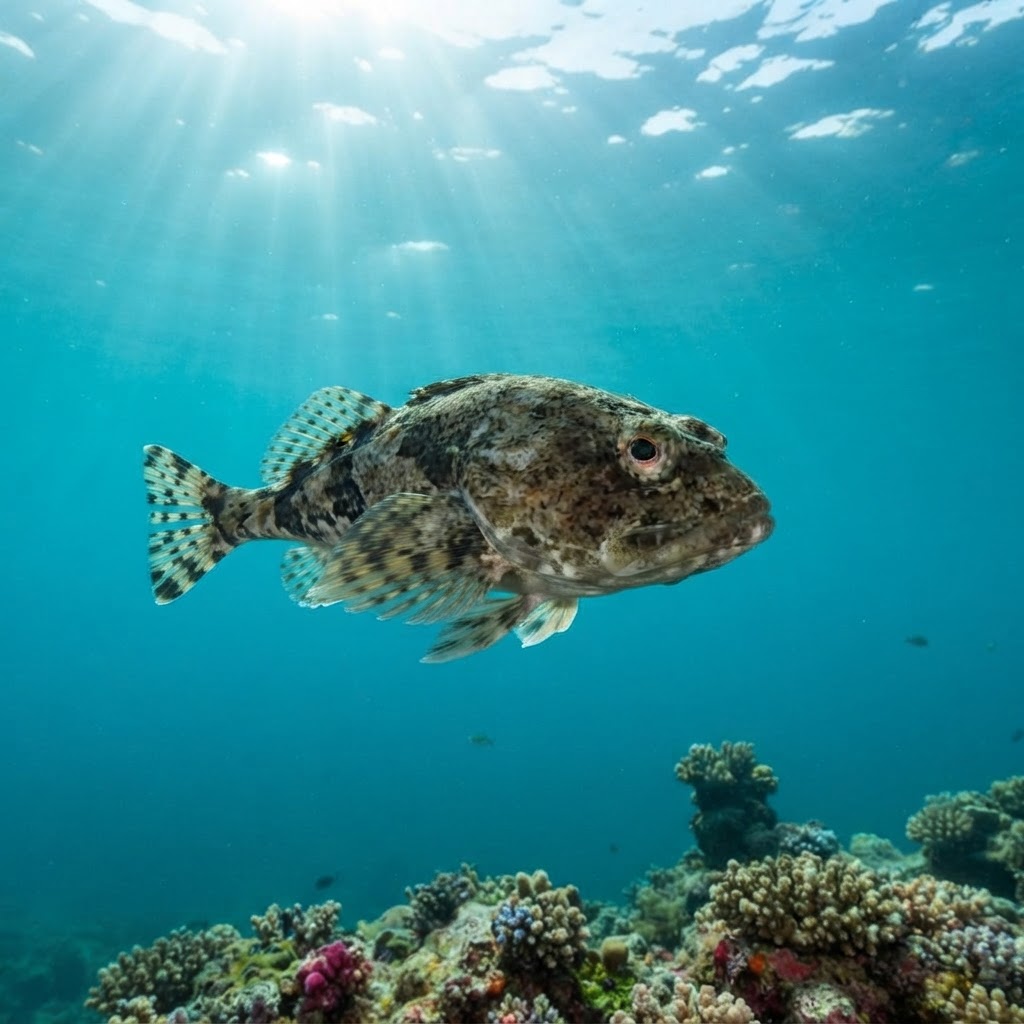
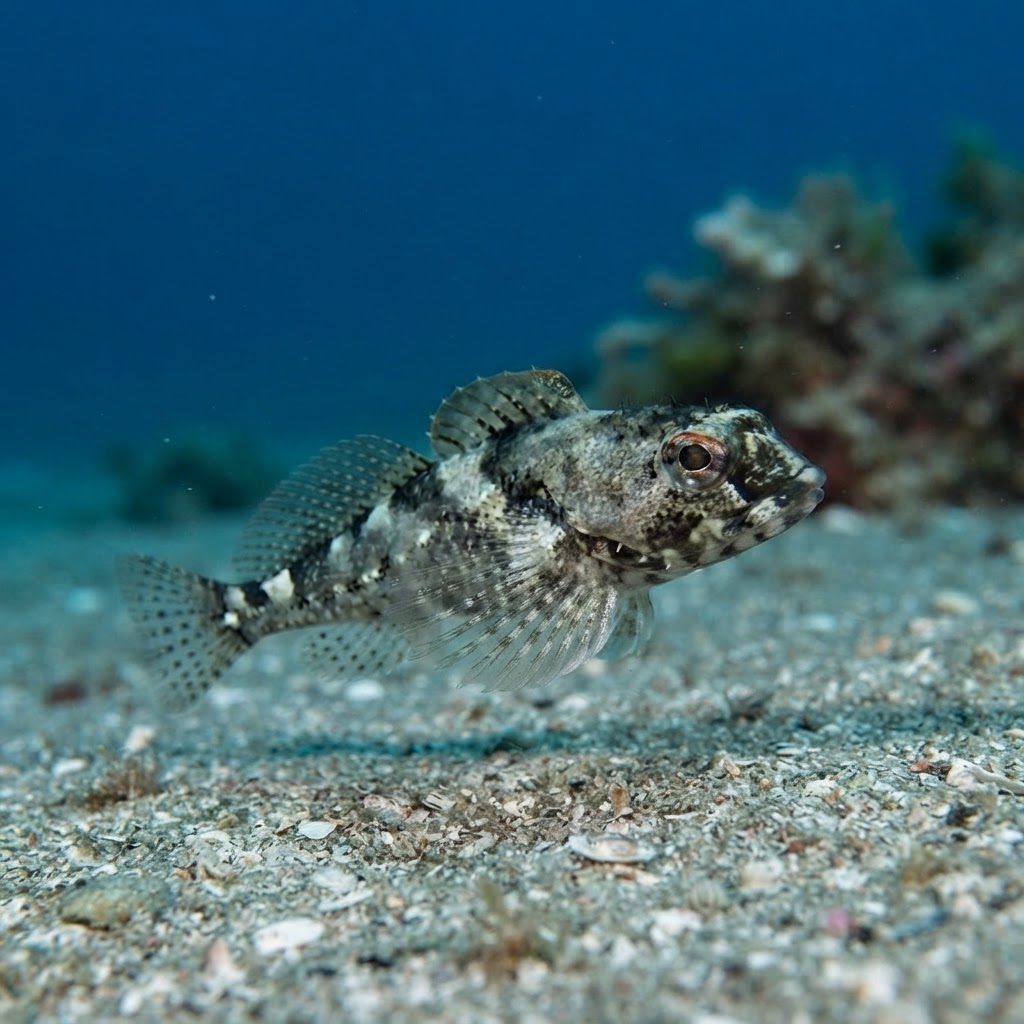
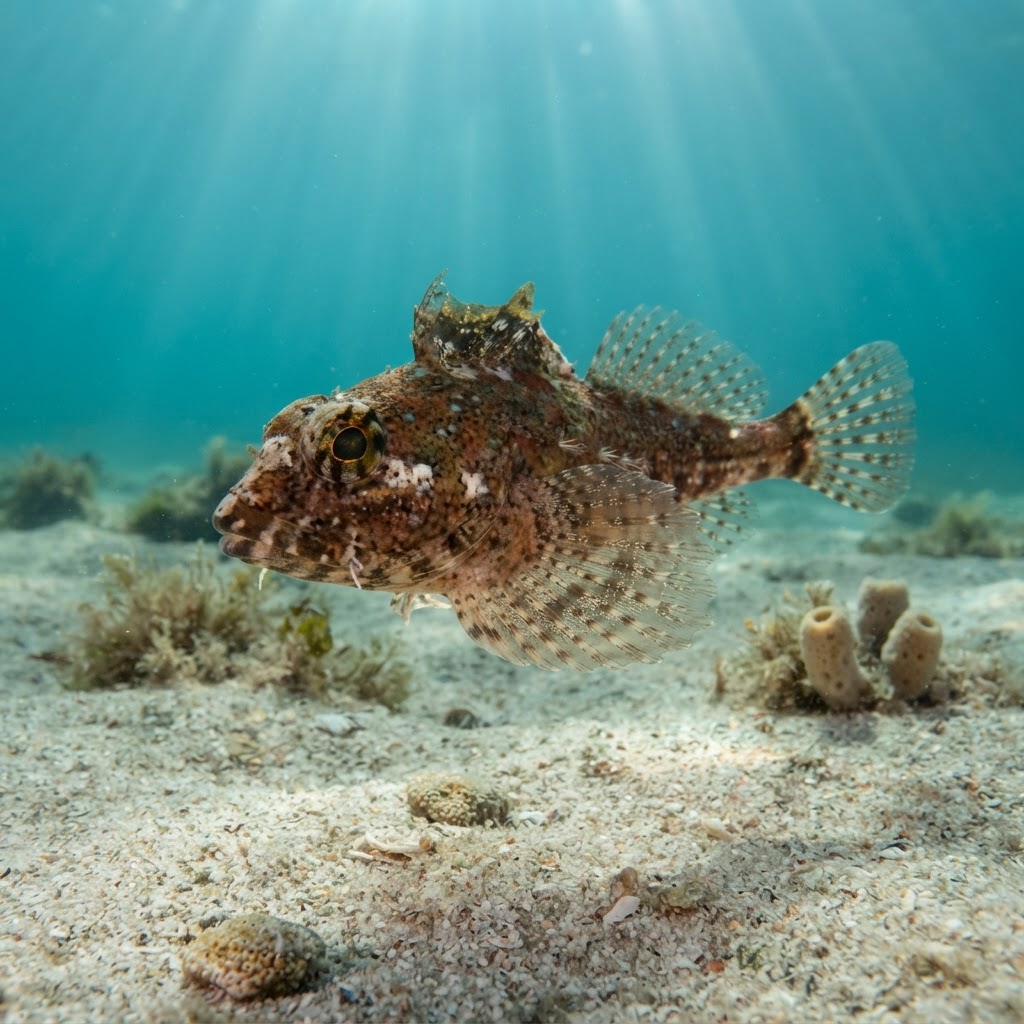
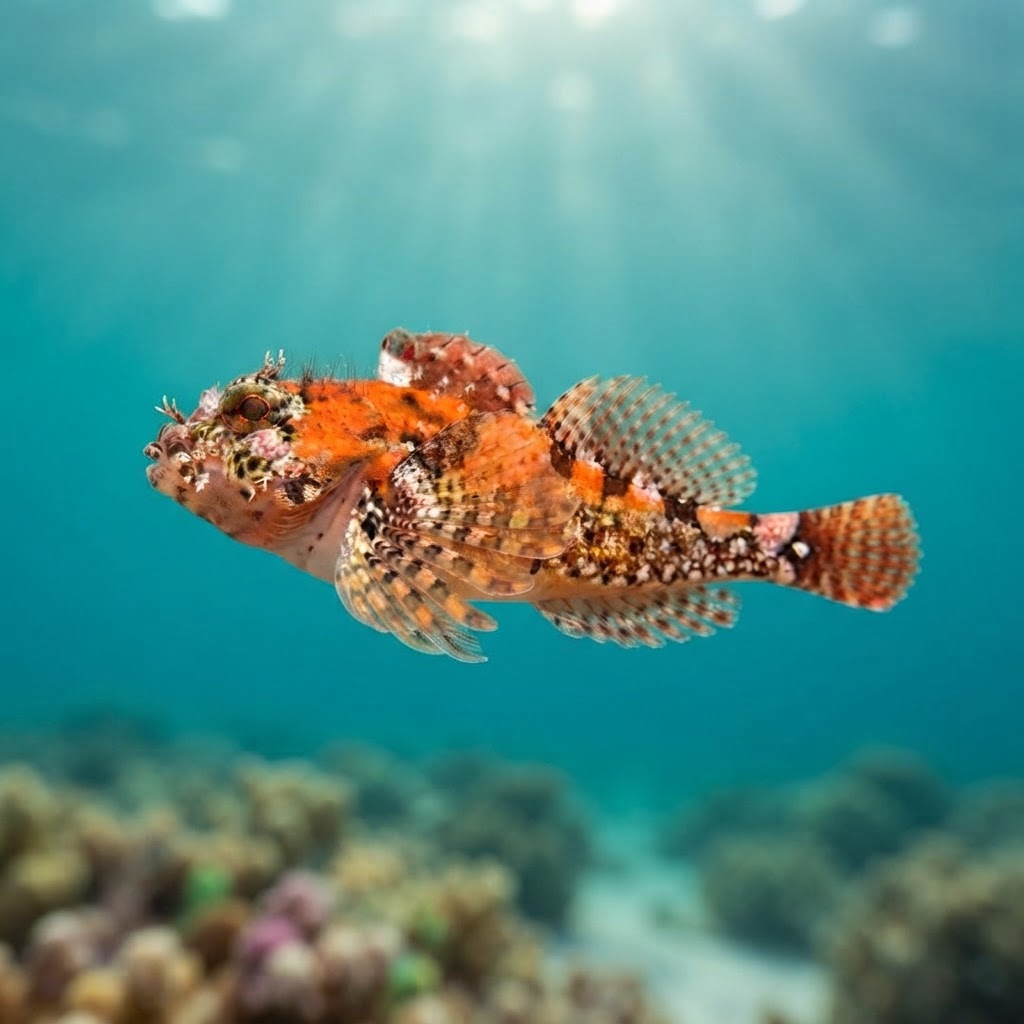
A stubby, big-headed little fish that tops out around 7 cm, so easy to miss against rock and algae. Look for a mottled reddish to pinkish-brown body with darker blotches that break up its outline, plus the wide, flattened head typical of sculpins. It tends to sit still on the bottom rather than swim in open water, propped on its pectoral fins.
Expect to find it parked motionless on rock or in algae rather than cruising the reef, relying on its blotchy colouring to blend into the substrate. It's a bottom-dweller through and through, more likely spotted by a diver scanning crevices closely than one looking out into open water. Given how rarely it's logged even at known sites, patience and a slow, careful eye matter more than timing.
Sculpins in this family lack a swim bladder, so they don't hover in midwater like many reef fish, instead relying on their pectoral fins to prop themselves against the bottom.
There isn't enough seasonal data to point to a particular month, so treat it as a year-round possibility. Its comfort range of roughly 11.7 to 19.2 C matches California's cool coastal waters for most of the year, so timing seems to matter less than simply searching the right rocky habitat.
Every logged sighting so far comes from the United States, specifically California, making it a distinctly Californian find rather than a species you'll stumble on elsewhere. Divers and snorkellers exploring the state's cooler, rocky coastal sites are the ones most likely to spot it, though even there it stays rare.
Mapping where Rosy Sculpin is logged…
All confirmed sightings come from California, United States, making it a species tied specifically to that coast rather than something found on tropical reefs elsewhere.
There's no clear seasonal pattern in the data, so it's treated as a year-round sighting. Its temperature range of 11.7 to 19.2 C matches California's cooler coastal waters for much of the year.
Look for a small, stubby fish around 7 cm long with a mottled reddish-brown body and a wide, flattened head. It sits still on rock or algae rather than swimming in open water, so scan the substrate closely.
They're small, typically reaching only about 7 cm in length, so they're easy to overlook against a rocky or algae-covered bottom.
No, they pose no danger to divers. They're small, bottom-dwelling fish that rely on camouflage rather than any defensive behaviour toward people.
Like other sculpins, they lack a swim bladder, so they can't hover in midwater the way many fish do. Instead they rest and prop themselves on the seafloor using their pectoral fins.
Site and sighting data is aggregated from diver logs, iNaturalist and GBIF. For taxonomy and conservation status:
Shorthorn Sculpin
228 sites