Xyrichtys martinicensis
Small pink-and-yellow wrasse logged across Bonaire, the Cayman Islands and Honduras's Bay Islands, usually hovering just off sandy patches.
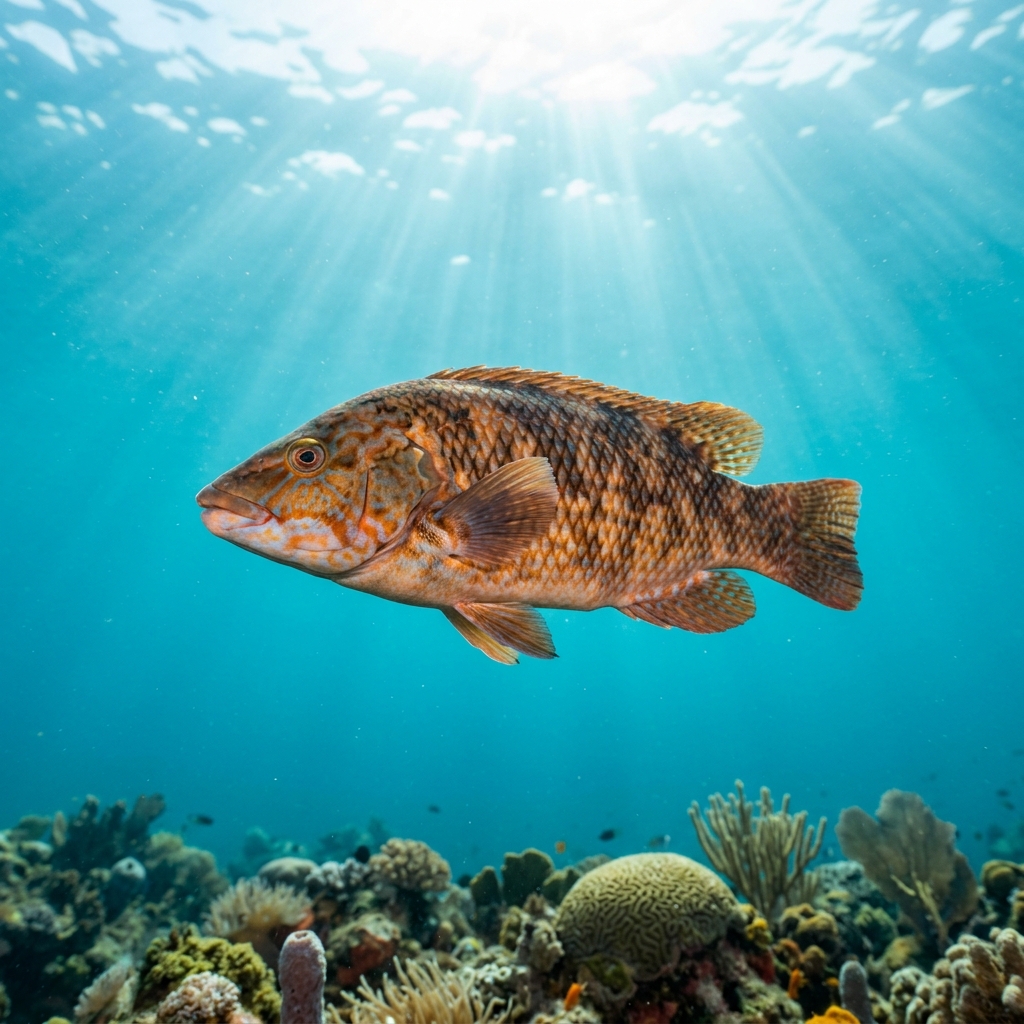
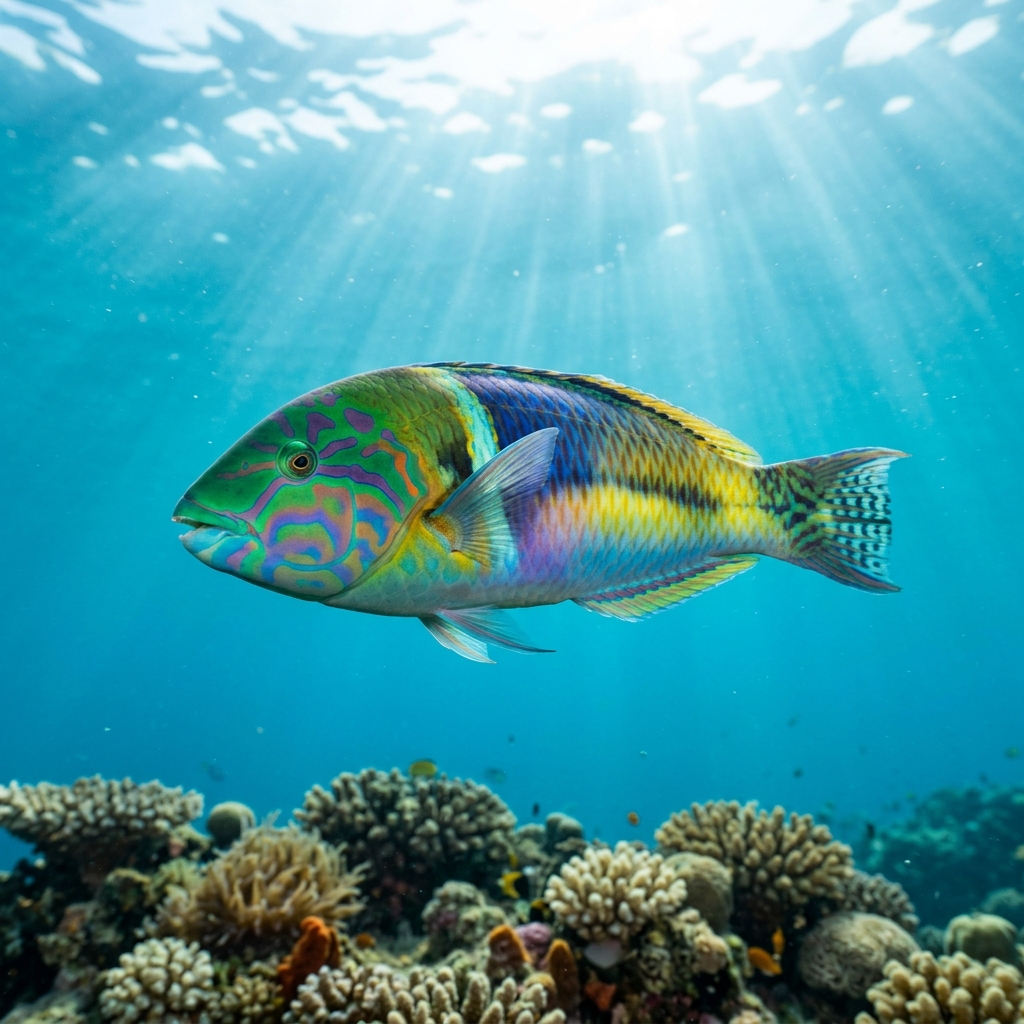
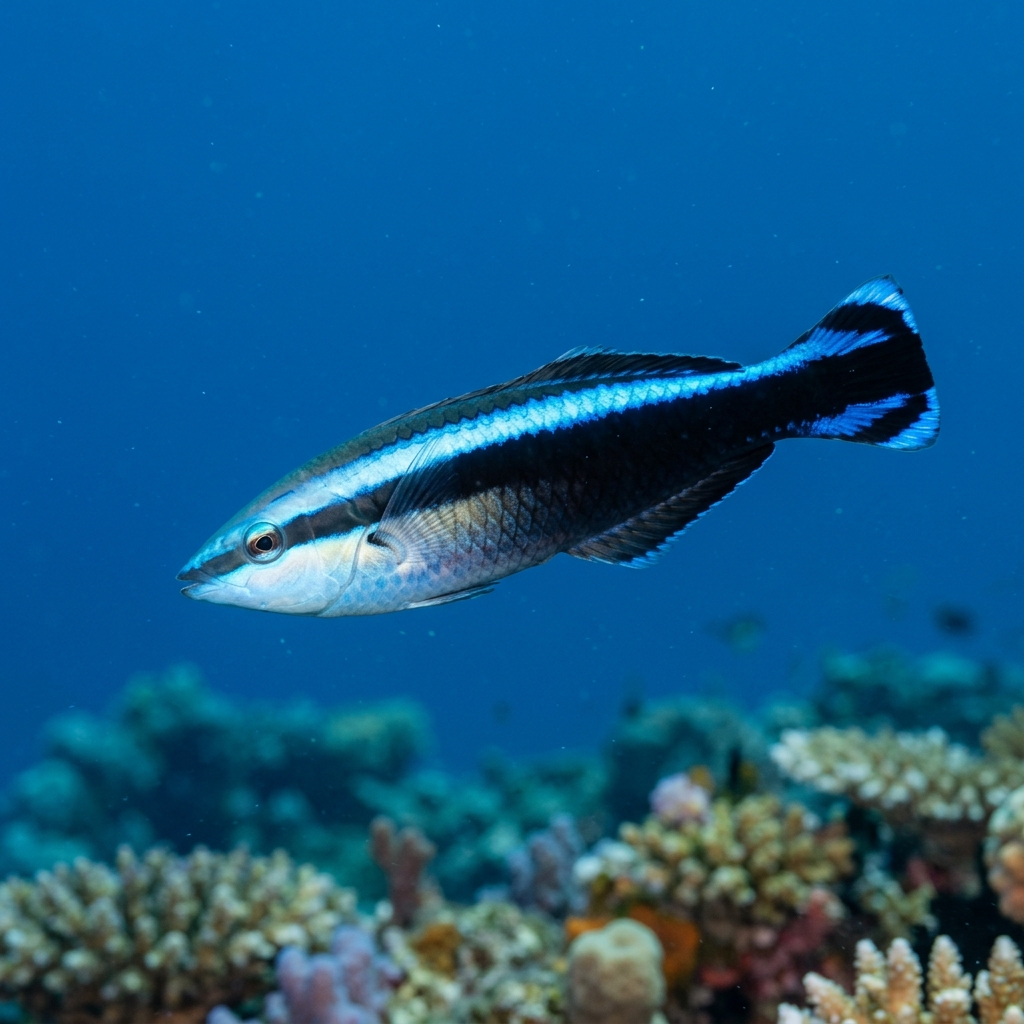
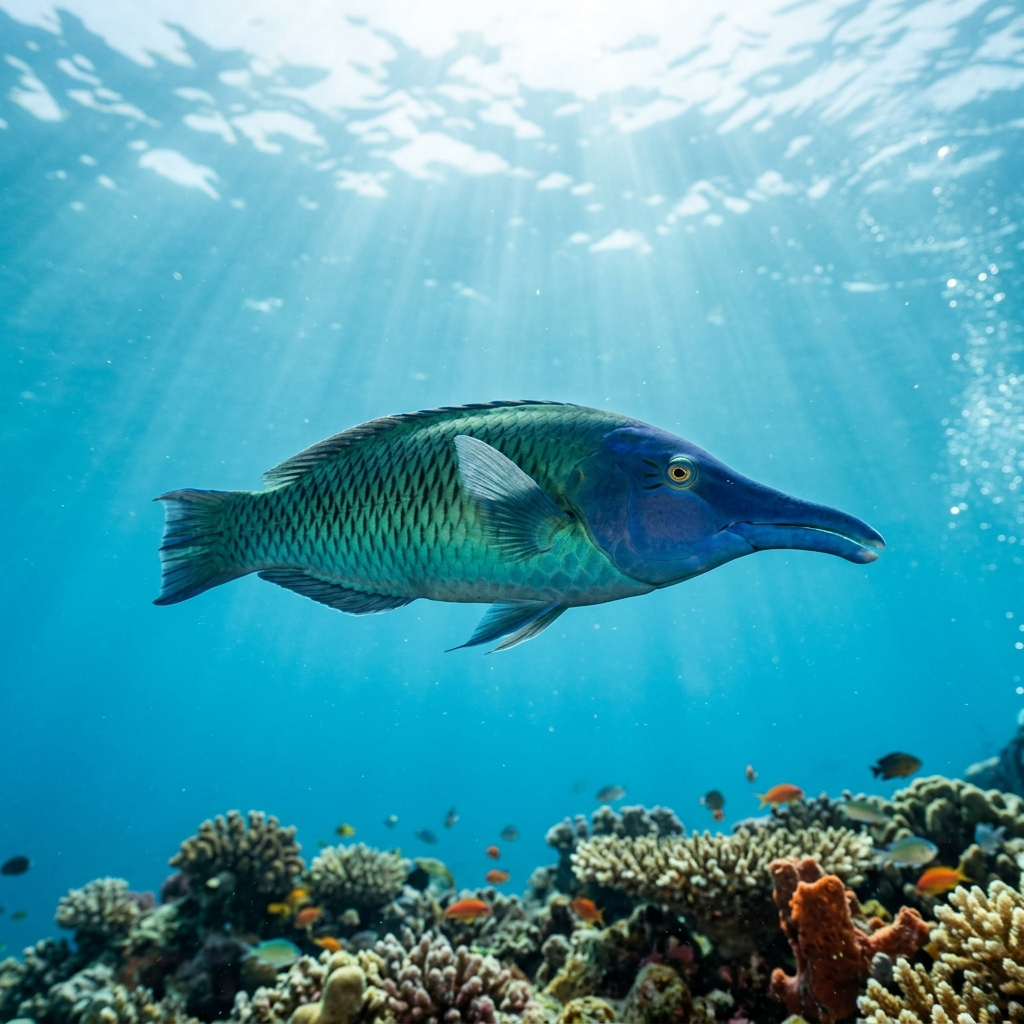
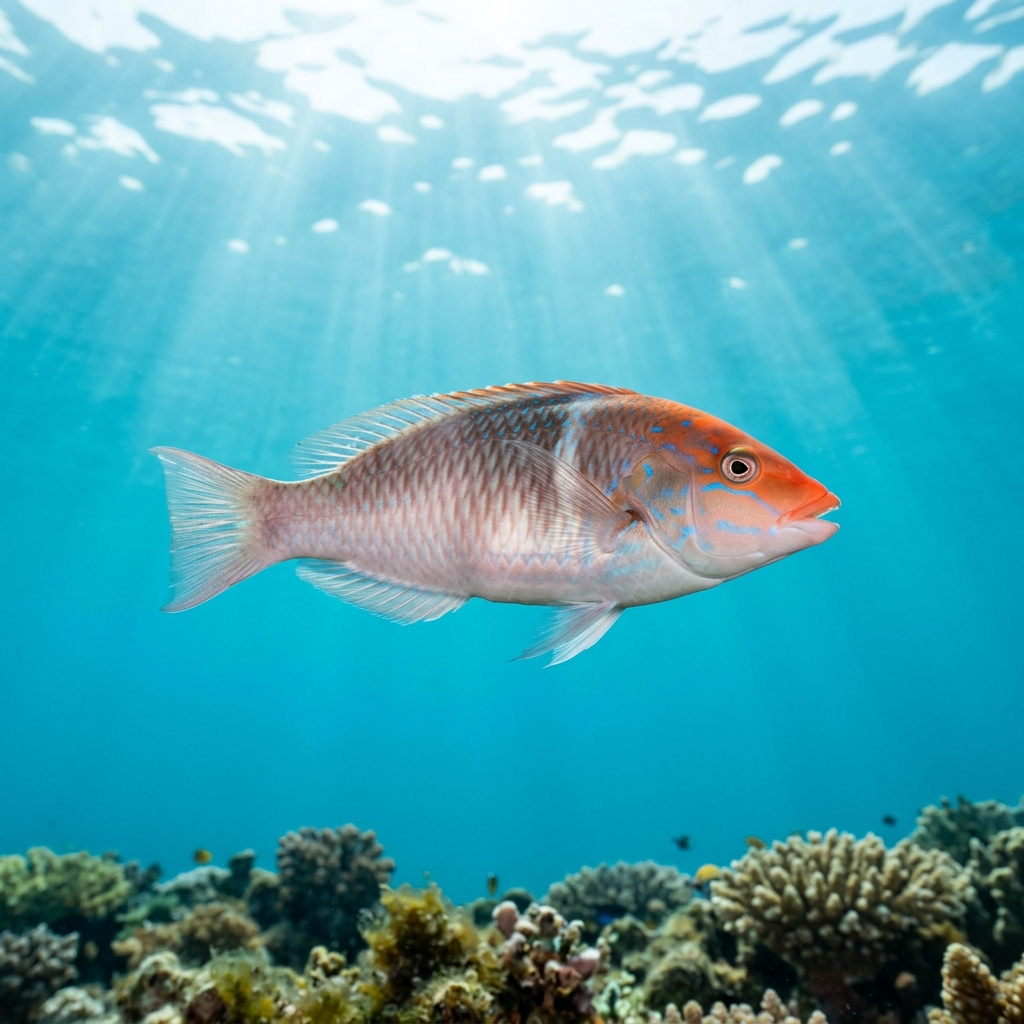
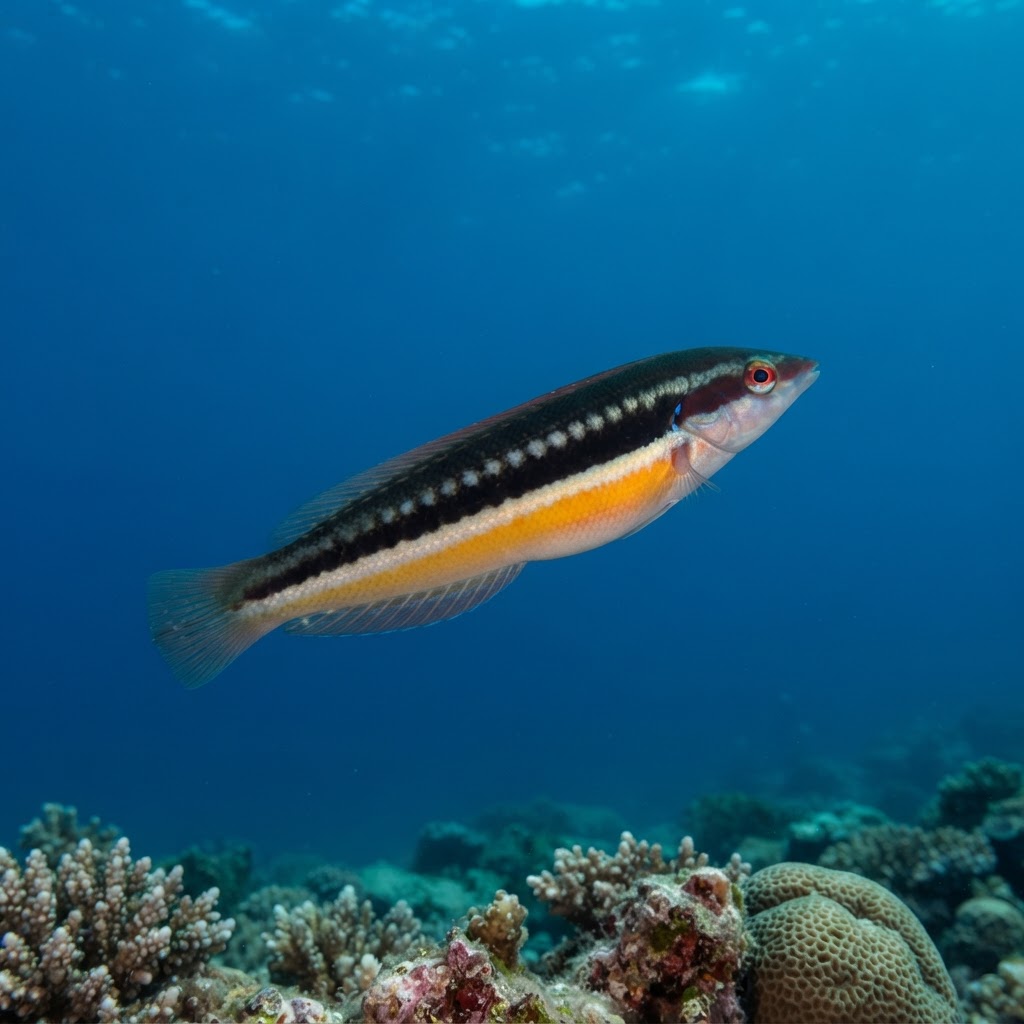
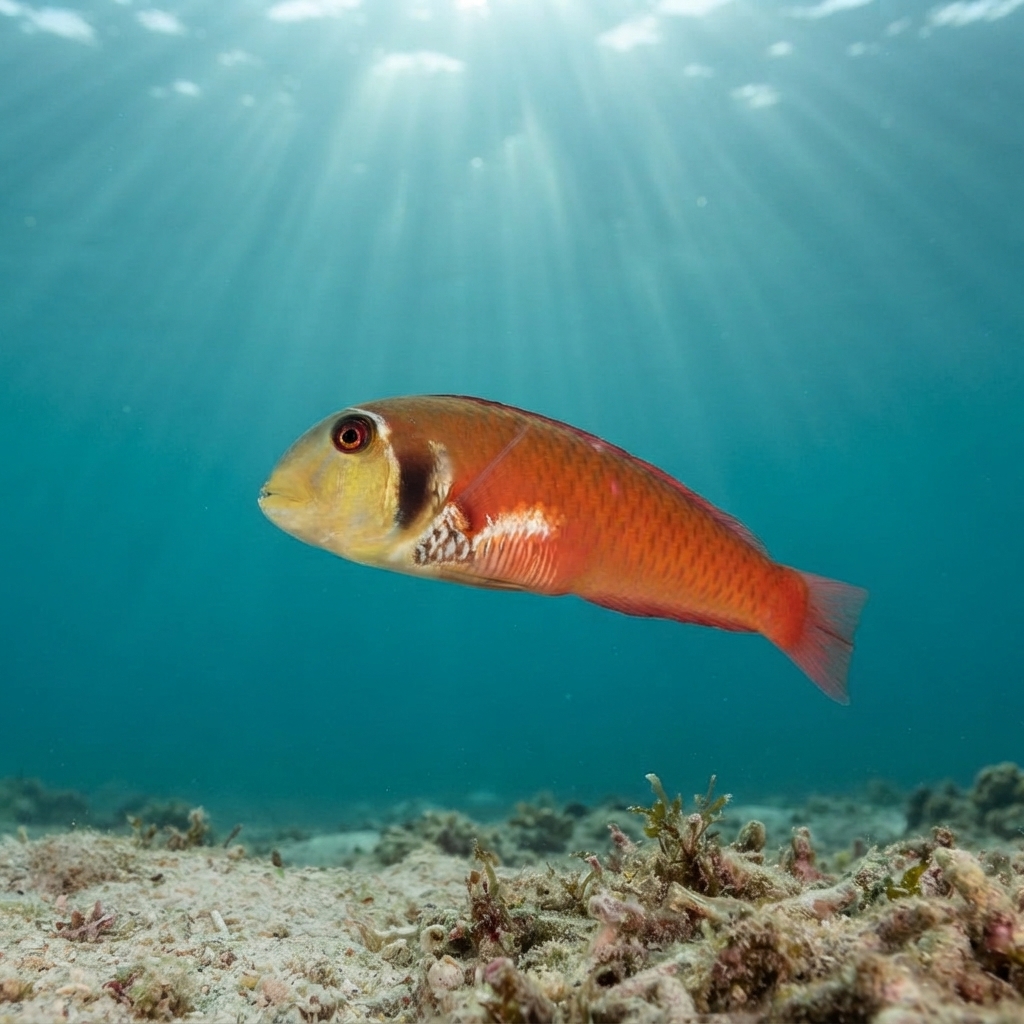
A slender, laterally compressed wrasse around 10 cm long, with a steep-sloped head that gives it the classic razorfish profile. Colouring runs pink to rose across the body with pale to yellow lower flanks, and it tends to hang at a slight head-down angle just above the sand rather than sitting flat against reef structure. Look for it near small sandy patches or rubble adjacent to reef, where it can vanish into the substrate in an instant if startled.
Divers typically spot it hovering just above sand or rubble patches bordering reef, picking at small invertebrates rather than schooling or holding station in open water. It is a quick, twitchy mover and will dive headfirst into loose sand to disappear when a diver gets too close, a classic razorfish escape trick. Most sightings are logged as uncommon rather than common, so it rewards divers who scan sandy edges instead of just the reef face.
Like other razorfish, it can bury itself completely in loose sand within a second when threatened, using the sand as cover rather than fleeing across open reef.
No clear seasonal pattern shows up in the sightings, and with a comfortable water-temperature range of roughly 25 to 28C on the reefs where it lives, it is a year-round find rather than a seasonal one.
Most reliably logged in Honduras, especially around the Bay Islands, with strong numbers also coming out of Bonaire's East Coast sites and Cayman Brac in the Cayman Islands. Saba's Tent Reef, Saint Lucia's Soufriere area, Belize's Lighthouse Reef, and Martinique's Saint-Pierre region also produce regular sightings, making this a wider Caribbean-wide find rather than a single-destination specialty.
Mapping where Rosy Razorfish is logged…
It shows up most often in Honduras's Bay Islands, along Bonaire's East Coast, and around Cayman Brac in the Cayman Islands. Saba, Saint Lucia, Belize and Martinique also have regular sightings, so it turns up across a good spread of Caribbean dive destinations.
There's no strong seasonal pattern in the sightings, and it lives comfortably in water between about 25 and 28C, so it's around on Caribbean reefs all year rather than during a specific window.
Look for a small, slim wrasse around 10 cm long with a pink to rose body and paler yellowish lower flanks, hovering at a slight downward angle over sand patches near reef. Its steep head profile and habit of diving into sand when startled are good confirming clues.
They stay small, typically reaching around 10 cm in length, which keeps them easy to overlook against sand and rubble unless you're looking closely.
No, they pose no danger to divers. They're small, carnivorous reef fish that keep well clear of people and disappear into the sand if approached.
Their signature move is diving headfirst into loose sand to vanish completely when startled, a defence trick shared with other razorfish species rather than fleeing across open reef.
Site and sighting data is aggregated from diver logs, iNaturalist and GBIF. For taxonomy and conservation status:
Bird Wrasses
3,632 sites